Top 4 Natural Monuments around Pipriac
Best natural monuments around Pipriac include a blend of ancient megalithic sites and diverse natural landscapes. The region features significant Neolithic alignments and burial sites, showcasing a rich historical and geological heritage. Visitors can explore areas with unique rock formations, extensive wetlands, and scenic river sections. These natural features provide varied opportunities for outdoor activities and cultural discovery.
Best natural monuments around Pipriac
- The most popular natural monument is Alignments du Moulin, a man-made monument featuring ancient standing stones.…
Last updated: August 26, 2026
Alignments du Moulin
Highlight • Monument
Translated by Google •
Tip by

Megaliths of Saint-Just
Highlight • Monument
Translated by Google •
Tip by

Sign up now to discover places like this
Get recommendations on the best single tracks, peaks, & plenty of other exciting outdoor places.
Sign up for free
The Fairy Cave of Tréal
Highlight • Historical Site
Translated by Google •
Tip by

Rocher d'Uzel
Highlight • Viewpoint
Translated by Google •
Tip by

Marais de Gannedel
Highlight • Natural
Translated by Google •
Tip by

Start today with a free account
Your next adventure awaits.
Login or Signup


Tips from the Community

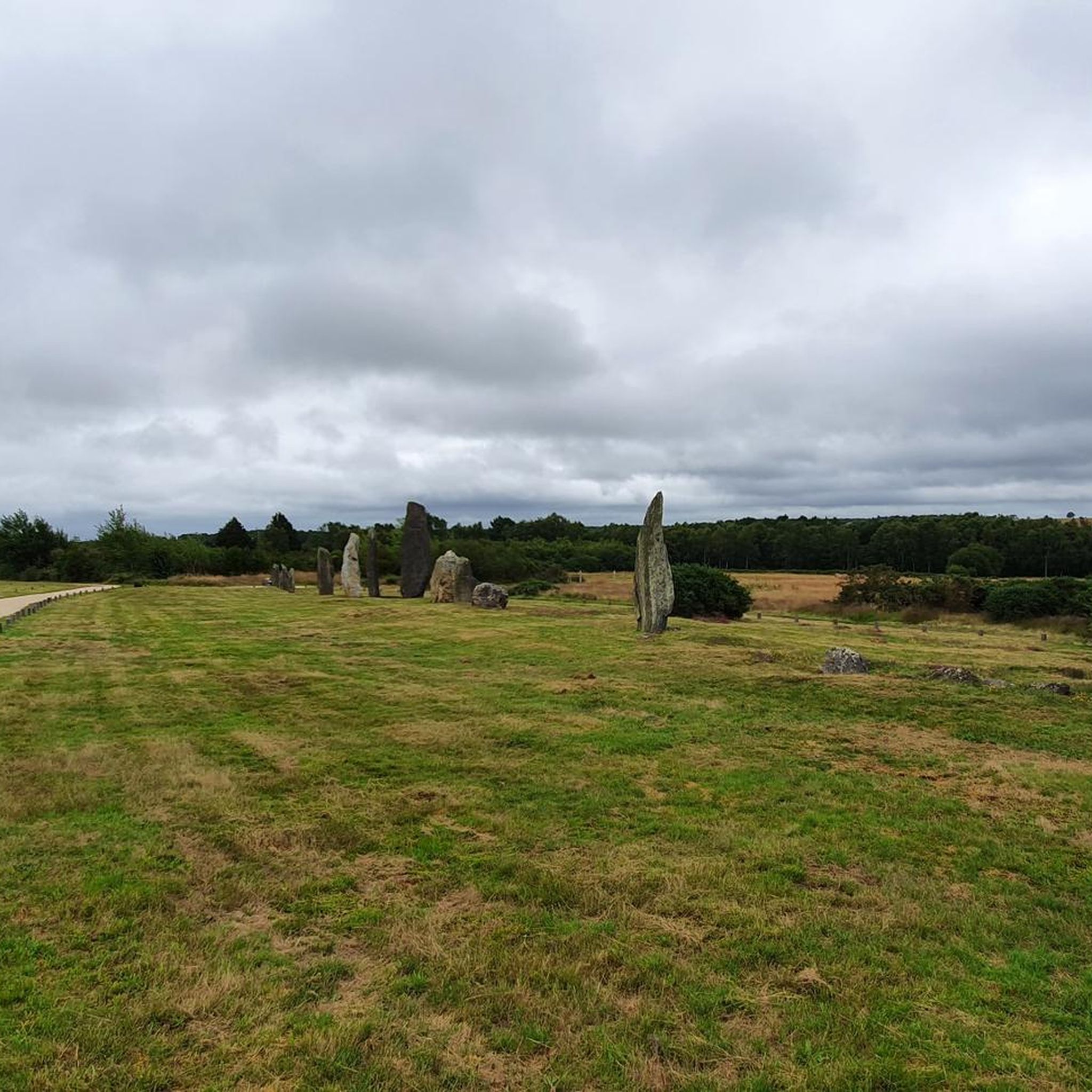
Sacred space, Saint-Just was frequented by Neolithic people for several millennia. Our distant ancestors settled on these dry moors to form a major complex of megalithic monuments, the second most important in Brittany, after Carnac. On a route of about 6km you can discover various alignments bearing strange names often linked to a local legend. The path can be walked, run or even cycled across a moor that offers no shade or shelter. A magical and fascinating place in every respect
0
0

Very nice hike. Please note, the indicated parking lot no longer exists, you must park near the football stadium
0
0

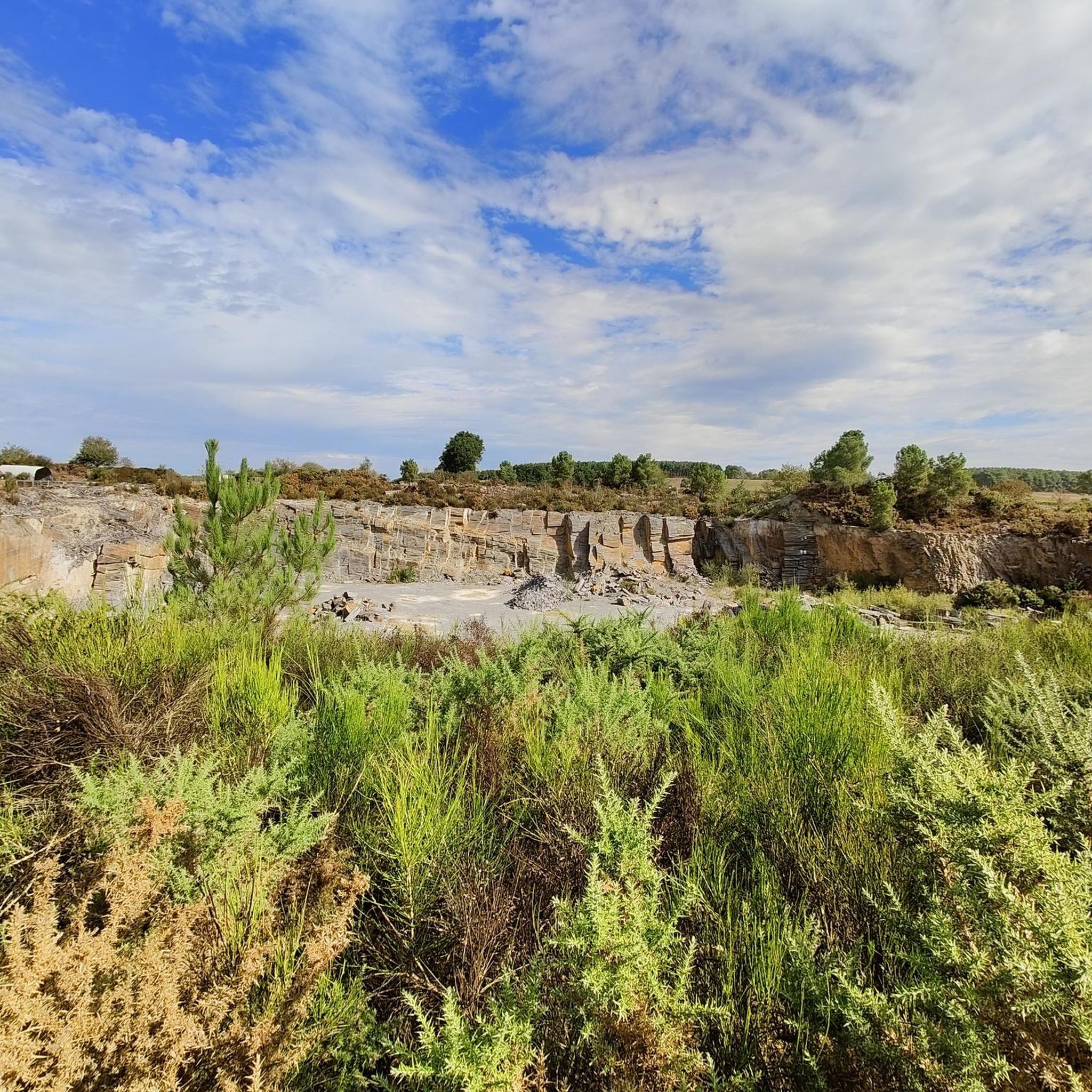
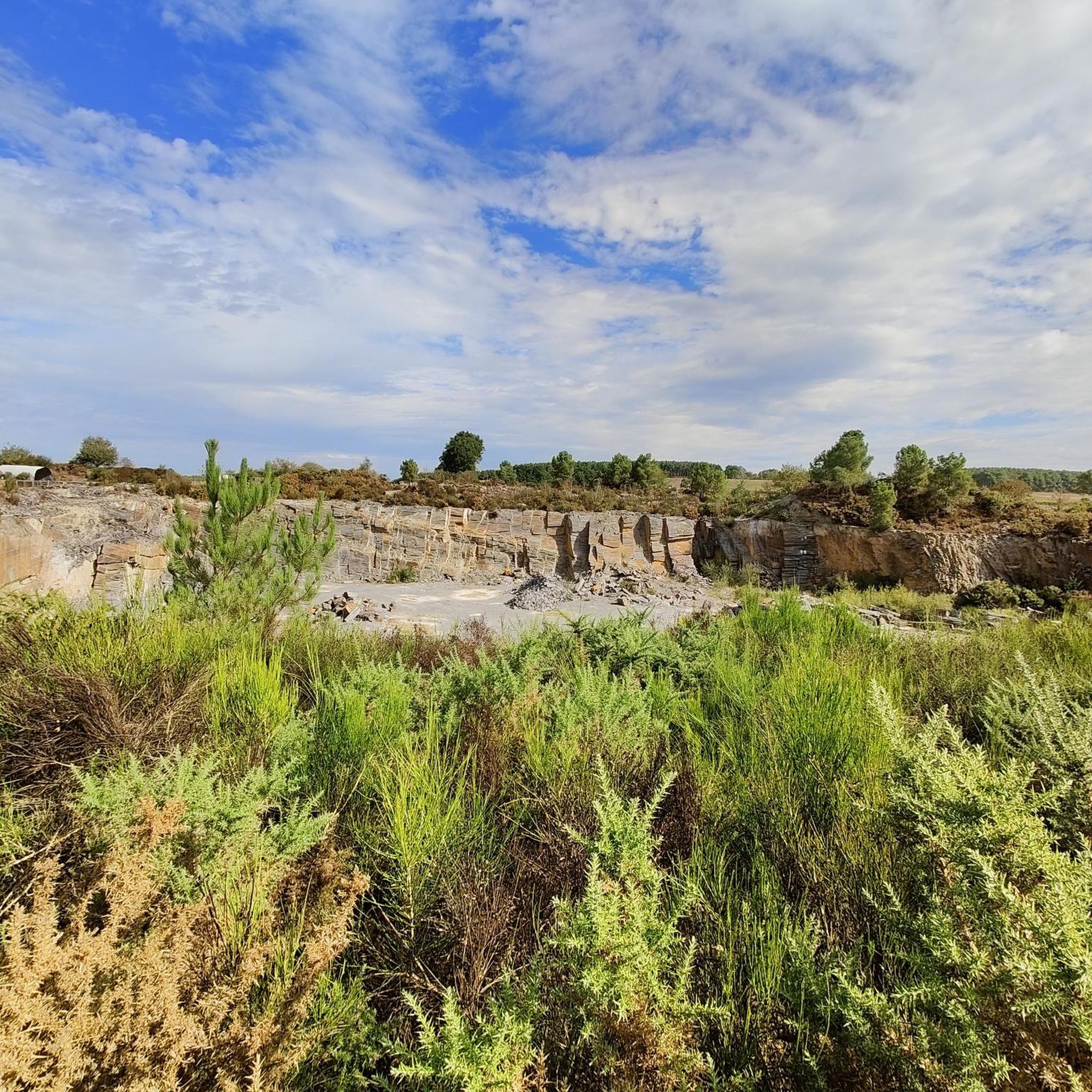
Magnificent view point on the banks of the Vilaine as well as Saint Malo de Phily. However, be careful with the descent following the GR which can be perilous in wet weather (Large difference in altitude)
0
0

The Gannedel marsh was formed where the Canut joins the Vilaine, and is today classified as a natural zone of ecological fauna and flora interest (ZNIEFF), welcoming more than a hundred species of birds throughout the year.
0
0
The covered alley of Tréal or also called Grotte aux fées according to a legend is an isolated burial site, located at the top of a hill called "La butte de Tréal" or "the rock of Tréal".
0
0

About 5000 years old row of stones with good explanation.
0
0

The pottery found dates this tomb to around 2500 and 3500 BC. This tomb with a side entrance, more than 15 meters long, was very degraded. It is 15 meters long and is a real spectacle.
2
0

At La Chapelle-de-Brain in the Pays de Redon, the natural area of the Gannedel marshes promises a pleasant walk between reedbeds, wet meadows and bodies of water. A circuit fitted out with footbridges and observatories facilitates the exploration of the site of great ecological value.
0
0
Frequently Asked Questions
What natural features can I explore around Pipriac?
The region offers diverse natural features. You can discover the tranquil wetlands of the Marais de Gannedel, a classified natural zone rich in birdlife. Further afield, the Boucle de la Vilaine provides scenic river views and cycling paths, with impressive purple schist cliffs near Bruz. For a larger natural reserve, the Parc Naturel Régional de Brière, a vast wetland and UNESCO Biosphere Reserve, is about an hour's drive southwest.
Are there any ancient sites related to the natural landscape near Pipriac?
Yes, the area is rich in megalithic sites that blend ancient human history with the natural landscape. The Alignements du Moulin and the broader Megaliths of Saint-Just feature impressive standing stones (menhirs) dating back thousands of years, set within the beautiful Lande de Cojoux. Another significant site is The Fairy Cave of Tréal, an ancient burial site atop a hill with panoramic views.
What outdoor activities can I do near these natural monuments?
The natural monuments around Pipriac are excellent starting points for various outdoor activities. You can enjoy hiking on trails like the "Fairies of Tréal Trail" or explore the megalithic sites on routes such as "Alignments du Moulin – Cairn this Château Bû loop from Saint-Just." Cycling is popular along the Boucle de la Vilaine, and the Parc Naturel Régional de Brière offers opportunities for walking, cycling, and even boat trips. For more detailed routes, check out the hiking guide, running trails, and MTB trails around Pipriac.
Are there family-friendly natural monuments around Pipriac?
Absolutely. The Alignements du Moulin and the Megaliths of Saint-Just are great for families, offering an engaging blend of history and nature. The Marais de Gannedel also provides an easy, family-friendly walk with footbridges and observatories for birdwatching. These sites are generally accessible for children to explore.
What is the best time of year to visit the natural monuments around Pipriac?
Spring and autumn are generally the best times to visit. The weather is mild, and the natural landscapes are vibrant. Spring brings blooming flora, especially around the moorlands of Saint-Just, while autumn offers beautiful foliage. Summer can also be pleasant, but it can get warm, especially in open areas like the Lande de Cojoux, which offers little shade.
What makes the Megalithic Sites of Saint-Just unique?
The Megalithic Sites of Saint-Just, including the Alignements du Moulin, are unique for their extensive Neolithic alignments, some dating back 5000 years. They are the second most important megalithic complex in Brittany after Carnac. The site features numerous menhirs made of various colored rocks like red schist and white quartz, arranged in distinct alignments. The nearby "Maison Mégalithes et Landes" museum provides further insight into this ancient culture.
Can I visit the Rocher d'Uzel?
While the Rocher d'Uzel offers magnificent views of the Vilaine, it is located on private property and is not accessible to visitors.
Are there any notable wetlands or unique ecosystems to visit?
Yes, the Marais de Gannedel is a significant natural area where the Canut joins the Vilaine, classified for its ecological value and home to over a hundred bird species. Further away, the Parc Naturel Régional de Brière is the second-largest wetland in France, a UNESCO Biosphere Reserve with a rich mosaic of reed beds, grasslands, and canals, offering exceptional biodiversity and traditional thatched cottages.
What kind of wildlife can I expect to see around these natural monuments?
The wetlands, such as the Marais de Gannedel and the Parc Naturel Régional de Brière, are particularly rich in birdlife, including numerous water birds. The moorlands around the Megalithic Sites of Saint-Just also support various local flora and fauna adapted to that environment. Keep an eye out for diverse plant species and insects across the different natural settings.
Is there a museum or visitor center related to the megalithic sites?
Yes, near the Megalithic Sites of Saint-Just, you can find the "Maison Mégalithes et Landes" museum. It offers valuable insights into the Neolithic era and the history of the megalithic alignments, enhancing your visit to these ancient sites.
Are there any specific geological features worth noting?
Beyond the ancient stones themselves, which are composed of various rocks like red and blue schist and white quartz, the region features interesting geology. Along the Boucle de la Vilaine, particularly near Bruz, you can observe impressive purple schist cliffs, adding a distinct geological element to the river landscape.
Most popular routes around Pipriac
Most popular attractions around Pipriac

Get inspired with the komoot mobile app


Explore more
Extend your search for the best caves by checking out these guides of the top ones around Pipriac:
