Top 6 Natural Monuments around Grand-Corent
Natural monuments around Grand-Corent provide insights into the region's geology, paleontology, and natural ecosystems. The area features diverse landscapes including forests, valleys, and rivers, making it suitable for outdoor exploration. These sites offer opportunities to observe unique geological formations and historical natural features. Grand-Corent is home to 6 natural monuments that showcase the area's natural beauty.
Best natural monuments around Grand-Corent
- The most popular natural monuments is Grotte de Corveissiat, a cave that features a spectacular entrance, though entry…
Last updated: August 12, 2026
Grotte de Corveissiat
Highlight • Cave
Translated by Google •
Tip by

Dinosaur Footprints of Villette
Highlight • Natural Monument
Showing Translation
Tip by

Sign up now to discover places like this
Get recommendations on the best single tracks, peaks, & plenty of other exciting outdoor places.
Sign up for free
Cascade de la Pisse Vache
Highlight • Waterfall
Translated by Google •
Tip by

Ondulated Rock Formation
Highlight • Natural Monument
Translated by Google •
Tip by

Sully Lime Tree
Highlight • Natural Monument
We find others in Bugey like in Innimond
Translated by Google •
Tip by
Sign up for free to discover even more natural monuments around Grand-Corent.
Sign up for free
Already have an account?
Start today with a free account
Your next adventure awaits.
Login or Signup
Tips from the Community

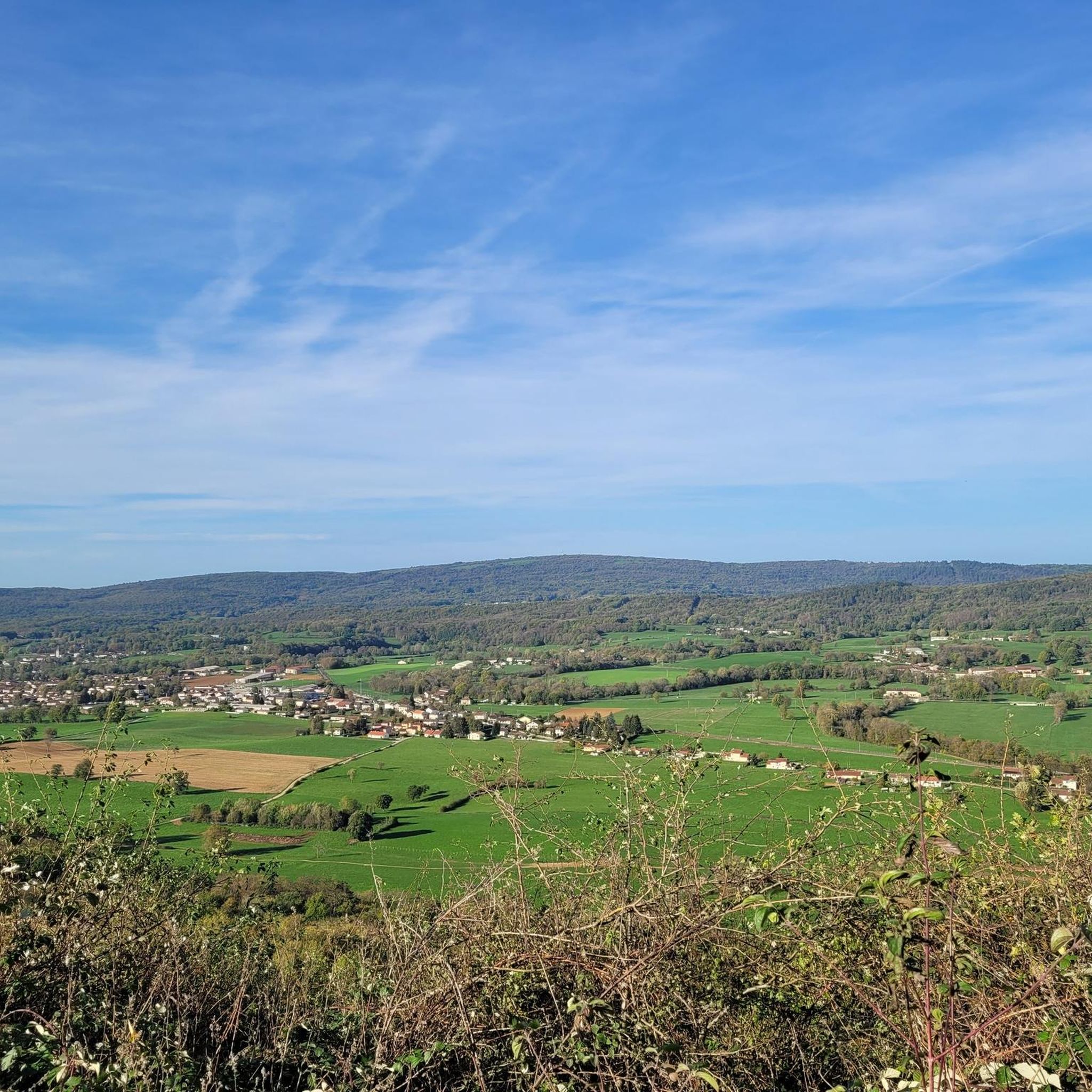
350 year old lime tree, they are called Sully because of their old age. We find others in Bugey like in Innimond
0
0

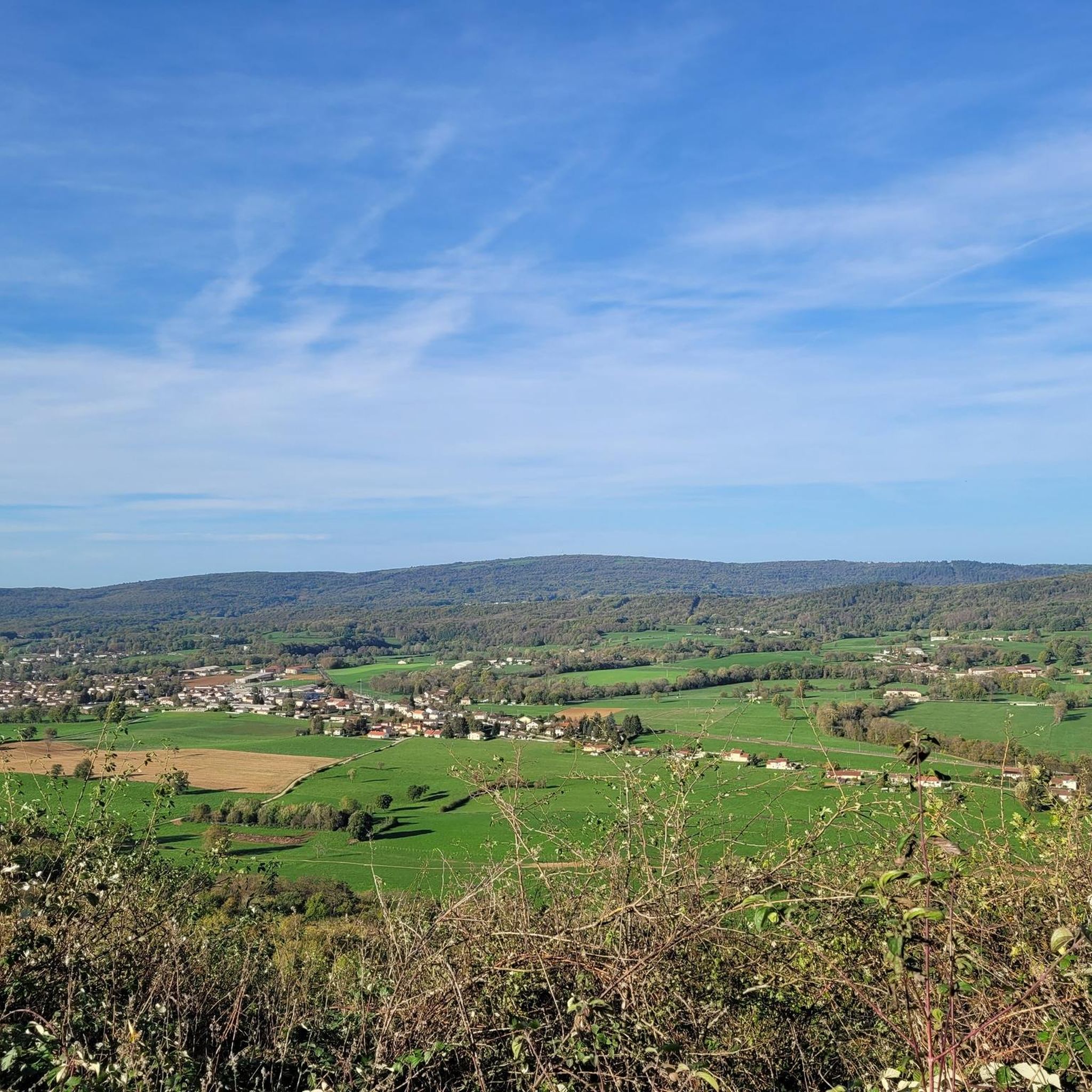
The dozens of footprints found at this site date back 150 million years. They correspond to traces of sauropods that lived in the Jurassic.
1
1

An active water cave that is locked. Only the cavers have access here.
7
0

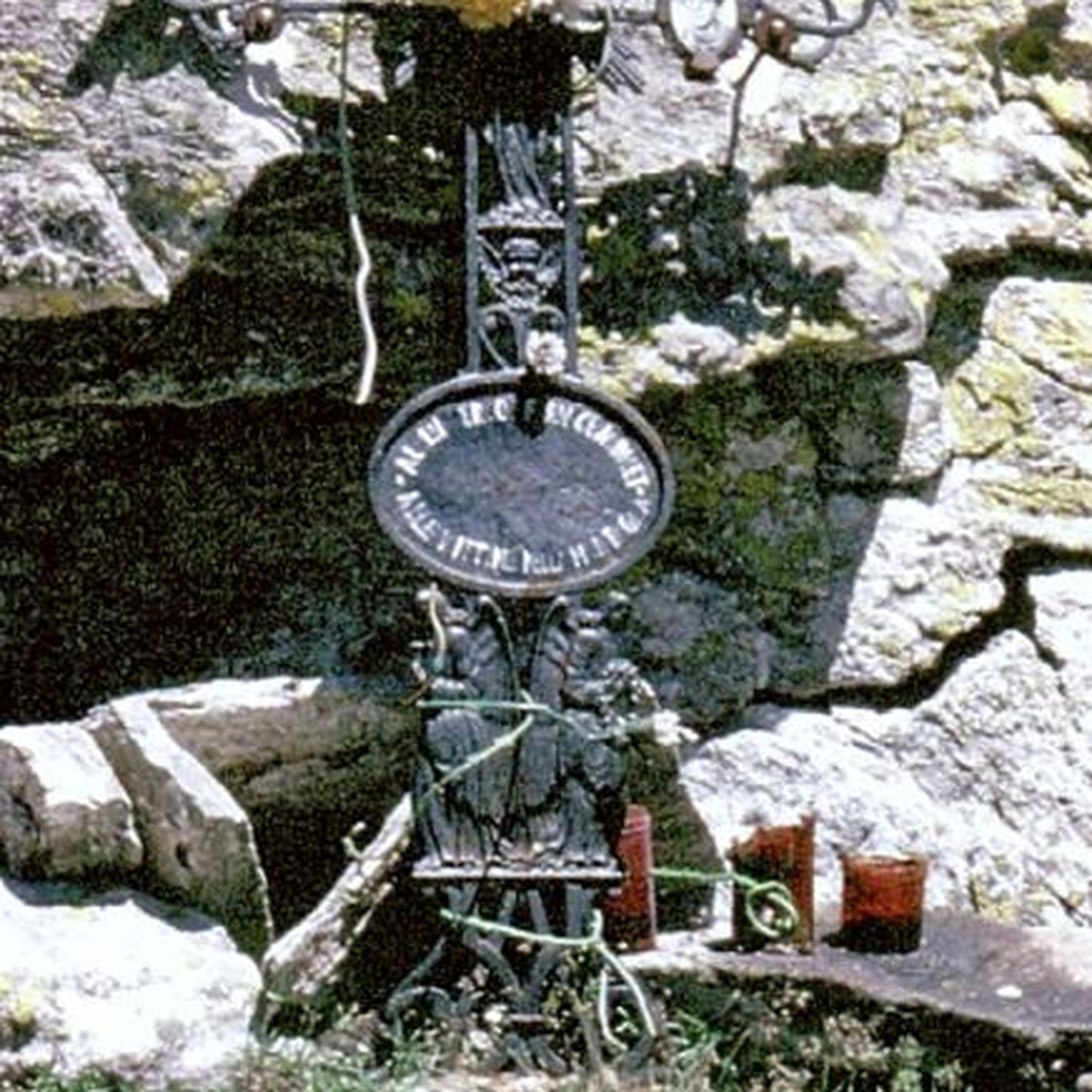
Hidden in the moss-covered woods, this magical cave is a sight to behold. Although it is no longer permitted to enter the cave, its entrance is spectacular. Inside the cave there are submerged sections that have been explored by divers.
3
0

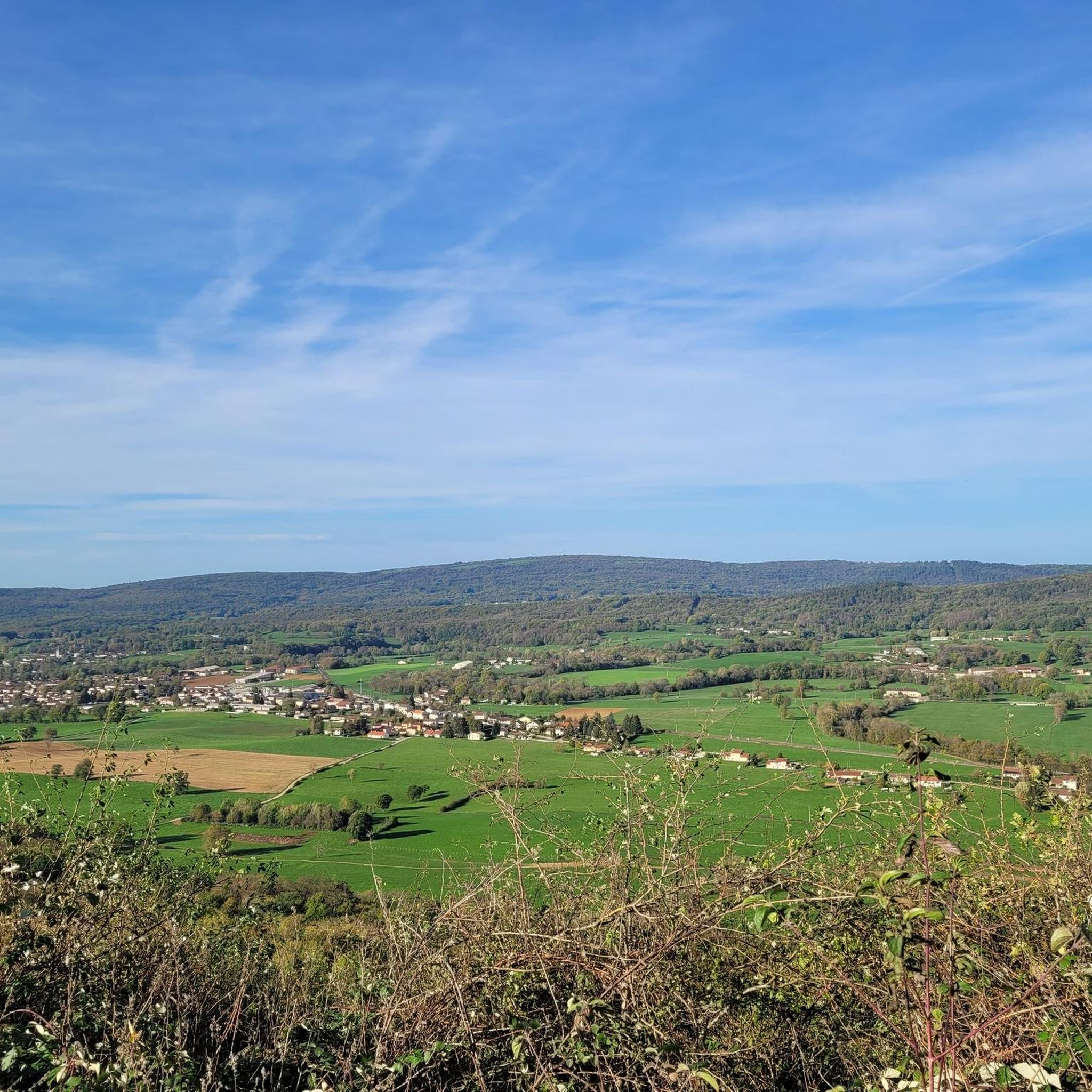
At this place, the surface of the rock is wavy, so much so that from afar it looks like a corrugated sheet.
0
0
Starting from the hamlet of Bombois on the left bank of the Ain valley, a family walk in the forest leads to this waterfall with its funny name. Find "8 walks around water" in a booklet on sale for €2 at the Tourist Office
1
0

Villette dinosaur footprint paleontological site, was discovered in 2003, then identified as such in 2010. This site of scientific interest is unique and fragile. Certified Kimmeridgian dinosaur footprints, dating back 150 million years BC.
1
0
Frequently Asked Questions
What are some of the most popular natural monuments around Grand-Corent?
Among the most popular natural monuments, visitors frequently highlight the Grotte de Corveissiat, known for its spectacular entrance in moss-covered woods. Another favorite is the Cascade de la Pisse Vache, a refreshing waterfall accessible via a forest walk. The Dinosaur Footprints of Villette also draws significant interest as a unique paleontological site.
Are there family-friendly natural monuments to visit near Grand-Corent?
Yes, several natural monuments are suitable for families. The Dinosaur Footprints of Villette offers a fascinating educational experience for all ages. The walk to Cascade de la Pisse Vache from Bombois is also described as a family-friendly forest walk. Additionally, the ancient Sully Lime Tree provides an interesting natural heritage site for families to explore.
What unique geological features can I explore in the Grand-Corent area?
The region offers several intriguing geological formations. The Ondulated Rock Formation is a notable example, where the rock surface appears wavy, resembling corrugated sheeting. The Grotte de Corveissiat, while restricted inside, showcases a spectacular cave entrance, hinting at the powerful forces that shaped the landscape. The Dinosaur Footprints of Villette also represents a unique paleontological geological site.
Are there any natural monuments with historical significance around Grand-Corent?
Absolutely. The Dinosaur Footprints of Villette is a site of immense historical and scientific interest, featuring sauropod dinosaur footprints dating back 150 million years. Another living historical monument is the Sully Lime Tree, an impressive 350-year-old tree designated for its ancient age, offering a glimpse into the region's enduring natural heritage.
What kind of walking or hiking opportunities are available near the natural monuments?
You can enjoy a family-friendly forest walk to the Cascade de la Pisse Vache starting from the hamlet of Bombois. The area also features the Jarbonnet Rocks, which provide beautiful views of the Ain river valley and are popular with climbers. For more extensive hiking, the Gorges de l'Ain offer routes like the 'Overhangs of the Ain Gorges' with scenic overlooks. You can find various running trails, including moderate and difficult options, around Grand-Corent, such as the 'Les rochers de Jarbonnet - loop' or 'Grand-Corrent Climb – Steep Ascent to Grand Corent loop'. For more details on these and other routes, visit the Running Trails around Grand-Corent guide.
What do visitors enjoy most about the natural monuments around Grand-Corent?
Visitors particularly appreciate the unique blend of natural beauty and historical significance. The spectacular entrance of the Grotte de Corveissiat, hidden in moss-covered woods, is often mentioned for its magical atmosphere. The ancient Dinosaur Footprints of Villette captivate visitors with a direct link to prehistoric life. The refreshing Cascade de la Pisse Vache is also a popular spot for its natural spectacle and pleasant forest walk.
Can I go inside the Grotte de Corveissiat?
While the entrance to the Grotte de Corveissiat is spectacular and worth seeing, entry into the active water cave itself is restricted to cavers due to submerged sections explored by divers. It is no longer permitted for general visitors to enter the cave.
Are there cycling routes available near the natural monuments in Grand-Corent?
Yes, the area around Grand-Corent offers various cycling opportunities. You can find road cycling routes, such as the 'Cize Viaduct – Viaduct Cize-Bolozon loop', with options ranging from moderate to difficult. There are also touring bicycle routes, including the 'Cize-Bolozon Viaduct – Cize Viaduct loop'. For detailed information on these and other cycling paths, explore the Road Cycling Routes around Grand-Corent guide and the Cycling around Grand-Corent guide.
What is the best time of year to visit the natural monuments around Grand-Corent?
The diverse landscapes of forests, valleys, and rivers make the Grand-Corent area enjoyable throughout much of the year. Spring and autumn offer pleasant temperatures for hiking and exploring, with vibrant foliage or blooming nature. Summer is ideal for enjoying the refreshing waterfalls like Cascade de la Pisse Vache. While some sites like the Dinosaur Footprints of Villette are accessible year-round, always check local conditions, especially during winter, as some paths might be slippery or less accessible.
Are there any hidden natural gems or less-known spots worth discovering?
Beyond the main highlights, the region offers numerous other natural attractions. The Jarbonnet Rocks, for instance, provide beautiful views of the Ain river valley and are popular with climbers. Exploring the wider Gorges de l'Ain can also lead to less-trafficked viewpoints and serene natural settings, offering a deeper appreciation of the region's diverse landscapes.
What kind of wildlife can I expect to see near the natural monuments?
The diverse ecosystems around Grand-Corent, including forests, valleys, and rivers, support a variety of local wildlife. While specific sightings are never guaranteed, you might encounter various bird species, small mammals, and insects. The moss-covered woods around sites like the Grotte de Corveissiat provide habitats for unique flora and fauna, making it a rewarding area for nature observation.
Most popular attractions around Grand-Corent

Get inspired with the komoot mobile app


Explore more
Extend your search for the best caves by checking out these guides of the top ones around Grand-Corent:
