Top 19 Natural Monuments around Zuydcoote
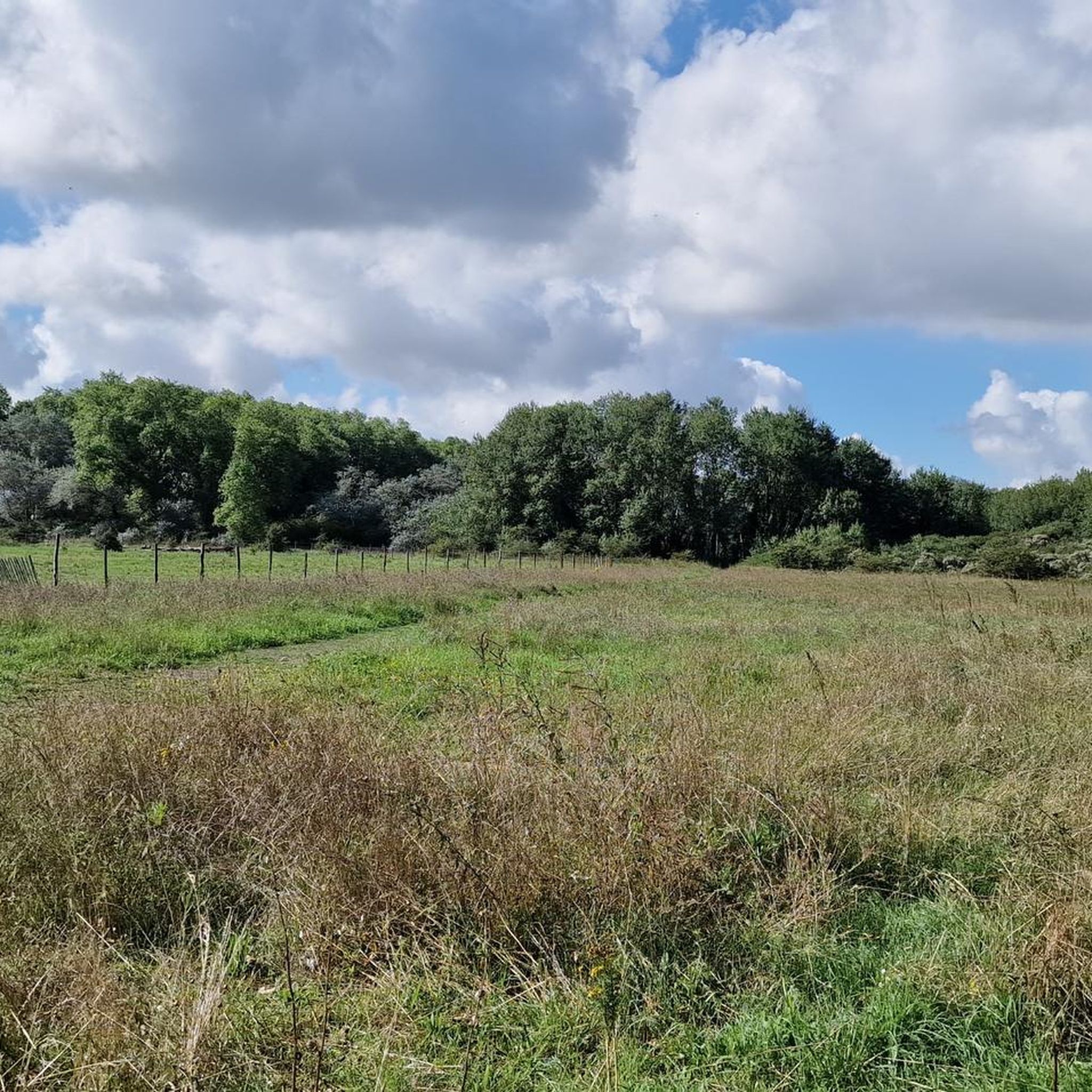
Best natural monuments around Zuydcoote are defined by extensive dune systems along the French coast. This region, part of the Grand Site des Dunes de Flandre, offers a unique blend of ecological diversity and historical significance. The natural landscape features varied environments, from dry dunes to moist dune pans, alongside remnants of past conflicts. These areas provide opportunities to explore preserved coastal ecosystems and popular trails Zuydcoote.
Best natural monuments around Zuydcoote
- The most popular natural monuments is Oostergrenspad Observation…
Last updated: October 6, 2026
Krakeelduinen Nature Reserve
Highlight • Natural
Translated by Google •
Tip by

Dune Dewulf Nature Reserve
Highlight • Natural Monument
Translated by Google •
Tip by

Sign up now to discover places like this
Get recommendations on the best single tracks, peaks, & plenty of other exciting outdoor places.
Oostergrenspad Observation Deck
Highlight • Viewpoint
Tip by

De Westhoek Dune Reserve
Highlight • Natural
Translated by Google •
Tip by
Dune du Perroquet
Highlight • Natural
Translated by Google •
Tip by

Sign up for free to discover even more natural monuments around Zuydcoote.
Already have an account?



Tips from the Community

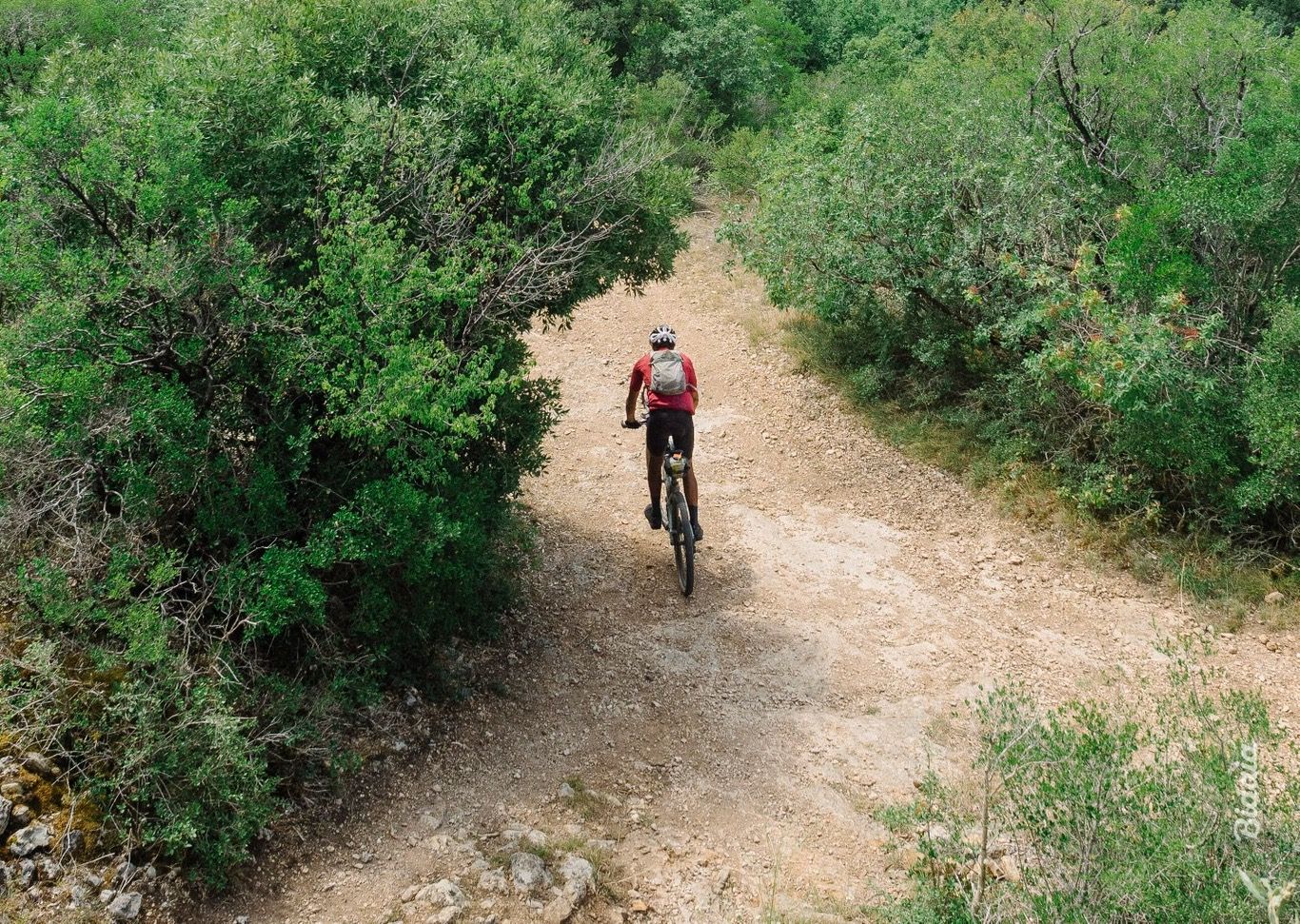
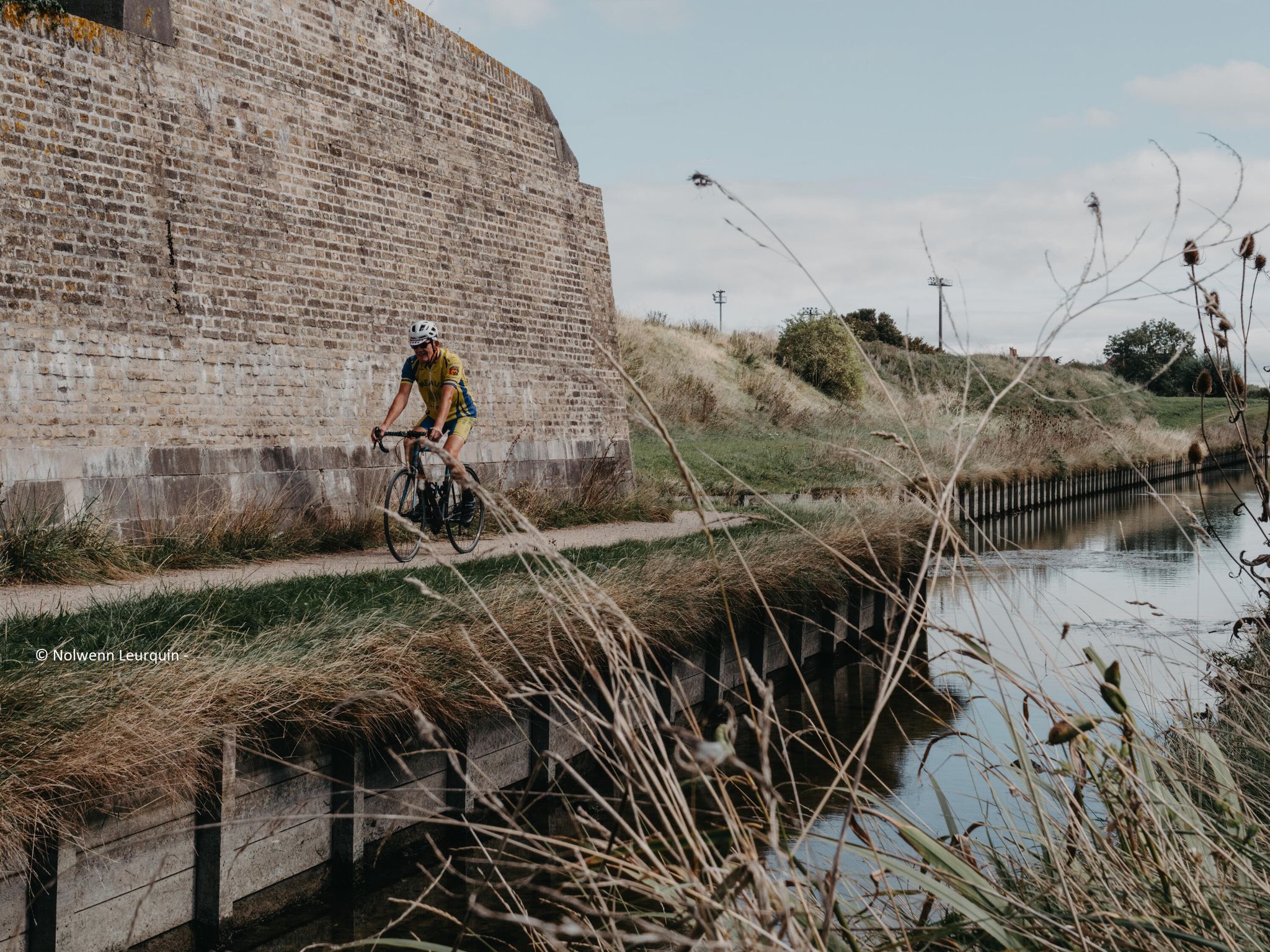
Unfortunately, the bike path here is no longer paved. Still, the scenery is beautiful.
0
0

A magnificent viewpoint on the edge of the nature reserve. Climb this platform and be tempted to dive into the dunes. Hiking trails lead you through an oasis of tranquility.
6
0
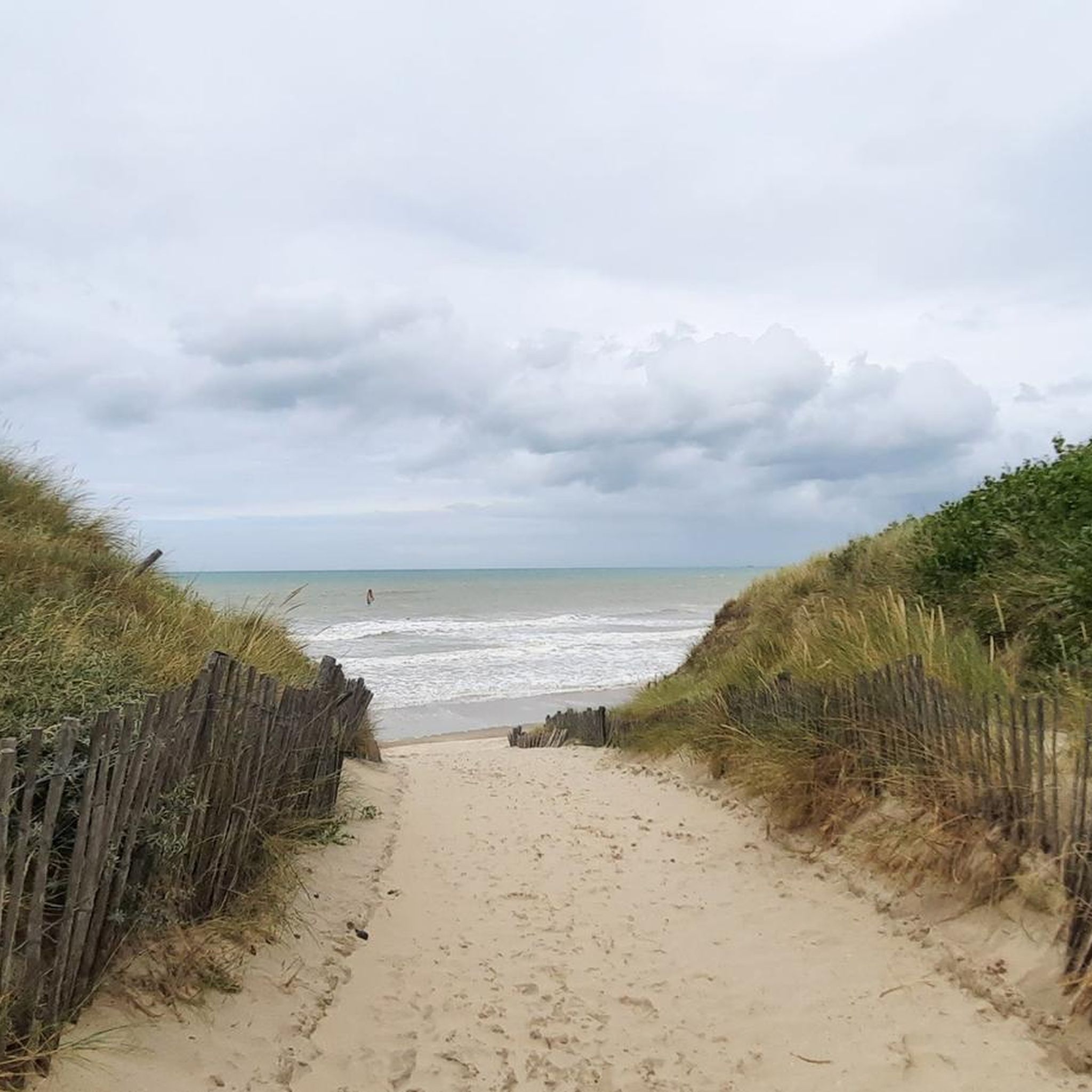
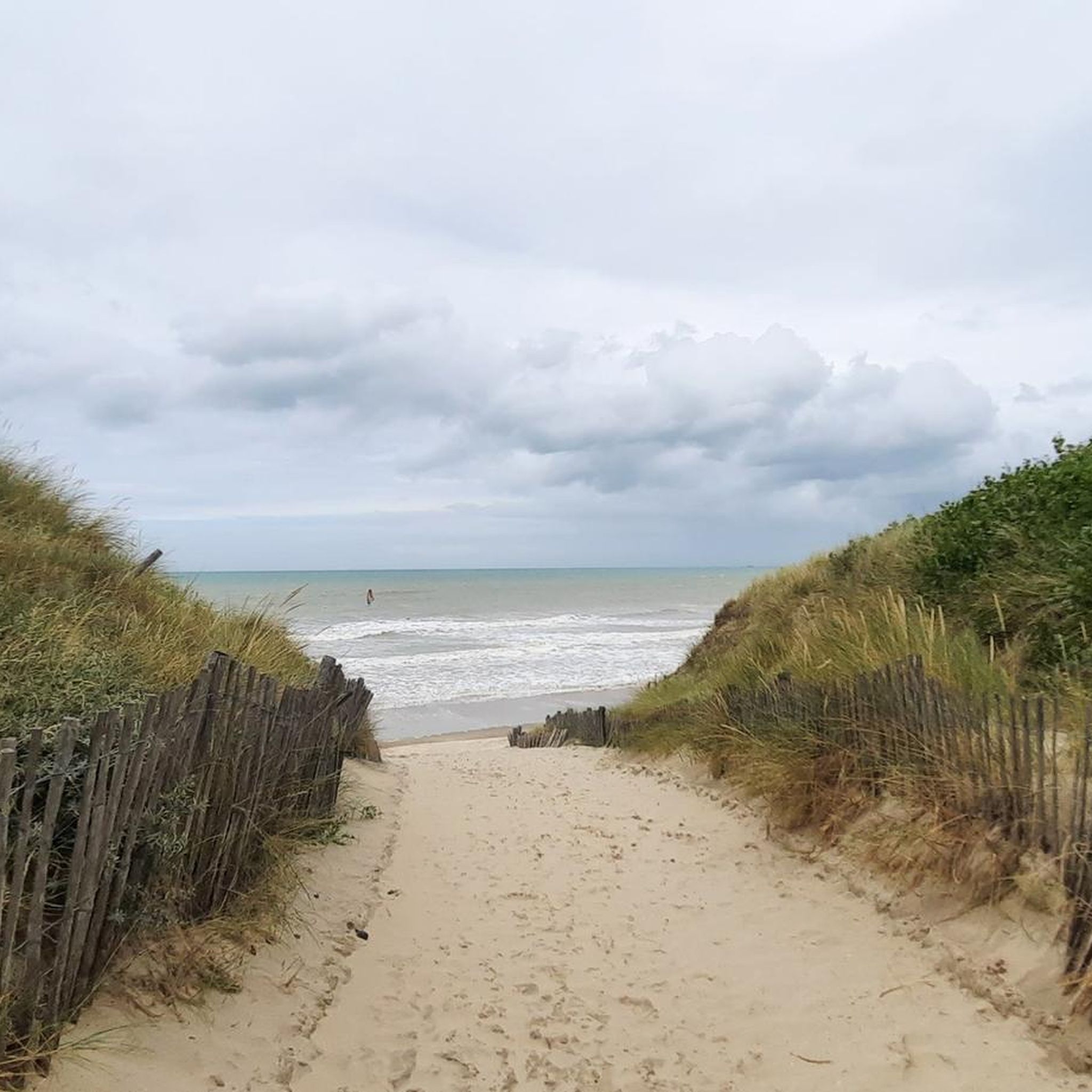
A dune that flirts with the border between Belgium and France. About the dunes: The Dune du Perroquet is a nature reserve in the town of Bray-Dunes, part of the Nord department of France. The 179-hectare area consists of dunes that are directly connected to the North Sea coast, making it the northernmost point of France.
4
0

A must do between De Panne and Bray-Dunes
1
1

Not passable by bike.
1
0

Nature reserve. You're pretty much alone here.
3
0

It was very nice and there wasn't much going on.
0
1

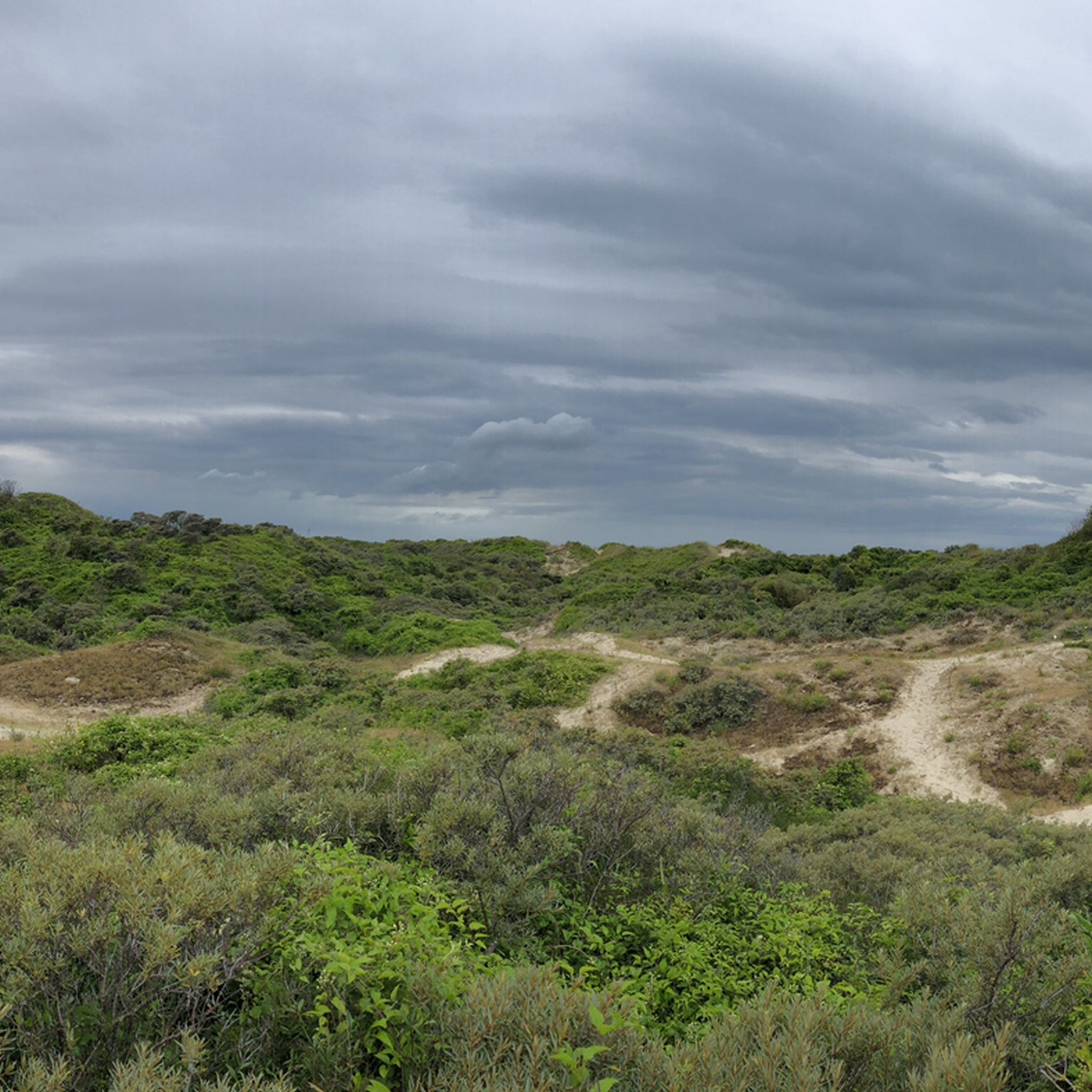
The Flemish nature reserve De Westhoek extends over almost 350 hectares. In 1935, De Westhoek was protected as a landscape. In 1957, the area was the very first Flemish nature reserve to receive the status of a state nature reserve. Together with the adjacent Calmeynbos and the Krakeelduinen, the Oosthoekduinen and the French dunes of Le Perroquet, De Westhoek forms the largest contiguous dune massif on our coast. The Westhoek is part of the varied and extensive Dunes and Forests of De Panne. Foredune dunes, walking dunes, parabolic dunes, gray and blonde dunes: one dune is certainly not the same as the other. More or less parallel to the coastline you can distinguish different 'belts': the beach, the front dunes, the northern pan belt, the central drift dune, the southern pan belt and the inner dunes. More than 400 species of plants grow in the Westhoek. Many special mosses, liverworts and lichens also flourish in De Westhoek. Beaches and dunes are a real attraction for various birds such as wheatear and crested lark and migratory birds such as hen harrier and redwing. Bird lovers will always find a wide variety in De Westhoek: stonechat, chiffchaff and warbler are regular guests. In the spring, the dune pools of the Westhoek are the ideal spawning ground for the European protected natterjack toad and great crested newt.
4
0
Frequently Asked Questions
What unique natural features can I explore in the Zuydcoote area?
The natural monuments around Zuydcoote are primarily characterized by extensive dune systems, part of the Grand Site des Dunes de Flandre. You can explore varied environments, from dry dunes to moist dune pans, showcasing diverse plant life. Notable examples include the Dune Dewulf Nature Reserve and Krakeelduinen Nature Reserve, both offering unique ecological insights into these coastal ecosystems.
Are there any historical sites within the natural monuments around Zuydcoote?
Yes, the dunes bear significant historical importance. The Dune Dewulf Nature Reserve, for instance, has a military history with remnants like the Fort des Dunes at its entrance. You can also find historical bunkers, some being reclaimed by sand, and during low tides, shipwrecks like the "Crested Eagle" from Operation Dynamo are visible on the Zuydcoote beach.
What kind of wildlife might I encounter in the dunes of Zuydcoote?
The diverse ecosystems of the dunes support various wildlife. In areas like the Krakeelduinen Nature Reserve, you might see Scottish Blackface sheep grazing as part of restoration efforts. The dunes are also home to various plant species like marram grass, sea buckthorn, hawthorn, and privet, which in turn support local insect and bird populations.
Are there family-friendly natural monuments or activities in Zuydcoote?
Many of the natural monuments in Zuydcoote are suitable for families. The Dune Dewulf Nature Reserve and Oostergrenspad Observation Deck are noted as family-friendly. The area offers numerous hiking trails with accessible paths, and the expansive beaches provide space for children to play and explore.
Where can I find accessible walking paths in the natural monuments?
The Dune Dewulf offers accessible paths suitable for various levels. Generally, the dune systems are managed to provide walking opportunities for all, with many trails leading through the tranquil landscape. For specific details on path accessibility, local information centers or trail maps are recommended.
What are some recommended hiking trails near Zuydcoote's natural monuments?
The region offers excellent opportunities for hiking. You can explore trails like the "Strand – Marchand Dunes loop" or the "Dewulf Dune – Our sea is beautiful loop" which are both moderate in difficulty. For more options, check out the Hiking around Zuydcoote guide.
Can I go cycling near the natural monuments in Zuydcoote?
Yes, the area is suitable for cycling, particularly road cycling. Routes like the "Malo-les-Bains Seawall loop" or the "De Westhoek Dune Reserve – Leopold I Monument, De Panne loop" offer scenic rides. You can find more routes in the Road Cycling Routes around Zuydcoote guide.
What is the best time of year to visit the natural monuments around Zuydcoote?
The natural monuments can be enjoyed year-round. Spring and summer offer vibrant plant life and pleasant weather for outdoor activities. Autumn brings unique colors to the landscape, while winter walks can be serene and offer a different perspective of the dunes, often with fewer crowds.
Are there any viewpoints offering panoramic views of the dunes?
Yes, the Oostergrenspad Observation Deck is a popular viewpoint that provides magnificent panoramic views of the surrounding nature reserve and the extensive dune landscape. It's an ideal spot to appreciate the scale and beauty of the area.
What efforts are being made to preserve the natural monuments in Zuydcoote?
The natural heritage of Zuydcoote is managed with a strong emphasis on preservation and restoration. The Krakeelduinen Nature Reserve, for example, is undergoing restoration to its natural state, including the reintroduction of grazing animals like Scottish Blackface sheep and the removal of concrete structures to allow sand to drift naturally. Dune Marchand is also a designated nature reserve, overseen by the Department of Nord for its protection.
Are dogs allowed on the trails in the natural monuments around Zuydcoote?
While specific regulations can vary by reserve, many natural areas in France, including parts of the dunes, allow dogs on leash. It's always best to check local signage at the entrance of specific reserves like Dune Dewulf or Krakeelduinen for the most current rules regarding pets to ensure responsible visiting.
Where can I find information about the wider Grand Site des Dunes de Flandre?
Both Dune Dewulf and Dune Marchand are integral parts of the Grand Site des Dunes de Flandre, a preserved natural area spanning 15 kilometers of fine sandy beaches and over 1,000 hectares of natural spaces. This unique environment is recognized for its ecological importance and is also part of the Natura 2000 network. For more general information about the area, you can visit the local tourism website: dunkerque-tourisme.fr.
What makes the Dune Dewulf Nature Reserve a significant place to visit?
The Dune Dewulf Nature Reserve is significant for its blend of ecological diversity and historical intrigue. It features both dry dunes and moist dune pans, showcasing a varied ecosystem. Additionally, it holds military historical significance with remnants from past conflicts, including the Fort des Dunes at its entrance, offering a unique combination of nature and heritage.
Most popular routes around Zuydcoote
Most popular attractions around Zuydcoote

Get inspired with the komoot mobile app


Explore more
Extend your search for the best caves by checking out these guides of the top ones around Zuydcoote:
