Top 5 Natural Monuments around Dampjoux
Best natural monuments around Dampjoux are found within the picturesque Jura Massif, in the Doubs department of France. The region offers access to impressive geological formations and natural sites, particularly within the Doubs valley. These natural features showcase the geological beauty and history of the area. The landscape provides diverse terrain for outdoor exploration.
Best natural monuments around Dampjoux
- The most popular natural monuments is Bisontin Cave, a cave that features a monumental natural arch formed in limestone. Archaeological findings within the associated cave indicate prehistoric human activity.
- Another must-see spot is Waroly Waterfall, a waterfall. This site is a fine example of a tufa waterfall, where huge tuffs and gentle stair steps form an impressive cascade.
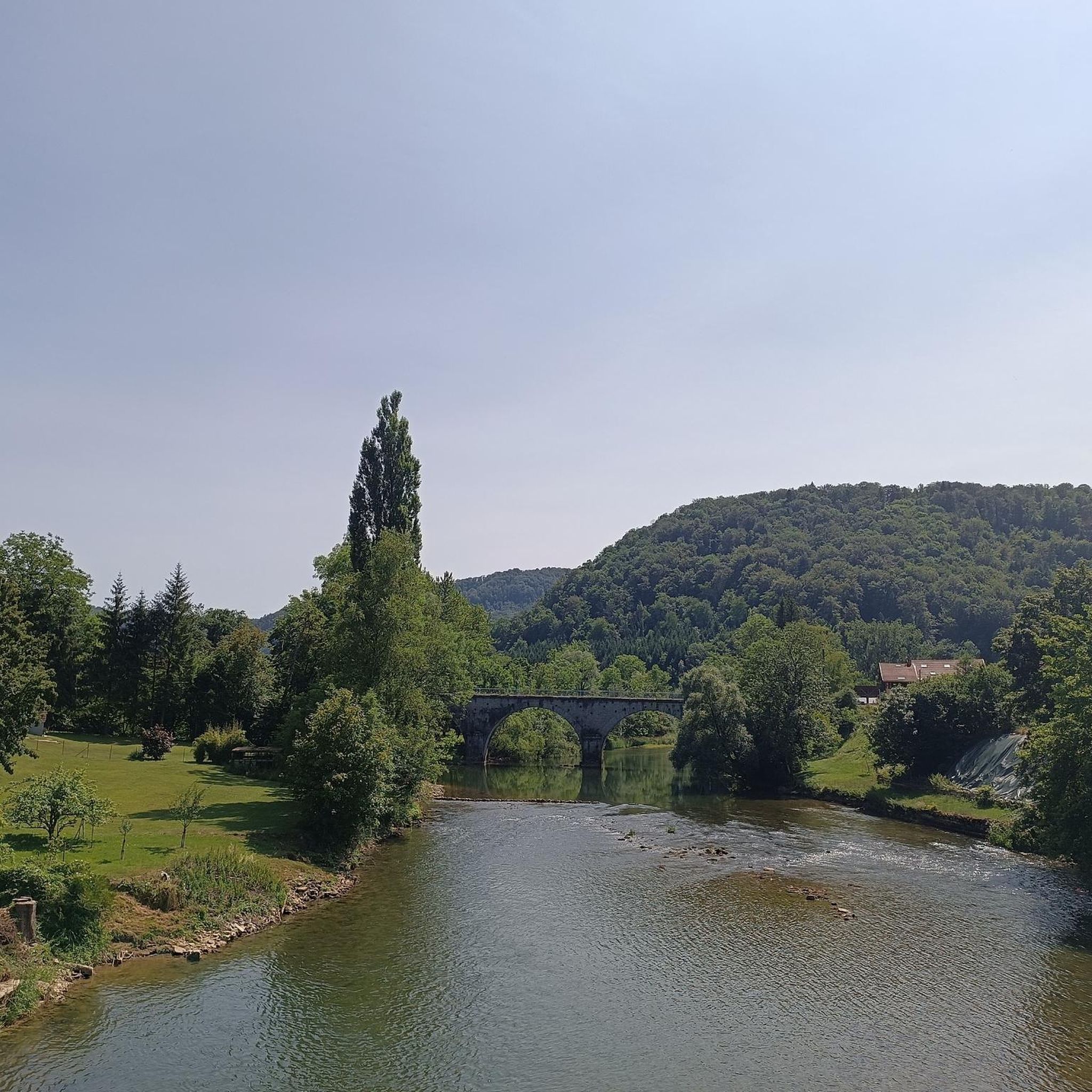
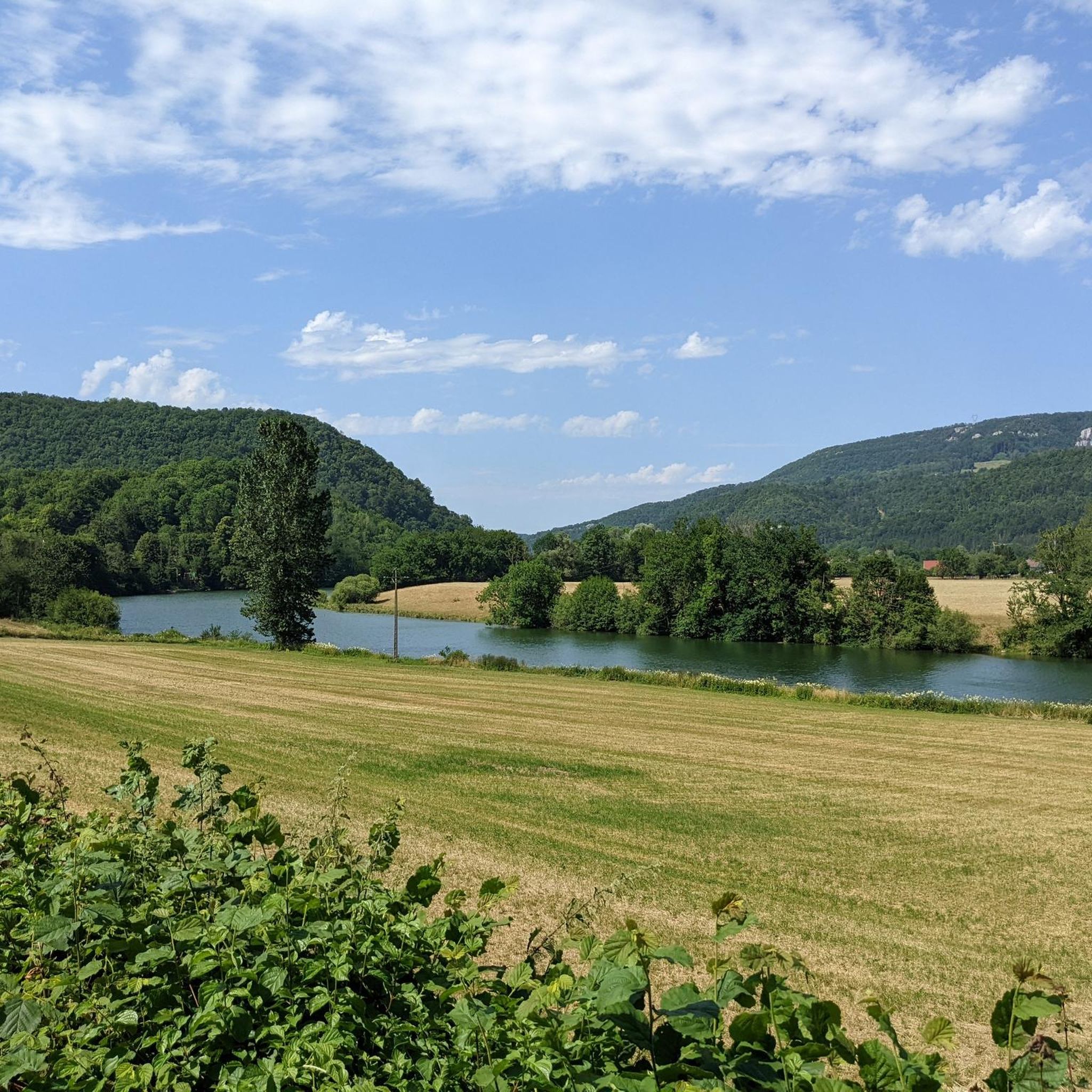
- Visitors also love View of the Dessoubre River, a viewpoint. This location offers superb views of the Dessoubre river as the road transitions between the plateau and the valley.
- Dampjoux is known for its caves, waterfalls, and viewpoints. The region offers a variety of natural monuments to see and explore, from geological arches to scenic river vistas.
- The natural monuments around Dampjoux are appreciated by the komoot community, with more than 75 photos and over 78 upvotes shared by visitors.
Last updated: August 26, 2026
Bisontin Cave
Highlight • Cave
Translated by Google •
Tip by

Belvédère du Rocher du Bourbet
Highlight • Viewpoint
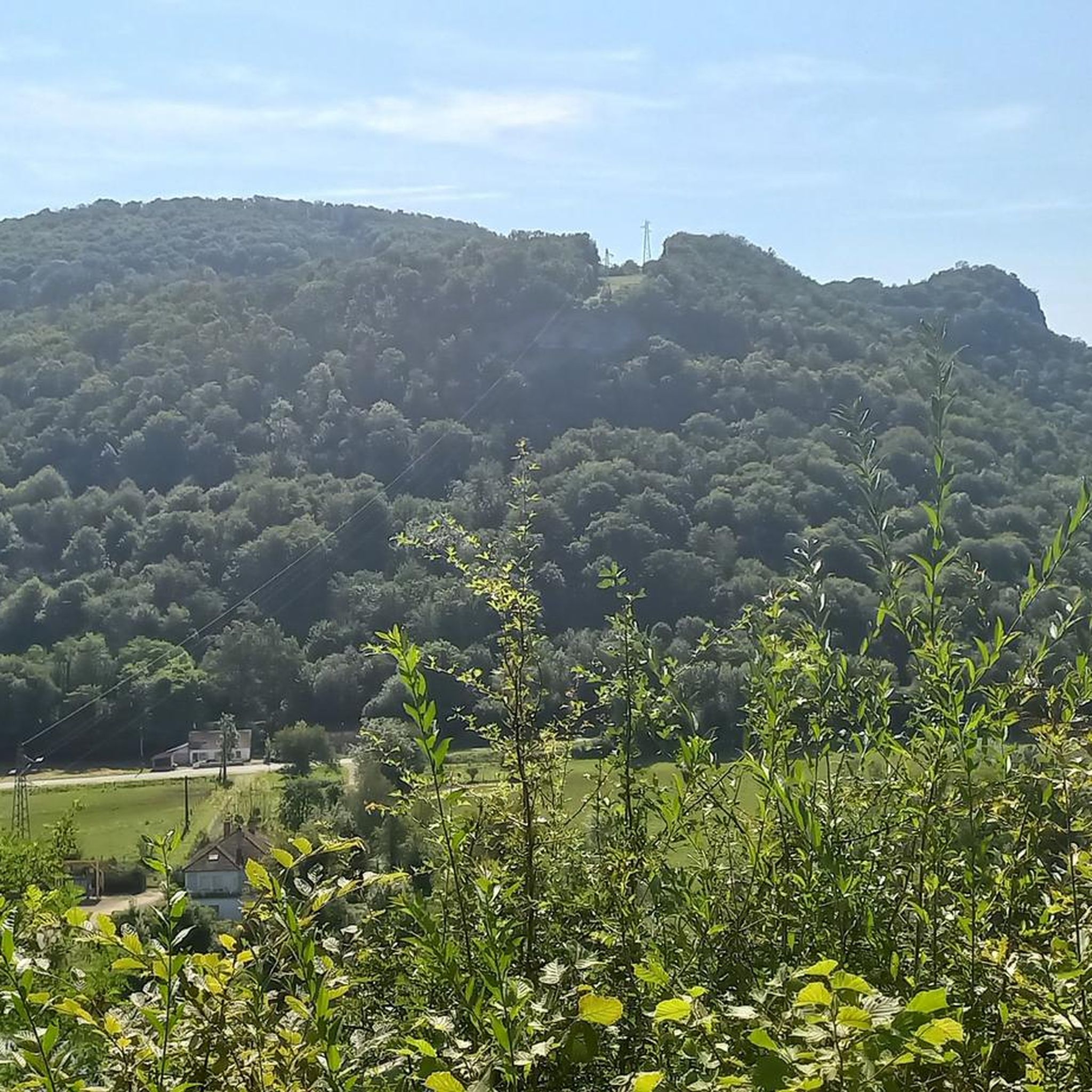
Here you have a very nice view of the small Dessoubre valley
and far away on the Doubs Valley at Saint Hippolyte.
Translated by Google •
Tip by

Sign up now to discover places like this
Get recommendations on the best single tracks, peaks, & plenty of other exciting outdoor places.
Sign up for free
Waroly Waterfall
Highlight • Waterfall
Translated by Google •
Tip by
View of the Dessoubre River
Highlight • Viewpoint
Translated by Google •
Tip by

View of Montaigue
Highlight • Viewpoint
Translated by Google •
Tip by

Sign up for free to discover even more natural monuments around Dampjoux.
Sign up for free
Already have an account?
Start today with a free account
Your next adventure awaits.
Login or Signup

Tips from the Community

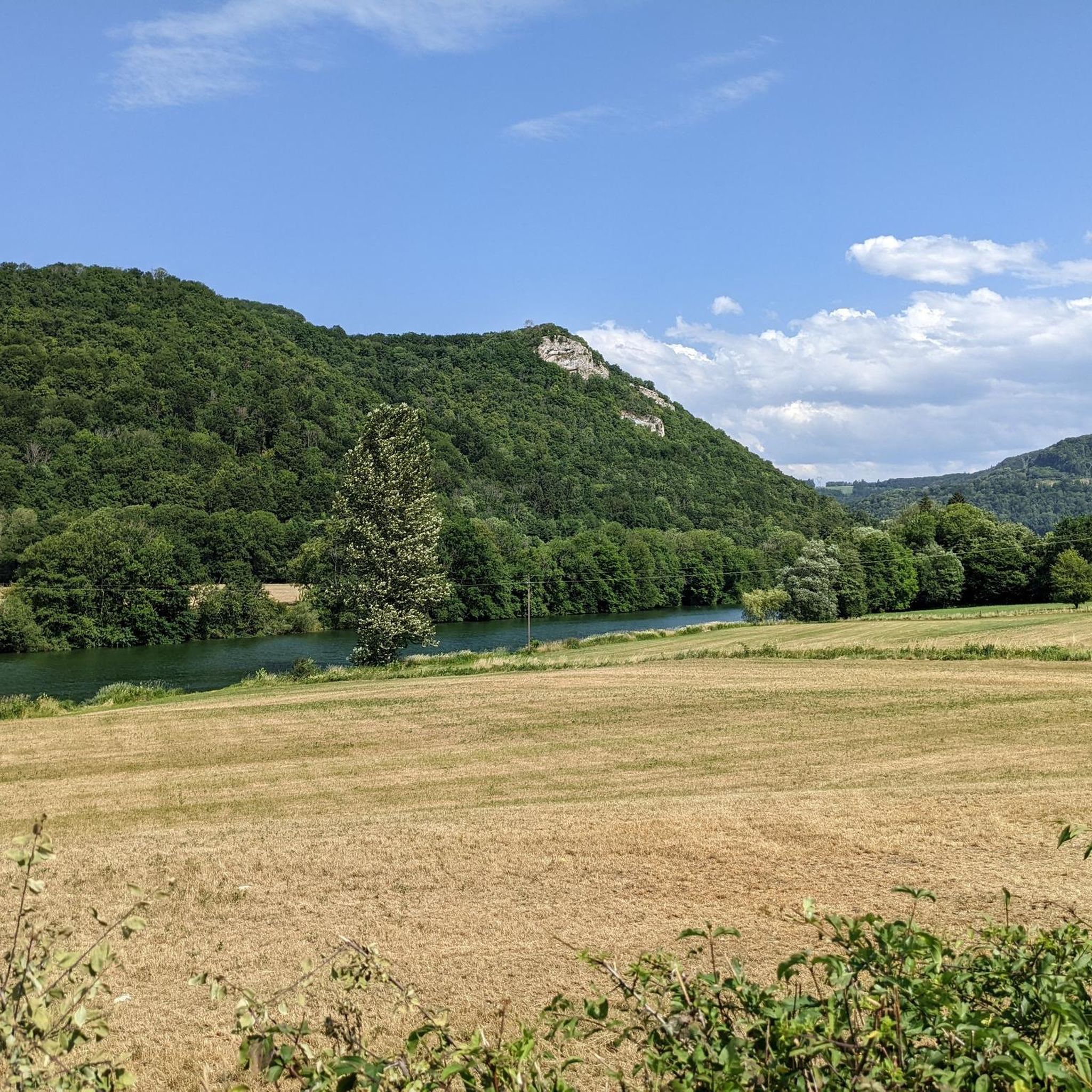
Very beautiful viewpoint of Montaigue with orientation table.
0
0

Really impressive, you should definitely spend some time there.
1
0

This road makes the transition between the plateau and the Dessoubre valley. So, in the direction of descent, you can enjoy superb views of the river.
0
0

Belvedere of the Rocher du Bourbet
0
0

Once you have passed through the arch you find yourself in a magnificent rock courtyard; you are surrounded by rocks; a natural cathedral!
3
0

A kind of rock grotto or transitional cave
2
0

Superb cave, perfect for setting up a bivouac! The light that enters the cave at the end of the day is just sublime! There is also a small wooden table ⛺️
4
0

The Waroly waterfall is a fine example of a tufa waterfall. Huge tuffs rub shoulders with gentle stair steps to form this impressive waterfall.
3
0
Frequently Asked Questions
What are the most impressive natural monuments to visit near Dampjoux?
The region around Dampjoux, within the Jura Massif, offers several remarkable natural sites. Key attractions include the Bisontin Cave, which features a monumental natural arch and significant archaeological findings. Another must-see is the Waroly Waterfall, a beautiful tufa formation. Additionally, the Belvédère du Rocher du Bourbet offers stunning panoramic views.
Are there any natural arches to explore in the Dampjoux area?
Yes, the area is known for its impressive natural arches. The Bisontin Cave, also known as Arche de Liebvillers, is a monumental limestone arch near Saint-Hippolyte. Further afield, the Pont Sarrazin Natural Arch near Vandoncourt is another magnificent example of karst erosion, standing over ten meters high and steeped in local legend. You can learn more about it here: Pont Sarrazin on Wikipedia.
What kind of historical significance do the natural monuments around Dampjoux hold?
Many natural sites in the region have deep historical roots. The Bisontin Cave, for instance, has revealed archaeological evidence of human occupation dating back to the Aurignacian and Magdalenian periods (approximately 25,000 to 12,000 BC), highlighting its importance to early Homo Sapiens. The Pont Sarrazin Natural Arch also carries local folklore, with legends linking its name to Saracen invasions.
Are there family-friendly natural monuments or viewpoints suitable for all ages?
Yes, the Belvédère du Rocher du Bourbet is categorized as family-friendly and features a spacious, secured picnic area, making it ideal for a family outing. It offers a very nice view of the small Dessoubre valley and the Doubs Valley.
What outdoor activities can I do near these natural monuments?
The natural monuments are often integrated into scenic routes. You can find numerous hiking and cycling opportunities. For instance, there are moderate hiking trails like the "Doubs Viewpoint – Natural Arch loop from Liebvillers" or the "Bisontin Cave – Natural Arch loop from Liebvillers" that take you past significant sites. You can explore more options in the Hiking around Dampjoux guide or the Cycling around Dampjoux guide.
Where can I find panoramic views of the Doubs and Dessoubre valleys?
For superb panoramic views, visit the Belvédère du Rocher du Bourbet, which provides vistas of the Dessoubre valley and the Doubs Valley near Saint-Hippolyte. Additionally, the area around the Bisontin Cave, particularly along the cliffs between Viatons and the cave, offers splendid views of the Doubs valley. The View of the Dessoubre River also provides excellent river views as the road transitions between the plateau and the valley.
Are there any notable caves besides Bisontin Cave?
Yes, in addition to the Bisontin Cave, you can also explore the Grotte de la Roche. This cave features a large, dry entrance accessible via a rock staircase, though further exploration inside may involve wet conditions.
What makes the Waroly Waterfall unique?
The Waroly Waterfall is a fine example of a tufa waterfall. This means it's formed by the deposition of calcium carbonate, creating huge tuffs and gentle stair steps that combine to form an impressive cascade.
What is the best time of year to visit the natural monuments around Dampjoux?
The region's natural monuments, with their hiking opportunities and scenic views, are generally best enjoyed during spring, summer, and early autumn. These seasons offer pleasant weather for outdoor exploration and allow for clear visibility of the landscapes and geological formations. Winter can also be beautiful, but some trails might be more challenging due to snow or ice.
What do visitors particularly enjoy about the natural monuments in this area?
Visitors frequently appreciate the dramatic geological spectacles, such as the monumental natural arches and impressive waterfalls. The historical significance of sites like the Bisontin Cave also adds a unique dimension. Many enjoy the diverse terrain for hiking and the splendid panoramic views of the Doubs and Dessoubre valleys. The komoot community has shared over 75 photos and given more than 78 upvotes for these natural monuments, highlighting their appeal.
Are there any natural monuments that are easily accessible or suitable for beginners?
While many trails in the region are moderate, the Pont Sarrazin Natural Arch near Vandoncourt is accessible via a well-maintained forest path, making it suitable for a leisurely exploration. For viewpoints, the Belvédère du Rocher du Bourbet is also easily accessible and offers a comfortable experience with its picnic area.
Most popular attractions around Dampjoux

Get inspired with the komoot mobile app


Explore more
Extend your search for the best caves by checking out these guides of the top ones around Dampjoux:
