Top 20 Natural Monuments around Lélex
Best natural monuments around Lélex are situated within the Monts Jura resort, offering access to the Jura Mountains. This region features prominent peaks and diverse landscapes, including protected natural environments. The area is characterized by its geological formations, such as cavities and faults, and provides extensive views of the surrounding mountain ranges and valleys. Lélex serves as a base for exploring these natural features.
Best natural monuments around Lélex
- The most popular natural monuments is Grand Montrond, a summit…
Last updated: June 19, 2026
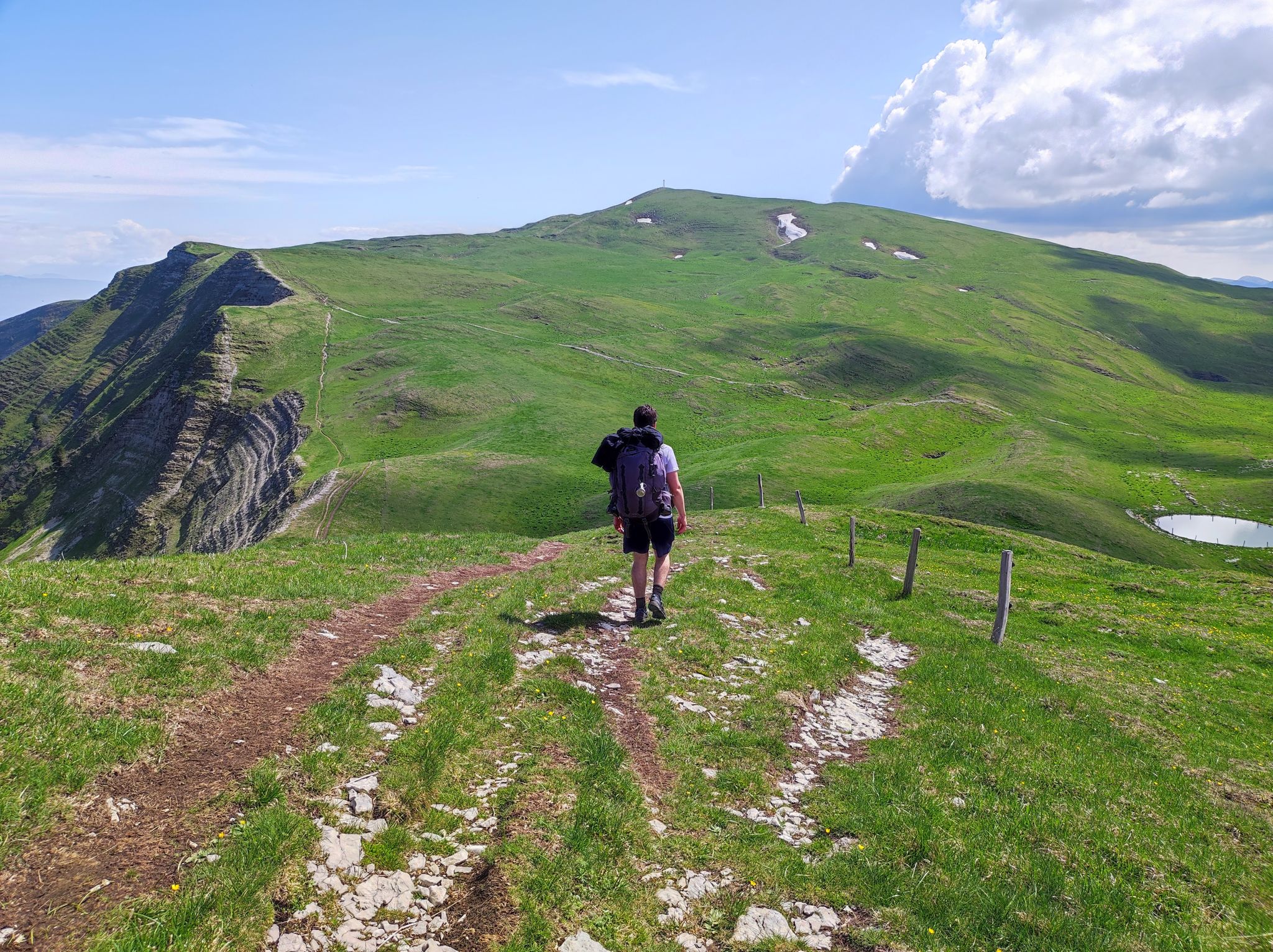
Grand Montrond
Highlight • Summit
Translated by Google •
Tip by

Crêt de la Neige
Highlight • Summit
Translated by Google •
Tip by

Sign up now to discover places like this
Get recommendations on the best single tracks, peaks, & plenty of other exciting outdoor places.
Sign up for free
Le Reculet Summit
Highlight • Summit
Tip by

Grand Crêt
Highlight • Summit
Tip by
Flumen Waterfall
Highlight • Waterfall
Translated by Google •
Tip by
Sign up for free to discover even more natural monuments around Lélex.
Sign up for free
Already have an account?
Start today with a free account
Your next adventure awaits.
Login or Signup
Popular around Lélex
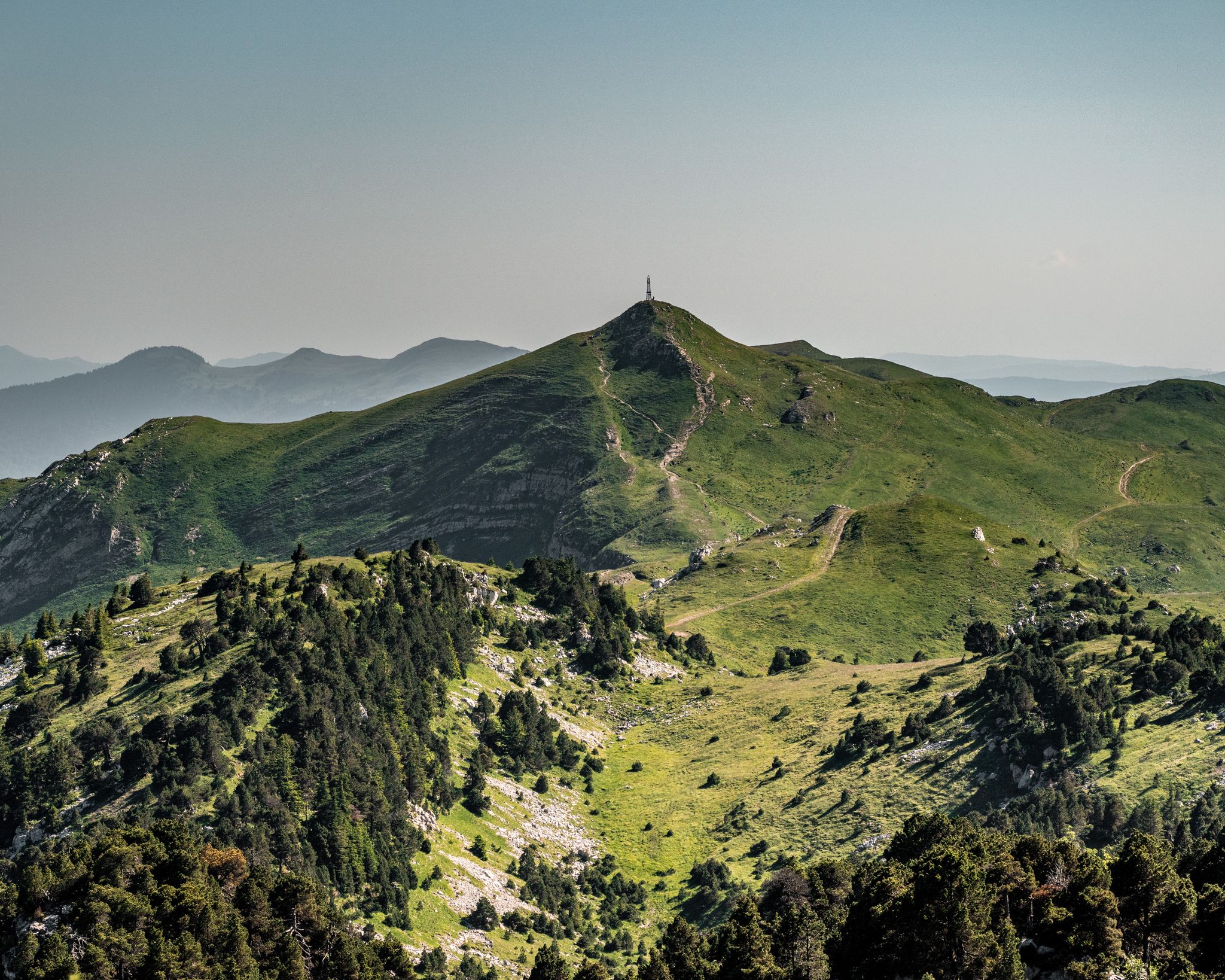
GRP Grand Tour de la Valserine
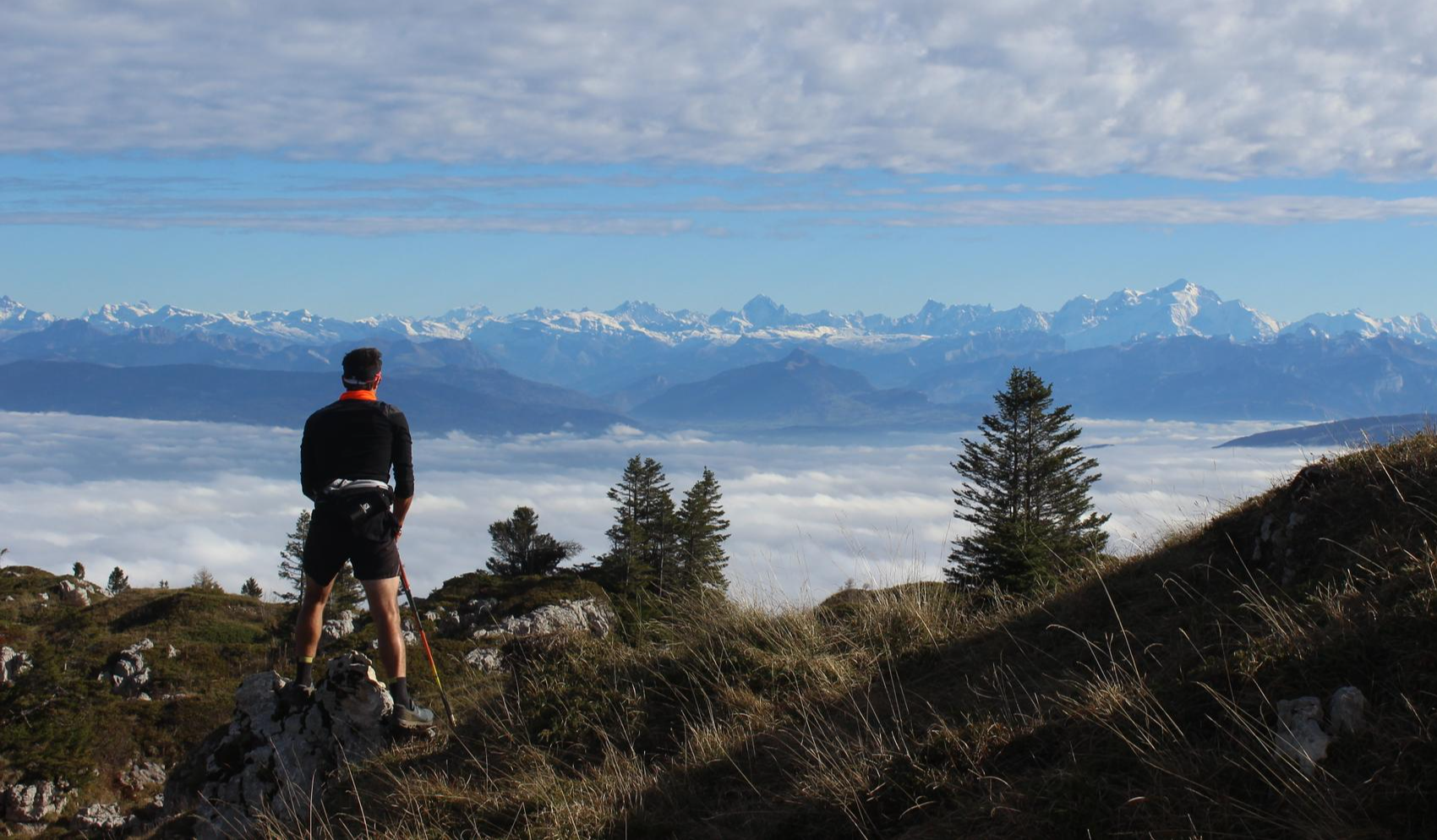
From Crêts to Combes
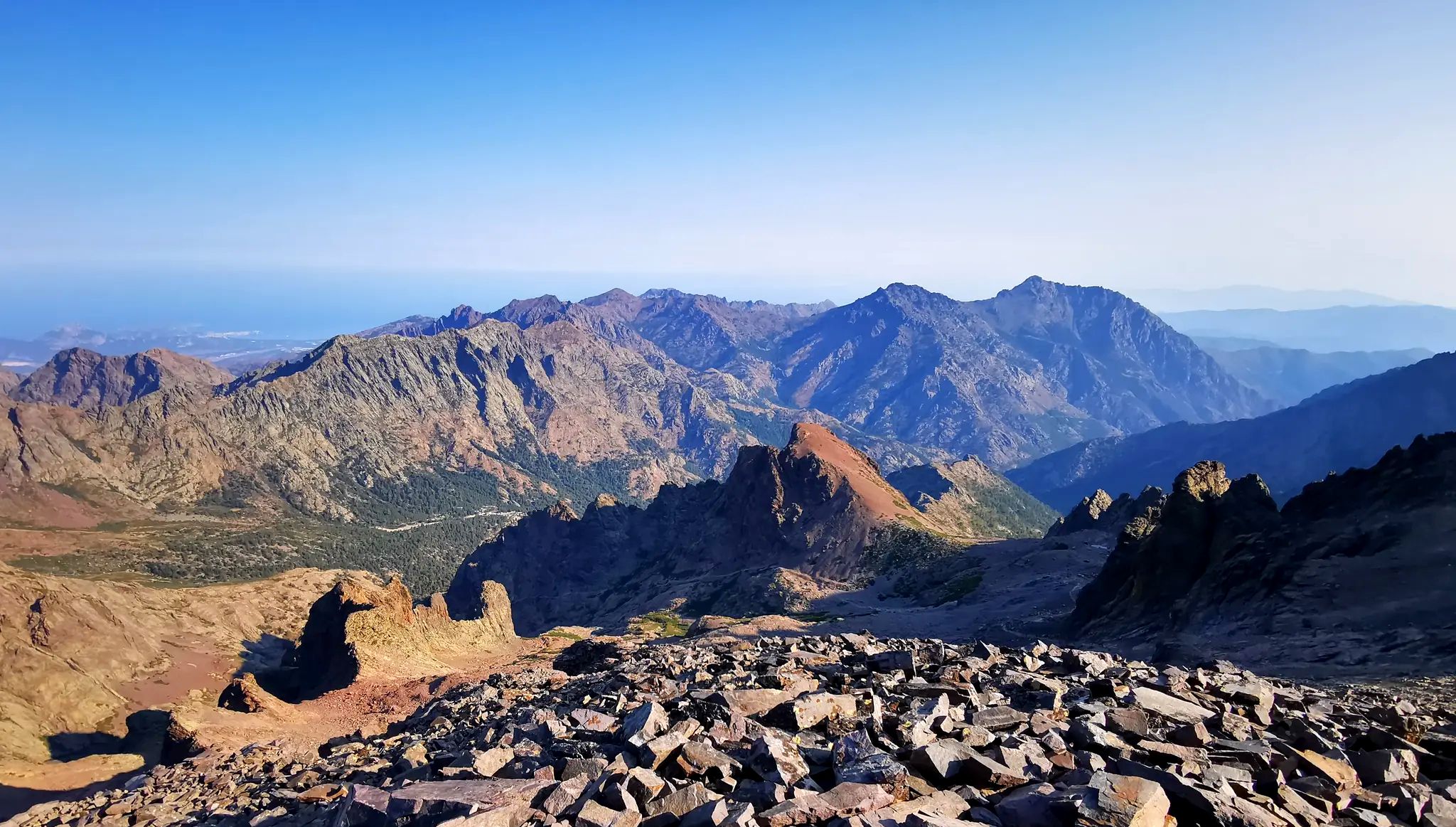
Hiking to the summits – France's highest points
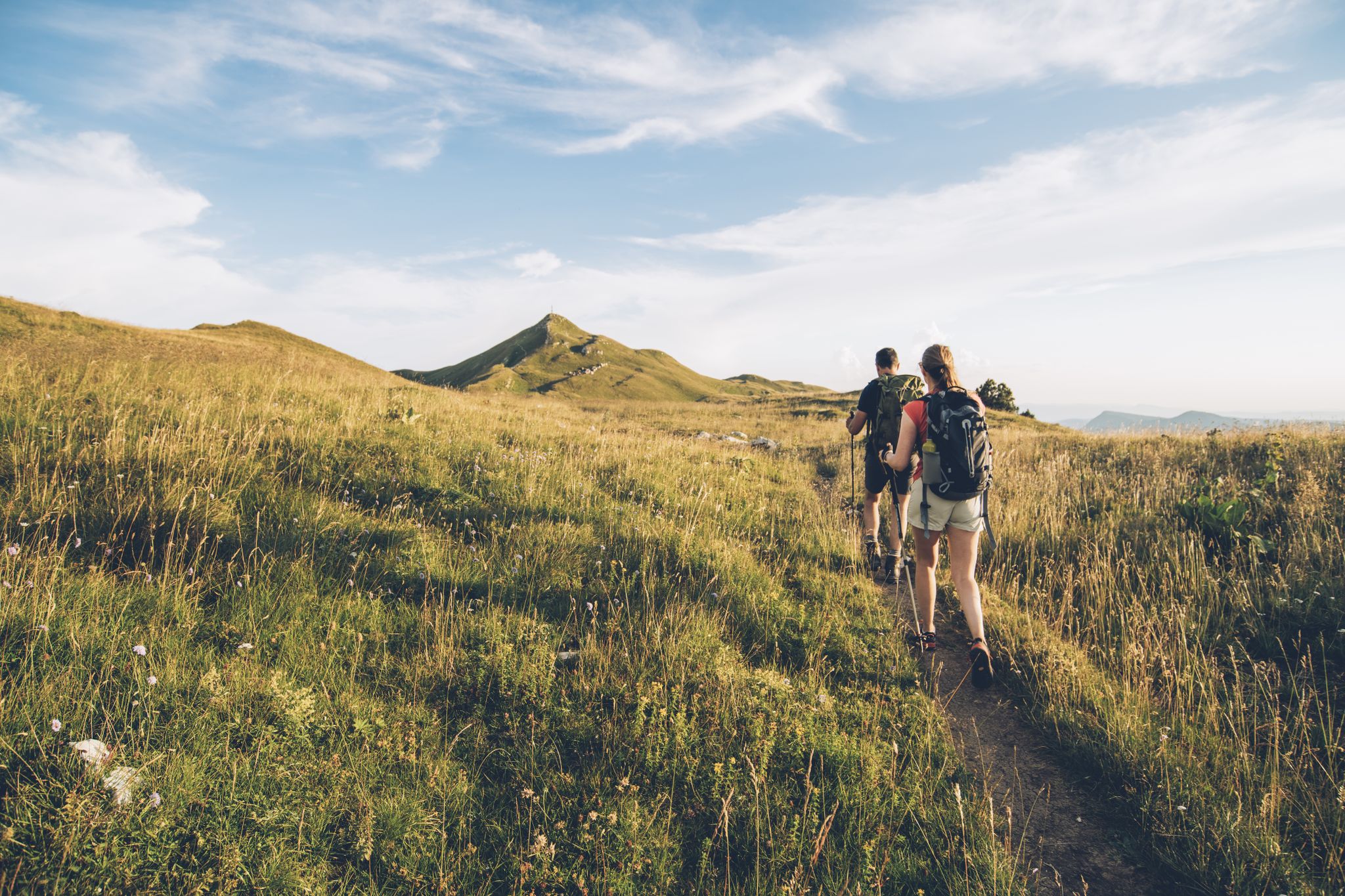
The thousand faces of the Jura Mountains – Grande Traversée du Jura on foot
Pays de Gex - Monts Jura : Les randonnées officielles
Hiking around Lélex
Road Cycling Routes around Lélex
Running Trails around Lélex
MTB Trails around Lélex
Cycling around Lélex
Other adventures around Lélex


Tips from the Community

Cascade du Flumen, impressive.
0
0

Summit in the forest, ideal for taking a break
0
0
Very beautiful 360° view with the added bonus of Mont Blanc when the weather permits
0
0

The Grand Crêt, at an altitude of 1,702 m, offers a magnificent view of the entire Alps, dominated by Mont Blanc. With a good pair of binoculars, in good weather, and unless I'm mistaken, the Matterhorn (4,478 m) in Switzerland is visible!
1
0

Fantastic view - fantastic path. I was there for the first time in October 1976.
1
0
attention ! only the return trip by the same path is possible between Petit Montrond and Grand Montrond from June 1 to September 30. the loop passing through private mountain pastures is closed between these dates. no particular difficulty except for a few rocky passages and a slight difference in altitude. a pair of shoes with a stiff, grippy sole can help, but it's also doable in sneakers, as long as you're used to mountain paths.
1
0

Altitude: 1596 m, the view is magnificent. View of the entire Lake Geneva basin, Alps and Mont Blanc
0
0
This trail runs along an alpine pasture where Patous are present: The Patou or protection dog: What attitude should you adopt? When hiking, it is common to come across flocks of sheep or goats guarded by protection dogs, called Patous. These dogs, formidable against predators such as wolves, bears and lynx, can frighten hikers with their barking. The Patou protects the flocks in total autonomy. Its main role is to dissuade intruders and alert the shepherd. Raised among the sheep from a young age, it learns to protect them permanently, often in groups. To avoid problems with a Patou: - Identify the pasture areas before leaving. Keep your distance and go around the flocks if possible. - In the event of an encounter, remain calm, turn around slowly or stop to let the dog sniff you. - Do not try to pet or feed the animals, avoid sudden movements, do not run, and avoid taking pictures. For trail runners: - Do not run when approaching a herd. - Take off your headphones to hear the dog barking. By adopting these behaviors, you will be able to coexist peacefully with the protection dogs during your hikes. For more information: Pasto Kezako: https://www.pasto-kezako.fr/ Map Patou, where are the protection dogs?: https://www.pasto-kezako.fr/ou-sont-les-chiens-de-protection-2/ The toolbox for awareness: https://www.pasto-kezako.fr/sensibiliser-au-pastoralisme-boite-a-outils/
1
0
Frequently Asked Questions
What are the most prominent natural monuments to visit around Lélex?
The region around Lélex is home to several impressive natural monuments. Among the most prominent are Grand Montrond, offering a 360-degree panoramic view including Lake Geneva and Mont Blanc, and Le Reculet Summit, the second highest peak in the Jura, known for its secluded feel and expansive views from the Jura to the Alps.
What kind of views can I expect from the highest peaks near Lélex?
From the highest peaks, such as Crêt de la Neige (the highest in the Jura at 1,720 meters) and Le Reculet Summit, you can expect breathtaking panoramic views. On clear days, these include the entire Geneva basin, Lake Geneva, and the majestic Alps, with Mont Blanc prominently visible.
Are there family-friendly natural monuments or activities around Lélex?
Yes, the Valserine River offers a pleasant riverside walk that is open from April to November. An interpretive trail, 'along the Valserine,' highlights the ecological resources of the Haut-Jura Regional Natural Park, and part of this route is accessible for handicapped visitors, making it suitable for families.
What unique natural features or geology can be observed in the Lélex area?
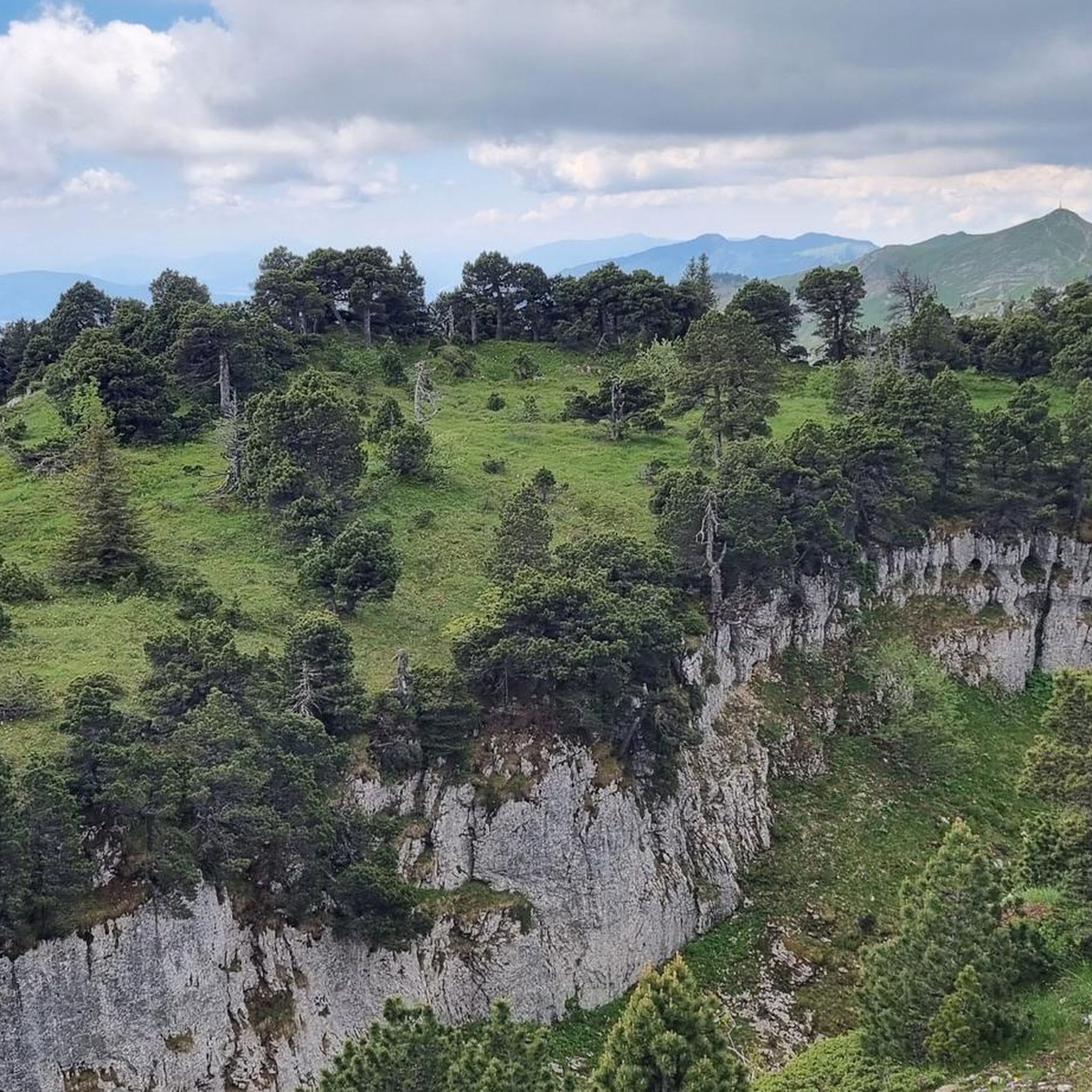
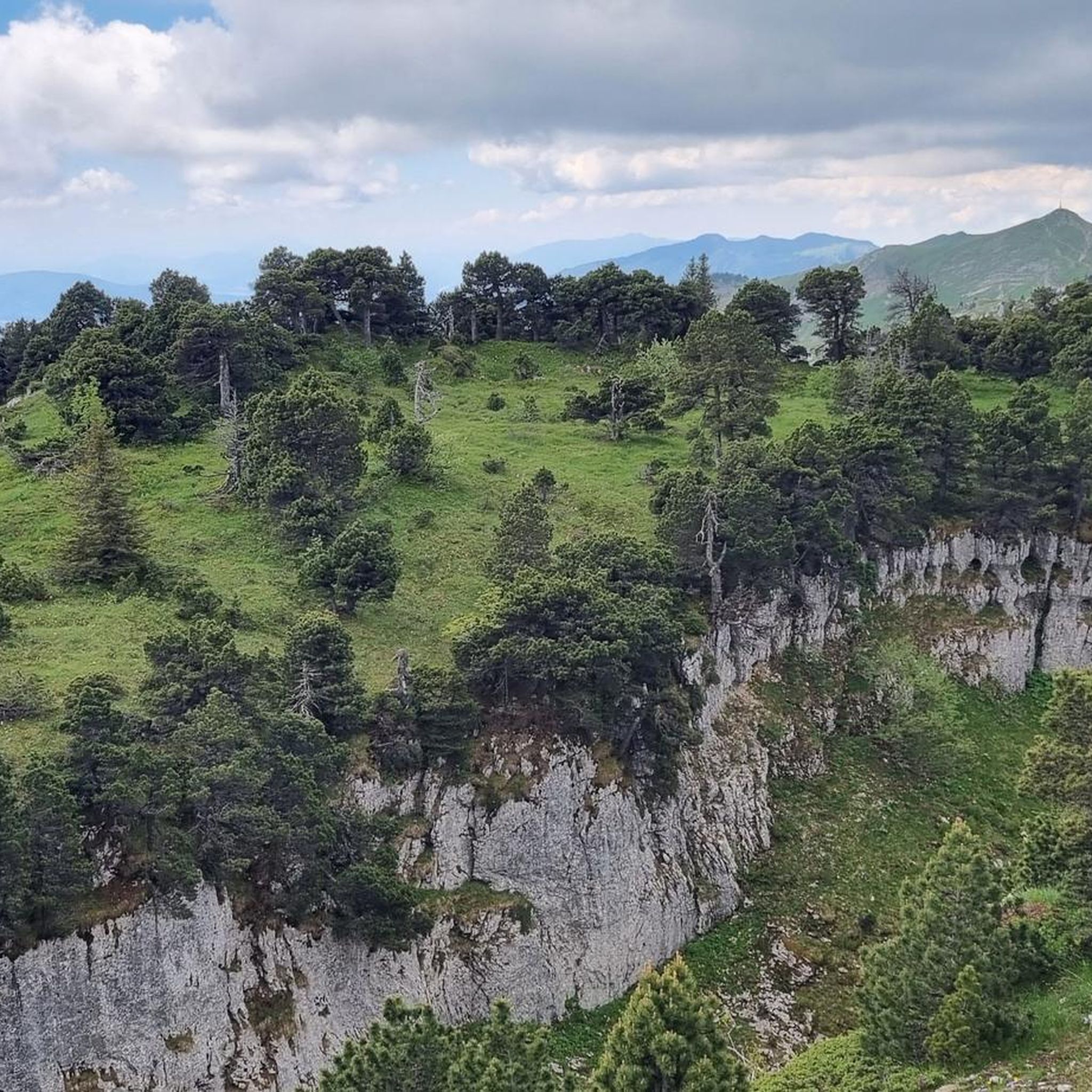
The natural monuments around Lélex showcase significant geological features. Crêt de la Neige, for instance, is characterized by cavities, faults, and canyons. The Valserine River valley also includes a peat bog with remarkable flora, and the river itself is recognized as the first classified wild river in France, having shaped the local landscape and history.
What outdoor activities, particularly hiking, are available near these natural monuments?
The region offers diverse outdoor activities. For hiking, you can explore trails leading to peaks like Crêt de la Neige, with options ranging from easy to challenging. There are also dedicated mountain hikes, such as the 'Le Reculet loop from Thoiry' or 'Crêt der la Neige loop from Thoiry'. You can find more details on various routes in the Mountain Hikes around Lélex guide.
Can I find cycling routes near the natural monuments in Lélex?
Yes, Lélex is a great base for cycling. There are numerous road cycling routes, such as the 'Col du Haut Crêt – Belvédère des Maquisards loop from Bellecombe' or the 'Abbey Lake – Col du Haut Crêt loop from Bellecombe'. For mountain biking enthusiasts, trails like the 'Crozet Pass – Mont Blanc View loop from Lélex' are available. Explore more options in the Road Cycling Routes around Lélex guide and the MTB Trails around Lélex guide.
What is the best time of year to visit the natural monuments around Lélex?
The best time to visit depends on your preferred activity. For pleasant riverside walks along the Valserine River, the period from April to November is ideal. Hiking to the summits like Crêt de la Neige and Le Reculet Summit is generally best during warmer months for clear views, though winter offers unique snowshoeing opportunities.
Are there any historical or cultural elements associated with the natural monuments?
Yes, the region holds historical significance. The Valserine River, for example, has remnants of old mills along its banks, showcasing its role in the lives of past inhabitants. Additionally, the area around Crêt de la Neige contains remnants of ancient buildings, offering a glimpse into the region's alpine farming traditions.
What makes the Col de la Faucille a notable natural monument?
The Col de la Faucille, perched at 1,323 meters, is notable for its comprehensive 360-degree panorama of the Alps and the Valserine Valley. Its ascent, particularly from the south, offers numerous bends and countless views of the Mont-Blanc massif, resembling a grand Alpine pass and providing an accessible point to appreciate the vastness of the surrounding mountain ranges.
What do visitors particularly enjoy about the natural monuments near Lélex?
Visitors frequently highlight the magnificent views from the summits, especially the clear views of Mont Blanc and Lake Geneva on good weather days. The sense of wilderness and the opportunity for rewarding hikes, even with challenging sections, are also highly appreciated. The Flumen Waterfall is also a popular spot, with visitors describing it as a 'great reward' after a hike through an 'enchanted forest'.
Are there any regulations to be aware of when visiting the natural monuments, especially in protected areas?
Many of the natural monuments, including Crêt de la Neige and Le Reculet Summit, lie within the National Nature Reserve of the Haute Chaîne du Jura. This means visitors should adhere to specific regulations to protect the natural environment, such as staying on marked paths and respecting wildlife. For example, access to Grand Montrond is limited from December to June for nature development.
Where can I find a beautiful forest waterfall near Lélex?
The Flumen Waterfall is a highly recommended natural monument near Lélex. It features multiple spurs of water falling from high rock walls, creating an impressive sight. Visitors describe the walk to it as a 'wonderful walk' through a forest covered in lichen and moss, leading to a rewarding natural spectacle.
Most popular routes around Lélex
Most popular attractions around Lélex

Get inspired with the komoot mobile app


Explore more
Extend your search for the best caves by checking out these guides of the top ones around Lélex:
