Top 4 Natural Monuments around Luc-Sur-Mer
Best natural monuments around Luc-Sur-Mer include diverse coastal and inland features. This seaside town in Normandy offers dramatic cliffs, tranquil greenways, and expansive beaches. The area is characterized by its unique geological formations and a rich natural history, providing various walking routes and points of interest for visitors. These natural landmarks contribute to the region's appeal for outdoor exploration.
Best natural monuments around Luc-Sur-Mer
- The most popular natural monuments is Cap Romain Nature Reserve, a natural monument that features…
Last updated: July 2, 2026
Whale Museum
Highlight • Monument
Translated by Google •
Tip by

La Roque Point
Highlight • Viewpoint
Translated by Google •
Tip by
Sign up now to discover places like this
Get recommendations on the best single tracks, peaks, & plenty of other exciting outdoor places.
Sign up for free
Cap Romain Nature Reserve
Highlight • Natural Monument
Translated by Google •
Tip by
Start today with a free account
Your next adventure awaits.
Login or Signup

Tips from the Community

Great spot for a great panorama of the estuary
0
0

Worth a visit, especially for children.
1
0


Old skeleton of a beached whale
4
0

Magnificent cycle route along the top sea
1
0
In the municipal park, a beautiful shady garden full of flowers, there is a 19 m whale skeleton of a whale that washed up on the beach in 1885. On the night of January 14 to 15, 1885, a whale of 40 tons and 19 meters long ran aground on the banks of the Côte de Nacre near Luc-sur-Mer at the place called "Brèche du Moulin". His skeleton is now installed in the city park and attracts many visitors. To make the visit more attractive and cultural, a Whale House has been designed and built for individuals and groups (this museum is managed by the association called "the Brotherhood of the Knights of the Whale").
7
0
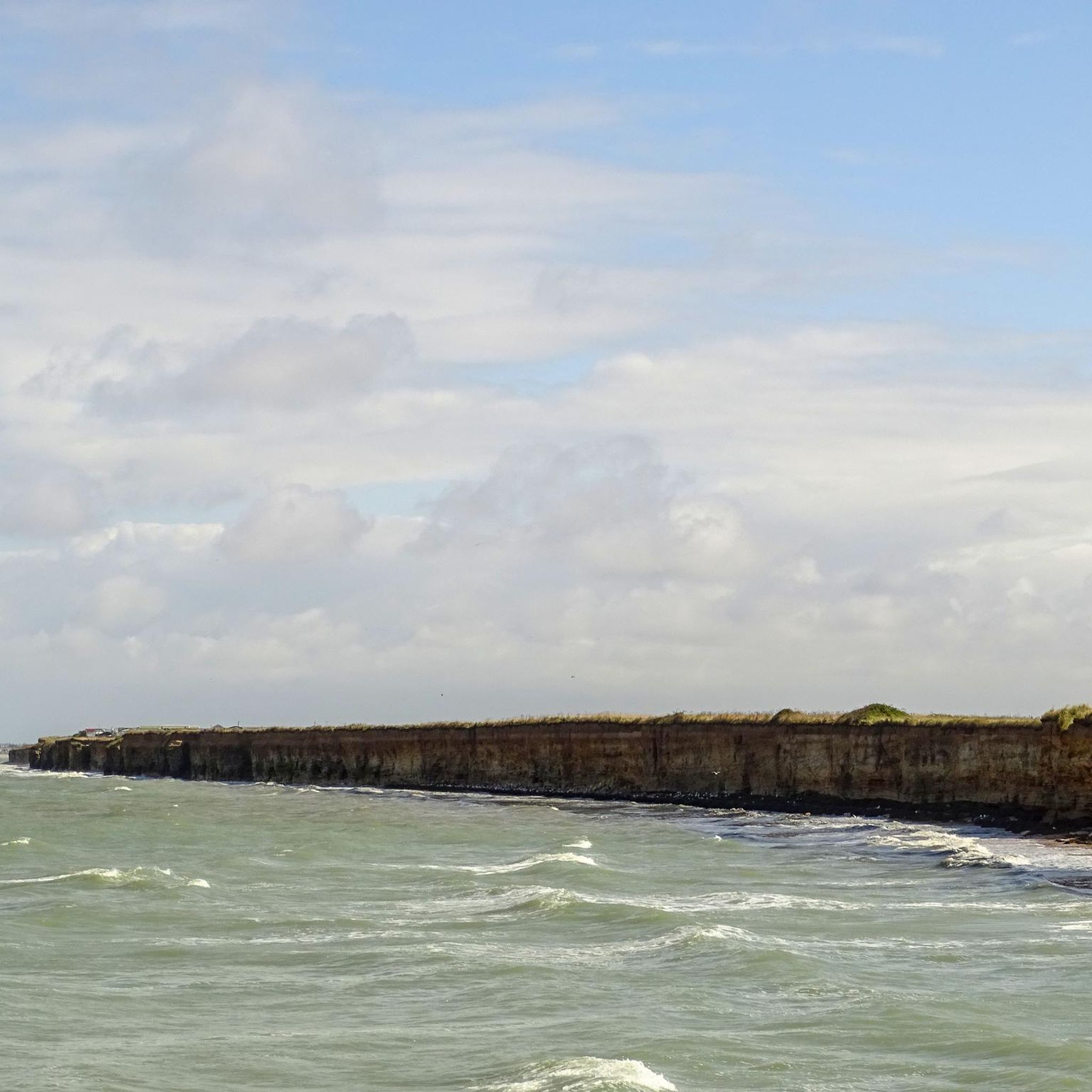
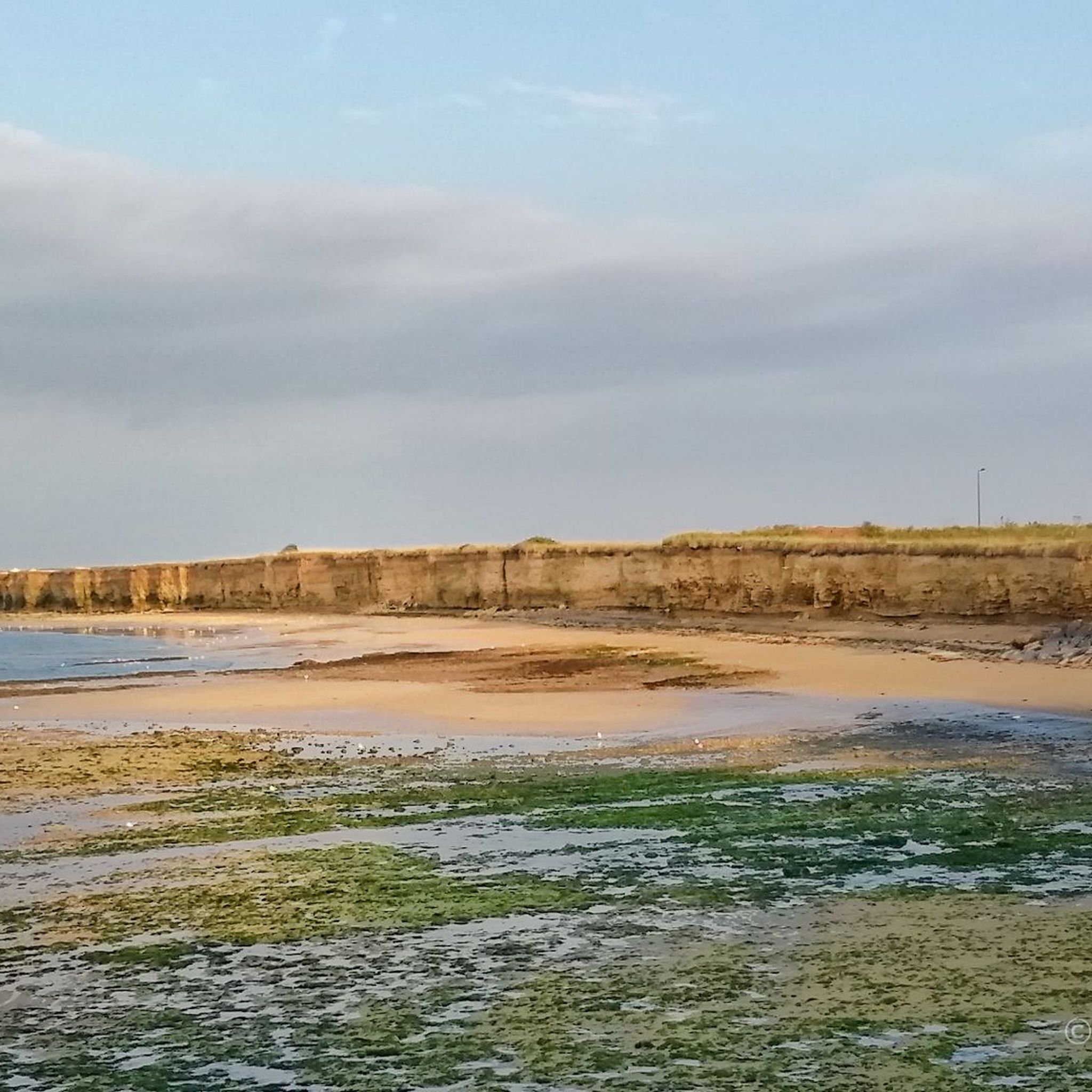
On the coast at Cap Romain there is a reef with fossil sponges, a remnant of a tropical sea from the Jurassic period (vulnerable area, protected as a national nature reserve.) Some larger archaeological finds testify to the Roman presence, which gave the cape its name.
6
0

During the night of January 14 to 15, 1885, a 40 ton whale 19 meters long ran aground on the shores of the Côte de Nacre at Luc-sur-Mer at the place called "Brèche du Moulin". His skeleton is now installed in the Municipal Park, attracting many visitors. To make the visit more attractive and more cultural, a Whale House has been designed and built for individuals and groups (this museum is managed by the association, called "the Brotherhood of the Knights of the Whale"). What do we find there? A space of legend and anecdotes about whales A memorandum on whale hunting and protection A scientific space bringing together the anatomical and physiological data of these mammals A video room with screening of a film retracing the history of Luc's whale A retrospective on the stranding of the goblin whale with period documents A souvenir shop, postcards, books ... http://www.luc-sur-mer.fr/la_maison_de_la_baleine.html
1
0
Frequently Asked Questions
What unique natural features can I explore in Luc-sur-Mer?
Luc-sur-Mer offers a variety of natural wonders. You can discover the dramatic Les Falaises des Confessionnaux (Confessionnaux cliffs) at low tide, revealing their unique geological formations. The Cap Romain Nature Reserve also features a fossil sponge reef, a remnant of a Jurassic tropical sea. Additionally, the tranquil Vallon de la Capricieuse greenway provides a peaceful escape through a valley with unique soil and vegetation.
Are there family-friendly natural monuments in Luc-sur-Mer?
Absolutely! The expansive beaches of Luc-sur-Mer are perfect for families, offering fine sand for relaxation, sandcastle building, and various water sports. The Parc de la Baleine, home to the complete skeleton of a 19-meter whale that washed ashore in 1885, is also a unique and family-friendly spot, combining natural history with a playground. You can learn more about cetaceans at the Maison de la Baleine within the park. The Whale Museum is specifically listed as family-friendly.
What outdoor activities can I do near these natural monuments?
The natural monuments around Luc-sur-Mer are ideal for various outdoor activities. You can enjoy walking and cycling along the Vallon de la Capricieuse greenway, which connects the beach to Douvres-la-Délivrande. The beaches themselves are great for swimming, paddleboarding, sea kayaking, and sand yachting. For cycling enthusiasts, there are numerous routes available, including easy loops like the "Cliffs of Luc-sur-Mer – Lion-sur-Mer loop" or more challenging road cycling routes like the "Normandy D-Day Beaches Loop." You can find more details on these activities in our cycling guide and MTB guide for the area.
What is the best time to visit the natural monuments in Luc-sur-Mer?
The natural monuments in Luc-sur-Mer can be enjoyed throughout the year, but each season offers a different experience. Low tide is particularly recommended for exploring Les Falaises des Confessionnaux to fully appreciate their geological features. The warmer months are ideal for beach activities and water sports. The Vallon de la Capricieuse greenway is pleasant for walks and cycles in spring and autumn when the foliage is vibrant. For specific events or local information, you might check the local tourism website: coeurdenacretourisme.com.
Are there any historical or geological points of interest among the natural monuments?
Yes, several natural monuments in Luc-sur-Mer have significant historical and geological aspects. The Cap Romain Nature Reserve is a geological marvel, featuring a fossil sponge reef from the Jurassic period, and its name hints at Roman presence in the area. The Vallon de la Capricieuse valley is situated on old stone quarries used for construction from the 11th to the 19th centuries, adding a historical layer to its natural beauty. The Parc de la Baleine, while a natural history exhibit, also represents a unique heritage event from 1885.
Can I find walking or hiking trails near the natural monuments?
Yes, there are excellent opportunities for walking and hiking. The Vallon de la Capricieuse greenway offers a 2.5 km path through nature, ideal for walking, cycling, and even horse riding, away from road traffic. The coastal paths along the Côte de Nacre provide scenic walks with views of the sea and cliffs. For more structured routes, you can explore our guide to natural monuments around Luc-sur-Mer for inspiration on trails that incorporate these sites.
What is the 'Parc de la Baleine' and why is it considered a natural monument?
The Parc de la Baleine (Whale Park) is a unique site in Luc-sur-Mer. While not a natural formation, it houses the complete skeleton of a 19-meter whale that washed ashore in 1885. This makes it a natural history monument, offering a rare glimpse into marine life and a significant local heritage event. The park itself provides beautiful wooded and flowered green spaces for a pleasant stroll, and the Maison de la Baleine offers educational insights into cetaceans.
Are the beaches of Luc-sur-Mer considered natural monuments?
The beaches of Luc-sur-Mer are indeed a significant natural attraction. They form part of the picturesque Côte de Nacre (Mother-of-Pearl Coast) and are characterized by their fine sand. They offer a natural environment for relaxation, recreation, and observing the coastal ecosystem, making them a key natural feature of the region.
What is the 'Vallon de la Capricieuse' and what makes it special?
The Vallon de la Capricieuse greenway is a 2.5 km long natural corridor stretching over 33 hectares from the beach to Douvres-la-Délivrande. Its name, 'the capricious one,' comes from a stream with fluctuating water levels that historically created a unique soil, vegetation, and animal life. Today, it serves as a 'green lung' by the sea, offering a serene environment for walking, cycling, and horse riding, and holds geological significance due to its location on old stone quarries.
Can I bring my dog to the natural monuments in Luc-sur-Mer?
Many outdoor areas in Luc-sur-Mer are dog-friendly, especially walking paths and beaches during off-peak seasons or in designated areas. The Vallon de la Capricieuse greenway is generally suitable for walks with dogs on a leash. However, specific rules may apply to nature reserves like Cap Romain Nature Reserve due to the protection of vulnerable ecosystems. It's always best to check local signage or the municipal website for the most current regulations regarding pets in specific locations.
What kind of views can I expect from viewpoints near Luc-sur-Mer's natural monuments?
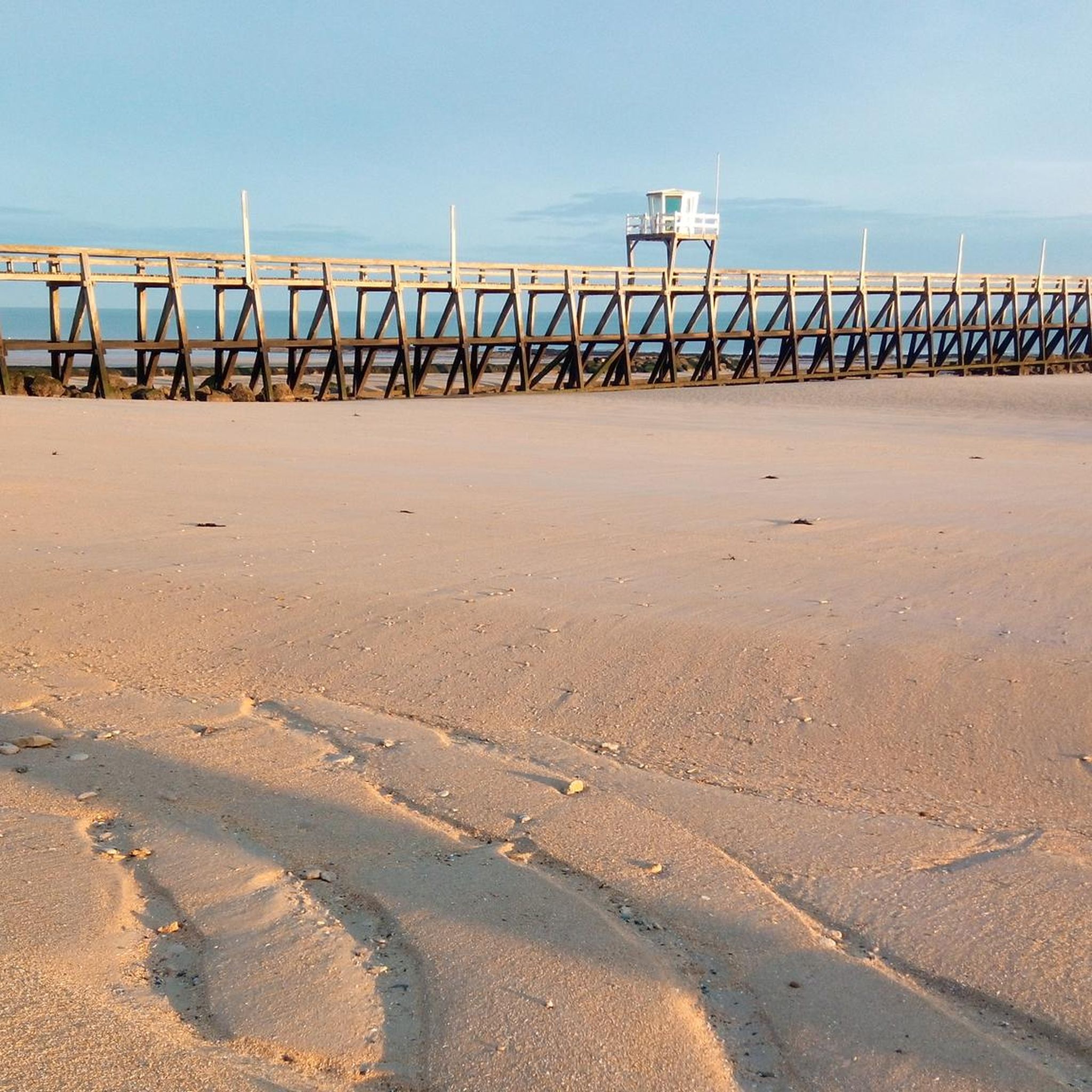
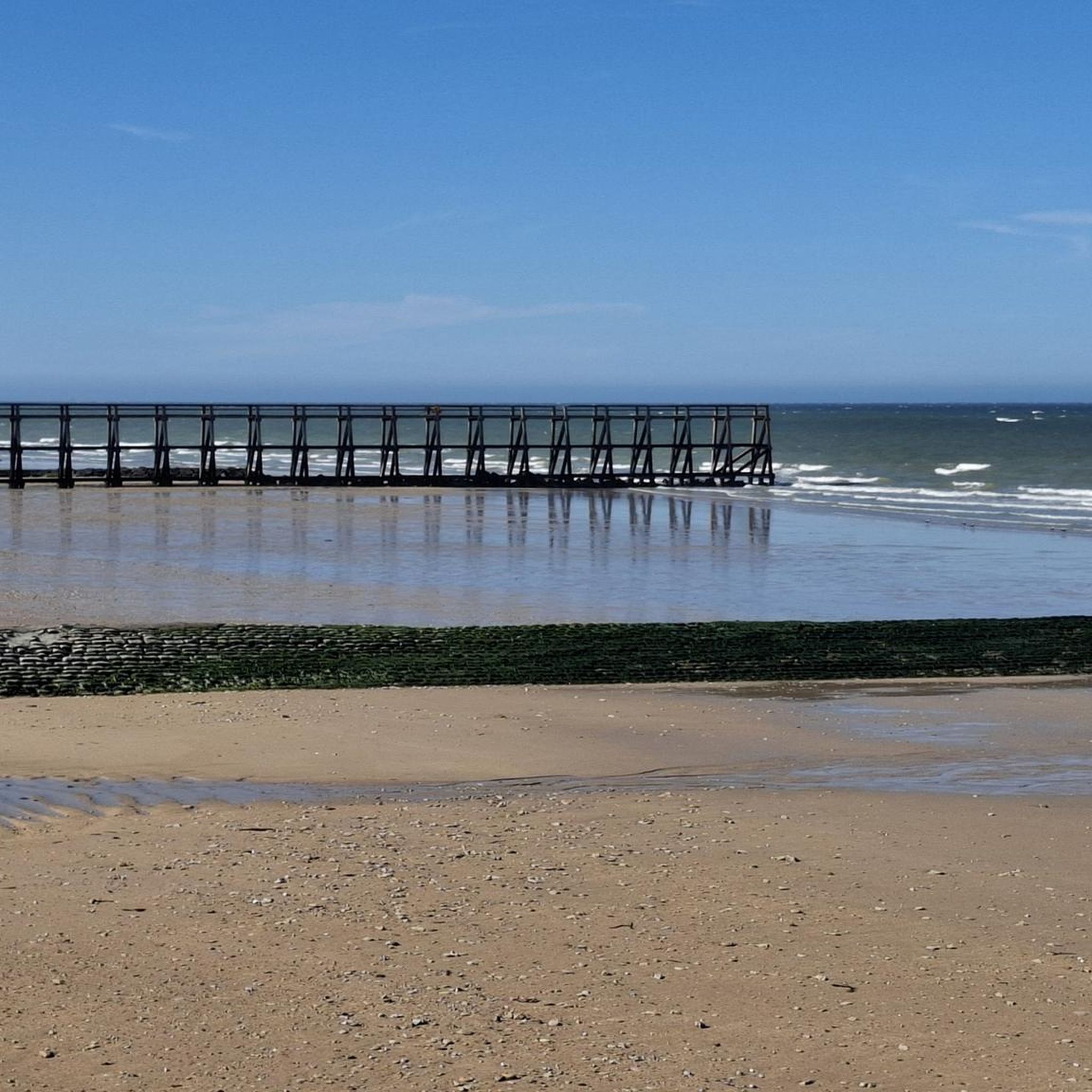
From viewpoints like La Roque Point, you can expect magnificent views, including the expansive Baie de l'Orne. Coastal paths and the long pier in Luc-sur-Mer also offer lovely vistas of the coastline, especially at sunset. These spots are perfect for observing the sea, the unique geological formations of the cliffs, and the surrounding natural landscape.
Most popular routes around Luc-Sur-Mer
Most popular attractions around Luc-Sur-Mer

Get inspired with the komoot mobile app


Explore more
Extend your search for the best caves by checking out these guides of the top ones around Luc-Sur-Mer:
