Top 4 Natural Monuments around Camoël
Best natural monuments around Camoël showcase a diverse landscape in Brittany, France. The region features a blend of coastal environments, river settings along the Vilaine estuary, and marshlands. These natural features offer opportunities for exploring varied ecosystems and geological formations. Camoël is home to 4 natural monuments, providing points of interest for outdoor activities.
Best natural monuments around Camoël
- The most popular natural monuments is Toad Dolmen, a historical site that dates from the Neolithic period. This dolmen is…
Last updated: October 6, 2026
Toad Dolmen
Highlight • Historical Site
Translated by Google •
Tip by

Pointe de la Grande Île de Mesquéry
Highlight • Viewpoint
Translated by Google •
Tip by

Sign up now to discover places like this
Get recommendations on the best single tracks, peaks, & plenty of other exciting outdoor places.
Port ès Gerbes
Highlight • River
Translated by Google •
Tip by

Sea Cave at Plage de la Mine d'Or
Highlight • Cave
Translated by Google •
Tip by

Start today with a free account
Your next adventure awaits.
Tips from the Community

The Crapaud dolmen, listed as a historic monument since 1978, belongs to the long list of dolmens that spread across Brittany. Archaeologists suggest that it dates from the Neolithic period, between approximately 5800 and 2500 BCE.
0
0

You can squeeze through one of the crevices to get into the chamber beyond. The cave is only accessible at low tide.
1
0

Before reaching the tip of Pen Bé which is at sea level, you can take advantage of this much higher point of view and the cliffs which offer you beautiful views of the surrounding coastline.
3
0


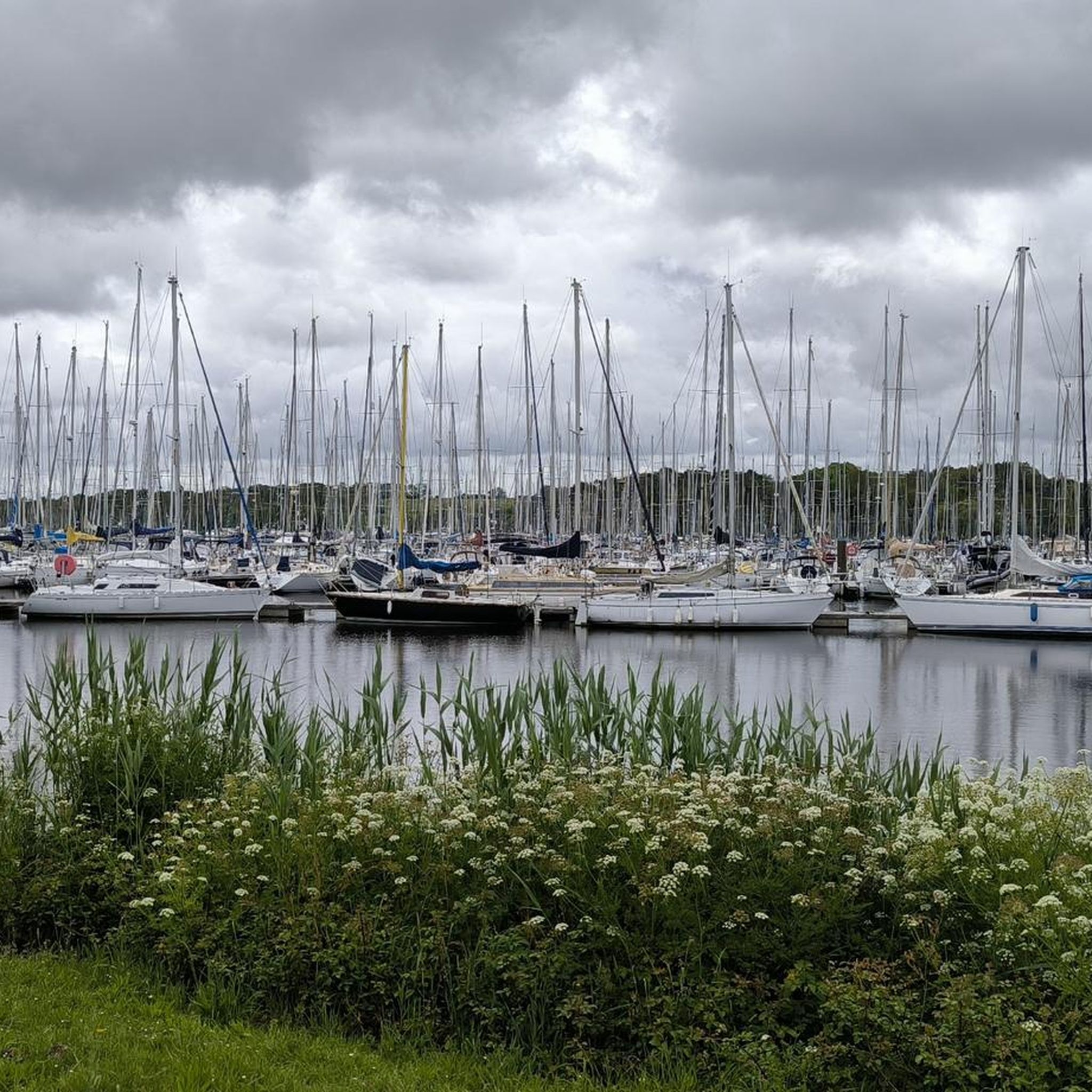
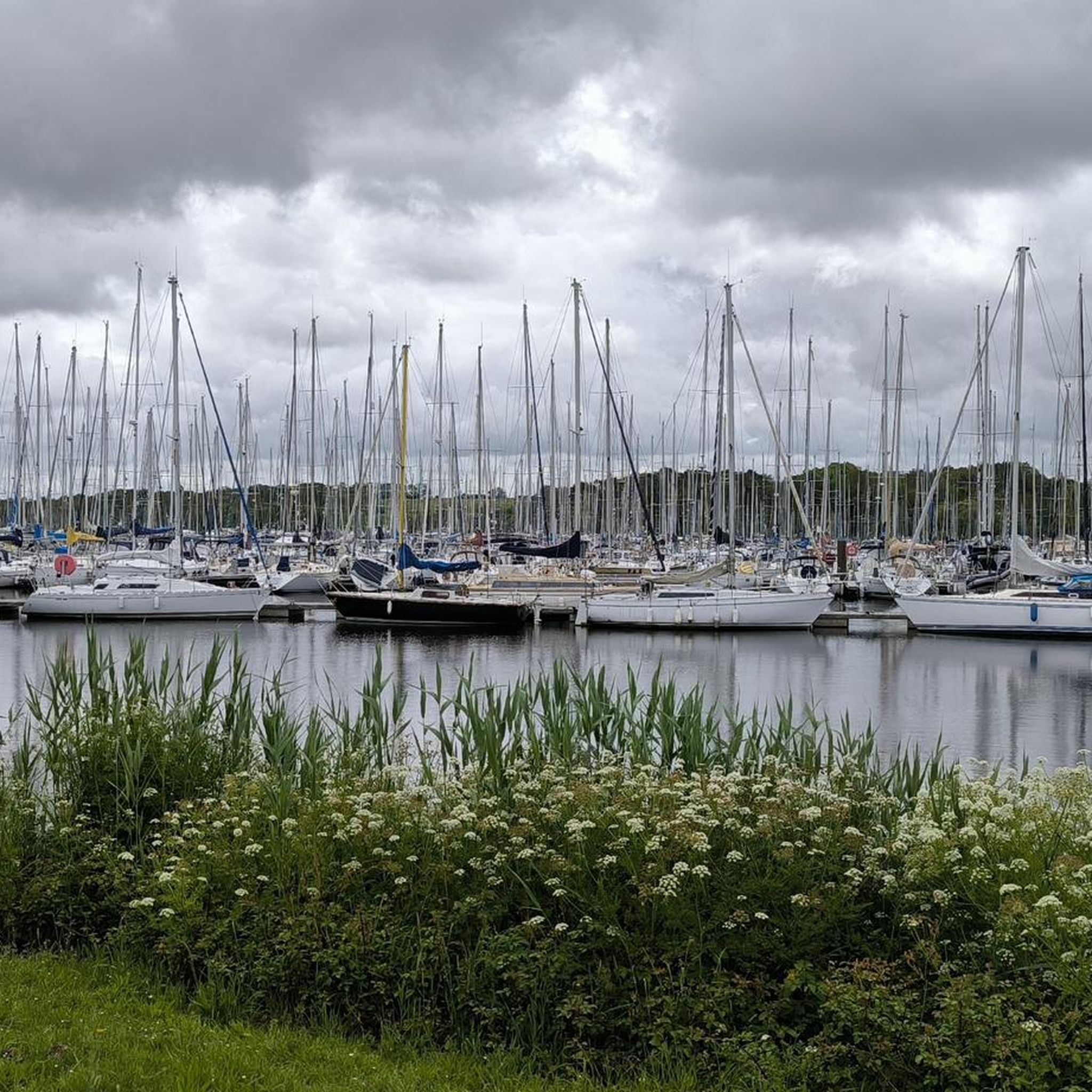
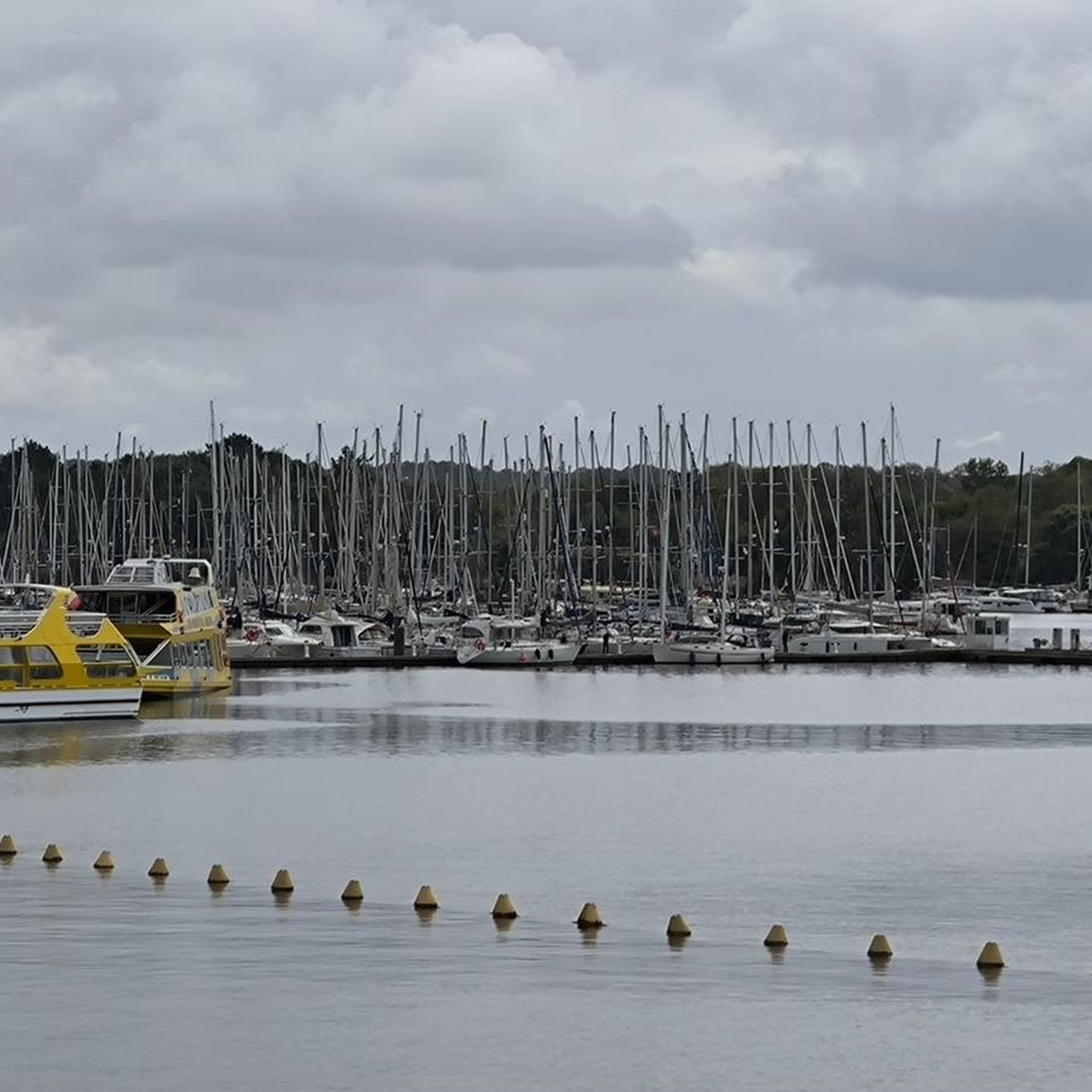
Can you find the mooring rings in the rock? Formerly this place was used for trade between the two banks of the Vilaine, now it is a place suitable for swimming or simply to peacefully enjoy the stream.
1
1
Frequently Asked Questions
What are the most popular natural monuments to visit in Camoël?
Camoël offers several captivating natural monuments. Among them, the Tréhervé Beach is a peaceful, bucolic spot perfect for walks between forest and sea. For historical natural features, the Toad Dolmen, a Neolithic monument, offers a glimpse into ancient times. The Pointe de la Grande Île de Mesquéry provides stunning elevated views of the coastline and cliffs.
Are there family-friendly natural monuments around Camoël?
Yes, several natural monuments in the Camoël area are suitable for families. Tréhervé Beach is a tranquil spot ideal for a relaxing day by the water. Port ès Gerbes offers a peaceful stream environment, historically used for trade, and is now suitable for swimming or simply enjoying the water. The Toad Dolmen also provides an interesting historical natural monument for families to explore.
What kind of natural features can I expect to see in the Camoël region?
The Camoël region boasts diverse natural features. You'll find stunning coastal views at places like Pointe de la Grande Île de Mesquéry, offering high viewpoints and dramatic cliffs. There are also serene beaches such as Tréhervé Beach, and unique geological formations like the Sea Cave at Plage de la Mine d'Or, which is accessible at low tide. The area is also characterized by its river environments, particularly along the Vilaine Estuary, and marshlands like the Brière Regional Natural Park further afield.
Are there any historical natural monuments in Camoël?
Yes, the Toad Dolmen is a significant historical natural monument in Camoël. Listed as a historic monument since 1978, archaeologists suggest it dates from the Neolithic period, between approximately 5800 and 2500 BCE. Additionally, Port ès Gerbes, while a natural river spot, has historical significance as a former trade point between the banks of the Vilaine.
What outdoor activities can I do near these natural monuments?
The area around Camoël's natural monuments is excellent for various outdoor activities. You can enjoy cycling on traffic-free routes, with options for touring bikes, mountain bikes, and road bikes. For example, explore routes like the 'Prières Abbey boundary marker – Pen Lan Lighthouse loop' or 'The Gold Mine – Plage de Loscolo loop'. Find more details on these and other cycling routes in our guides for traffic-free bike rides, easy MTB rides, and road cycling routes around Camoël.
Where can I find the best viewpoints of the coastline near Camoël?
For panoramic coastal views, head to the Pointe de la Grande Île de Mesquéry. This elevated point offers stunning vistas of the surrounding coastline and dramatic cliffs. Merquel Point, though not listed as a highlight in this guide, is also known for its expansive ocean scenery and bird observatory.
Is there a unique natural monument that is challenging to access?
Yes, the Sea Cave at Plage de la Mine d'Or offers a more challenging and unique experience. This cave, located on a beach known for its distinctive ocher-colored cliffs, is only accessible at low tide. Visitors can squeeze through crevices to explore its chambers.
What is the best time of year to visit the natural monuments in Camoël?
The best time to visit the natural monuments in Camoël is generally during the spring (April to June) and early autumn (September to October). During these periods, the weather is typically mild and pleasant for outdoor activities like hiking and cycling, and the natural landscapes are vibrant. Summer (July and August) is also popular, especially for beaches, but can be busier.
Are there any natural monuments with water access for swimming or relaxation?
Absolutely. Port ès Gerbes is a tranquil river spot suitable for swimming or simply enjoying the peaceful stream. Tréhervé Beach also offers a serene coastal environment for relaxation and enjoying the water.
What makes the Vilaine Estuary and River Banks a significant natural area near Camoël?
Camoël is situated on the left bank of the Vilaine Estuary, which is a significant natural area offering a blend of coastal and river environments. The estuary provides diverse landscapes ideal for hiking, cycling, kayaking, or paddle-boarding. Numerous trails run alongside the river, offering superb views and a peaceful setting, making it a key natural feature of the region.
Are there any large marshland areas to explore near Camoël?
While a short distance from Camoël, the Marais Salants de Guérande (Guérande Salt Marshes) are a significant natural and historical site known for their unique 'magical' landscape shaped by salt production. Further southeast, the Brière Regional Natural Park is the second-largest marsh area in France, offering a different natural experience with varied landscapes away from the immediate coast.
Most popular attractions around Camoël

Get inspired with the komoot mobile app


Explore more
Extend your search for the best caves by checking out these guides of the top ones around Camoël:
