Top 8 Natural Monuments around Fixin
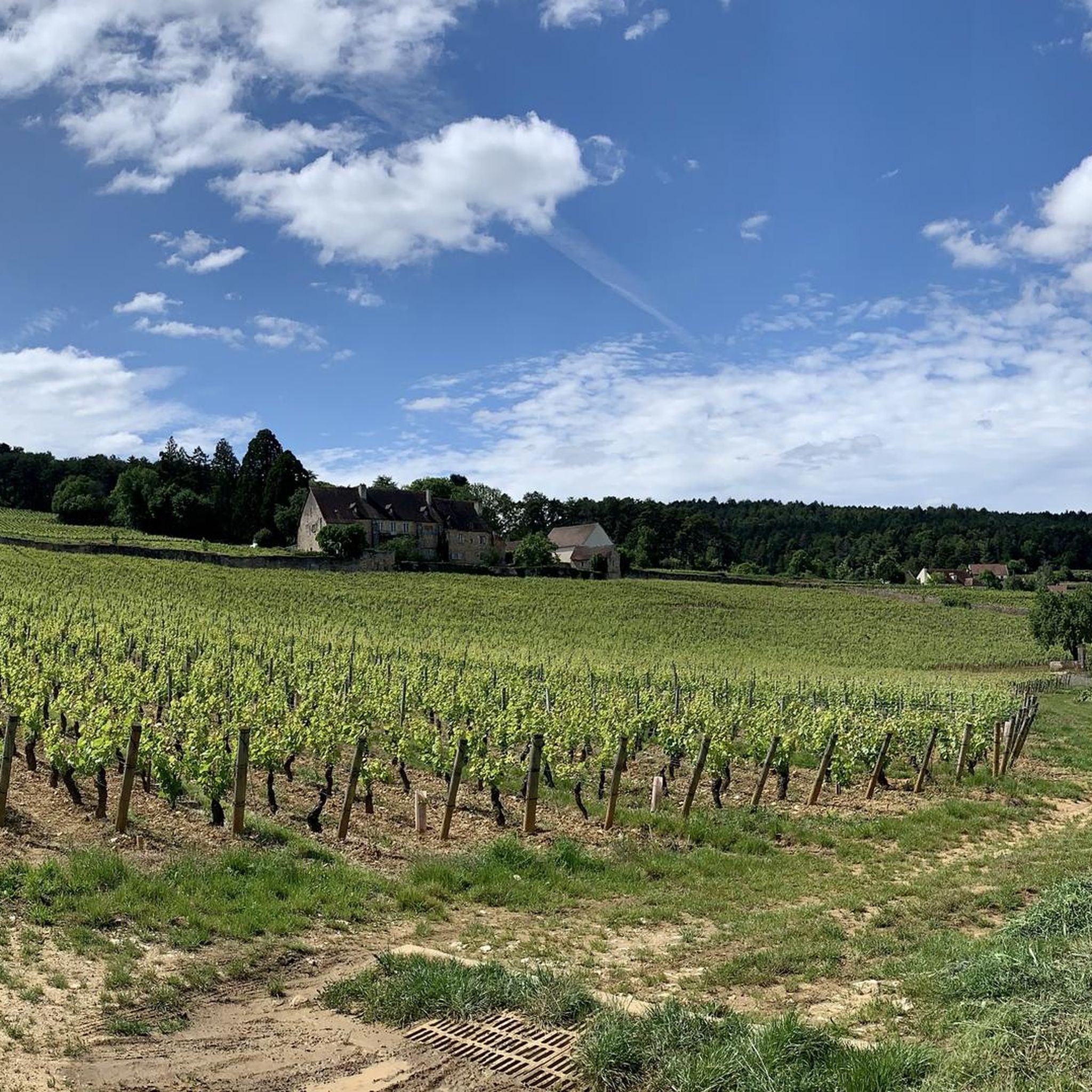
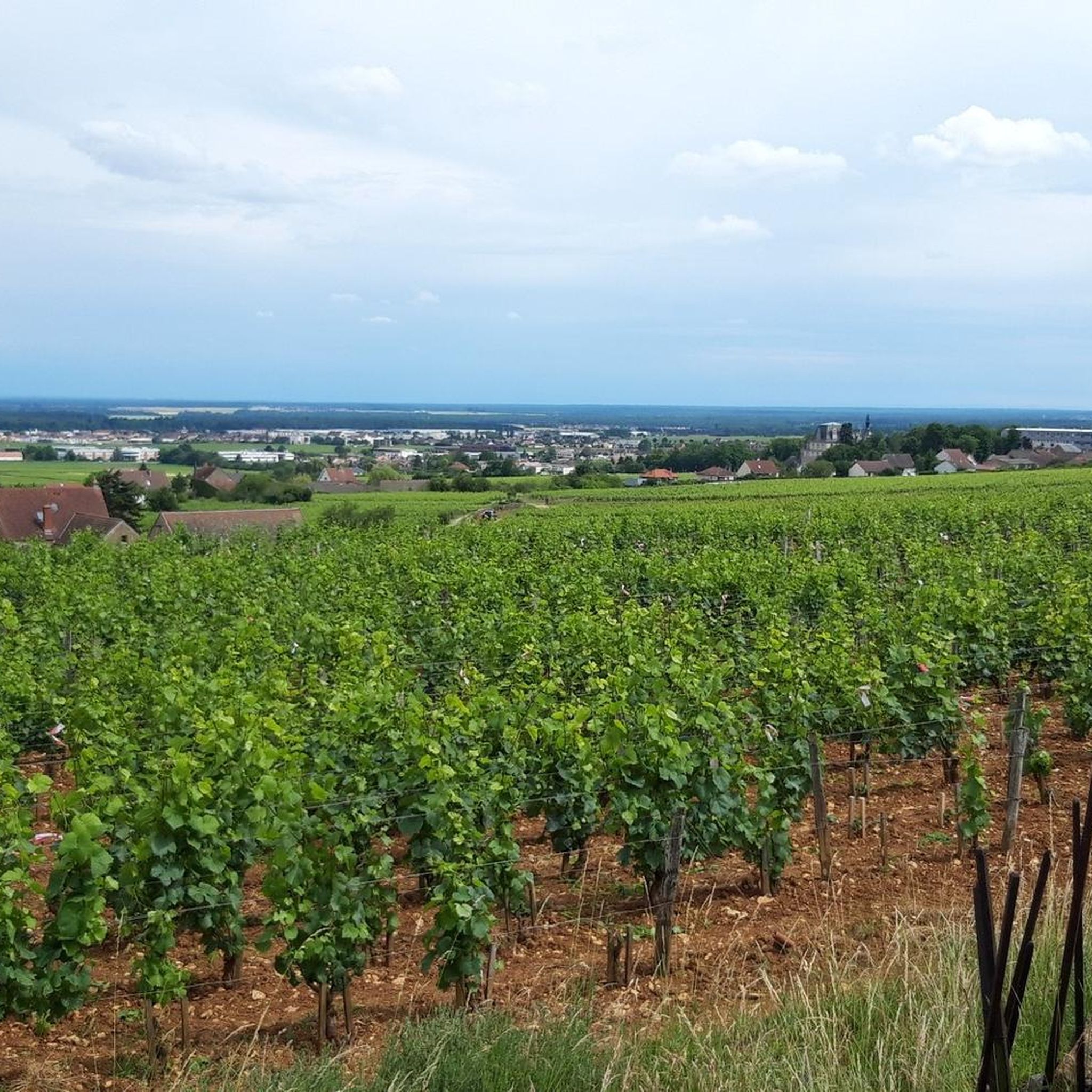
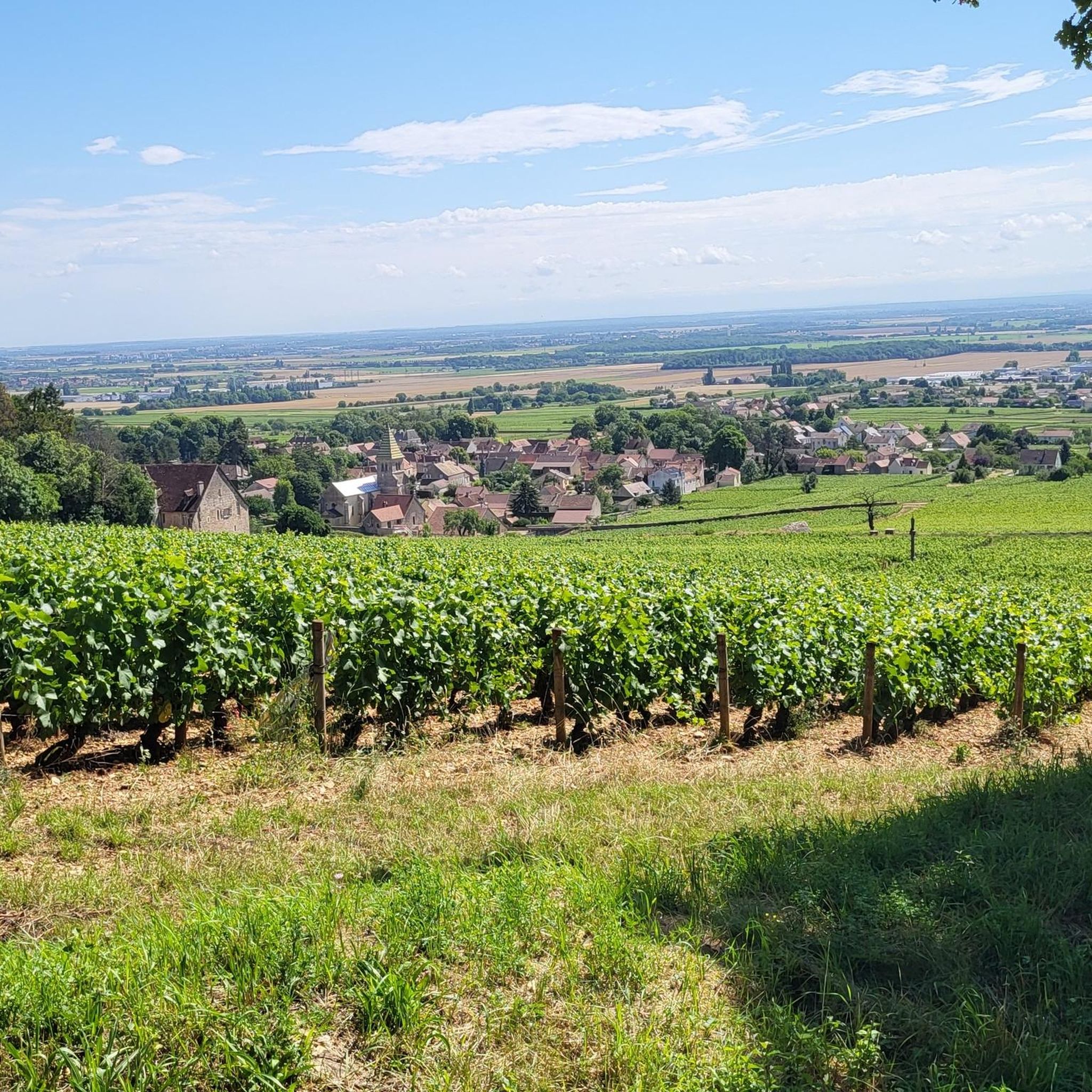
Best natural monuments around Fixin are intrinsically linked to its viticulture and complex geology. This commune in the Côte de Nuits region of Burgundy, France, features a landscape shaped by ancient geological formations, including "combs" and limestone bedrock. These features influence the soil composition and microclimates crucial for wine production. The rolling hills covered with vineyards, particularly the Premier Cru sites, represent the most prominent natural features of Fixin.
Best natural monuments around Fixin
- The most popular natural monuments is…
Last updated: July 2, 2026
Darcy Garden
Highlight • Natural Monument
Translated by Google •
Tip by

Lake Kir
Highlight • Lake
Translated by Google •
Tip by
Sign up now to discover places like this
Get recommendations on the best single tracks, peaks, & plenty of other exciting outdoor places.
Sign up for free
Climb of the Combe Lavaux
Highlight • Climb
Translated by Google •
Tip by

Morey-Saint Denis
Highlight • Settlement
Tip by
Sainte-Anne Fountain
Highlight • Natural Monument
Translated by Google •
Tip by

Sign up for free to discover even more natural monuments around Fixin.
Sign up for free
Already have an account?
Start today with a free account
Your next adventure awaits.
Login or Signup
Tips from the Community

Located north of the old town, this lovely little park offers several shady spots in the summer. Definitely worth a visit.
3
0

The spring is beautifully arranged and decorated (at least during Easter). There's also a small seating area where you can rest after the climb.
3
0

An artificial lake commissioned by Canon Félix Kir, former mayor of Dijon. A great place to recharge your batteries not far from the train station, the tour takes about an hour on foot. Ideally, you can reach the city center via the Promenade de l'Ouche, one of the city's green lungs.
4
2
Stopover point before arriving at Notre Dame d’Etang. Allow approximately 30/40 minutes before reaching the Source Sainte-Anne from the village of Velars-sur-Ouche
1
0


A beautiful grand hotel that could easily be located in Nice.
5
0
This small park exudes French charm and is reminiscent of Paris.
9
1
Frequently Asked Questions
What kind of natural monuments can I expect to find around Fixin?
Fixin's natural monuments are deeply connected to its viticulture and unique geology. You'll find landscapes shaped by ancient geological formations, including 'combs' (valleys) and complex limestone bedrock, which are crucial for wine production. The rolling hills covered with vineyards, especially the Premier Cru sites, are the most prominent natural features. Specific highlights include Lake Kir, a beautiful artificial lake, and the protected site of Climb of the Combe Lavaux, known for its abundant vegetation and scenic views.
Are there family-friendly natural monuments in the Fixin area?
Yes, several natural spots around Fixin are suitable for families. Lake Kir is a popular artificial lake perfect for relaxing walks and family outings. Another great option is Darcy Garden in Dijon, which was the city's first public garden and features a famous sculpture, offering a charming and accessible green space. The Sainte-Anne Fountain also offers a pleasant, well-maintained stopover point with seating.
What outdoor activities can I do near Fixin's natural monuments?
The region around Fixin offers excellent opportunities for various outdoor activities, often intertwined with its natural and viticultural landscapes. You can explore numerous routes for gravel biking, mountain biking, and running. For detailed routes and guides, check out the Gravel biking around Fixin, MTB Trails around Fixin, and Running Trails around Fixin guides.
Are there hiking trails near the natural monuments in Fixin?
While Fixin is more known for its cycling routes, you can find trails that allow you to explore the natural beauty. The Climb of the Combe Lavaux, though popular with cyclists, is a protected site with abundant vegetation, offering scenic paths for walking. For dedicated running and walking trails, you can find options in the Running Trails around Fixin guide, which includes routes like 'The Hundred Steps – Combe Lavaux loop'.
What geological features are significant in Fixin?
Fixin's geology is fundamental to its identity, particularly its wine production. The landscape features 'combs,' which are valleys formed over millions of years, and complex limestone bedrock. These geological faults and structures influence the soil composition, drainage, and microclimates of the vineyards, contributing to the distinct characteristics of Fixin wines. While not traditional 'monuments,' these features are best observed by exploring the vineyard landscapes themselves.
What is the <a href="https://www.komoot.com/highlight/1551595" target="_blank" rel="noopener">Climb of the Combe Lavaux</a> like?
The Climb of the Combe Lavaux is a protected natural site known for its magnificent landscapes and abundant vegetation. It's a popular spot for cyclists due to its top-quality asphalt and steady climb, featuring a unique passage under a tunnel. The area is rich in birdlife, making it a beautiful place to experience nature. It's recommended to visit outside of rush hour for a more tranquil experience.
What is special about <a href="https://www.komoot.com/highlight/4102829" target="_blank" rel="noopener">Lake Kir</a>?
Lake Kir is an artificial lake created by a dam on the Ouche River, named after Canon Kir, a famous former mayor of Dijon. It's a beloved spot for relaxation among locals, offering beautiful views of its surroundings. It's ideal for family walks and enjoying a peaceful natural setting close to the city.
Can I find historical or cultural sites alongside natural monuments in Fixin?
Yes, the region blends natural beauty with rich history and culture. The village of Morey-Saint Denis, for example, is a settlement deeply rooted in the 'Climats de Bourgogne' wine heritage and offers a glimpse into a typical Côte de Nuits village. Additionally, the Sainte-Anne Fountain has religious significance and is often decorated, serving as a frequent stopover point.
What do visitors enjoy most about the natural monuments around Fixin?
Visitors particularly appreciate the serene beauty and the unique blend of nature with viticultural heritage. The picturesque vineyard landscapes, the peaceful atmosphere of Lake Kir, and the scenic views from the Climb of the Combe Lavaux are frequently highlighted. Many enjoy the well-maintained and charming spots like Sainte-Anne Fountain, often decorated with flowers, and the opportunity for relaxing walks in places like Darcy Garden.
Is Fixin a good place for dog-friendly outdoor activities?
While specific dog-friendly designations for each natural monument are not detailed, many outdoor areas in France, especially trails and open landscapes like vineyards, are generally welcoming to dogs on a leash. For walks around Lake Kir or exploring the vineyard paths and the Climb of the Combe Lavaux, dogs are usually permitted. Always ensure your dog is under control and clean up after them.
What is the best time of year to visit Fixin for its natural monuments?
The best time to visit Fixin largely depends on your interests. Spring (April-May) offers lush greenery and blooming vineyards, while autumn (September-October) provides stunning fall foliage and the grape harvest season, which is particularly scenic. Summer (June-August) is ideal for longer days and outdoor activities, though it can be warmer. Winter offers a quieter, more contemplative experience of the landscape.
Most popular attractions around Fixin

Get inspired with the komoot mobile app


Explore more
Extend your search for the best caves by checking out these guides of the top ones around Fixin:
