Top 5 Natural Monuments around Cormot-Le-Grand
Best natural monuments around Cormot-Le-Grand include dramatic limestone cliffs, lush gorges, and historical sites. Located in Burgundy-Franche-Comté, France, the area features impressive geological formations and significant natural habitats. These sites offer diverse landscapes, from high cliffs to ancient megalithic structures, providing insight into the region's natural and historical heritage. Many locations are part of the Natura 2000 network, highlighting their ecological importance.
Best natural monuments around Cormot-Le-Grand
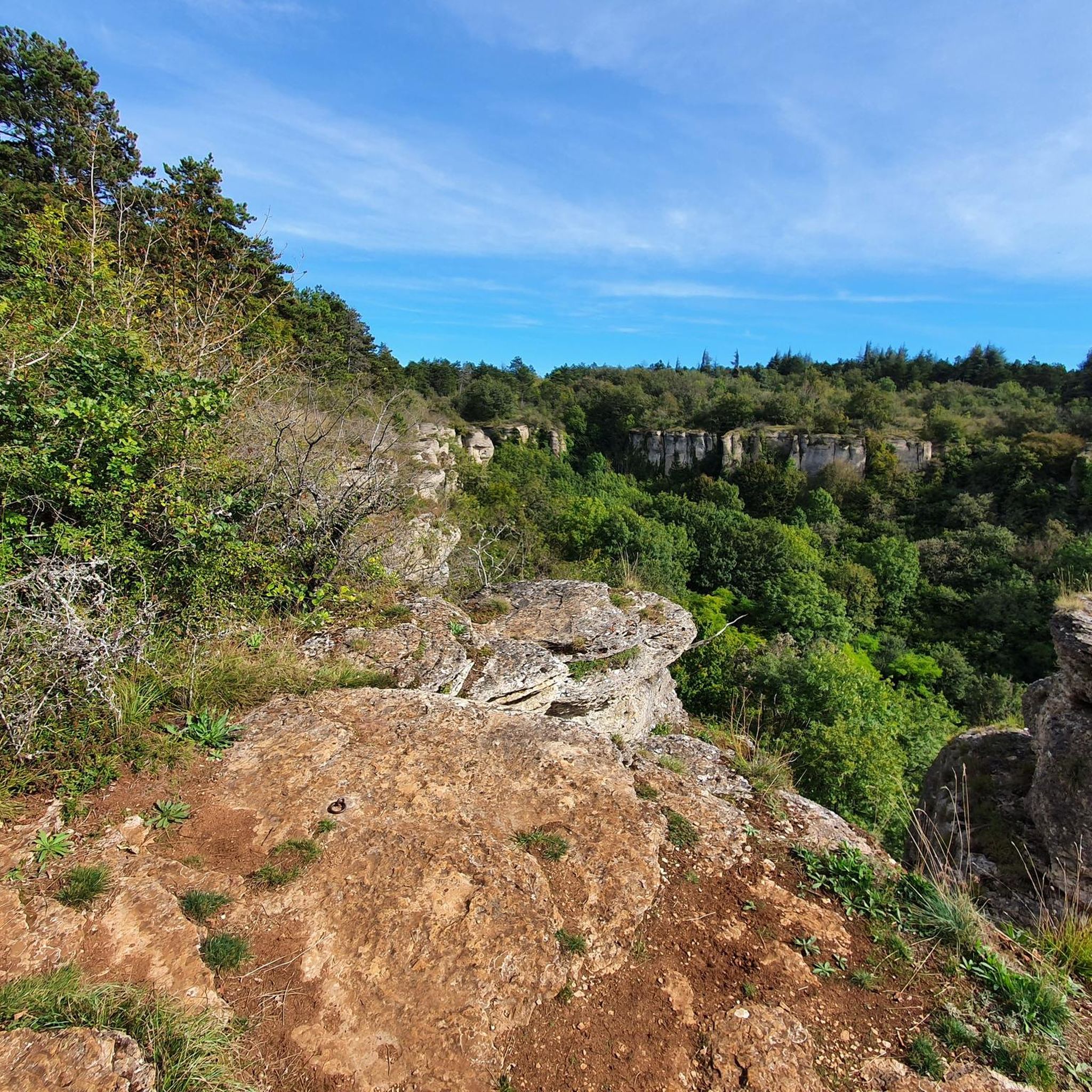
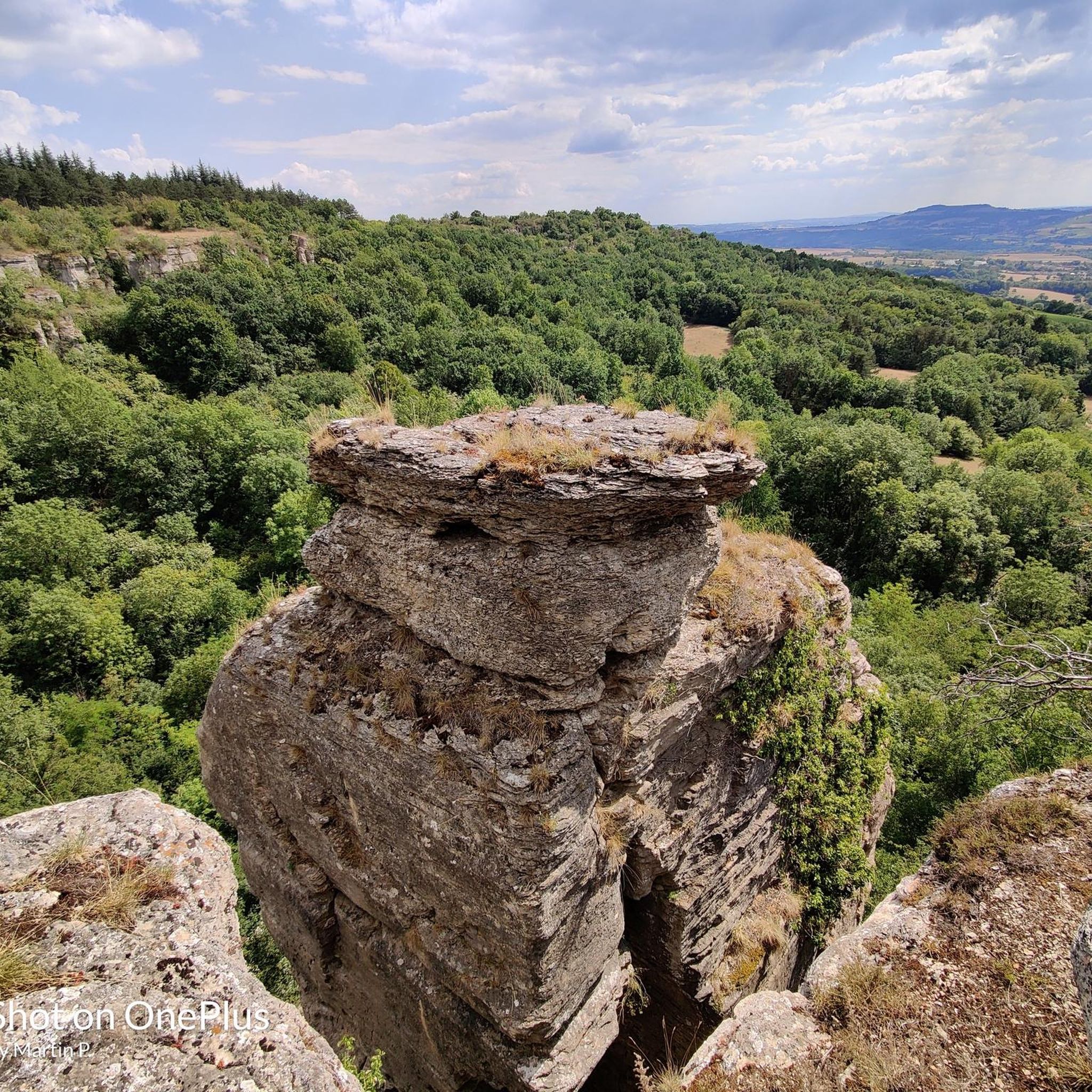
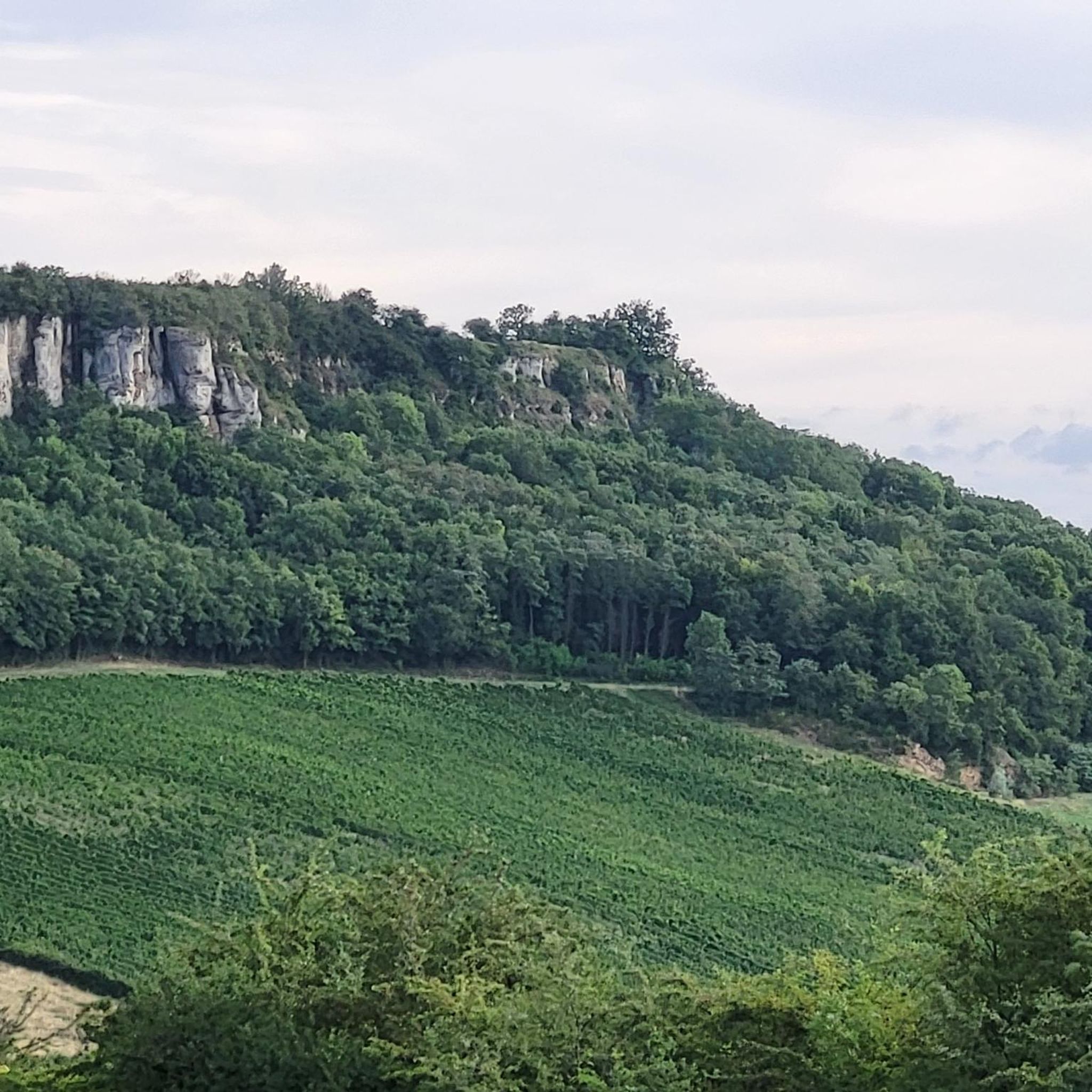
- The most popular natural monuments is Cliffs of Saint-Romain, a canyon that offers beautiful views of the valley. These impressive limestone cliffs are a significant site for rock climbing, with over 150 equipped routes.
- Another must-see spot is View of the Cirque at the End of the World, a viewpoint offering expansive views of the cliffs and precipice. This trail runs along the top of the Cirque du Bout du Monde, providing a sense of isolation.
- Visitors also love Cul Blanc Dolmen, a historical site in the form of a megalithic chest. This dolmen, listed as a historical monument since 1912, features a large triangular slab and offers a glimpse into prehistoric human construction.
- Cormot-Le-Grand is known for its gorges, canyons, and historical sites. The region offers a variety of natural monuments to see and explore, from dramatic cliff faces to ancient stone structures.
- The natural monuments around Cormot-Le-Grand are appreciated by the komoot community, with 51 upvotes and 21 photos shared across the highlights.
Last updated: May 21, 2026
Impressive Cliff With Steep Descent and Waterfall
Highlight • Gorge
Translated by Google •
Tip by

Cliffs of Saint-Romain
Highlight • Canyon
Translated by Google •
Tip by

Sign up now to discover places like this
Get recommendations on the best single tracks, peaks, & plenty of other exciting outdoor places.
Sign up for free
View of the Cirque at the End of the World
Highlight • Viewpoint
Translated by Google •
Tip by

Cul Blanc Dolmen
Highlight • Historical Site
The dolmen has been listed as a historical monument since 1912. A second dolmen, located near Mont-de-Sène, not far from this dolmen, is still covered with a mound of earth.
Translated by Google •
Tip by

View of the Cliffs Above Saint-Romain
Highlight (Segment) • Viewpoint
Tip by

Sign up for free to discover even more natural monuments around Cormot-Le-Grand.
Sign up for free
Already have an account?
Start today with a free account
Your next adventure awaits.
Login or Signup

Tips from the Community

This dolmen is in the form of a megalithic chest covered with a large triangular slab. The base of this southeast-facing triangle is 3 m long. The other two sides are 3.50 m long. The dolmen has been listed as a historical monument since 1912. A second dolmen, located near Mont-de-Sène, not far from this dolmen, is still covered with a mound of earth.
1
0

There is a thick boat rope here to make it easier to climb up and down in the upper part - very helpful, especially when it is wet.
4
0

This first plateau of the Jura massif offers beautiful views of the valley. The cliff that extends among the trees also embellishes the landscape.
0
0

This trail that runs along the top of the Cirque du bout du monde offers a breathtaking view of the cliffs and the precipice. You really feel like you're at the end of the world!
4
0

The descent or ascent is not easy. But also very impressive.
2
0

long beautiful clim from La Rochepot up to the rocks above Saint-Romain. the reward is a beautiful view
0
0
Frequently Asked Questions
What makes the natural monuments in Cormot-Le-Grand unique?
The natural monuments around Cormot-Le-Grand are unique for their dramatic geological formations, rich biodiversity, and historical significance. You'll find impressive limestone cliffs, lush gorges, and ancient megalithic structures. Many sites, like the Cirque du Bout du Monde and the Cliffs of Cormot, are part of the Natura 2000 network, highlighting their ecological importance as habitats for diverse flora and fauna.
What kind of landscapes can I expect to see?
You can expect to see a variety of striking landscapes. The region is characterized by towering limestone cliffs, deep canyons, and verdant gorges. From viewpoints like the View of the Cirque at the End of the World, you'll get expansive vistas of the dramatic terrain. There are also areas with ancient forests and meadows, providing a diverse natural experience.
Are there opportunities for rock climbing in Cormot-Le-Grand?
Yes, the Cliffs of Saint-Romain are a renowned destination for rock climbing. Often considered the highest and most grandiose in Burgundy, they offer over 150 equipped routes ranging from 25 to 45 meters in height and various difficulty levels. It has been a climbing school since 1930, making it one of Burgundy's oldest climbing spots.
What is special about the Cirque du Bout du Monde?
The Cirque du Bout du Monde is a stunning natural amphitheater known for its dramatic limestone cliffs and lush greenery. It features a magnificent waterfall and a resurgence gushing from a cliffside cave. It's a Natura 2000 listed site, home to diverse wildlife like peregrine falcons and unique flora. A trail along the top, such as the View of the Cirque at the End of the World, offers breathtaking views and a sense of being truly disconnected.
What is the significance of the Cul Blanc Dolmen?
The Cul Blanc Dolmen is a historical monument, listed since 1912, offering a glimpse into the region's prehistoric past. It's a megalithic chest covered with a large triangular slab, measuring 3 meters long at its base and 3.50 meters on its sides. There's also a second dolmen nearby, close to Mont-de-Sène, still covered by an earth mound.
What outdoor activities can I do near these natural monuments?
Beyond exploring the monuments themselves, the area around Cormot-Le-Grand offers various outdoor activities. You can find numerous routes for road cycling, mountain biking, and running. For example, there are challenging road cycling loops like 'Through the trees – Château de Coraboeuf' or moderate MTB trails such as 'Three Crosses Mountain – Nolay Center'. You can explore more options in the guides for Road Cycling Routes, MTB Trails, and Running Trails around Cormot-Le-Grand.
Are there family-friendly walks or activities at the natural monuments?
While some areas involve steep descents or climbs, many natural monuments offer trails suitable for families. The general beauty of the landscapes, like the views from the Cirque du Bout du Monde, can be enjoyed by all. For specific family-friendly walks, it's advisable to check trail difficulty and length beforehand. The historical aspect of the Cul Blanc Dolmen can also be an engaging experience for children.
What is the best time to visit the natural monuments around Cormot-Le-Grand?
The natural monuments are generally beautiful year-round. Spring and autumn offer pleasant temperatures for hiking and climbing, with vibrant foliage or blooming wildflowers. Summer is ideal for enjoying the lush greenery, though waterfalls might have reduced flow during dry periods. The south-facing exposure of the Cliffs of Cormot means they dry quickly, making them accessible even after rain.
Can I bring my dog to the natural monuments?
While specific dog policies can vary by site, many natural areas in France, including those within Natura 2000 zones, generally permit dogs on trails, often requiring them to be on a leash to protect wildlife. It's always best to check local signage or specific regulations for each monument, such as the Cirque du Bout du Monde or the Cliffs of Saint-Romain, before your visit.
What do visitors say about the 'Impressive Cliff With Steep Descent and Waterfall'?
Visitors find the 'Impressive Cliff With Steep Descent and Waterfall' to be a very striking and memorable spot. They note that the descent or ascent can be challenging but is highly rewarding. There's even a thick boat rope in the upper part to assist with climbing, which is particularly helpful when conditions are wet, making the experience more manageable.
Are there cafes, restaurants, or accommodation options near the natural monuments?
Cormot-Le-Grand itself is a charming commune, and nearby villages like Nolay offer various amenities. You can find cafes, restaurants, and accommodation options in these local towns, providing convenient bases for exploring the natural monuments. For more information on local services, you might find resources on the Beaune-Tourism website helpful, such as their page on Cormot-Vauchignon.
How can I get to the natural monuments, and is parking available?
Access to the natural monuments typically involves driving to nearby parking areas, from which trails lead to the sites. Specific parking availability can vary, so it's recommended to check for designated parking spots near trailheads for places like the Cirque du Bout du Monde or the Cliffs of Saint-Romain. Public transport options to these more remote natural sites are generally limited, making a car the most practical way to reach them.
Most popular routes around Cormot-Le-Grand
Most popular attractions around Cormot-Le-Grand

Get inspired with the komoot mobile app


Explore more
Extend your search for the best caves by checking out these guides of the top ones around Cormot-Le-Grand:
