Top 4 Natural Monuments around Rosny-Sous-Bois
Best natural monuments around Rosny-Sous-Bois include a variety of green spaces and natural areas, offering opportunities for recreation and experiencing nature within and near this urbanized commune. While primarily an eastern Parisian region, the area features significant natural elements worth exploring. These locations provide a retreat from city life, with diverse flora and fauna, and opportunities for outdoor activities. The landscape offers a mix of landscaped parks and larger natural reserves.
Best natural monuments around Rosny-Sous-Bois
- The most popular natural…
Last updated: July 2, 2026
Saint-Michel Bridge
Highlight • Bridge
Source: de.parisinfo.com/transportmittel/73150/Fontaine-Saint-Michel
Translated by Google •
Tip by

Lake Gravelle
Highlight • Lake
Translated by Google •
Tip by

Sign up now to discover places like this
Get recommendations on the best single tracks, peaks, & plenty of other exciting outdoor places.
Sign up for free
Square du Temple – Elie Wiesel
Highlight • Natural Monument
Translated by Google •
Tip by

Oldest Tree in Paris (Robinier of Square René Viviani)
Highlight • Natural Monument
Translated by Google •
Tip by

A touch of Lebanon at the Jardin des Plantes
Highlight • Natural Monument
Translated by Google •
Tip by

Start today with a free account
Your next adventure awaits.
Login or Signup


Tips from the Community

Added to the collection: komoot.com/de-de/collection/3600632/-naturdenkmaeler-besondere-baeume-und-weitere-schaetze-der-natur
0
0

René Viviani Square houses the remains of a 12th-century well and the oldest tree in Paris, a black locust from North America. The tree is named after the man who planted and acclimatized it in 1601, Jean Robin, the king's botanist.
1
0

At the Jardin des Plantes, you will find one of the oldest Lebanese cedars in France, planted in 1734. This majestic tree, almost 300 years old, impresses with its size and fascinating history. It has become a true emblem of the garden and attracts many visitors every year who are curious to discover this botanical treasure.
1
0

Why Visit Pont Saint-Michel? Architecture and History: Admire the bridge’s classical architecture and learn about its history through its various reconstructions. Spectacular Views: Enjoy breathtaking views of the Seine, Île de la Cité, and Notre-Dame Cathedral, perfect for memorable photos. Central Location: Use the bridge as a base to explore Paris’s major attractions nearby. Parisian Vibe: Soak up the lively and historic ambiance of the surrounding neighborhood, with its cafés, restaurants, and boutiques. Pont Saint-Michel is a vital part of Parisian heritage, providing both practical functionality and aesthetic appeal in one of the city’s most picturesque and historic neighborhoods.
4
0
The Pont Saint-Michel is a historic bridge that crosses the Seine in Paris, connecting the Île de la Cité, where the famous Notre-Dame de Paris is located, to the Latin Quarter on the left bank. It is an iconic bridge, both for its history and its central location in the city. Features of the Pont Saint-Michel: Architecture: The Pont Saint-Michel is a stone bridge, built in a classical style. It features an arched structure and sculpted ornaments that add to its historical charm. It is characterized by its elegant arches and architectural details, reflecting the style of Parisian urban architecture of the early 20th century. History: The current bridge was built between 1857 and 1859, replacing an older version dating from the Middle Ages. The original medieval bridge had been rebuilt several times over the centuries before being replaced by the current structure. The Pont Saint-Michel is thus the result of a series of reconstructions that resulted in its current form. Location: Pont Saint-Michel is located in a strategic location in Paris, connecting the Île de la Cité to the Latin Quarter. This location is in the heart of Paris, offering magnificent views of the Seine River, the surrounding historic buildings, and the Notre-Dame de Paris. Function: The bridge plays a key role in the connectivity between the two banks of the Seine. It is used by pedestrians, cyclists, and vehicles, facilitating access to many important tourist sites and neighborhoods on both sides of the river. Visibility: Due to its central location and elegant architecture, Pont Saint-Michel is a popular spot for photographers and visitors. It offers picturesque views of the Seine River, Notre-Dame Cathedral, and the historic buildings of the Latin Quarter. Proximity to Attractions: The bridge is close to several major Paris attractions, including Notre-Dame Cathedral, the Palais de Justice, and the Latin Quarter. It is also close to many cafes, restaurants, and shops, making it a convenient place to explore the city.
4
0

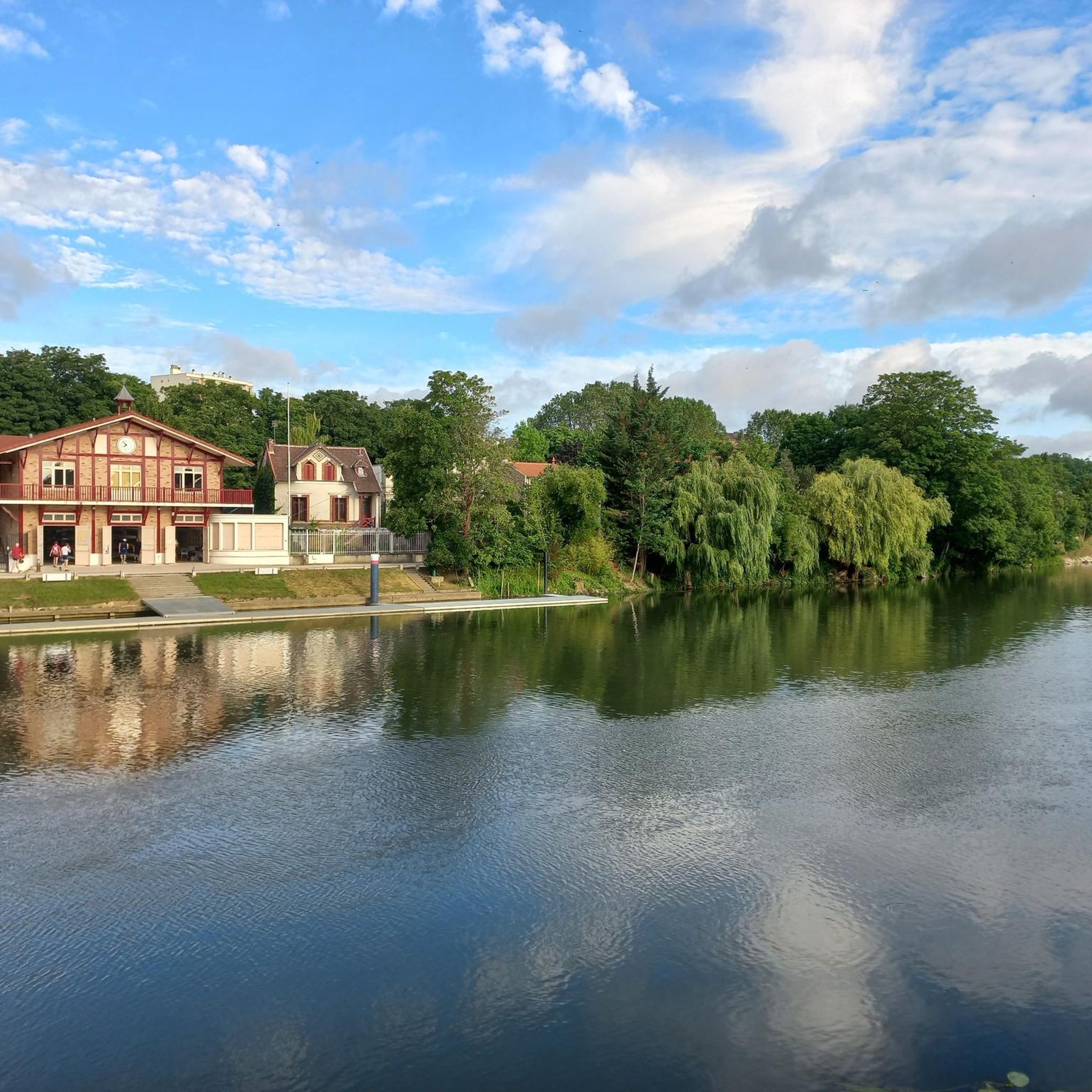
One of the many ways to cross the Seine.
9
0

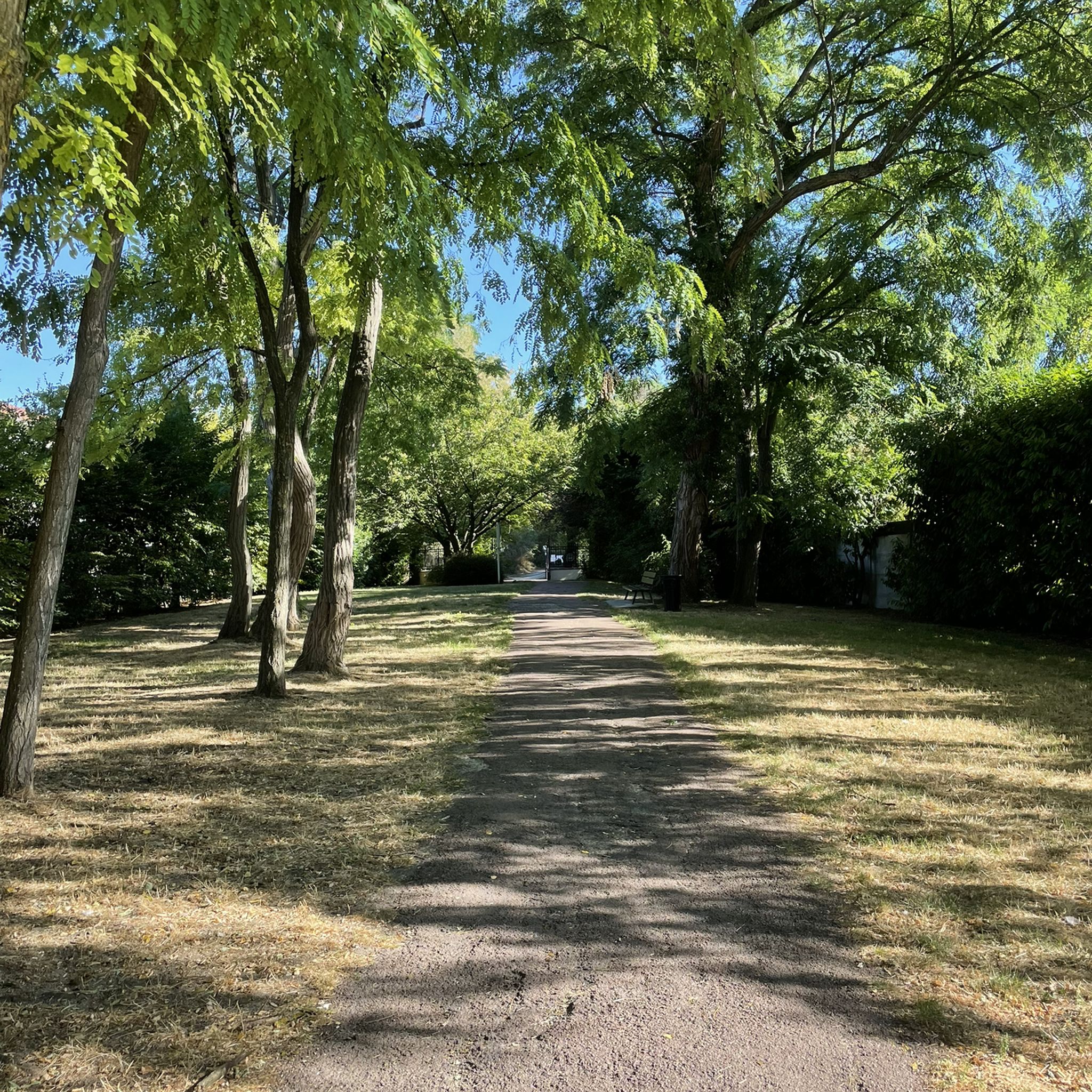
The Square du Temple was a refuge for the Knights Templar in the 13th century and was the scene of bloody punishments because the Templars were considered heretics. Today, luckily, peace has returned. The Square du Temple is an English garden adorned with many exotic trees (American honey locust, ash tree, ginkgo biloba) and remarkable trees (18m high Byzantine hazel or Japanese pagoda tree). The fauna seems more alive than ever in this large garden. You will discover birds of all kinds refreshing themselves in the pool or in the artificial waterfall constructed from rocks from the Fontainebleau forest. https://parisjetaime.com/eng/kultur/square-du-temple-elie-wiesel-p1027
2
0

Beautifully landscaped green area designed in the English style with a water feature and waterfall, lawns, rare trees and a monument in honor of the Nobel Peace Prize winner, Elie Wiesel, which he received for his role model function in the fight against violence, oppression and racism.
5
0
Frequently Asked Questions
What are some of the most popular natural spaces to visit in and around Rosny-sous-Bois?
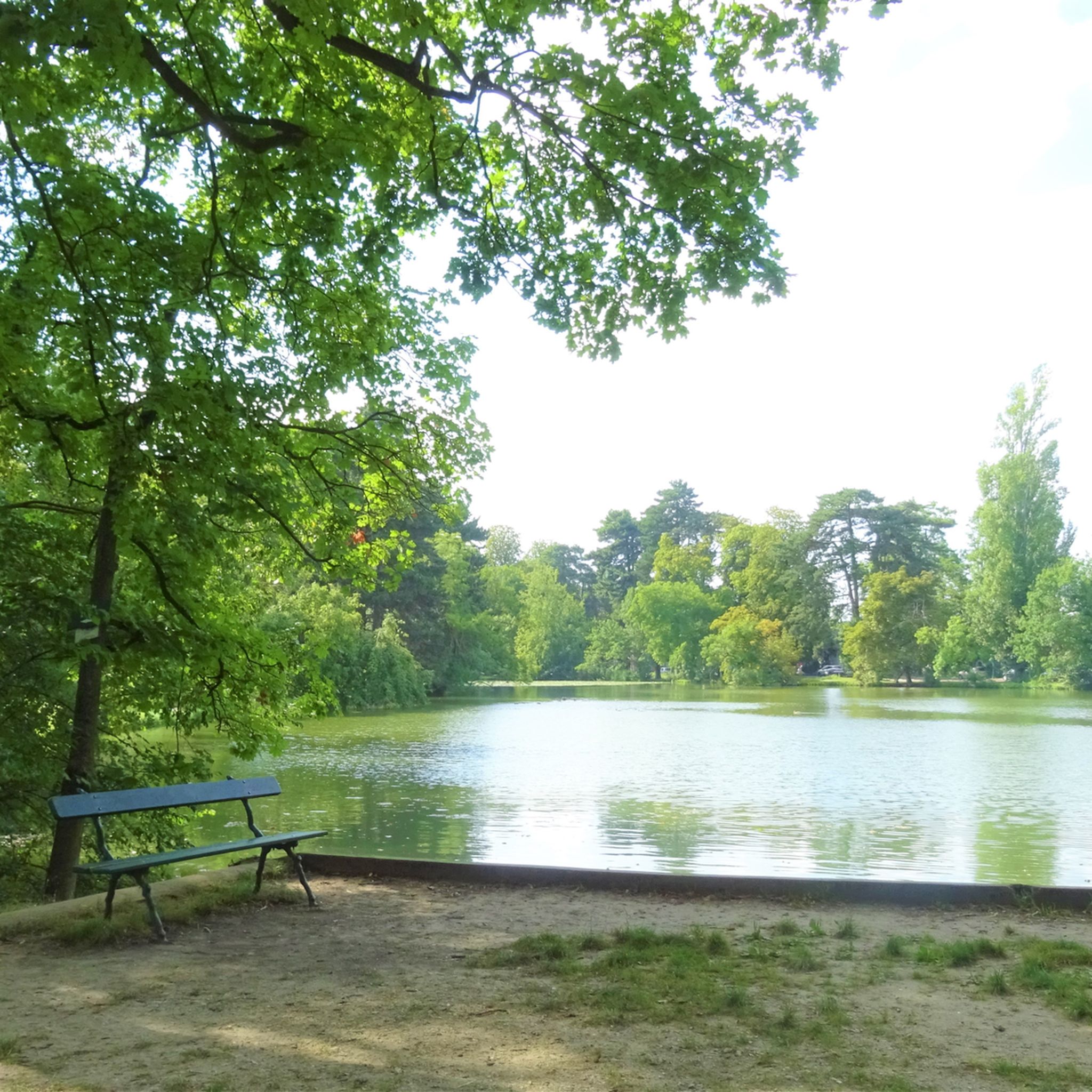
Visitors frequently enjoy the peaceful setting of Lake Gravelle, located to the south-east of the Bois de Vincennes. Another beloved spot is Square du Temple – Elie Wiesel, an English-style garden with a water feature and rare trees. The historic Oldest Tree in Paris (Robinier of Square René Viviani), a black locust over 400 years old, also draws many visitors.
Are there family-friendly natural monuments or parks in the Rosny-sous-Bois area?
Yes, several natural spaces are ideal for families. Lake Gravelle offers a peaceful setting in the woods, while Square du Temple – Elie Wiesel is a beautifully landscaped garden with a waterfall. Parc Jean Decesari in the heart of Rosny-sous-Bois is a green oasis with walking paths and play areas, and the Parc départemental de la Haute-Île in nearby Neuilly-sur-Marne features a large playground and picnic areas.
What kind of wildlife can I expect to see in the natural areas near Rosny-sous-Bois?
The region's natural spaces are home to diverse wildlife. In the Forêt de Bondy, you might spot various bird species like the Black Woodpecker and Grey Heron, as well as amphibians such as the Palmate Newt. The Parc départemental de la Haute-Île, a Natura 2000 site, is particularly rich in avifauna, offering opportunities to observe ducks, swans, grey herons, kingfishers, and kestrels from designated observatories.
Are there opportunities for hiking or walking in nature around Rosny-sous-Bois?
Absolutely. The Forêt de Bondy offers extensive hiking trails, including the historic 'sentier de Cosette' and a path along the Dhuis. Parc Jean Decesari provides pleasant walking paths, and the Parc Nature du Plateau d'Avron is designed for educational walks to discover its diverse flora and fauna. Additionally, the developing Le Grand Chemin will offer a 55 km green loop for walking and cycling, connecting various green spaces.
What historical natural monuments or sites are there?
The Oldest Tree in Paris (Robinier of Square René Viviani) is a significant historical natural monument, a black locust tree over 400 years old. At the Jardin des Plantes, you can find one of France's oldest Lebanese cedars, planted in 1734. The Square du Temple – Elie Wiesel also has historical significance, having been a refuge for the Knights Templar in the 13th century.
Can I find routes for cycling or mountain biking near these natural monuments?
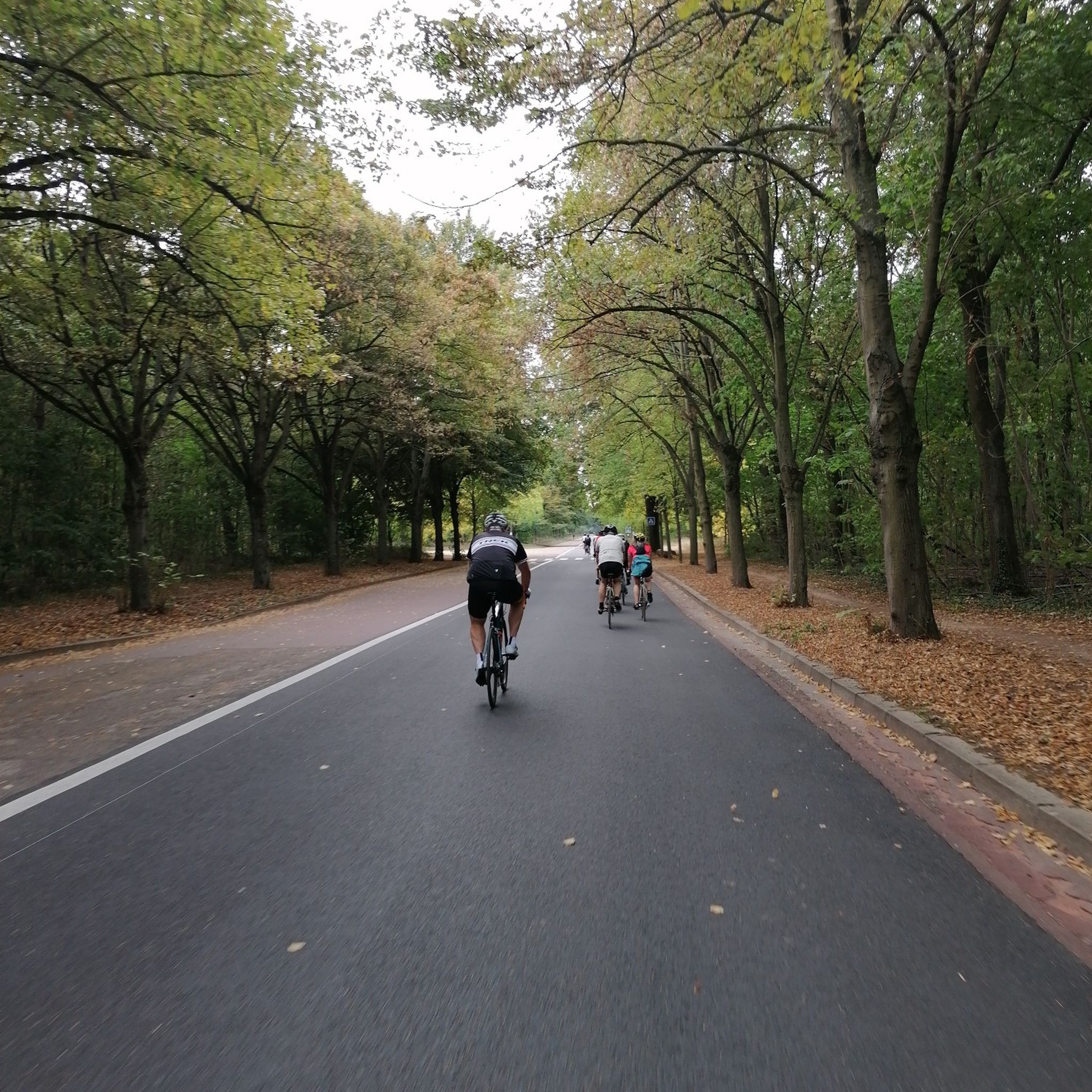
Yes, there are several options for cycling enthusiasts. You can explore various Road Cycling Routes around Rosny-Sous-Bois, MTB Trails around Rosny-Sous-Bois, and Gravel biking around Rosny-Sous-Bois. These routes often pass through or near the region's green spaces and natural areas, offering diverse terrain and scenic views.
Are there any natural areas that offer panoramic views?
The Parc Nature du Plateau d'Avron is known for offering panoramic views of the surrounding landscape. The developing Le Grand Chemin also aims to enhance and highlight panoramic views along its extensive pathway, particularly over the Romainville plateau.
What is the Parc départemental de la Haute-Île and what makes it special?
Located in nearby Neuilly-sur-Marne, the Parc départemental de la Haute-Île is a 65-hectare park situated in the last non-urbanized meander of the Marne river. It's special for its restored wetland areas, diverse natural environments, and classification as a Natura 2000 site due to its rich biodiversity, especially its birdlife. It also hosts an archaeological site.
What is the Forêt de Bondy like, and how can I visit it?
The Forêt de Bondy is a significant forest massif east of Paris, featuring a network of ponds, marshes, and rich ecological diversity. It's primarily composed of oak, chestnut, and hornbeam trees. A portion is classified as a 'forêt de protection' to ensure its conservation. You can visit it for hiking and nature immersion, enjoying its tranquility and wildlife. It's one of the most frequented forests in the Île-de-France region.
Are there any natural monuments or parks that are wheelchair accessible?
While specific accessibility details for all parks vary, the Saint-Michel Bridge is listed as wheelchair accessible and offers a viewpoint over the river. Many urban parks like Parc Jean Decesari typically have paved paths that are generally accessible. It's always recommended to check specific park information for detailed accessibility features before your visit.
What is the best time of year to visit the natural monuments and green spaces around Rosny-sous-Bois?
The spring and autumn months are generally ideal for visiting the natural monuments and green spaces around Rosny-sous-Bois. During spring, the parks burst with fresh greenery and blooming flowers, while autumn offers beautiful foliage colors. The weather during these seasons is typically mild and pleasant for outdoor activities like walking and cycling.
What is Le Grand Chemin project?
Le Grand Chemin is an ambitious ecological promenade, a 55 km green loop connecting various green spaces in eastern Paris, including parts of Rosny-sous-Bois. It aims to increase vegetation, facilitate soft mobility (walking, cycling), and enhance panoramic views, creating an extensive pathway for residents and visitors to explore the diverse green landscapes.
Most popular routes around Rosny-Sous-Bois
Most popular attractions around Rosny-Sous-Bois

Get inspired with the komoot mobile app


Explore more
Extend your search for the best caves by checking out these guides of the top ones around Rosny-Sous-Bois:
