Top 7 Natural Monuments around Les Lilas
Best natural monuments around Les Lilas are found within this commune in the northeastern suburbs of Paris, which features several green spaces and natural areas. These locations provide opportunities for relaxation and connection with nature within an urban environment. The landscape includes parks developed on former gypsum quarries and reclaimed land, demonstrating efforts to integrate natural features into the city. Visitors can explore diverse plant life, community gardens, and historical elements.
Best natural monuments around Les Lilas
- The most popular…
Last updated: May 21, 2026
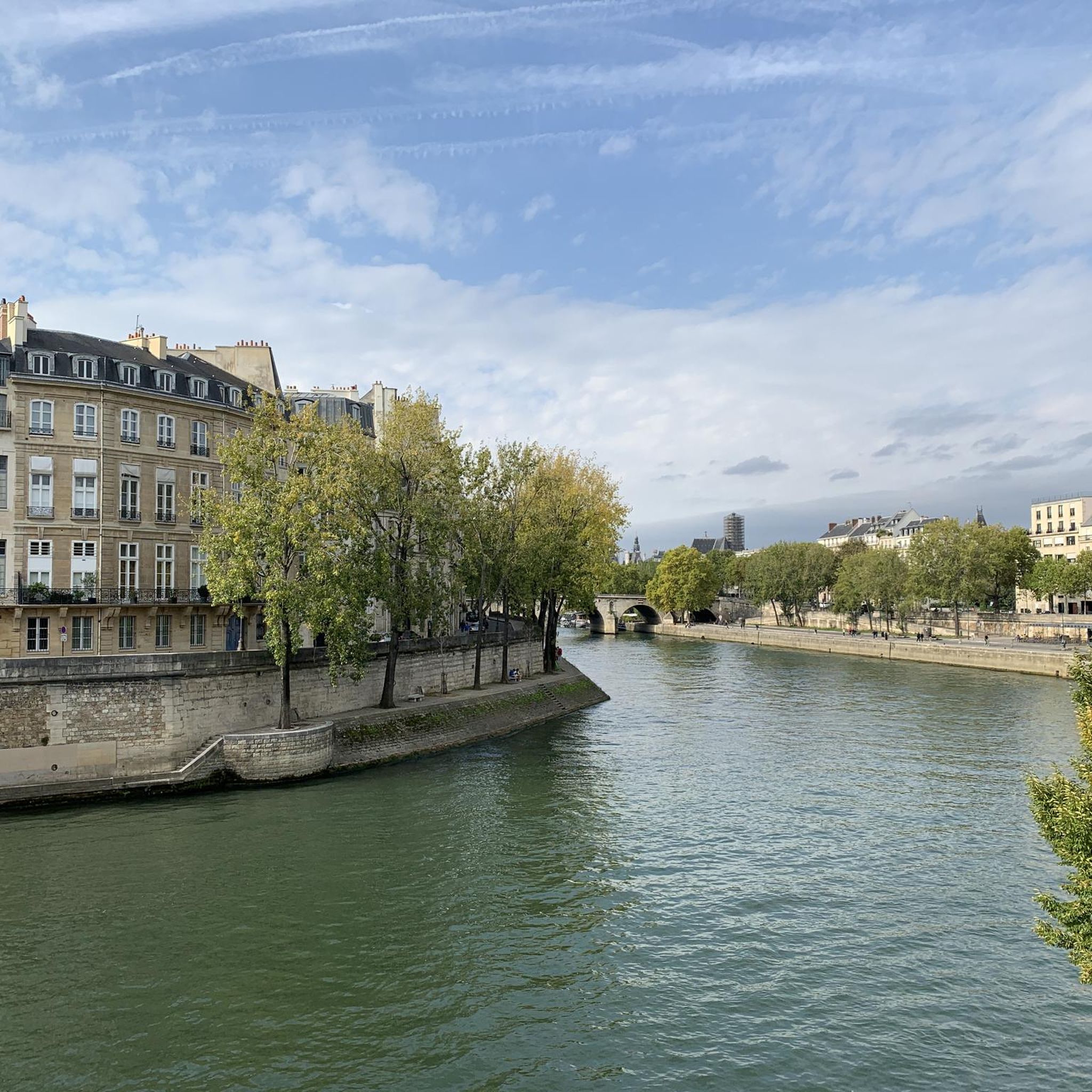
Saint-Michel Bridge
Highlight • Bridge
Source: de.parisinfo.com/transportmittel/73150/Fontaine-Saint-Michel
Translated by Google •
Tip by

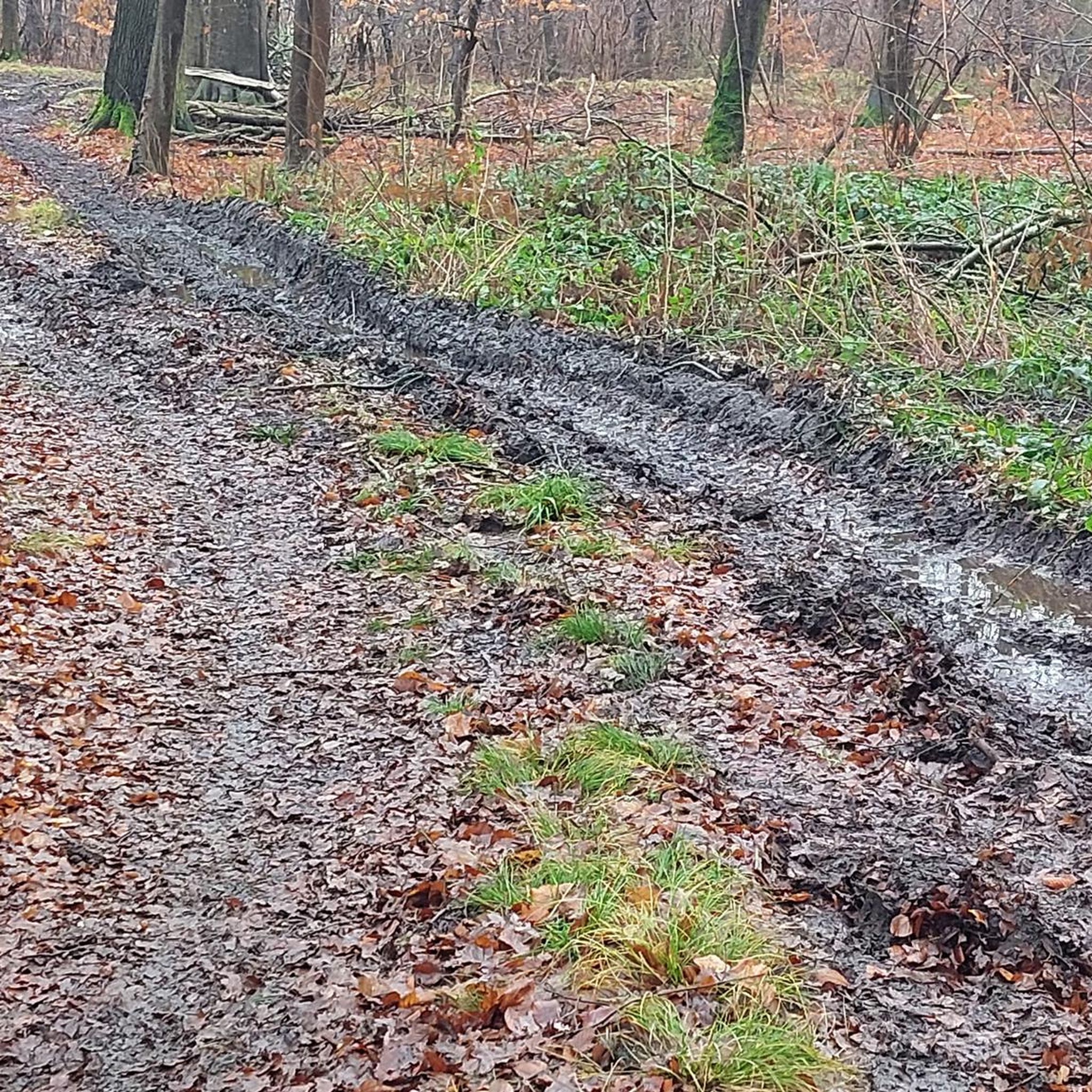
Lake Gravelle
Highlight • Lake
Translated by Google •
Tip by

Sign up now to discover places like this
Get recommendations on the best single tracks, peaks, & plenty of other exciting outdoor places.
Sign up for free
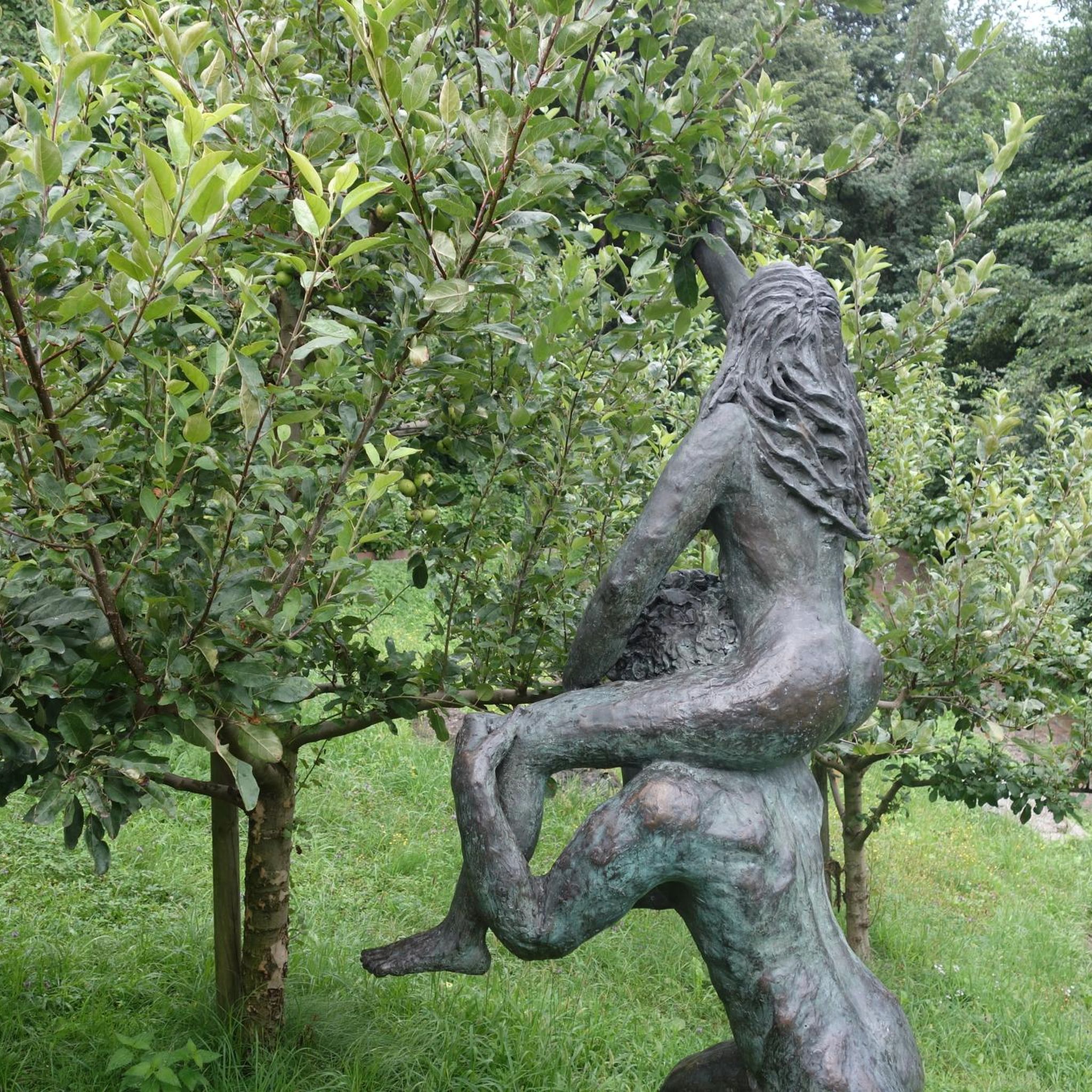
Fountain of the Four Parts of the World
Highlight • Monument
Translated by Google •
Tip by

Jardin des Plantes (Botanical Garden)
Highlight • Natural Monument
Translated by Google •
Tip by

Square du Temple – Elie Wiesel
Highlight • Natural Monument
Translated by Google •
Tip by

Sign up for free to discover even more natural monuments around Les Lilas.
Sign up for free
Already have an account?
Start today with a free account
Your next adventure awaits.
Login or Signup
Tips from the Community

The fountain on Avenue Denise Versay in Paris is a beautiful sight. Plenty of benches invite you to linger. A visit is highly recommended.
4
0

Inside is one of the oldest zoos in Europe
0
0

This park is located in Paris, right next to the Seine, and can easily be integrated into a route toward Montmartre. It also houses a small zoo.
0
0

Garden with greenhouses dedicated to plants. Next to very interesting museums
1
0

Why Visit Pont Saint-Michel? Architecture and History: Admire the bridge’s classical architecture and learn about its history through its various reconstructions. Spectacular Views: Enjoy breathtaking views of the Seine, Île de la Cité, and Notre-Dame Cathedral, perfect for memorable photos. Central Location: Use the bridge as a base to explore Paris’s major attractions nearby. Parisian Vibe: Soak up the lively and historic ambiance of the surrounding neighborhood, with its cafés, restaurants, and boutiques. Pont Saint-Michel is a vital part of Parisian heritage, providing both practical functionality and aesthetic appeal in one of the city’s most picturesque and historic neighborhoods.
4
0
The Pont Saint-Michel is a historic bridge that crosses the Seine in Paris, connecting the Île de la Cité, where the famous Notre-Dame de Paris is located, to the Latin Quarter on the left bank. It is an iconic bridge, both for its history and its central location in the city. Features of the Pont Saint-Michel: Architecture: The Pont Saint-Michel is a stone bridge, built in a classical style. It features an arched structure and sculpted ornaments that add to its historical charm. It is characterized by its elegant arches and architectural details, reflecting the style of Parisian urban architecture of the early 20th century. History: The current bridge was built between 1857 and 1859, replacing an older version dating from the Middle Ages. The original medieval bridge had been rebuilt several times over the centuries before being replaced by the current structure. The Pont Saint-Michel is thus the result of a series of reconstructions that resulted in its current form. Location: Pont Saint-Michel is located in a strategic location in Paris, connecting the Île de la Cité to the Latin Quarter. This location is in the heart of Paris, offering magnificent views of the Seine River, the surrounding historic buildings, and the Notre-Dame de Paris. Function: The bridge plays a key role in the connectivity between the two banks of the Seine. It is used by pedestrians, cyclists, and vehicles, facilitating access to many important tourist sites and neighborhoods on both sides of the river. Visibility: Due to its central location and elegant architecture, Pont Saint-Michel is a popular spot for photographers and visitors. It offers picturesque views of the Seine River, Notre-Dame Cathedral, and the historic buildings of the Latin Quarter. Proximity to Attractions: The bridge is close to several major Paris attractions, including Notre-Dame Cathedral, the Palais de Justice, and the Latin Quarter. It is also close to many cafes, restaurants, and shops, making it a convenient place to explore the city.
4
0

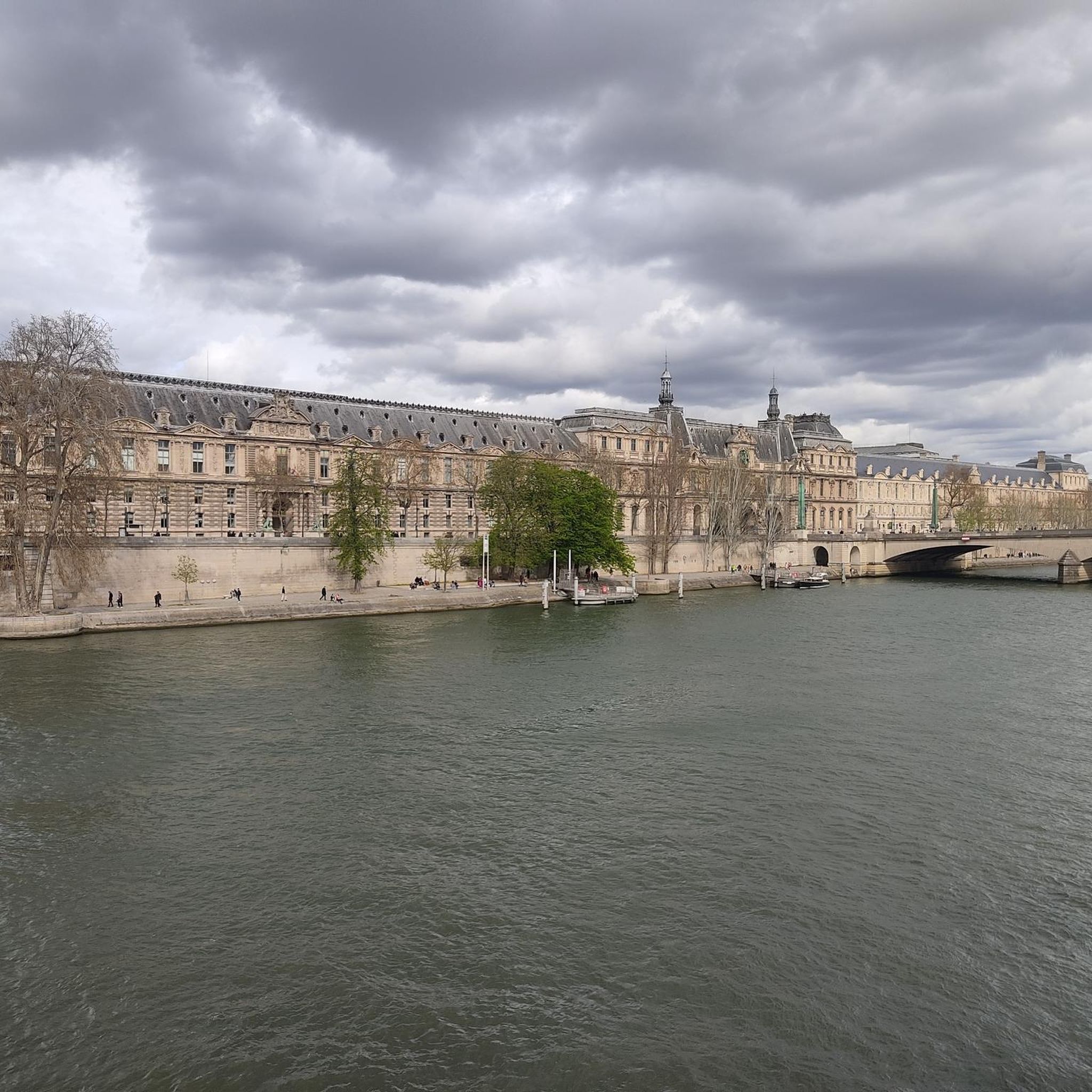
One of the many ways to cross the Seine.
9
0

The Jardin des Plantes is the first botanical garden in Paris, open for almost 400 years. It is classified as a Historic Monument and Remarkable Garden. Free entry.
1
0
Frequently Asked Questions
What are some of the most popular natural monuments to visit around Les Lilas?
Visitors to Les Lilas frequently enjoy the serene environment of Lake Gravelle, which, despite being artificial, offers a charming natural setting. Another beloved spot is Parc Monceau, a beautifully landscaped public garden known for its statues, Renaissance arcade, and diverse birdlife. The historic Saint-Michel Bridge is also a popular choice, offering both historical significance and scenic views.
Are there any family-friendly natural monuments in Les Lilas?
Yes, Les Lilas offers several family-friendly natural monuments. Lake Gravelle and Parc Monceau are both excellent choices for families. Additionally, the local parks like Parc Lucie Aubrac and Parc Simone Veil feature playgrounds and shared gardens, providing ample space for children to play and explore. The Square du Temple – Elie Wiesel is also a beautifully landscaped green area suitable for families.
What kind of natural features can I expect to see in the Les Lilas area?
The natural monuments around Les Lilas showcase a blend of urban green spaces and historical elements. You'll find serene lakes like Lake Gravelle, which is part of a hydraulic system. The area also features beautifully designed parks such as Parc Lucie Aubrac, known for its diverse plant life and an alley planted with 45 varieties of lilacs, and Jardin Serge Gainsbourg, an Ecojardin-labeled park with an undulating landscape and endemic plants.
Are there historical sites among the natural monuments in Les Lilas?
Yes, several natural monuments in Les Lilas have significant historical connections. The Saint-Michel Bridge, for instance, was originally built in the 14th century and is notable for its historical significance. Parc Monceau features a Renaissance arcade from the former Paris City Hall, adding a historical dimension to its natural beauty. The Square du Temple – Elie Wiesel, while a green space, has historical roots as a refuge for the Knights Templar.
What outdoor activities can I do near these natural monuments?
The area around Les Lilas offers various outdoor activities. You can find numerous routes for jogging, cycling, and gravel biking. For example, there are running trails like the 'Butte Bergeyre – Buttes-Chaumont Park loop' and cycling routes such as the 'Ourcq Canal Bridge – Canal de L'ourcq loop'. You can explore more options and detailed routes on the Running Trails around Les Lilas, Cycling around Les Lilas, and Gravel biking around Les Lilas guide pages.
Are there any natural monuments that are wheelchair accessible?
Yes, some natural monuments in the area are noted for their accessibility. The Saint-Michel Bridge and the Fountain of the Four Parts of the World are both categorized as wheelchair accessible, allowing a wider range of visitors to enjoy their beauty and historical significance.
What makes Parc Lucie Aubrac unique among the green spaces in Les Lilas?
Parc Lucie Aubrac is unique because it was developed on the site of former gypsum quarries, showcasing a successful integration of nature into an urban setting. It features a diverse range of plant life, including an alley with 45 different varieties of lilacs. The park also serves as a vibrant community hub, hosting seasonal festivals, cultural gatherings, and workshops, and includes shared gardens and a book box.
What is the best time to visit the natural monuments in Les Lilas?
While specific seasonal tips are not available for all sites, generally, the green spaces and parks in Les Lilas, such as Parc Simone Veil and Parc de la République, are most enjoyable during spring and summer when flowers are in bloom and the weather is pleasant for walking and relaxation. Autumn also offers beautiful foliage. Many parks are open year-round, providing a tranquil escape in any season.
Are there any hidden gems or lesser-known natural monuments worth exploring?
While not a 'hidden gem' in the traditional sense, the Jardin Serge Gainsbourg offers a unique experience. Built atop land reclaimed from the périphérique motorway, this contemporary park is an example of sustainable urban planning. Its undulating landscape, shared gardens, and focus on endemic plants make it a distinctive and rewarding visit for those interested in innovative green spaces.
What do visitors enjoy most about the natural monuments around Les Lilas?
Visitors particularly appreciate the peaceful and charming environments these sites offer, even within an urban setting. For instance, Lake Gravelle is often described as 'very pretty' and 'peaceful in the woods'. The blend of natural beauty with historical elements, such as the statues and Renaissance arcade in Parc Monceau, also receives high praise, making these spots popular for relaxation and recreation.
Can I find places to eat or drink near the natural monuments in Les Lilas?
While specific cafes or pubs directly adjacent to each natural monument are not detailed, Les Lilas is a commune in the northeastern suburbs of Paris, meaning there are likely various dining and drinking establishments within reasonable proximity to the parks and sites. Exploring the local area around Parc Lucie Aubrac, Parc Simone Veil, or Parc de la République will likely reveal options for refreshments.
Most popular routes around Les Lilas
Most popular attractions around Les Lilas

Get inspired with the komoot mobile app


Explore more
Extend your search for the best caves by checking out these guides of the top ones around Les Lilas:
