Top 12 Castles around Haldenstein
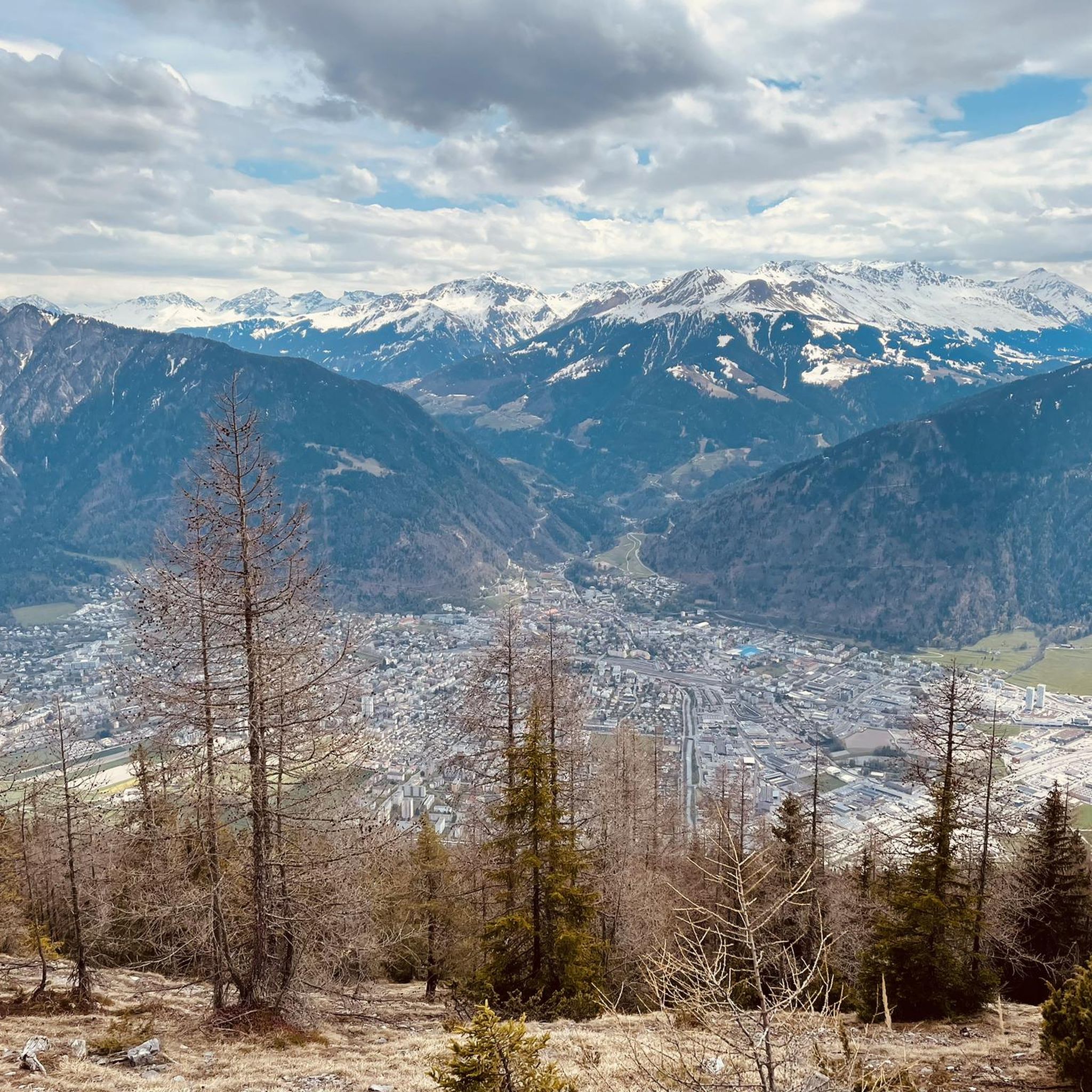
Best castles around Haldenstein offer a journey through centuries of history in the charming village near Chur, Switzerland. The region features both well-preserved Renaissance architecture and ancient medieval fortresses. These historical sites provide a glimpse into the area's rich past, set against a backdrop of scenic landscapes. Visitors can explore significant cultural heritage and diverse architectural styles.
Best castles around Haldenstein
- The most popular castles is Confluence of the Vorderrhein and Hinterrhein, a river that is virtually the birthplace…
Last updated: October 4, 2026
Confluence of the Vorderrhein and Hinterrhein
Highlight • River
Dominated by Reichenau Castle, the hamlet lies at the confluence of the Vorderrhein and Hinterrhein rivers, making it virtually the birthplace of the …
Translated by Google •
Tip by

Episcopal Court
Highlight • Castle
At the top left the square is closed off by the episcopal castle. The secular counterpart to the …
Translated by Google •
Tip by
Sign up now to discover places like this
Get recommendations on the best single tracks, peaks, & plenty of other exciting outdoor places.
Neuenburg Castle Ruins
Highlight • Castle
Translated by Google •
Tip by

Reichenau Castle
Highlight • Castle
At the confluence of the Hinterrhein and Vorderrhein, at the birthplace of the Alpine Rhine, lies the historic site of Reichenau. Reichenau already had great importance in the …
Showing Translation
Tip by
Canaschal Castle Ruins
Highlight • Castle
Translated by Google •
Tip by

Sign up for free to discover even more castles around Haldenstein.
Already have an account?
Start today with a free account
Your next adventure awaits.
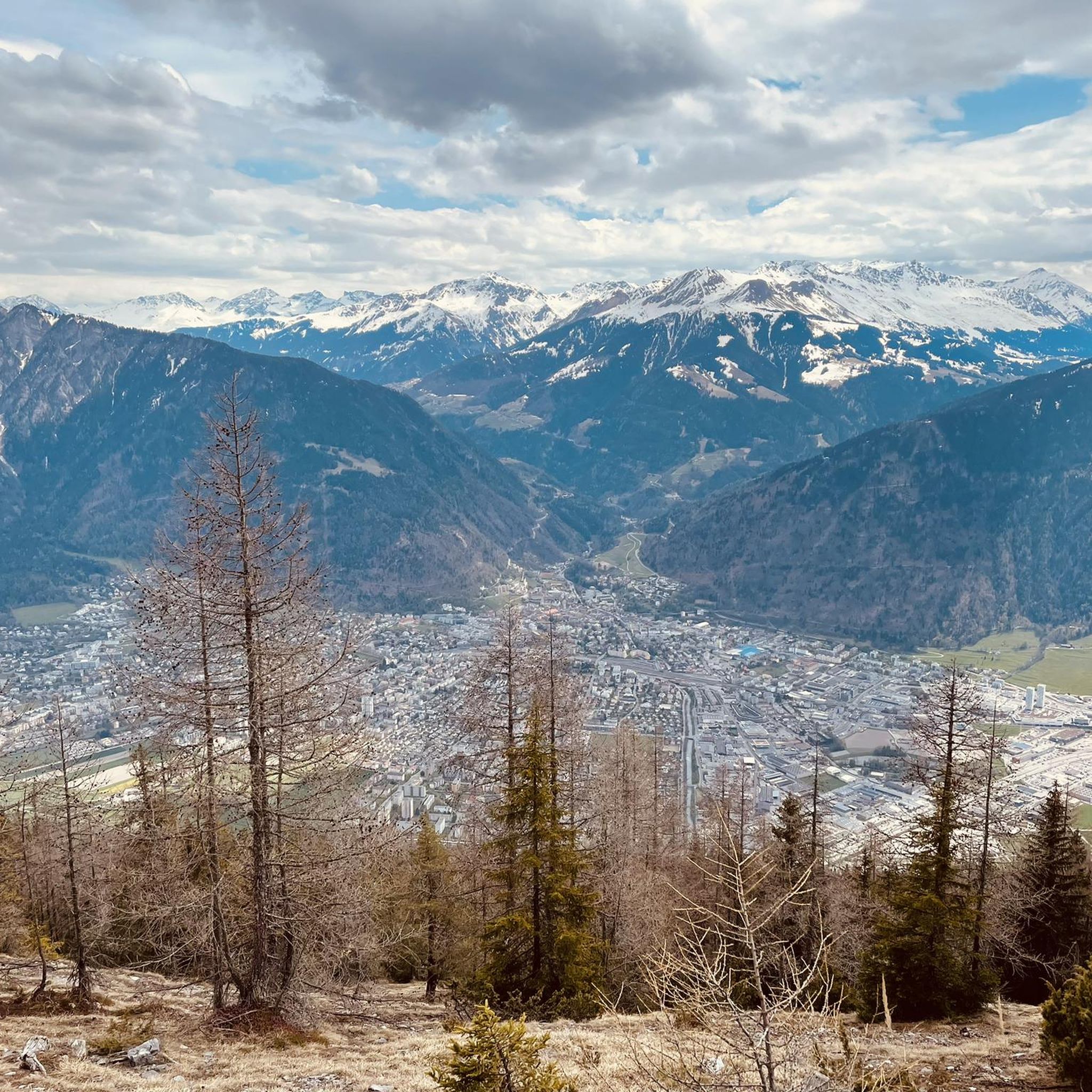
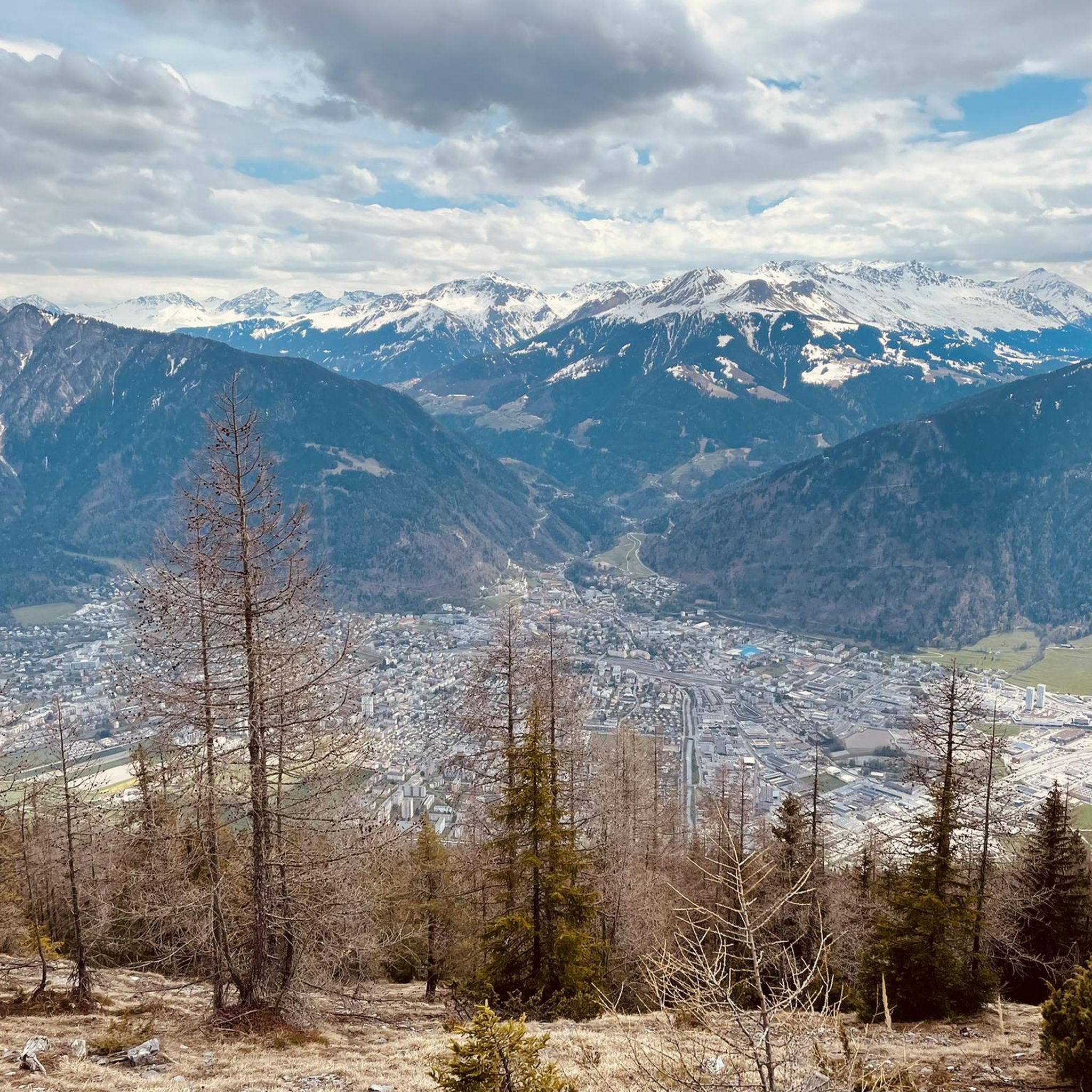
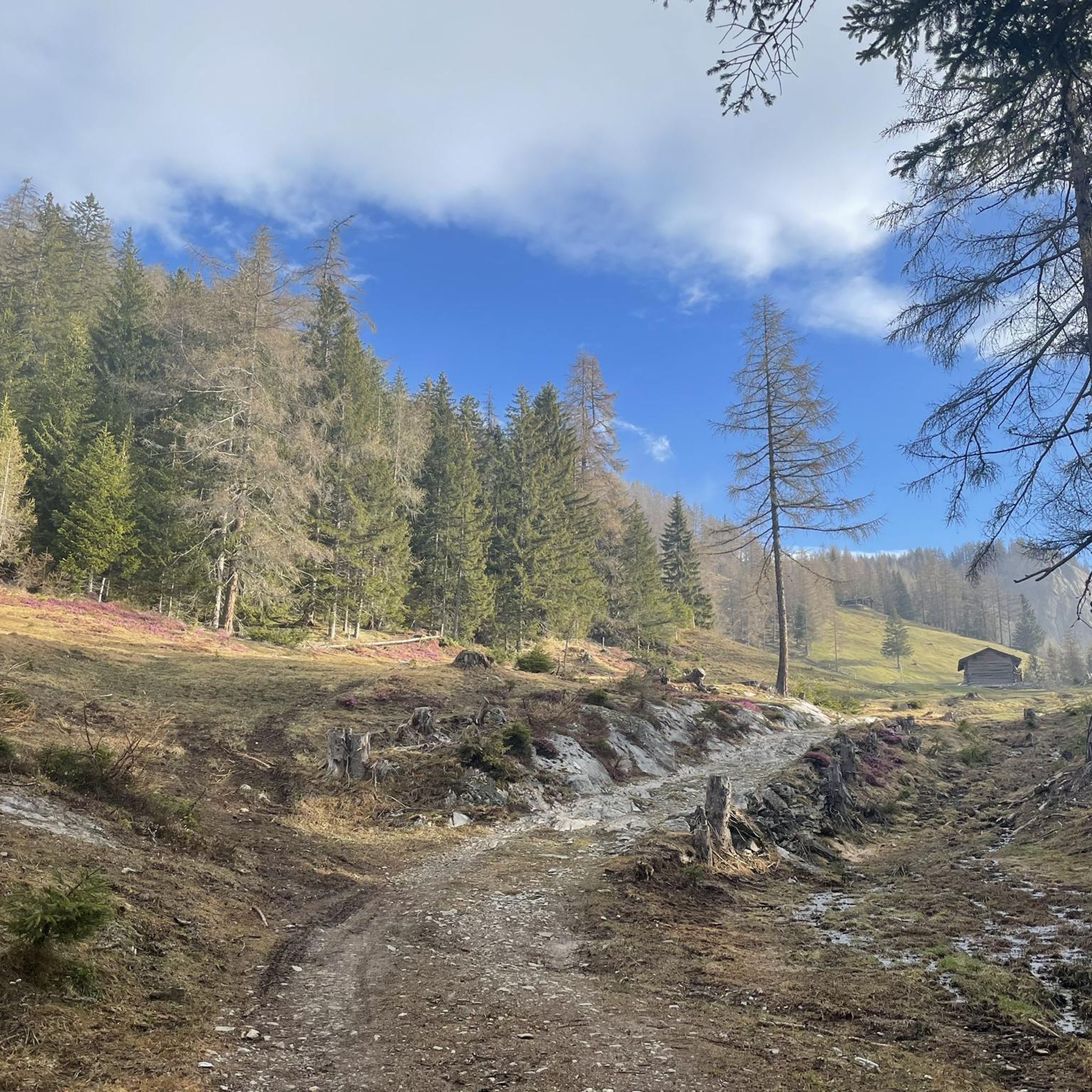
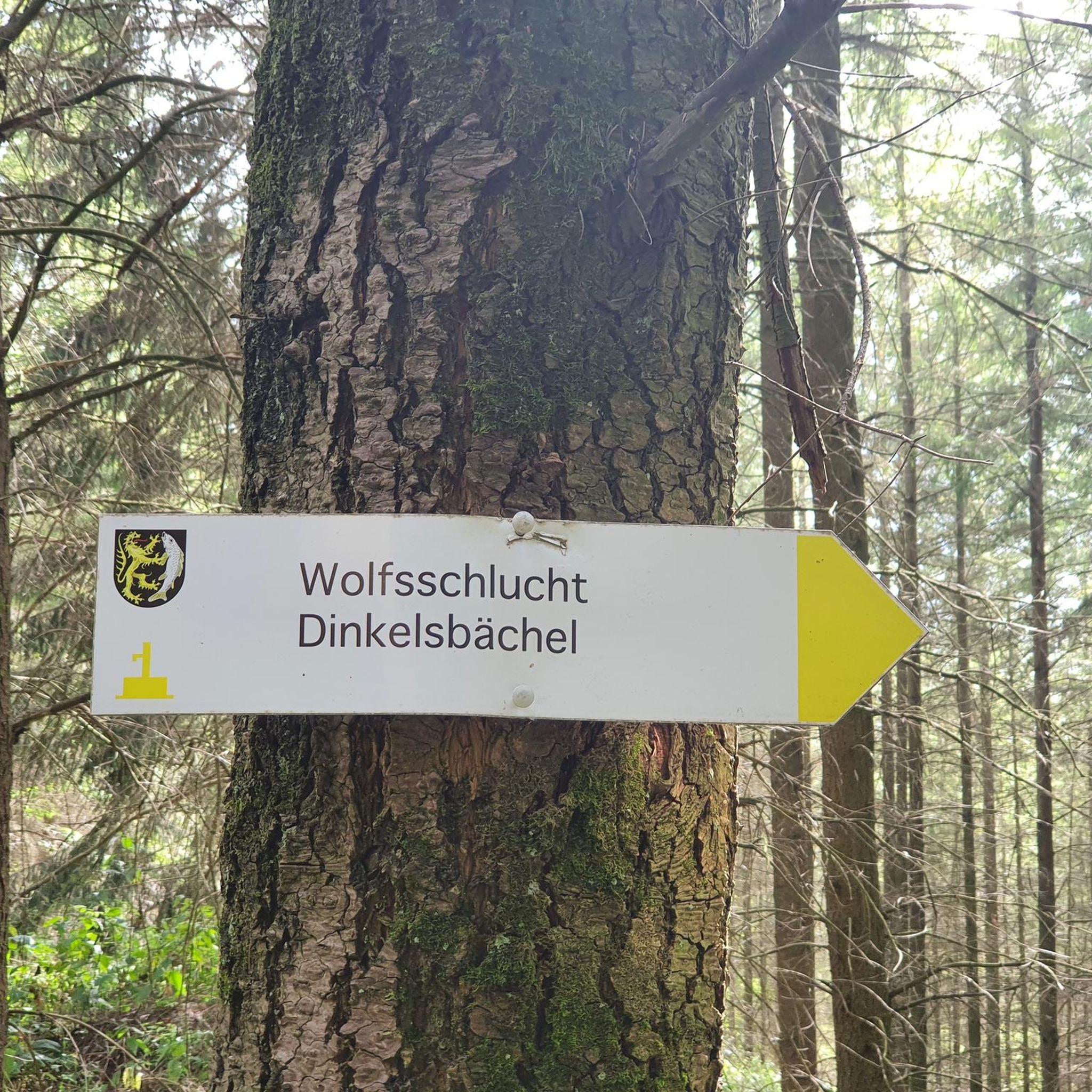
Tips from the Community

The RhB Reichenau train station, with parking available, is very well suited as a starting point for bike or hiking tours through the wild Vorderrhein Gorge to Sagogn or Ilanz. Along the gorge, there are small RhB train stations, at Trin, Versam-Safien, or Valendas-Sagogn, for intermediate stops or return journeys back to Reichenau.
0
0

A place of power in a special class
0
0

The first building was constructed after 1272, following the consecration of the cathedral. Its current appearance dates back to the Baroque redesign of 1732/33 under Bishop Joseph von Rost, a Tyrolean native (serving as Bishop of Chur as Benedikt von Rost from 1728 to 1754), who incorporated architectural ideas from his homeland into the building. The cookbook "Ein schön Kochbuch 1559" (A Beautiful Cookbook 1559) was created in the Episcopal Palace between 1559 and around 1610. It is considered the oldest cookbook in Switzerland. In 2020, the Cathedral Treasury Museum, featuring the cathedral treasury and the death pictures dated 1543, will open in the Episcopal Palace. Source: https://de.wikipedia.org/wiki/Bisch%C3%B6fliches_Schloss_(Chur)
0
0

Ruinaulta Rhine Gorge The Ruinaulta, or Rhine Gorge, is a gorge of the Vorderrhein River, up to 400 meters deep and approximately 13 kilometers long, between Ilanz and the mouth of the Hinterrhein River near Reichenau in the canton of Graubünden in Switzerland. The Romansh name 'Ruinaulta' is composed of the two words ruina (scree slope, quarry) and aulta (high). The Ruinaulta was formed after the Flims Landslide almost 10,000 years ago. At that time, over 10 billion cubic meters of rock broke off between the Flimserstein and Piz Grisch, burying the Vorderrhein Valley between the present-day villages of Castrisch and Reichenau under a mass of debris several hundred meters thick. Because the Vorderrhein River could no longer drain away, a lake was dammed over a length of approximately 25 kilometers. Over time, the river cut deep into the landslide, and the resulting lake drained away completely. What remained was the Ruinaulta, with its steep limestone scree cliffs in impressive erosion formations. Text / Source: Wikipedia https://de.wikipedia.org/wiki/Ruinaulta
16
0
Schloss Reichenau At the confluence of the Hinterrhein and Vorderrhein, at the birthplace of the Alpine Rhine, lies the historic site of Reichenau. Reichenau already had great importance in the past: in the 14th century, as long-distance traffic over the Grisons Alpine passes increased significantly, two bridges and a customs house were built. Reichenau was considered a traffic hub, where all traffic could be controlled. In Reichenau, the routes of the north-south axis separate, along the Vorderrhein into the Oberland towards the Lukmanier and Oberalp passes, and along the Hinterrhein through the Domleschg via the Splügen and San Bernardino. Text / Source: Weinbau von Tscharner & Events Schloss Reichenau, Schloss Reichenau, Reichenauerstr. 59, 7015 Reichenau https://www.reichenau.ch/de/reichenau/geschichte-lage
16
0
At the confluence of the Hinterrhein and Vorderrhein, at the birthplace of the Alpine Rhine, lies Reichenau Castle. Built in the 17th century by the episcopal ministerial family Schauenstein, it looks back on a long history. The last king of France even lived here once.
15
0
Confluence of the Vorderrhein and Hinterrhein, Reichenau Dominated by Reichenau Castle, the hamlet lies at the confluence of the Vorderrhein and Hinterrhein rivers, making it virtually the birthplace of the Rhine. It all began 10,000 years ago. Between the Flimserstein (a high plateau) and Piz Grisch, over 10,000 cubic meters of rock broke off and thundered down into the valley. Towards Reichenau, the Vorderrhein valley disappears under a gigantic mass of rubble. From there, the Rhine diligently ate its way through the rock, creating the spectacular Swiss "Grand Canyon" – the Ruinaulta. Text / Source: myswitzerland.com https://www.myswitzerland.com/de-ch/erlebnisse/route/vom-zusammenfluss-der-rheine-in-die-rheinschlucht/
16
0

Frequently Asked Questions
What types of castles can I explore around Haldenstein?
The Haldenstein region offers a mix of historical sites, from well-preserved Renaissance castles to ancient medieval ruins. You can visit the elegant Haldenstein Castle, a Renaissance structure, or explore the mystical ruins of Alt-Haldenstein Castle, a medieval rock fortress.
Are there hiking trails that lead to the castle ruins?
Yes, several hiking opportunities exist. The ruins of Alt-Haldenstein Castle, for instance, are reached via a narrow and steep trail, offering a sense of discovery. For a broader range of options, you can explore the hiking routes around Haldenstein, which include trails like the 'Haldenstein Castle – Rhine at Pardisla Bridge loop from Chur'.
What are some notable viewpoints or landmarks near the castles?
Many castle sites offer impressive views. From the Neuenburg Castle Ruins, you get a beautiful panorama of the Rhine Valley. The challenging hike to Alt-Haldenstein Castle also rewards visitors with panoramic views. Additionally, the Confluence of the Vorderrhein and Hinterrhein, dominated by Reichenau Castle, is a significant natural landmark.
Is Haldenstein Castle accessible to the public, and what can I see there?
Haldenstein Castle is a prominent Renaissance castle with distinct architectural elements, including a 1551 Renaissance clock. While it serves as municipal administration, its magnificent public garden, enclosed by a wall with four towers and featuring about 200 rose bushes, is open to visitors. The castle also hosts events like a Garden Festival and opera productions, and guided tours are available.
Are there any family-friendly castle experiences in the area?
Yes, the region offers options suitable for families. The public garden at Haldenstein Castle, with its rose bushes and café, is a pleasant spot for families. The Confluence of the Vorderrhein and Hinterrhein, near Reichenau Castle, is also categorized as family-friendly and offers a scenic natural setting.
What is the best time of year to visit the castles around Haldenstein?
The region's castles can be enjoyed throughout the year, but spring and summer are particularly appealing. The public garden at Haldenstein Castle is especially celebrated for its visual and olfactory splendor when the roses are in bloom, typically in May, coinciding with its Garden Festival.
Can I reach the castles using public transport?
While specific public transport details for each castle may vary, the village of Haldenstein is near Chur, which is well-connected. Some sites, like the Neuenburg Castle Ruins, are accessible on foot via a narrow road, suggesting proximity to transport hubs or parking. It's advisable to check local transport schedules for specific routes.
What other historical sites are there besides the castles?
Beyond the castles, the region boasts other significant historical sites. The Episcopal Court in Chur's old town is a historical palace forming the core of the city and serving as the residence of the Chur diocesan bishop. The area around the Confluence of the Vorderrhein and Hinterrhein also has a rich history, being the birthplace of the Rhine.
Are there any cycling routes near the castles?
Yes, the area around Haldenstein offers various cycling opportunities. You can find numerous road cycling routes and gravel biking trails. Routes like the 'Mapraggsee – Rock Tunnel loop from Haldenstein' or the 'Rhine at Pardisla Bridge – Rhine Riverside Trail loop from Burg Neuburg' provide scenic rides near historical points of interest.
What makes Reichenau Castle special?
Reichenau Castle, located at the confluence of the Hinterrhein and Vorderrhein, has a long history, including once hosting the last King of France. Today, it functions as a winery run by the von Tscharner family, offering castle tours with wine tastings. Its location at the 'birthplace' of the Alpine Rhine also makes it historically significant as a former traffic hub.
What can visitors expect from the Canaschal Castle Ruins?
The Canaschal Castle Ruins, located on a rocky hill near Trin-Dorf, consist mainly of the well-preserved western tower. This medieval fortification, dating from the 12th century, offers an imposing sight and a great view from its elevation. It's easily accessible on foot and is part of a popular hiking and biking area.
What do visitors enjoy most about the castles around Haldenstein?
Visitors appreciate the rich historical experience, with both well-preserved Renaissance architecture and ancient medieval rock castle ruins. The scenic landscapes and panoramic views from sites like Neuenburg Castle Ruins are highly rated. The komoot community has shown significant engagement, with over 270 upvotes and 65 photos shared, highlighting the diverse and engaging experiences these sites offer.
Most popular routes around Haldenstein
Most popular attractions around Haldenstein

Get inspired with the komoot mobile app


Explore more
Looking for the best castles somewhere else? Discover other guides around Haldenstein:
