Top 6 Natural Monuments around Saint-Jean-De-Laur
Best natural monuments around Saint-Jean-De-Laur are found within the Parc Naturel Régional de Causses du Quercy, a region known for its diverse natural landscape and geological features. This area in the Lot department of France offers a variety of natural sites, from geological formations to prehistoric monuments. Visitors can explore sinkholes, viewpoints overlooking river valleys, and ancient dolmens. The region provides opportunities to experience the serene and varied landscapes characteristic of the Causses du Quercy.
Best natural monuments around Saint-Jean-De-Laur
…Last updated: July 2, 2026
The Igue of Crégols
Highlight • Gorge
Translated by Google •
Tip by

Gouffre du Lantouy
Highlight • Natural Monument
Translated by Google •
Tip by

Sign up now to discover places like this
Get recommendations on the best single tracks, peaks, & plenty of other exciting outdoor places.
Sign up for free
Saut de la Mounine
Highlight • Viewpoint
Translated by Google •
Tip by

Dolmen du lac d'Aurié
Highlight • Natural Monument
Translated by Google •
Tip by

Dolmen de Joncas
Highlight • Historical Site
Translated by Google •
Tip by
Sign up for free to discover even more natural monuments around Saint-Jean-De-Laur.
Sign up for free
Already have an account?
Start today with a free account
Your next adventure awaits.
Login or Signup

Tips from the Community

I know the legend of the Lantouy chasm. It's a bit gory.
0
0

In 1122, a monastery belonging to the Benedictines of the Cluniac order stood here. Legend has it that the spring appeared after the monastery's disappearance. The spring is said to be fertile.
1
0

Very pleasant circuit and largely in the shade. Really beautiful Igue site. Too bad there were so many caterpillars, which spoiled the pleasure of the ride a little.
2
0
Very suggestive karst gorge. You need to pay close attention because only one part is fenced.
1
0

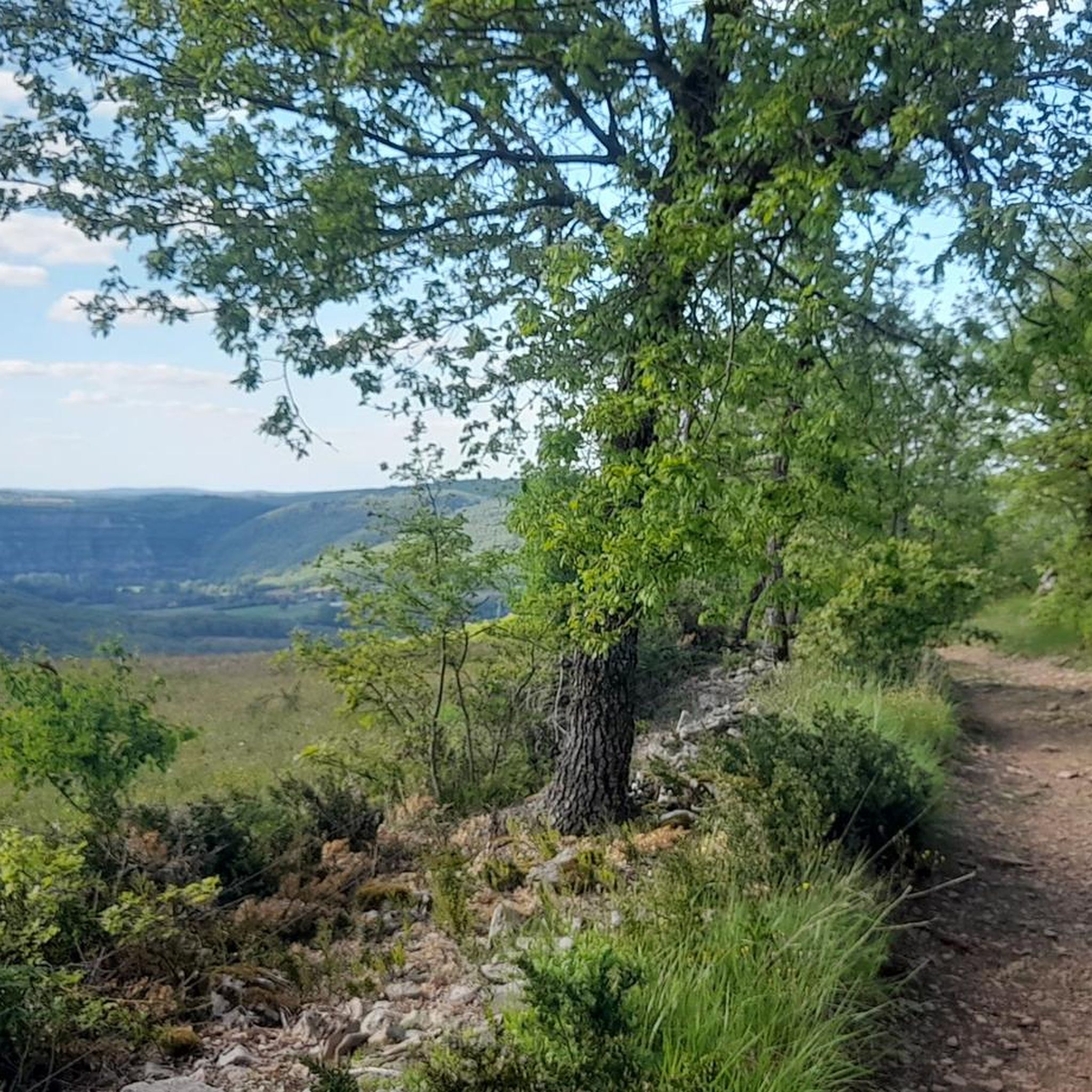
Wonder of nature to see absolutely. But be careful to get there, the 2 associated hikes by taking the karst path before the cemetery are very difficult, narrow steep slope and very slippery, for an informed public! To reach the igue, simply stay on the paved road after the cemetery, then straight ahead stay on the path with the 2 lines of white pebbles all along! You will easily reach the top (don't forget to visit the old Lotoise farm 100m after the Igue)
2
0

This dolmen is the oldest and largest dolmen in the Lot. It weighs 17 tons!
2
0
Joncas Dolmen features a huge capstone and the dolmen is just under a meter high. Very impressive.
2
0

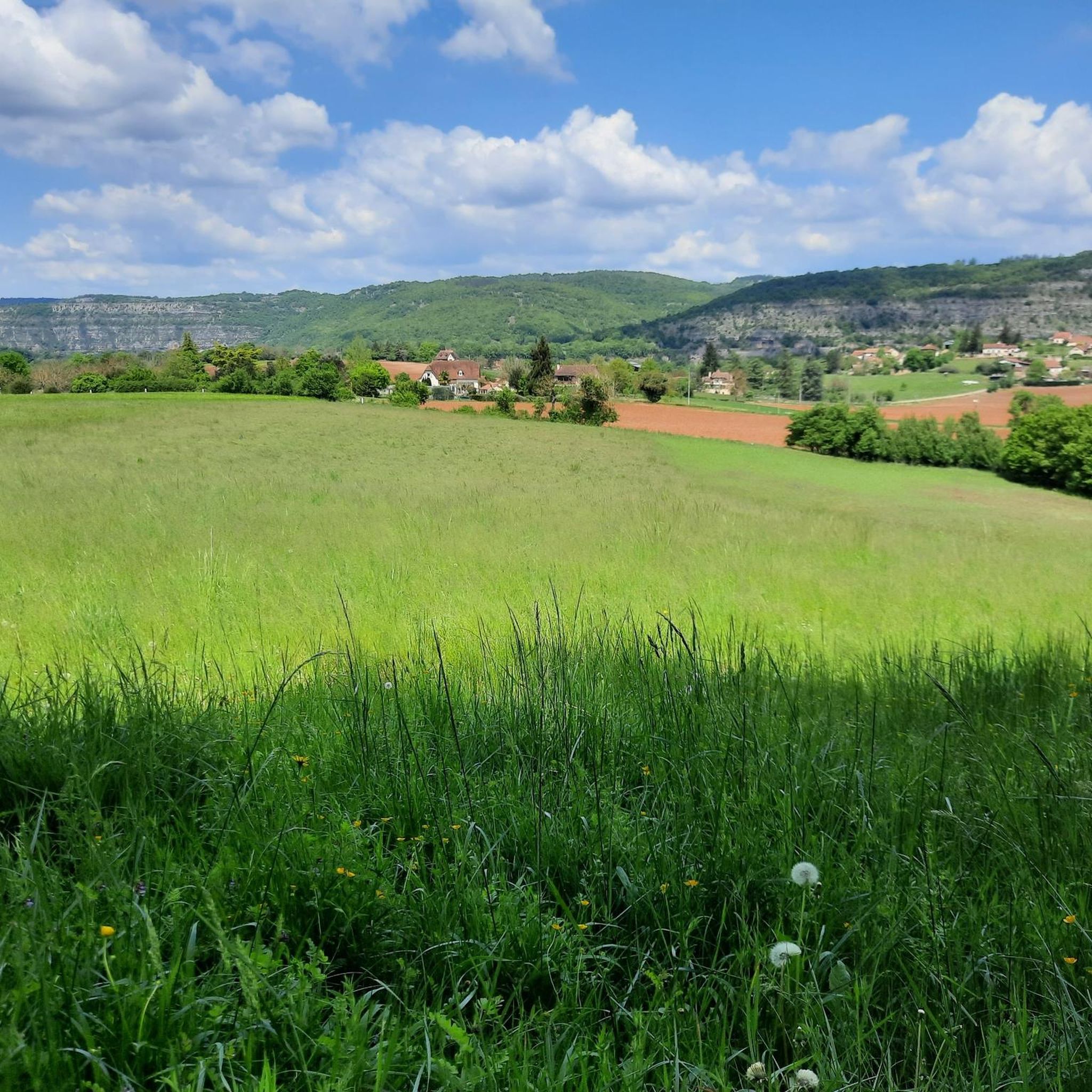
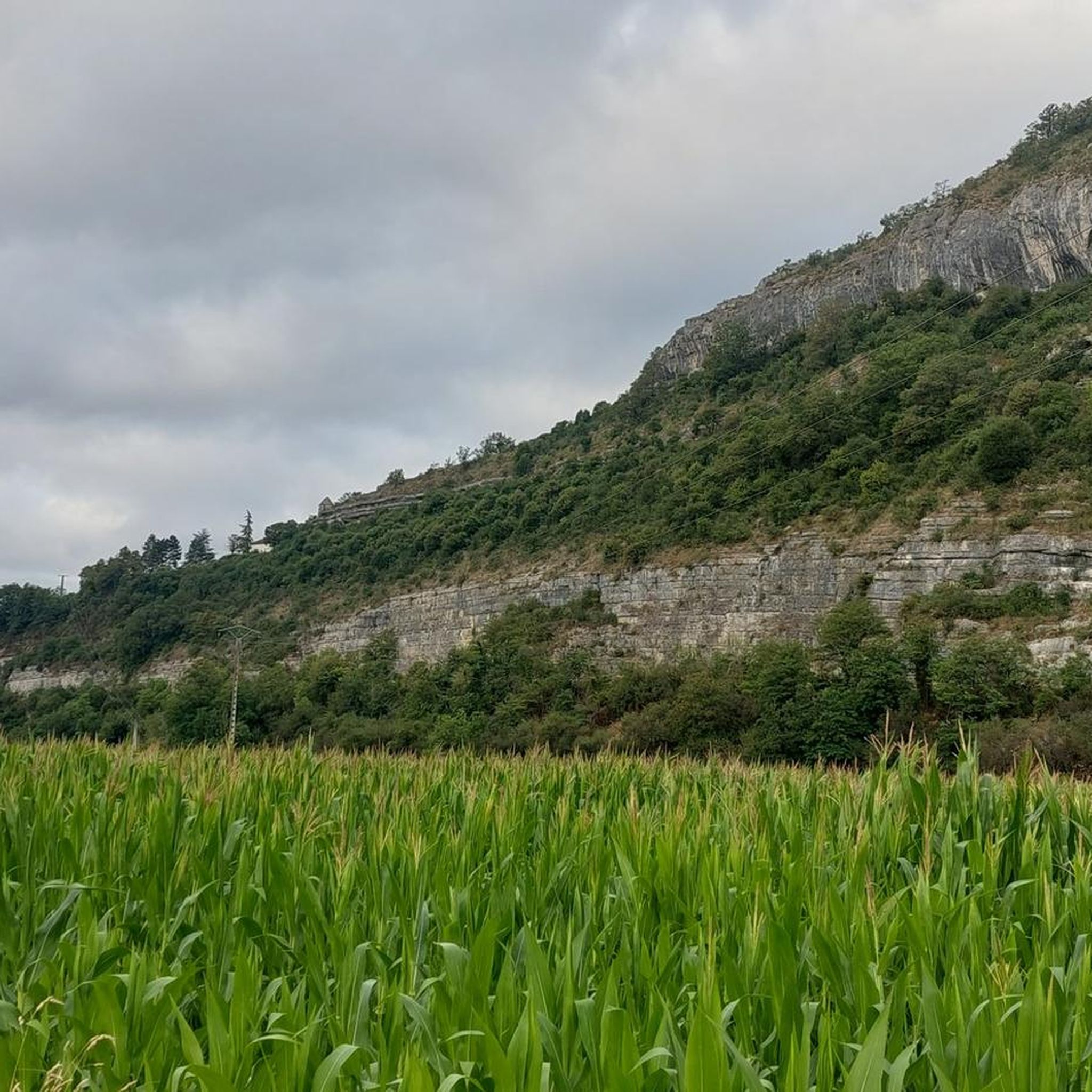
Superb view of the meanders of the Lot and its valley from this belvedere of the causse. It is perched 150 meters from the alluvial plain. From the viewpoint, you can see the village of Montbrun and its castle.
2
0
Frequently Asked Questions
What kind of natural features can I expect to see in the Saint-Jean-De-Laur area?
The Saint-Jean-De-Laur area, nestled within the Parc Naturel Régional de Causses du Quercy, is rich in diverse geological formations. You can explore impressive sinkholes like The Igue of Crégols, which dramatically pierces the limestone landscape. The region also features chasms such as the Gouffre du Lantouy, and stunning viewpoints like Saut de la Mounine, offering panoramic views of the Lot River's meanders.
Are there any historical or archaeological natural monuments in the region?
Yes, the area combines natural beauty with rich history. You can visit ancient megalithic structures such as Dolmen du lac d'Aurié, noted as the oldest and largest dolmen in the Lot, and the impressive Dolmen de Joncas. Additionally, the Gouffre du Lantouy is near the ruins of an ancient monastery, blending natural wonder with historical intrigue. The famous Grotte du Pech-Merle, with its prehistoric art, is also within reach, offering a glimpse into ancient human history.
What outdoor activities can I do near these natural monuments?
The region offers a variety of outdoor activities. You can enjoy hiking, with routes like the moderate 'Gouffre de l'Oule – Cazelle loop from Saint-Jean-de-Laur' or the more challenging 'Scallop Shell Shelter – Limogne-en-Quercy loop from Aubiac'. Cycling is also popular, with options for road cycling and touring, including routes that explore the Lot and Célé Valleys. For more detailed routes, you can explore the hiking guide or the cycling guide for Saint-Jean-De-Laur.
Are there hiking trails suitable for exploring the natural monuments?
Absolutely. Many natural monuments are accessible via hiking trails. For instance, the area around The Igue of Crégols has associated hikes, though some are described as challenging due to steep and slippery sections. The Gouffre de l'Oule is also part of several hiking loops, such as the 'Gouffre de l'Oule loop from Abbaye de Lantouy'. Always check the difficulty level before setting out. You can find more hiking options in the hiking guide for Saint-Jean-De-Laur.
What is the best time of year to visit the natural monuments around Saint-Jean-De-Laur?
The spring and autumn months are generally ideal for visiting the natural monuments. During these seasons, the weather is typically mild and pleasant for outdoor activities like hiking and cycling, and the natural landscapes are vibrant. Summer can be warm, but still enjoyable, especially for activities on the Lot River. Winter offers a different, quieter experience, though some trails might be more challenging due to conditions.
Are the natural monuments around Saint-Jean-De-Laur family-friendly?
Many natural monuments can be enjoyed by families, though accessibility varies. Sites like the dolmens, such as Dolmen du lac d'Aurié, are generally accessible for a family outing. Viewpoints like Saut de la Mounine offer stunning views without strenuous effort. For geological sites like The Igue of Crégols, some paths can be challenging, so it's advisable to check specific trail conditions and difficulty before visiting with younger children.
How accessible are the natural monuments, and is parking available?
Accessibility varies by monument. Many sites, especially viewpoints and dolmens, are often reachable by car with nearby parking. For instance, to reach The Igue of Crégols, you can stay on the paved road after the cemetery and follow a clear path. However, some natural features, particularly chasms and gorges, may require walking on unpaved or challenging trails. Public transport options to specific natural monuments are limited, so a car is generally recommended for exploring the region.
Can I bring my dog to the natural monuments and on trails?
Generally, dogs are welcome on trails and at many outdoor natural monuments in the region, provided they are kept on a leash and you clean up after them. However, specific rules might apply to certain protected areas or inside caves like Grotte du Pech-Merle. It's always best to check local regulations for each specific site you plan to visit.
What are some lesser-known or 'hidden gem' natural monuments in the area?
While not extensively highlighted, the Phosphatière du Cloup d'Aural offers a unique experience as a former phosphate mine turned fossil site, providing an excellent opportunity to explore paleontology and the geological history of the area. The Chasm Oule, located at the edge of the Aveyron, is another significant natural pit that might offer a more secluded exploration for those interested in geological formations.
What do visitors enjoy most about the natural monuments around Saint-Jean-De-Laur?
Visitors frequently appreciate the stunning natural beauty and the geological wonders of the region. The panoramic views from sites like Saut de la Mounine are highly praised. The impressive scale and condition of ancient structures like Dolmen du lac d'Aurié also leave a lasting impression. Many enjoy the tranquility and the opportunity to connect with nature, despite some trails being challenging, as noted by visitors to The Igue of Crégols.
Are there any natural monuments that offer unique geological insights?
The region is a geological marvel. The Igue of Crégols, a large sinkhole, provides a dramatic example of the limestone landscape. The Chasm Oule and Gouffre du Lantouy are other significant natural pits, showcasing the karst topography of the Causses du Quercy. The Lot River valley itself is geologically interesting, with varied rock types including red, white, and ochre sandstone, tuff, and limestone, making it a fascinating area for geological enthusiasts.
Most popular routes around Saint-Jean-De-Laur
Most popular attractions around Saint-Jean-De-Laur

Get inspired with the komoot mobile app


Explore more
Extend your search for the best caves by checking out these guides of the top ones around Saint-Jean-De-Laur:
