Top 6 Natural Monuments around Faycelles
Natural monuments around Faycelles offer a blend of geological features and historical sites within the Lot and Célé valleys. The village is situated on a cliff overlooking the Lot Valley, providing views of the river and its terraced landscapes. This region is part of the Causses du Quercy Regional Natural Park, a UNESCO Global Geopark known for its limestone plateaus, river valleys, and diverse ecosystems. Ancient dolmens and troglodytic dwellings also mark the historical presence in the area.
Best natural…
Last updated: July 2, 2026
Saut de la Mounine
Highlight • Viewpoint
Translated by Google •
Tip by

Ferrieres
Highlight • Historical Site
Quercy is the second region after Brittany to have a large number of megaliths.
Translated by Google •
Tip by

Sign up now to discover places like this
Get recommendations on the best single tracks, peaks, & plenty of other exciting outdoor places.
Sign up for free
Dolmen de Martignes
Highlight • Historical Site
Tip by

Dolmen du Cloup de Rhines
Highlight • Historical Site
Translated by Google •
Tip by

Super-Cayrou
Highlight • Natural Monument
Tip by

Sign up for free to discover even more natural monuments around Faycelles.
Sign up for free
Already have an account?
Start today with a free account
Your next adventure awaits.
Login or Signup


Tips from the Community

Pleasant refuge but in full sun, remember to take water if you go for a walk in the middle of the day :)
0
0


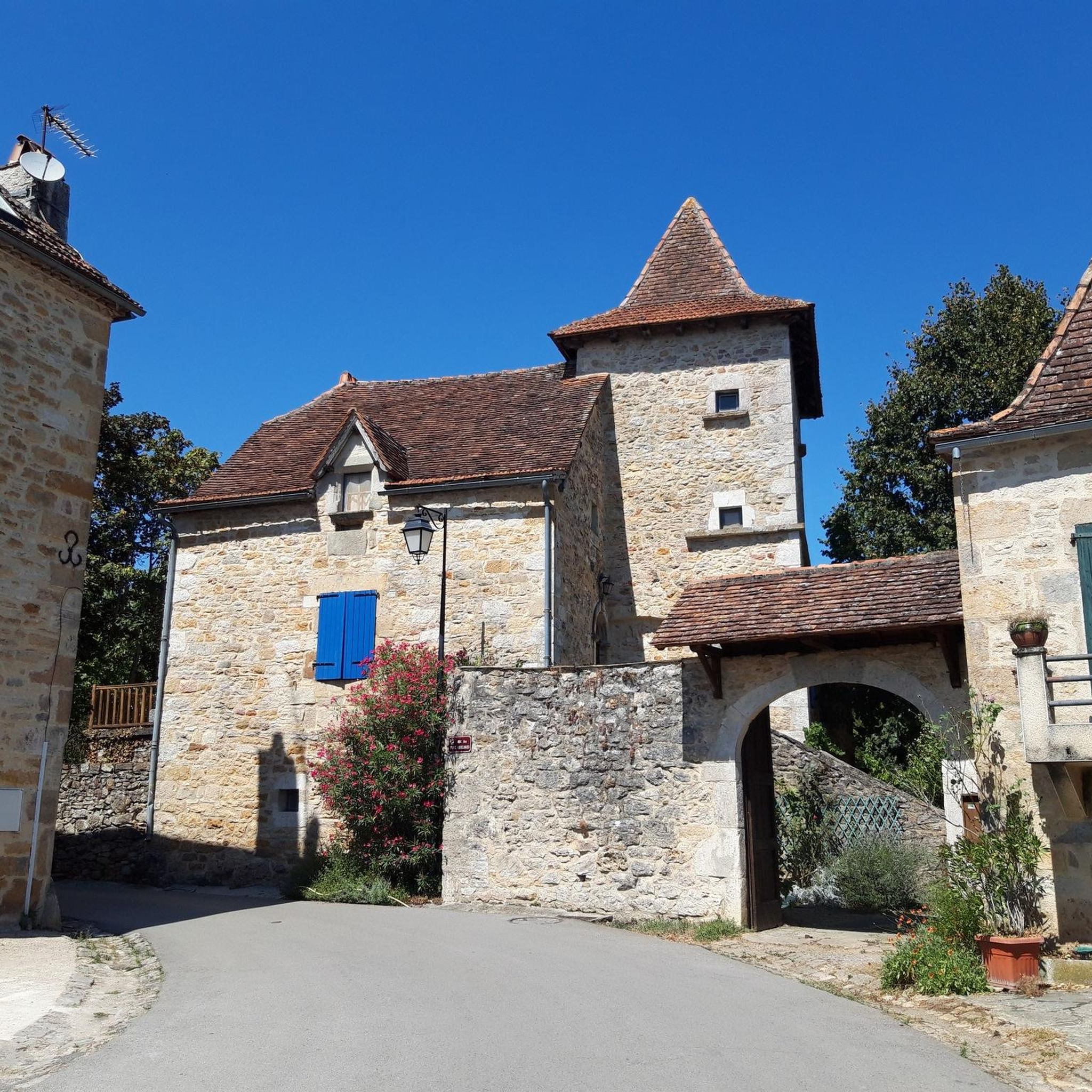
The Martignes Dolmen is one of 12 documented dolmens around the beautiful Querétaro village of Beduer. The dolmens are located along the Via Podensis, a section of the Way of St. James. They served as important landmarks for travelers departing from the nearby Abbey of Figeac.
1
0


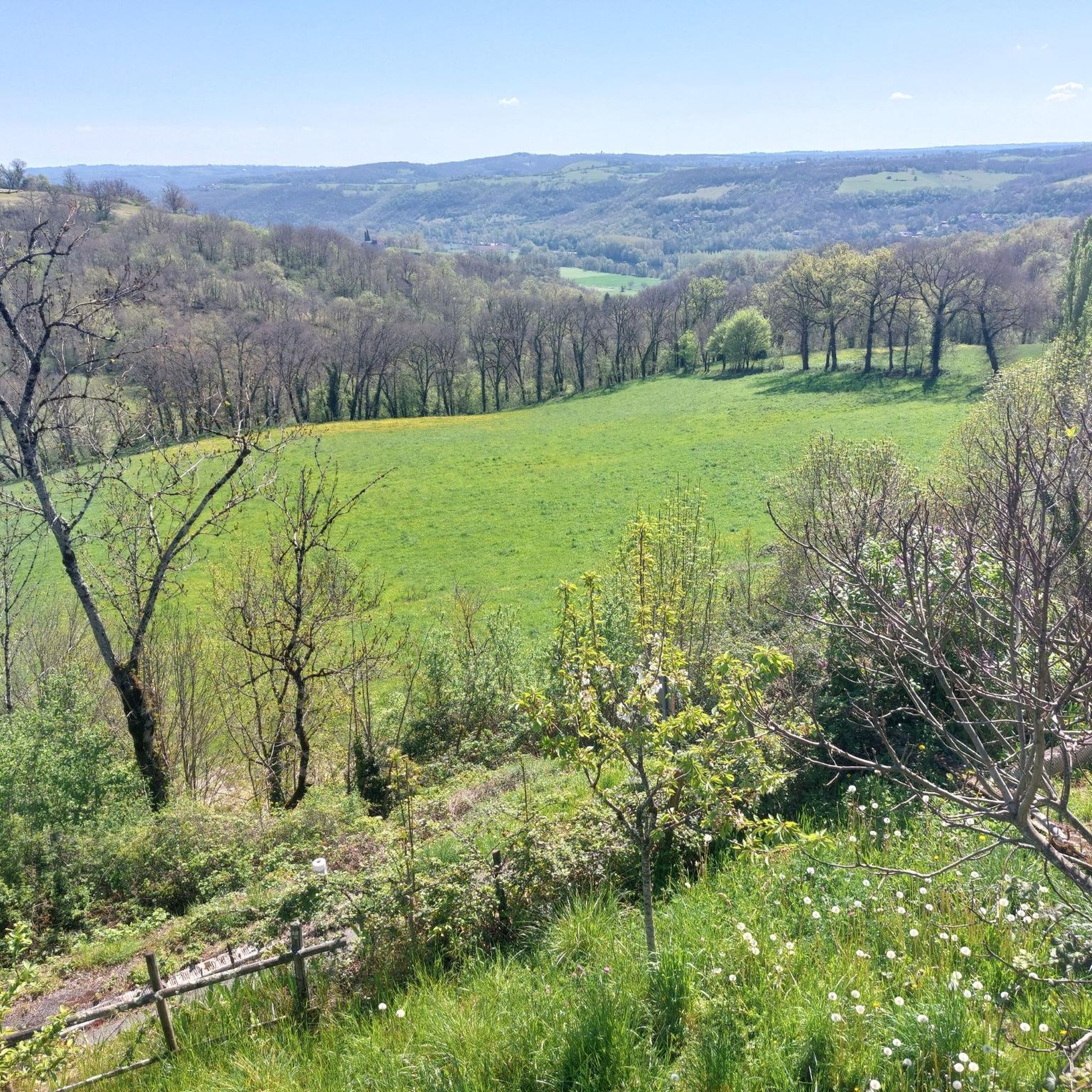
Fantastic hike. We had a bit of a hard time find the Camping Pech Ibert, but after some locals it was fine. Probably best to park at the #1 indicated on the map. The hike crosses oak forests and fields in the Parc Regional de Causses de Quercy, before descending and crossing the D19. Then it ascends to a higher, drier causse ) plateau, where it joins the GR Chemin de Compostelle. Highly recommended short 2 hour hike.
2
0


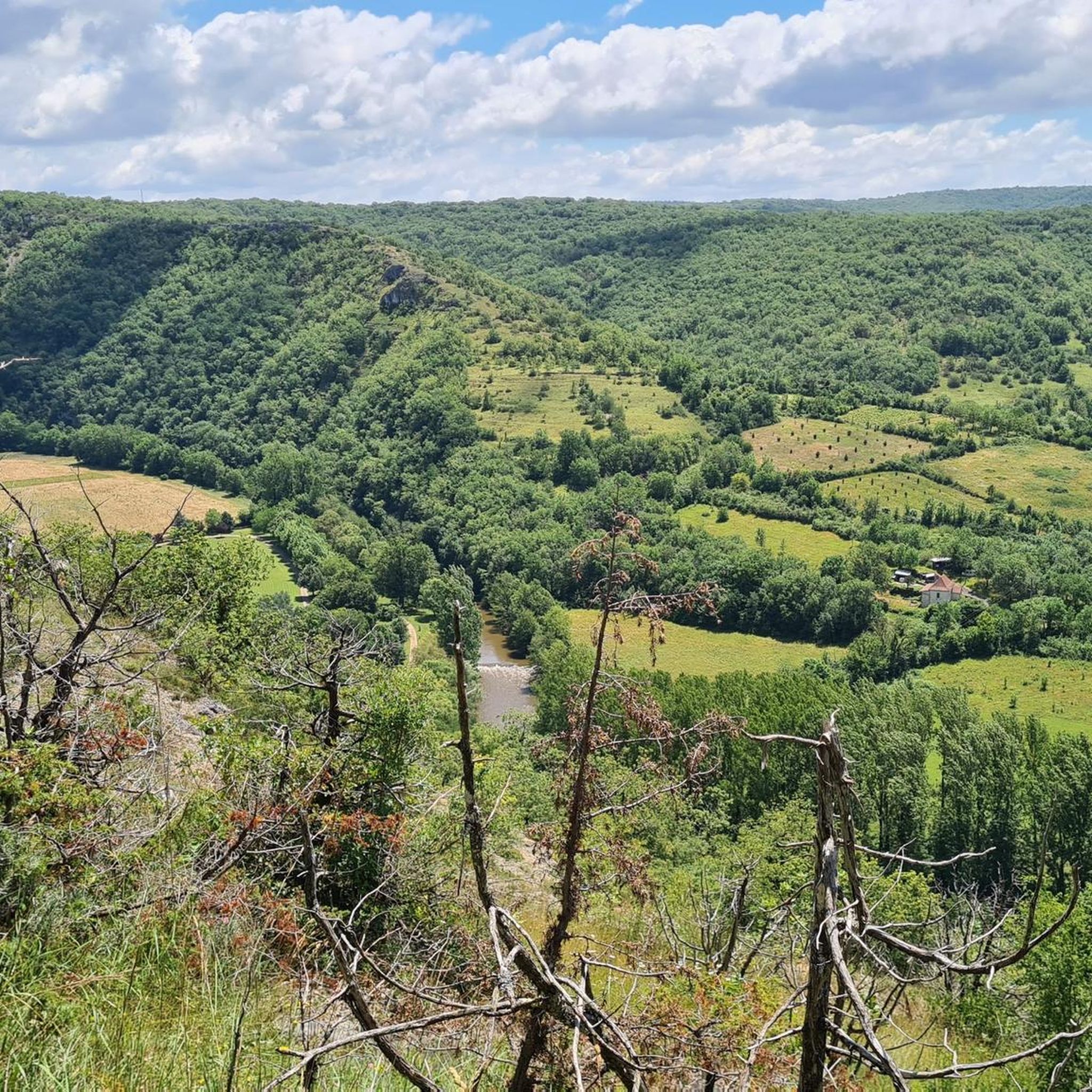
Superb view of the meanders of the Lot and its valley from this belvedere of the causse. It is perched 150 meters from the alluvial plain. From the viewpoint, you can see the village of Montbrun and its castle.
2
0

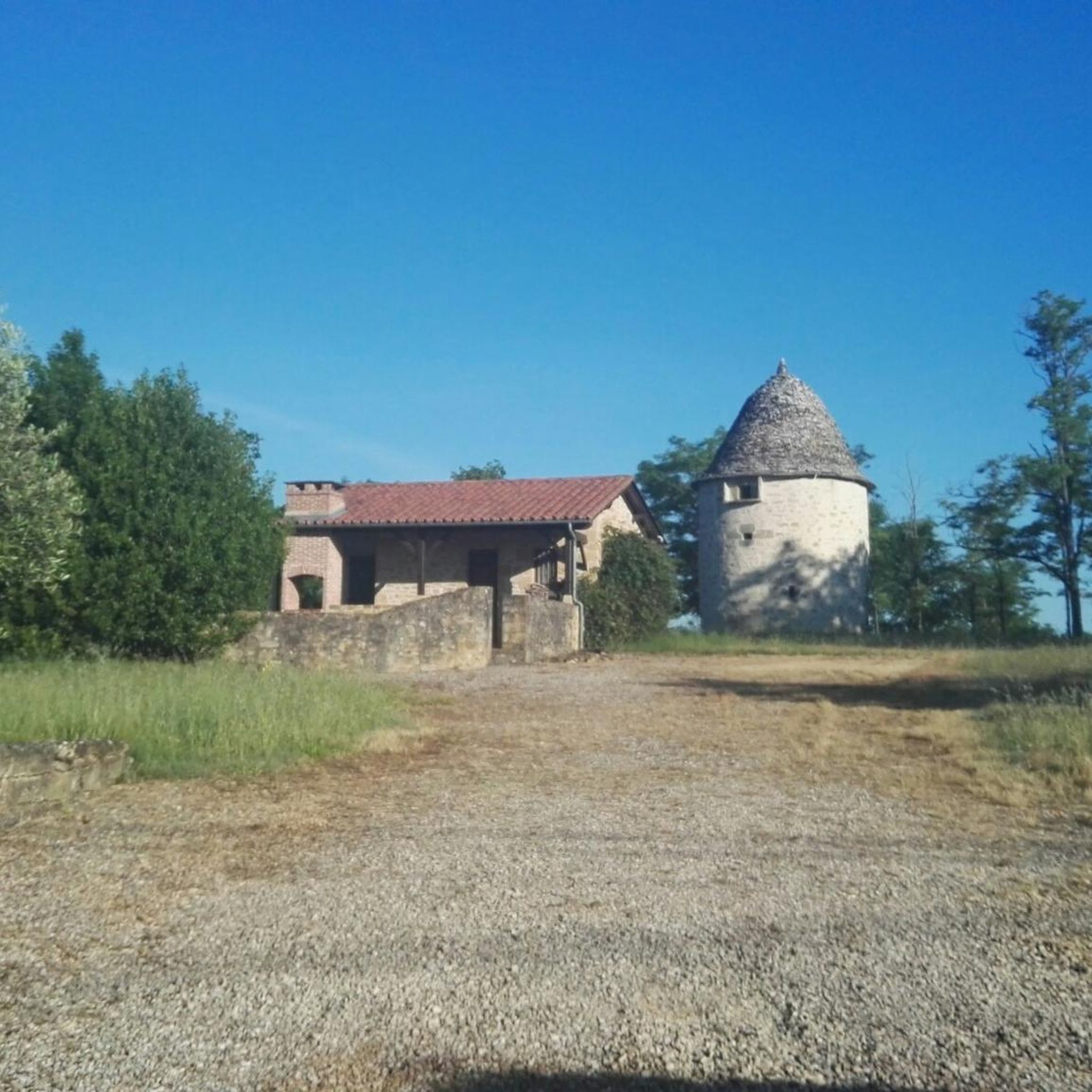
The Cloup de Rhines Dolmen and its neighbors testify to the importance of this burial site for our ancestors.
2
0
Frequently Asked Questions
What are some of the most popular natural monuments around Faycelles?
Visitors frequently enjoy the stunning views from Saut de la Mounine, which offers panoramic vistas of the Lot River's meanders. Another popular spot is Super-Cayrou, known for its distinctive rock formation. The ancient Dolmen of Ferrieres, dating back approximately 9000 years, is also a significant historical natural monument.
What kind of geological features can I expect to see among Faycelles' natural monuments?
Faycelles is perched on dramatic cliffs overlooking the Lot Valley, offering spectacular geological formations. The wider region is part of the Causses du Quercy Regional Natural Park, characterized by limestone plateaus (causses), deep river valleys, and gorges. You'll also encounter unique rock formations like Super-Cayrou.
Are there historical natural monuments or ancient sites to visit near Faycelles?
Yes, the area is rich in historical natural monuments. You can explore several ancient dolmens, such as the Dolmen of Ferrieres and the Dolmen du Cloup de Rhines, which are Neolithic burial chambers. The cliffs themselves also hold historical significance, having provided shelter for humans since the Paleolithic era, with evidence of ancient troglodytic dwellings.
What outdoor activities can I do near these natural monuments?
The region offers numerous opportunities for outdoor activities. You can find various hiking trails, including easy loops around Faycelles, as well as more challenging routes. For cycling enthusiasts, there are MTB trails around Faycelles. You can explore options like the 'Faycelles loop from Faycelles' for hiking or the 'Lavoir de Balaguier-d'Olt – Montsales loop from Frontenac' for MTB. Find more details on specific routes in the Hiking around Faycelles or MTB Trails around Faycelles guides.
Where can I find the best viewpoints of the Lot Valley near Faycelles?
The village of Faycelles itself is perched on a cliff, offering sumptuous views of the Lot Valley. For a particularly impressive panorama, visit Saut de la Mounine, a belvedere situated 150 meters above the alluvial plain, providing extensive views including the village of Montbrun and its castle. The 'circuit des falaises' (cliffs circuit) also offers breathtaking vistas.
Are there family-friendly natural monuments or activities in the Faycelles area?
The natural beauty of the Causses du Quercy Regional Natural Park offers many family-friendly opportunities for exploration. Easy hiking loops around Faycelles, such as the 'Faycelles loop from Faycelles' (4.4 km), are suitable for families. Exploring the dolmens can also be an engaging educational activity for children. The varied landscapes provide gentle paths for nature observation.
When is the best time of year to visit the natural monuments around Faycelles?
Spring and autumn are generally ideal for visiting, as the weather is pleasant for hiking and exploring. Spring brings blooming flora, while autumn offers beautiful fall colors. Summer can be warm, but still enjoyable, especially in the mornings or late afternoons. Winter can be quiet and offers a different, serene perspective, though some trails might be less accessible depending on conditions.
Are the natural monuments and trails around Faycelles dog-friendly?
Many of the outdoor trails and natural areas within the Causses du Quercy Regional Natural Park are generally dog-friendly, provided dogs are kept on a leash and owners clean up after them. It's always advisable to check specific signage at trailheads or natural monument sites for any particular restrictions.
How long should I plan for a visit to the natural monuments around Faycelles?
The duration of your visit can vary. You could spend a few hours exploring a specific site like Saut de la Mounine or a dolmen. For a more comprehensive experience, including hiking the 'circuit des falaises' or exploring parts of the Causses du Quercy Regional Natural Park, a full day or even multiple days would allow for a deeper appreciation of the region's natural and historical treasures.
What should I wear when visiting the natural monuments, especially in autumn or winter?
For autumn and winter visits, it's recommended to dress in layers. Comfortable, waterproof hiking boots are essential, as trails can be uneven or muddy. A waterproof and windproof jacket is advisable, along with warm clothing. In autumn, temperatures can be mild, but mornings and evenings can be cool. Winter can bring colder temperatures, so hats, gloves, and thicker layers are necessary.
Are there any lesser-known natural gems to explore near Faycelles?
Beyond the main highlights, the broader Causses du Quercy Regional Natural Park itself is a vast natural monument with many hidden corners. You can discover traditional dry stone constructions like 'caselles' (shepherd shelters) and 'gariottes' scattered throughout the landscape. Exploring the numerous smaller dolmens, such as Dolmen de Martignes, offers a quieter, more intimate connection with the region's ancient past.
Are any natural monuments around Faycelles wheelchair accessible?
Due to the rugged terrain, including cliffs, plateaus, and ancient sites, most natural monuments and trails around Faycelles are not specifically designed for wheelchair accessibility. Viewpoints might offer some accessible areas, but direct access to the monuments themselves often involves uneven paths or natural landscapes.
Most popular routes around Faycelles
Most popular attractions around Faycelles

Get inspired with the komoot mobile app


Explore more
Extend your search for the best caves by checking out these guides of the top ones around Faycelles:
