Top 4 Natural Monuments around Calès
Best natural monuments around Calès are primarily located within the Causses du Quercy Regional Natural Park, a region known for its distinctive geology and rich biodiversity. Calès is situated on the Causse de Gramat, a limestone plateau characterized by karst features such as caves, sinkholes, and subterranean rivers. The area also features river valleys and protected cliffs that serve as habitats for wildlife. This combination of dramatic landscapes and a vibrant underground world offers diverse natural attractions.
Best natural monuments…
Last updated: June 18, 2026
Viewpoint over Rocamadour
Highlight • Viewpoint
Translated by Google •
Tip by

Roc des Monges
Highlight • Viewpoint
Translated by Google •
Tip by

Sign up now to discover places like this
Get recommendations on the best single tracks, peaks, & plenty of other exciting outdoor places.
Sign up for free
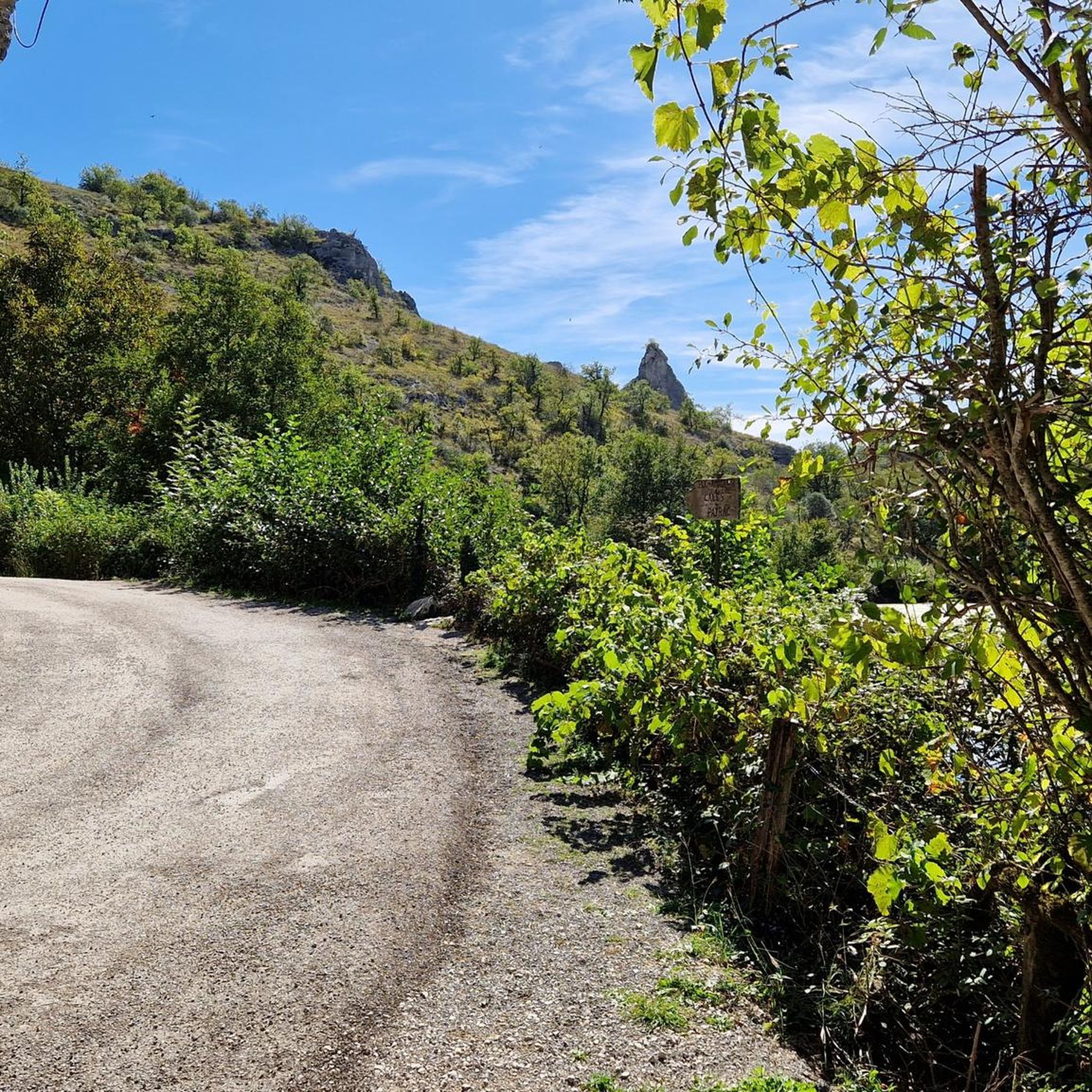
Along the banks of the Ouysse
Highlight • River
Translated by Google •
Tip by

Path Along the Ouysse River
Highlight (Segment) • River
Tip by

Pech de Belcastel
Highlight • Viewpoint
Tip by

Start today with a free account
Your next adventure awaits.
Login or Signup
Tips from the Community

From here, you have the best view of the gorge and, above all, of the medieval village, built steeply on the rocks (150 m high) with its churches and chapels. Rocamadour is a much-visited place of pilgrimage and houses the relics of Saint Amadour and the Black Wooden Madonna (12th century). Many shops and restaurants are located along the Rue de la Couronnerie, the only and lively street. There are plenty of parking spaces in the surrounding area, so it will be very busy in the summer months.
1
0

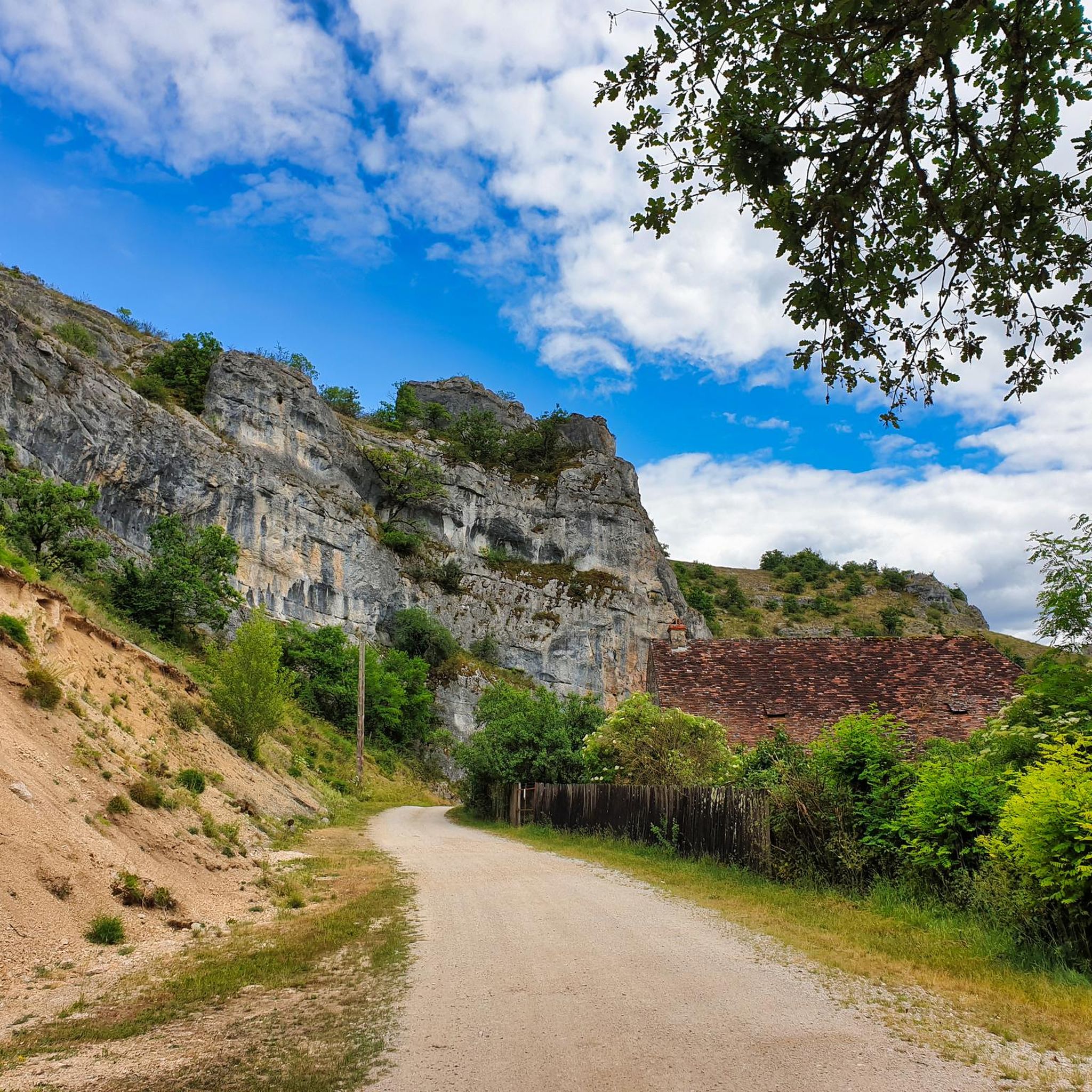
The Ouysse is a river that flows underground for most of its course. It reaches Lacave through the deep canyons carved along its path. As you follow its path towards Rocamadour, you'll find yourself caught between the cliffs that form its canyon. Old fortified mills mark the route, sometimes clinging to the rocks of the cliffs.
0
0

Why Visit Roc des Monges? For the natural beauty: Enjoy an exceptional landscape, with breathtaking views of the Vézère Valley and the surrounding countryside. For the outdoor activities: Hiking, climbing, or simply walking, Roc des Monges is a perfect place for nature and outdoor sports lovers. For the proximity of historical sites: By combining a visit to Roc des Monges with the prehistoric sites of Les Eyzies-de-Tayac, visitors can explore one of the cradles of humanity. Roc des Monges is a natural jewel of the Dordogne, offering both an enriching hiking experience and a unique panorama of a region that has been part of human history for thousands of years.
1
0
Hiking and Outdoor Activities: Hiking Trails: Several trails provide access to the Roc des Monges, offering a pleasant walk in the heart of the Périgord nature. The hike to the summit is a great adventure, with paths that cross forests and meadows. Climbing: The Roc des Monges is also a climbing site appreciated by experienced climbers, thanks to its vertical walls that offer interesting challenges in an exceptional natural setting. Proximity to Prehistoric Sites: Les Eyzies-de-Tayac: A few kilometers from the Roc des Monges are the famous caves of Eyzies-de-Tayac, a high place of prehistory, with sites such as the Font-de-Gaume cave and the National Museum of Prehistory. Historical Heritage: The Roc des Monges is located in a region rich in prehistoric and human history. The surrounding cliffs were inhabited by prehistoric men, and remains still bear witness to their passage.
1
0
The Roc des Monges is an imposing rock formation located in the Dordogne, in the Nouvelle-Aquitaine region. This spectacular natural site overlooks the Vézère Valley, near the village of Les Eyzies-de-Tayac, famous for its prehistoric caves and magnificent landscapes. The Roc des Monges is a popular place for nature lovers and hikers, and it also offers breathtaking views of the surrounding region. Points of Interest of the Roc des Monges: Geological Formation: Imposing Rock: The Roc des Monges is an imposing limestone cliff that dominates the surrounding area. Its height and spectacular shape make it a natural landmark in the valley, and it is often associated with the typical cliffs of the Périgord Noir. Natural Erosion: Like other rock formations in the region, the Roc des Monges has been shaped by centuries of erosion, creating unique shapes and cavities that enrich the landscape. Panoramic View: Vézère Valley Panorama: From the top of Roc des Monges, visitors can enjoy a breathtaking view of the lush green Vézère Valley, a UNESCO World Heritage Site for its prehistoric sites. Fauna and Flora Observation: In addition to the panorama, Roc des Monges is an excellent spot to observe the local flora, composed of bushes, oaks and other species typical of the Périgord, as well as wildlife, including birds of prey that nest in the cliffs.
1
0

Great viewpoints along the walk
3
0

Magnificent view from the top of this rock. The vertiginous drop gives the impression of being much higher than one is.
3
0

Along the promenade de la corniche is a pretty viewpoint over the village of Rocamadour. This pretty belvedere allows you to appreciate the composition and the different levels of the medieval village.
3
0
Frequently Asked Questions
What are the most popular natural monuments to visit around Calès?
Among the most appreciated natural monuments, visitors frequently highlight the Viewpoint over Rocamadour, which offers stunning views of the medieval village built into the cliffs. Another favorite is View of the Vézère Valley from Roc des Monges, providing panoramic vistas of the lush valley and opportunities to observe local flora and fauna.
What unique geological features can I explore near Calès?
Calès is situated on the Causse de Gramat, a limestone plateau within the Causses du Quercy Regional Natural Park, known for its distinctive karst geology. This includes a complex network of caves, sinkholes (gouffres), and subterranean rivers. Notable examples in the wider area include the renowned Gouffre de Padirac, where you can explore an underground river by boat, and the impressive Grottes de Lacave.
Are there family-friendly natural monuments around Calès?
Yes, the Viewpoint over Rocamadour is considered family-friendly, offering an accessible way to appreciate the dramatic landscape and the historic village. Exploring the Ouysse and Alzou Valleys also provides gentle scenic walks suitable for families.
What outdoor activities can I do near these natural monuments?
The region around Calès offers a variety of outdoor activities. You can find numerous routes for gravel biking, running, and mountain biking. For example, you can explore routes like the 'Rocamadour – Saint-Sauveur Sinkhole loop' for mountain biking or the 'Ouysse Waterfall – Along the Ouysse River loop' for running. You can find more details on these activities in the gravel biking, running, and MTB guides for Calès.
Where can I experience the natural beauty of river valleys near Calès?
The Ouysse and Alzou Valleys are recognized for their rich biodiversity and spectacular natural landscapes. Specifically, you can follow Along the banks of the Ouysse, a river that flows through deep canyons. This path towards Rocamadour takes you between cliffs, with old fortified mills lining the route, sometimes adjoining the rock.
What is the best time of year to visit the natural monuments around Calès?
The region's natural monuments, with their diverse landscapes and outdoor activities, are enjoyable throughout much of the year. Spring and autumn offer pleasant temperatures for hiking and exploring, while summer is ideal for enjoying the river valleys and longer daylight hours. The area is also known for its pure night skies, making it exceptional for stargazing year-round, especially within the 'Triangle Noir du Quercy'.
Can I observe wildlife near the natural monuments?
Yes, the protected cliffs in the area, particularly around the Lot, serve as habitats for various birds of prey, making it an interesting site for wildlife observation. The lush Vézère Valley, visible from viewpoints like Roc des Monges, also supports diverse local flora and fauna.
Are there any historical sites integrated with the natural monuments?
Many natural monuments in the region have historical significance. For instance, the medieval village of Rocamadour, seen from the Viewpoint over Rocamadour, is built into the cliffs. The Sanctuary of Rocamadour itself is a significant pilgrimage site with a rich history, nestled within the natural rock formations.
What is the 'Triangle Noir du Quercy' and how does it relate to Calès?
Calès is located within the 'Triangle Noir du Quercy' (Black Triangle of Quercy), an area celebrated for having one of the purest night skies in France due to minimal light pollution. This makes it an exceptional location for stargazing and astrotourism, with Calès itself holding a 2-star label for night sky observation.
Are there any specific sinkholes or 'gouffres' directly associated with Calès?
Yes, the 'gouffre de Saint Sauveur' is a specific sinkhole within the commune of Calès that is mentioned as a point of interest, highlighting the region's characteristic karst geology.
What is the significance of the Causse de Gramat?
The Causse de Gramat is the widest and wildest of the Quercy causses, a significant limestone plateau that forms part of the larger Causses du Quercy Geopark, which holds UNESCO Global Geopark status. It is characterized by unique karst geology, including a complex network of caves, sinkholes, and subterranean rivers, all sculpted by water's action on limestone.
Can I bring my dog to the natural monuments and parks around Calès?
While specific dog policies for individual natural monuments like Gouffre de Padirac or Grottes de Lacave would need to be checked directly with their operators, generally, when visiting natural areas such as the Causses du Quercy Regional Natural Park, it's advisable to keep dogs on a leash to protect local wildlife, especially in areas with birds of prey, and to respect other visitors and local regulations.
Most popular attractions around Calès

Get inspired with the komoot mobile app


Explore more
Extend your search for the best caves by checking out these guides of the top ones around Calès:
