Top 7 Natural Monuments around Prades-D'Aubrac
Best natural monuments around Prades-D'Aubrac are situated within the Aubrac Regional Nature Park, characterized by high-altitude plateaus, verdant valleys, and diverse geological features. This region offers a variety of natural landscapes, including vast open spaces, glacial lakes, and unique rock formations. The area is home to over 1,000 plant species and various wildlife, contributing to its natural heritage.
Best natural monuments around Prades-D'Aubrac
- The most popular natural monuments is Cascade du Déroc, a waterfall where the Ganbaïse stream falls…
Last updated: July 2, 2026
Cascade du Déroc
Highlight • Waterfall
Translated by Google •
Tip by

Volcanic Rock Slide
Highlight • Natural Monument
Tip by

Sign up now to discover places like this
Get recommendations on the best single tracks, peaks, & plenty of other exciting outdoor places.
Sign up for free
Basalt Columns of the Ruisseau des Plèches
Highlight • Natural Monument
Translated by Google •
Tip by

Signal de Mailhebiau
Highlight • Summit
Translated by Google •
Tip by
Climb up to Croix de la Roda
Highlight (Segment) • Climb
Tip by

Sign up for free to discover even more natural monuments around Prades-D'Aubrac.
Sign up for free
Already have an account?
Start today with a free account
Your next adventure awaits.
Login or Signup

Tips from the Community

La croix de la rode, a very particular cross with its circle around it!
0
0

We passed and enjoyed this during our Camino trip in 2025: https://youtu.be/iWACUDABfUc
0
0


At the level of the Negro Bridge which passes over the Stream of Arrows, you can observe superb geological formations. In this case, they are basalt organs.
1
0

Magnificent and practicable place for all types of walkers.
0
0


The climb over the 1,400-metre (4,593 ft) peak of the Croix de la Rode is rugged and wild. The section is stunning but exposed to the elements, so come prepared!
0
0

The Déroc waterfall is a magnificent waterfall. The Ganbaïse stream falls from a 30m basalt ravine that formed a cave whose ceiling perfectly shows the typical prisms of the lava flows that formed the entire region.
0
0
Frequently Asked Questions
What unique geological features can I explore around Prades-D'Aubrac?
The region is rich in volcanic geology. You can witness the impressive Cascade du Déroc, where the Ganbaïse stream plunges over a 30-meter basalt ravine, revealing typical prisms of lava flows. Another fascinating site is the Basalt Columns of the Ruisseau des Plèches, visible from the Negro Bridge, showcasing superb geological formations. Don't miss the Volcanic Rock Slide, a solidified lava formation exposed by erosion.
What kind of landscapes define the natural monuments in Prades-D'Aubrac?
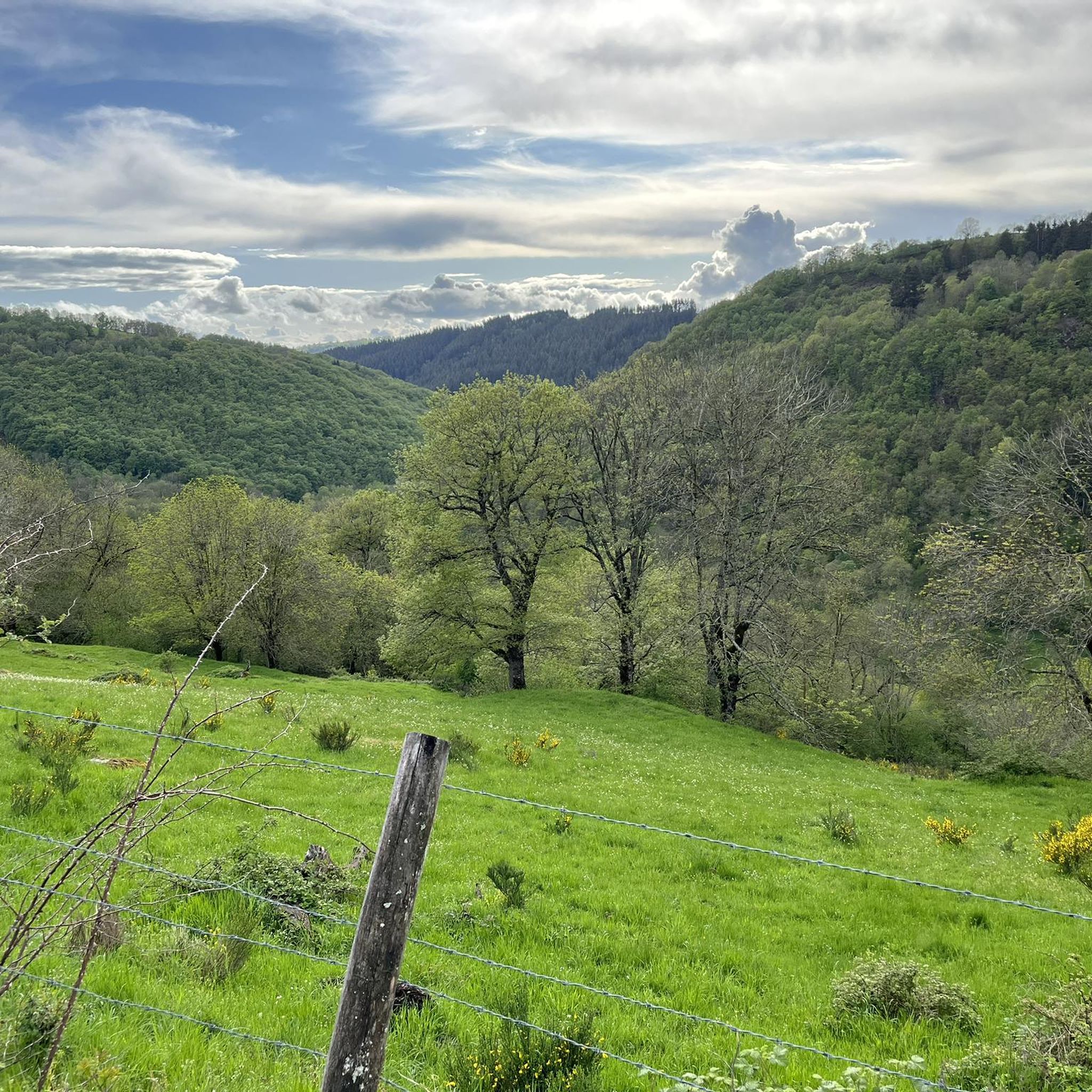
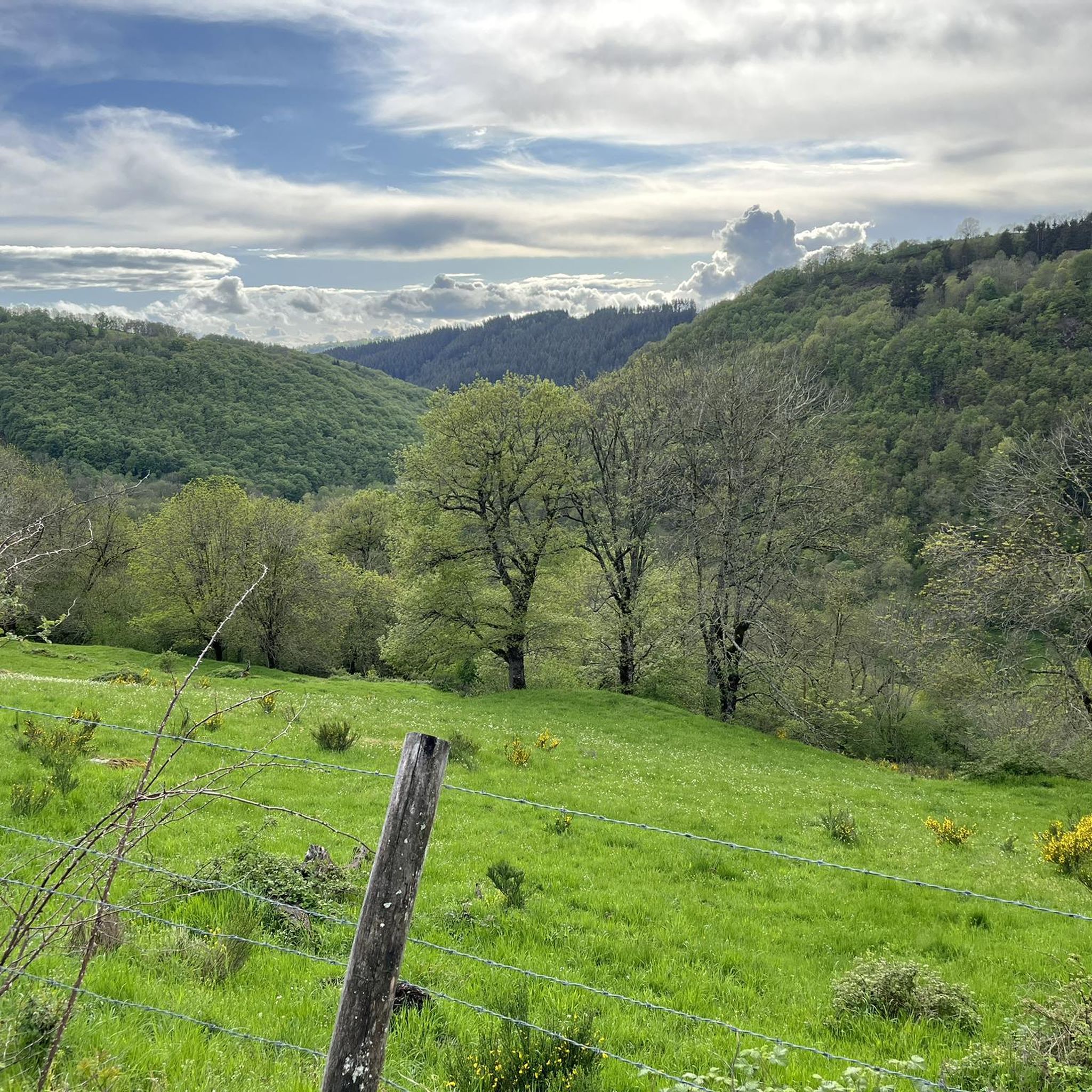
The natural monuments around Prades-D'Aubrac are primarily characterized by the vast, open, and gently rolling landscapes of the Aubrac Plateau. This high-altitude plateau features immense pasturelands, dotted with traditional 'burons' and crosses. The region also includes verdant valleys, glacial lakes, and unique geological formations like basalt columns and waterfalls, offering a diverse range of natural beauty.
Are there any natural monuments suitable for easy walks or less strenuous visits?
Yes, many natural monuments in the Aubrac region offer accessible viewing points or shorter walks. For instance, the Cascade du Déroc is easily accessible, and parts of the Lakes Route offer serene settings for appreciation of nature without demanding long hikes. The Touzes Waterfall also has a trail that is just to the right after the bridge, making it relatively easy to reach.
What outdoor activities can I combine with a visit to these natural monuments?
The area around Prades-D'Aubrac is ideal for various outdoor activities. You can explore numerous hiking trails, ranging from easy to moderate, that often lead to or pass by these natural sites. There are also running trails and mountain biking routes that allow you to immerse yourself in the diverse landscapes, from the open plateau to the forested valleys.
What is the best time of year to visit the natural monuments in Prades-D'Aubrac?
The Aubrac Plateau is particularly stunning in spring when carpets of crocuses and daffodils emerge after the snow melts, followed by gentians. Summer offers pleasant temperatures for hiking and exploring. Autumn brings vibrant colors to the forested areas and valleys. While some areas may be less accessible in winter due to snow, the region offers a unique, tranquil beauty year-round.
Are there any notable viewpoints offering panoramic views of the region?
Absolutely. The Signal de Mailhebiau, the highest point in Aubrac at 1,469 meters, offers a magnificent 360° view of the surrounding Mont d'Aubrac. An orientation table helps identify distant peaks of the Massif Central. This viewpoint provides an excellent perspective on the vastness of the plateau.
Can I find lakes or significant water features among the natural monuments?
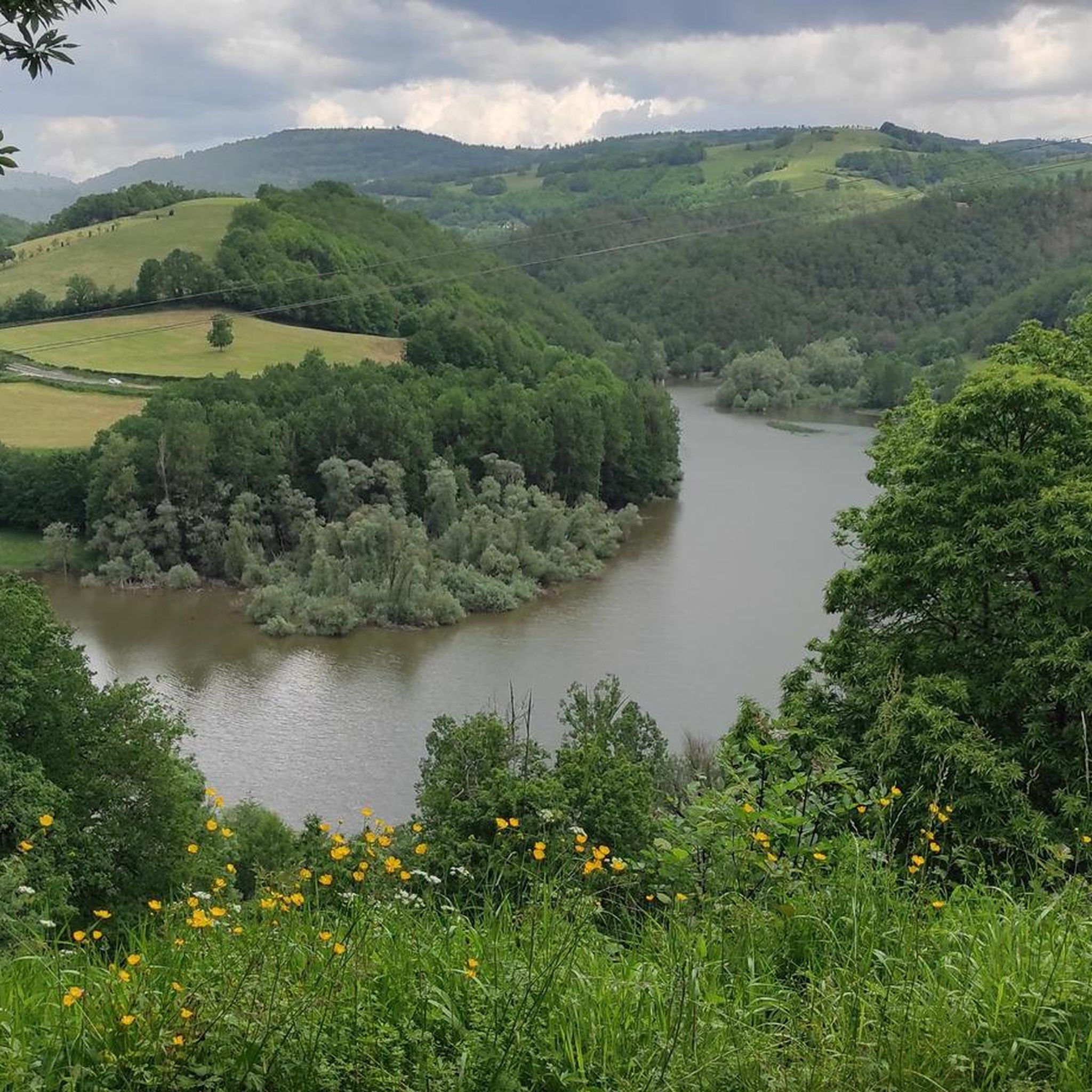
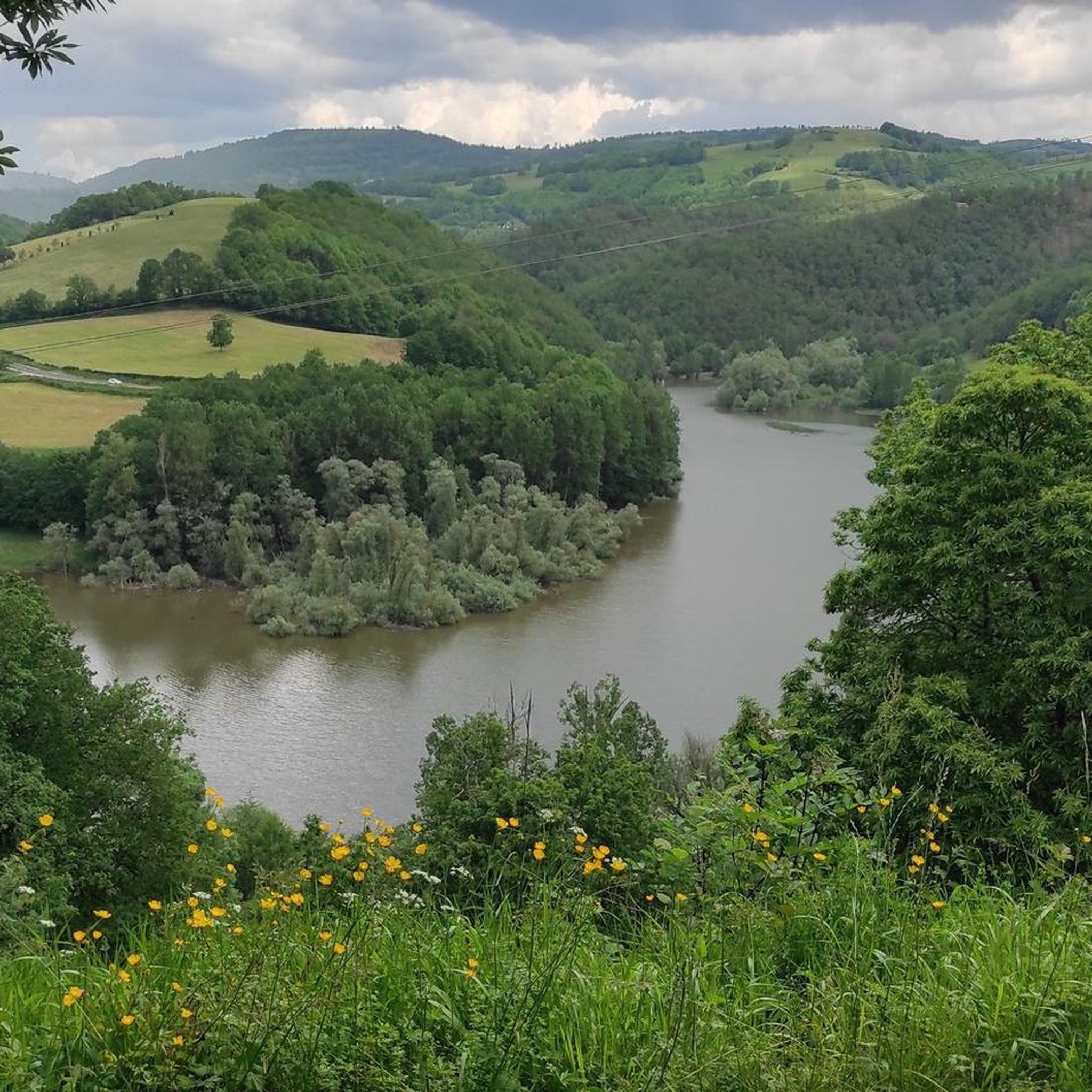
Yes, the region features several beautiful glacial lakes. The scenic Lakes Route, linking Col de Bonnecombe to Nasbinals, leads to significant natural features like Lac des Salhiens, Lac de Souveyrols, Lac de Saint-Andéol, and Lac de Born. Additionally, Lac des Moines, located near Saint-Chély-d'Aubrac, offers a peaceful retreat for nature appreciation.
What do visitors particularly enjoy about the natural monuments in Prades-D'Aubrac?
Visitors frequently praise the stunning natural beauty and tranquility of the area. The Cascade du Déroc is often described as 'truly idyllic' and a 'magical place'. The panoramic views from Signal de Mailhebiau are highly appreciated, and the unique geological formations like the Basalt Columns of the Ruisseau des Plèches are considered superb.
Are there any hidden natural gems or lesser-known spots to discover?
Beyond the well-known sites, the Aubrac region holds many hidden gems. The Touzes Waterfall, nestled in a canyon, offers an enchanting setting with water flowing over moss-covered black rocks. The Cascade de la Devèze, situated deep within a forest, is another beautiful spot accessible via well-maintained trails, providing a serene nature hike away from the crowds.
What should I wear when visiting the natural monuments around Prades-D'Aubrac?
Given the varied terrain and high-altitude plateaus, it's advisable to wear layers, even in summer, as weather can change quickly. Sturdy, comfortable hiking shoes are essential for exploring trails and uneven surfaces. Depending on the season, waterproof outerwear is recommended, especially for visiting waterfalls or during spring and autumn. Don't forget sun protection, as the open plateau offers little shade.
Are there opportunities for nature observation and wildlife spotting?
The Aubrac Regional Nature Park, encompassing Prades-D'Aubrac, is home to exceptional biodiversity. You can observe over 1,000 plant species, including rare orchids, and a variety of wildlife. Keep an eye out for red kites soaring overhead, deer, and wild boar, particularly in the more secluded valleys and forested areas. The iconic Aubrac cows are also a common sight across the plateau.
Most popular routes around Prades-D'Aubrac
Most popular attractions around Prades-D'Aubrac

Get inspired with the komoot mobile app


Explore more
Extend your search for the best caves by checking out these guides of the top ones around Prades-D'Aubrac:
