Top 7 Natural Monuments around Lebetain
Natural monuments around Lebetain are situated in a region known for its diverse natural heritage, including the Territoire de Belfort department and the broader Jura Mountains. This area features varied landscapes, unique ecological sites, and notable geological formations. The region encompasses Sensitive Natural Areas (ENS), Natura 2000 sites, and Zones Naturelles d'Intérêt Ecologique, Faunistique et Floristique (ZNIEFFs), which preserve rare species and habitats. These sites offer opportunities for nature observation and exploring different environments.
Best natural monuments around Lebetain
- The…
Last updated: October 5, 2026
Porrentruy Botanical Garden
Highlight • Natural Monument
Translated by Google •
Tip by

Dinosaur Tracks of Pommerat
Highlight • Natural Monument
Translated by Google •
Tip by

Sign up now to discover places like this
Get recommendations on the best single tracks, peaks, & plenty of other exciting outdoor places.
Milandre Caves
Highlight • Cave
Showing Translation
Tip by

Doue Spring
Highlight • Waterfall
Translated by Google •
Tip by

Pont Sarrazin Natural Arch
Highlight • Natural Monument
Translated by Google •
Tip by

Sign up for free to discover even more natural monuments around Lebetain.
Already have an account?
Start today with a free account
Your next adventure awaits.
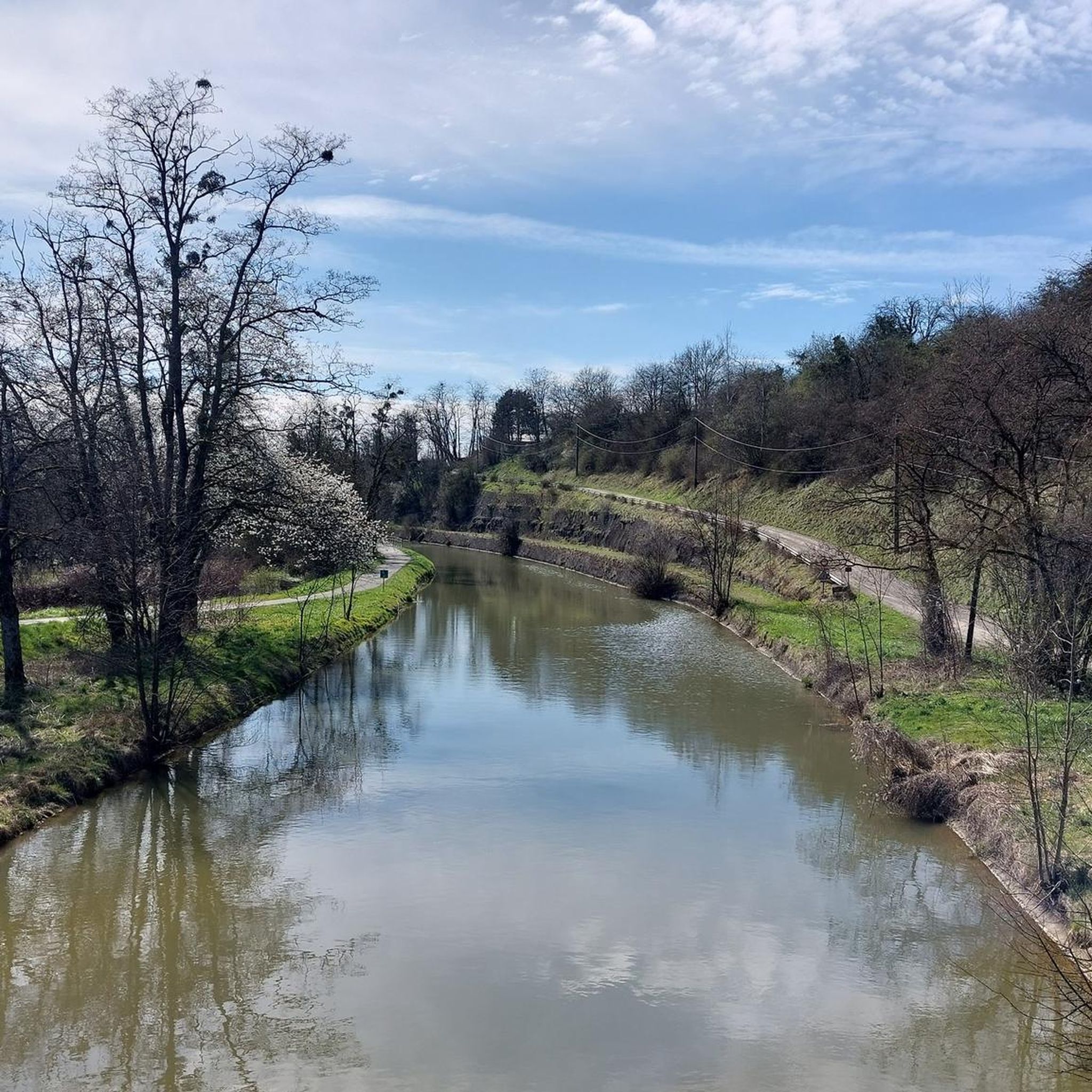
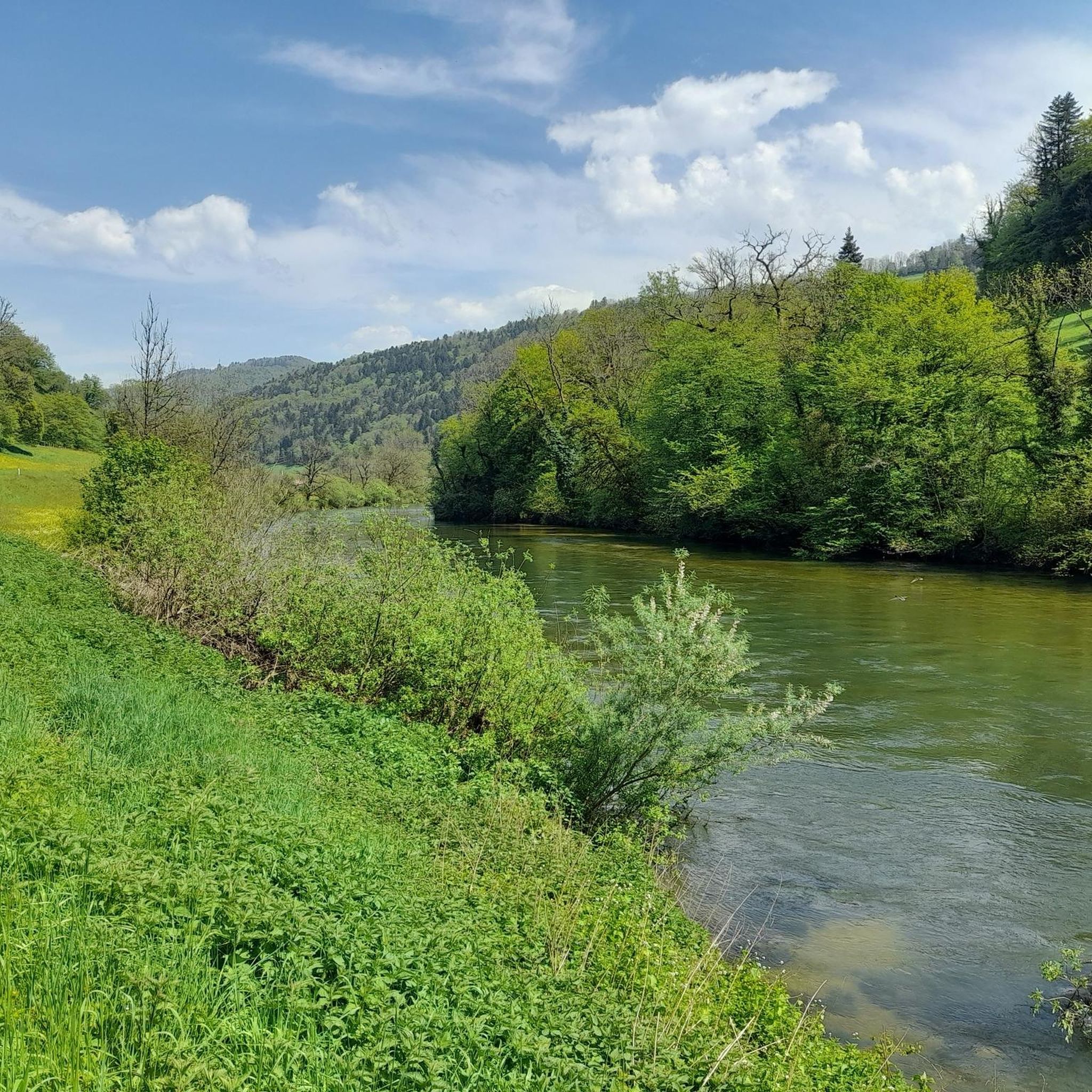



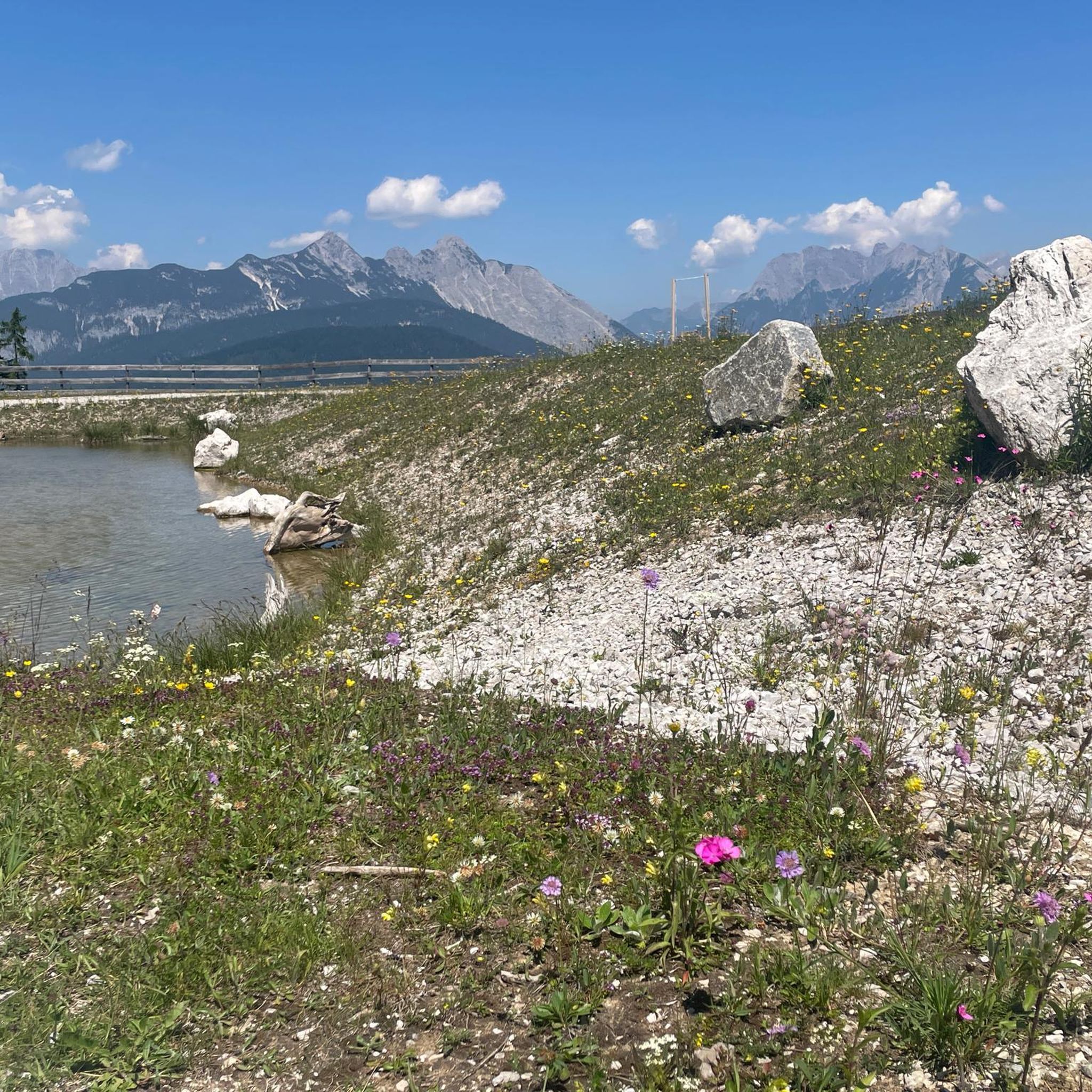
Tips from the Community

Depending on the water level, the lower entrance of the cave can be explored more or less dry.
2
0

Impressive grotto under Millandre The active, vadose cave has been scientifically well studied. It is located in subhorizontal, fossil-bearing limestone. The cave river Milandrine flows through it, has a measured length of 10,520 meters and a vertical extension of 135 meters. https://de.wikipedia.org/wiki/Grotte_de_Milandre
1
2


A place where tranquility reigns supreme.
1
0

The source of the Doue is located behind an old mill which once used dynamite from the water to grind the cereals of the region. During the hot summers, the place turns into a haven of freshness.
1
0

If you stop in Porrentruy, if you are a herb, plant and flower enthusiast, you should definitely pay a visit to the Parc du Jardin Botanique. After the botanical garden in Basel, it is the second oldest in Switzerland. It is striking that in addition to the almost inexhaustible variety of plants, one or the other sundial on several house fronts shows the time in a shadowy way. A particularly idiosyncratic and modern example can be seen at the end of the park when you enter the area through the main portal. Right next to the botanical garden, there is a public car park that is subject to a fee. From the botanical garden, you can continue your journey of discovery in the direction of the old town, or pay your respects to the castle above the city.
0
0

Natural arch at the end of a Jura valley. The Sarrazin Bridge takes its name from the legend of Allima, well known in the country.
2
0

Over 600 local plant species from the Jura chain from Lake Biel to the Chasseral are on display. One focal point is the more than 70 varieties of roses and 180 varieties of irises, which enchant the garden in a huge sea of color when the flowers are in bloom.
1
1
Frequently Asked Questions
What are some of the most popular natural monuments to visit around Lebetain?
Visitors frequently enjoy the Doue Spring, known for its refreshing environment and historical connection to an old mill. Another favorite is the Pont Sarrazin Natural Arch, a unique geological formation with local legends. The Porrentruy Botanical Garden is also highly rated for its extensive plant collections.
Are there family-friendly natural attractions near Lebetain?
Yes, several natural monuments are suitable for families. The Porrentruy Botanical Garden offers a pleasant and educational experience with its diverse plant species. The Dinosaur Tracks of Pommerat are particularly engaging for children, featuring 150-million-year-old fossilized footprints and a dinosaur model to ride.
What kind of unique geological features can I explore in the region?
The region offers impressive geological formations. You can visit the Pont Sarrazin Natural Arch, a striking natural arch at the end of a Jura valley. Further afield in the Jura Mountains, the dramatic 'reculées' or steephead valleys, like those at Baume-les-Messieurs, feature imposing limestone cliffs and spectacular underground cave systems. The Milandre Caves also provide an opportunity to explore an active cave system.
Are there any historical natural sites around Lebetain?
Absolutely. The Porrentruy Botanical Garden, established in 1798, is one of Switzerland's oldest. The Dinosaur Tracks of Pommerat offer a glimpse into prehistoric times with 150-million-year-old fossilized footprints. The Doue Spring is also linked to local history, having once powered an old mill.
What outdoor activities can I do near these natural monuments?
The area around Lebetain is excellent for various outdoor activities. You can find numerous hiking opportunities, including moderate trails like the Boundary Stones Trail or the Tour de Milandre loop. For cyclists, there are routes such as the Mouth of the Allan – EV6 loop. Gravel biking is also popular, with routes like the Porrentruy Castle loop. You can find more details on these activities in the Hiking around Lebetain, Cycling around Lebetain, and Gravel biking around Lebetain guides.
What is the best time of year to visit the natural monuments in this region?
The best time to visit is generally from spring to autumn (April to October) when the weather is mild and most sites are fully accessible. During these months, botanical gardens are in bloom, waterfalls are flowing, and hiking trails are clear. Some sites, like the Dinosaur Tracks of Pommerat, are freely accessible during this period. Winter visits might offer a different, quieter experience, but some trails or attractions could be less accessible due to snow or ice.
Are there any natural areas designated for ecological preservation nearby?
Yes, the Territoire de Belfort department, where Lebetain is located, features several protected natural areas. These include 'Espaces Naturels Sensibles' (Sensitive Natural Areas) and Natura 2000 sites like 'Etangs et vallées du Territoire de Belfort'. There are also numerous 'Zones Naturelles d'Intérêt Ecologique, Faunistique et Floristique' (ZNIEFFs) which protect rare species and habitats such as peat bogs and dry grasslands. You can find more information on ZNIEFFs at territoire-de-belfort.gouv.fr.
Can I bring my dog to the natural monuments and trails?
While many outdoor areas in the region are dog-friendly, it's always best to check specific regulations for each natural monument or protected area. For example, botanical gardens or sensitive ecological sites might have restrictions. When hiking, ensure your dog is on a leash and you clean up after them to preserve the natural environment for everyone.
What are some of the most impressive natural landscapes in the wider Jura Mountains near Lebetain?
Beyond the immediate vicinity of Lebetain, the wider Jura Mountains offer spectacular natural beauty. Highlights include the Hérisson Waterfalls, a series of seven cascades with impressive drops like the 'Saut de l'Éventail'. The Reculées of Baume-les-Messieurs showcase dramatic limestone cliffs and cave systems. For panoramic views, consider the Pic de l'Aigle or the Crêt de la Neige, the highest point in the Jura.
What do visitors say about the natural monuments around Lebetain?
Visitors appreciate the tranquility and natural beauty of the area. For instance, the Doue Spring is often described as a 'haven of freshness' where 'tranquility reigns supreme'. The Porrentruy Botanical Garden is praised for its 'beautiful garden with different plant species from all over the world' and its 'inexhaustible variety of plants'.
Are there any natural monuments that are particularly good for photography?
Many natural monuments in the region offer excellent photographic opportunities. The Doue Spring, with its waterfall and lush surroundings, is very picturesque. The Pont Sarrazin Natural Arch provides a dramatic subject, especially with the play of light and shadow. The vibrant blooms at the Porrentruy Botanical Garden, particularly the roses and irises, are also a photographer's delight.
How accessible are the natural monuments for visitors with limited mobility?
Accessibility varies greatly among the natural monuments. While some sites like botanical gardens might have paved paths, many natural features, especially those involving waterfalls, caves, or geological formations, often require walking on uneven terrain or trails. It's advisable to check specific accessibility information for each site before planning your visit, as some may not be suitable for wheelchairs or strollers.
Most popular routes around Lebetain
Most popular attractions around Lebetain

Get inspired with the komoot mobile app


Explore more
Extend your search for the best caves by checking out these guides of the top ones around Lebetain:
