Top 7 Natural Monuments around Cosnes-Et-Romain
Best natural monuments around Cosnes-Et-Romain include diverse natural features. The region's landscape has been shaped by historical mining, with many areas now reclaimed by nature. This transformation has created unique ecosystems, including former open-pit mines, river valleys, and marshlands. Visitors can explore a variety of natural settings, from dense forests to geological formations.
Best natural monuments around Cosnes-Et-Romain
- The most popular natural monuments is Giele Botter Nature Reserve, an other natural area that was once an active open-pit iron…
Last updated: July 2, 2026
Giele Botter Nature Reserve
Highlight • Natural
Translated by Google •
Tip by

Prënzebierg – Giele Botter Nature Reserve
Highlight (Segment) • Natural Monument
Translated by Google •
Tip by

Sign up now to discover places like this
Get recommendations on the best single tracks, peaks, & plenty of other exciting outdoor places.
Sign up for free
Moulaine Valley Stream
Highlight (Segment) • River
Translated by Google •
Tip by

The Oak of the Three Communes
Highlight • Natural Monument
Translated by Google •
Tip by

Halanzy Iron Mine Ruins
Highlight • Historical Site
Translated by Google •
Tip by

Sign up for free to discover even more natural monuments around Cosnes-Et-Romain.
Sign up for free
Already have an account?
Start today with a free account
Your next adventure awaits.
Login or Signup
Tips from the Community

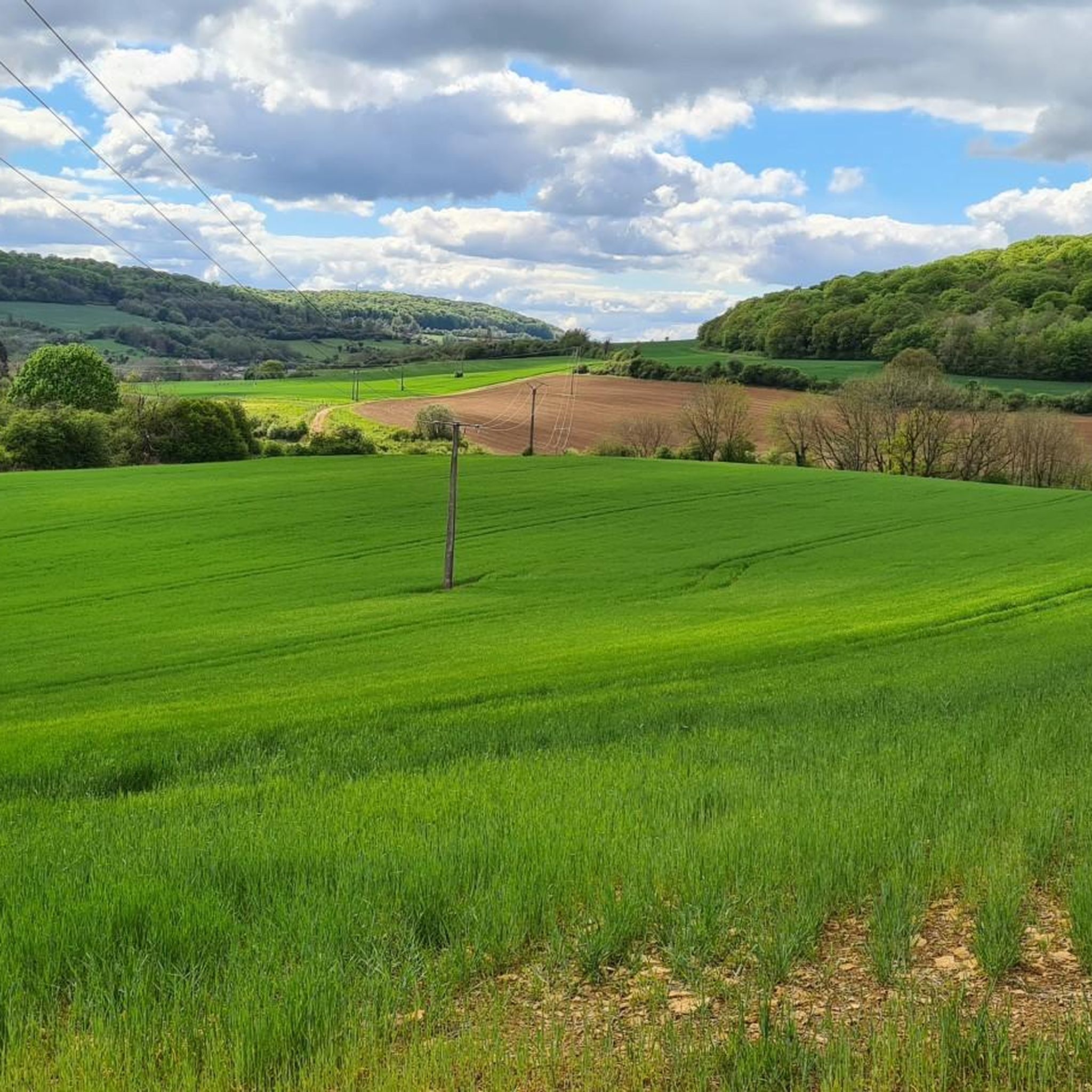
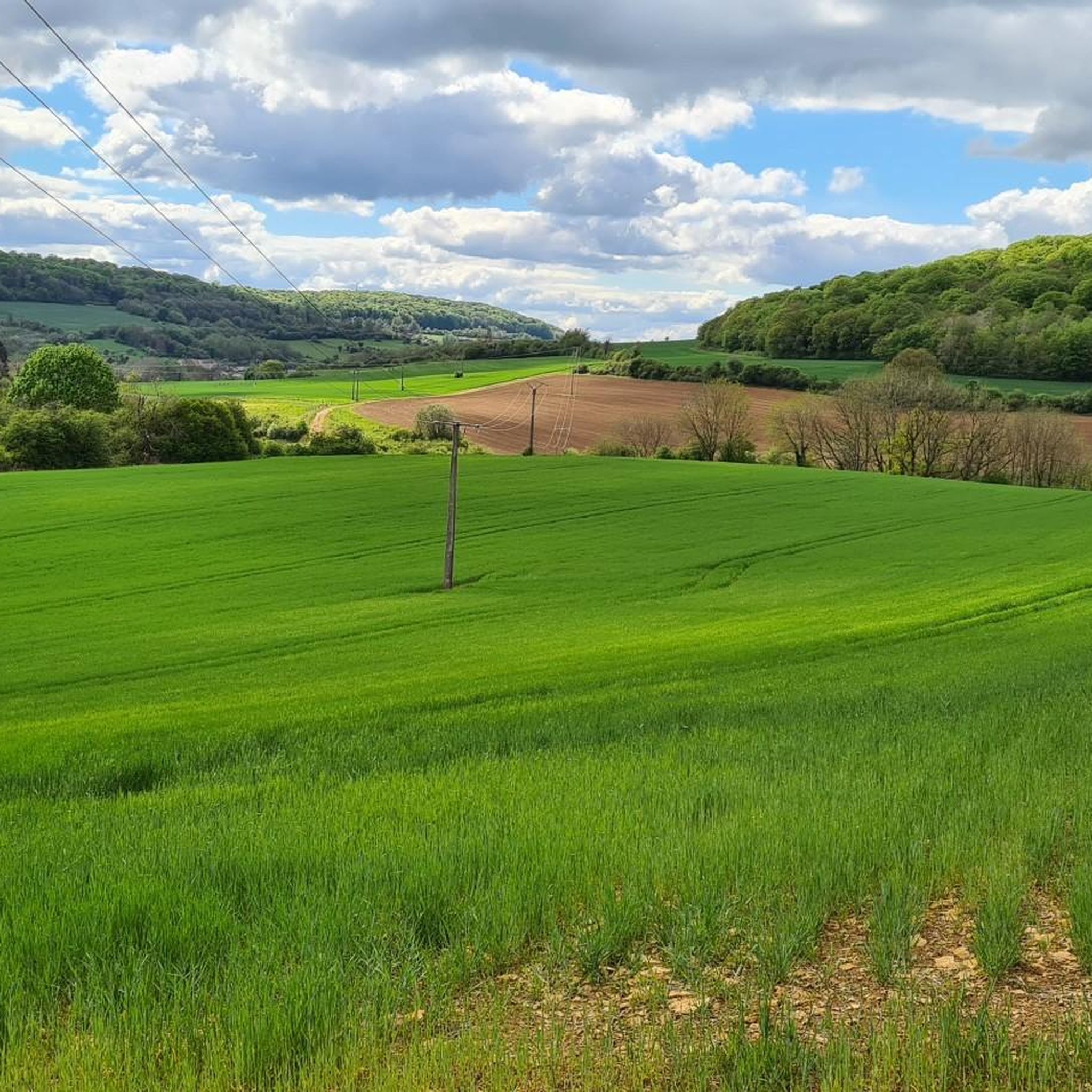
The most beautiful part of the walk. No difficulties despite the route being marked in red on the map.
0
0


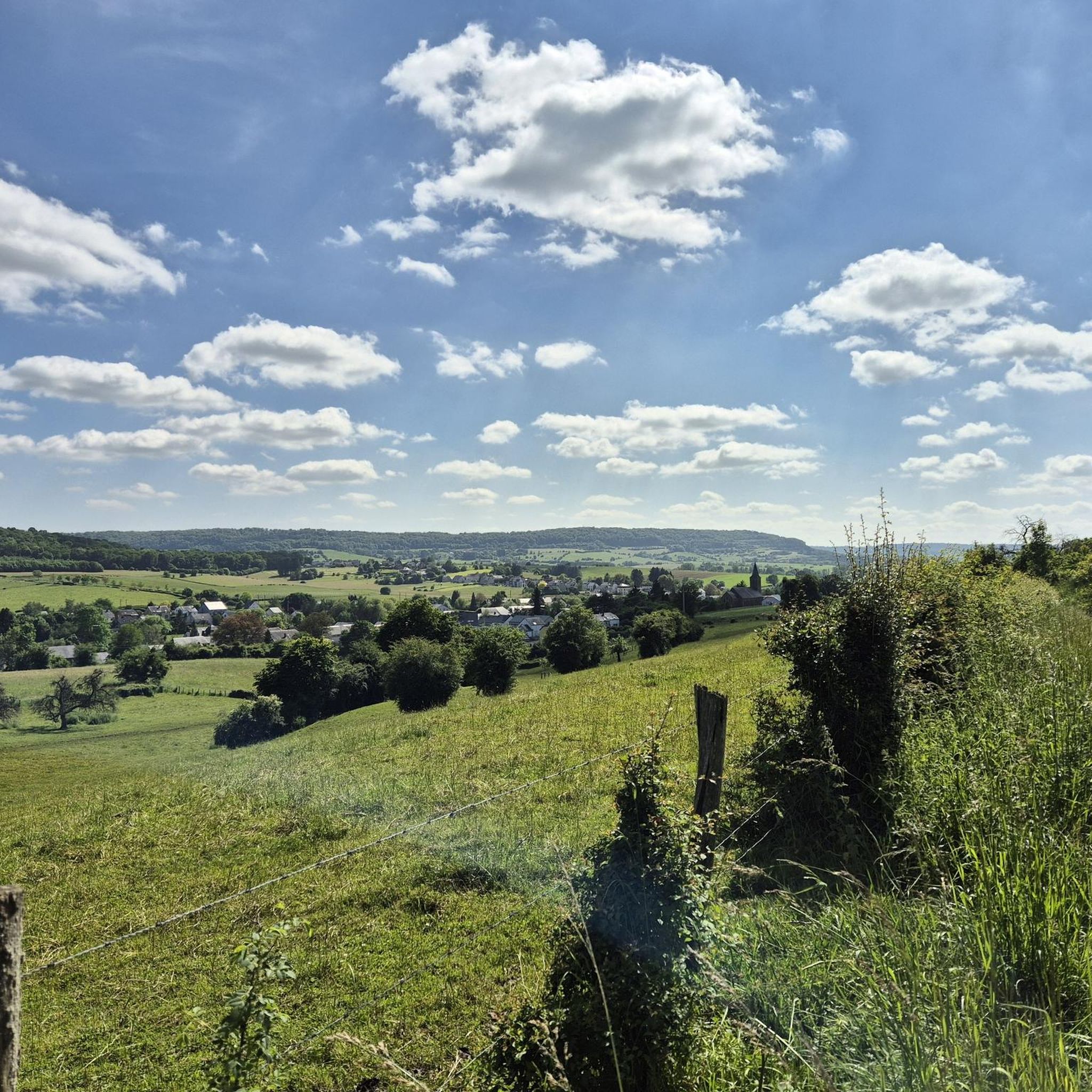
Beautiful walk in a nature reserve in a former open-cast mine
1
0
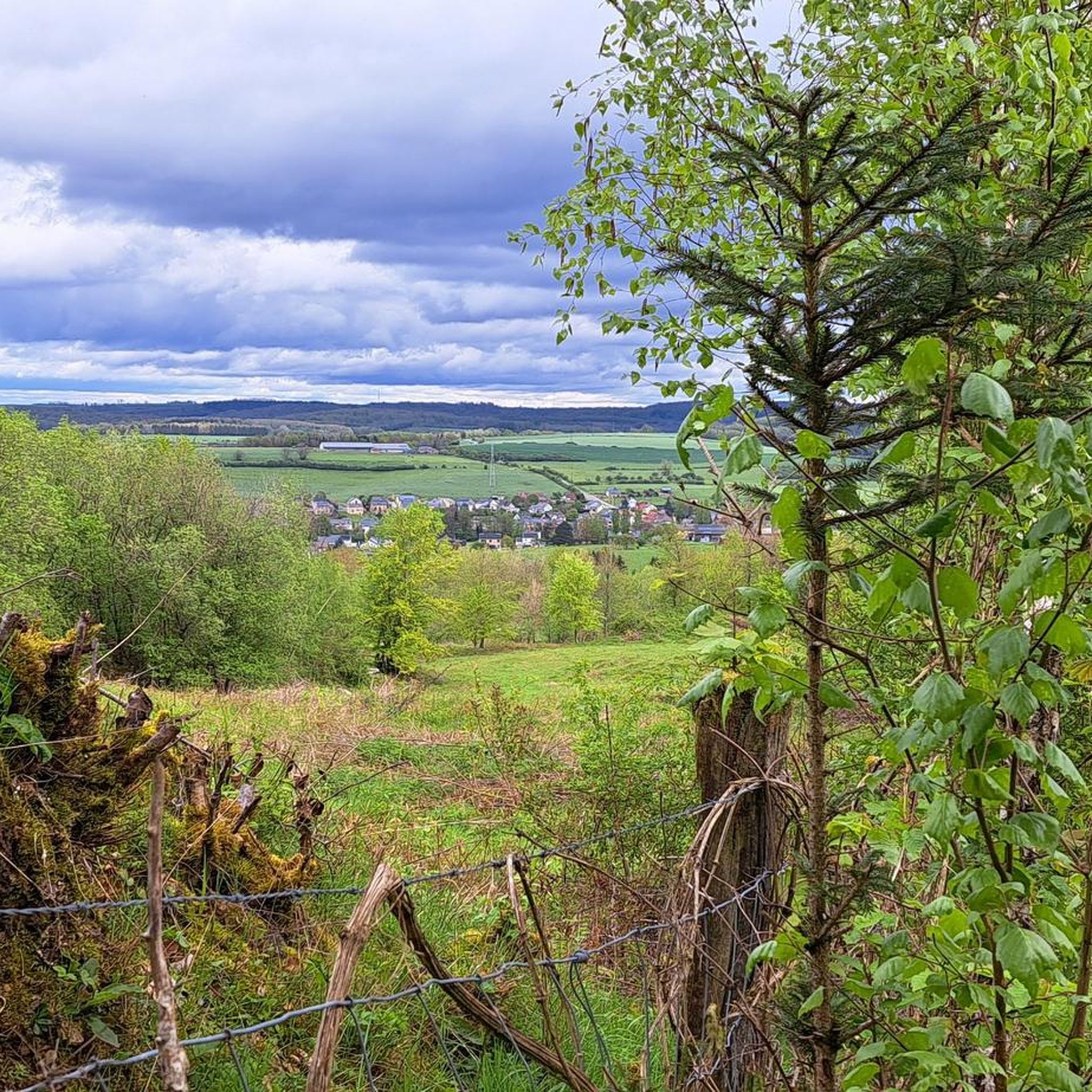
Always a very pleasant place in the footsteps of the past.
1
1

Standing at the place called "Bonsvau" on the edge of the villages of Meix-le-Tige, Willancourt, and Châtillon, according to Mr. Jean-Marie Lambert, this tree is between 150 and 200 years old. Before the merger of the municipalities in 1977, it was called "The Oak of the Three Cantons" because, at that time, Châtillon was part of the canton of Etalle, Meix-le-Tige of Messancy, and Willancourt of Virton. And yet, this oak tree has never experienced any communal or cantonal conflict! Mr. Maurice Simonet, a resident of Châtillon and member of the St-Léger history circle, explains: "There was a large iron cross nailed to the trunk. The metal served as a conductor for lightning, which struck the tree at least twice, probably three times. The large hole at its base was caused by lightning." The latter has skirted the cross from top to bottom, leaving a clearly visible mark. It was stolen around the year 2000, then replaced by a potale, also stolen. It is filled with nails, for unknown reasons. For Jean-Marie Lambert, DNF agent, nails are a votive offering. An ex-voto is a votive offering made to a god in request of a favor or in thanks for a favor obtained following a vow made to that effect. These objects can take many forms and be made of many materials. In 2002, it was listed as a remarkable tree. Mr. Lambert certifies that the inscription "Chêne des 3 communes" on the tree dates from before the merger of the municipalities.
2
0

You will be able to explore the traces of the mining activity that lasted from the 19th century until 1982, when the mine closed due to the exhaustion of the ore seam. You can see the entrances to the underground tunnels, some of which are still accessible, as well as the remains of the ore processing plant demolished in 1963. Along the way, you will also enjoy panoramic views of the wooded hills and red sandstones, typical of the region where the iron-rich sedimentary rock called Minette is found. It is a great way to discover the industrial heritage and natural beauty of Halanzy.
4
0

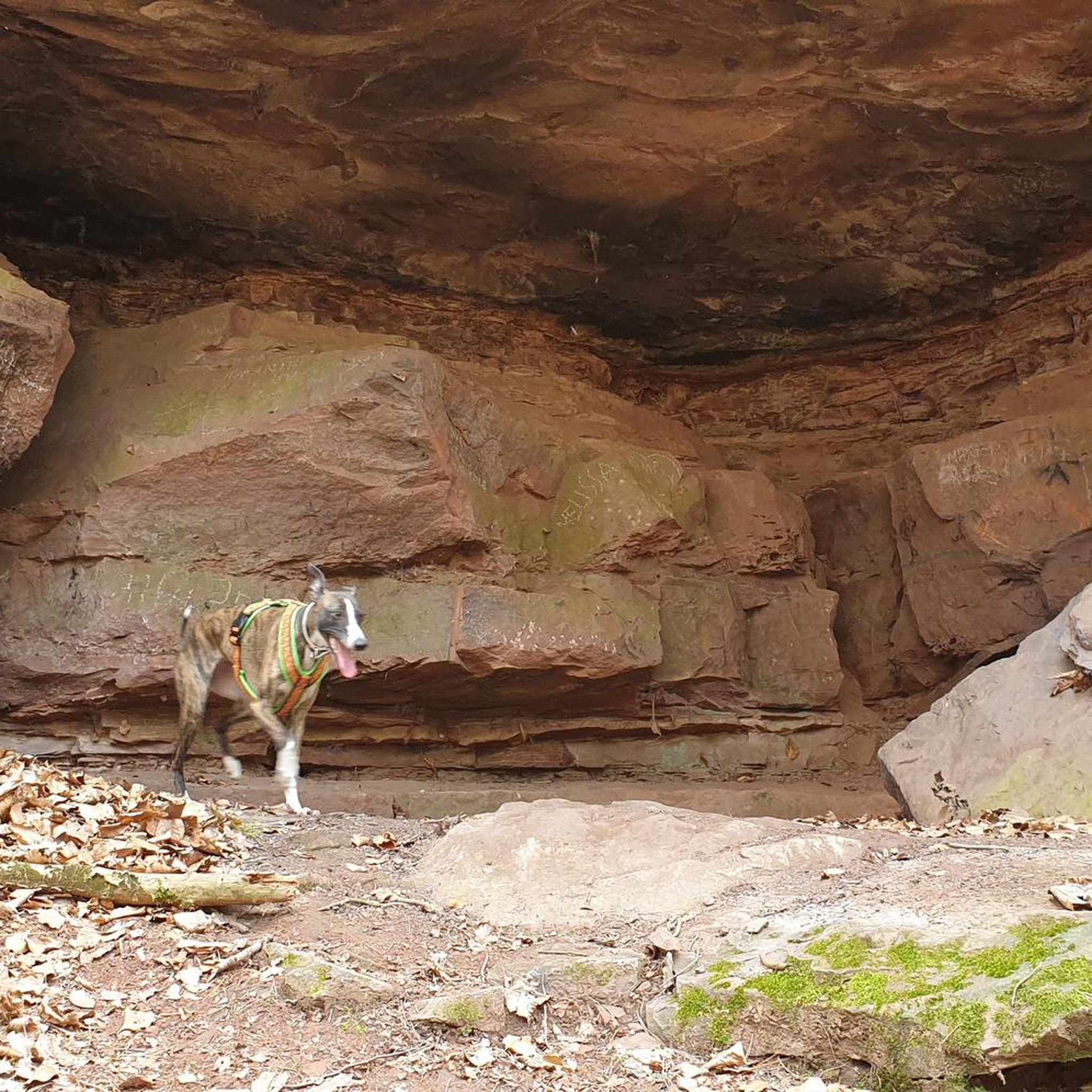
The nature reserve Prënzebierg - Giele Botter is a former opencast mining area. Iron ore was mined here, so the rock is reddish in color. At sunset, the rock walls glow in a beautiful fiery red.
5
1
Frequently Asked Questions
What unique natural features can I find around Cosnes-Et-Romain?
The region is characterized by its fascinating ecological transformation from former industrial mining sites into vibrant natural landscapes. You can explore areas like the Giele Botter Nature Reserve, which showcases unique geological formations and a rich biodiversity on reclaimed land. Other features include the heavily forested Moulaine Valley Stream with its clear waters flowing over rock steps, and the distinctive La Cussignière Marsh, a unique moorland with wooden plank paths.
Are there family-friendly natural monuments to visit?
Yes, several natural monuments are suitable for families. The Giele Botter Nature Reserve is considered family-friendly, offering accessible trails and an engaging landscape. Additionally, La Cussignière Marsh is noted as 'easy with children' by visitors, featuring wooden plank paths for easy exploration. The ancient Oak of the Three Communes is also a family-friendly natural monument with an interesting local history.
What kind of wildlife can be observed in the natural monuments?
The Prënzebierg-Giele Botter Nature Reserve is particularly rich in biodiversity. It is home to a diverse array of flora and fauna, including extraordinary wild orchids, various bat species, amphibians, reptiles, insects, and birds. This rich ecosystem thrives in a mosaic of different biotopes, including ponds, wetlands, dry grasslands, and pioneer woodlands.
What is the best time to visit the natural monuments around Cosnes-Et-Romain?
The natural monuments, especially areas like the Giele Botter Nature Reserve, are beautiful in sunshine, as noted by visitors. Spring and autumn generally offer pleasant temperatures for hiking and exploring, with spring bringing blooming orchids and autumn showcasing vibrant foliage. However, the unique landscapes and trails can be enjoyed year-round, with each season offering a different perspective.
Are there historical sites related to the region's natural landscape?
Yes, the region's natural landscape is deeply intertwined with its industrial past. The Giele Botter Nature Reserve is a prime example, being a former open-pit iron ore mine that has been reclaimed by nature. You can also visit the Halanzy Iron Mine Ruins, where you can explore traces of mining activity that lasted until 1982, including tunnel entrances and remains of the ore processing plant, offering panoramic views of the red sandstone hills typical of the Minett region.
What outdoor activities can I do near these natural monuments?
The area around Cosnes-Et-Romain offers various outdoor activities. You can find numerous routes for cycling, road cycling, and running. For example, there are several cycling routes like the 'Cons-la-Grandville Castle loop' and 'La Cussignière Marsh – Cussignère marsh loop' available in the Cycling around Cosnes-Et-Romain guide. Running enthusiasts can explore trails such as the 'View of Halanzy loop' or 'Haut de la Saul loop' detailed in the Running Trails around Cosnes-Et-Romain guide.
Are there specific hiking trails within the natural monuments?
Yes, within the Prënzebierg-Giele Botter Nature Reserve, visitors can explore well-marked trails, such as the 7.6 km 'Prënzebierg – Giele Botter' discovery trail and the 2.6 km 'Giele Botter' geological nature trail. These paths allow for exploration of the varied terrain, including cliffs, spoil heaps, and exposed geological formations, and offer numerous viewpoints.
What do visitors enjoy most about the natural monuments in this region?
Visitors frequently praise the unique blend of natural beauty and industrial heritage. The ecological transformation of former mining sites, particularly the Giele Botter Nature Reserve, is a major draw. People appreciate the peaceful, green landscapes, the rich biodiversity, and the educational insights into geology and conservation. The scenic beauty, often referred to as 'Paradise' by locals, and the opportunity for tranquil nature walks are also highly valued.
Is the Prënzebierg-Giele Botter Nature Reserve a UNESCO site?
Yes, the Prënzebierg-Giele Botter Nature Reserve is recognized as a UNESCO World Heritage site. This designation highlights its unique blend of ecological, geological, and historical interest, particularly as a remarkable example of nature reclaiming a former open-pit mine.
Are there any natural monuments that are wheelchair accessible?
Yes, La Cussignière Marsh is noted as wheelchair accessible. It features wooden plank paths that allow visitors to explore the unique moorland and observe its flora and fauna with ease.
Where can I find more information about the Prënzebierg-Giele Botter Nature Reserve?
For more detailed information about the Prënzebierg-Giele Botter Nature Reserve, including guided tours and specific features, you can visit the official tourism websites. Check out Visit Luxembourg or Visit Minett for additional details.
Are dogs allowed on trails within the natural monuments?
While specific regulations for each natural monument may vary, many outdoor areas in the region are dog-friendly. It is generally recommended to keep dogs on a leash to protect wildlife and ensure a pleasant experience for all visitors. Always check local signage for specific rules at each location.
Most popular routes around Cosnes-Et-Romain
Most popular attractions around Cosnes-Et-Romain

Get inspired with the komoot mobile app


Explore more
Extend your search for the best caves by checking out these guides of the top ones around Cosnes-Et-Romain:
