Top 5 Natural Monuments around Fontenotte
Best natural monuments around Fontenotte are found in the Doubs department of the Bourgogne-Franche-Comté region in eastern France. This commune serves as a base for exploring diverse natural attractions in its surrounding area. The region features captivating landscapes, including dramatic cliffs, unique water sources, and impressive geological formations. These natural features offer varied opportunities for outdoor exploration.
Best natural monuments around Fontenotte
- The most popular natural monuments is Roche de Chatard Viewpoint, a viewpoint offering magnificent panoramas. This spot…
Last updated: July 2, 2026
Saut de Gamache Viewpoint
Highlight • Viewpoint
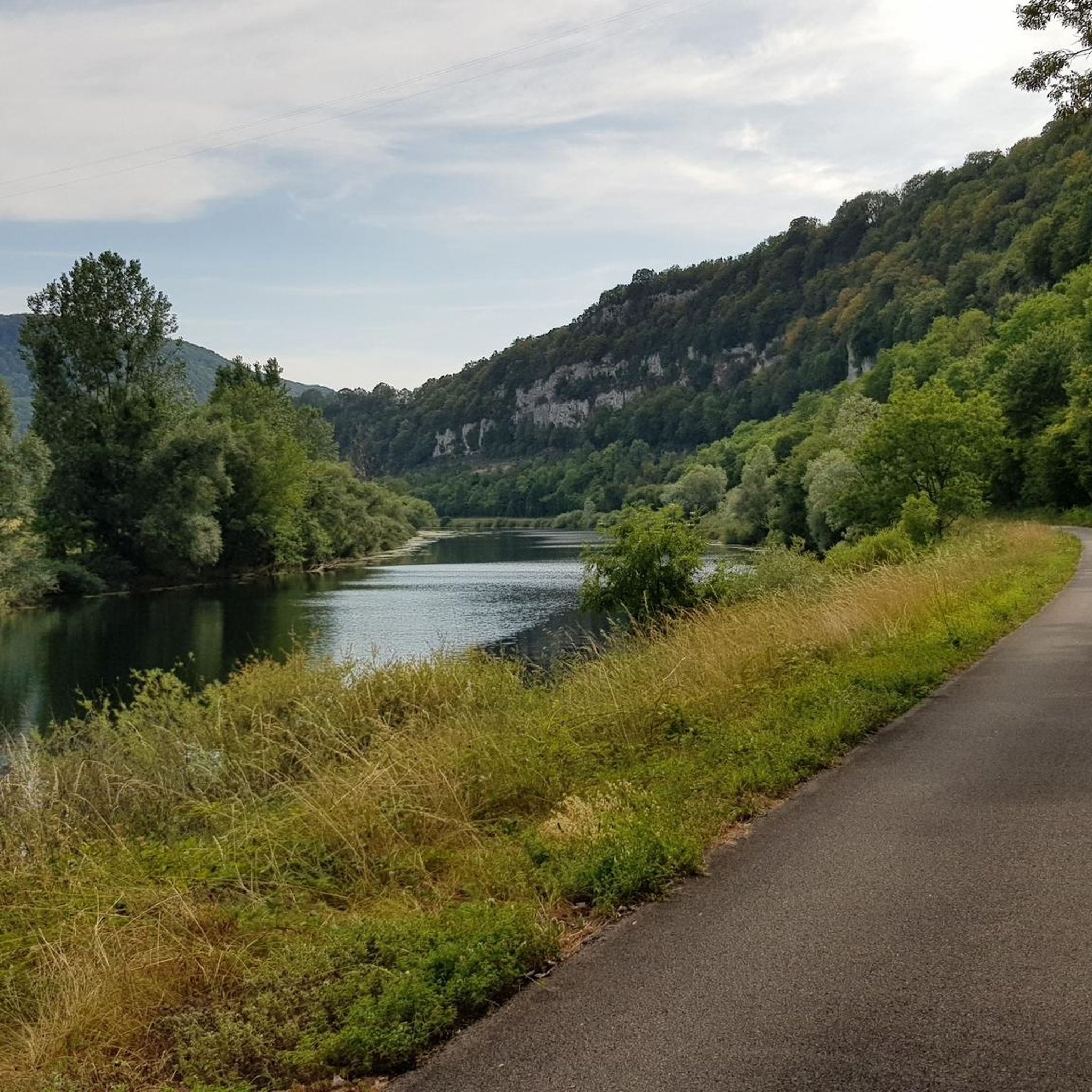
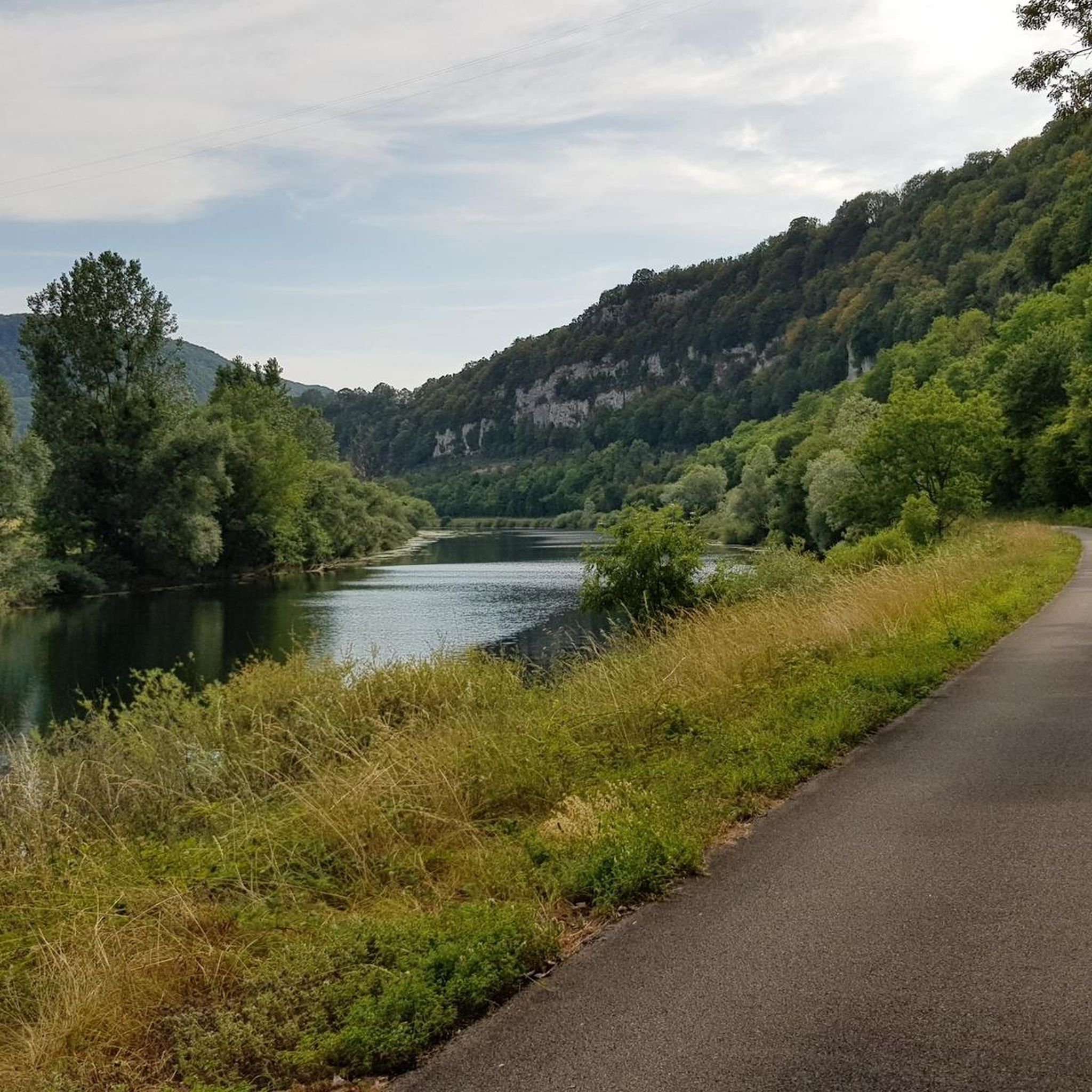
Beautiful scenery, excellent cycle path, pleasant rest stops.
More information: de.eurovelo.com/ev6/france
Translated by Google •
Tip by

La Source bleue
Highlight • Natural Monument
Translated by Google •
Tip by

Sign up now to discover places like this
Get recommendations on the best single tracks, peaks, & plenty of other exciting outdoor places.
Sign up for free
Grotte Sous Buen
Highlight • Cave
Translated by Google •
Tip by

Roche de Chatard Viewpoint
Highlight • Viewpoint
Translated by Google •
Tip by

Grotte du Petit Siblot
Highlight • Cave
Through a very small shaft entrance of just 30 x 50 cm.
you have to abseil about 7 meters ... …
Translated by Google •
Tip by

Start today with a free account
Your next adventure awaits.
Login or Signup

Tips from the Community

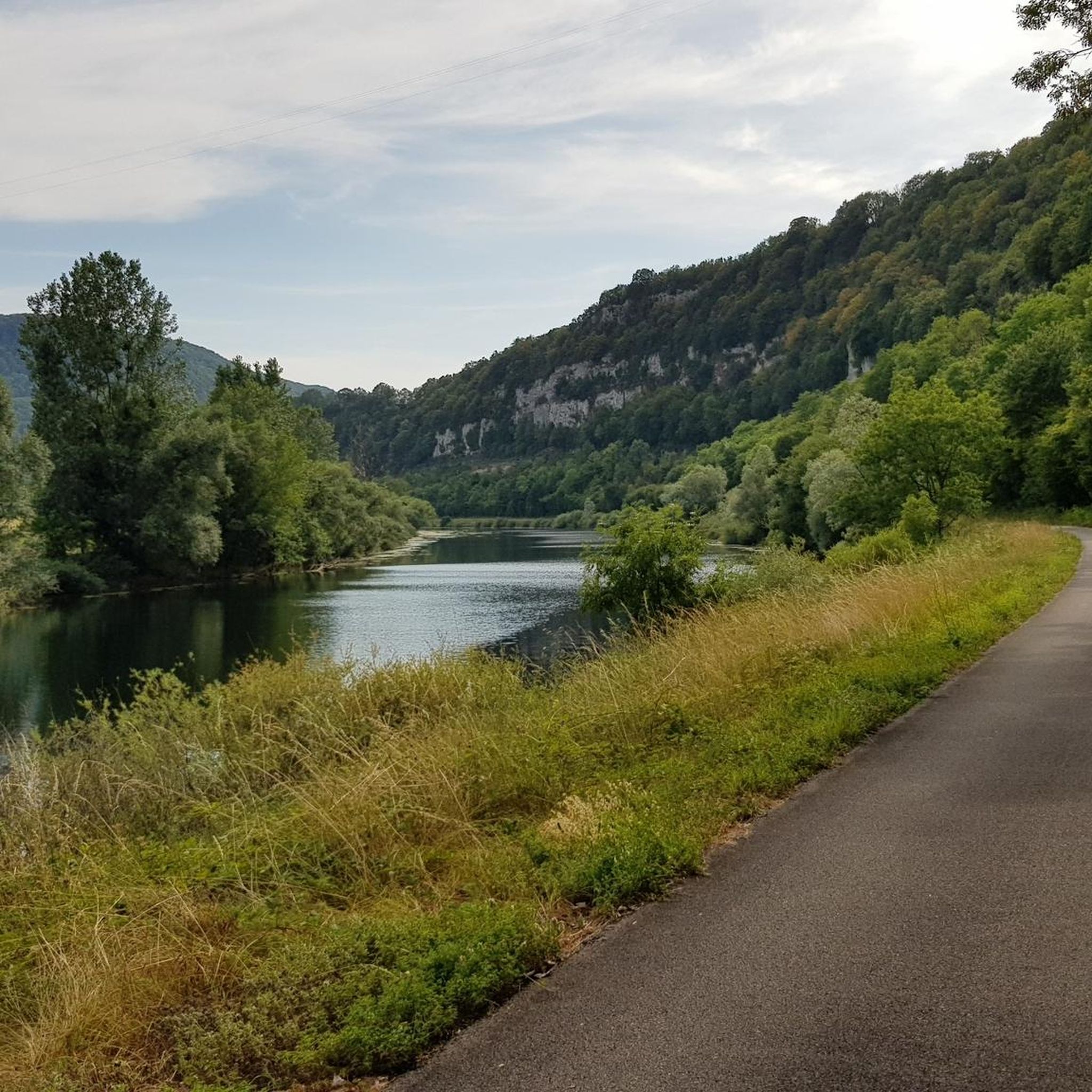
an impressive rocky landscape right on the bike path
2
0

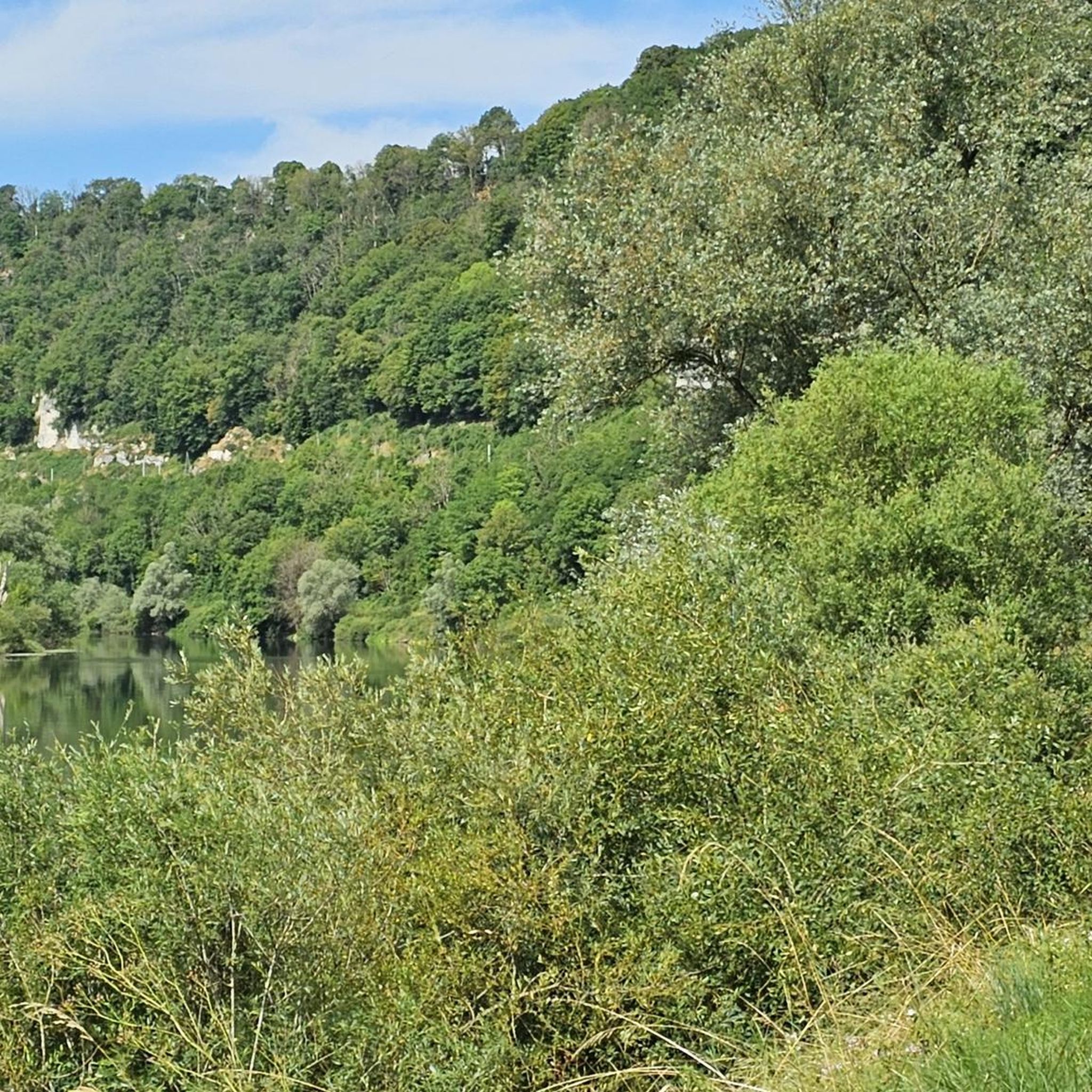
The blue spring is a Vauclusian spring which emerges in an oval basin. Its depth is nine meters. Divers explored the submerged gallery over a length of 220 meters before stumbling upon a narrowing which was not crossed. The gallery is made up of two siphons. The turquoise blue waters give it its name.
1
0

On the EuroVelo 6 along the Doubs and Rhine-Rhône Canal to Baume-les-Dames. Beautiful scenery, excellent cycle path, pleasant rest stops. More information: de.eurovelo.com/ev6/france
4
0

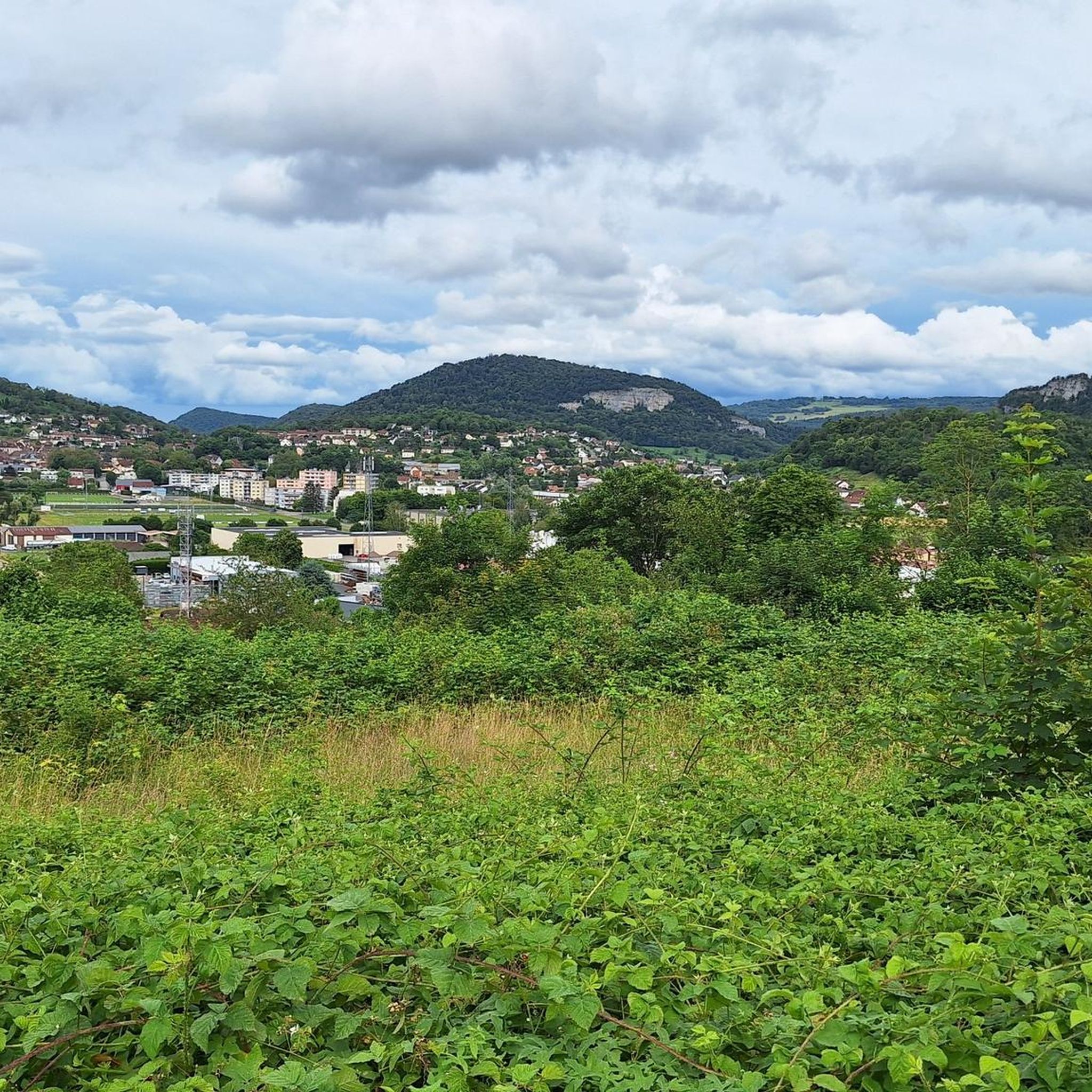
Magnificent panoramas at an altitude of 455 meters. We can also see the Babre slot nestled in the Lavenne woods.
3
0
As the name suggests, this water is crystal clear sea blue. Is it worth visiting and maybe taking a dip?
2
0

High grotto with wonderful limescale deposits - accessible via a metal ladder even without equipment. The grotto does not lead deep into the rock, the daylight is sufficient, you do not need a flashlight. It is freely accessible to everyone.
1
0

At the top of these cliffs, the Saut de Gamache belvedere overlooks the Doubs valley. It allows you to discover Baume-les-Dames nestled between the hills and the village of Esnans below.
2
1

The cave is listed as a real classic among speleologists. Through a very small shaft entrance of just 30 x 50 cm. you have to abseil about 7 meters ... Then the next 18 meter deep shaft. A final climbing step, about 5 meters lower, ends in an impressive and large hall with beautiful stalactite columns.
4
0
Frequently Asked Questions
What types of natural monuments can I explore around Fontenotte?
The area around Fontenotte is rich in diverse natural monuments, including spectacular viewpoints, unique water sources, and impressive geological formations. You can discover dramatic rock formations like the Roche de Chatard Viewpoint, serene springs such as La Source bleue, and fascinating caves like Grotte Sous Buen. The broader Doubs department also features significant waterfalls like the Saut du Doubs and extensive karst formations.
Are there natural monuments suitable for families with children?
Yes, several natural monuments around Fontenotte are family-friendly. The Saut de Gamache Viewpoint, located directly on the EuroVelo 6, offers impressive rocky landscapes and is easily accessible. The Grotte Sous Buen is another great option, featuring wonderful limescale deposits and accessible via a metal ladder without special equipment, making it an exciting discovery for all ages.
Where can I find the best panoramic views of the region?
For magnificent panoramas, visit the Roche de Chatard Viewpoint, which offers stunning vistas from an altitude of 455 meters, including the Babre slot nestled in the Lavenne woods. Another excellent spot is the Saut de Gamache Viewpoint, providing views over the Doubs valley and Baume-les-Dames.
What unique water features can I visit near Fontenotte?
The region is home to several captivating water features. La Source bleue is a notable Vauclusian spring, emerging in an oval basin with striking turquoise blue waters. Further afield, the spectacular Saut du Doubs waterfall on the French-Swiss border and the picturesque Source de la Loue, known for its beauty and association with Gustave Courbet, are also worth exploring.
Are there opportunities for caving or exploring underground formations?
Yes, the area offers opportunities for exploring caves. The Grotte Sous Buen is easily accessible and features beautiful limescale deposits. For those seeking a more challenging caving experience, the Grotte du Petit Siblot is a classic among speleologists, requiring abseiling through shafts to reach impressive halls with stalactite columns. The broader Jura region is also famous for its karst topography, including numerous caves and chasms.
What outdoor activities can I do near these natural monuments?
The natural monuments around Fontenotte are excellent starting points for various outdoor activities. You can enjoy gravel biking on routes like 'Le pont rouge – Saut de Gamache Viewpoint loop' or 'Back to sources'. For running, there are trails such as 'Croix de Chatard loop' and 'Le pont rouge – Roche de Chatard Viewpoint loop'. Mountain biking enthusiasts can explore routes like 'Roche-lez-Beaupré Dam – At Baume loop'. Find more details on these activities in the Gravel biking around Fontenotte, Running Trails around Fontenotte, and MTB Trails around Fontenotte guides.
Are there hiking trails near the natural monuments?
Absolutely. Many natural monuments are integrated into or close to hiking trails. For instance, the area around the Roche de Chatard Viewpoint offers routes like the 'Croix de Chatard loop'. The Saut du Doubs features hiking trails along its canyons, and Mont d'Or is crisscrossed with numerous ridge walks offering high-altitude scenery. The Espaces naturels sensibles (ENS) in Doubs also provide marked trails for exploring diverse ecosystems.
What is the best time of year to visit the natural monuments around Fontenotte?
The natural monuments around Fontenotte and the broader Doubs region are beautiful throughout the year, but the best time depends on your preferred activities. Spring and autumn offer pleasant temperatures for hiking and cycling, with vibrant foliage or blooming flora. Summer is ideal for water activities at Saint-Point Lake or boat tours at Saut du Doubs. Some areas, like Mont d'Or, are also popular for winter sports, offering a different kind of natural beauty.
Are there any natural areas focused on ecological preservation?
Yes, the Doubs department actively preserves a network of 'Espaces naturels sensibles' (ENS), which are sensitive natural areas showcasing the region's diverse ecosystems. These include peat bogs, wetlands, dry grasslands, and cliffs. Nineteen of these sites are developed for public access with marked trails and informational panels, offering a chance to learn about local flora and fauna. The Frasne Peat Bogs, a Regional Nature Reserve, also provide a unique ecological experience with a pontoon path for visitors.
What do visitors enjoy most about the natural monuments in this region?
Visitors frequently appreciate the stunning panoramic views, the tranquility of the natural settings, and the variety of outdoor activities available. The unique geological features, such as the turquoise waters of La Source bleue and the dramatic cliffs visible from the Saut de Gamache Viewpoint, are often highlighted. The opportunity for peaceful strolls amidst nature's beauty, like in the Cusancin Valley, is also a common favorite.
Are there natural monuments that are less crowded?
While popular sites like Saut du Doubs can attract crowds, many of the Espaces naturels sensibles (ENS) and smaller, more secluded spots offer a tranquil experience. The Cusancin Valley, for example, is cherished for its peaceful ambiance and verdant landscapes, providing a quiet escape. Exploring some of the less-known hiking trails in the Jura massif can also lead you to serene natural settings away from the main tourist paths.
Can I find natural monuments with historical or cultural significance?
While primarily natural, some sites carry cultural significance. The Source de la Loue, for instance, is renowned for its beauty and its association with the famous Realist painter Gustave Courbet, who drew inspiration from its landscapes. The historical significance of peat extraction can also be learned at the Frasne Peat Bogs, offering insight into human interaction with the natural environment over time.
Most popular routes around Fontenotte
Most popular attractions around Fontenotte

Get inspired with the komoot mobile app


Explore more
Extend your search for the best caves by checking out these guides of the top ones around Fontenotte:
