Top 6 Natural Monuments around Sucy-En-Brie
Best natural monuments around Sucy-En-Brie offer a variety of natural spaces and parks, providing an escape from urban life. The area features expansive woodlands like the Forêt Domaniale de Notre-Dame, meadows, and ancient trees. These natural areas are characterized by streams, prairies, and hillsides with springs feeding into ponds, fostering diverse flora and fauna. Sucy-En-Brie's commitment to preserving green spaces ensures diverse natural experiences for visitors.
Best natural monuments around Sucy-En-Brie
- The most popular natural monuments is Chêne des Bruyères…
Last updated: July 2, 2026
Lake Gravelle
Highlight • Lake
Translated by Google •
Tip by

Rut Pond
Highlight • Lake
Translated by Google •
Tip by
Sign up now to discover places like this
Get recommendations on the best single tracks, peaks, & plenty of other exciting outdoor places.
Sign up for free
Chêne des Bruyères
Highlight • Forest
Translated by Google •
Tip by
The Oak of the Eight Roads
Highlight • Natural Monument
Translated by Google •
Tip by

Menhir of Boussy-Saint-Antoine
Highlight • Monument
This menhir is mentioned in ancient archival documents from 1621.
(source ville-boussy.fr/la-ville/son-patrimoine.html)
Translated by Google •
Tip by

Sign up for free to discover even more natural monuments around Sucy-En-Brie.
Sign up for free
Already have an account?
Start today with a free account
Your next adventure awaits.
Login or Signup


Other adventures around Sucy-En-Brie

Tips from the Community

An old legend has it that this megalith (pierre-fitte: fixed or erected stone) has the power to emit sounds at certain times of the year. This menhir is mentioned in ancient archival documents from 1621. (source https://www.ville-boussy.fr/la-ville/son-patrimoine.html)
0
0

In the Grosbois regional forest, a majestic oak tree stands proudly among the heather, well marked by an explanatory sign. This century-old oak tree, nestled in the heart of the forest, is a true natural monument and shows the richness and biodiversity of this wooded area. This site is accessible via a hiking trail.
1
0

Its originality and beauty!
0
0
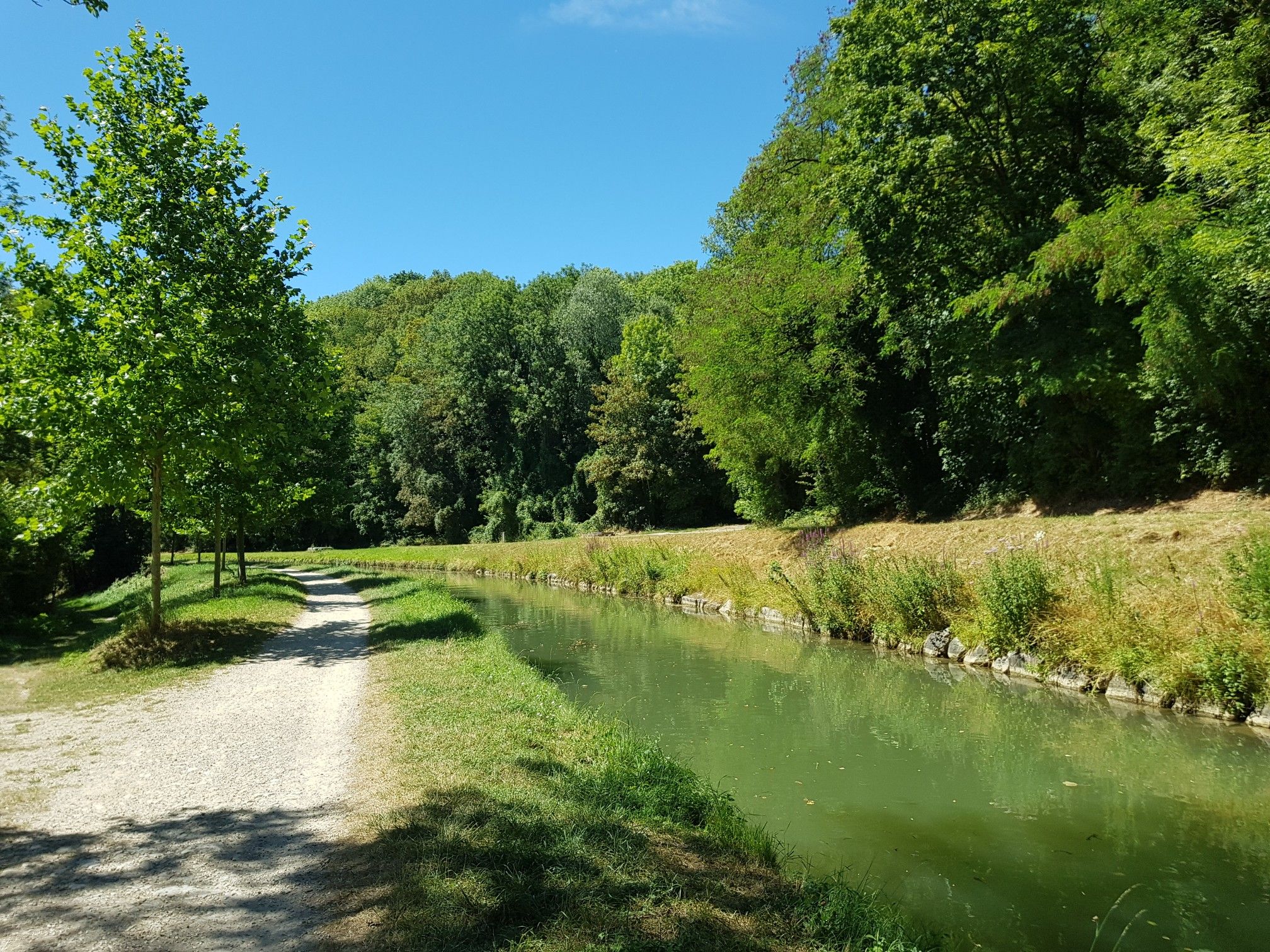
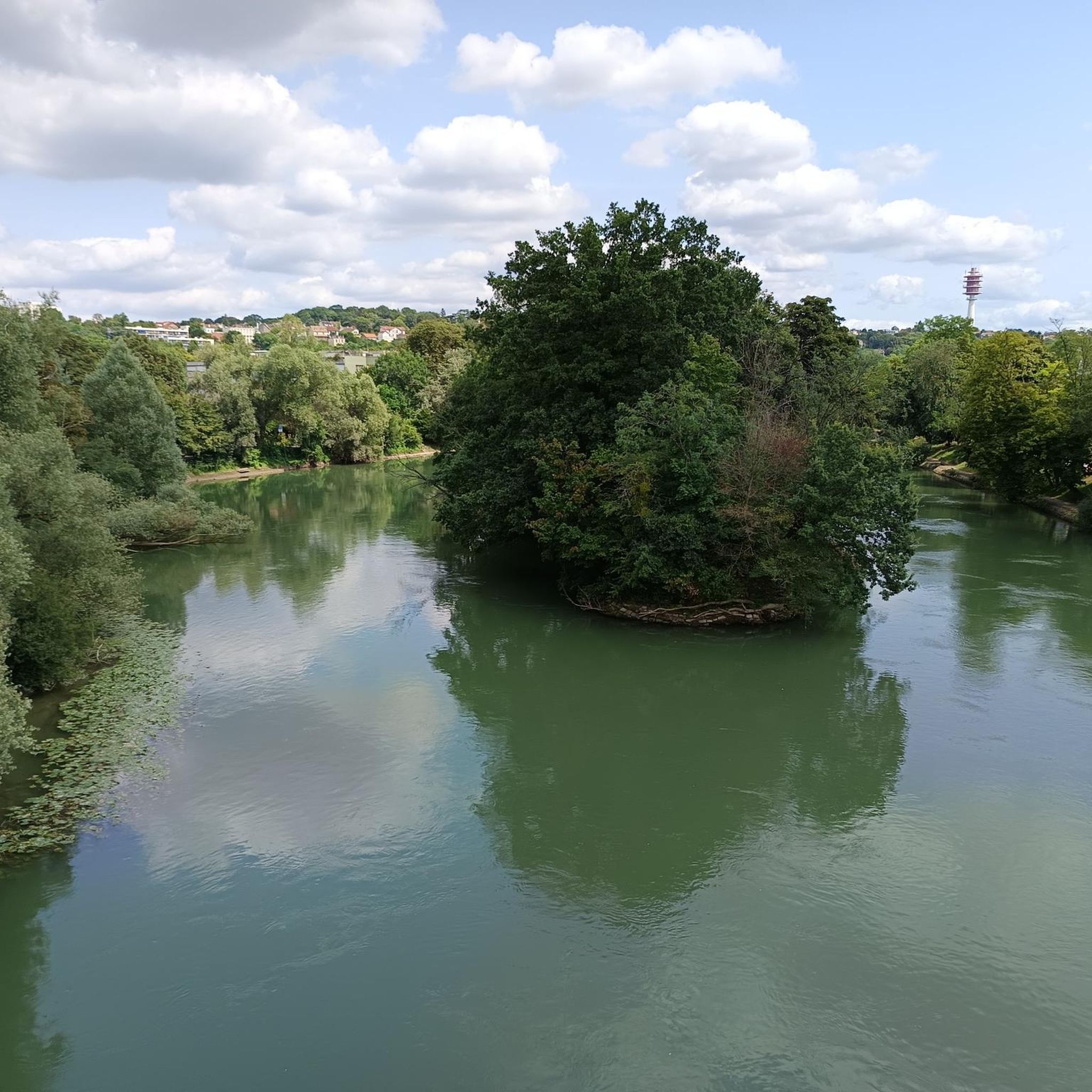
Located to the south-east of the Bois de Vincennes, Lac de Gravelle is the smallest of the four lakes in the area. Its area is around one hectare. Formerly supplied by the Marne, today the water is brought back from the Seine thanks to a hydraulic system provided by the pumping plant of the Austerlitz bridge. This preserved natural site is in fact completely artificial. But no less charming!
3
0
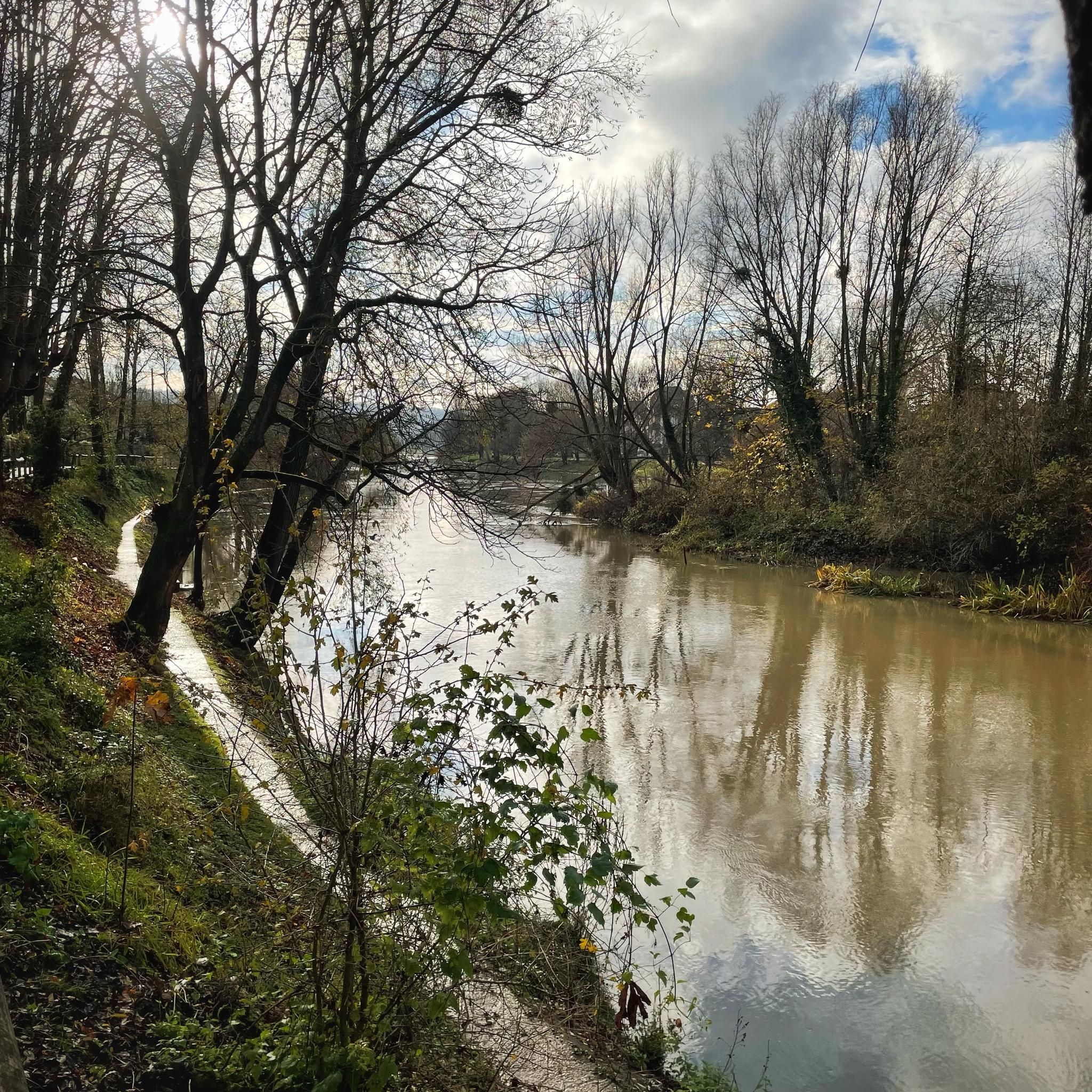
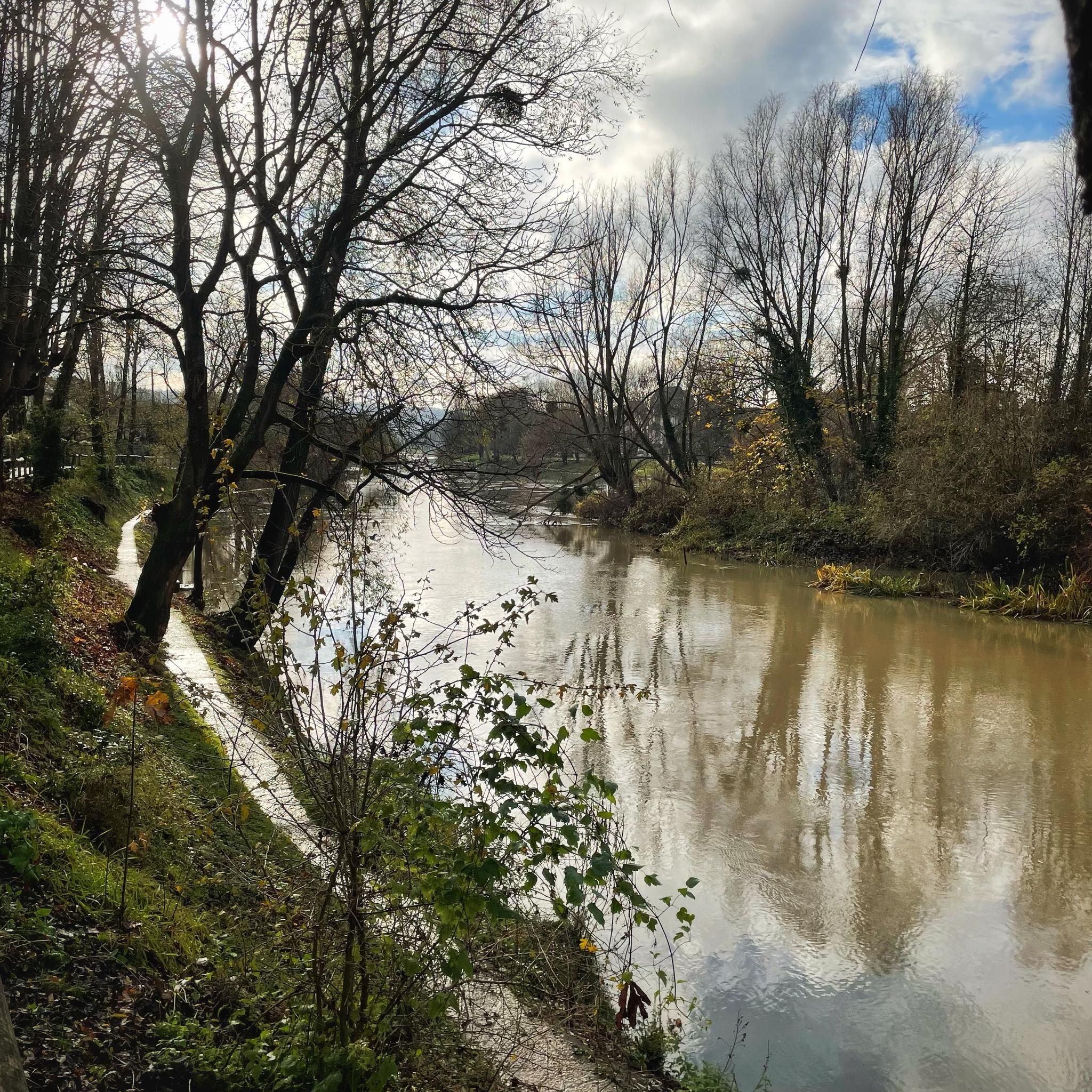
The ponds form part of the landscape of Île-de-France. They are home to a rich biodiversity: birds, unique plant species, amphibians... Unfortunately, the ponds are degrading day after day, which explains the disappearance of dragonflies. But many organizations are trying to preserve these magnificent places!
0
0

Small, idyllic lake with many water lilies. It is the smallest of the four lakes in the Bois de Vincennes!
7
0
Died in 2003, this oak has been present in the park since the reign of Henry IV, approximately 400 years. This giant has a total height of 29 m. Its circumference at 1 m 30 from the ground is 6 m. Its presence still contributes to the preservation of biodiversity today. Indeed, its trunk and branches offer refuge to several species of animals. (source aev-iledefrance)
1
0

Remarkable elements of our landscapes, ponds form places of life appreciated by a great diversity of species, both plant and animal. However, they are becoming scarce, particularly in Île-de-France. The degradation of wetlands is one of the main causes of dragonfly disappearance in the region. In its missions, the NFB strives to conserve these fragile reservoirs of biodiversity by undertaking specific maintenance work.
2
0
Frequently Asked Questions
What are some of the most popular natural monuments around Sucy-en-Brie?
Visitors frequently enjoy the serene beauty of Lake Gravelle, known for its idyllic setting and water lilies. Another favorite is Chêne des Bruyères, a majestic, century-old oak tree that contributes significantly to local biodiversity. Rut Pond is also highly appreciated for its rich biodiversity, including various bird species and unique plants.
Are there family-friendly natural sites in Sucy-en-Brie?
Yes, several natural monuments are suitable for families. The Lake Gravelle and Rut Pond are both listed as family-friendly, offering tranquil settings. Additionally, the Parc Départemental du Morbras provides play areas for children, nature trails, and picnic sites, making it an excellent choice for a family outing.
What kind of wildlife can I expect to see in the natural monuments around Sucy-en-Brie?
The natural areas are rich in biodiversity. At the Parc Départemental du Morbras, you might spot kingfishers, herons, woodpeckers, squirrels, hedgehogs, and foxes. The Morbras River itself hosts six fish species, newts, and frogs. Ponds like Rut Pond are home to diverse birds, unique plant species, and amphibians. Ancient trees like Chêne des Bruyères also provide refuge for various animal species.
Are there any natural monuments accessible for people with reduced mobility?
Yes, the Parc Départemental du Morbras is noted for its accessibility to people with reduced mobility, offering a chance for everyone to enjoy its diverse landscapes and natural beauty.
What outdoor activities can I do near these natural monuments?
You can enjoy a variety of outdoor activities. For cycling, consider routes like the 'Carrefour des Huit Routes – The Oak of the Eight Roads loop' or the 'Old railway – Heather Oak loop'. If you prefer hiking, there are trails such as the 'Villiers Fountain Brook – Fort of Sucy-en-Brie loop' or a general 'Hiking loop from Sucy-en-Brie'. You can find more details and routes on the Cycling around Sucy-En-Brie and Hiking around Sucy-En-Brie guide pages.
Are there any historical natural monuments in the area?
Yes, the Oak of the Eight Roads is a cherished natural landmark, estimated to be around 250 years old, offering a connection to the area's past. Another significant historical natural monument is the Chêne des Bruyères, a giant oak that has stood for approximately 400 years.
Where can I find information about the Parc Départemental du Morbras?
The Parc Départemental du Morbras is a significant natural asset spanning over 12 hectares. It's classified as a Sensitive Natural Area due to its rich biodiversity, including meadows, calcareous grasslands, undergrowth, and wetlands. For more detailed information, you can visit the Val-de-Marne tourism website: tourisme-valdemarne.com.
Can I bring my dog to the natural monuments?
While specific rules vary by location, many natural areas in France, including some parks and forests, allow dogs on leash. It's always best to check local signage or specific park regulations before visiting with your dog to ensure a pleasant experience for everyone.
What is the best time of year to visit the natural monuments around Sucy-en-Brie?
Spring and autumn are generally ideal for visiting, as the weather is mild and the landscapes are particularly vibrant with blooming flowers or colorful foliage. However, the natural monuments offer beauty year-round; winter walks can be serene, and summer provides lush greenery, though it can be warmer.
Are there any unique or 'hidden' natural gems worth discovering?
Beyond the well-known spots, Sucy-en-Brie boasts several green spaces like Parc de Chaumoncel, Park Garenniere, and Balade des pins. These areas are valued for their greenery, walking paths, and opportunities for relaxation, offering a refreshing respite from urban life and a chance to discover quieter natural settings.
What kind of trees are prominent in the natural monuments of Sucy-en-Brie?
Ancient oak trees are particularly prominent. The Oak of the Eight Roads and the Chêne des Bruyères are notable examples, with the latter being approximately 400 years old. These majestic trees are not only natural monuments but also crucial for local biodiversity.
Are there any megalithic sites or ancient stones near Sucy-en-Brie?
Yes, the Menhir of Boussy-Saint-Antoine is a notable megalithic site. An old legend suggests this 'pierre-fitte' (fixed or erected stone) has the power to emit sounds at certain times of the year, and it has been mentioned in archival documents since 1621.
Most popular routes around Sucy-En-Brie
Most popular attractions around Sucy-En-Brie

Get inspired with the komoot mobile app


Explore more
Extend your search for the best caves by checking out these guides of the top ones around Sucy-En-Brie:
