Top 20 Natural Monuments around Oppède
Best natural monuments around Oppède are situated within a landscape defined by the Luberon Regional Nature Park. This region presents diverse natural environments, including oak forests, steep cliffs, and dramatic limestone gorges carved by rivers. The area offers numerous opportunities for outdoor exploration, with a blend of historical sites and significant geological formations. Visitors can experience the varied Provençal countryside, from panoramic viewpoints to unique botanical paths.
Best natural monuments around Oppède
- The most popular natural monuments is Fontaine-de-Vaucluse,…
Last updated: May 4, 2026
Fontaine-de-Vaucluse
Highlight • Monument
Translated by Google •
Tip by

Luberon Cedar Forest Trail (Forêt des Cèdres du Luberon)
Highlight • Forest
This forest has only existed since 1860. The …
Translated by Google •
Tip by
Sign up now to discover places like this
Get recommendations on the best single tracks, peaks, & plenty of other exciting outdoor places.
Sign up for free
Sénancole Valley
Highlight • Gorge
Translated by Google •
Tip by

Ubac Dolmen
Highlight • Historical Site
Translated by Google •
Tip by
Portalas Viewpoint
Highlight • Viewpoint
Translated by Google •
Tip by

Sign up for free to discover even more natural monuments around Oppède.
Sign up for free
Already have an account?
Start today with a free account
Your next adventure awaits.
Login or Signup
Tips from the Community

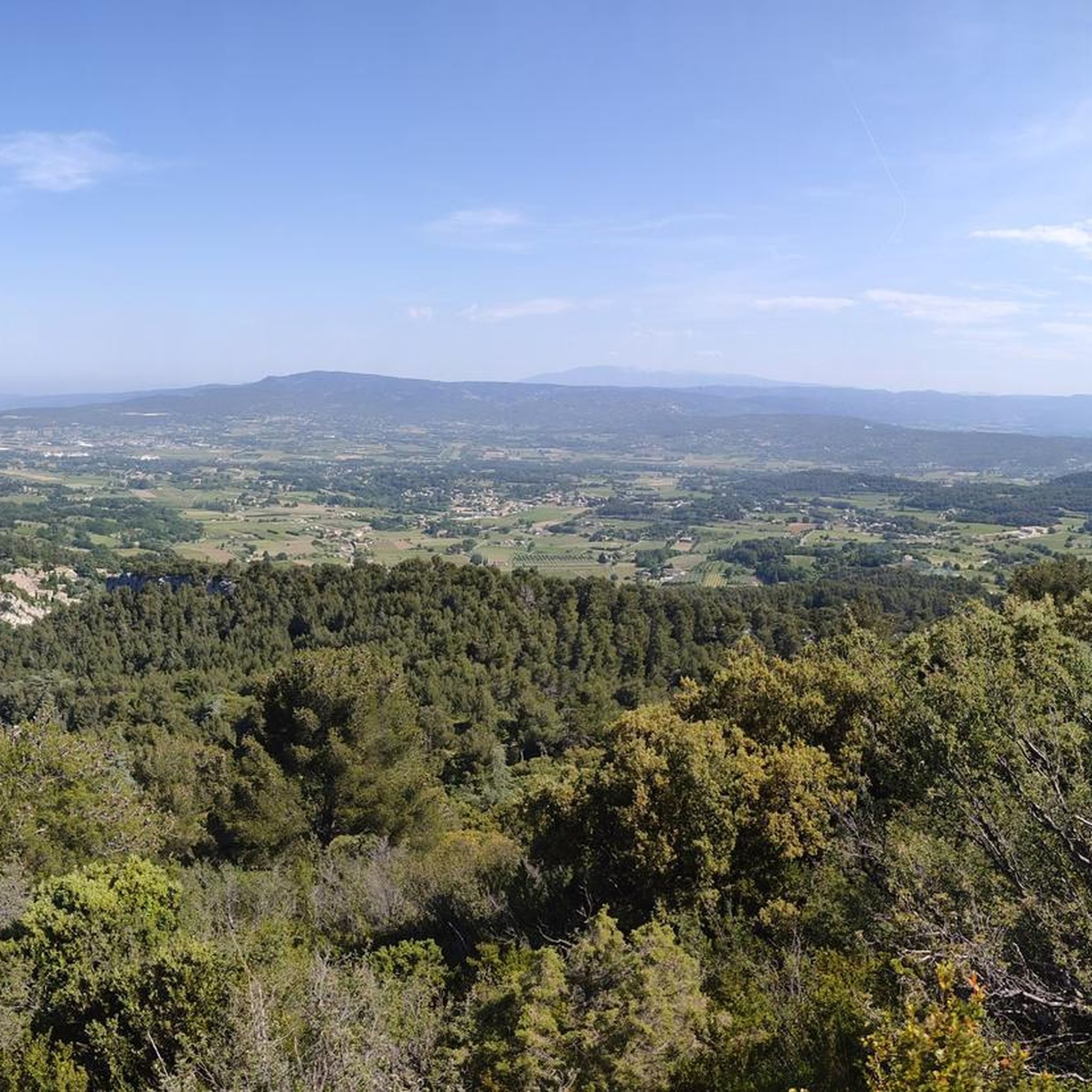
A superb vantage point with views all the way to the Mediterranean. Easily accessible from the parking lot. The further path along the ridge requires more skill.
0
1
A beautiful and mostly leisurely hiking trail through the gorge. Occasional climbing sections.
0
0

Hike done with a group of 17 from the village of Borries towards Senanque which we were unable to reach. The path in the Senancole valley is pleasant even if strewn with small pitfalls. At the top of the valley the rocky passage is too difficult for some people and we had to turn back.
0
0

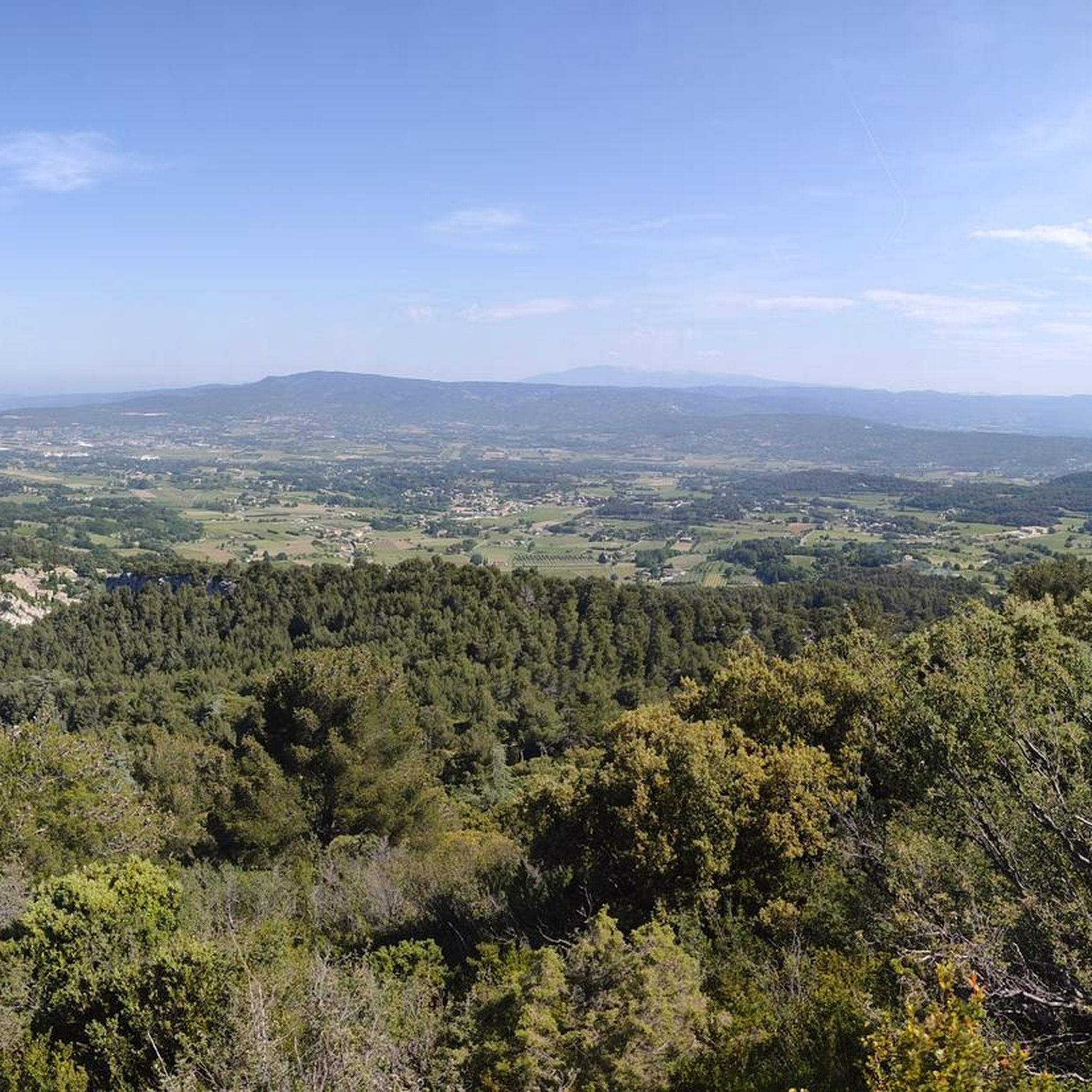
Superb viewpoint over the southern slope of the Petit Luberon and the vast Durance plain.
0
0

The place is the namesake of the department of Vaucluse. Until 1946, this was also the official name of the municipality. In order to avoid confusion, it was decided in that year to change the name to Fontaine-de-Vaucluse. Vaucluse is derived from the Latin "Vallis clausa" which means "closed valley". During the Middle Ages, the village church was a place of pilgrimage because of the tomb of Bishop Veranus of Cavaillon.
9
2


The dolmens are between 3,300 and 2,900 BC. been erected. It housed about fifty people of all ages and genders
4
0
Built around 1030 (probably along with its church), a deed of donation mentions it in 1034, but the ruins date from the early twelfth century. The extraordinary place "Vallis Clausa", the closed valley, was the inspiration for the name Vaucluse.
3
0
Frequently Asked Questions
What are some of the most popular natural monuments to visit around Oppède?
Visitors frequently enjoy Fontaine-de-Vaucluse, known as the largest resurgence in Europe where an underground river emerges from a 230-meter high cliff. Another favorite is the Luberon Cedar Forest Trail (Forêt des Cèdres du Luberon), offering serene paths through century-old cedar trees and beautiful viewpoints. The Portalas Viewpoint is also highly regarded for its extensive views over the Durance plain, stretching to the Mediterranean on clear days.
Are there family-friendly natural monuments or activities near Oppède?
Yes, several natural sites are suitable for families. Fontaine-de-Vaucluse is a popular and accessible destination. The Luberon Cedar Forest Trail offers easy, well-marked paths, including one suitable for wheelchairs. Additionally, the Ubac Dolmen, a Neolithic tomb, is an interesting historical site that is free to visit and located near a cycle path, making it an easy stop for families.
What kind of natural features can I expect to see in the Oppède region?
The Oppède region, nestled within the Luberon Regional Nature Park, boasts diverse natural features. You'll find dramatic limestone gorges carved by rivers, extensive oak forests, and steep cliffs. Panoramic viewpoints offer vistas of valleys, vineyards, and olive groves. Specific features include the unique resurgence at Fontaine-de-Vaucluse, the ancient cedar trees of the Luberon Cedar Forest Trail, and the rugged terrain of the Sénancole Valley.
Are there challenging hiking trails to natural monuments around Oppède?
For experienced hikers seeking a challenge, the Sénancole Valley offers a demanding hike with scrambling sections, requiring sure-footedness. The wider Luberon region also features deep gorges and narrow passages, such as the Régalon spring cave, which can involve navigating through water and climbing passages, providing an adventurous exploration of the region's rugged beauty.
What are the best viewpoints to experience the natural landscape near Oppède?
The Portalas Viewpoint provides superb panoramic views over the southern slope of the Petit Luberon and the vast Durance plain, extending to the Mediterranean. Additionally, the medieval village of Oppède-le-Vieux, perched on a rocky hill, offers breathtaking vistas of the Luberon landscape, surrounding valleys, vineyards, and olive groves.
What is the best time of year to visit the natural monuments around Oppède?
While specific recommendations vary, visiting in the shoulder seasons (spring and autumn) generally offers pleasant weather for hiking and exploring. During peak tourist season, it is advisable to visit popular sites like Fontaine-de-Vaucluse early in the morning to avoid crowds.
Are there any historical or archaeological natural monuments in the area?
Yes, the Ubac Dolmen is a magnificent Neolithic tomb, dating from 3,300 to 2,900 BC. It was carefully moved stone by stone to preserve it and is now freely accessible near the cycle path connecting Cavaillon to Apt. The medieval village of Oppède-le-Vieux also blends historical architecture with natural backdrops, offering a unique experience.
What outdoor activities, besides visiting monuments, can I do near Oppède?
The region around Oppède is excellent for various outdoor activities. You can find numerous routes for road cycling, with options like the Road Cycling Routes around Oppède. For more leisurely cycling, explore the Cycling around Oppède guide. There are also several Running Trails around Oppède, including loops around Oppède-le-Vieux and Maubec.
Are there any natural monuments or trails accessible for people with limited mobility or wheelchairs?
Yes, the Luberon Cedar Forest Trail (Forêt des Cèdres du Luberon) offers a specific blue-marked tour designed for handicapped people, making it suitable for wheelchair access. This allows everyone to experience the tranquility and beauty of the century-old cedar forest.
What are some unique natural areas to explore beyond the main highlights?
Beyond the well-known sites, you can explore the Sainte-Cécile Gardens, located below Oppède-le-Vieux. These gardens feature a botanical path showcasing local and Mediterranean plant species, offering a 'poetic' interlude. Another option is the Sentier des Ribas, a shaded walking trail leading along the Luberon massif, providing a more intimate and verdant escape into nature.
Can I bring my dog to the natural monuments and trails around Oppède?
While many natural areas in the Luberon Regional Nature Park are dog-friendly, it's always best to check specific regulations for each site. For challenging trails like the Sénancole Valley, be aware that some sections may require carrying your dog due to scrambling or difficult terrain. Always keep dogs on a leash and clean up after them.
How long should I plan for a visit to the natural monuments in the Oppède area?
The duration of your visit depends on the specific monument and your activity. For sites like Fontaine-de-Vaucluse or the Portalas Viewpoint, a few hours might suffice. For hiking trails in the Luberon Cedar Forest or the challenging Sénancole Valley, plan for half a day to a full day, depending on the route's length and difficulty.
Most popular attractions around Oppède

Get inspired with the komoot mobile app


Explore more
Extend your search for the best caves by checking out these guides of the top ones around Oppède:
