Top 5 Natural Monuments around Lerné
Natural monuments around Lerné are situated within the Loire Anjou Touraine Regional Nature Park, an expansive area known for its natural and cultural heritage. This region, part of the Rabelais country in the Chinon area, features diverse landscapes including the Loire River and its tributaries, forests, and wetlands. The park's commitment to protecting its natural heritage makes it a valuable area for exploration.
Best natural monuments around Lerné
- The most popular natural monuments is Loire Riverside at Turquant, a…
Last updated: July 2, 2026
Loire Riverside at Turquant
Highlight • River
Translated by Google •
Tip by

Views of Chinon and beyond
Highlight (Segment) • Viewpoint
Above all, in the old tufa quarries that dig the cliff, discover the troglodyte houses.
Translated by Google •
Tip by

Sign up now to discover places like this
Get recommendations on the best single tracks, peaks, & plenty of other exciting outdoor places.
Sign up for free
Cinais Roman Camp
Highlight • Historical Site
Translated by Google •
Tip by

Confluence of the Loire and the Vienne
Highlight • River
Translated by Google •
Tip by

Vaon Dolmen
Highlight • Natural Monument
Translated by Google •
Tip by
Start today with a free account
Your next adventure awaits.
Login or Signup

Tips from the Community

The sights are good but the terrain is not especially after high winds and heavy rain. Some people might find it tricky to navigate.
0
0

The cave houses in question were carved into sandy limestone, which was probably deposited in the Cretaceous period. You can see from the layered structures that they were shallow sea or coastal deposits.
0
0

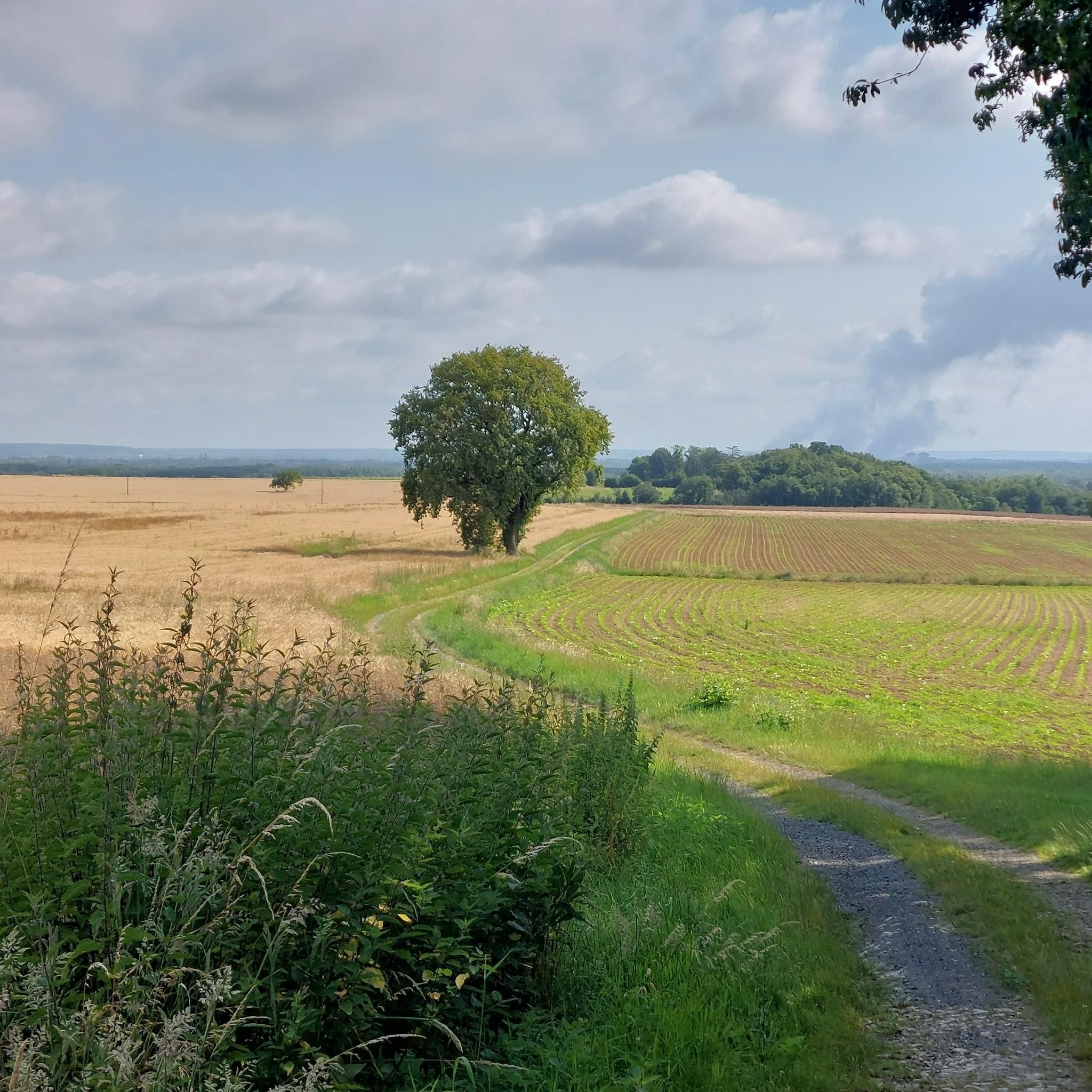
On this small bucolic path, enjoy a panoramic view of the suburbs of Chinon. Above all, in the old tufa quarries that dig the cliff, discover the troglodyte houses.
0
0

The Vaon Dolmen is an impressive 1.5m high and the chamber inside is 6m. The rock slabs are thought to come from the Butte de Saint-Drémont.
2
0
Enjoy the view of Chinon and beyond along this ridged path.
2
0
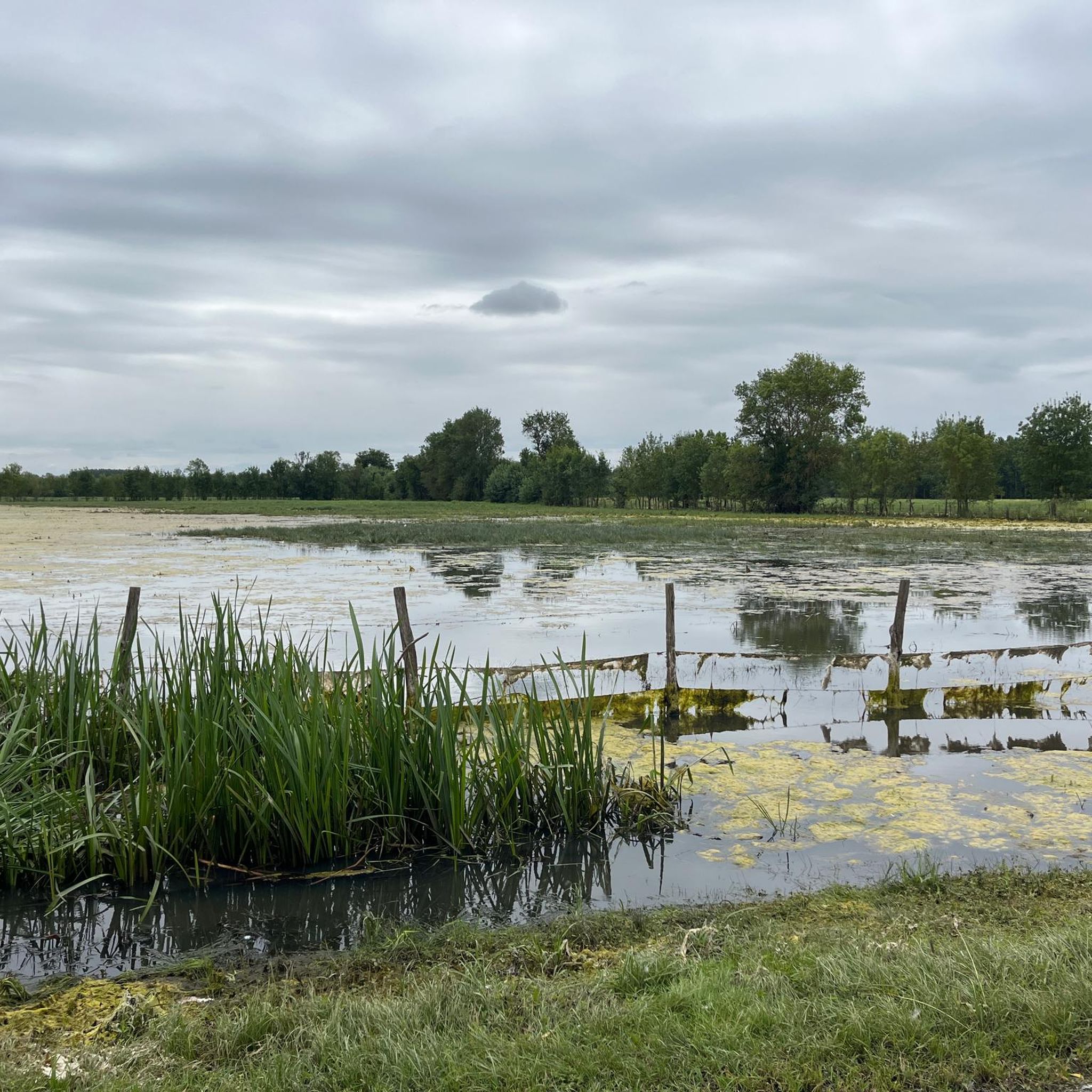
It is the site of a Roman camp dating from the Iron Age which, until its demolition, was a unique megalithic site in the region of Chinon. Apart from the few large boulders and stones left behind, the different colored heather growing in the area is the most striking visual highlight.
1
0

Old hill on which was probably erected a Roman oppidum of which there is no vestige. The place is however worth the detour for its many varieties of heather.
0
0

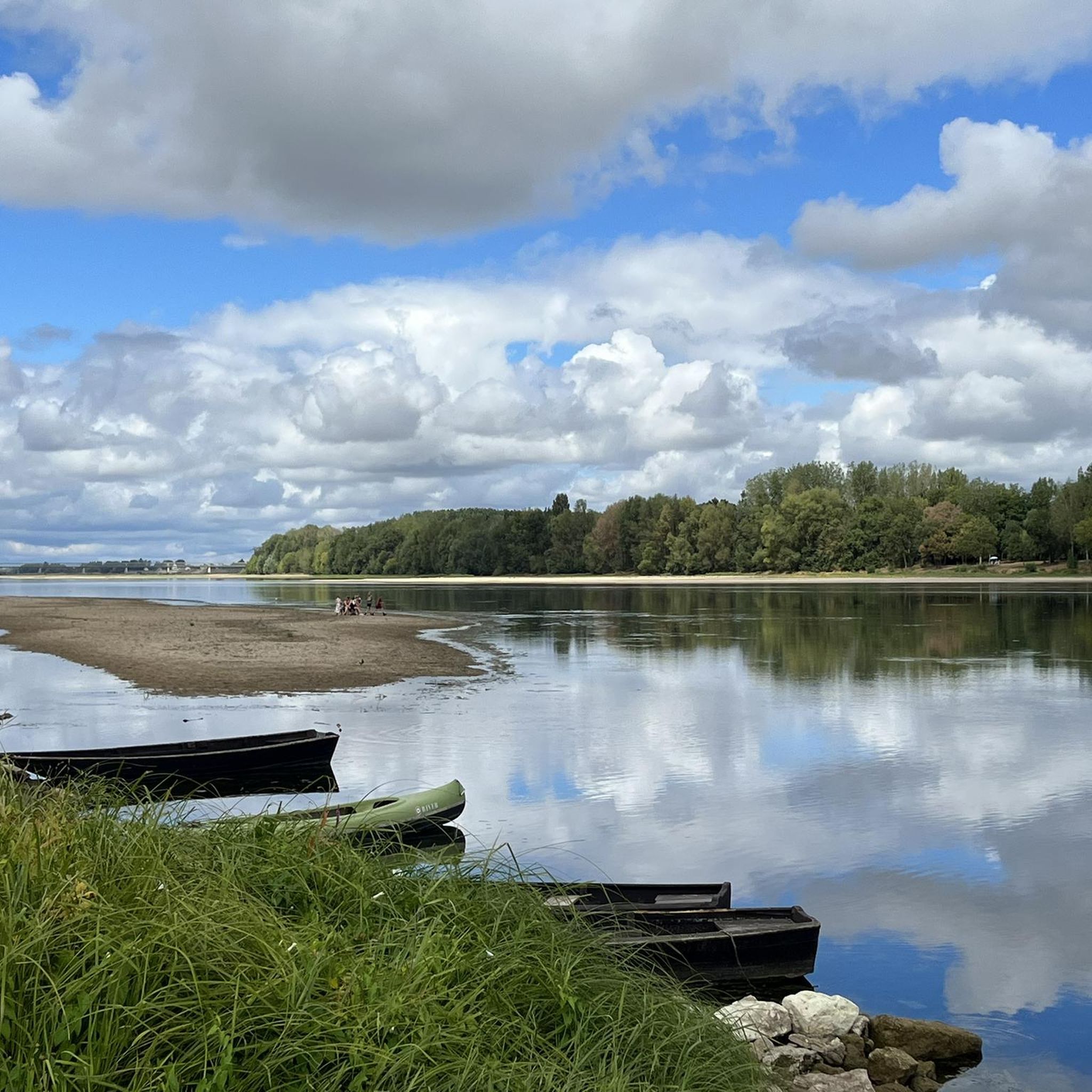
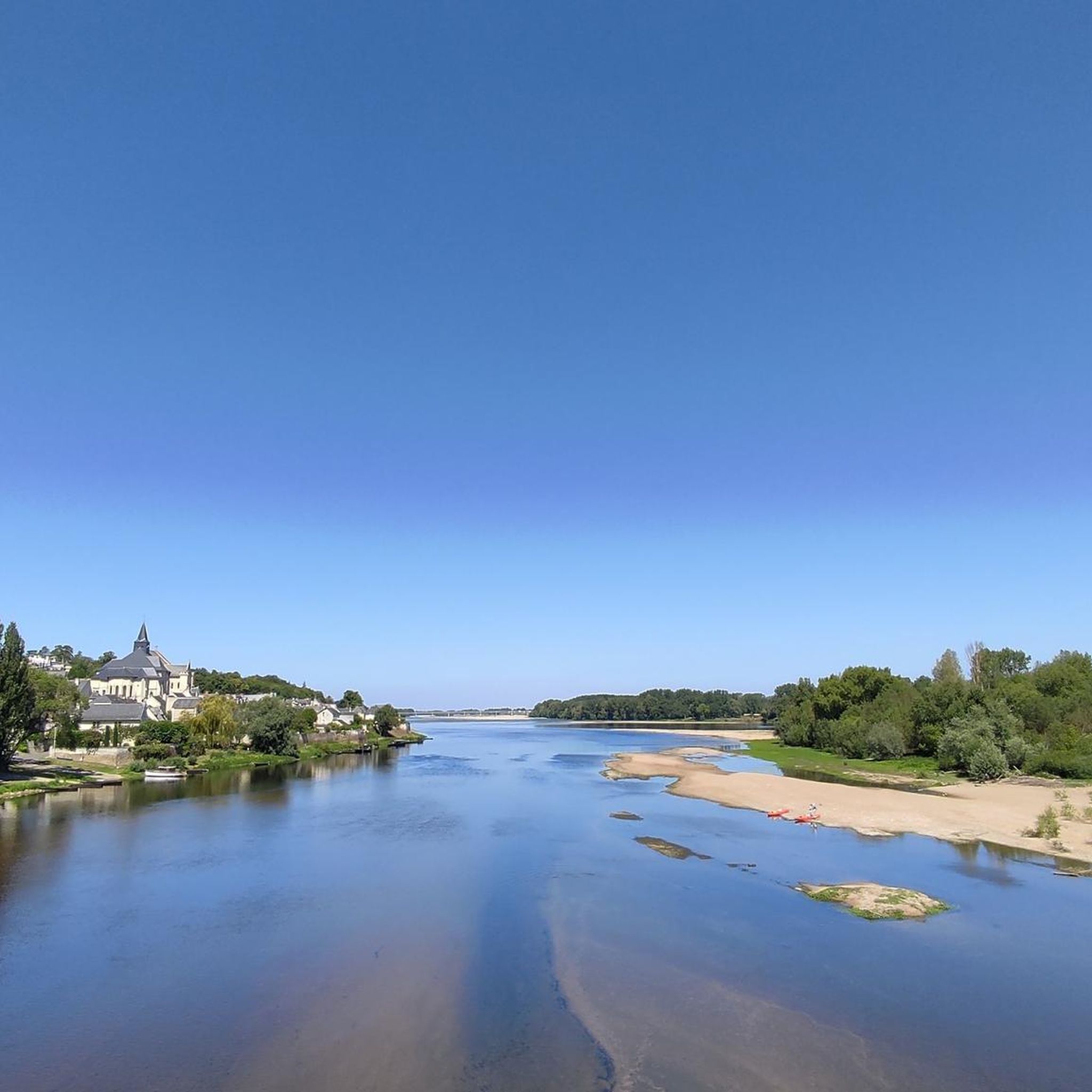
At the confluence of the Loire and the Vienne is Candes-Saint-Martin, a small typical village, a former fishing port which enjoys a unique panorama of these two rivers.
0
0
Frequently Asked Questions
What kind of natural monuments can I explore around Lerné?
The natural monuments around Lerné are primarily found within the expansive Loire Anjou Touraine Regional Nature Park. You can discover diverse landscapes, including the wild Loire Riverside at Turquant, the impressive Confluence of the Loire and the Vienne, and ancient geological formations like the Vaon Dolmen. The region also features viewpoints offering panoramic vistas, such as Views of Chinon and beyond, which includes troglodyte houses carved into tufa quarries.
Are there family-friendly natural monuments to visit near Lerné?
Yes, several natural monuments in the area are suitable for families. The Loire Riverside at Turquant and the Confluence of the Loire and the Vienne are both categorized as family-friendly, offering pleasant spots to enjoy the river scenery. Additionally, the Cinais Roman Camp, with its forest setting and historical context, is also a good option for families.
What makes the natural heritage around Lerné special?
The natural heritage around Lerné is special due to its location within the Loire Anjou Touraine Regional Nature Park, a UNESCO World Heritage site. It's characterized by France's longest wild river, the Loire, and its tributaries, creating unique landscapes of sandbanks, islands, vineyards, meadows, and forests. The region also boasts significant wetlands rich in flora and fauna, and geological formations like the tuffeau caves, which blend natural origins with historical human habitation.
Are there opportunities for hiking near the natural monuments around Lerné?
Absolutely. The region around Lerné offers numerous trails for hiking. You can find routes that explore the diverse ecosystems of the Loire Anjou Touraine Regional Nature Park, including forests, meadows, and riverbanks. For more detailed hiking options, you can explore the various routes available in the Lerné guide.
What outdoor activities can I do near these natural monuments?
Beyond exploring the natural monuments themselves, the area around Lerné is excellent for various outdoor activities. You can enjoy gravel biking with routes like the 'Loire Riverside Gravel Trail – Saumur loop from Montsoreau,' or mountain biking on trails such as 'Royal Abbey of Fontevraud – Troglodyte houses loop from Saint-Germain-sur-Vienne.' There are also many cycling routes, including 'Chinon Fortress – View of Château de Chinon loop from Thizay.' For more options, check out the Gravel biking around Lerné, MTB Trails around Lerné, and Cycling around Lerné guides.
Can I bring my dog to the natural monuments around Lerné?
Generally, the natural areas and trails in the Loire Anjou Touraine Regional Nature Park are dog-friendly, especially if kept on a leash. Specific rules might apply to certain protected areas or indoor attractions. For outdoor natural monuments like the Loire Riverside at Turquant or the Cinais Roman Camp, dogs are usually welcome, allowing you to enjoy the natural beauty with your canine companion.
What historical or cultural elements are integrated with the natural monuments?
The region beautifully blends natural and historical elements. For instance, the Views of Chinon and beyond offers panoramic views that include troglodyte houses carved into ancient tufa quarries. The Cinais Roman Camp is a historical site set within a natural forest, known for its unique heather varieties. Even the tuffeau caves, while natural geological formations, have a rich history of human modification and habitation.
What do visitors enjoy most about the natural monuments around Lerné?
Visitors particularly enjoy the magnificent spots along the Loire River, such as the Loire Riverside at Turquant, appreciating the wild beauty of France's longest river. The panoramic views from spots like Views of Chinon and beyond, which also feature unique troglodyte houses, are highly praised. The majestic Confluence of the Loire and the Vienne is also a favorite for its unique panorama.
Are there any viewpoints offering scenic vistas of the region?
Yes, the area boasts several excellent viewpoints. The Views of Chinon and beyond provides a panoramic perspective of Chinon and its surroundings, including fascinating troglodyte houses. The Confluence of the Loire and the Vienne also offers a unique panorama of the two rivers, especially near the picturesque village of Candes-Saint-Martin.
What is the best time to visit the natural monuments around Lerné?
The Loire Anjou Touraine Regional Nature Park, where Lerné is located, is beautiful throughout the year. Spring and autumn offer pleasant temperatures for outdoor activities like hiking and cycling, with vibrant foliage or blooming flora. Summer is ideal for river activities and enjoying the longer daylight hours, though it can be busier. Winter provides a quieter experience, with a different kind of serene beauty, especially along the riverbanks.
Are there any ancient geological formations to see?
Yes, the region features ancient geological formations. The Vaon Dolmen is an impressive megalithic structure, with rock slabs thought to originate from the Butte de Saint-Drémont. Additionally, the tuffeau caves, while often modified by humans, are natural geological formations carved into soft limestone, offering a glimpse into the region's ancient past.
Can I experience the Loire River up close?
Absolutely. The Loire River is a central feature of the region. You can experience it up close at the Loire Riverside at Turquant, which offers magnificent spots for cycling or walking along its banks. The Confluence of the Loire and the Vienne provides a unique perspective where two major rivers meet, often enjoyed from the charming village of Candes-Saint-Martin. Boat trips are also a tranquil way to experience its wild beauty.
Most popular attractions around Lerné

Get inspired with the komoot mobile app


Explore more
Extend your search for the best caves by checking out these guides of the top ones around Lerné:
