Top 19 Natural Monuments around Saint-Jean-De-Couz
Best natural monuments around Saint-Jean-De-Couz are situated within the Chartreuse massif, offering diverse natural features. The commune itself lies in the Couz valley, shaped by the Hyère and Fontaine Froide streams, which contribute to the area's natural hydrology. This region provides access to a variety of natural sites, from tranquil streams to mountain peaks. The landscape features forests, valleys, and geological formations characteristic of the Chartreuse Regional Natural Park.
Best natural monuments around Saint-Jean-De-Couz
- The most popular natural monument is…
Last updated: July 2, 2026
Saint-Même Cirque Waterfalls
Highlight • Waterfall
Translated by Google •
Tip by

Lac d'Aiguebelette
Highlight • Lake
Translated by Google •
Tip by

Sign up now to discover places like this
Get recommendations on the best single tracks, peaks, & plenty of other exciting outdoor places.
Sign up for free
La Cochette Cross
Highlight • Summit
Translated by Google •
Tip by

La Balme Cave in Collomb
Highlight • Cave
Translated by Google •
Tip by

Grand Som
Highlight • Summit
Translated by Google •
Tip by
Sign up for free to discover even more natural monuments around Saint-Jean-De-Couz.
Sign up for free
Already have an account?
Start today with a free account
Your next adventure awaits.
Login or Signup
Tips from the Community

The Cirque de Saint-Même, located at an altitude of 900 m, offers walkers landscapes of rare beauty. In a green setting, you will enjoy the coolness of three superb waterfalls dominated by an impressive cliff amphitheater. https://www.chartreuse-tourisme.com/offres/cirque-de-saint-meme-saint-pierre-dentremont-fr-2715680/
0
0

The access is very well signposted, and you can do a lovely loop hike, starting from Saint-Même-le-Haut, or from Saint-Pierre-d'Entremont for the more adventurous. At the end of winter, the water level can be very high.
0
0

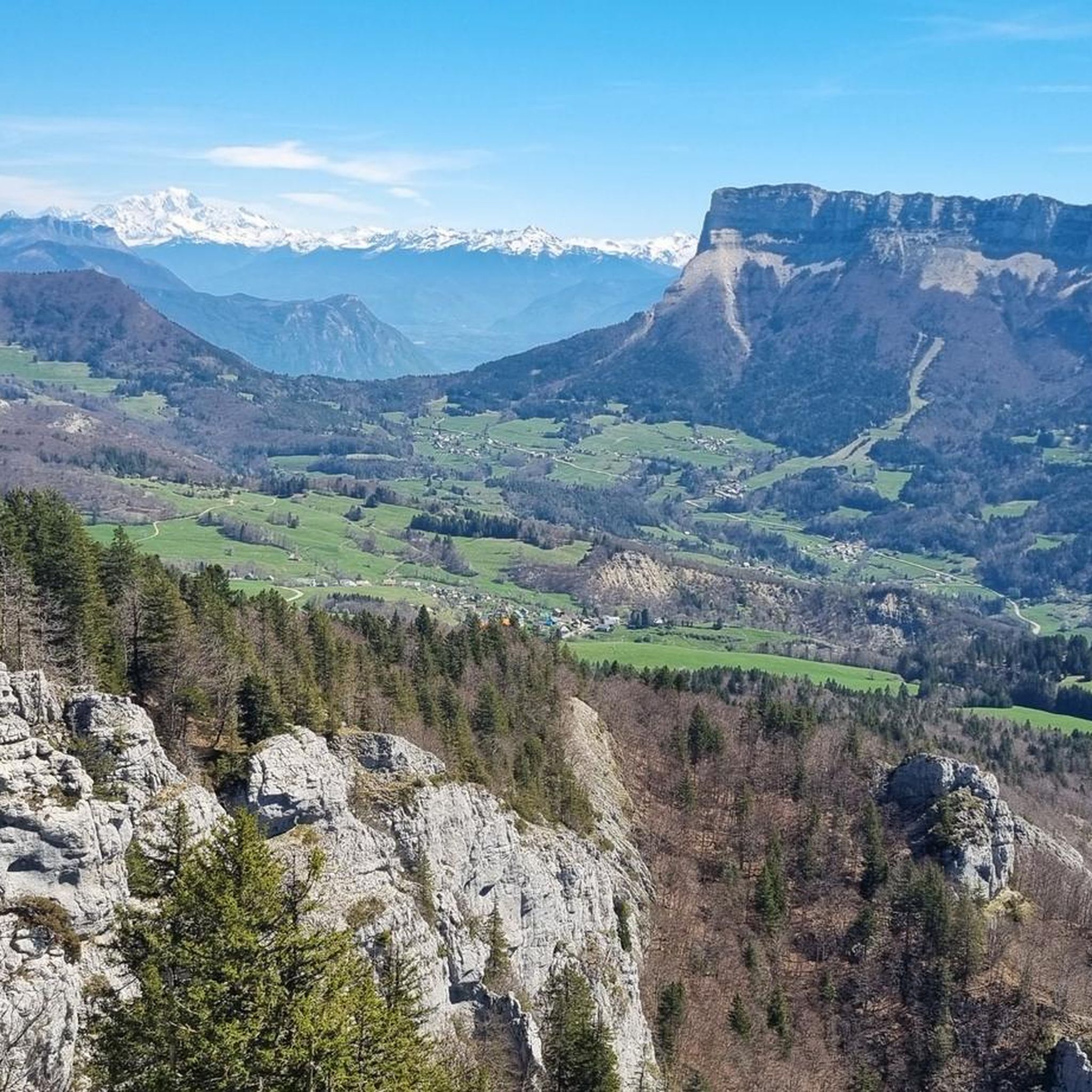
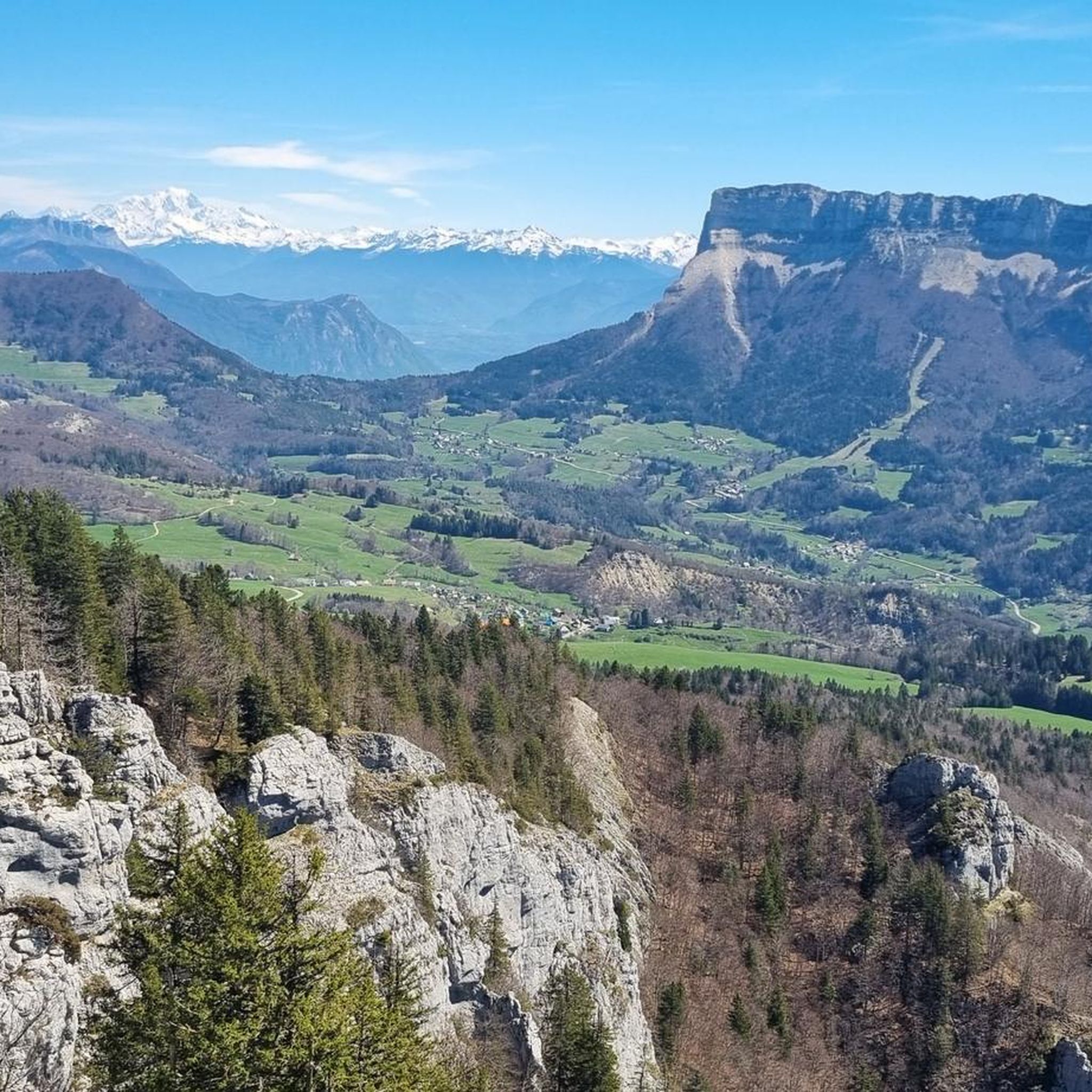
Magnificent view of the heart of the Chartreuse region, the plain of St. Laurent du Pont, and Mont Blanc in the background, seemingly within arm's reach. The access path via the ridge that connects to Outheran is very straightforward. The climb from St. Jean de Couz on the SW side is quite complicated. The path is barely visible and rather difficult to follow on a very steep face. The final section leads up a very steep couloir, through a slippery and unstable scree slope. Furthermore, the exposure to falling rocks is quite significant; extreme caution is required (helmet recommended). The final section consists of short climbing sections and very steep ascents in fairly exposed grassy terrain (fairly straightforward, but exposed).
0
0

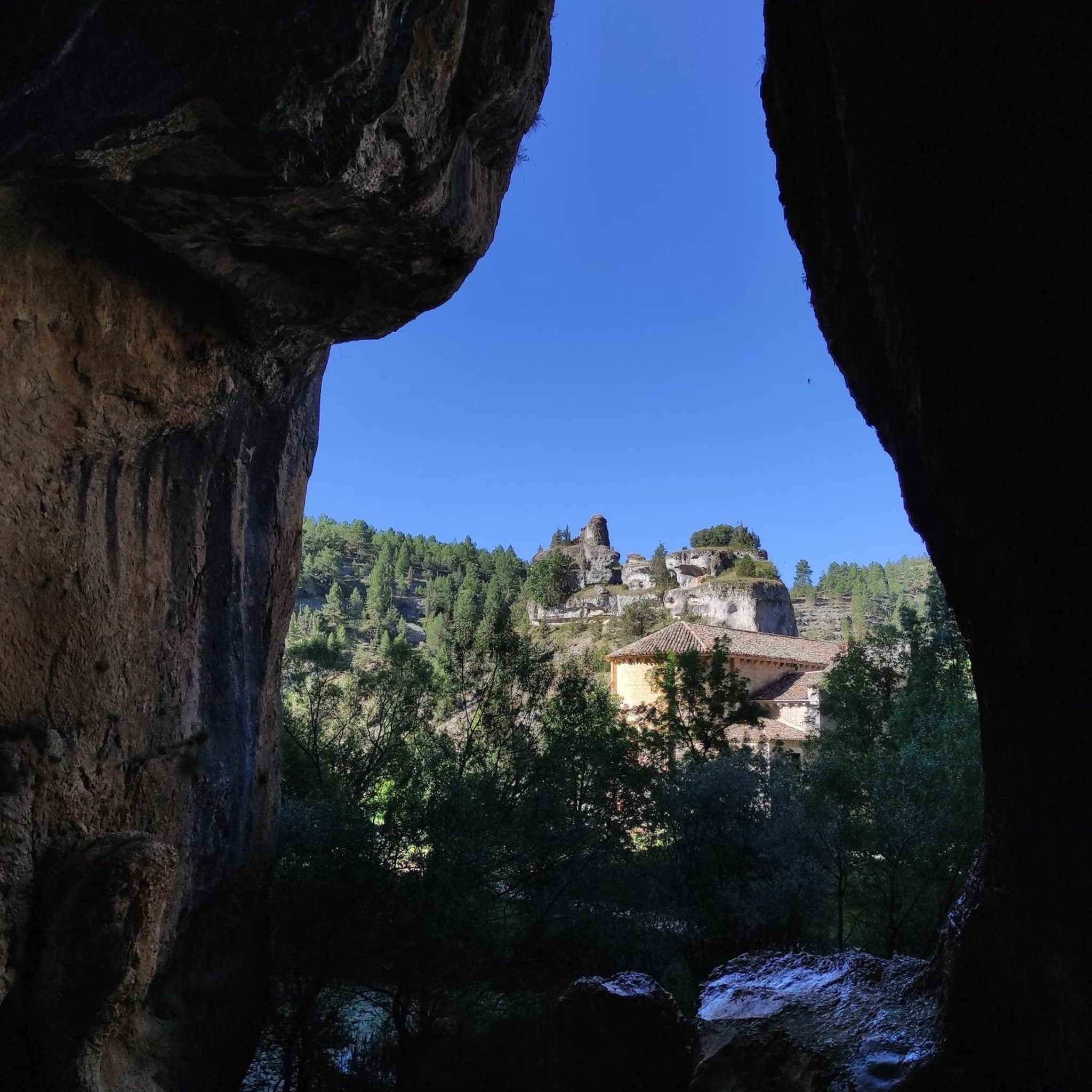
Magnificent viewpoint, both at the top and at the bottom. Some technical sections favor hiking rather than trail running. You'll find ibexes (and their babies), chamois, and marmots at the summit. This is one of the trails worthy of a Windows wallpaper! 👌 If you do a full tour, there are some sections that are close to climbing, so be warned. However, it's possible to turn around everywhere, with plenty of side sections, so there are always solutions! 😁
0
0
Magnificent! But be careful on the second part it is much more technical so hiking is ok, running less so :/
0
0

Lake Aiguebelette is a natural lake located in France in the Savoie department in the Auvergne-Rhône-Alpes region. Main lake of the Savoyard Avant-Pays, in the southern end of the Jura massif, it is located approximately 10 kilometers from Chambéry, approximately 40 kilometers from Grenoble and approximately 100 kilometers from Lyon. It has an area of 545 hectares and is as such the seventh natural French lake after Lake Geneva (in part), Lake Hourtin and Carcans, Lake Grand-Lieu, Lake Bourget, Lake Annecy and Lake Marville (at Kerguelen). Bordered to the east by the Épine chain which culminates with Mont Grelle at 1,427 meters and to the west by Mont Tournier, its maximum depth is 71 meters. At first glance, it is characterized by its often green color, whereas, in the same region, Lake Annecy is bluer and Lake Bourget is more often steel gray. Lake Aiguebelette is a private lake which belongs to the Rivérieulx de Chambost de Lépin family and Électrcité de France, who have entrusted its management to the Communauté de Communes du Lac d'Aiguebelette. Its banks are shared between five riverside municipalities: Aiguebelette-le-Lac, Lépin-le-Lac, Saint-Alban-de-Montbel, Novalaise and Nances. In the southern part of the lake there are two islands, surrounded by reed beds. In order to preserve the quality of its waters and its environment, thermal motor boats have been prohibited on the lake since a decree of 1967. It has also been the first regional freshwater nature reserve in France since March 2015. Source: Wikipedia
1
0

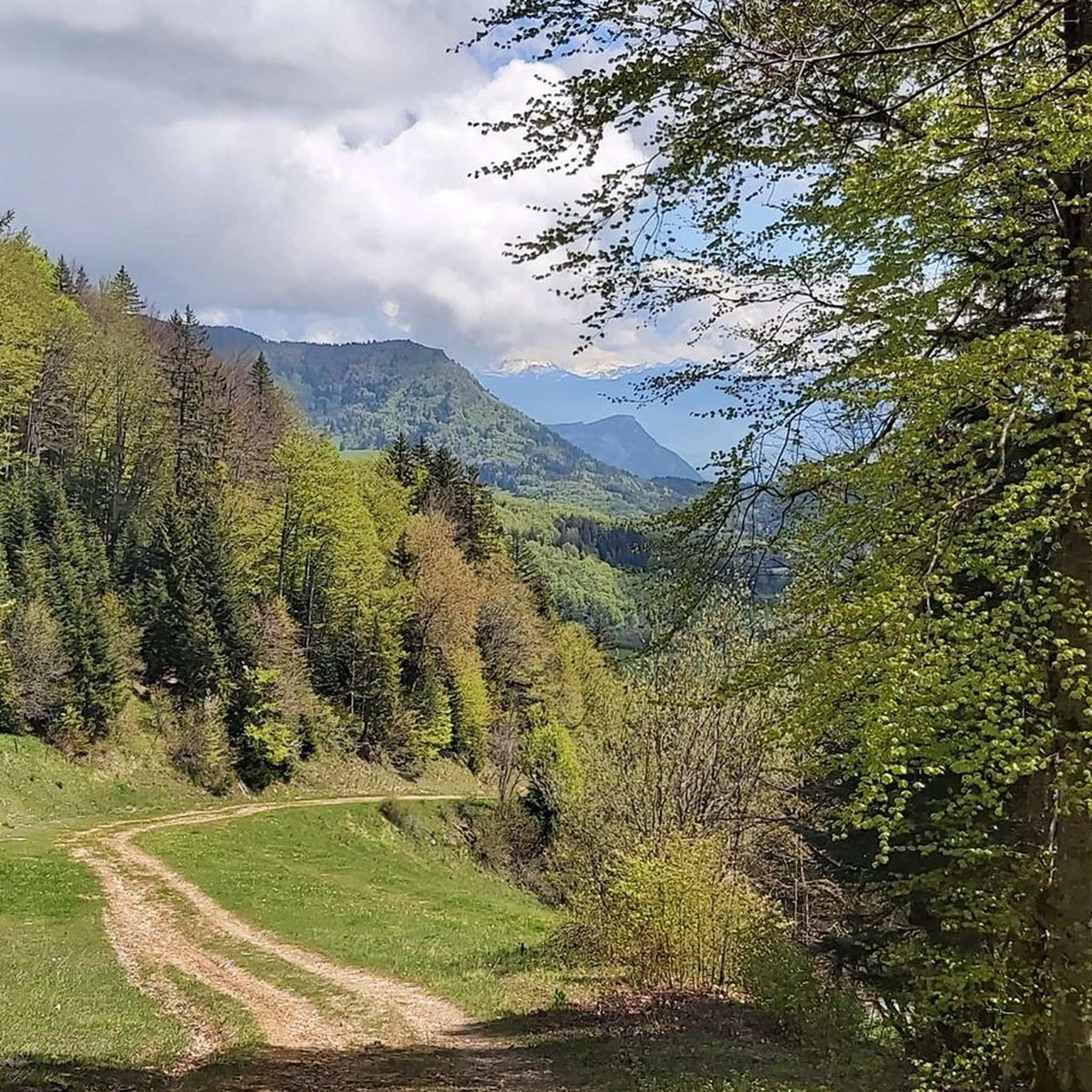
Very beautiful panorama of the Chartreuse seen from the north-west, with Mont-Blanc in focus to the north-east, the Belledonne massif behind the Chartreuse and the foothills of the Vercors to the south, as far as Obiou which can be seen when the weather is nice. And all after a short climb, with a few slightly steep passages however...
0
0

Magnificent lake in a mountain atmosphere, with a pretty road that goes around it, partly away from traffic. Do it clockwise.
2
0
Frequently Asked Questions
What are some of the most popular natural monuments to visit around Saint-Jean-De-Couz?
Among the most popular natural monuments, visitors frequently highlight the Saint-Même Cirque Waterfalls, known for its four cascades and a walk between forest and torrent. Another favorite is Lac d'Aiguebelette, a beautiful lake ideal for summer activities and scenic rides. The La Balme Cave in Collomb also draws attention for its unique passage through the mountain and opportunities to spot wildlife like ibexes.
Are there any family-friendly natural monuments in the area?
Yes, several natural monuments are suitable for families. The Saint-Même Cirque Waterfalls offers an easy and enjoyable walk for all ages. Lac d'Aiguebelette is also very family-friendly, perfect for swimming and relaxing by the water. For a slightly more adventurous family outing, the hike to La Cochette Cross is considered an excellent option from Côte Barrier or Saint-Jean-de-Couz.
What kind of wildlife can I expect to see at these natural sites?
The natural monuments around Saint-Jean-De-Couz offer great opportunities for wildlife observation. At the Grenant Stream, you can often spot various birds and woodland creatures in its tranquil forest setting. The La Balme Cave in Collomb is known for sightings of ibexes, chamois, and even marmots, especially at higher elevations.
What are the best natural monuments for panoramic views?
For breathtaking panoramic views, the La Cochette Cross summit, at 1,621 meters, offers expansive vistas of the Chartreuse massif, extending to Mont-Blanc and the Belledonne massif on clear days. The Mont Grêle Viewpoint, though not a highlight in itself, is also renowned for its spectacular views of the lake and Mont Grêle.
Are there any natural monuments with historical significance?
While many sites are purely natural, the Sarde Road, accessible from Saint-Jean-de-Couz, is a vestige of a Roman road that now serves as a hiking trail through a sumptuous natural setting. It allows visitors to rediscover ancient history while immersed in nature. You can find routes incorporating this historical path in the Hiking around Saint-Jean-De-Couz guide.
What outdoor activities can I do near the natural monuments?
The region around Saint-Jean-De-Couz is excellent for various outdoor activities. You can enjoy hiking on trails that lead to many natural monuments, including those around the Saint-Même Cirque Waterfalls or the La Cochette Cross. Mountain biking is also popular, with routes like the 'Granges du Planet – The Entremont Desert loop'. For more detailed routes, check out the Hiking around Saint-Jean-De-Couz, Mountain Hikes around Saint-Jean-De-Couz, and MTB Trails around Saint-Jean-De-Couz guides.
What is the best time of year to visit the natural monuments?
The best time to visit largely depends on the activity. Summer is ideal for enjoying Lac d'Aiguebelette and its surrounding activities. Spring and autumn offer pleasant temperatures for hiking to viewpoints like La Cochette Cross and exploring forests around the Grenant Stream, with vibrant foliage or blooming flora. Some trails, like those near the Saint-Même Cirque Waterfalls, are best avoided the day after heavy rain due to slippery conditions.
Are there any hidden gems or less-known natural monuments worth exploring?
The Grenant Stream, located above La Bridoire, is often described as a hidden gem. It winds through a lush and tranquil forest, offering a peaceful escape with the soothing sound of flowing water and excellent opportunities for wildlife observation away from more crowded spots.
What are the geological features of the natural monuments in this region?
The natural monuments in the Chartreuse massif, including those around Saint-Jean-De-Couz, showcase significant geological features. The region is characterized by dramatic gorges, such as the Gorges of Guiers Vif, and impressive mountain formations. Caves like La Balme Cave in Collomb demonstrate the powerful geological forces that shaped the area, offering insights into its natural history.
Where can I find local produce or unique shops near the natural monuments?
While not directly at the natural monuments, Saint-Jean-De-Couz and the surrounding area offer local experiences. For instance, you might find local produce or unique shops like 'Capucine au Jardin des Simples' for herbal products. You can find more information about local offerings on the Chartreuse Tourisme website.
What are the regulations for hiking or visiting natural monuments in the Chartreuse Regional Natural Park?
When visiting natural monuments within the Chartreuse Regional Natural Park, it's important to respect local regulations to preserve the environment. This includes staying on marked trails, not disturbing wildlife, and packing out all trash. Specific regulations regarding permits for certain activities or areas might apply, especially in nature reserves like the Hauts de Chartreuse. It's always advisable to check with the park's official resources for the most current guidelines before your visit.
Are there any natural monuments that are particularly suitable for photography?
Absolutely! The Saint-Même Cirque Waterfalls are highly recommended for photography, especially the cascades themselves. The La Balme Cave in Collomb offers magnificent viewpoints both at the top and bottom, with stunning natural formations that make for excellent photos. Additionally, the panoramic views from La Cochette Cross provide grand landscape opportunities.
Most popular routes around Saint-Jean-De-Couz
Most popular attractions around Saint-Jean-De-Couz

Get inspired with the komoot mobile app


Explore more
Extend your search for the best caves by checking out these guides of the top ones around Saint-Jean-De-Couz:
