Top 17 Natural Monuments around Gentilly
Natural monuments around Gentilly are characterized by significant natural features that have shaped its development and offer ecological value. The landscape is defined by the Gentilly Ridge, Bayou St. John, and its proximity to Lake Pontchartrain. These areas provide green spaces and opportunities for recreation within the city. Understanding these natural elements offers insight into New Orleans' unique relationship with its environment and the historical development of the neighborhood.
Best natural monuments around Gentilly
- The most popular natural monuments is…
Last updated: July 2, 2026
Saint-Michel Bridge
Highlight • Bridge
Source: de.parisinfo.com/transportmittel/73150/Fontaine-Saint-Michel
Translated by Google •
Tip by

View of the Château de Sceaux
Highlight • Viewpoint
Translated by Google •
Tip by

Sign up now to discover places like this
Get recommendations on the best single tracks, peaks, & plenty of other exciting outdoor places.
Sign up for free
Grande Cascade of Saint-Cloud Park
Highlight • Waterfall
Ducks, swans and nutria everywhere!
Translated by Google •
Tip by

Vallée-aux-Loups Arboretum
Highlight • Forest
Translated by Google •
Tip by

Lake Gravelle
Highlight • Lake
Translated by Google •
Tip by

Sign up for free to discover even more natural monuments around Gentilly.
Sign up for free
Already have an account?
Start today with a free account
Your next adventure awaits.
Login or Signup

Tips from the Community

Hello, thank you, Jonathan, for this information. Bicycles are prohibited in the Vallée aux Loups departmental estate; however, the estate and the Maison de Chateaubriand have become Accueil Vélo (Cycle-Friendly). What is the "Accueil Vélo" label? Accueil Vélo is a national label that guarantees a welcome and services adapted to cyclists within 5 km of the Véloscénie (Paris/Mont-Saint-Michel). You benefit from: easy and secure access to park your bike (rings are available at the entrance to the arboretum and at the Maison de Chateaubriand), a water point available, useful equipment such as a bicycle pump, tourist information nearby, and a team sensitive to your needs as a cyclist!
0
0
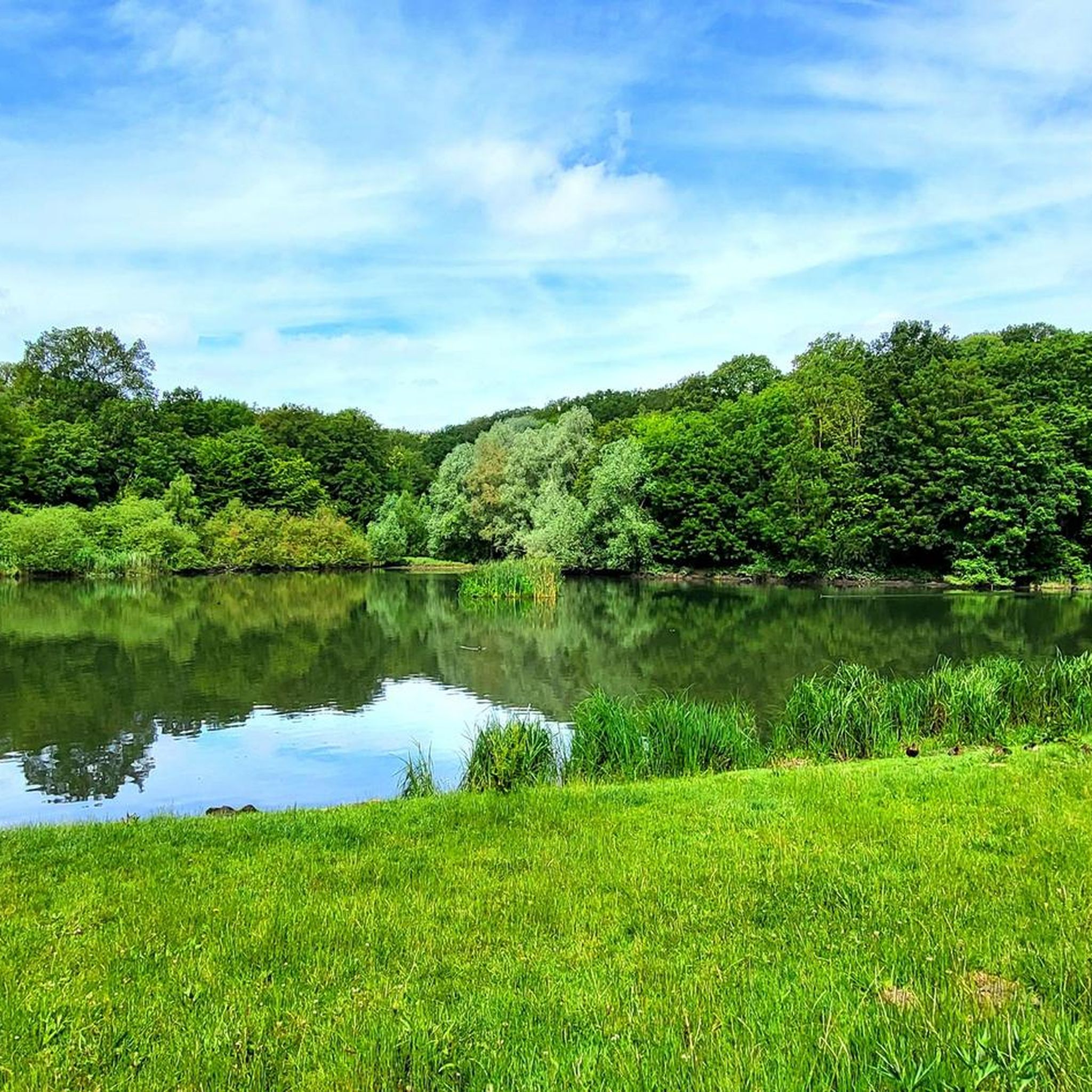
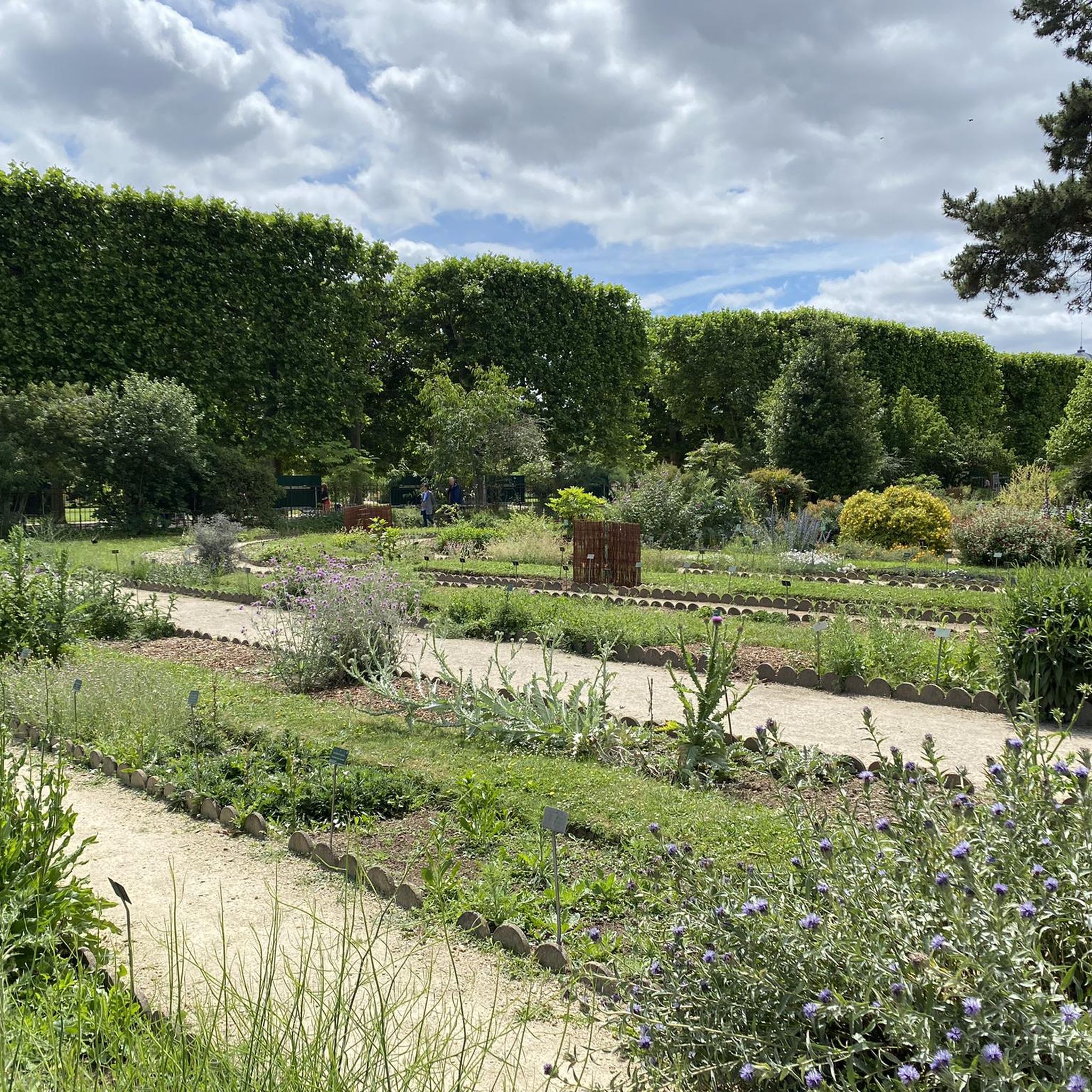
Dedicated to botany since its creation in the 18th century, the Arboretum is home to nearly 500 species of trees and shrubs over an area of 12.7 hectares. It was initially designed as an English garden in 1890. The century-old trees constitute a unique landscape and horticultural heritage, the most exceptional of which is the weeping blue cedar with a 680 m² surface area of branches.
0
0

Why Visit Pont Saint-Michel? Architecture and History: Admire the bridge’s classical architecture and learn about its history through its various reconstructions. Spectacular Views: Enjoy breathtaking views of the Seine, Île de la Cité, and Notre-Dame Cathedral, perfect for memorable photos. Central Location: Use the bridge as a base to explore Paris’s major attractions nearby. Parisian Vibe: Soak up the lively and historic ambiance of the surrounding neighborhood, with its cafés, restaurants, and boutiques. Pont Saint-Michel is a vital part of Parisian heritage, providing both practical functionality and aesthetic appeal in one of the city’s most picturesque and historic neighborhoods.
4
0
The Pont Saint-Michel is a historic bridge that crosses the Seine in Paris, connecting the Île de la Cité, where the famous Notre-Dame de Paris is located, to the Latin Quarter on the left bank. It is an iconic bridge, both for its history and its central location in the city. Features of the Pont Saint-Michel: Architecture: The Pont Saint-Michel is a stone bridge, built in a classical style. It features an arched structure and sculpted ornaments that add to its historical charm. It is characterized by its elegant arches and architectural details, reflecting the style of Parisian urban architecture of the early 20th century. History: The current bridge was built between 1857 and 1859, replacing an older version dating from the Middle Ages. The original medieval bridge had been rebuilt several times over the centuries before being replaced by the current structure. The Pont Saint-Michel is thus the result of a series of reconstructions that resulted in its current form. Location: Pont Saint-Michel is located in a strategic location in Paris, connecting the Île de la Cité to the Latin Quarter. This location is in the heart of Paris, offering magnificent views of the Seine River, the surrounding historic buildings, and the Notre-Dame de Paris. Function: The bridge plays a key role in the connectivity between the two banks of the Seine. It is used by pedestrians, cyclists, and vehicles, facilitating access to many important tourist sites and neighborhoods on both sides of the river. Visibility: Due to its central location and elegant architecture, Pont Saint-Michel is a popular spot for photographers and visitors. It offers picturesque views of the Seine River, Notre-Dame Cathedral, and the historic buildings of the Latin Quarter. Proximity to Attractions: The bridge is close to several major Paris attractions, including Notre-Dame Cathedral, the Palais de Justice, and the Latin Quarter. It is also close to many cafes, restaurants, and shops, making it a convenient place to explore the city.
4
0

One of the many ways to cross the Seine.
9
0

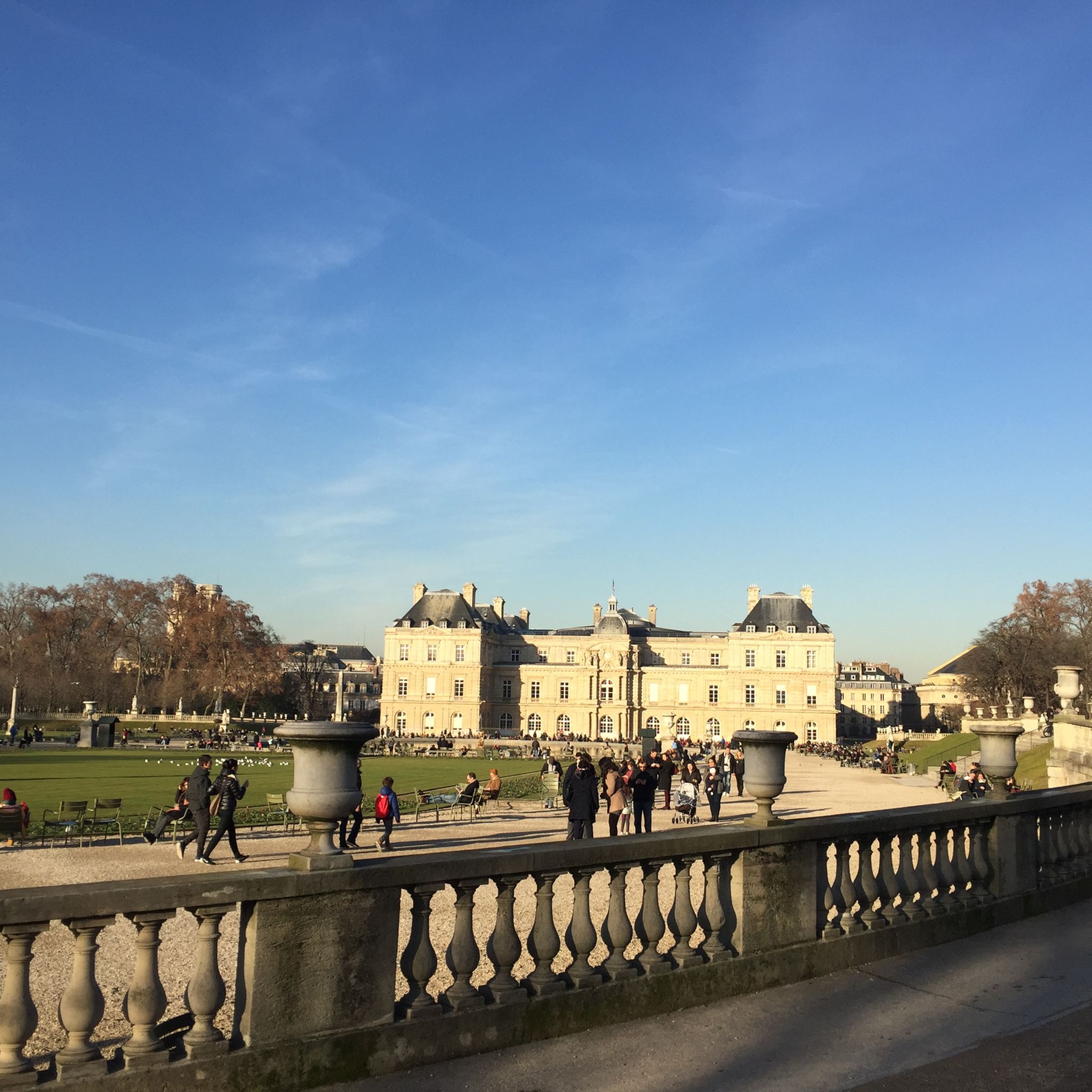
Built in the middle of the 19th century, the castle is located in a vast park. There is the museum of the Domaine Départemental de Sceaux. Created in 1973, it offers collections in its four main sites: the castle, the orangery, its gardens and the old renovated stables. All information on visiting the estate: https://parisjetaime.com/culture/domaine-departemental-de-sceaux-p1064.
2
0

This monumental, historic fountain complex is located in the middle of the Latin Quarter.
7
0

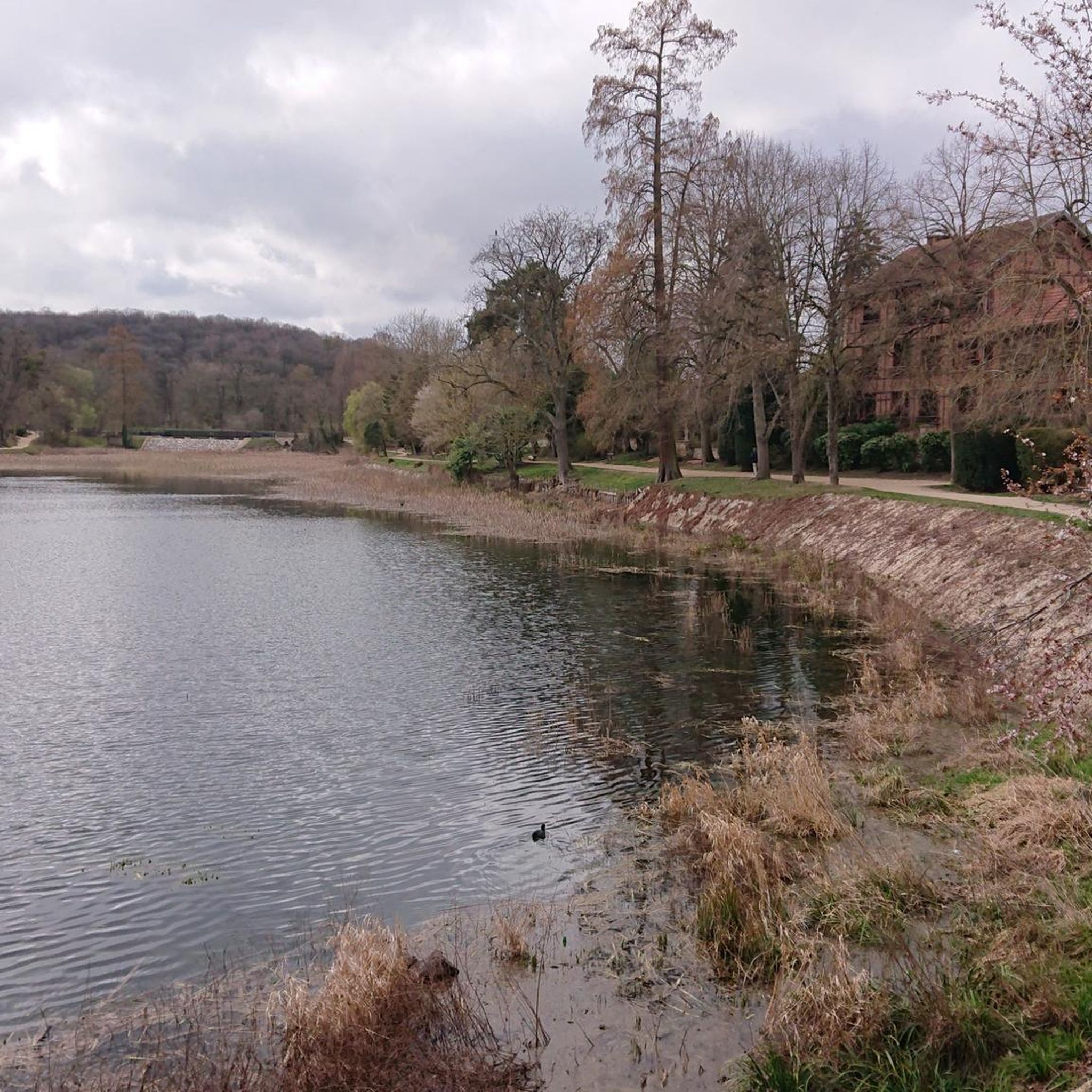
The Grande Cascade (1856) is a 14-metre-high artificial waterfall made of Fontainebleau rocks. The waterfall is fed by the Etang de reservoir.
0
0
Frequently Asked Questions
What are the primary natural features that define Gentilly?
Gentilly's landscape is shaped by the Gentilly Ridge, a natural geological formation that provided higher ground, Bayou St. John, a historic waterway, and its proximity to Lake Pontchartrain, a vast brackish estuary.
What is the historical significance of the Gentilly Ridge?
The Gentilly Ridge is a natural geological formation, typically four to five feet above sea level, formed by an ancient distributary channel of the Mississippi River. Its historical significance lies in its role as a crucial protective barrier during floods and hurricanes, influencing early development and urban planning in the area. While not a traditional site to 'visit,' its presence is fundamental to Gentilly's character and history.
What activities can I do at Bayou St. John?
Bayou St. John offers a serene escape within the city. Visitors can enjoy activities such as canoeing, picnicking, and fishing. Footpaths along its grassy banks are popular for jogging and dog-walking, and the 4.7-mile-long Wisner Bike Path runs along its western edge. It's also a significant cultural site, hosting events like the Mardi Gras Indian 'Super Sunday' parade.
What makes Lake Pontchartrain unique near Gentilly?
Lake Pontchartrain is a vast brackish estuary, making it one of Louisiana's largest inland bodies of water. It's a mix of fresh water from rivers and saltwater from the Gulf of Mexico, supporting a diverse ecosystem of fish (like speckled trout and redfish), migratory birds (including pelicans and egrets), and plant life. The Lakefront area offers opportunities for boating, fishing, and enjoying sunsets.
Are there family-friendly natural areas in Gentilly?
Yes, both Bayou St. John and the Lake Pontchartrain Lakefront offer family-friendly activities. Bayou St. John is great for picnicking, gentle walks, and canoeing, while the Lakefront provides space for recreation, enjoying the breeze, and observing wildlife. These areas are ideal for spending time outdoors with children.
What kind of wildlife can I expect to see in Gentilly's natural areas?
Around Lake Pontchartrain, you can spot diverse aquatic life, including various fish species like speckled trout and redfish, and numerous migratory birds such as pelicans, egrets, and herons. Bayou St. John also supports local birdlife and offers a chance to see smaller urban wildlife.
What outdoor activities are available near Gentilly's natural monuments?
You can find various outdoor activities. For hiking, consider routes like the 'Lake at Parc Montsouris – Parc de la Cité Universitaire loop' or the 'Spanish College – Montsouris Park - Paris loop'. Running enthusiasts can explore trails such as the 'Parc de la Cité Universitaire loop'. Cycling options include the 'Passage national – Montsouris Park loop'. You can find more details on these and other routes in the Hiking around Gentilly, Running Trails around Gentilly, and Cycling around Gentilly guides.
Are there easy walking or cycling paths along Bayou St. John?
Yes, Bayou St. John features footpaths along its grassy banks that are popular for jogging and dog-walking. Additionally, the 4.7-mile-long Wisner Bike Path runs along its western edge, providing an easy and scenic route for cyclists and walkers.
What is the best time to visit Gentilly's natural areas?
The natural areas around Gentilly, like Bayou St. John and Lake Pontchartrain, can be enjoyed year-round. However, spring and fall often offer the most pleasant weather for outdoor activities, with milder temperatures. Winter can also be a good time to visit, especially for birdwatching, as migratory birds are abundant.
What should I wear when visiting natural monuments in Gentilly?
Comfortable clothing suitable for walking or your planned activity is recommended. Light layers are often best, as temperatures can change. Don't forget sun protection, such as a hat and sunscreen, especially when near Lake Pontchartrain, and insect repellent, particularly during warmer months or near the bayou.
Are there any cafes or dining options near Gentilly's natural areas?
The areas surrounding Bayou St. John and the Lake Pontchartrain Lakefront are part of a vibrant urban neighborhood. You'll find various cafes, restaurants, and local eateries within a short distance, offering options for a snack or a meal before or after your visit.
How long should I plan for a visit to Gentilly's natural monuments?
The duration of your visit depends on your interests. For a leisurely stroll along Bayou St. John or a quick stop at the Lakefront, an hour or two might suffice. If you plan to canoe, fish, or explore the longer bike paths, you could easily spend half a day or more enjoying the natural surroundings.
Most popular routes around Gentilly
Most popular attractions around Gentilly

Get inspired with the komoot mobile app


Explore more
Extend your search for the best caves by checking out these guides of the top ones around Gentilly:
