Top 8 Natural Monuments around Remoray-Boujeons
Best natural monuments around Remoray-Boujeons are characterized by glacial lakes and the Jura mountain landscape. This region in the Doubs department of France features significant natural attractions, including protected reserves and large natural lakes. The area offers diverse habitats, from wetlands and peat bogs to forests and high-altitude summits. These natural features provide opportunities for exploring biodiversity and scenic vistas.
Best natural monuments around Remoray-Boujeons
- The most popular natural monuments is Mont d'Or, a summit that is the highest…
Last updated: May 21, 2026
Mont d'Or
Highlight • Summit
Its position offers hikers superb and very …
Translated by Google •
Tip by

The source of the Doubs
Highlight • River
On this promontory you can also admire the superb peat bogs of Mouthe in the background, and the forest of Haute-Joux in the background.
Translated by Google •
Tip by
Sign up now to discover places like this
Get recommendations on the best single tracks, peaks, & plenty of other exciting outdoor places.
Sign up for free
Lac de Saint-Point
Highlight • Lake
Translated by Google •
Tip by

Route du Lac de Saint-Point
Highlight (Segment) • Lake
Translated by Google •
Tip by

Two Lakes Viewpoint
Highlight • Viewpoint
Translated by Google •
Tip by
Sign up for free to discover even more natural monuments around Remoray-Boujeons.
Sign up for free
Already have an account?
Start today with a free account
Your next adventure awaits.
Login or Signup
Tips from the Community

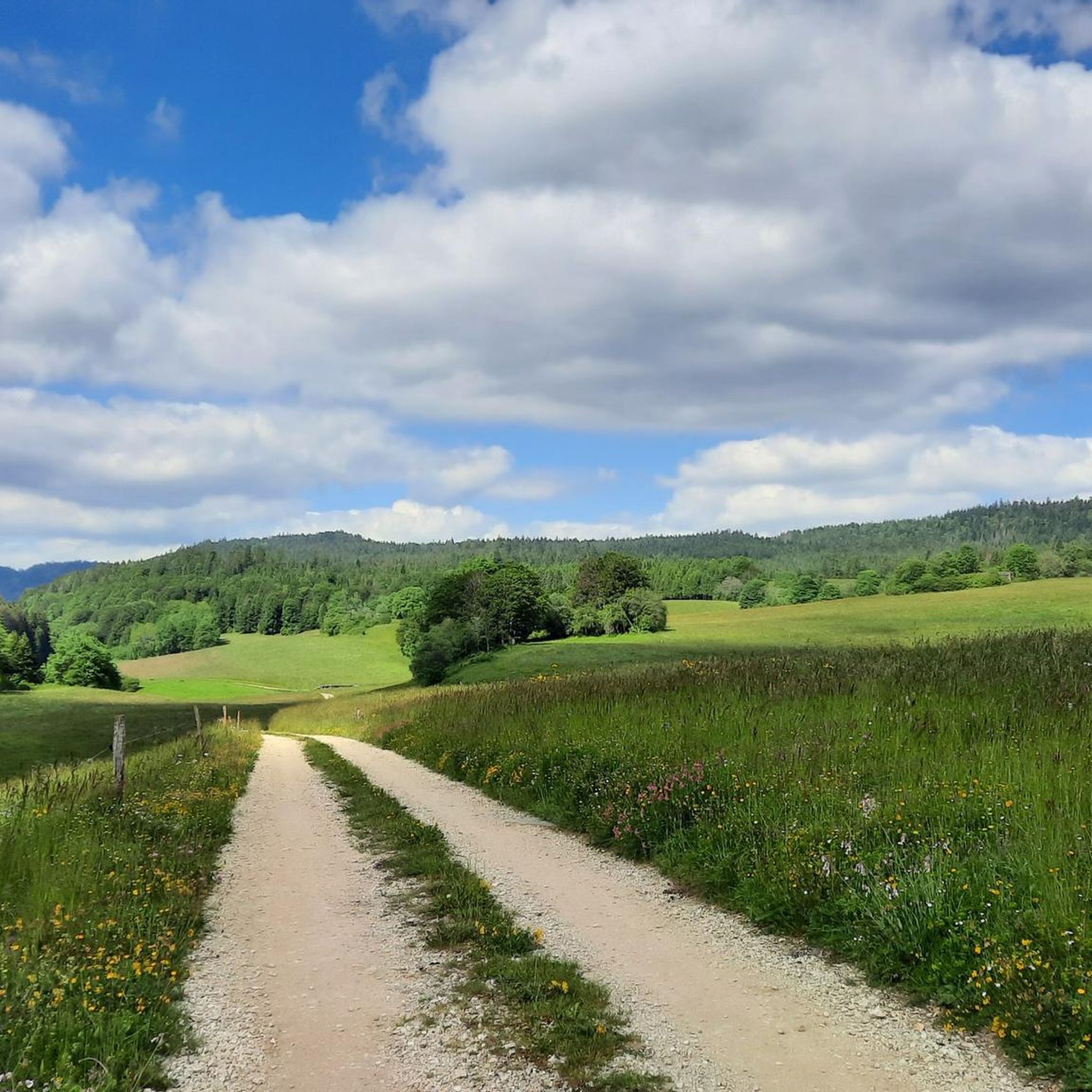
Viewpoint above the Doubs source with beautiful views through a forest clearing to Mouthe and the Doubs river.
6
0
The source of the Doubs River is a powerful karst spring in a heavily karstified area of the Jura Mountains. It lies at an altitude of 937 meters at the foot of the forested, up to 1,419-meter-high Mont Risoux mountain range, which straddles the border between France and Switzerland. The Doubs River rises from a small, approximately five-meter-deep spring basin in a cave in the rock.
6
0
The Mont d'Or is a mountain in the Jura Mountains on the border between France and Switzerland, whose summit is 1463 m in the French department of Doubs, not far from the national border, north of the Swiss town of Vallorbe.
2
0

On clear days you can see the snow-capped peaks of the Alps
1
0

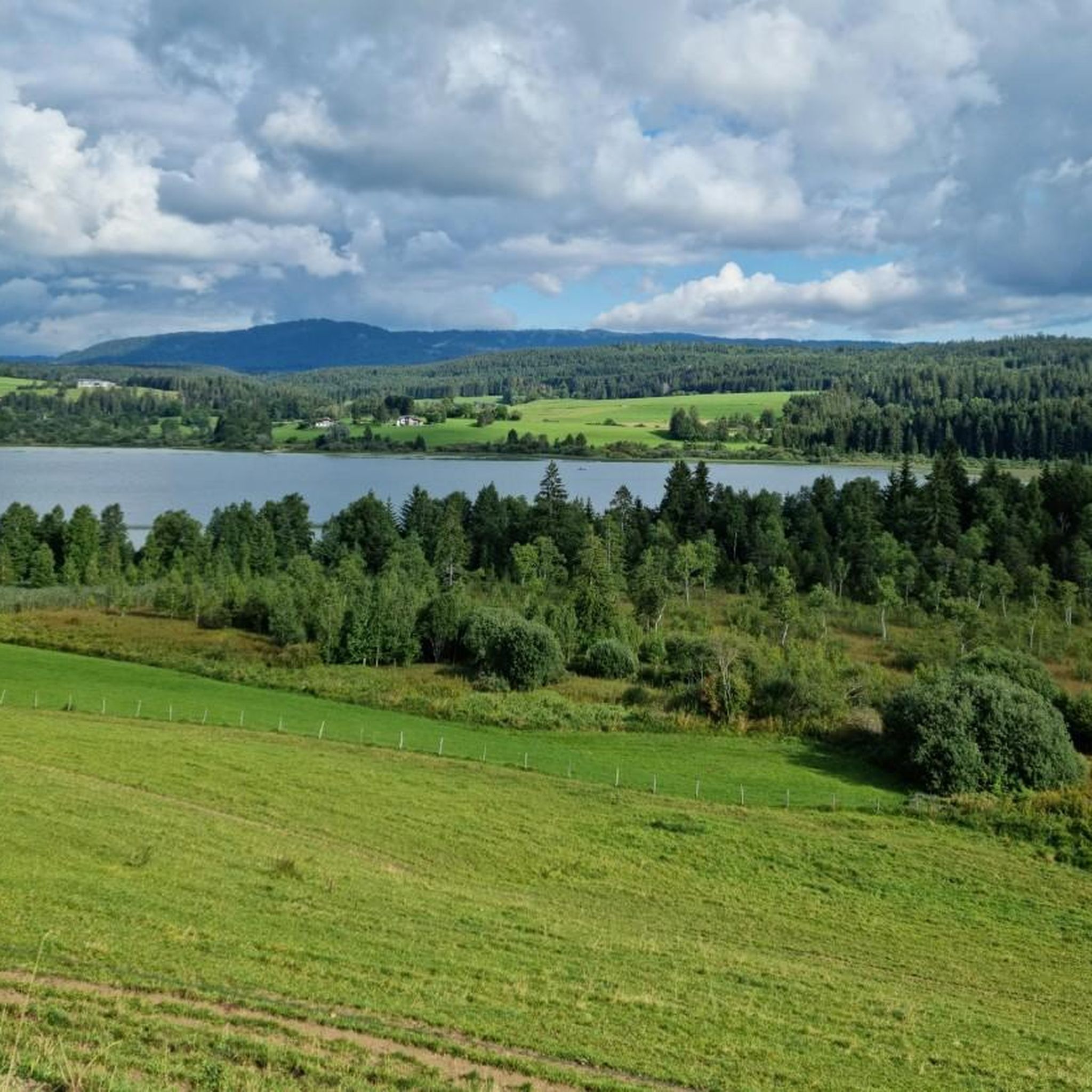
This lake, known for its bright blue water, crosses the Doubs in a 'valley'. This lake once formed one large body of water together with Lake Remoray. The lake is 6.3 km long and 800m wide, making it the fourth largest natural lake in France. In winter it freezes. By constructing a dam on the north side, it helps regulate the water of the Doubs.
6
0
This lake, known for its brilliant blue water, crosses the Doubs River in a valley. It once formed a single, large body of water along with Lake Remoray. The lake is 6.3 km long and 800 m wide, making it the fourth-largest natural lake in France. It freezes over in winter. Thanks to the construction of a dam on its north side, it helps regulate the flow of the Doubs.
6
0

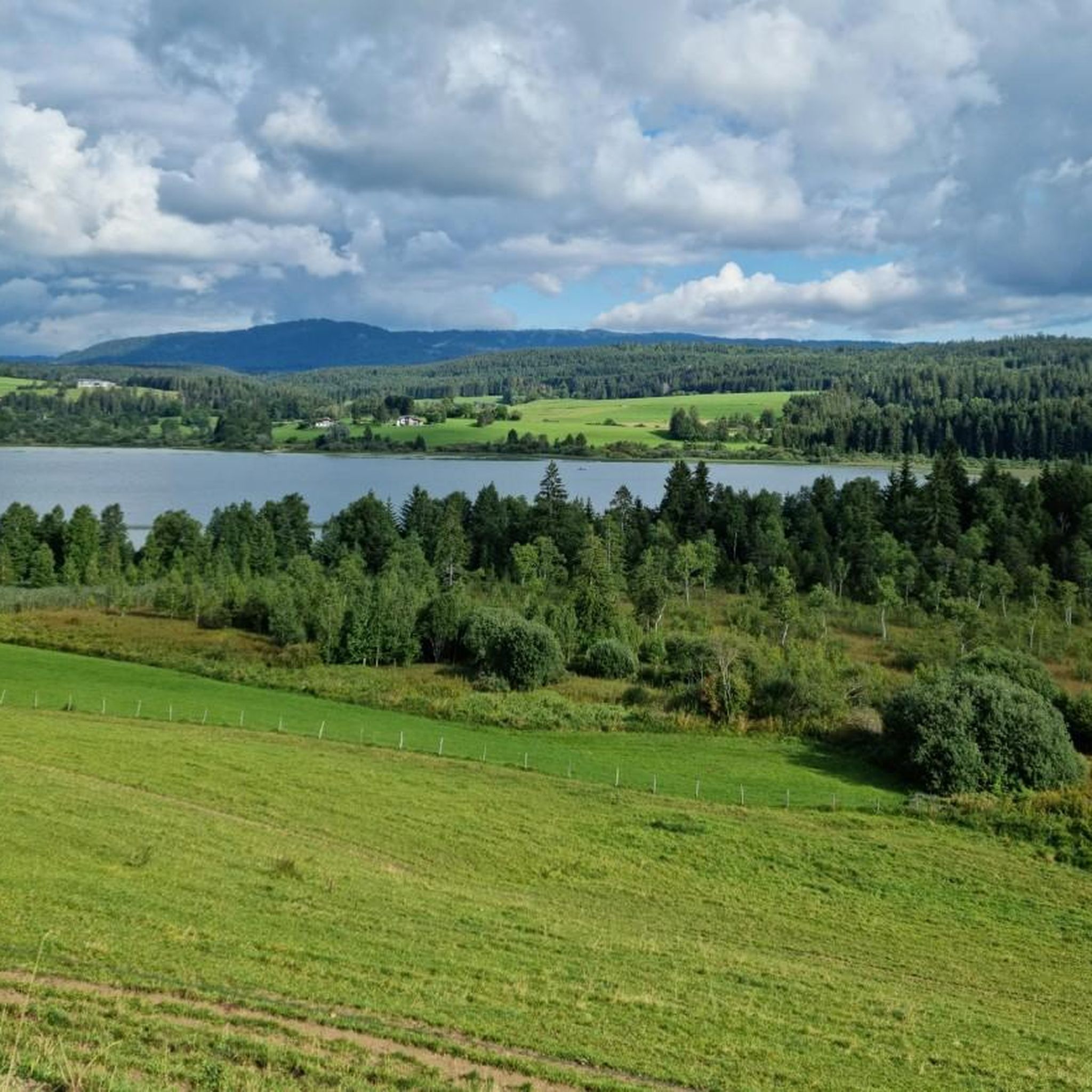
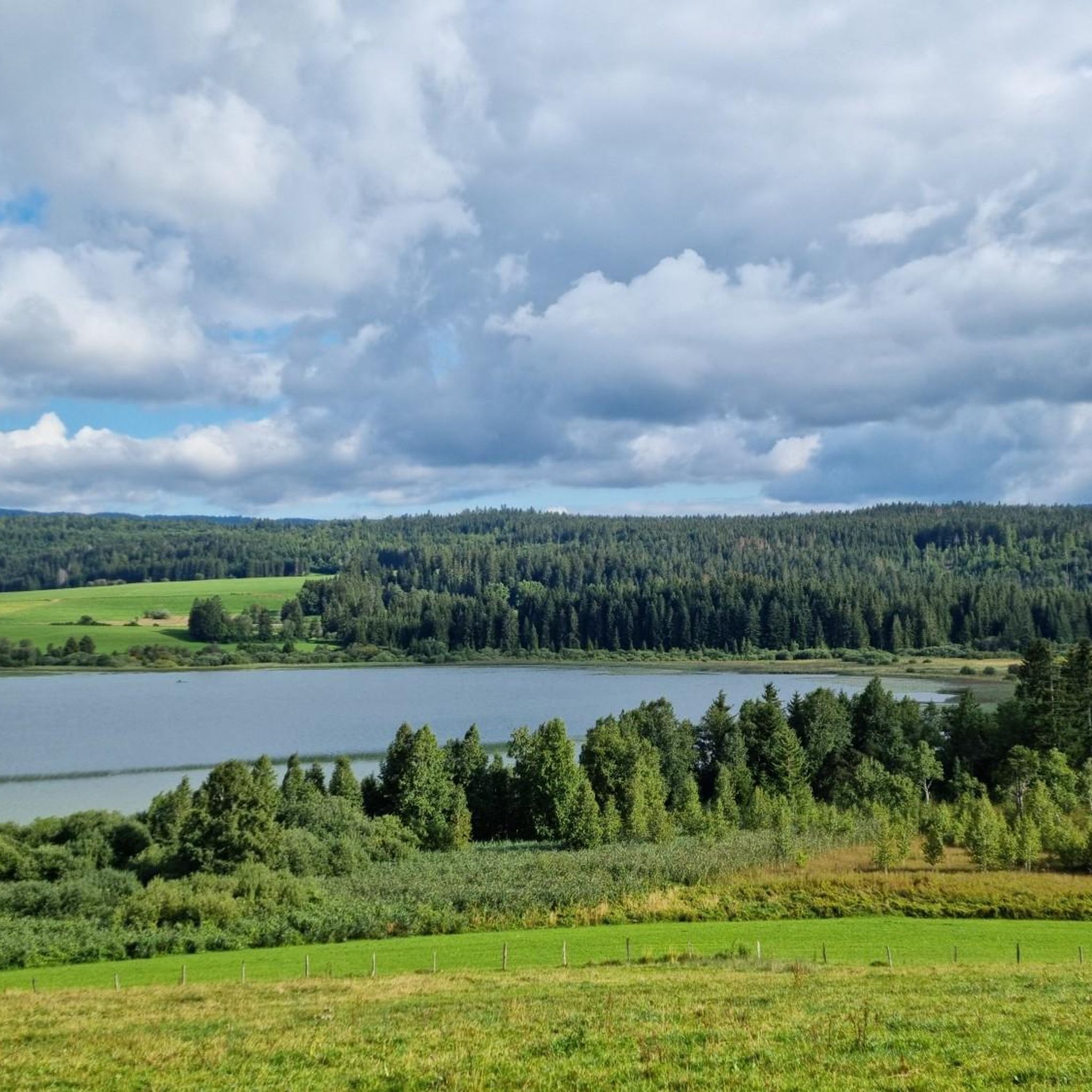
Formerly, the lakes of Remoray and Saint-Point were one. From this superb viewpoint, you can appreciate the different environments created by the separation of the two bodies of water: lakes, marshes, peat bogs, rivers, meadows and forests. A unique point of view in a perfect alignment which allows you to enjoy all the beauty of this typical landscape of Haut-Doubs.
0
0

Frequently Asked Questions
What are some of the most popular natural monuments to visit around Remoray-Boujeons?
Visitors frequently enjoy Mont d'Or, the highest point in the Doubs department, offering extensive views. Another favorite is The source of the Doubs, a powerful karst spring with views of peat bogs and forests. Lac de Saint-Point, a large natural lake, is also very popular for its scenic beauty.
What kind of natural features can I expect to see in the Remoray-Boujeons area?
The region is characterized by stunning glacial landscapes, including significant natural lakes like Lac de Remoray and Lac de Saint-Point. You'll also find high-altitude summits, powerful river sources, diverse wetlands, peat bogs, and extensive forests, all contributing to a rich natural environment.
What makes Lac de Remoray a significant natural monument?
Lac de Remoray is protected as a National Nature Reserve and is crucial for biodiversity. It encompasses various habitats, including the lake, marshes, and peat bogs, supporting 242 bird species, 459 species of butterflies and moths, and rare plants. It's an important nesting ground and spawning area for several species.
What activities can I do at Lac de Saint-Point?
Lac de Saint-Point is ideal for water sports and recreational activities. You can enjoy swimming, boating, and simply relaxing by the lakeside. In winter, the lake freezes over, offering a unique experience.
Where can I find the best panoramic views of the lakes and surrounding landscape?
For superb panoramic views, visit Mont d'Or, which provides clear vistas of the Suchet massif, Dent de Vaulion, and on clear days, over 300 Alpine peaks including Mont Blanc. The Two Lakes Viewpoint offers a unique perspective of both Lac de Remoray and Lac de Saint-Point, showcasing the diverse environments created by their separation.
Are there family-friendly natural monuments around Remoray-Boujeons?
Yes, several natural monuments are suitable for families. Lac de Saint-Point offers a beach with lifeguards and an outdoor activities center. The area around The source of the Doubs is also considered family-friendly, and the Maison de la Réserve at Lac de Remoray provides interactive displays and guided nature walks.
What is the best time to visit the natural monuments in Remoray-Boujeons?
The best time depends on your preferred activities. Summer is excellent for water sports and hiking around the lakes. For birdwatching and enjoying the rich biodiversity of Lac de Remoray, spring and autumn are ideal. Winter offers a unique experience, especially when Lac de Saint-Point freezes over, though some areas might be less accessible.
What outdoor activities can I do near these natural monuments?
The region offers a variety of outdoor activities. You can find numerous hiking trails, including routes like the 'View of the Marshes – Belvédère des Deux Lacs loop' or the 'Doubs Bridge – The source of the Doubs loop'. Mountain biking and cycling routes are also available, such as the 'Remoray loop' or the 'View of Lake Saint-Point – Route du Lac de Saint-Point loop'. For more details, explore the hiking, MTB, and cycling guides for Remoray-Boujeons.
Are there any natural monuments suitable for easy walks or less strenuous visits?
Yes, areas around Lac de Saint-Point and the visitor center at Lac de Remoray offer relatively flat and accessible paths. The immediate vicinity of The source of the Doubs also provides viewpoints that are easily reachable.
Can I bring my dog to the natural monuments in Remoray-Boujeons?
Generally, dogs are permitted on trails and in many natural areas, but it's always best to keep them on a leash to protect wildlife and ensure the safety of other visitors. Specific rules may apply in protected areas like the Lac de Remoray National Nature Reserve, so check local signage.
What geological features are prominent in the Remoray-Boujeons region?
The region is largely shaped by glacial activity, resulting in the formation of its distinctive lakes and valleys. Karst topography is also evident, particularly at The source of the Doubs, which is a powerful karst spring. The high plateaus of the Jura also feature unique geological formations.
What do visitors enjoy most about the natural monuments around Remoray-Boujeons?
Visitors particularly appreciate the stunning panoramic views from spots like Mont d'Or, the serene beauty of the glacial lakes, and the rich biodiversity found in protected areas like Lac de Remoray. The opportunities for various outdoor activities, from hiking to water sports, are also highly valued.
Most popular routes around Remoray-Boujeons
Most popular attractions around Remoray-Boujeons

Get inspired with the komoot mobile app


Explore more
Extend your search for the best caves by checking out these guides of the top ones around Remoray-Boujeons:
