Top 7 Natural Monuments around Bonnevaux
Best natural monuments around Bonnevaux are found in a region characterized by significant bodies of water and unique geological features. This area, particularly in the Jura Mountains, features glacial lakes, the source of the Doubs river, and extensive peat bogs. The landscape offers diverse natural habitats, including forests and meadows, providing opportunities for outdoor exploration. It is a destination for those interested in natural spectacles and unique ecosystems.
Best natural monuments around Bonnevaux
- The most popular natural monuments is The…
Last updated: October 5, 2026
The source of the Doubs
Highlight • River
On this promontory you can also admire the superb peat bogs of Mouthe in the background, and the forest of Haute-Joux in the background.
Translated by Google •
Tip by

Lac de Saint-Point
Highlight • Lake
Translated by Google •
Tip by

Sign up now to discover places like this
Get recommendations on the best single tracks, peaks, & plenty of other exciting outdoor places.
Two Lakes Viewpoint
Highlight • Viewpoint
Translated by Google •
Tip by
Tourbières de Moutat
Highlight • Natural
Translated by Google •
Tip by
View of Lac de Remoray
Highlight • Viewpoint
Translated by Google •
Tip by

Start today with a free account
Your next adventure awaits.

Tips from the Community

Viewpoint above the Doubs source with beautiful views through a forest clearing to Mouthe and the Doubs river.
6
0
The source of the Doubs River is a powerful karst spring in a heavily karstified area of the Jura Mountains. It lies at an altitude of 937 meters at the foot of the forested, up to 1,419-meter-high Mont Risoux mountain range, which straddles the border between France and Switzerland. The Doubs River rises from a small, approximately five-meter-deep spring basin in a cave in the rock.
6
0

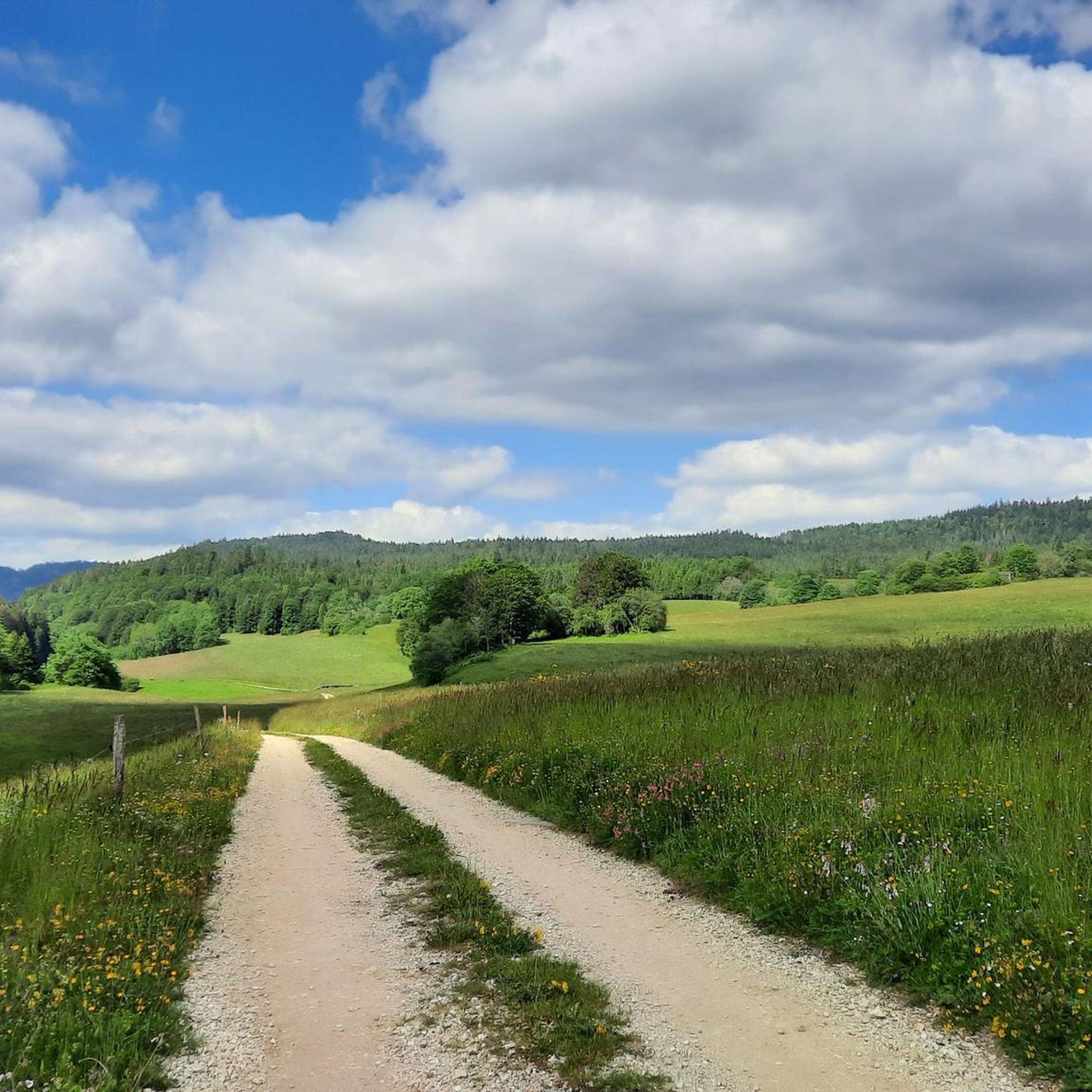
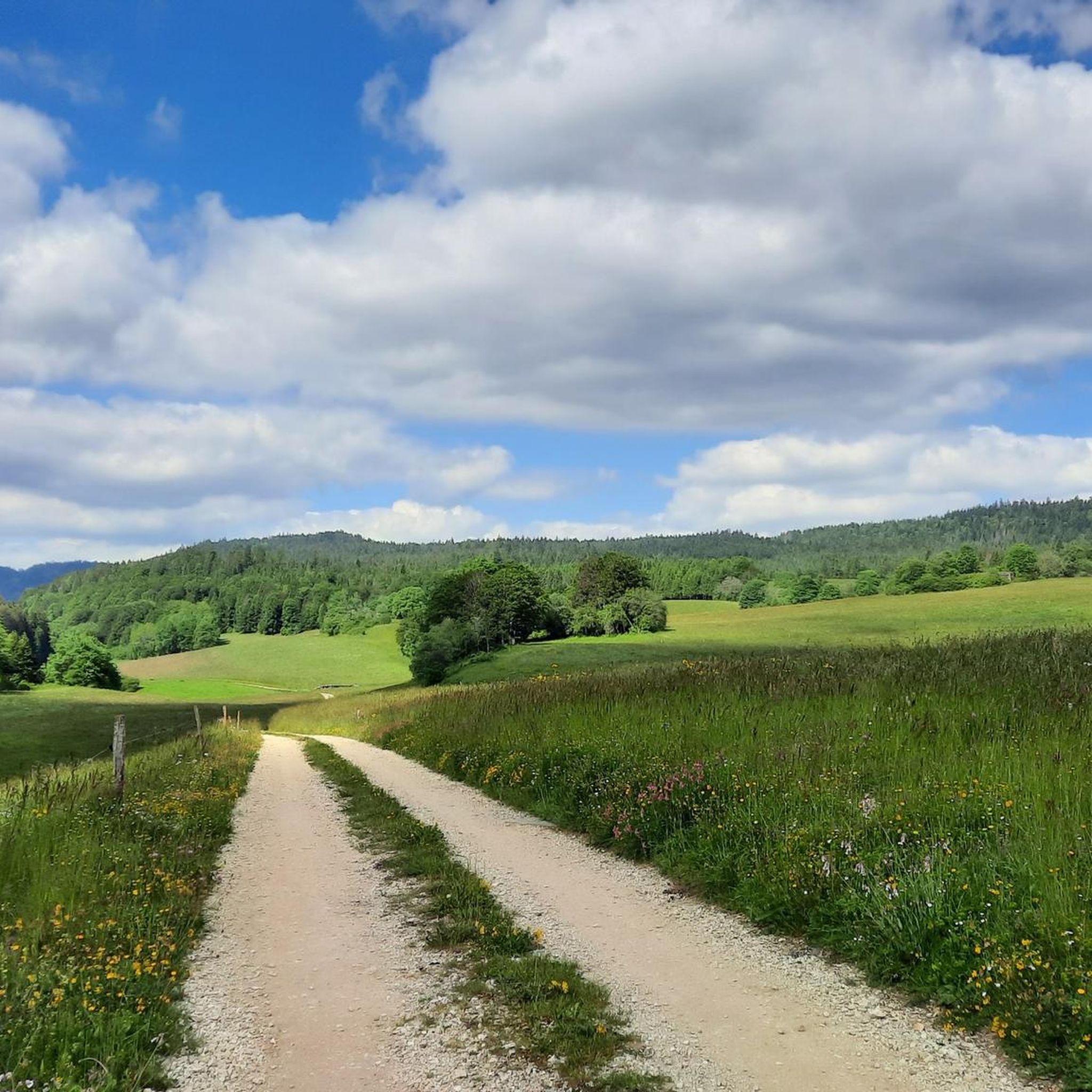
We did a 3-day mountain bike trip in this magnificent region, the routes are great 👍
0
0

This lake, known for its bright blue water, crosses the Doubs in a 'valley'. This lake once formed one large body of water together with Lake Remoray. The lake is 6.3 km long and 800m wide, making it the fourth largest natural lake in France. In winter it freezes. By constructing a dam on the north side, it helps regulate the water of the Doubs.
6
0

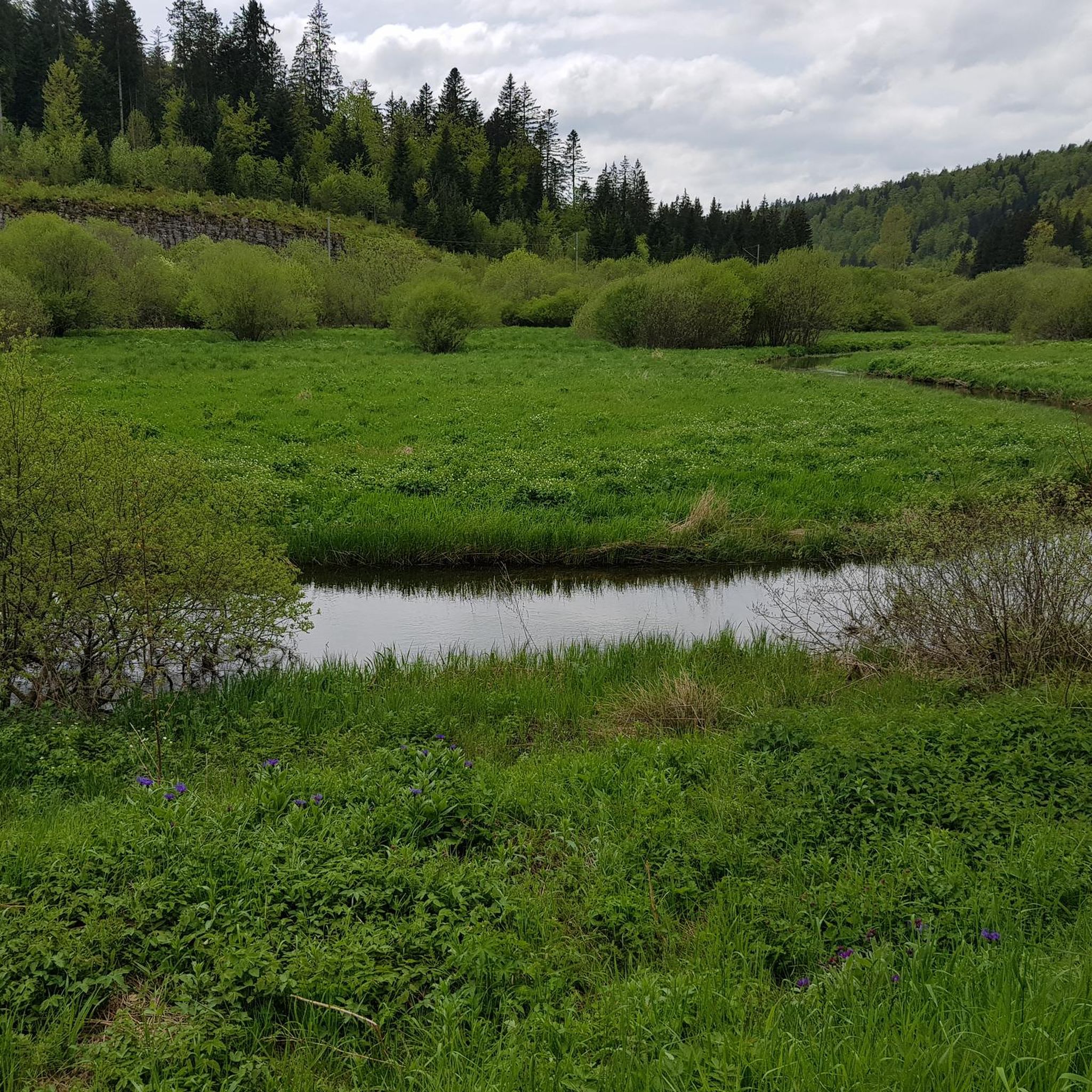
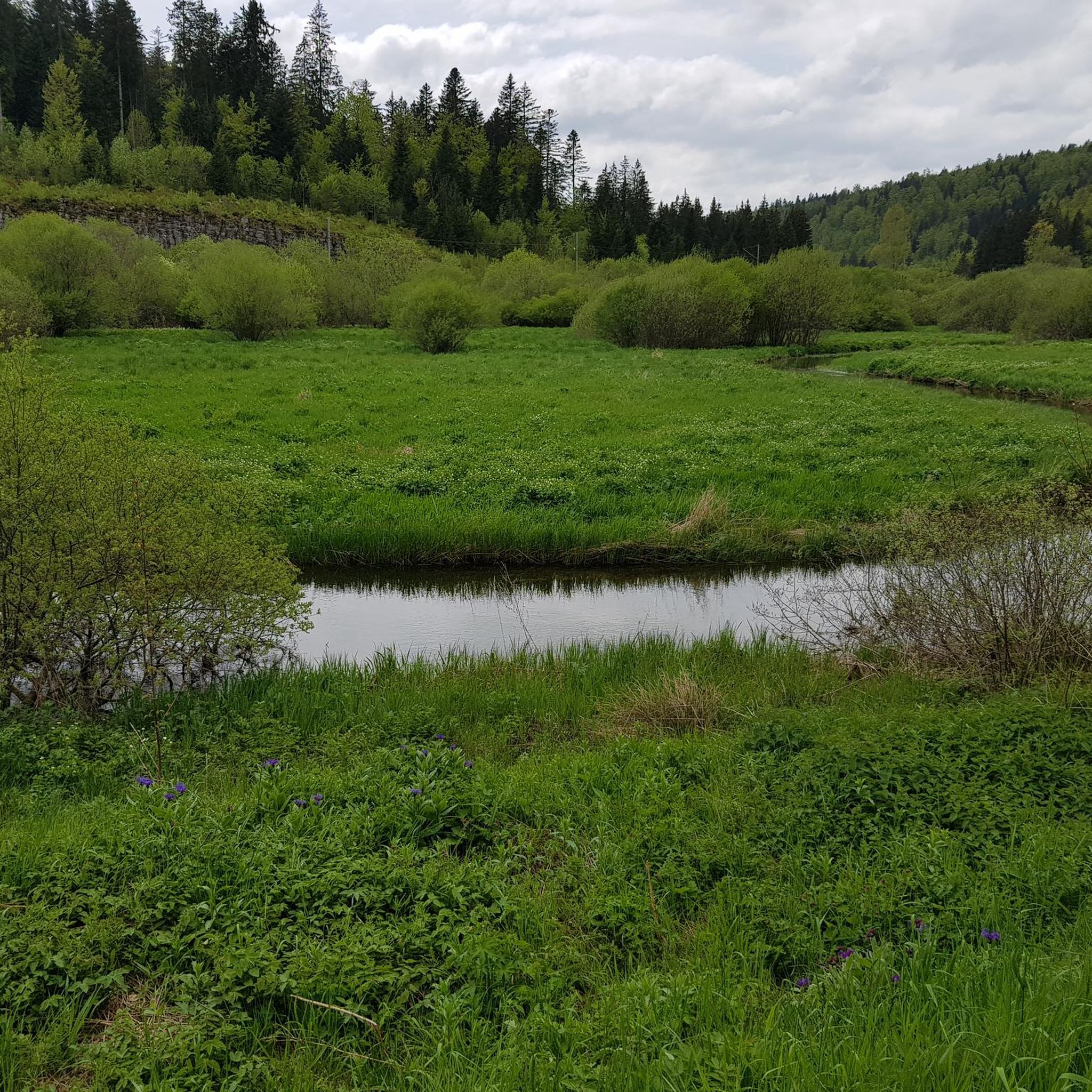
The Moutat peatlands form one of the most important peatlands in the region. These ecosystems contain an enormous quantity of CO2 thanks to their permanent humidity, hence the importance of protecting them. To raise public awareness of these environments while making them accessible, a wooden platform was installed so that they could walk on them without trampling on them.
0
0
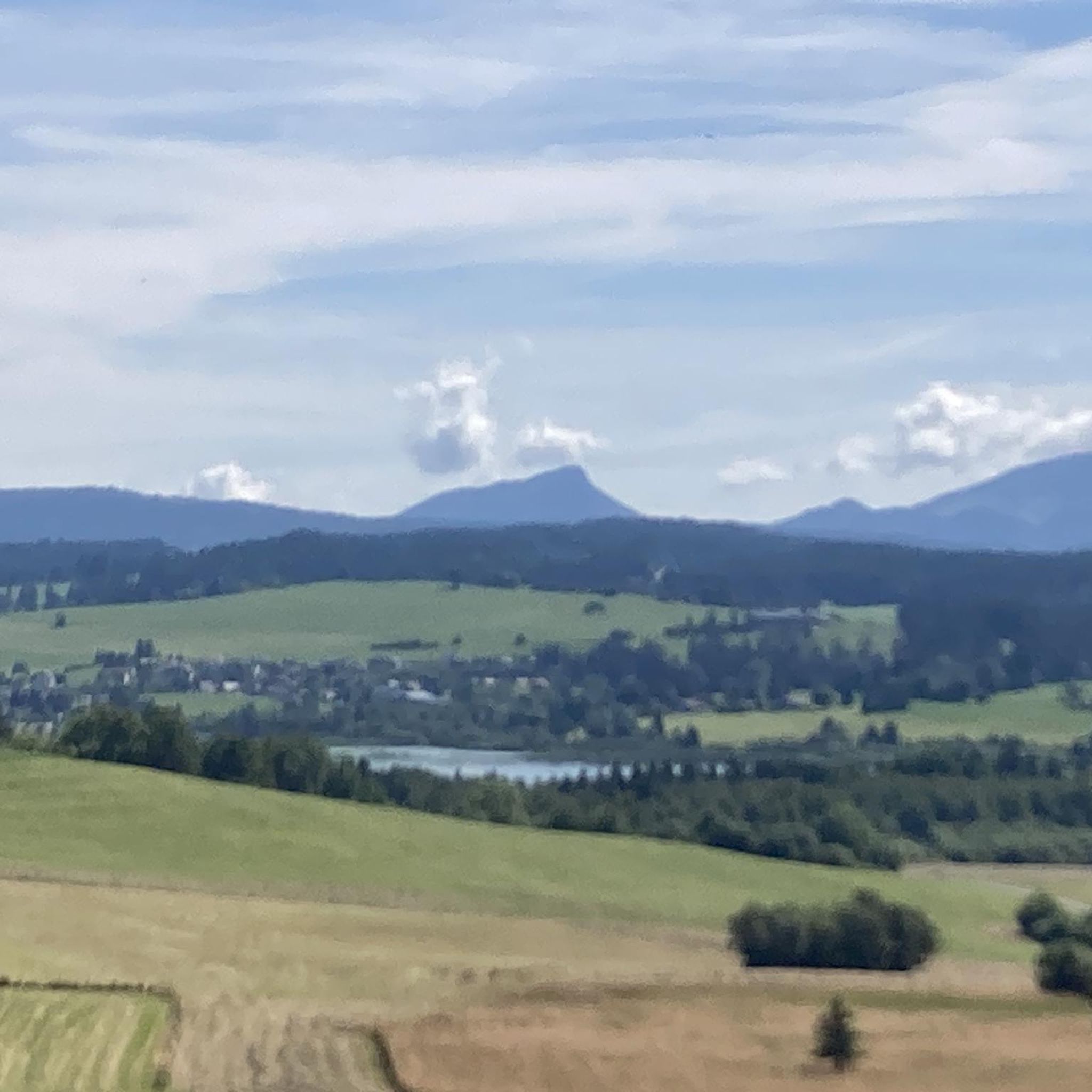
Formerly, the lakes of Remoray and Saint-Point were one. From this superb viewpoint, you can appreciate the different environments created by the separation of the two bodies of water: lakes, marshes, peat bogs, rivers, meadows and forests. A unique point of view in a perfect alignment which allows you to enjoy all the beauty of this typical landscape of Haut-Doubs.
0
0

Lake Remoray is one of the richest areas of Doubs in terms of nature. On this 430 hectare site there are numerous plant and animal species due to the wide variety of natural environments (marshes, lakes, peat bogs, forests, meadows, gravel pits, rivers), and also at altitude. 1872 species are currently recorded there.
0
0

Take the Saut du Doubs walk at the same time
0
0
Frequently Asked Questions
What are the most popular natural monuments to visit around Bonnevaux?
The region around Bonnevaux, particularly in the Jura Mountains, is known for its unique natural features. Highly popular sites include The source of the Doubs, a powerful karst spring, and Lac de Saint-Point, one of France's largest glacial lakes. Visitors also frequently explore the Tourbières de Moutat, an important peatland ecosystem with accessible wooden platforms.
Are there family-friendly natural monuments around Bonnevaux?
Yes, several natural monuments in the Bonnevaux area are suitable for families. The source of the Doubs, Lac de Saint-Point, and the Tourbières de Moutat all offer accessible experiences. The peatlands, for instance, have wooden platforms, making them easy to explore for all ages.
What kind of natural features can I expect to see in the Bonnevaux region?
The Bonnevaux region is characterized by significant bodies of water and unique geological formations. You'll encounter stunning glacial lakes like Lac de Saint-Point, the impressive karst spring of The source of the Doubs, and extensive peat bogs such as the Tourbières de Moutat. The landscape also features forests, meadows, and diverse plant habitats.
What outdoor activities can I do near these natural monuments?
The Bonnevaux area offers a variety of outdoor activities. You can enjoy hiking, mountain biking, and running on numerous trails. For hiking, explore routes like the 'Frasne Peat Bogs Boardwalk loop' or the 'Two Lakes Viewpoint – Remoray loop'. Mountain biking options include the 'Lake Saint-Point – Saint-Point-Lac loop'. Find more details and routes in the Hiking around Bonnevaux and MTB Trails around Bonnevaux guides.
Are there hiking trails near the natural monuments around Bonnevaux?
Yes, there are many hiking trails. For instance, you can hike around Lac de Saint-Point or explore the area around The source of the Doubs. The 'Two Lakes Viewpoint – Remoray loop' is a moderate 14.4 km hike offering views of the lakes and surrounding environments. You can find more hiking options in the Hiking around Bonnevaux guide.
What is the best time of year to visit the natural monuments in Bonnevaux?
The Bonnevaux region offers different experiences depending on the season. Spring and summer are ideal for hiking and enjoying the lush greenery and open waters of the lakes. In winter, Lac de Saint-Point freezes over, offering a unique, picturesque landscape, though some trails might be less accessible. The diverse flora and fauna are vibrant throughout the warmer months.
Where can I find a good viewpoint to appreciate the natural beauty of the area?
For panoramic views, visit the Two Lakes Viewpoint. From here, you can appreciate the distinct environments created by the separation of Lac de Saint-Point and Lac de Remoray, including lakes, marshes, peat bogs, rivers, meadows, and forests. The source of the Doubs also offers a belvedere with views over the surrounding peat bogs and the forest of Haute-Joux.
Are there any unique ecosystems to explore near Bonnevaux?
Yes, the region is home to significant and unique ecosystems, particularly its peat bogs. The Tourbières de Moutat are a prime example, forming one of the most important peatlands in the region. These ecosystems are vital for biodiversity and carbon storage, and wooden platforms are installed for visitors to observe them without disturbance.
What do visitors enjoy most about the natural monuments around Bonnevaux?
Visitors frequently highlight the stunning natural beauty and tranquility of the area. They appreciate the clear waters of Lac de Saint-Point, the powerful emergence of water at The source of the Doubs, and the unique, ancient nature of the Tourbières de Moutat. The diverse landscapes, from glacial lakes to vast forests and peat bogs, offer a rich experience for nature lovers.
Is there parking available near the natural monuments?
While specific parking details for each monument are best checked locally upon arrival, natural sites like The source of the Doubs and Lac de Saint-Point are generally accessible by car, with designated parking areas often available nearby to facilitate visitor access to these popular spots.
Can I find accommodation or places to eat near Bonnevaux's natural monuments?
The Bonnevaux region, particularly around the Jura Mountains, has villages and towns that offer accommodation and dining options. While Bonnevaux itself is a small village, nearby towns like Mouthe or those surrounding Lac de Saint-Point will provide cafes, restaurants, and various lodging choices to support your visit to the natural monuments.
Are there any historical or cultural sites near the natural monuments?
While the focus of this guide is on natural monuments, the broader region has historical significance. For example, the Bonnevaux in the Vienne Department (though not the focus of this guide) is known for the Bonnevaux Centre for Peace and its ancient oaks. The Jura Mountains area itself has a rich history tied to its natural resources and traditional way of life, which can be explored in local villages.
Most popular routes around Bonnevaux
Most popular attractions around Bonnevaux

Get inspired with the komoot mobile app


Explore more
Extend your search for the best caves by checking out these guides of the top ones around Bonnevaux:
