Top 9 Natural Monuments around Cuges-Les-Pins
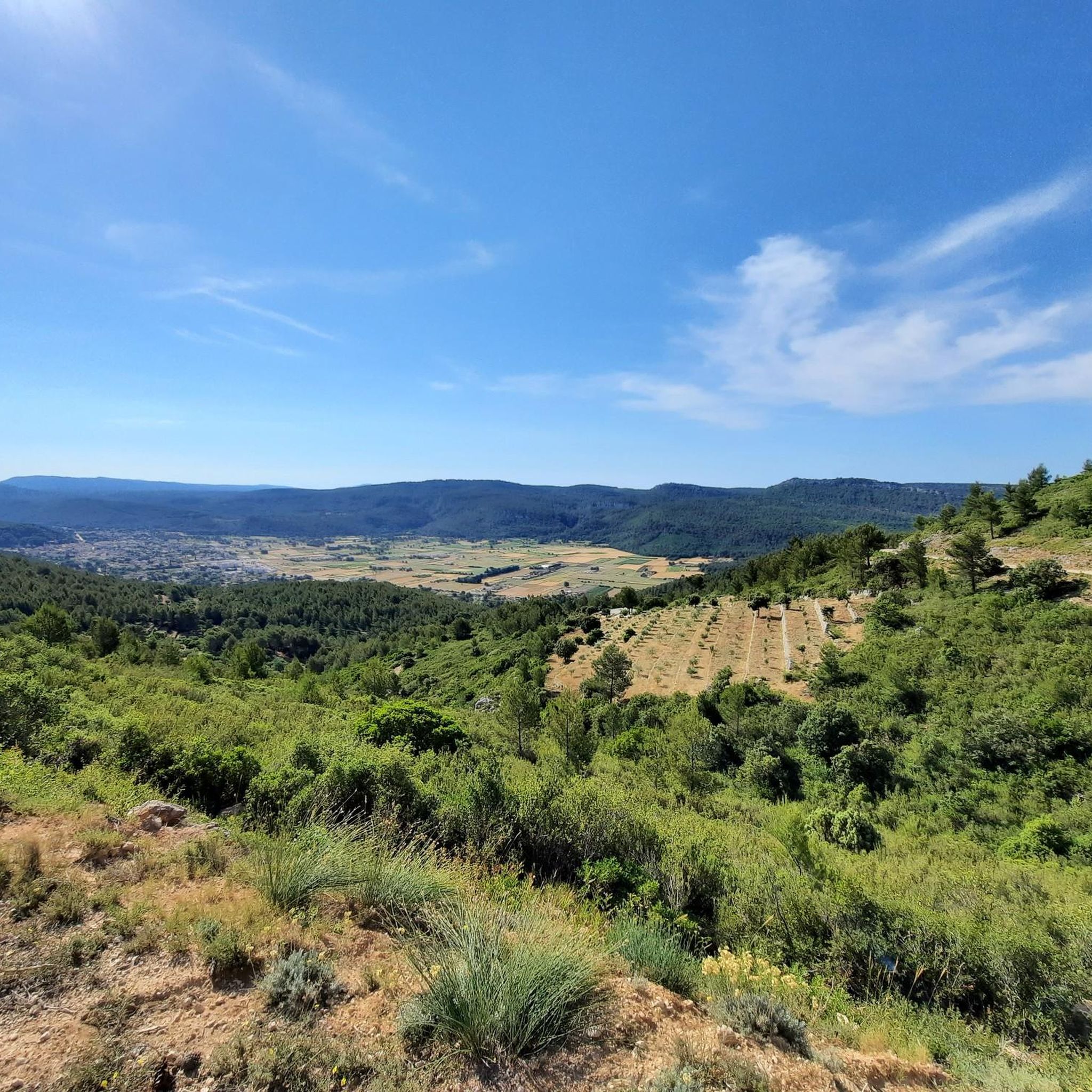
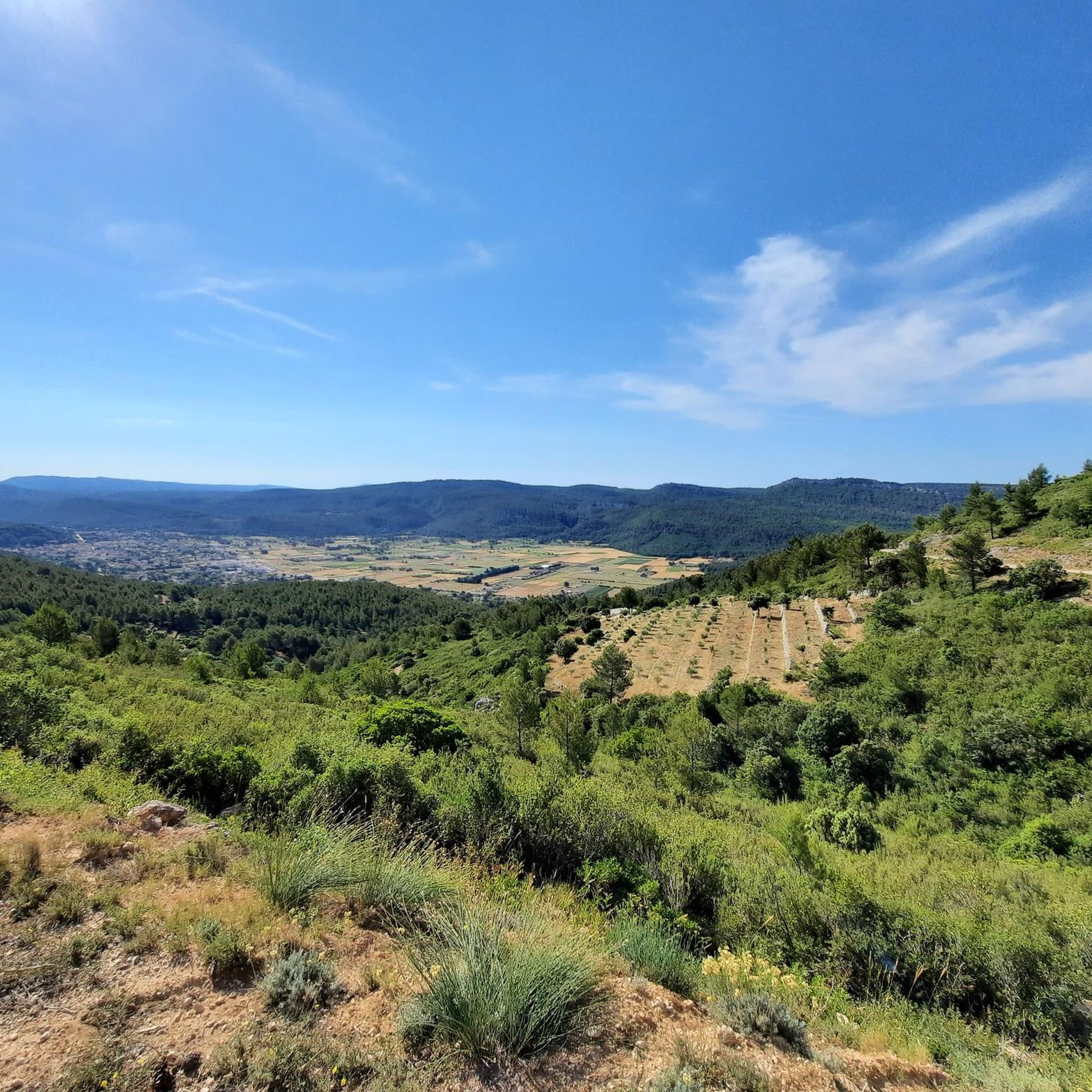
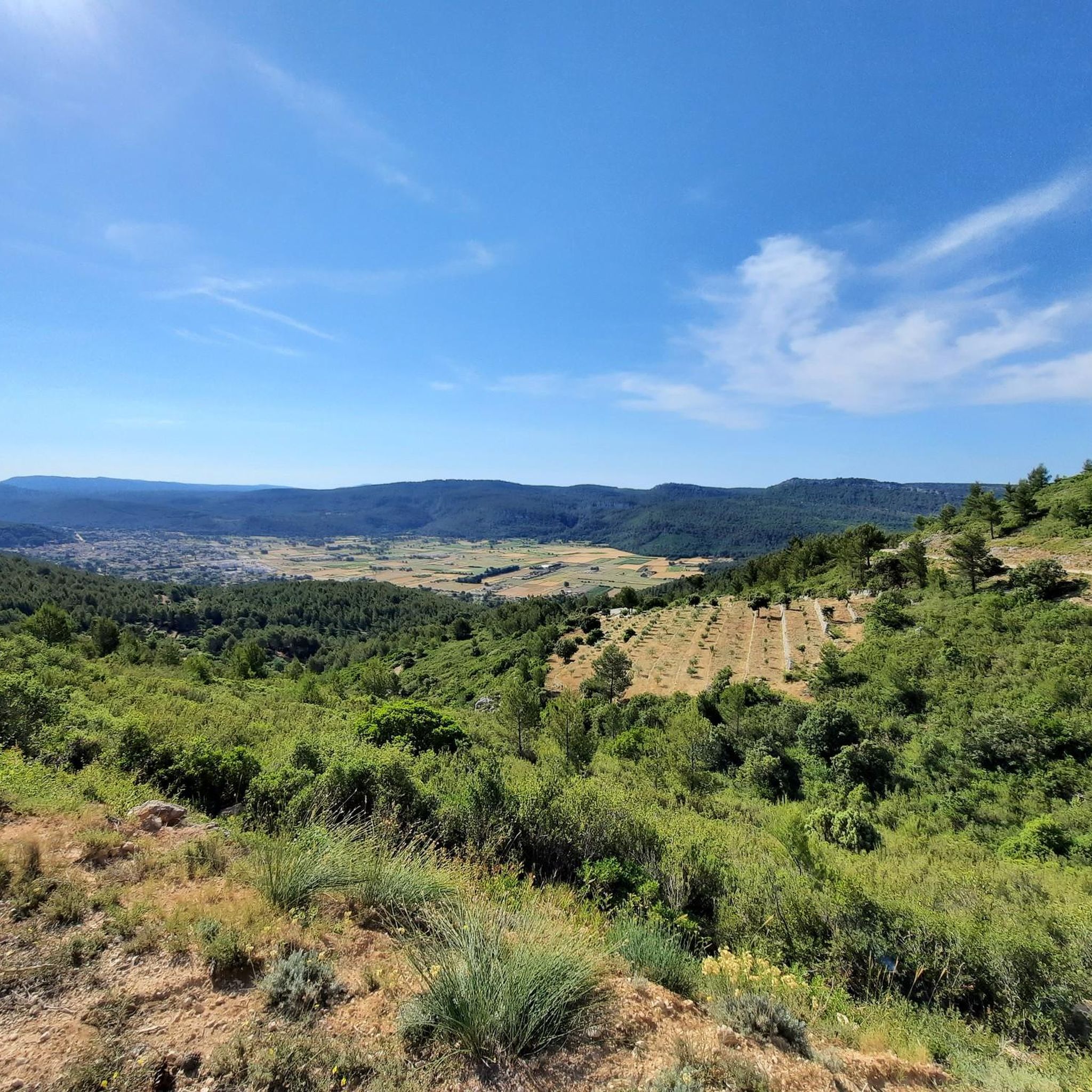
Natural monuments around Cuges-Les-Pins are defined by the village's location within a large karstic depression, known as a poljé. This geological feature, part of the Sainte-Baume massif, contributes to the region's unique natural appeal. The landscape is characterized by limestone formations and diverse ecosystems. Visitors can explore varied natural features shaped by geological processes.
Best natural monuments around Cuges-Les-Pins
- The most popular natural monuments is Climb to Col de l'Espigoulier, a mountain pass that is the highest road pass…
Last updated: July 2, 2026
Saint Mary Magdalene Grotto
Highlight • Cave
It is a …
Translated by Google •
Tip by

Climb to Col de l'Espigoulier
Highlight (Segment) • Mountain Pass
Translated by Google •
Tip by

Sign up now to discover places like this
Get recommendations on the best single tracks, peaks, & plenty of other exciting outdoor places.
Sign up for free
Source of the Huveaune
Highlight • River
Translated by Google •
Tip by
Bertagne Peak
Highlight • Natural Monument
Translated by Google •
Tip by

View of the Sainte-Baume Massif
Highlight • Viewpoint
Translated by Google •
Tip by
Sign up for free to discover even more natural monuments around Cuges-Les-Pins.
Sign up for free
Already have an account?
Start today with a free account
Your next adventure awaits.
Login or Signup
Tips from the Community

Lots of bikers on weekends but you can pull over, whereas the road to Auriol is very narrow and much more dangerous.
0
0

The HUVEAUNE does not originate – at least according to Wikipedia – in these calcareous sinter basins, but in the Grotte de Castelette, which is of course also a hiking highlight in the system, see =>> https://www.komoot.com/de-de/highlight/627453
3
0

place of silence, peace and reconnection between nature and the church
0
0

Honestly, it's a feast for the eyes.
0
0

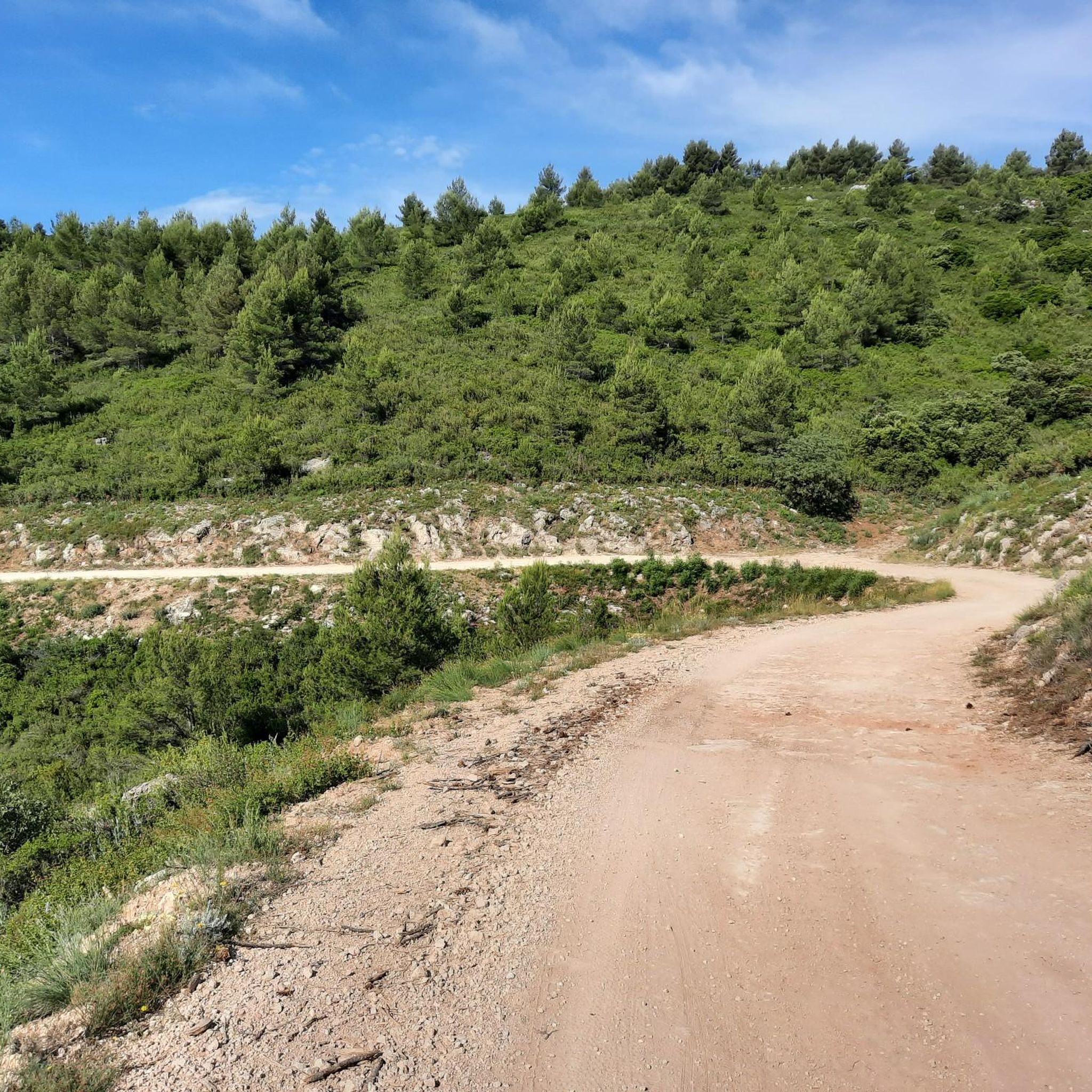
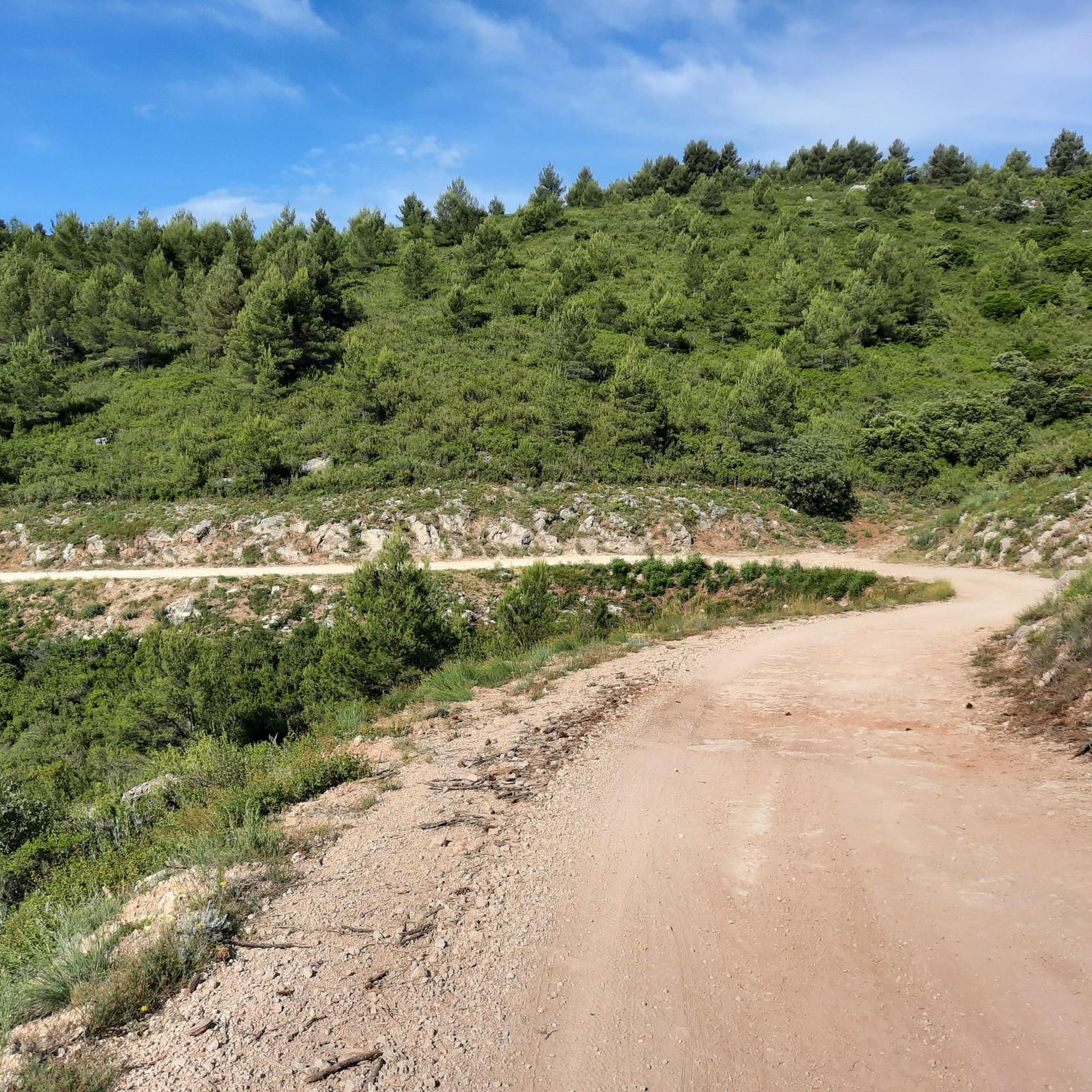
The climb offers sublime scenery. !!! AVOID WEEKENDS, HOWEVER!!! Motorcyclists use this climb as a circuit... The noise and danger make this climb a punishment.
1
0

very steep climb before reaching the plateau, had to walk it
0
0

A climb through the Sainte Baume massif, allowing you to reach the highest pass in the Bouches du Rhône. Despite some very short downhill sections, this pass does not spare the legs. Be careful in summer because even if the beginning is a little shady, you will very quickly find yourself burning under the Provençal dodger.
0
0

The Huveaune is really beautiful all the way! The passages with the pools are splendid! Leave early it's very busy!
1
1
Frequently Asked Questions
What unique geological features define the natural monuments around Cuges-Les-Pins?
The natural monuments around Cuges-Les-Pins are primarily shaped by its location within a large karstic depression known as a poljé. This geological feature, part of the Sainte-Baume massif, results in distinctive limestone formations, caves, and river systems. For example, the Source of the Huveaune showcases unique 'water bottles' or cascading basins formed by the river dissolving limestone.
Are there natural monuments around Cuges-Les-Pins that offer panoramic views?
Yes, several natural monuments provide breathtaking panoramic views. The Climb to Col de l'Espigoulier, the highest road pass in the Bouches du Rhône, offers expansive views extending all the way to the sea. Similarly, Bertagne Peak provides spectacular 360° panoramas of the mountains and the sea, including views towards Marseille, La Ciotat, and the Calanques.
Which natural monuments in the region have historical or cultural significance?
The Saint Mary Magdalene Grotto within the Sainte-Baume massif is a significant site. It is not only a place of natural beauty but also a sacred pilgrimage site, frequented since the 5th century. The grotto is said to have offered refuge to Saint Mary Magdalene and has a rich history of monastic presence and worship.
What kind of outdoor activities can I do near the natural monuments around Cuges-Les-Pins?
The area around Cuges-Les-Pins is excellent for various outdoor activities. You can find numerous routes for mountain biking, cycling, and gravel biking. For example, there are MTB Trails around Cuges-Les-Pins, Cycling routes around Cuges-Les-Pins, and Gravel biking routes around Cuges-Les-Pins, offering diverse terrain and scenic views.
Are there any easy or beginner-friendly natural monuments to visit around Cuges-Les-Pins?
While many trails in the region are intermediate, some sections or approaches to natural monuments can be considered easier. For instance, the Bertagne Peak can be reached via a tarred military road, offering a less strenuous option compared to extensive trails. Always check route details for specific difficulty levels.
What do visitors enjoy most about the natural monuments in Cuges-Les-Pins?
Visitors frequently praise the magnificent views and the unique geological formations. The switchbacks and breathtaking sea views from the Climb to Col de l'Espigoulier are highly appreciated. The 'water bottles' at the Source of the Huveaune also often amaze hikers with their spooky and amusing landscapes.
Can I find natural monuments suitable for families around Cuges-Les-Pins?
The natural monuments in the region offer varied experiences. While specific 'family-friendly' designations are not always available, locations like the Source of the Huveaune with its unique cascading basins can be an engaging discovery for families. When planning, consider shorter walks or sections of trails that are less strenuous.
What is the best time of year to visit the natural monuments in Cuges-Les-Pins?
The Cuges-Les-Pins region, being in Provence, generally enjoys a Mediterranean climate. Spring (April-June) and autumn (September-October) are often ideal, offering pleasant temperatures for hiking and exploration without the intense heat of summer. These seasons also showcase the region's natural beauty with blooming flora or vibrant autumn colors.
Are there any natural monuments that are less known or considered 'hidden gems'?
While the main highlights are well-known, the broader Sainte-Baume massif, which encompasses many of these monuments, contains numerous smaller trails and viewpoints that offer a sense of discovery. Exploring the unique topography of the Poljé of Cuges-Les-Pins itself, beyond the main attractions, can reveal serene landscapes and less-trodden paths.
What should I wear when visiting the natural monuments and hiking in the Cuges-Les-Pins area?
Given the varied terrain, including mountain passes and forest trails, it's advisable to wear comfortable, sturdy hiking shoes with good grip. Layered clothing is recommended as temperatures can change, especially at higher elevations or during different times of the day. Don't forget sun protection, water, and a map or GPS device.
Where can I find more information about Cuges-Les-Pins itself?
For more details about the village of Cuges-Les-Pins and its local attractions, you can visit the official tourism website for the area: tourisme-paysdaubagne.fr.
Most popular routes around Cuges-Les-Pins
Most popular attractions around Cuges-Les-Pins

Get inspired with the komoot mobile app


Explore more
Extend your search for the best caves by checking out these guides of the top ones around Cuges-Les-Pins:
