Top 19 Natural Monuments around Fontaine
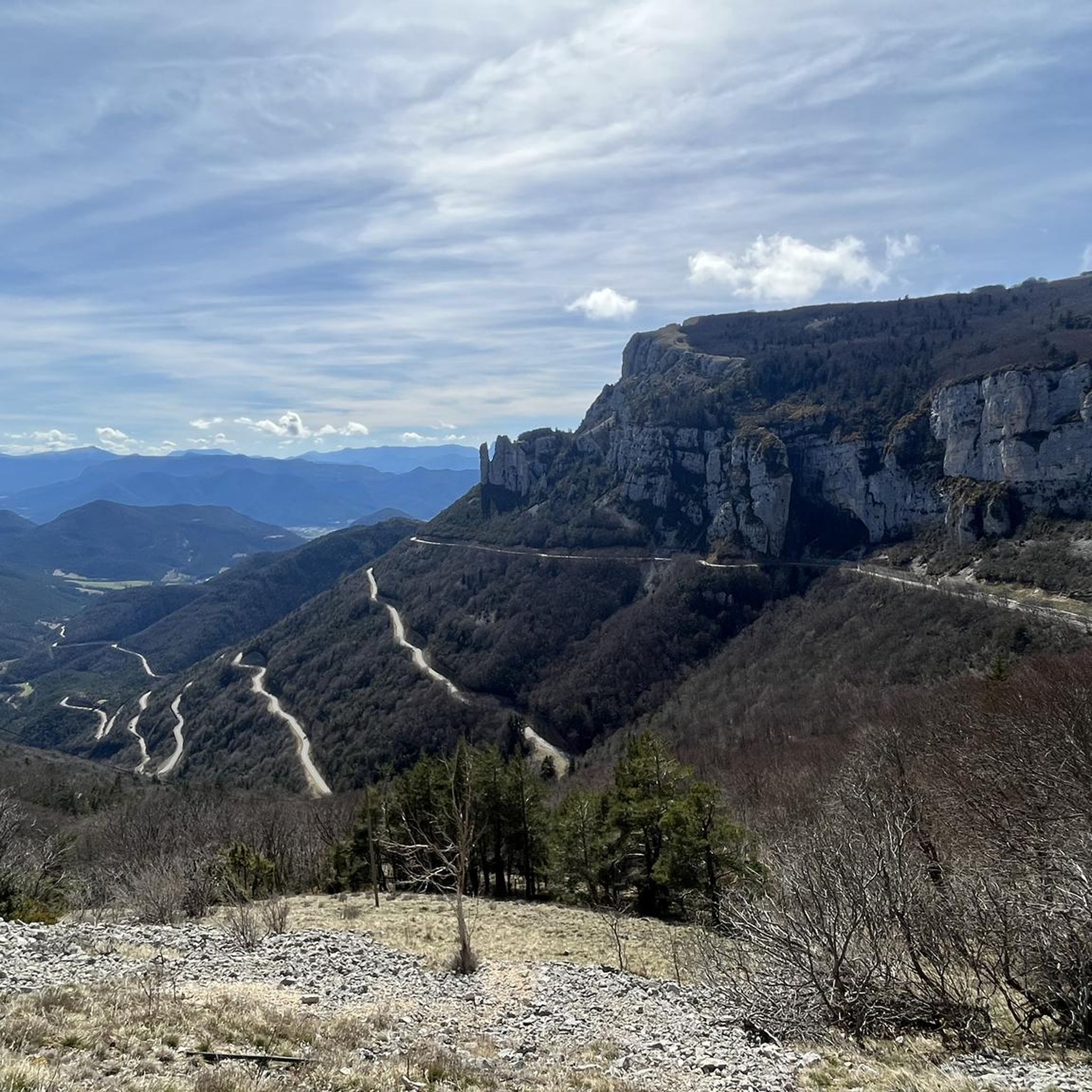
Best natural monuments around Fontaine offer diverse landscapes, from high-altitude summits to serene alpine pastures. This region provides numerous opportunities for outdoor exploration, showcasing impressive viewpoints and significant geological features. Visitors can discover a variety of natural monuments, including forests and ridges, that contribute to the area's natural beauty. The natural formations here make it a compelling destination for those seeking natural wonders.
Best natural monuments around Fontaine
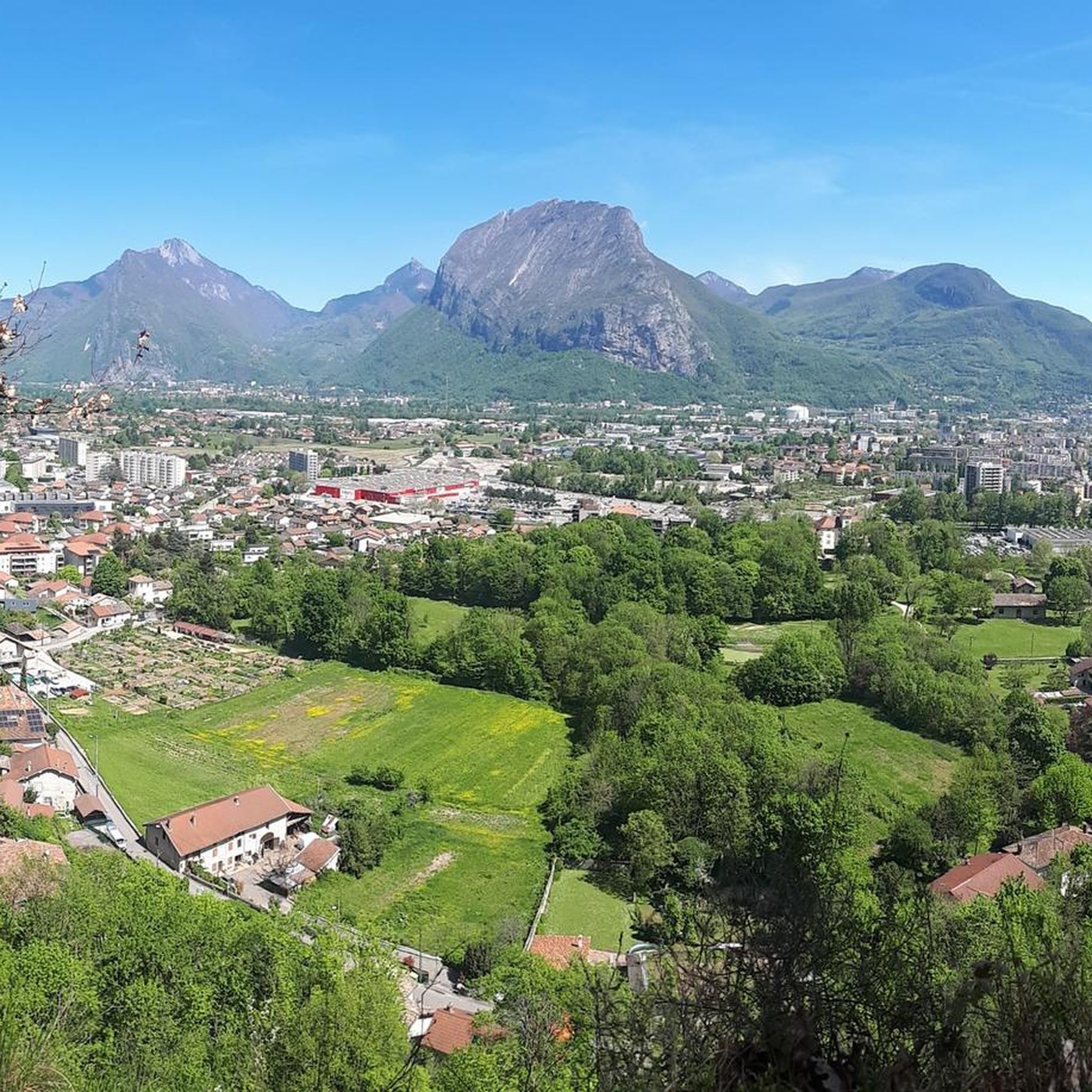
- The most popular natural monuments is The Moucherotte Summit, a summit that offers a panorama of the Isère valley, Grenoble, and the Alps. It is known for its vast and beautiful views.
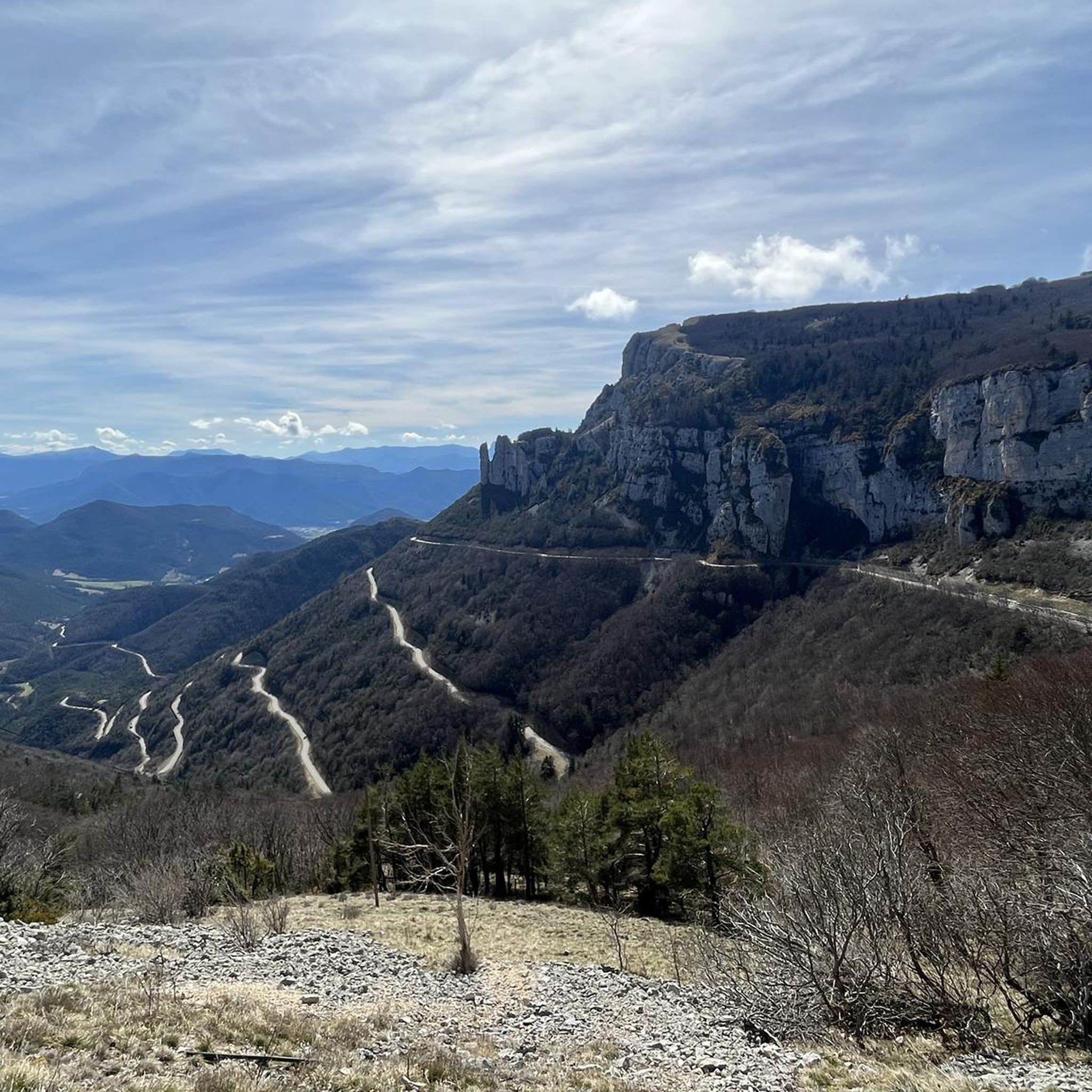
- Another must-see spot is La Molière Alpine Pasture and Panoramic View, a viewpoint and alpine pasture at 1,632 meters. Visitors can expect hundreds of cows grazing and superb panoramic views of the Alps.
- Visitors also love Charande Summit, a high point at 1,709 meters. It is special for its beautiful vantage point over the north-eastern Vercors and surrounding mountain massifs.
- Fontaine is known for summits, viewpoints, and forests. The region offers a variety of natural monuments to see and explore, including trails, ridges, and mountain passes.
- The natural monuments around Fontaine are appreciated by the komoot community. The highlights have received more than 300 upvotes and feature over 150 photos.
Last updated: July 2, 2026
The Moucherotte Summit
Highlight • Summit
PS: we suggest that you climb Moucherotte by its eastern side, stopping at the Vallier cave on the way.
Translated by Google •
Tip by

La Molière Alpine Pasture and Panoramic View
Highlight • Viewpoint
Hundreds of cows graze there every summer and enjoy a superb panoramic view of the Alps!
Translated by Google •
Tip by

Sign up now to discover places like this
Get recommendations on the best single tracks, peaks, & plenty of other exciting outdoor places.
Sign up for free
Charande Summit
Highlight • Summit
From up there, you'll enjoy a breathtaking view of the Molière alpine pasture.
Translated by Google •
Tip by
Izon Cross
Highlight • Summit
Translated by Google •
Tip by

Grottes de Mandrin
Highlight • Cave
Translated by Google •
Tip by

Sign up for free to discover even more natural monuments around Fontaine.
Sign up for free
Already have an account?
Start today with a free account
Your next adventure awaits.
Login or Signup
Tips from the Community

Anyone visiting the fortress should also walk through the caves.
1
0

Take the time to climb a little higher than at the Bastille, because it's impressive.
1
0

Great viewpoint, and great path on the ridges.
0
0

Excellent hike with views of the Belledonne mountains and, if the weather is good, Mont Blanc. The climb to the Moucherotte is not particularly demanding, but the hike is very scenic and the view from the summit is a highlight. On the way down, you can take a detour over the dilapidated ski jump from the 1968 Olympics.
2
0

Located at an altitude of 1,349 meters, the Croix de l'Izon offers a number of incredible views of the Vercors massif, the Grenoble metropolitan area and the rest of the Alps.
1
0
Charande is located at an altitude of 1,709 meters on the ridges which dominate the Molière plateau. It offers a panoramic view of the city of Grenoble and the surrounding peaks.
0
0

Magnificent site with a superb view
0
0

Magnificent view of the Chartreuse, the Mont Blanc, Belledonne, the Oisans further south up to the Col de Luz la Croix Haute, without forgetting the Vercors itself! Thank you Marco and Paulo, the bench was perfect for the picnic this afternoon, and we actually saw your signatures!
3
0
Frequently Asked Questions
What kind of natural features can I expect to see around Fontaine?
Fontaine offers a diverse range of natural features, from high-altitude summits and alpine pastures to unique underwater ecosystems and serene landscapes. You can explore impressive viewpoints like The Moucherotte Summit, which provides panoramic views of the Isère valley and the Alps, or the expansive La Molière Alpine Pasture. The region also features significant geological formations, forests, ridges, and even stunning underwater environments like the Seaworn Cavern, teeming with marine life.
What do visitors enjoy most about the natural monuments in Fontaine?
Visitors particularly appreciate the breathtaking panoramic views and the sense of tranquility found at many of Fontaine's natural monuments. For instance, at The Moucherotte Summit, people describe a 'true feeling of absolute fullness' from the vast panorama. Similarly, La Molière Alpine Pasture is loved for its superb views of the Alps and the sight of hundreds of grazing cows. The unique blend of natural beauty and opportunities for peaceful contemplation makes these spots highly cherished.
Are there family-friendly natural monuments around Fontaine?
Yes, several natural monuments around Fontaine are suitable for families. Locations like La Molière Alpine Pasture and Panoramic View offer accessible paths and the charming sight of grazing cows, which can be delightful for children. While specific 'family-friendly' categories aren't always explicit, many viewpoints and less strenuous trails provide enjoyable experiences for all ages. Always check the difficulty of specific routes before heading out with young children.
What are the difficulty levels of natural monuments near Fontaine?
The natural monuments around Fontaine offer a range of difficulty levels. Many summits and viewpoints, such as The Moucherotte Summit and Charande Summit, are categorized as intermediate, often involving moderate hikes to reach. However, there are also easier access points to scenic areas like La Molière Alpine Pasture, which can be reached by various means, including car or shuttle during certain seasons. It's always recommended to check specific trail details for each monument.
When is the best time to visit natural monuments in Fontaine?
The best time to visit Fontaine's natural monuments largely depends on the experience you seek. Summer is ideal for enjoying alpine pastures like La Molière, where hundreds of cows graze. Spring and autumn offer pleasant temperatures for hiking to summits like The Moucherotte Summit, with vibrant foliage in autumn. Winter can transform the landscape into a snowy wonderland, offering different scenic views, though accessibility might be limited for some higher-altitude spots.
Are there any hidden natural monuments worth exploring in Fontaine?
While not explicitly 'hidden,' some natural monuments offer unique stories or less-traveled paths. For example, The Cyclone forest tells the story of a devastating hurricane in 1915 that completely reshaped the landscape, making it a place of historical natural interest. Exploring such sites can offer a deeper connection to the region's natural history beyond the more popular viewpoints.
What outdoor activities can I do near the natural monuments in Fontaine?
The area around Fontaine's natural monuments is excellent for various outdoor activities. You can find numerous road cycling routes, including challenging options like 'Chamrousse 1750m – Col de Chamrousse loop' or more moderate touring bicycle routes such as 'Bella Via from Grenoble to Vinay'. Mountain biking enthusiasts can explore trails like 'Via du Tram' or 'Jean Jacques Rousseau desert'. For more details on these and other routes, check out the Road Cycling Routes around Fontaine, Cycling around Fontaine, and MTB Trails around Fontaine guides.
Are there cycling routes near Fontaine's natural monuments?
Absolutely! Fontaine offers a variety of cycling routes that allow you to explore the natural beauty of the region. For road cyclists, options range from the 'La Belle Via Cycle Route' to more demanding climbs like the 'Col de Porte (1326 m) – Col du Coq loop'. Touring cyclists can enjoy routes such as the 'Isère Riverside Cycle Path' with views of the Vercors massif. You can find detailed information and maps in the Road Cycling Routes around Fontaine and Cycling around Fontaine guides.
Can I find mountain biking trails around Fontaine's natural monuments?
Yes, mountain biking is a popular activity around Fontaine, with several trails available. You can tackle challenging routes like 'Via du Tram' or explore the 'Jean Jacques Rousseau desert' trails. These routes often provide stunning views and a thrilling experience through the natural landscapes. For a comprehensive list of trails and their difficulty, refer to the MTB Trails around Fontaine guide.
Are there natural monuments with historical significance in Fontaine?
Beyond their natural beauty, some sites in Fontaine carry historical or cultural significance. The Seaworn Cavern, for instance, features the remaining skull of a massive, ancient creature, hinting at a deep past. While not a natural monument in the traditional sense, the Fountain of Lucine is an iconic landmark where people gather to wish for blessings, reflecting local traditions. Even a forest like The Cyclone holds historical memory of a natural disaster.
What wildlife might I encounter near Fontaine's natural monuments?
The diverse landscapes around Fontaine support various wildlife. In alpine pastures like La Molière, you'll commonly see hundreds of grazing cows and heifers during the summer months. The underwater environments, such as the Seaworn Cavern, are home to colorful marine creatures and aquatic plants. In forested and mountainous areas, you might spot various bird species, small mammals, and insects. Always observe wildlife from a respectful distance.
Are there natural monuments suitable for beginners or less experienced hikers?
Yes, there are options for beginners or those seeking less strenuous experiences. While many summits involve intermediate hikes, some viewpoints and alpine pastures offer easier access. For example, La Molière Alpine Pasture can be reached by car or shuttle, making it accessible for a gentle stroll and enjoying the panoramic views without a demanding climb. Always check the specific access and trail information for each location to match your comfort level.
Most popular routes around Fontaine
Most popular attractions around Fontaine

Get inspired with the komoot mobile app


Explore more
Extend your search for the best caves by checking out these guides of the top ones around Fontaine:
