Top 18 Natural Monuments around Götzenbrück
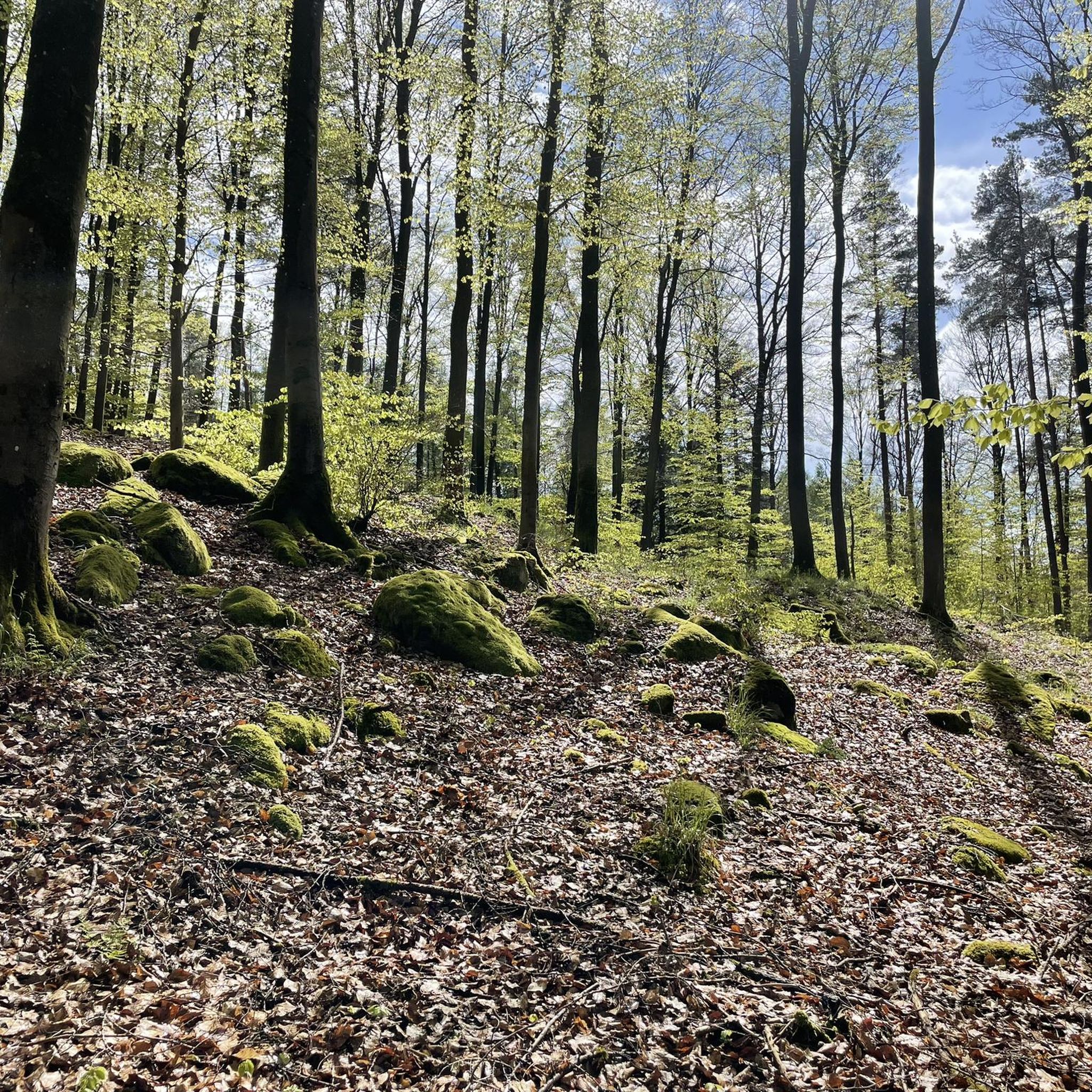
Best natural monuments around Götzenbrück are situated within the Northern Vosges Regional Nature Park and the Palatinate Forest-Northern Vosges Biosphere Reserve. This commune in the Moselle department of northeastern France is part of a landscape recognized for its natural heritage and ecological significance. The region is characterized by extensive forests, rugged cliffs, and diverse ecosystems, holding a UNESCO World Biosphere Reserve label.
Best natural monuments around Götzenbrück
- The most popular natural monuments is Ramstein Castle, a castle situated on…
Last updated: July 2, 2026
Ramstein Castle
Highlight • Castle
Translated by Google •
Tip by

Ochsenstall Rock
Highlight • Cave
Translated by Google •
Tip by

Sign up now to discover places like this
Get recommendations on the best single tracks, peaks, & plenty of other exciting outdoor places.
Sign up for free
12 Apostles Stone / Breitenstein
Highlight • Monument
In 1787 it was carved with the effigies of the twelve apostles.
Translated by Google •
Tip by

Little Meisenbach Castle
Highlight • Castle
Translated by Google •
Tip by

Croix Saint-Hubert
Highlight • Monument
See also: club-vosgien-lemberg.net/wordpress/?page_id=178
Translated by Google •
Tip by

Sign up for free to discover even more natural monuments around Götzenbrück.
Sign up for free
Already have an account?
Start today with a free account
Your next adventure awaits.
Login or Signup
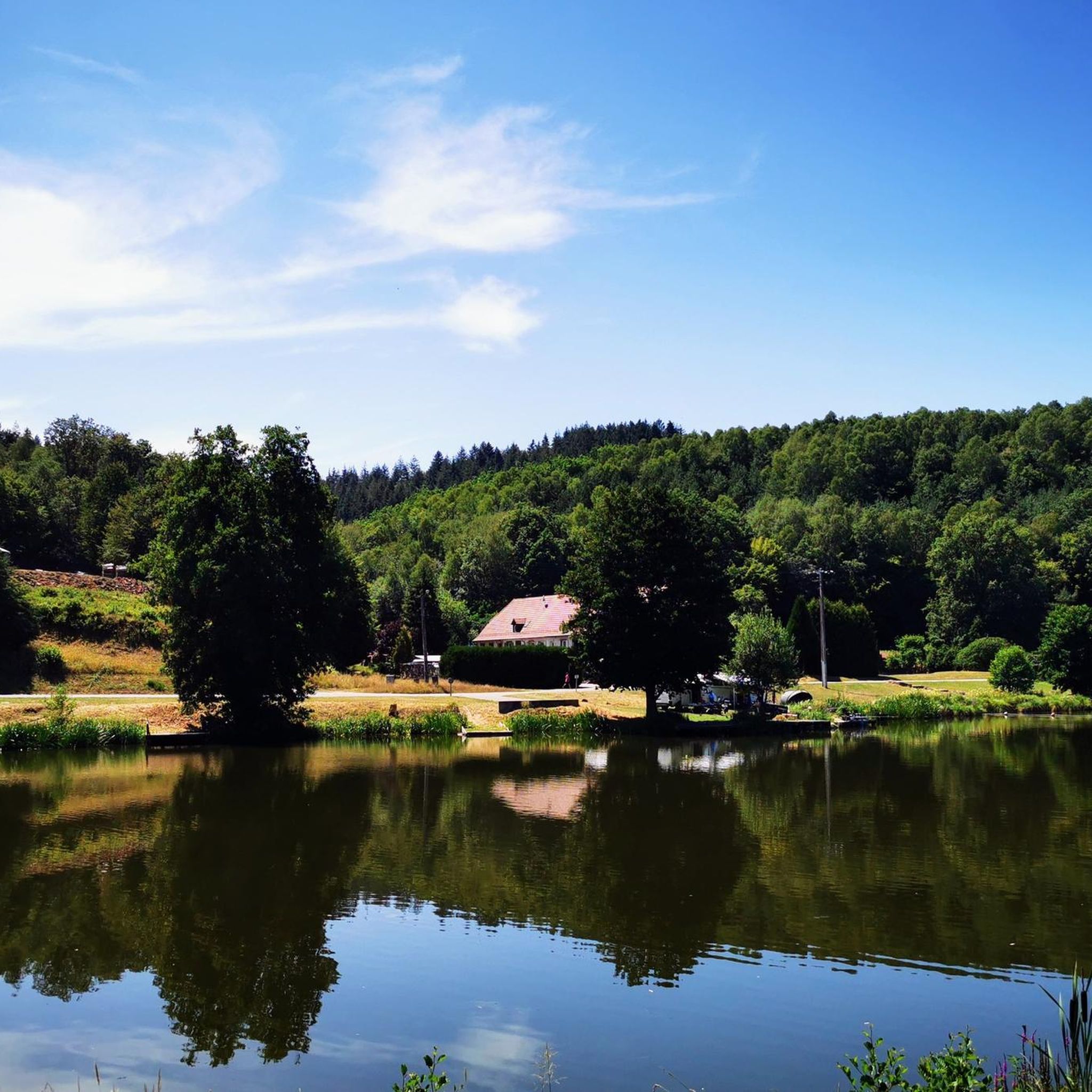
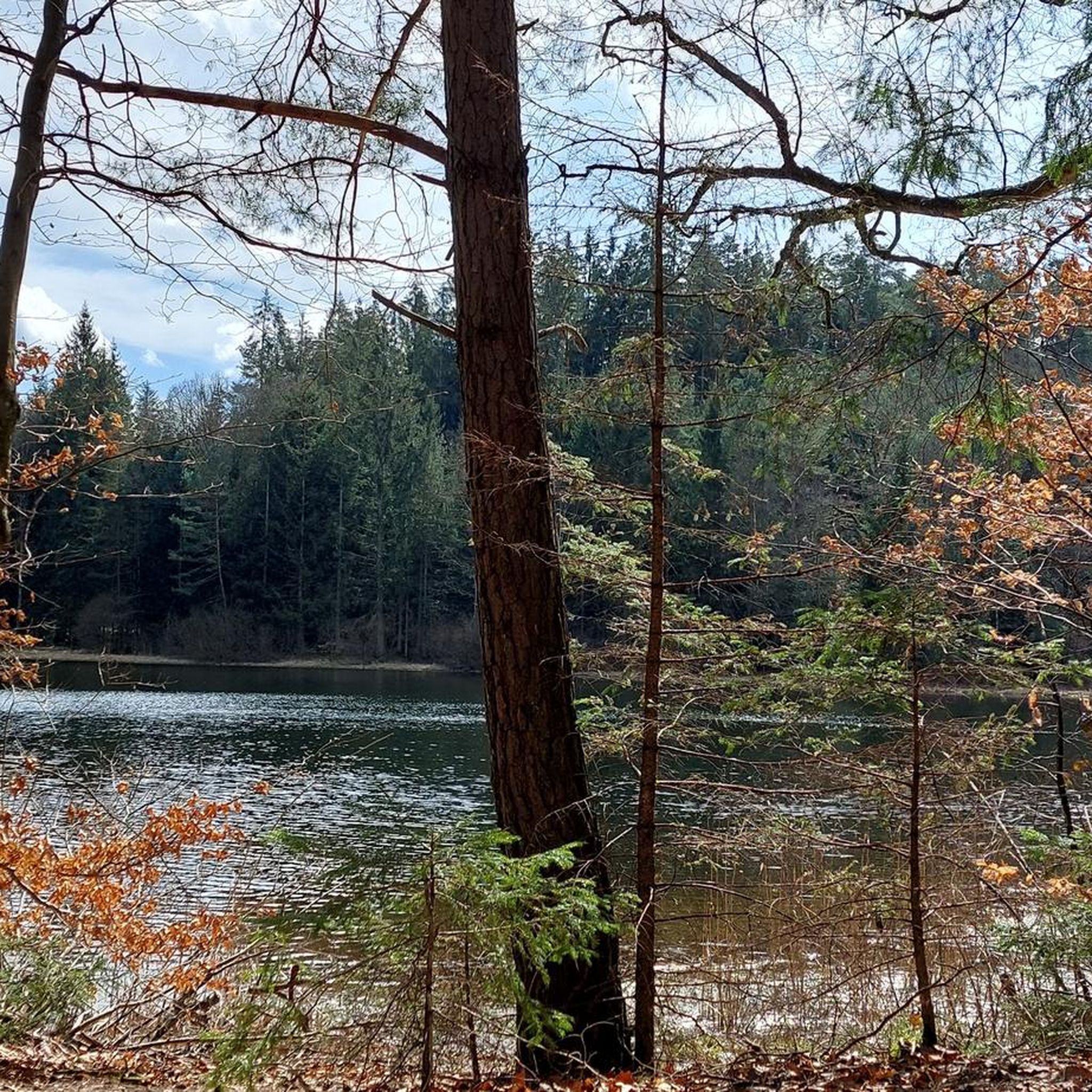
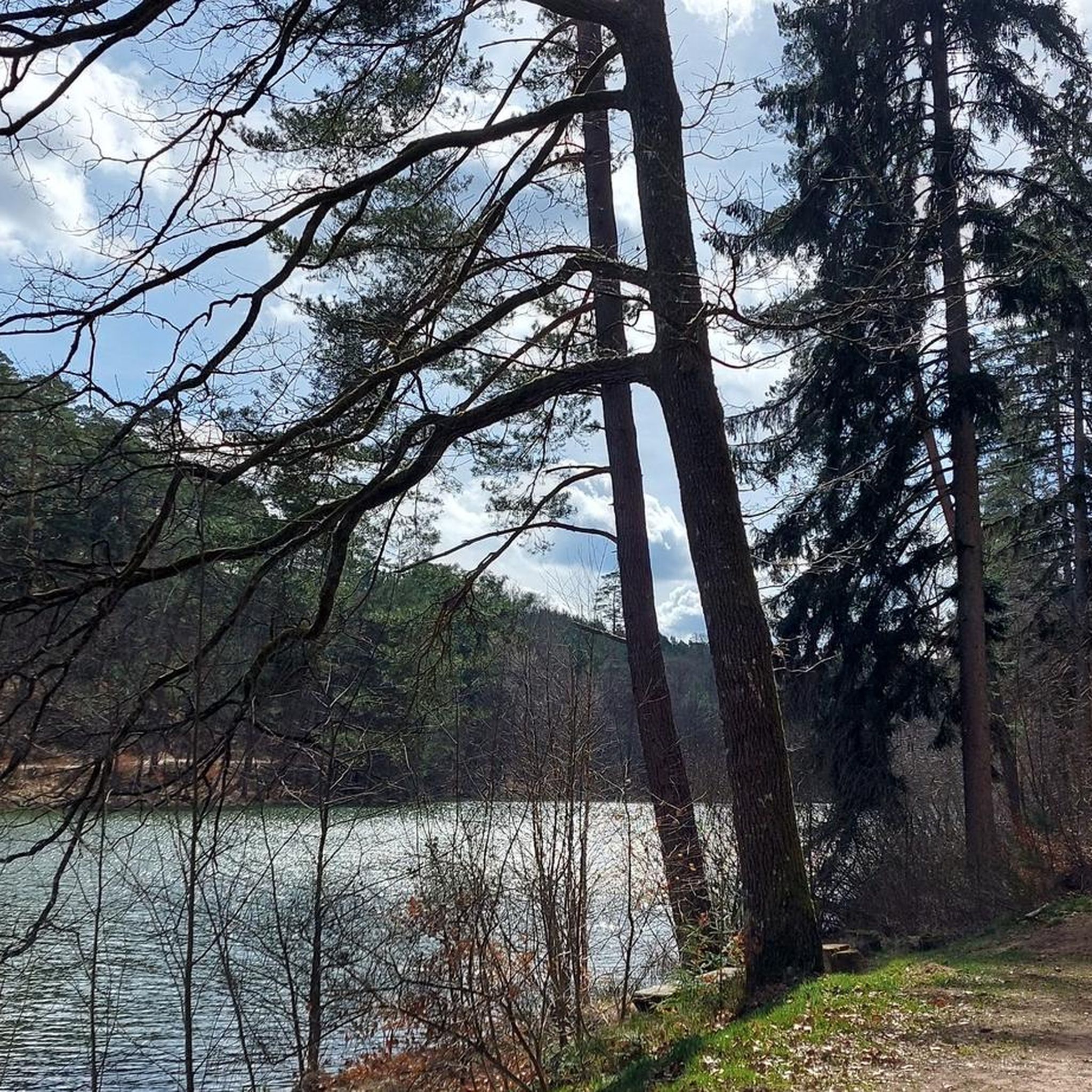
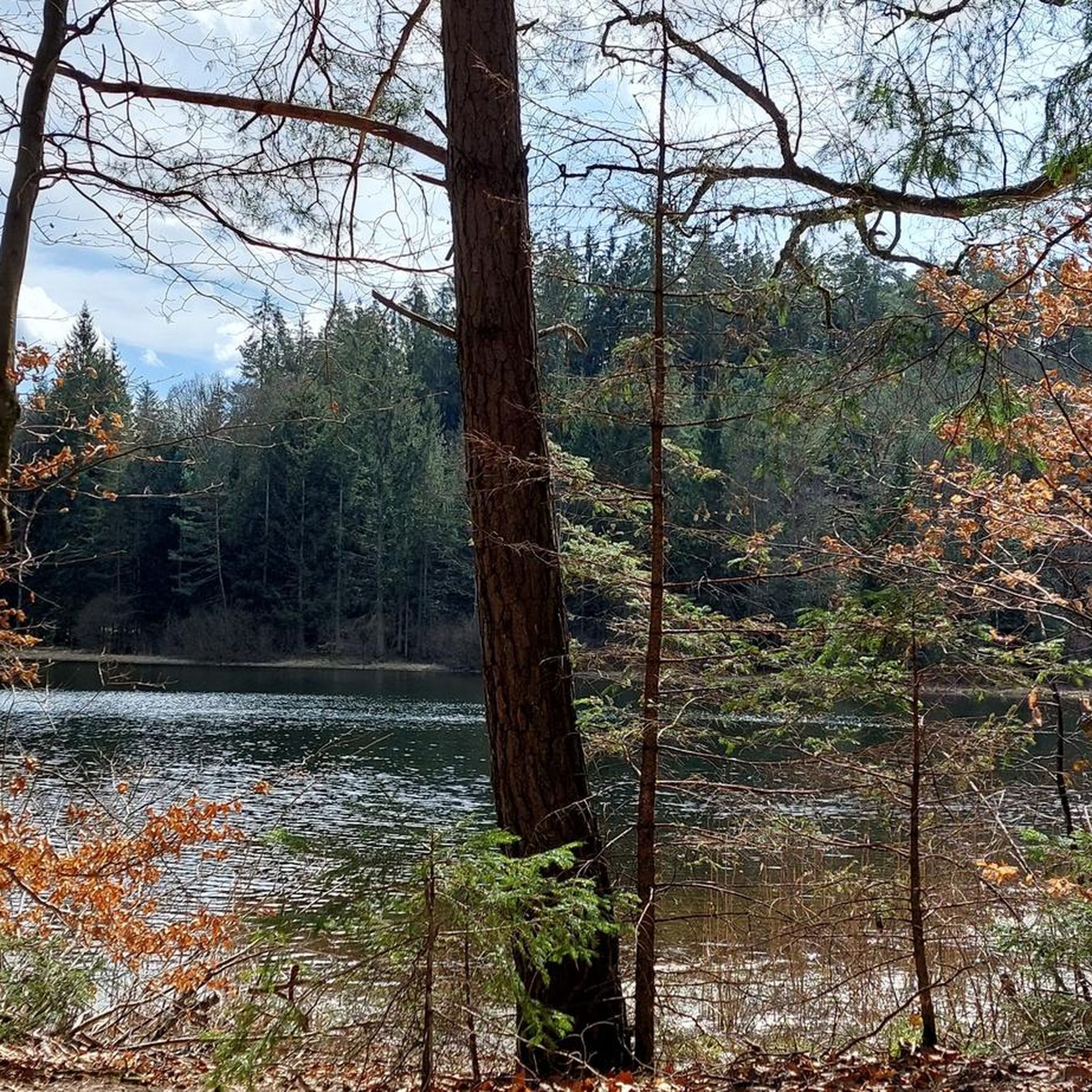
Tips from the Community

Although the few remaining ruins of this structure are called a castle, it appears that the site was first used as a Roman temple and then as a Christian church. Nearby are superb rock formations typical of the Northern Vosges Mountains.
1
0

Accessible from various directions and/or accessible as a circular walk. The walk up the mountain is quite long.
0
0

At this spot, in the forest northeast of Lviv, the trees give way slightly, creating a clearing where, at an altitude of 420 meters, stands the small sacred monument known as the "Croix Saint-Hubert." A low stone wall and a wooden fence create a small "sacred precinct," at the center of which is the well-preserved cross. At the very bottom of the lower section is the well-known scene from the Life of Hubertus, featuring a stag with a cross between its antlers. Above it, at the very bottom, are reliefs of two figures, the one on the left identified as a monk with his tonsure and habit; between the two images, the year 1786. Above this, rises the actual cross, which also bears the body of the crucified Christ.
2
0

Very beautiful places in the calm of the forest
0
0

The remains are not the ruins of a small castle, as the popular name might suggest, but rather the remains of a Roman or Gallo-Roman sanctuary from the 2nd century, with a second phase of use in the 4th century. It may have later been used as a Christian church. In Curt Mündel's guide to the Vosges Mountains (1911 edition), the ruins are referred to as "Meisenbacher Schlössel," and the rock below as "Ochsenstall" (Oxen Stable), probably because the rock overhang was formerly used as a shelter for cattle.
0
0

The Ochsenstall Rock offers an exhilarating mountain biking experience with its rugged terrain and steep slopes. The highlight of your ride is the Ochsenstall Cave, an intriguing little cavern located beneath the rock formations. This cave, carved out by natural forces, offers a moment of exploration and a unique view of the surrounding landscape. It is the perfect place to take a break.
1
0

Beautiful wayside cross with a bench opposite. I liked to take a break here. Almost at the highest point of my tour. See also: https://www.club-vosgien-lemberg.net/wordpress/?page_id=178
0
0

Not much left to see but easy to incorporate as a loop from the main path.
0
0
Frequently Asked Questions
What natural features define the landscape around Götzenbrück?
The area around Götzenbrück is primarily characterized by its extensive forests, rugged sandstone formations, and wide valleys. It is nestled within the Northern Vosges Regional Nature Park and the Palatinate Forest-Northern Vosges Biosphere Reserve, both recognized for their rich biodiversity and tranquil environment.
Are there historical natural monuments to explore near Götzenbrück?
Yes, the region offers several sites with historical significance. For instance, you can visit Ramstein Castle, a 13th-century ruin situated on a rocky outcrop, or the 12 Apostles Stone / Breitenstein, a prehistoric menhir that has served as a border marker and was later carved with religious figures.
What kind of rock formations can I see around Götzenbrück?
The region is known for its rugged and imposing sandstone cliffs and unique rock formations. A notable example is Ochsenstall Rock, a distinctive formation with cavities that historically served as a shelter.
What outdoor activities can I do near these natural monuments?
The extensive forests and varied terrain around Götzenbrück offer numerous opportunities for outdoor activities. You can find many routes for hiking, gravel biking, and road cycling. For detailed routes, explore the hiking guide, gravel biking guide, or road cycling guide for the area.
Are there family-friendly natural monuments or trails in the area?
While specific family-friendly designations are not always explicit for natural monuments, the general environment of the Northern Vosges Regional Nature Park is conducive to family outings. The 12 Apostles Stone / Breitenstein is noted as family-friendly, offering an interesting historical site that can be explored by all ages.
What is the best time to visit the natural monuments around Götzenbrück?
The Northern Vosges Regional Nature Park offers beauty throughout the year. Spring brings lush greenery and blooming flora, while autumn showcases vibrant fall colors in the extensive forests. Summer is ideal for longer hikes, and winter offers a serene, snow-covered landscape for those prepared for colder conditions.
Can I expect to see wildlife when visiting the natural monuments?
Yes, the protected status of the Northern Vosges Regional Nature Park and the Palatinate Forest-Northern Vosges Biosphere Reserve means the area is rich in diverse wildlife. Visitors might encounter species such as red deer, roe deer, wild boar, and various bird species. Observing wildlife requires patience and quiet exploration.
Are there any viewpoints offering panoramic scenery?
Many natural monuments and trails in the region offer excellent viewpoints. For example, Ramstein Castle provides magnificent views of the surrounding countryside from its rocky outcrop. The Croix Saint-Hubert, located in a forest clearing at 420 meters altitude, also offers a scenic spot for a break.
What is the terrain like for hiking around Götzenbrück's natural monuments?
The terrain in the Northern Vosges Regional Nature Park varies, featuring dense forests, rugged cliffs, and wide valleys. Trails can range from easy paths suitable for beginners to more challenging routes with significant elevation changes, especially around the sandstone formations and castle ruins.
Are there any unique man-made monuments integrated with the natural landscape?
Yes, the region features monuments that blend with the natural surroundings. The Croix Saint-Hubert is a well-preserved cross with historical carvings, situated in a forest clearing, offering a unique blend of human history and natural beauty.
What do visitors appreciate most about the natural monuments near Götzenbrück?
Visitors frequently appreciate the tranquility and scenic beauty of the area, the opportunity to immerse themselves in nature, and the historical context of sites like the castle ruins and ancient rock formations. The extensive network of trails for various outdoor activities is also highly valued by the komoot community.
Most popular routes around Götzenbrück
Most popular attractions around Götzenbrück

Get inspired with the komoot mobile app


Explore more
Extend your search for the best caves by checking out these guides of the top ones around Götzenbrück:
