Top 14 Natural Monuments around Denipaire
Best natural monuments around Denipaire are found in a region characterized by forests and rolling hills within the Vosges department of France. The area offers captivating rock formations and access to the expansive natural landscapes of the Vosges Mountains. Denipaire serves as a base for exploring geological features and natural heritage. The surrounding natural environment provides opportunities for outdoor activities.
Best natural monuments around Denipaire
- The most popular natural monuments is La Roche Saint-Martin and View of Saint-Dié, a…
Last updated: July 2, 2026
La Bure Celtic Camp
Highlight • Historical Site
Translated by Google •
Tip by

Dry Fir Rock
Highlight • Viewpoint
Translated by Google •
Tip by

Sign up now to discover places like this
Get recommendations on the best single tracks, peaks, & plenty of other exciting outdoor places.
Sign up for free
La Roche Saint-Martin and View of Saint-Dié
Highlight • Viewpoint
Translated by Google •
Tip by

Roche des Abris
Highlight • Natural Monument
Translated by Google •
Tip by

Roche d'Anozel
Highlight • Viewpoint
Translated by Google •
Tip by
Sign up for free to discover even more natural monuments around Denipaire.
Sign up for free
Already have an account?
Start today with a free account
Your next adventure awaits.
Login or Signup


Tips from the Community


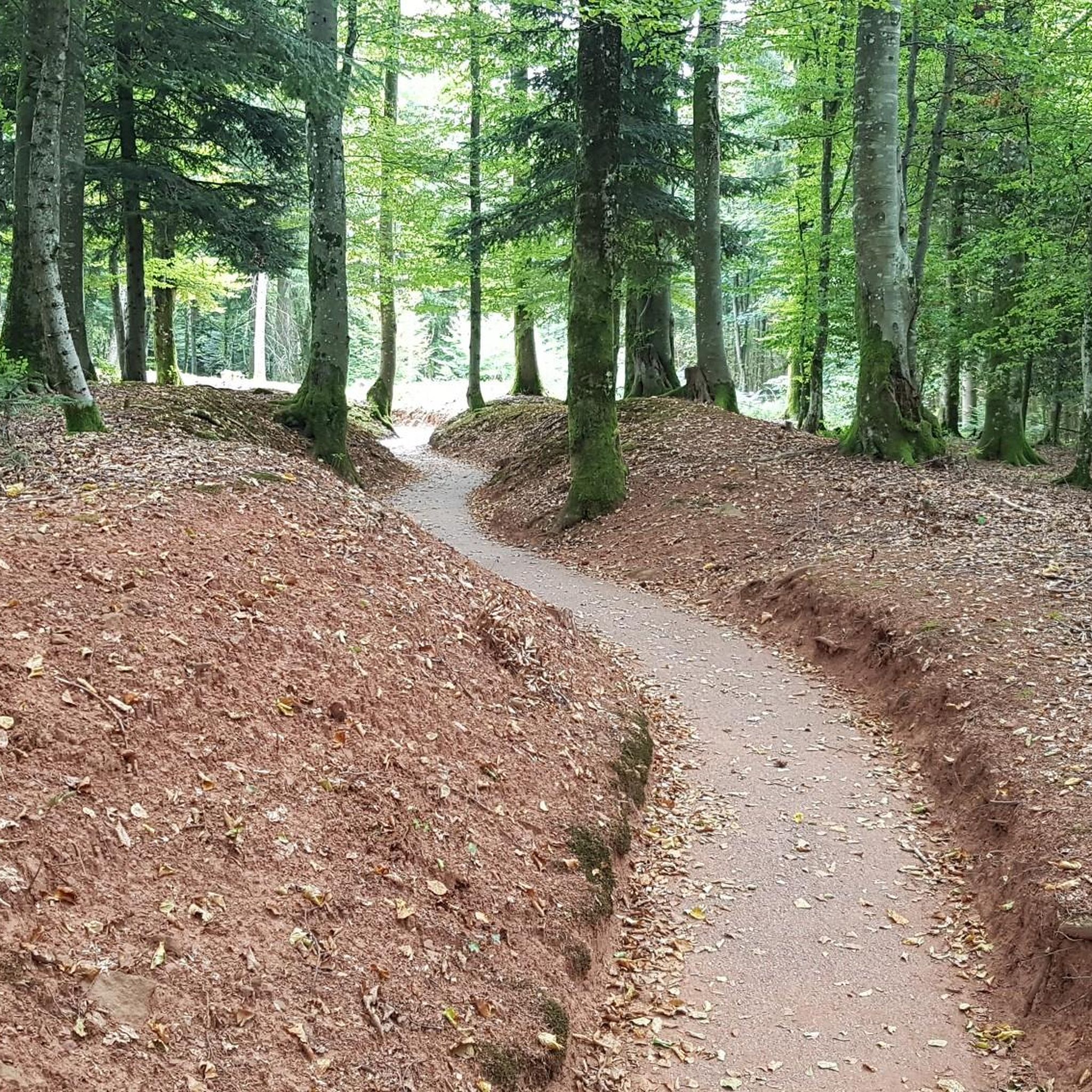
This rock shelter linked to a fort is that of the commander of the cartographic section. Inside there is a table, a stove, a bed, a telephone and electricity. This is where all the information obtained by the observers on the massif arrives.
0
0


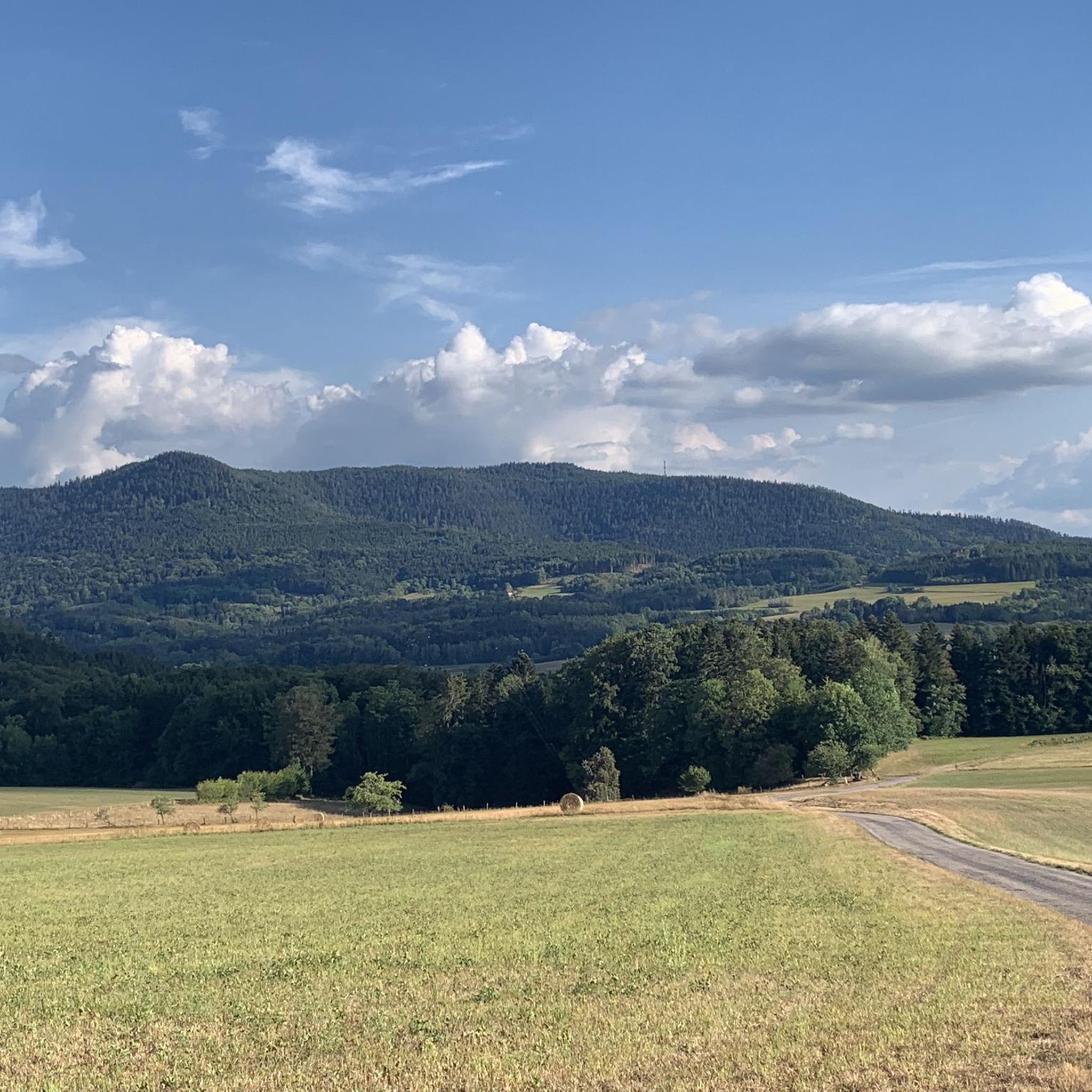
Emblematic rock of the Kemberg massif, from which the view of the Vosges is clear.
0
0

Large steep rock with south-facing viewing platform.
1
0

Magnificent Roche St Martin
3
1
Frequently Asked Questions
What are some notable natural monuments near Denipaire that offer unique views?
Beyond the popular spots, you can explore the Dry Fir Rock, a Vosges sandstone formation equipped with an iron ladder, providing panoramic views over Nayemont, Saint-Jean d'Ormont, and Saint-Dié-des-Vosges. Another excellent viewpoint is Roche d'Anozel, an emblematic rock of the Kemberg massif with a south-facing platform offering clear views of the Vosges.
Are there natural monuments near Denipaire with historical significance?
Yes, the area combines natural beauty with history. The La Bure Celtic Camp is a fortified plateau that has been inhabited since the Neolithic period and was used intensively by Celts and Romans. Another site is Roche des Abris, a rock shelter linked to a fort, offering great views and a glimpse into its past as a command post.
What kind of geological formations can I expect to see around Denipaire?
The region is characterized by impressive rock formations, primarily Vosgian sandstone and granite. Notable examples include the unique, curved form of the Roche des Corbeaux, made of Vosgian sandstone, and the granite formations of the Roche des Fées, both offering distinct geological characteristics and scenic viewpoints.
What outdoor activities can I do near these natural monuments?
The natural monuments around Denipaire are excellent starting points for various outdoor activities. You can find numerous hiking trails, including routes like the 'La Bure Celtic Camp – Great point of view loop'. For runners, there are challenging running trails such as the 'Great point of view loop from Saint-Jean-d'Ormont'. Cyclists can explore the region on road cycling routes like the 'Rabodeau Valley – Prayé Forest Road loop'.
Are there family-friendly natural monuments or trails around Denipaire?
While specific 'family-friendly' categories aren't always assigned, many natural monuments are accessible via trails of varying difficulty. For instance, some sections around the La Bure Celtic Camp offer easy hiking loops, making them suitable for families. Always check the specific trail difficulty before heading out with children.
What is special about the Roche des Corbeaux?
The Roche des Corbeaux, located near Saint-Dié-des-Vosges, is a significant natural landmark consisting of four distinct groups of Vosgian sandstone rocks. It forms a cone-shaped massif with a unique, curved form, easily recognizable from surrounding valleys. The summit provides panoramic views of Saint-Dié and the High Vosges, and it's part of local long-distance hiking trails.
What is the legend behind the Roche des Fées?
The Roche des Fées (Fairy's Rock), a granite formation northeast of Saint-Dié-des-Vosges, is steeped in local folklore. Legend recounts that fairies attempted to build a gigantic bridge across the valley using these very stones. This blend of natural beauty and mystical charm adds a unique appeal to the site, which also offers remarkable viewpoints over Saint-Dié and the Meurthe valley.
What do visitors enjoy most about the natural monuments around Denipaire?
Visitors frequently highlight the magnificent views and the impressive rock formations. For example, at La Roche Saint-Martin and View of Saint-Dié, people love the 'truly fantastic view' from the sandstone columns. The combination of natural beauty with historical elements, such as at La Bure Celtic Camp, also receives positive feedback for its rich heritage.
What is the best time to visit the natural monuments in the Denipaire area?
The best time to visit the natural monuments around Denipaire is generally during spring, summer, and early autumn. These seasons offer pleasant weather for hiking and enjoying the panoramic views. Spring brings lush greenery, while autumn showcases vibrant fall foliage. Winter visits are possible, but trails may be challenging due to snow and ice, requiring appropriate gear.
Are there any long-distance hiking opportunities near Denipaire's natural monuments?
Yes, the region around Denipaire, being part of the broader Vosges Mountains, offers access to extensive hiking networks. The Roche des Corbeaux, for instance, is integrated into local long-distance hiking trails. Additionally, the nearby Ballons des Vosges Regional Natural Park and the Northern Vosges Regional Nature Park provide vast opportunities for longer treks through forests, peatlands, and mountain peaks.
Can I bring my dog to the natural monuments and trails around Denipaire?
Generally, dogs are welcome on most hiking trails in the Vosges region, including those leading to natural monuments, provided they are kept on a leash. It's always advisable to check local regulations or signage at specific sites, especially within protected natural areas, to ensure compliance and respect for wildlife.
Are there any natural monuments around Denipaire that are wheelchair accessible?
Due to the rugged terrain, rock formations, and hiking-oriented nature of most natural monuments around Denipaire, fully wheelchair-accessible paths directly to the monuments or their viewpoints are generally limited. Many sites involve uneven trails, steps, or steep ascents. It is recommended to research specific locations for accessibility details if this is a requirement.
Most popular routes around Denipaire
Most popular attractions around Denipaire

Get inspired with the komoot mobile app


Explore more
Extend your search for the best caves by checking out these guides of the top ones around Denipaire:
