Top 19 Natural Monuments around Volkensberg
Best natural monuments around Volkensberg (Folgensbourg) are situated in the Haut-Rhin department of Alsace, France. This region is characterized by its diverse natural beauty, including parts of the Vosges Mountains and extensive vineyards. The landscape offers a mix of forests, valleys, and unique geological formations. Visitors can explore a variety of natural features within a reasonable distance from the commune.
Best natural monuments around Volkensberg
- The most popular natural monuments is Dwarves' Grotto, a cave that features an impressive…
Last updated: May 21, 2026
Dwarves' Grotto
Highlight • Cave
Translated by Google •
Tip by

Friedrich Nietzsche Fountain
Highlight • Monument
Translated by Google •
Tip by

Sign up now to discover places like this
Get recommendations on the best single tracks, peaks, & plenty of other exciting outdoor places.
Sign up for free
Allschwiler Wald
Highlight • Forest
Translated by Google •
Tip by

Tinguely Fountain (Fasnachtsbrunnen)
Highlight • Monument
The Fasnacht fountain (also: Tinguely fountain or Carnaval) is a fountain created by the artist Jean Tinguely and stands on the Theaterplatz in the Swiss city of …
Translated by Google •
Tip by

Le Gros Chêne de Sondersdorf
Highlight • Natural Monument
Translated by Google •
Tip by

Sign up for free to discover even more natural monuments around Volkensberg.
Sign up for free
Already have an account?
Start today with a free account
Your next adventure awaits.
Login or Signup
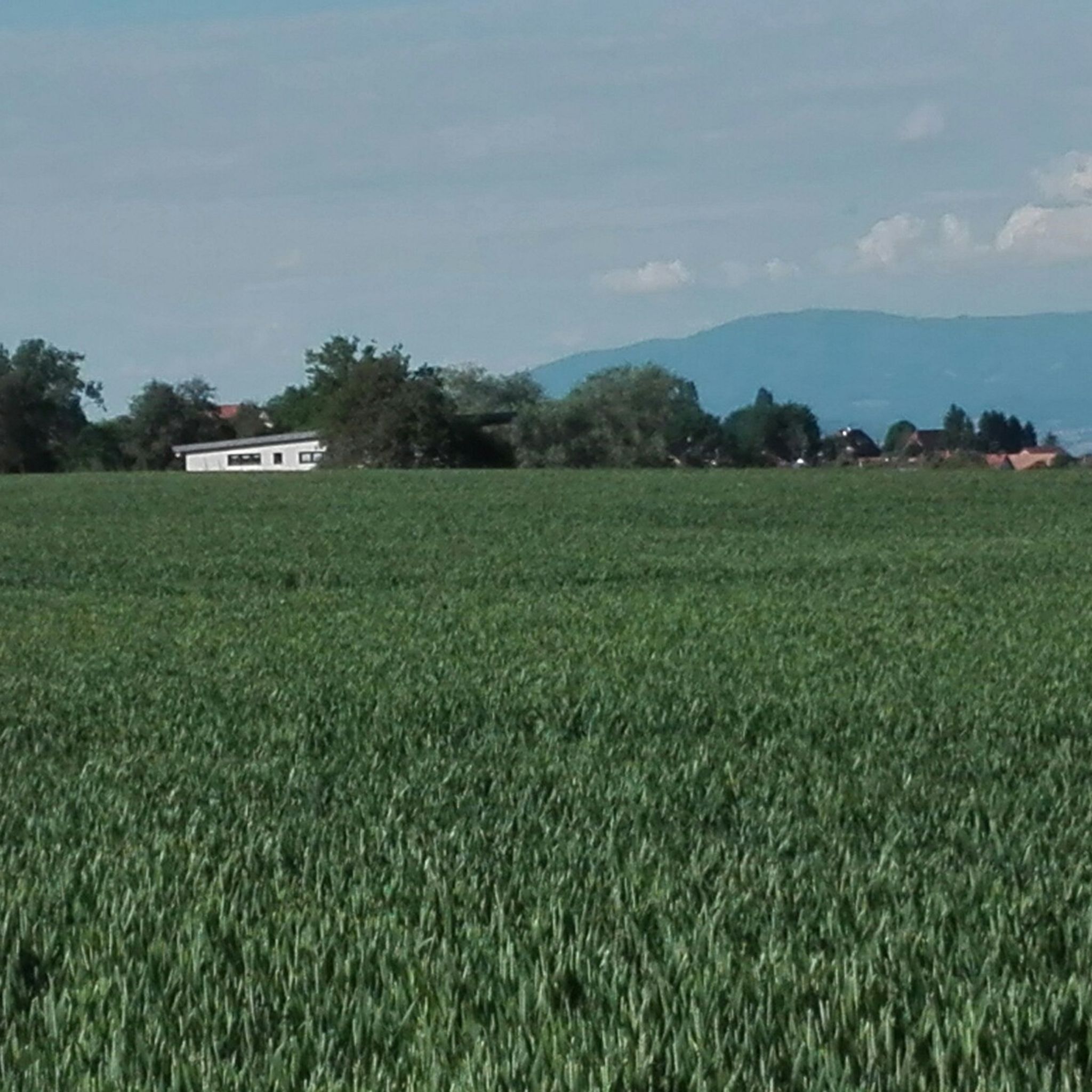
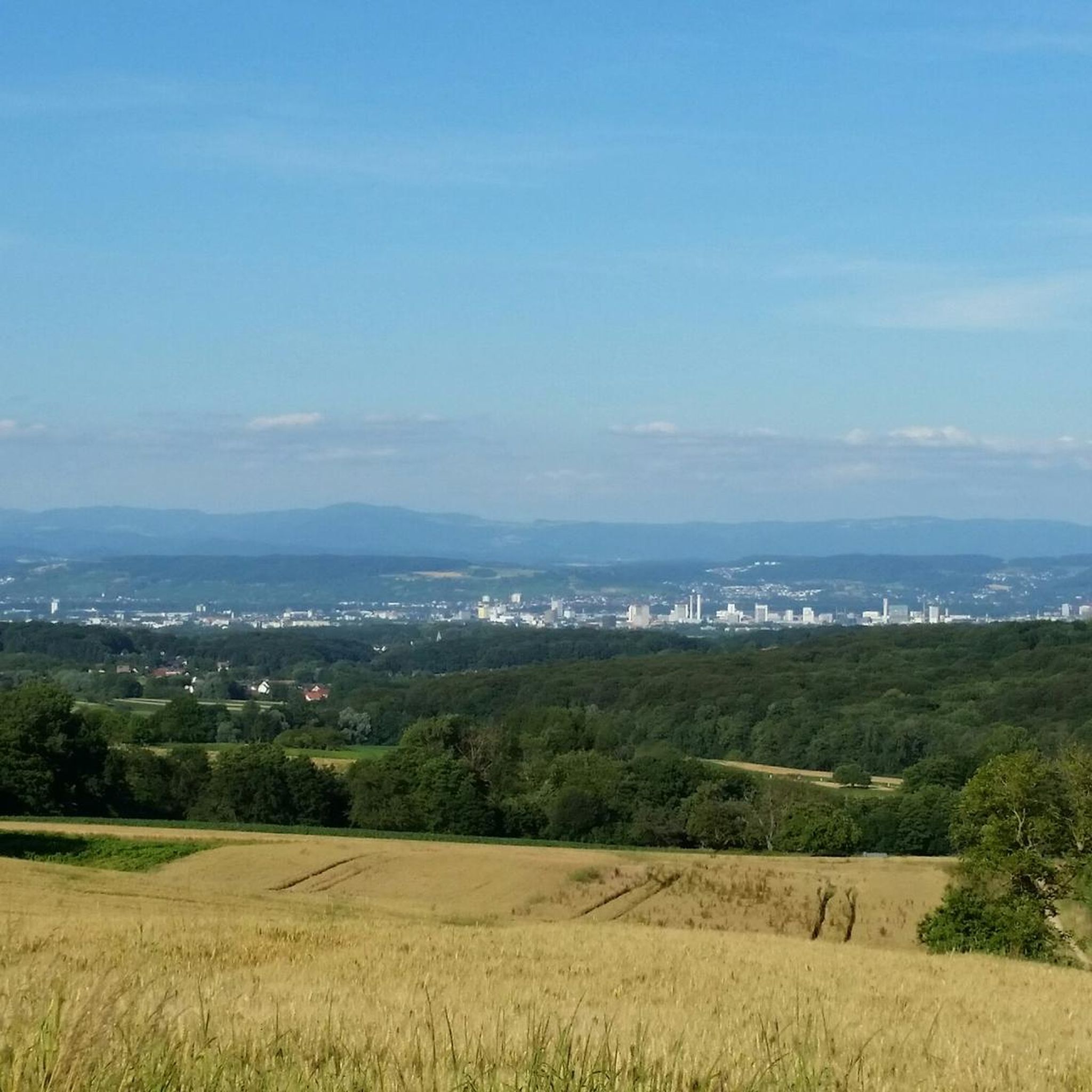

Tips from the Community

A lovingly furnished grotto for the little dwarves
0
0

Added to the collection: komoot.com/de-de/collection/3600632/-naturdenkmaeler-besondere-baeume-und-weitere-schaetze-der-natur
0
0

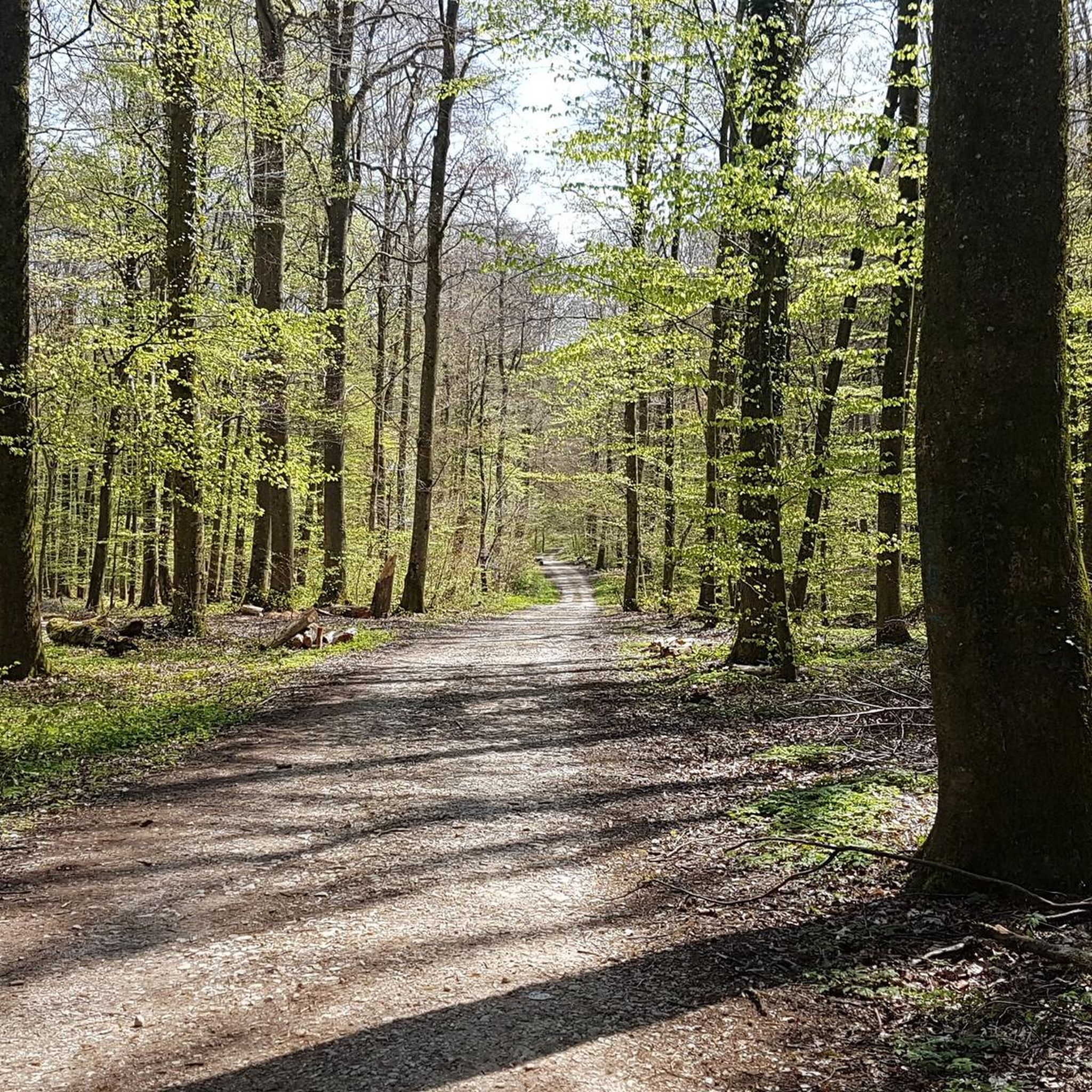
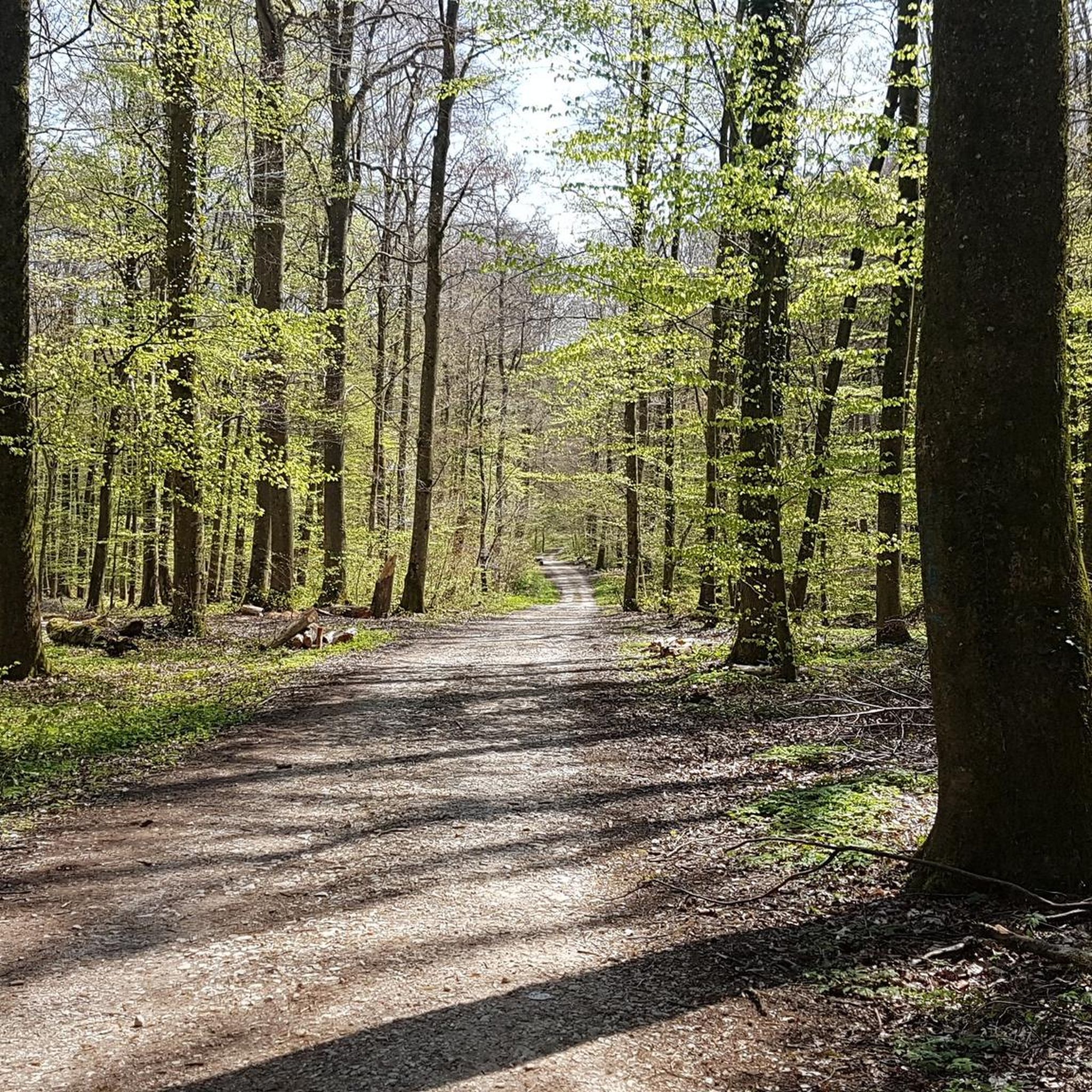
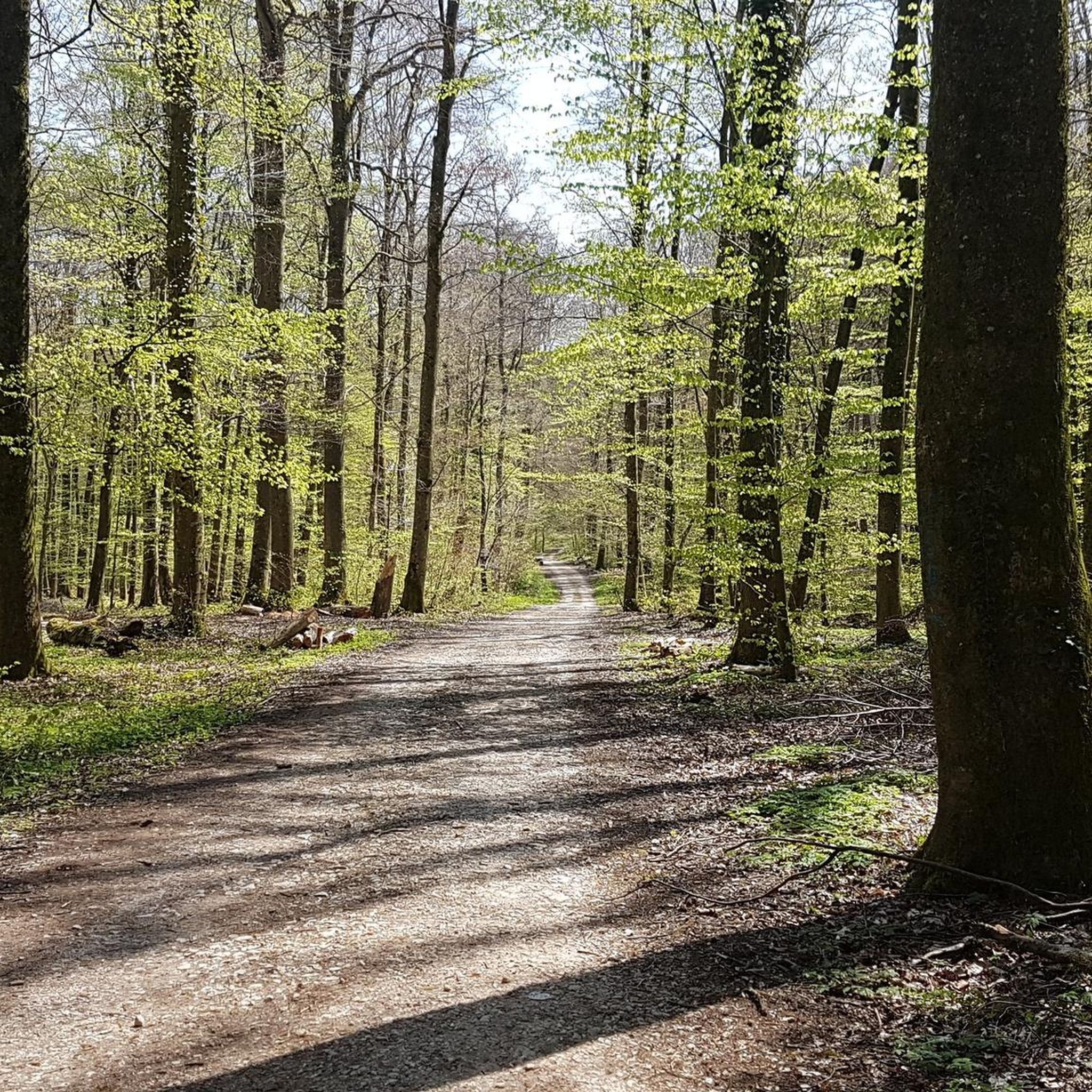
The Allschwil Forest is a forest and recreational area near the city of Basel. It extends over the Basel-Landschaft communities of Allschwil (approx. 220 hectares) and Binningen (approx. 30 hectares) and is partly protected. The forest can be divided into the following sub-forests: Eastern part (Allschwil) to the left of the Dorenbach: Hintere Allmend, Langholz, Meierhag, Spitzwald and Struetallme Eastern part (Binningen) to the right of the Dorenbach: Herzogenmatten, Holeeholz and Vordere Allmend Middle part along the Mülibach: Chuestelli, Kirschner, Mühlematt, Mülirain and Vogtenhägli Western part on the border with Schönenbuch along the Lützelbach: Frischmannshag, Geiser, Im Löli and Mooshag https://de.m.wikipedia.org/wiki/Allschwiler_Wald
2
0
In Basel, no square, no street, not even an alley was named after Friedrich Nietzsche. And yet he worked here as a professor for several years from 1869. During this time, he lived mostly in the area around this fountain on Spalentorweg and at Schützengraben. And during all these years, his route to the university led past this fountain, where a memorial plaque commemorates him today.
0
0

The fountain offers numerous beautiful photo opportunities
2
1

The carnival fountain was created by the artist Jean Tinguely and is located on the Theaterplatz in Basel. The Migros cooperative gave this fountain to the city for its 50th birthday.
2
0

Friedrich Nietzsche fountain on Spalentorweg Where Spalentorweg meets Schützengraben, a fountain was set in 1864, which was long called the "Schützengraben fountain". It was certainly familiar to the young Friedrich Nietzsche (1844-1900). As a professor at the university, he spent a decade in Basel from 1869 to 1879. During these ten years, he lived mostly in the vicinity of this fountain. Shortly after his arrival in Basel, the thinker found a room as a subtenant of a seamstress at Spalentorweg 2. From July 1869 he had another room at Schützengraben 47 until he moved into his first own apartment. From 1875 to 1876 Nietzsche then lived at Spalentorweg 48, where a memorial plaque still commemorates him today. In all these years, his path to the university often led past this babbling fountain, which is reminiscent of a passage from his later work "The Gay Science": "We generous and rich in spirit, who stand like open wells on the street and do not want to prevent anyone from drawing from us...". These lines can also be found today on a memorial plaque that can be seen on the back of the fountain. Basel Nietzsche friends had it installed on August 25, 2015, the 115th anniversary of the philosopher's death. On this occasion, the fountain was also named "Friedrich Nietzsche Fountain". Source: https://grabmacherjoggi.ch/basler_pflaster/baslerpflaster_003.html
0
0

The Fasnacht fountain (also: Tinguely fountain or Carnaval) is a fountain created by the artist Jean Tinguely and stands on the Theaterplatz in the Swiss city of Basel. It was built between 1975 and 1977 on the site of the stage of the old, demolished city theater and was a gift from the 50-year-old Migros trading cooperative to the city of Basel.
5
3
Frequently Asked Questions
What are some unique natural features to explore around Folgensbourg?
The region around Folgensbourg, also known as Volkensberg, offers diverse natural features. You can explore the impressive gorge at Dwarves' Grotto, which provides access to the Plateau des Nains with views of the Ill valley. Additionally, the ancient Le Gros Chêne de Sondersdorf, an oak tree estimated to be several hundred years old, is a notable botanical monument.
Are there family-friendly natural monuments in the Folgensbourg area?
Yes, several spots are suitable for families. The Allschwiler Wald is a protected forest and recreational area with various sub-forests perfect for family walks. While not strictly natural, the Tinguely Fountain in Basel, with its playful moving water features, is also a popular family-friendly attraction nearby.
What kind of outdoor activities can I do near the natural monuments?
The area around Folgensbourg is excellent for various outdoor activities. You can find numerous routes for mountain biking, cycling, and running. For example, there are moderate MTB trails like the 'View of Landskron Castle – Sainte-Walburge chapel loop' and cycling routes such as the 'Sundgau Bike Tour'. You can explore more options on the MTB Trails around Volkensberg, Cycling around Volkensberg, and Running Trails around Volkensberg guide pages.
What is the best time of year to visit the natural monuments around Folgensbourg?
The region's natural monuments, including forests and vineyards, are beautiful year-round. Spring and autumn offer pleasant temperatures for hiking and cycling, with vibrant foliage in the fall. Summer is ideal for longer outdoor excursions, while winter can provide a serene, snow-covered landscape, especially in the nearby Vosges Mountains.
Are there any accessible routes or monuments for visitors with mobility concerns?
The Friedrich Nietzsche Fountain in Basel is noted as wheelchair accessible. For other natural sites, accessibility can vary. It's advisable to check specific trail conditions or contact local visitor centers for detailed information on routes suitable for all mobility levels, especially in more rugged areas like the Vosges Mountains.
Where can I find parking when visiting these natural monuments?
Parking availability varies by location. For popular spots like the Allschwiler Wald or attractions in Basel, designated parking areas are generally available. For more remote natural monuments or trailheads, roadside parking might be an option, but it's always best to check local signage and regulations before your visit.
What are some of the historical or cultural points of interest related to the natural monuments?
While the focus is on natural monuments, the region also features sites with historical connections. The Friedrich Nietzsche Fountain in Basel commemorates the philosopher who lived and taught there. The Tinguely Fountain, also in Basel, is a modern artistic monument with cultural significance. The ancient Le Gros Chêne de Sondersdorf, or 'Napoleon oak,' has stood for centuries, bearing witness to historical events.
Can I bring my dog to the natural monuments and trails?
Many natural areas, such as the Allschwiler Wald, are generally dog-friendly, provided dogs are kept on a leash and owners clean up after them. However, specific rules can apply to protected areas or certain trails. Always look for local signage or check with park authorities regarding pet policies before your visit.
What do visitors particularly enjoy about the natural monuments in this region?
Visitors appreciate the diverse natural beauty, from the impressive gorge of Dwarves' Grotto with its views of the Ill valley, to the serene atmosphere of the Allschwiler Wald. The ancient Le Gros Chêne de Sondersdorf evokes awe due to its age and resilience. The region's natural monuments are well-regarded by the komoot community, with many upvotes and shared photos.
What kind of terrain can I expect on trails around these natural monuments?
The terrain around Folgensbourg and its natural monuments is varied. You can expect gentle slopes and lush landscapes in areas like the Allschwiler Wald, suitable for easy walks. More challenging terrain, including soft curves, rounded summits, and mysterious forests, can be found in the broader Vosges Mountains region, which is popular for hiking.
Are there options for cycling or mountain biking near the natural monuments?
Yes, the region offers extensive opportunities for both cycling and mountain biking. You can find routes ranging from easy to difficult, such as the 'Knoeringue Village – Favorite loop' for MTB or the 'Climb to Bettlach – Delle Street, Folgensbourg loop' for cycling. Detailed routes and guides are available on the MTB Trails around Volkensberg and Cycling around Volkensberg pages.
Where can I find refreshments or accommodation near the natural monuments?
Folgensbourg and nearby towns in the Haut-Rhin department offer various options for refreshments and accommodation. Larger cities like Mulhouse or Basel (a short distance away) provide a wide range of cafes, pubs, and hotels. Smaller villages closer to specific natural monuments may have local eateries or guesthouses. It's recommended to check local listings for options closest to your planned visit.
What are the main natural landscapes that characterize the Folgensbourg region?
The Folgensbourg (Volkensberg) region is characterized by a mix of natural landscapes. It lies within the Haut-Rhin department of Alsace, featuring parts of the Vosges Mountains with their forests and valleys, and extensive vineyards that create a unique, cultivated natural environment. The area also includes geological formations like caves and gorges, and significant botanical features such as ancient trees.
Most popular routes around Volkensberg
Most popular attractions around Volkensberg

Get inspired with the komoot mobile app


Explore more
Extend your search for the best caves by checking out these guides of the top ones around Volkensberg:
