Top 10 Natural Monuments around Grüssenheim
Best natural monuments around Grüssenheim are found within the Haut-Rhin department in Grand Est, north-eastern France. This region is situated near the Vosges Mountains, offering a diverse natural landscape. Visitors can explore a variety of natural features, from mountain lakes to panoramic peaks and unique forest environments. The area provides opportunities to experience the natural heritage of Alsace.
Best natural monuments around Grüssenheim
- The most popular natural monument is Chapel of the Oak, a natural monument known for its…
Last updated: May 4, 2026
Rappennestgießen Nature Reserve
Highlight • Natural Monument
Translated by Google •
Tip by

Rhine River at Rheinniederung Wyhl-Weisweil
Highlight • River
Translated by Google •
Tip by

Sign up now to discover places like this
Get recommendations on the best single tracks, peaks, & plenty of other exciting outdoor places.
Sign up for free
Chapel of the Oak
Highlight • Religious Site
Translated by Google •
Tip by

Rappennestgießen Nature Reserve Trail
Highlight (Segment) • Trail
Translated by Google •
Tip by

Limberg Nature Reserve
Highlight • Natural
Translated by Google •
Tip by
Sign up for free to discover even more natural monuments around Grüssenheim.
Sign up for free
Already have an account?
Start today with a free account
Your next adventure awaits.
Login or Signup
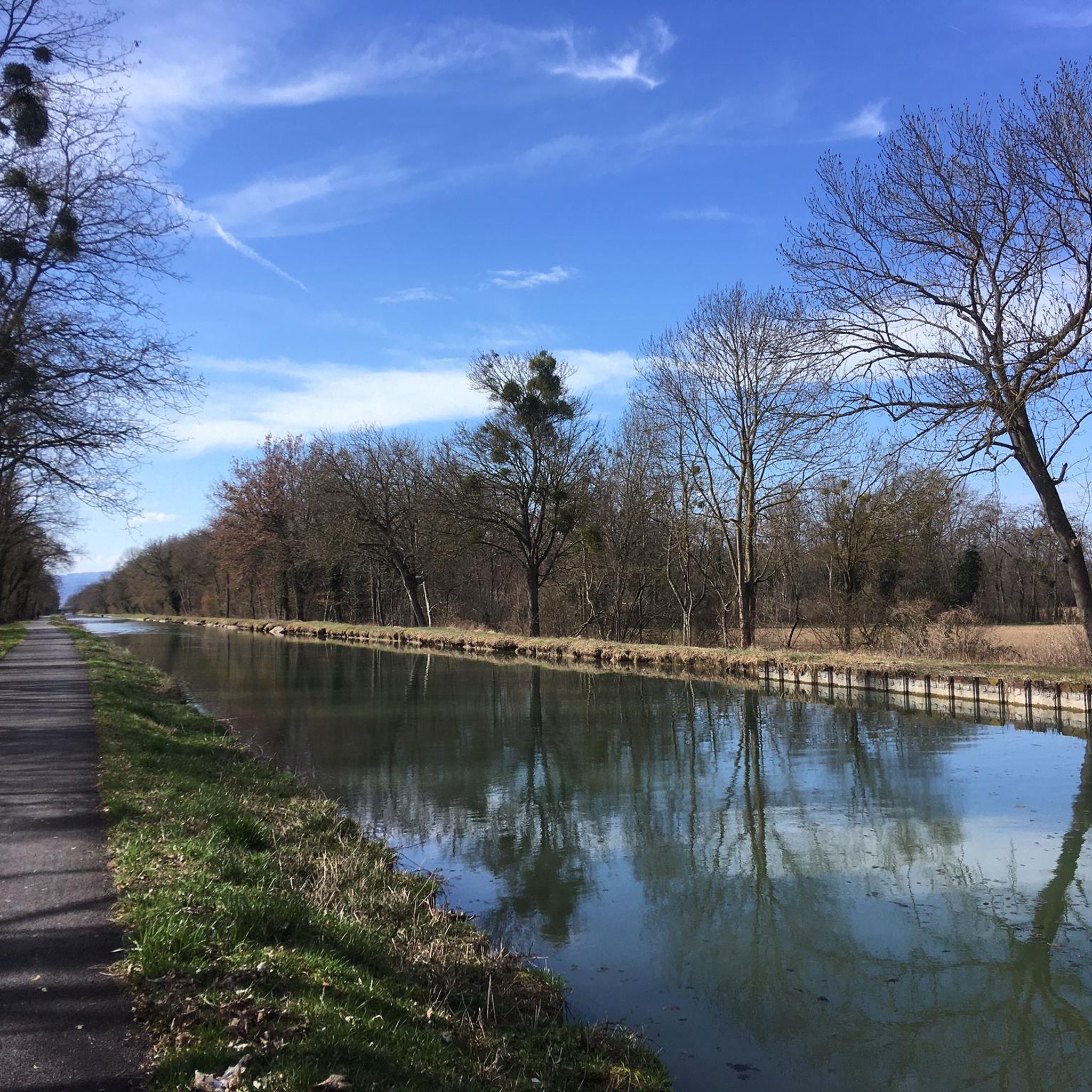
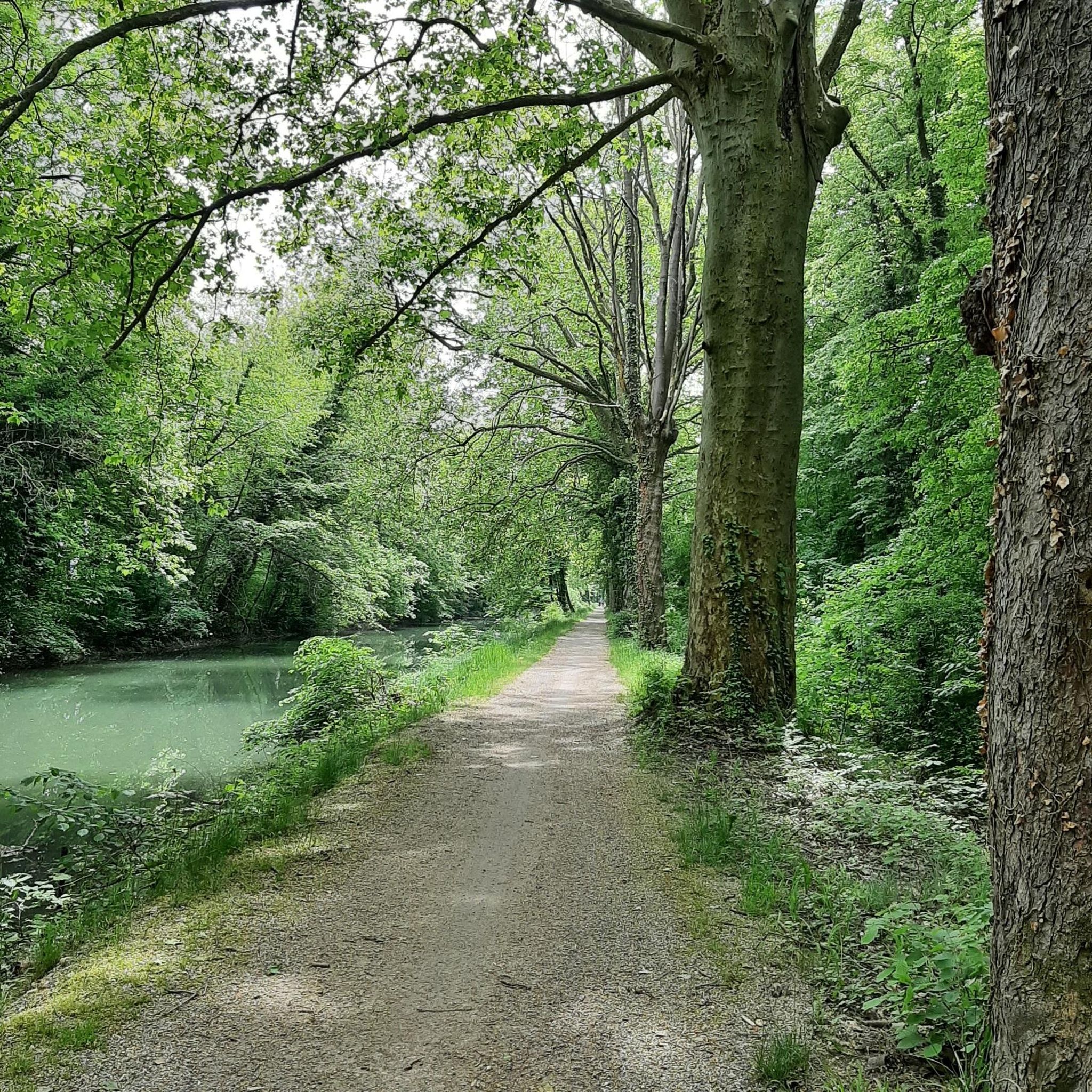
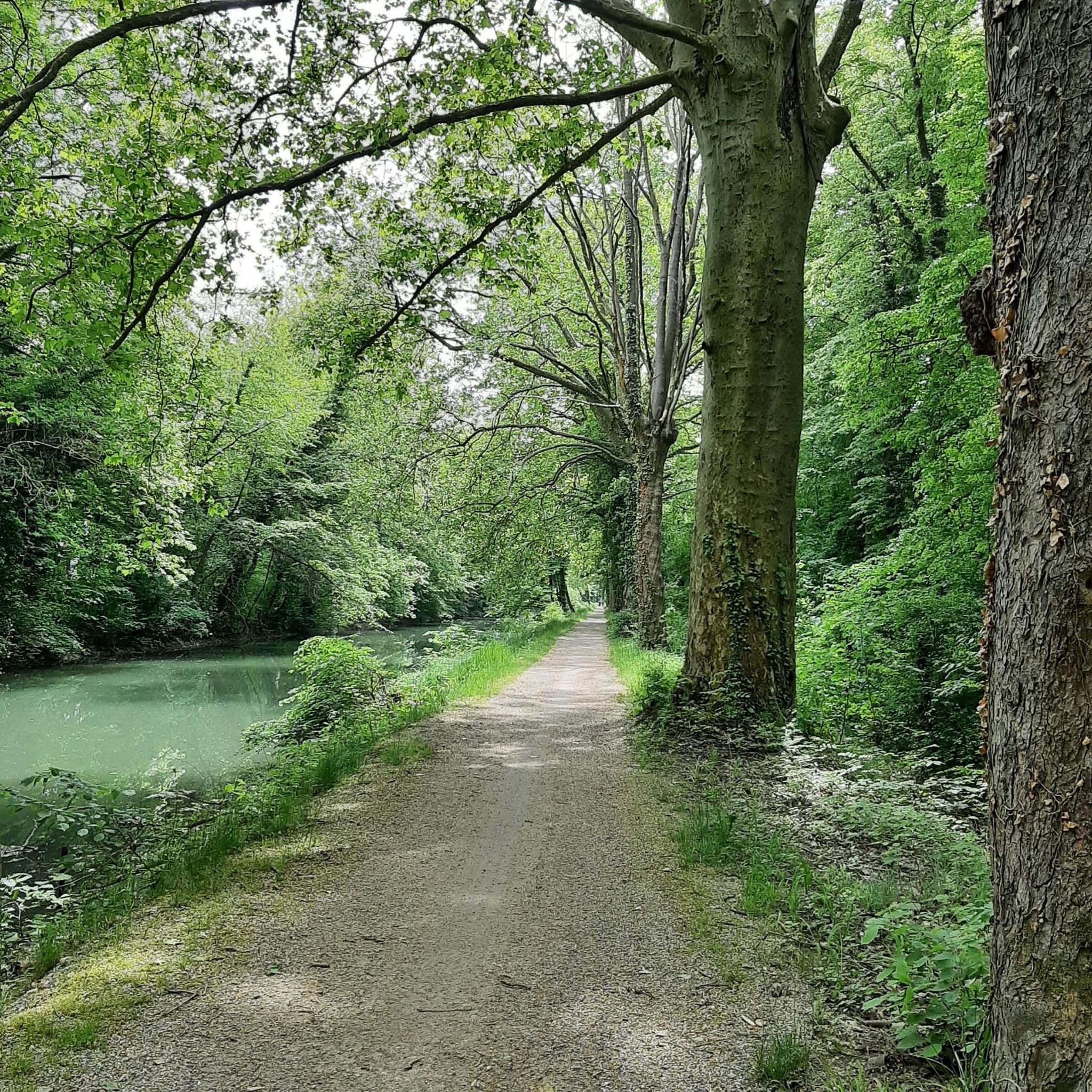
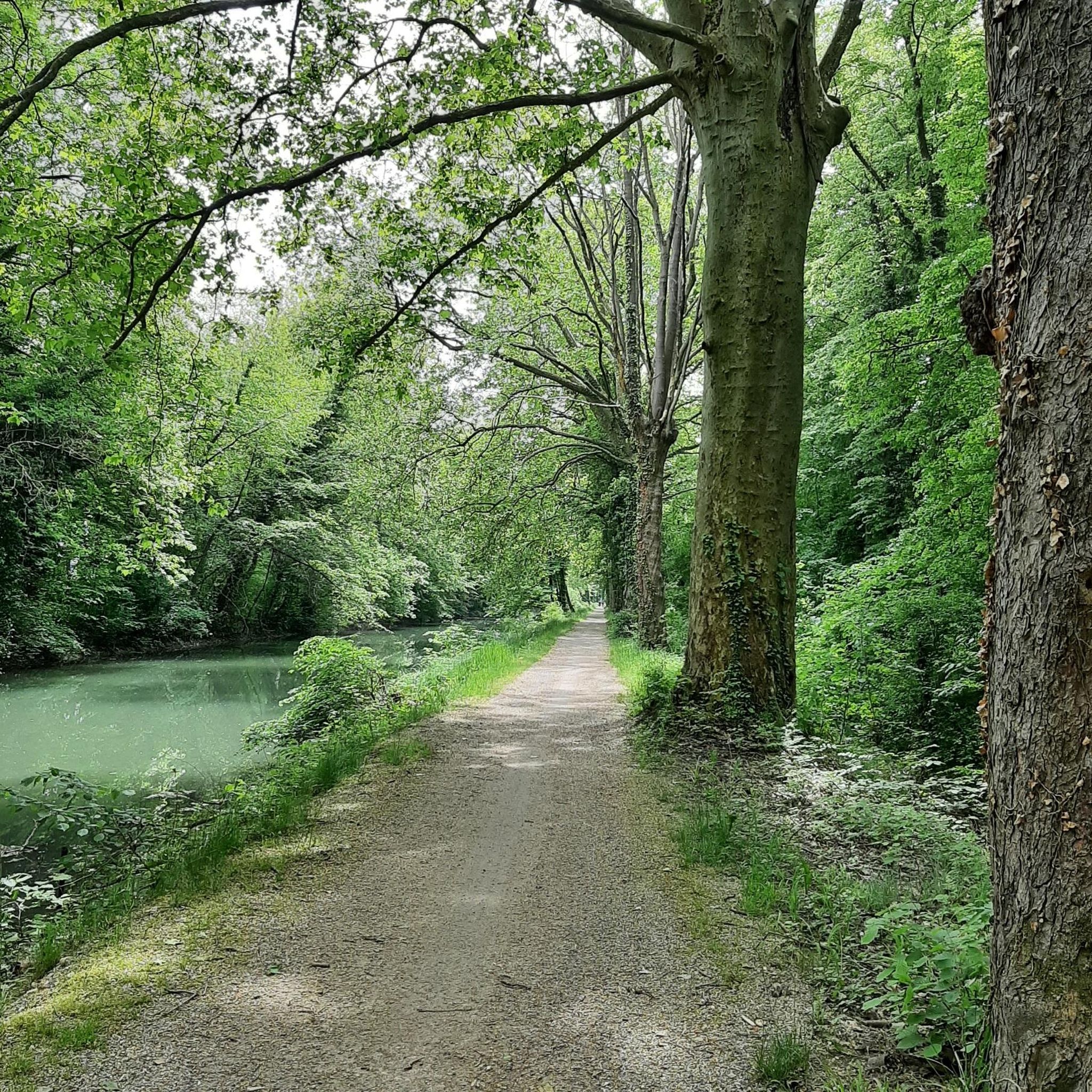
Tips from the Community

A hidden gem, really nice and narrow and quaint 😁
0
0
It's simply wonderful to sit here "on the beach" on sunny days 😉
0
0

A narrow path through an almost jungle-like area. At times, it's reminiscent of the Amazon. However, the path is wet in some places, so wear appropriate footwear.
2
0

Magnificent landscape, dense vegetation and emerald-green waterholes
1
0
A magnificent, sometimes mystical landscape. In good weather, the waters are emerald green.
0
0

The Rhine is 1,232 km long. It originates in the canton of Graubünden and flows into the North Sea in the Netherlands.
0
0

Many rare animals to admire
0
0
A wonderful nature reserve. We saw and heard many different bird species: great spotted woodpecker, robin, nuthatch, and chaffinch.
2
0
Frequently Asked Questions
What are some notable natural monuments in the Haut-Rhin department near Grüssenheim?
Beyond the immediate vicinity of Grüssenheim, the Haut-Rhin department offers a diverse range of natural monuments. These include the serene Chapel of the Oak, the picturesque Limberg Nature Reserve, and the unique Grienwasser – Rhine Oxbow. Further afield in the Vosges Mountains, you can explore glacial lakes like Lac Blanc and Lac Vert, or enjoy panoramic views from summits such as Petit Ballon and Gazon du Faing.
Are there family-friendly natural monuments around Grüssenheim?
Yes, several natural monuments in the area are suitable for families. The Chapel of the Oak, with its ancient tree and historical significance within the Illwald forest, is a good option. The Rappennestgießen Nature Reserve also offers easy paths through floodplain forests and past small lakes, making it accessible for families.
What kind of natural features can I expect to see near Grüssenheim?
The region around Grüssenheim, particularly within the Haut-Rhin department and the nearby Vosges Mountains, boasts a variety of natural features. You'll find ancient oak trees, diverse nature reserves with rich biodiversity, river oxbows, floodplain forests, and small lakes. Higher up in the Vosges, there are stunning mountain lakes, panoramic peaks, and unique high-altitude plateaus with distinct vegetation.
What outdoor activities can I do near these natural monuments?
The natural monuments around Grüssenheim are excellent starting points for various outdoor activities. You can enjoy road cycling on routes like the 'Canal de Colmar – Path Along the Canal de Colmar' or explore MTB trails such as the 'Chapel of the Oak – Illhaeusern village loop'. Gravel biking is also popular, with routes like 'Along the Ill – Neuf-Brisach'. For more detailed route information, you can check the Road Cycling Routes around Grüssenheim, MTB Trails around Grüssenheim, and Gravel biking around Grüssenheim guides.
Are there hiking trails near these natural monuments?
Yes, there are several hiking opportunities. The Rappennestgießen Nature Reserve offers a nice trail through its beautiful area, and the Rappennestgießen Nature Reserve Trail is specifically designed for walking through the Rhine meadows. Further into the Vosges, areas like Gazon du Faing and the Regional Natural Park of Ballons des Vosges provide extensive hiking networks, from easy strolls to more challenging mountain treks.
What do visitors enjoy most about the natural monuments around Grüssenheim?
Visitors particularly appreciate the serene atmosphere and picturesque settings. For instance, the Limberg Nature Reserve is praised for its beautiful landscape near the Rhine. The Grienwasser – Rhine Oxbow is noted for its abundant dragonflies and unique river environment. The ancient oak at the Chapel of the Oak also draws visitors for its natural beauty and historical context.
What is the best time of year to visit the natural sites in Alsace?
The best time to visit natural sites in Alsace largely depends on the activity. Spring and autumn offer pleasant temperatures for hiking and cycling, with vibrant foliage in autumn. Summer is ideal for enjoying the lakes and higher mountain areas, though it can be busier. Some natural monuments, especially in the Vosges, can be visited in winter for snowshoeing or cross-country skiing, but conditions should be checked beforehand.
Are there any natural monuments with historical significance near Grüssenheim?
Yes, the Chapel of the Oak is a prime example, known for its ancient oak tree and the tradition of a statuette of the virgins found within its trunk. The Limberg Nature Reserve also has historical site elements alongside its natural beauty.
Can I bring my dog to the natural monuments in the Grüssenheim area?
Many natural areas in the Haut-Rhin department and Vosges Mountains are dog-friendly, especially on trails. However, it's always recommended to keep dogs on a leash to protect wildlife and ensure the safety of other visitors. Specific rules may apply in designated nature reserves like the Rappennestgießen Nature Reserve or the Regional Natural Park of Ballons des Vosges, so checking local signage is advisable.
Are there any viewpoints offering panoramic vistas near Grüssenheim?
While Grüssenheim itself is in a flatter area, the nearby Vosges Mountains offer spectacular viewpoints. The summit of Petit Ballon, for instance, provides expansive 360-degree panoramic views of the Alsace plain and even glimpses of the Black Forest. The Limberg Nature Reserve also offers scenic views closer to the Rhine.
What is the Regional Natural Park of Ballons des Vosges?
The Regional Natural Park of Ballons des Vosges is one of France's largest regional natural parks, encompassing diverse landscapes across three regions, including the Haut-Rhin. It features the Upper Vosges, with its high pastures, bogs, beech-fir forests, and lakes. It's a vast area dedicated to preserving nature and offers countless opportunities for hiking and exploring diverse ecosystems, making it a significant natural heritage site.
Are there any unique geological features to observe?
Yes, the region offers interesting geological features. The Grienwasser – Rhine Oxbow is a remnant of the old Rhine, showcasing how the river has shaped the landscape over time. In the Vosges Mountains, glacial lakes like Lac Blanc and Lac Vert are geological formations from past ice ages, and the high stubble plateau of Gazon du Faing is shaped by wind and altitude, creating a unique environment.
Most popular routes around Grüssenheim
Most popular attractions around Grüssenheim

Get inspired with the komoot mobile app


Explore more
Extend your search for the best caves by checking out these guides of the top ones around Grüssenheim:
