Top 4 Natural Monuments around Artannes-Sur-Indre
Best natural monuments around Artannes-Sur-Indre are found within the Parc Naturel Régional Loire-Anjou-Touraine, a region defined by the meandering Indre River. This area offers a preserved natural environment and cultural sites integrated with its landscape. The commune's appeal stems from its connection to the Indre River and its inclusion in the diverse regional park. It provides opportunities to explore riverside landscapes and engage with its natural heritage.
Best natural monuments around Artannes-Sur-Indre
- The most popular natural monuments is Gardens of…
Last updated: May 21, 2026
Gardens of the Château de Villandry
Highlight • Castle
Translated by Google •
Tip by

The petrifying caves of Savonnière
Highlight • Cave
February / March: 10h-12h / 14h-18h
April to June: 10h-19h
July / August: 9h30-19h30
September: 10h-19h
October / November: 10h-12h / 14h-18h
There are guided tours (duration approx. 1 hour).
Translated by Google •
Tip by

Sign up now to discover places like this
Get recommendations on the best single tracks, peaks, & plenty of other exciting outdoor places.
Sign up for free
Confluence of the Cher and Loire Rivers
Highlight (Segment) • River
Translated by Google •
Tip by

Île de Quiquengrogne
Highlight • Natural
Translated by Google •
Tip by

Start today with a free account
Your next adventure awaits.
Login or Signup
Tips from the Community

The route directly to the confluence is not really recommended for racing bikes
0
0

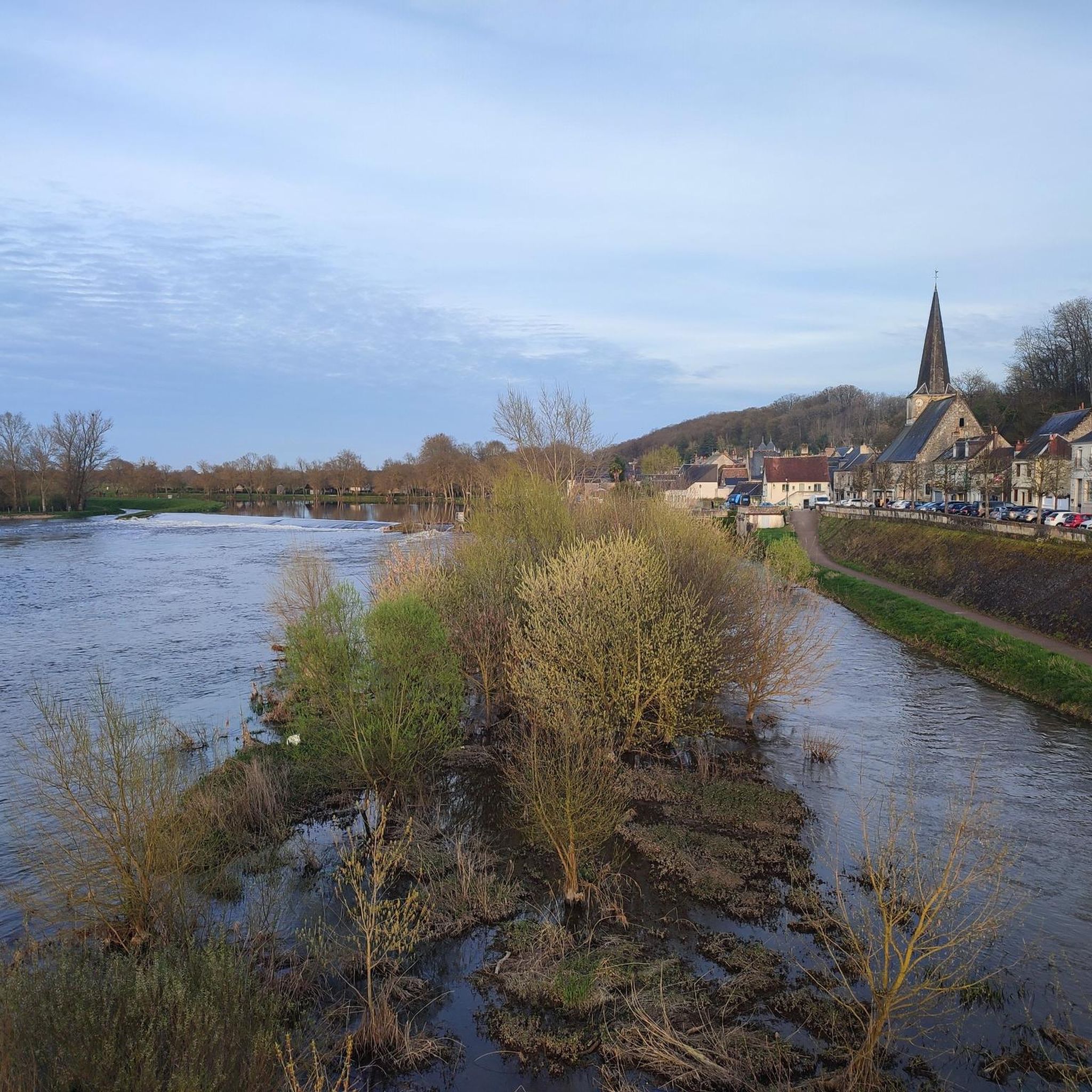
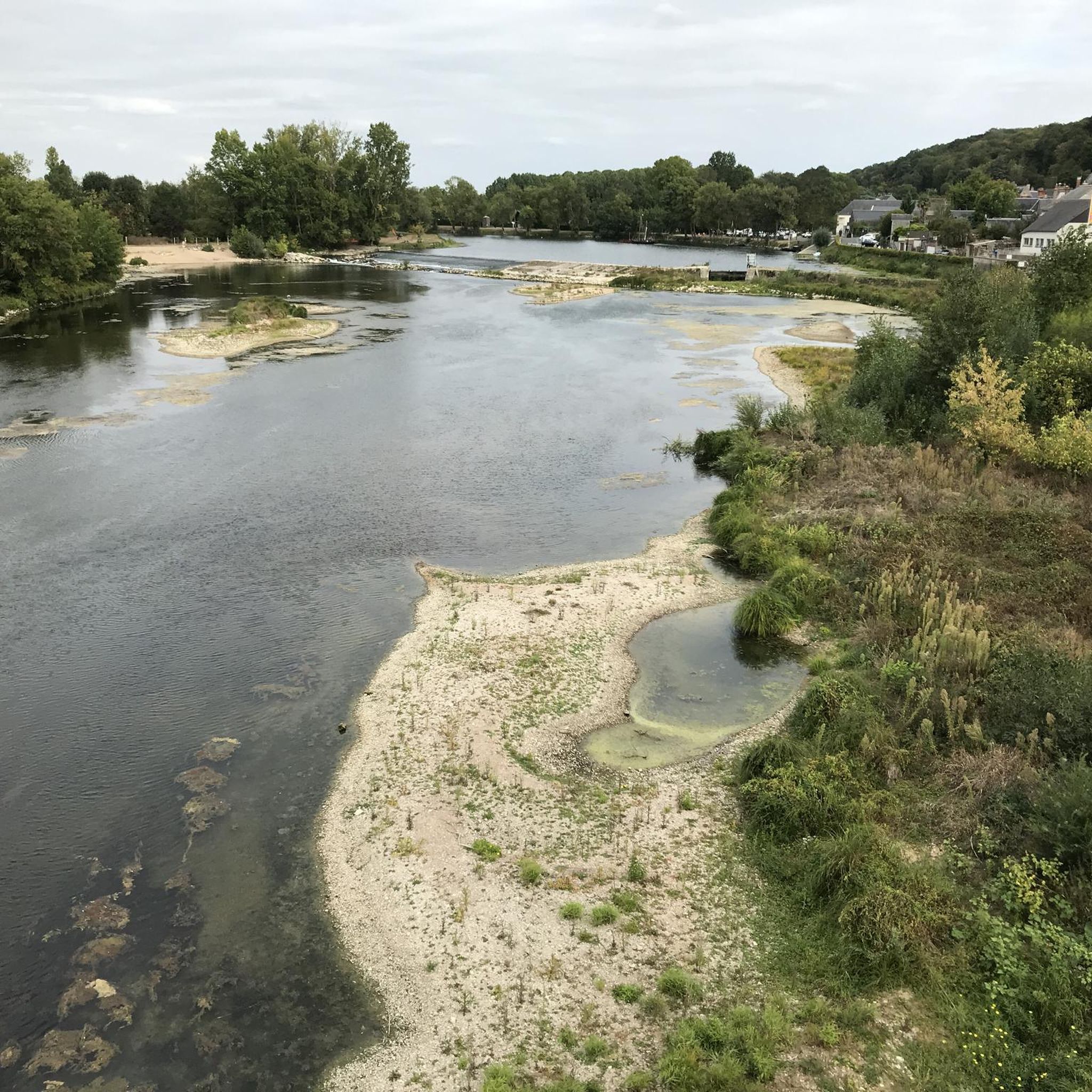
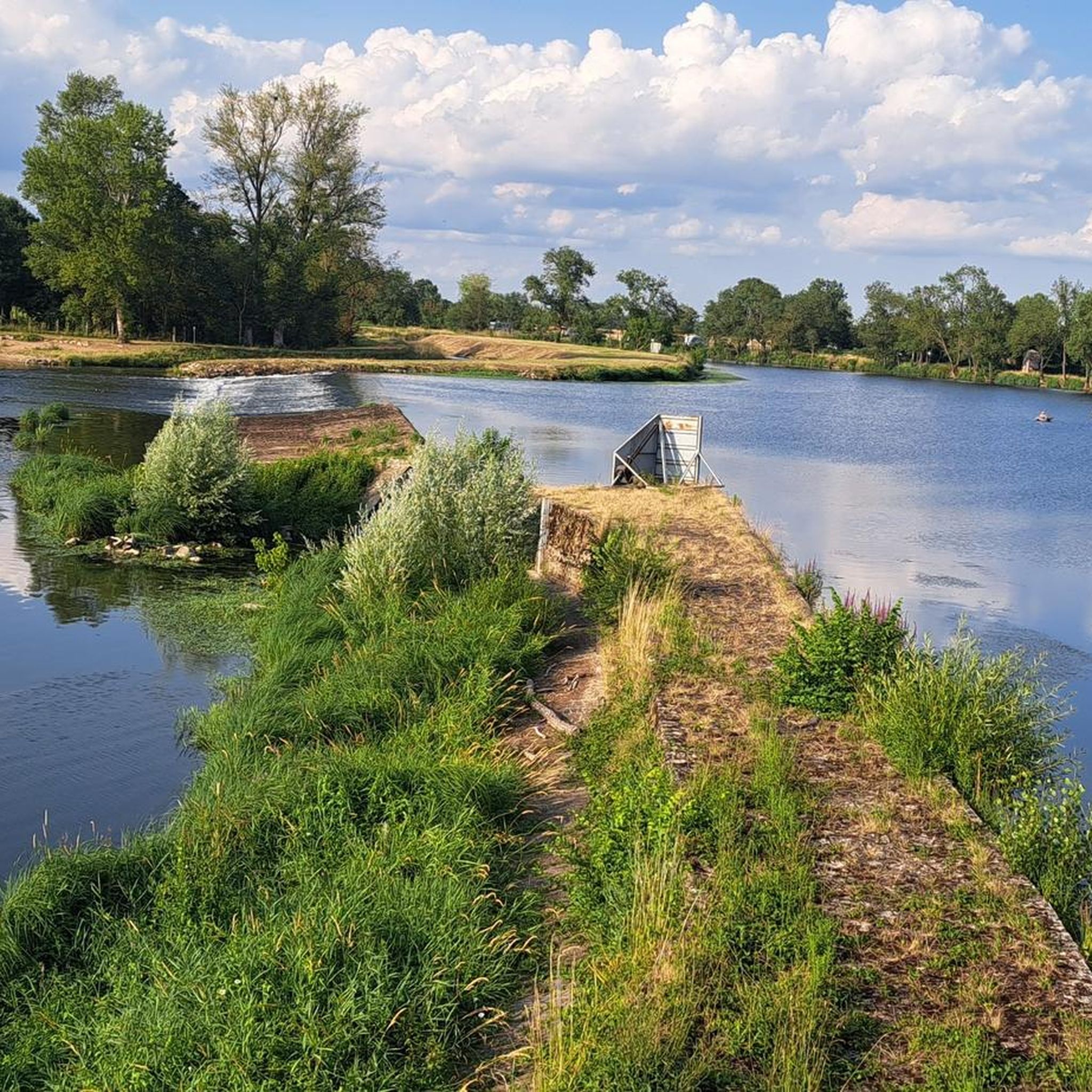
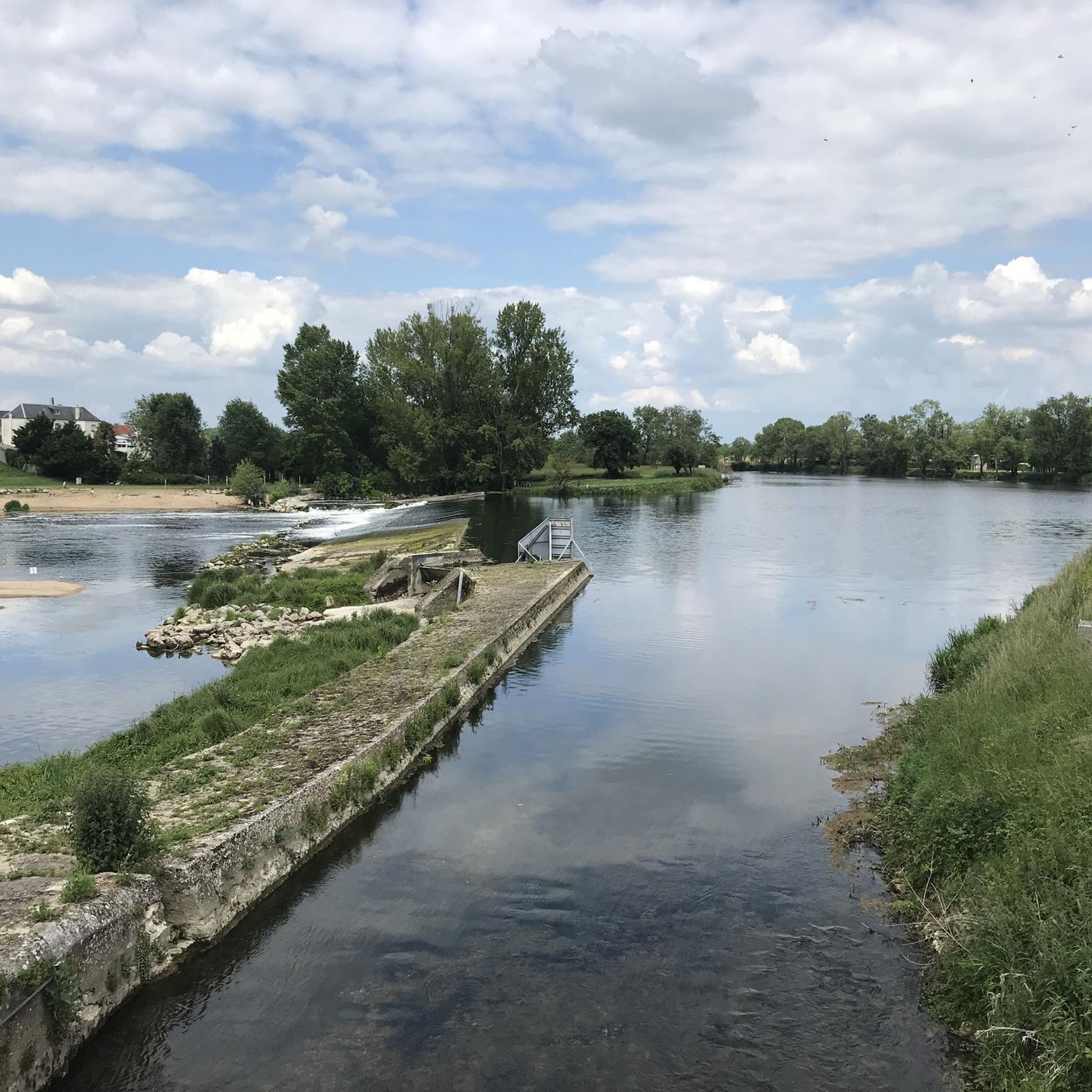
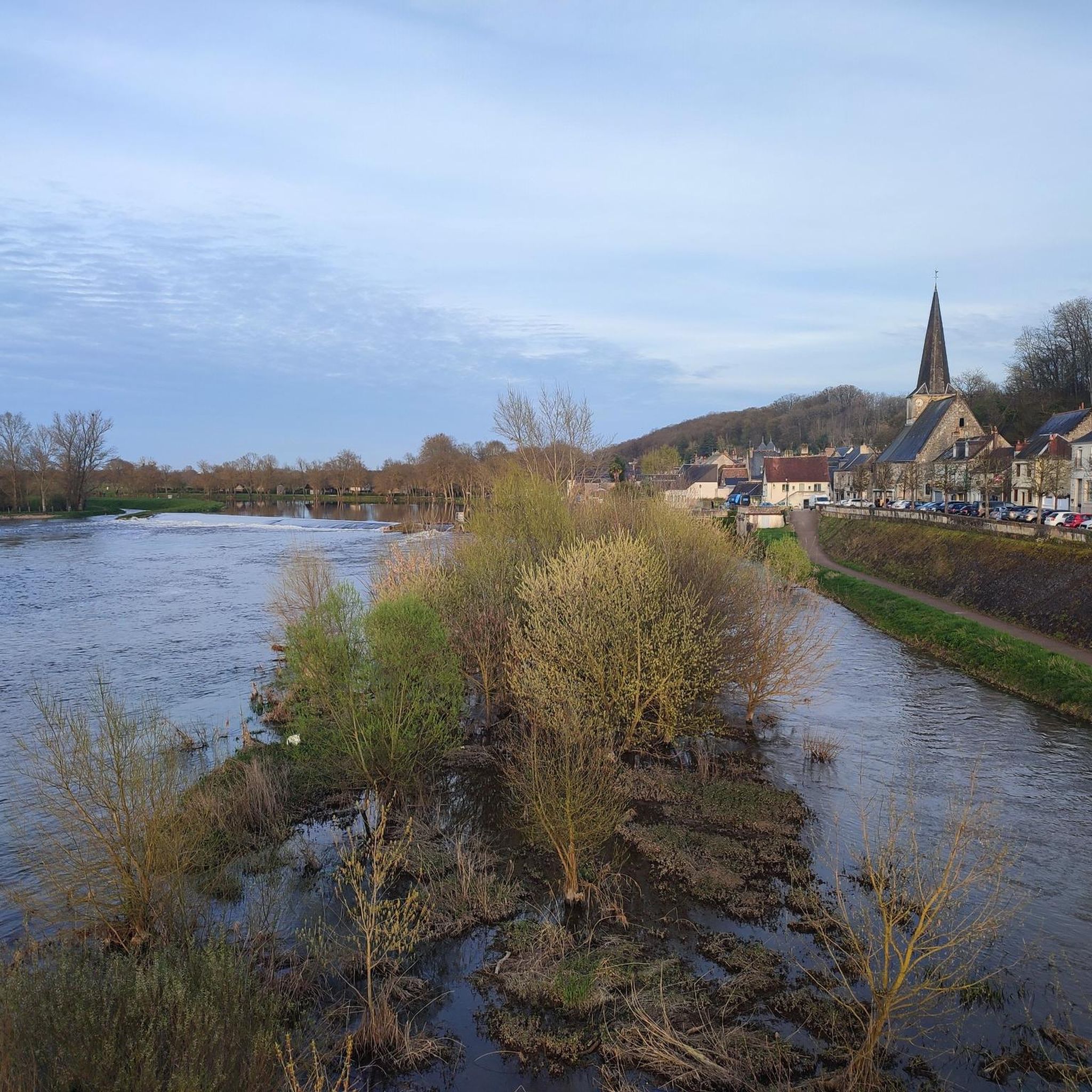
This preserved space is a paradise for ornithologists. Far from the traffic, the calm is distracted only by the solemn flow of the Loire and the beating of the wings of the herons surprised by your fortuitous appearance.
0
0
Villandry Castle is one of the Loire Valley castles renowned for the beauty of its gardens. During the beautiful seasons, trees, shrubs and flowers color the decor with iridescent hues. Built between the 16th and 18th centuries, the castle is today a private property open to the public. It is possible to visit its interior which houses occasional and permanent exhibitions. The entire castle and its gardens were included in the list of historic monuments in 1927.
0
0

A few steps from the Château de Villandry, you will find these old freestone quarries dating from the Middle Ages and petrified caves. About 100 million years ago, in the secondary era, a shallow sea covered our region. At the bottom of the sea were deposited masses of chalk which, once exposed to the air, formed the dominant rock of the Loire Valley: the Tuffeau. This soft stone, but sufficiently hard, was used in the construction of the most elegant castles of the Loire. The quarries ended up being waterlogged and abandoned.
2
0

The Château de Villandry, whose construction began in the 16th century, is particularly known for its gardens, which cover more than six hectares spread over four levels. The castle is perfectly maintained and can be visited year-round, but it is for its gardens that Villandry is a must-see.
1
0

The castle tower provides a breathtaking view of the gardens.
2
0
A few steps from the Château de Villandry. To be preferred on hot days :)
2
0
The castle is not incredible, but the garden is the point of the visit.
2
0
Frequently Asked Questions
What kind of natural features can I explore around Artannes-sur-Indre?
The region around Artannes-sur-Indre is characterized by the meandering Indre River and its inclusion in the Parc Naturel Régional Loire-Anjou-Touraine. You can explore serene riverbanks, diverse ecosystems within the regional park, and unique geological formations like the tuffeau stone used in local troglodytic sites. Specific natural monuments include the peaceful Confluence of the Cher and Loire Rivers and the tranquil Île de Quiquengrogne, a haven for ornithologists.
Are there family-friendly natural monuments to visit near Artannes-sur-Indre?
Yes, several natural monuments are suitable for families. The Gardens of the Château de Villandry offer vast, beautifully landscaped areas for children to explore. The petrifying caves of Savonnière provide an engaging historical and geological experience with guided tours. Both the Confluence of the Cher and Loire Rivers and Île de Quiquengrogne offer peaceful settings for walks and enjoying nature with children.
What historical sites are intertwined with nature in this area?
The region features a unique blend of history and nature. The Gardens of the Château de Villandry are a prime example, showcasing 16th-century landscaping art around a historic castle. The petrifying caves of Savonnière are old freestone quarries dating back to the Middle Ages, carved into the natural tuffeau stone, offering a glimpse into the region's geological and human history.
What outdoor activities can I do near the natural monuments?
The area around Artannes-sur-Indre is excellent for various outdoor activities. You can find numerous routes for hiking, including easy and moderate trails like the Lys Valley Bridge – Allée des Platanes loop. There are also options for running and road cycling, with routes like the Lys Valley Bridge – Mills Street loop. Many of these activities allow you to explore the scenic riverbanks and the broader regional park.
Are there any easy walking routes to natural monuments?
Yes, there are easy walking routes available. For instance, the Lys Valley Bridge – Allée des Platanes loop from Artannes-sur-Indre is an easy 7.3 km hiking trail. The areas around the Confluence of the Cher and Loire Rivers and Île de Quiquengrogne also offer peaceful, low-traffic paths ideal for leisurely strolls.
What is the best time of year to visit the natural monuments around Artannes-sur-Indre?
The natural monuments, especially the gardens and river areas, are particularly beautiful during the spring and summer months (April to September) when the flora is in full bloom and the weather is pleasant for outdoor activities. The Gardens of the Château de Villandry are renowned for their vibrant colors during these seasons. The petrifying caves of Savonnière can be a good option on hotter days as they offer a cooler environment.
Can I bring my dog to the natural monuments?
While specific rules vary, many outdoor areas and walking paths along the Indre River and within the Parc Naturel Régional Loire-Anjou-Touraine are generally dog-friendly, provided dogs are kept on a leash. For specific sites like the Gardens of the Château de Villandry or the petrifying caves of Savonnière, it's advisable to check their individual visitor policies regarding pets before your visit.
Are there any natural monuments that are wheelchair accessible?
Accessibility can vary. While the natural paths along the rivers might present challenges, some parts of the Gardens of the Château de Villandry may offer more accessible pathways. It is recommended to contact specific sites directly for detailed information on wheelchair accessibility before planning your visit.
What kind of wildlife can I expect to see?
The region, particularly within the Parc Naturel Régional Loire-Anjou-Touraine and along the Indre River, is rich in biodiversity. You might spot over 200 bird species, including herons, especially around the Île de Quiquengrogne. European beavers, salmon, and shad also inhabit the river ecosystems. The diverse landscapes of forests, vineyards, and hedgerows provide habitats for a wide array of local fauna.
Where can I find parking when visiting these natural monuments?
Parking availability varies by location. For popular sites like the Château de Villandry and the petrifying caves of Savonnière, dedicated parking facilities are usually available. For more natural spots like the Confluence of the Cher and Loire Rivers, you might find small car parks or roadside parking options, often mentioned as being peaceful with minimal traffic.
Are there any unique geological formations to see?
Yes, the region is known for its unique geological formations, particularly the tuffeau stone. This soft limestone, formed about 100 million years ago, was extensively quarried and used in local construction, including the Loire castles. The petrifying caves of Savonnière are a direct result of these ancient quarries, offering a fascinating insight into the region's geological past and how it shaped human habitation.
What do visitors enjoy most about the natural monuments around Artannes-sur-Indre?
Visitors frequently appreciate the blend of natural beauty and historical significance. The stunning, meticulously maintained Gardens of the Château de Villandry are a major draw. The peaceful atmosphere and scenic views at the Confluence of the Cher and Loire Rivers are also highly valued for stretching legs and enjoying nature. The unique experience of exploring the ancient petrifying caves of Savonnière also receives positive feedback.
Most popular routes around Artannes-Sur-Indre
Most popular attractions around Artannes-Sur-Indre

Get inspired with the komoot mobile app


Explore more
Extend your search for the best caves by checking out these guides of the top ones around Artannes-Sur-Indre:
