Top 5 Natural Monuments around Tournemire
Natural monuments around Tournemire are characterized by the dramatic landscapes of the Grands Causses, particularly the limestone plateaus and deep valleys. The region features impressive geological formations, including cirques and cliffs, shaped by millions of years of erosion. This area is known for its significant natural sites, offering panoramic views and insights into ancient geological history. It is also notable for paleontological discoveries, such as the fossilized remains of a plesiosaur.
Best natural monuments around Tournemire
- The most popular natural…
Last updated: May 21, 2026
Cap de Coste Viewpoint
Highlight • Viewpoint
Translated by Google •
Tip by

The Rock Engraved with Two Crosses
Highlight • Natural Monument
Translated by Google •
Tip by

Sign up now to discover places like this
Get recommendations on the best single tracks, peaks, & plenty of other exciting outdoor places.
Sign up for free
Rocher de Caylus
Highlight • Natural Monument
Translated by Google •
Tip by

Cliffs of the Cirque du Boundoulaou
Highlight (Segment) • Gorge
Translated by Google •
Tip by
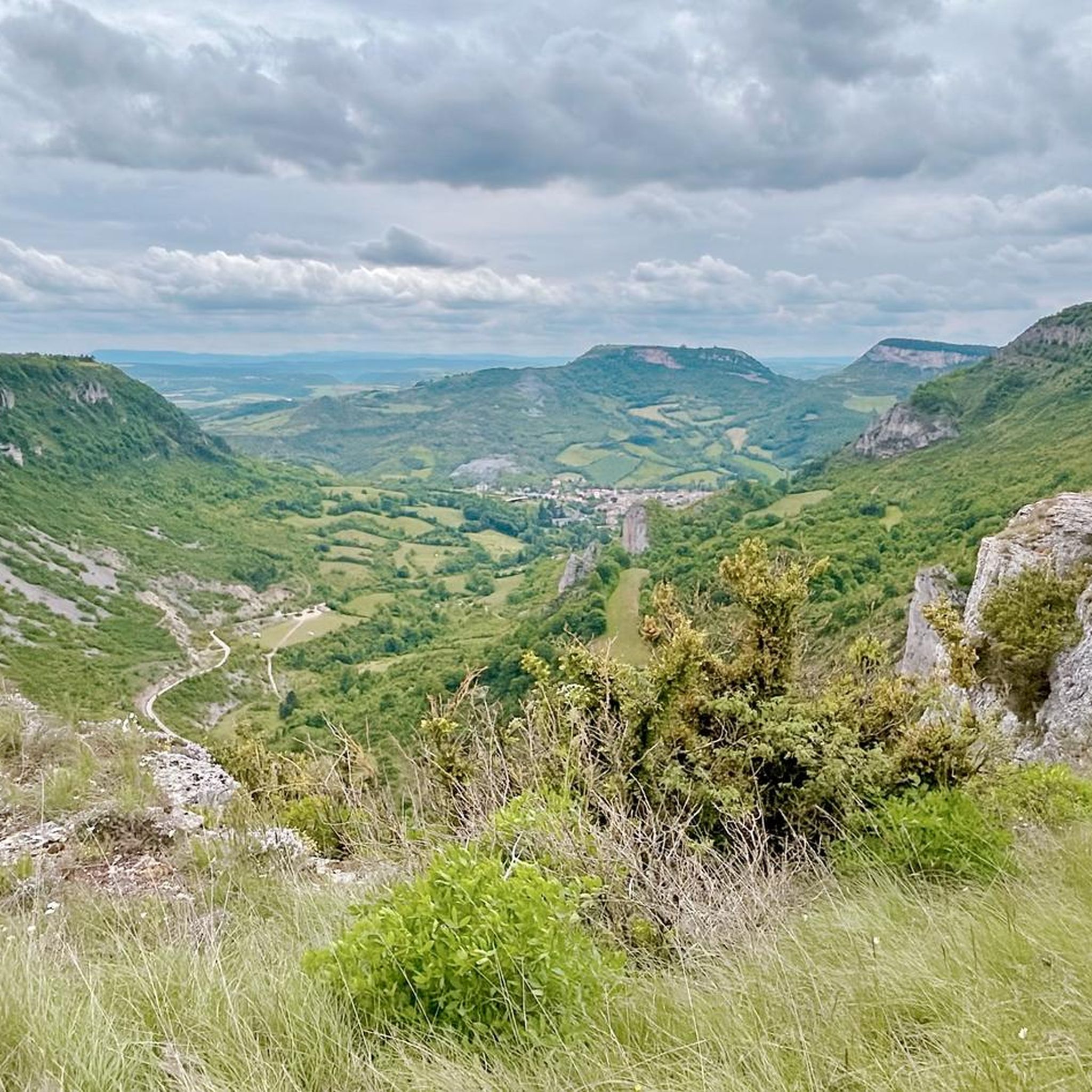
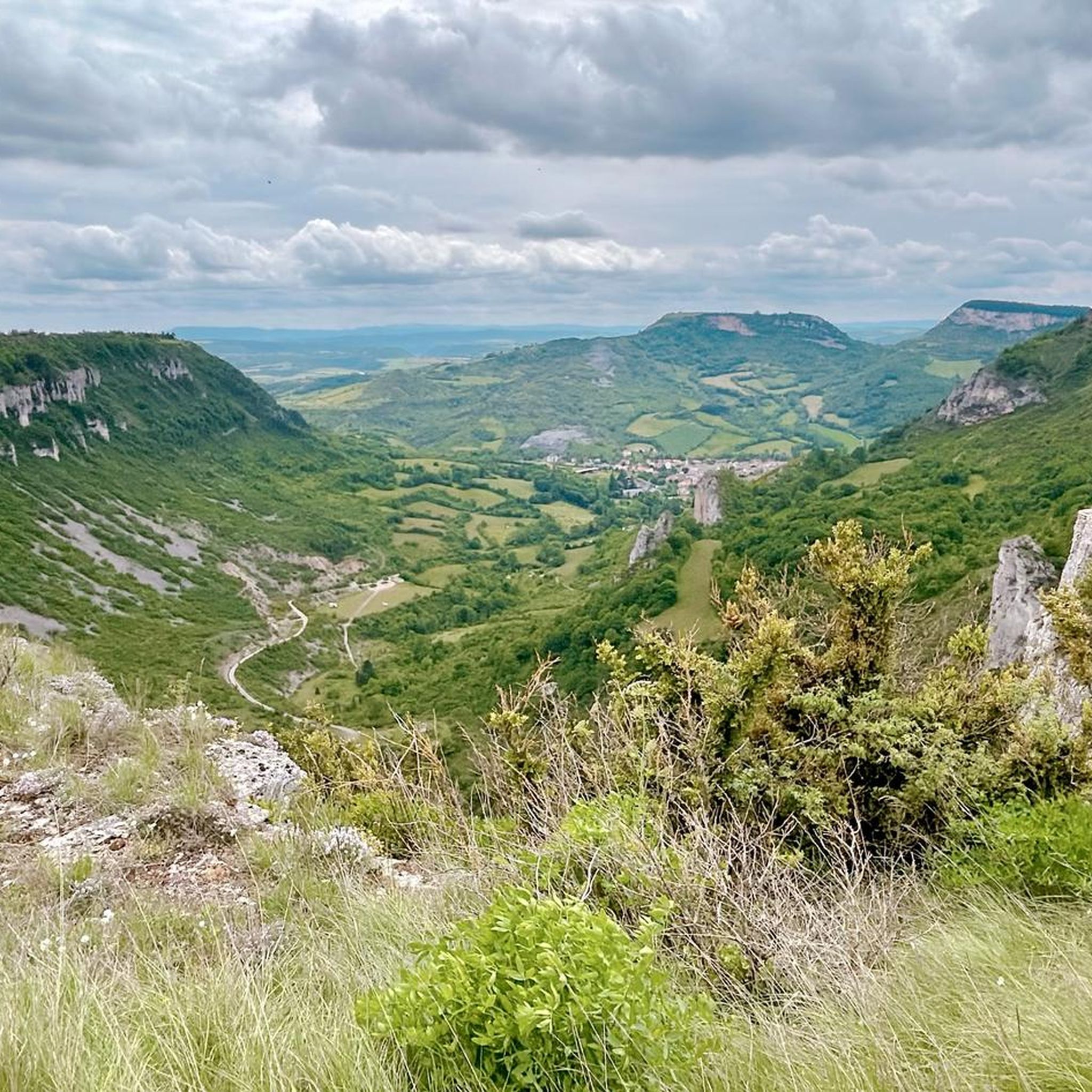
Cirque de Tournemire
Highlight (Segment) • Gorge
Translated by Google •
Tip by
Sign up for free to discover even more natural monuments around Tournemire.
Sign up for free
Already have an account?
Start today with a free account
Your next adventure awaits.
Login or Signup
Tips from the Community

History and nature an ideal mix
0
0

Magnificent panorama to be seen absolutely
0
0

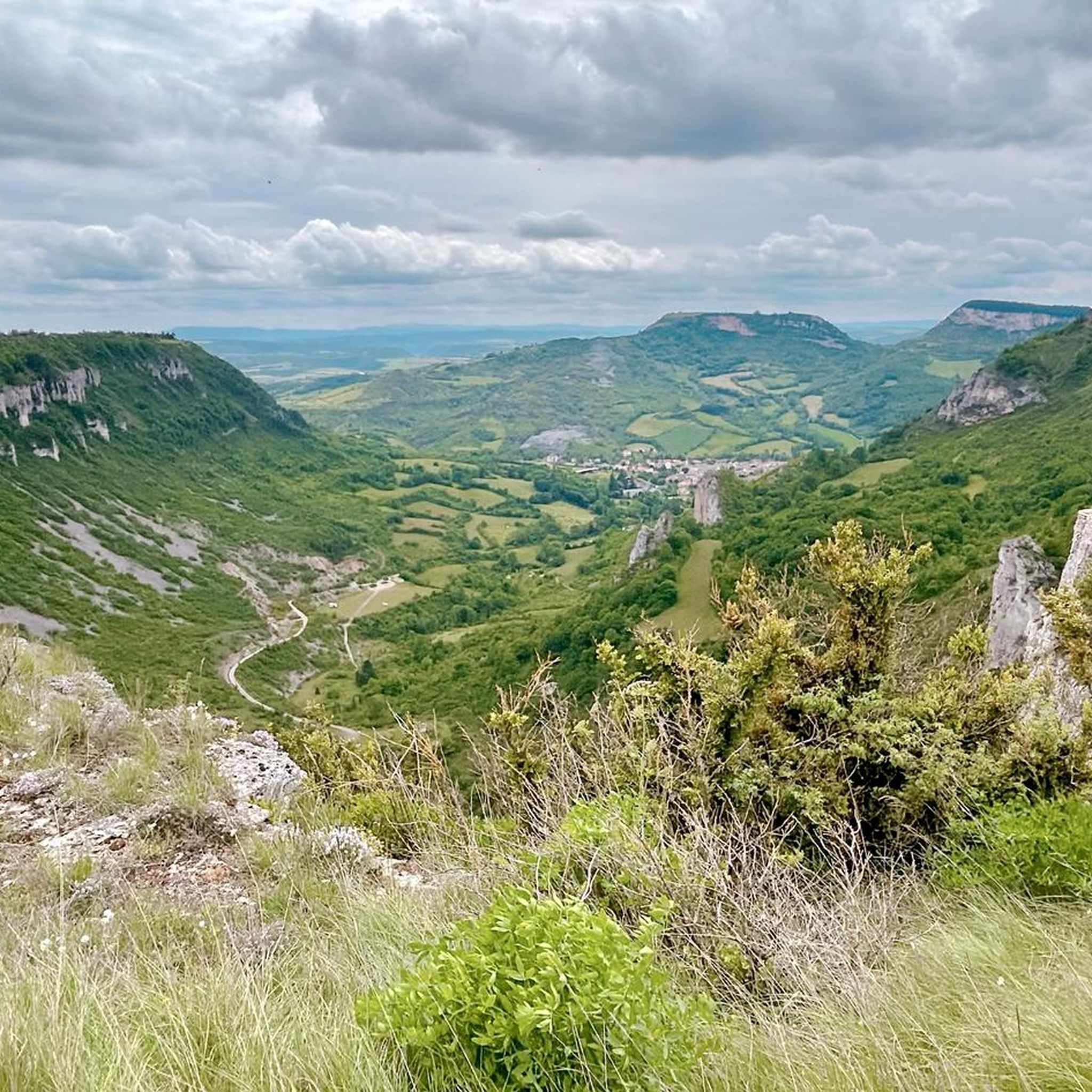
The belvedere offers a spectacular view of Millau, its viaduct, and the majestic Tarn valley.
1
0

Even if it is commonly called Menhir, it is very likely that this block is not really one since nothing suggests that it was erected by man. On the other hand, it was engraved with two crosses as was sometimes done.
0
0
The Cirque du Boundoulaou, resulting from the erosion of the Larzac plateau near Millau, is a remarkable site. Its ledges offer magnificent views of the Tarn valley and the Millau viaduct.
1
0
The Cirque de Tournemire is an extraordinary site on the southwestern edge of the Causse du Larzac. Erosion has done its work on this limestone plateau from sediments and shells of ancient marine organisms. It is also in the area that a magnificent Plesiosaur skeleton was discovered some forty years ago. Today the local fauna is rather made up of birds of prey, such as the golden eagle.
1
0

Beautiful climb by the path of Puech Bourillou to the remains of a medieval castle which dominated the town of Saint-Affrique. A botanical garden has been laid out around the rock, from where there is a superb view of the Sorgues valley.
1
0
Frequently Asked Questions
What are some of the most impressive natural monuments to visit around Tournemire?
The region around Tournemire offers several remarkable natural monuments. The Cap de Coste Viewpoint provides a spectacular panorama of Millau, its viaduct, and the Tarn valley. Another must-see is the Cirque de Tournemire, an extraordinary gorge on the southwestern edge of the Causse du Larzac, known for its dramatic erosion and geological significance. You can also explore the Cliffs of the Cirque du Boundoulaou, which offer magnificent views of the Tarn valley.
What unique geological features can I expect to see in the natural monuments around Tournemire?
The natural monuments around Tournemire are characterized by the dramatic landscapes of the Grands Causses. You'll encounter impressive limestone plateaus, deep valleys, and vast cirques formed by millions of years of erosion. The Cirque de Tournemire, for instance, showcases a 'millefeuille' of rocks and calcareous scree, alongside the distinctive 'terres noires' (black lands). This area is a significant geological site, reflecting ancient marine sedimentation.
Are there any historical or cultural sites integrated with the natural monuments?
Yes, some natural monuments around Tournemire also hold historical significance. The Rock Engraved with Two Crosses, though a natural formation, bears ancient engravings. Additionally, the Rocher de Caylus features the remains of a medieval castle and offers a superb view of the Sorgues valley, blending natural beauty with historical remnants.
Where can I learn more about the plesiosaur discovery in Tournemire?
The Cirque de Tournemire was the site of a significant paleontological discovery in 1986: the fossilized skeleton of a plesiosaur, *Occitanosaurus tournemirensis*. This specimen is considered the most complete of its kind found in France. While the fossil itself is a natural artifact, you can learn more about this discovery at the Maison du Plésiosaure (Plesiosaur House) located next to the town hall in Tournemire, Aveyron.
Are there hiking opportunities near these natural monuments?
Absolutely. The region around Tournemire is excellent for hiking. You can find various trails that lead to or offer views of these natural monuments. For example, there are running trails like the "View of Tournemire – Cirque de Tournemire loop" which is 11.4 km long. You can explore more hiking options in the Running Trails around Tournemire guide.
What kind of cycling routes are available around Tournemire's natural monuments?
The area around Tournemire offers diverse cycling opportunities. You can find routes suitable for touring bicycles and gravel biking. Options range from an easy 13.7 km gravel loop in the Grands Causses Regional Natural Park to more challenging routes like the 60.4 km "Tour du Viala-du-Pas-de-Jaux – Sainte-Eulalie-de-Cernon loop." Discover more in the Cycling around Tournemire guide and the Gravel biking around Tournemire guide.
Is Tournemire suitable for family visits?
Yes, Tournemire and its surrounding natural monuments can be suitable for families, especially those who enjoy outdoor activities and nature exploration. The dramatic landscapes and geological features offer an engaging learning experience. While specific 'family-friendly' categories aren't always listed for every monument, the general appeal of viewpoints and accessible trails makes it enjoyable for various ages. The Maison du Plésiosaure can also be an interesting stop for children.
What is the best time of year to visit the natural monuments around Tournemire?
The best time to visit the natural monuments around Tournemire is generally during spring (April to June) and autumn (September to October). During these seasons, the weather is typically mild and pleasant for outdoor activities like hiking and cycling, and the landscapes are vibrant. Summer can also be beautiful, but it can get quite warm, especially in July and August, so early mornings or late afternoons are preferable for activities.
Can I bring my dog to the natural monuments?
While many natural areas in France are dog-friendly, it's always advisable to keep dogs on a leash, especially in protected natural sensitive areas like the Cirque de Tournemire, to protect local wildlife and ensure the safety of other visitors. Always check for specific signage at each site regarding dog access and regulations.
Are there accessible natural monuments for visitors with limited mobility?
Specific accessibility information for each natural monument is not always readily available. Many natural sites, especially those with dramatic geological features like cirques and cliffs, may involve uneven terrain or require some walking. For visitors with limited mobility, viewpoints accessible by car, such as parts of the Cap de Coste Viewpoint, might offer the best options for enjoying the panoramic scenery.
What should I wear when visiting the natural monuments around Tournemire?
When visiting the natural monuments around Tournemire, it's recommended to wear comfortable clothing suitable for outdoor activities. Sturdy walking shoes or hiking boots are essential, as trails can be uneven. Layers are advisable, as weather conditions can change, especially in higher elevations or during shoulder seasons. Don't forget sun protection, such as a hat and sunscreen, and bring plenty of water.
Most popular routes around Tournemire
Most popular attractions around Tournemire

Get inspired with the komoot mobile app


Explore more
Extend your search for the best caves by checking out these guides of the top ones around Tournemire:
