Top 15 Natural Monuments around La Cluse-Et-Mijoux
Best natural monuments around La Cluse-Et-Mijoux are defined by the dramatic geological formation of the Cluse de Joux, a narrow valley cutting through the Jura Mountains. This area, situated at 855 meters, features significant topographical elements like deep incisions and commanding heights. The landscape is recognized for its ecological value, including Natura 2000 sites and diverse flora and fauna. These notable natural landmarks offer opportunities for outdoor activities and exploration of the region's natural heritage.
Best natural monuments around La…
Last updated: May 21, 2026
Chasseron Summit
Highlight • Summit
Translated by Google •
Tip by

Lac de Saint-Point
Highlight • Lake
Translated by Google •
Tip by

Sign up now to discover places like this
Get recommendations on the best single tracks, peaks, & plenty of other exciting outdoor places.
Sign up for free
Petites Roches Ridge
Highlight • Viewpoint
Translated by Google •
Tip by
Route du Lac de Saint-Point
Highlight (Segment) • Lake
Translated by Google •
Tip by

Karst Spring of the Areuse
Highlight • Natural Monument
Translated by Google •
Tip by

Sign up for free to discover even more natural monuments around La Cluse-Et-Mijoux.
Sign up for free
Already have an account?
Start today with a free account
Your next adventure awaits.
Login or Signup
Popular around La Cluse-Et-Mijoux
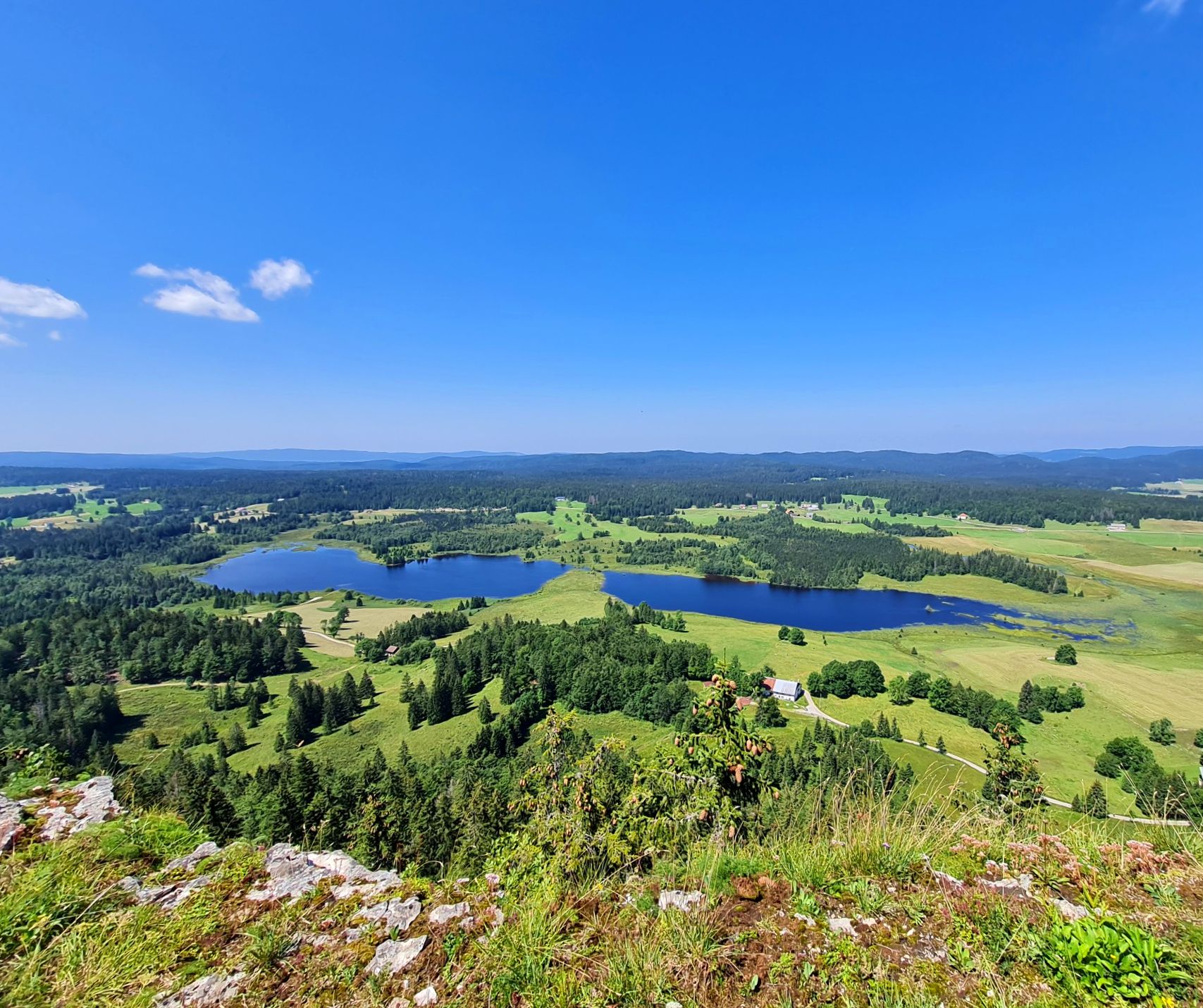
The Europe Trail – GR 5 from Nyon to Montbéliard
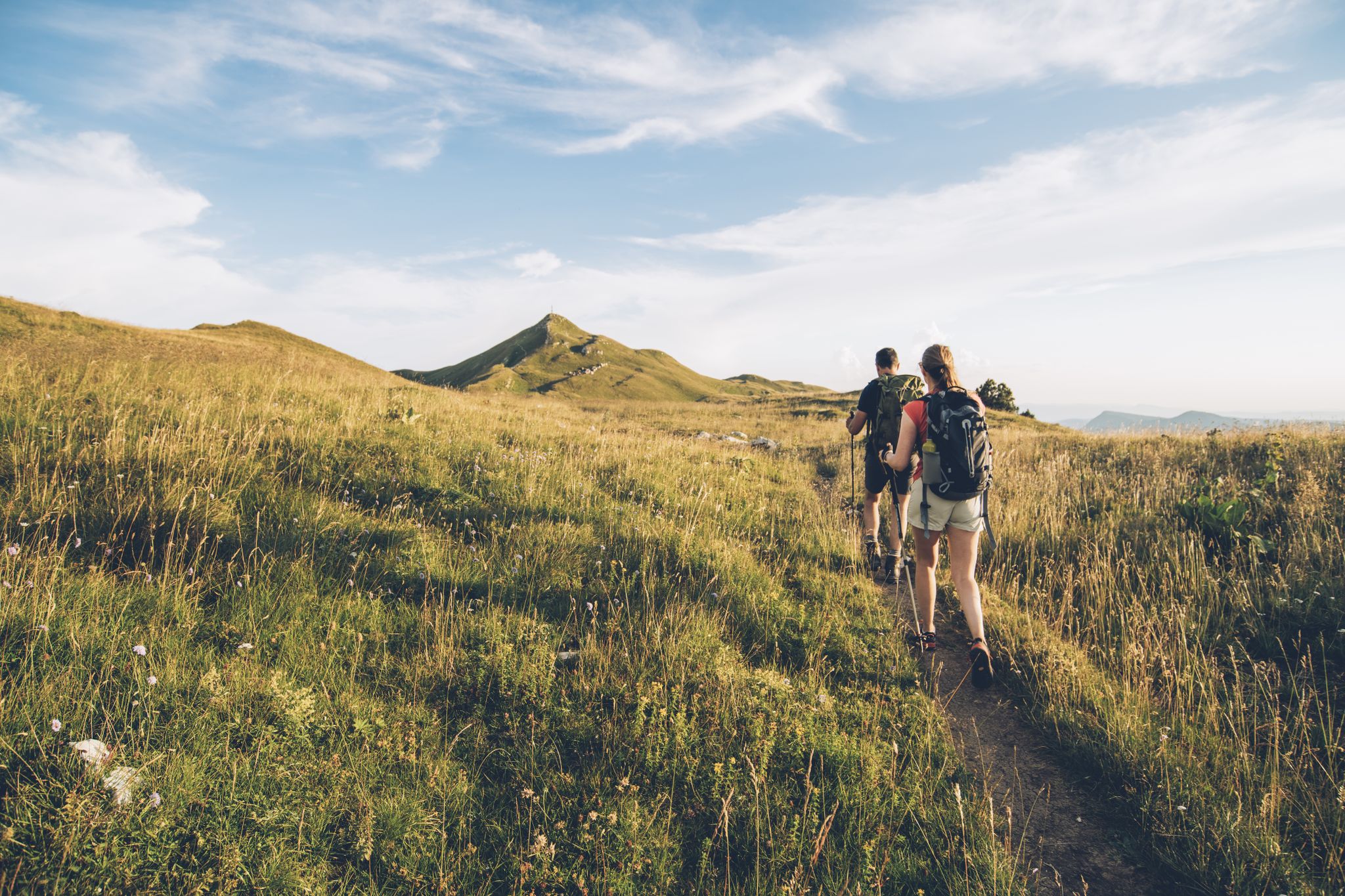
The thousand faces of the Jura Mountains – Grande Traversée du Jura on foot
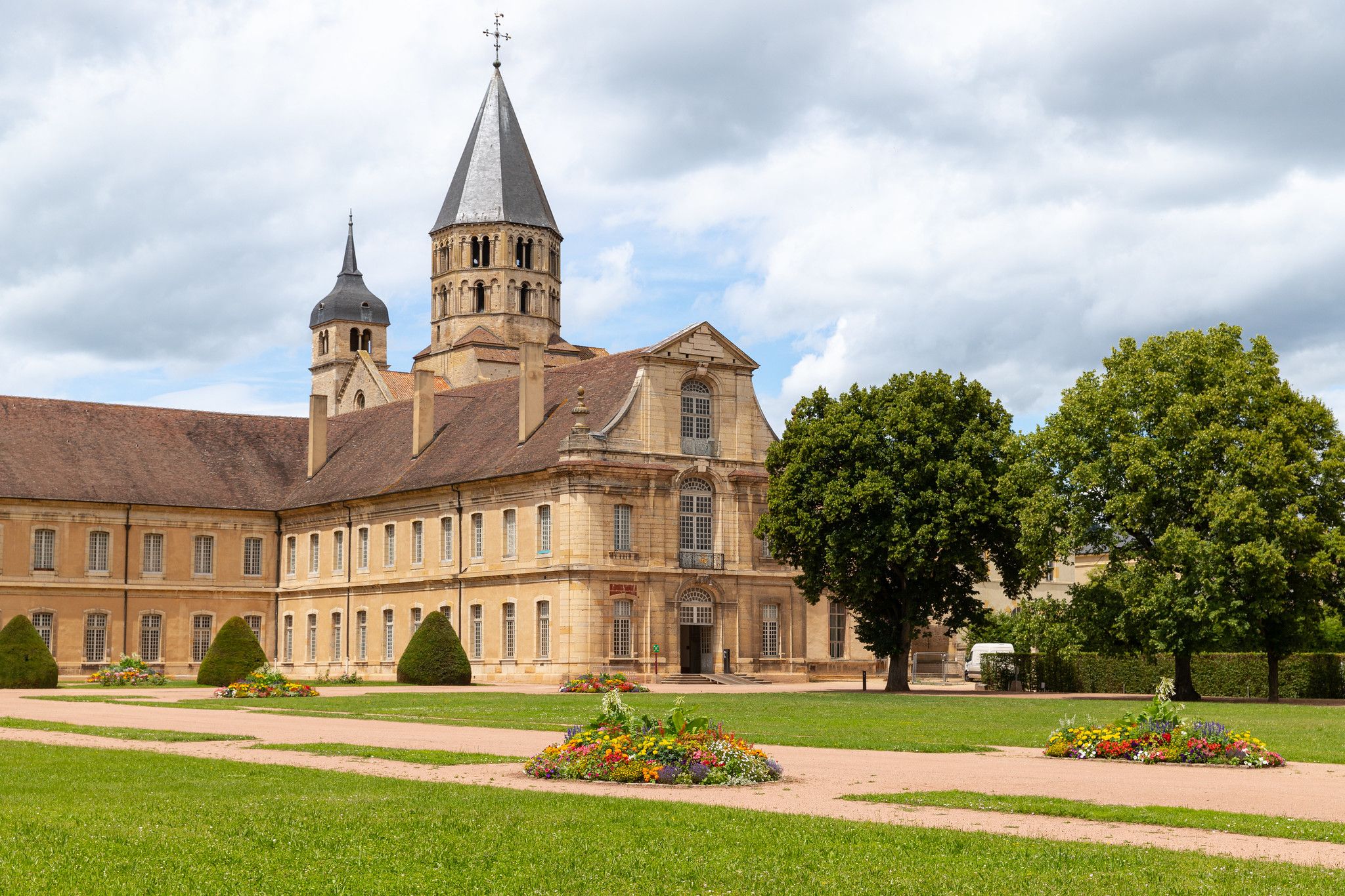
Via Cluny – From the Jura Mountains to Burgundy
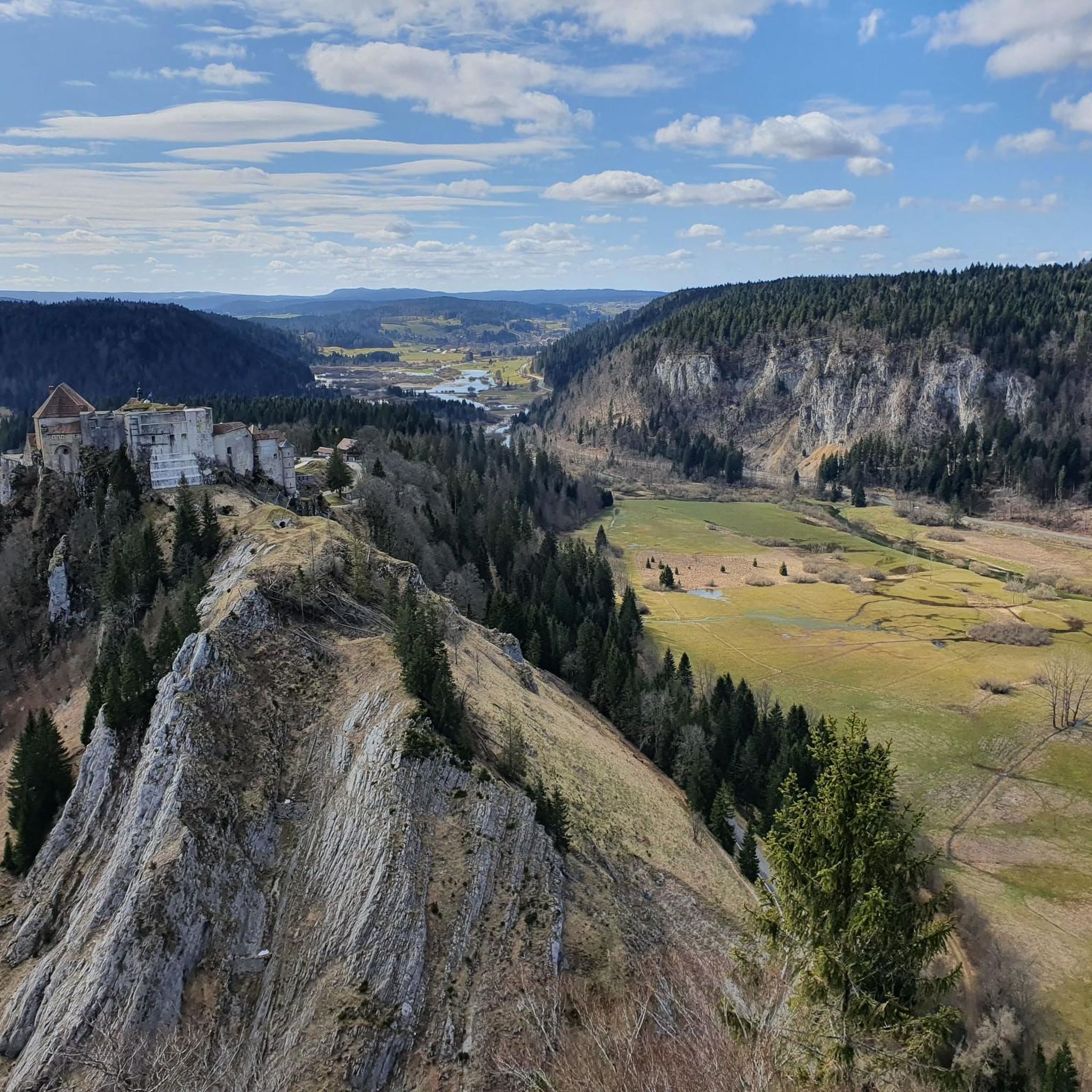
Road Cycling Routes around La Cluse-Et-Mijoux
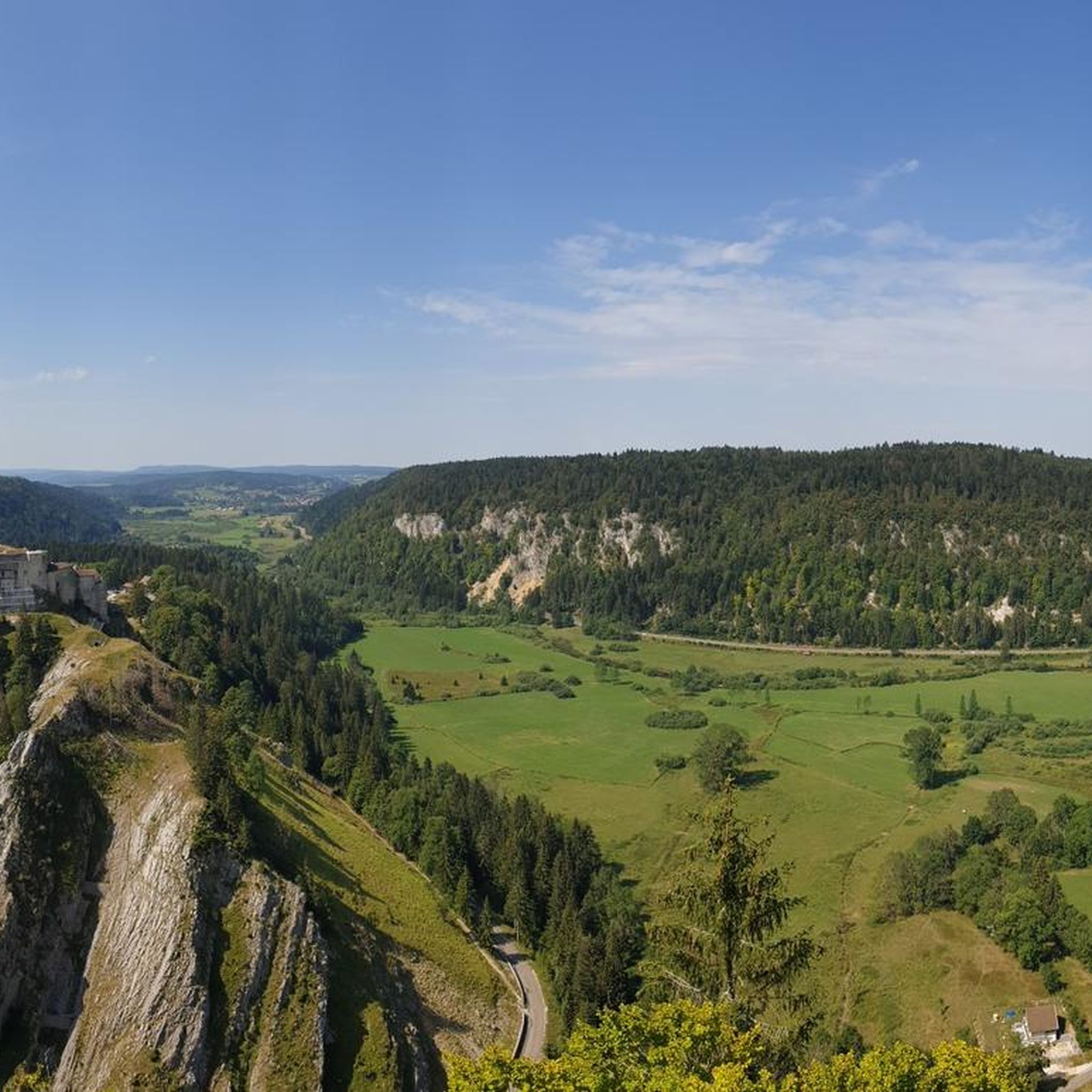
Cycling around La Cluse-Et-Mijoux
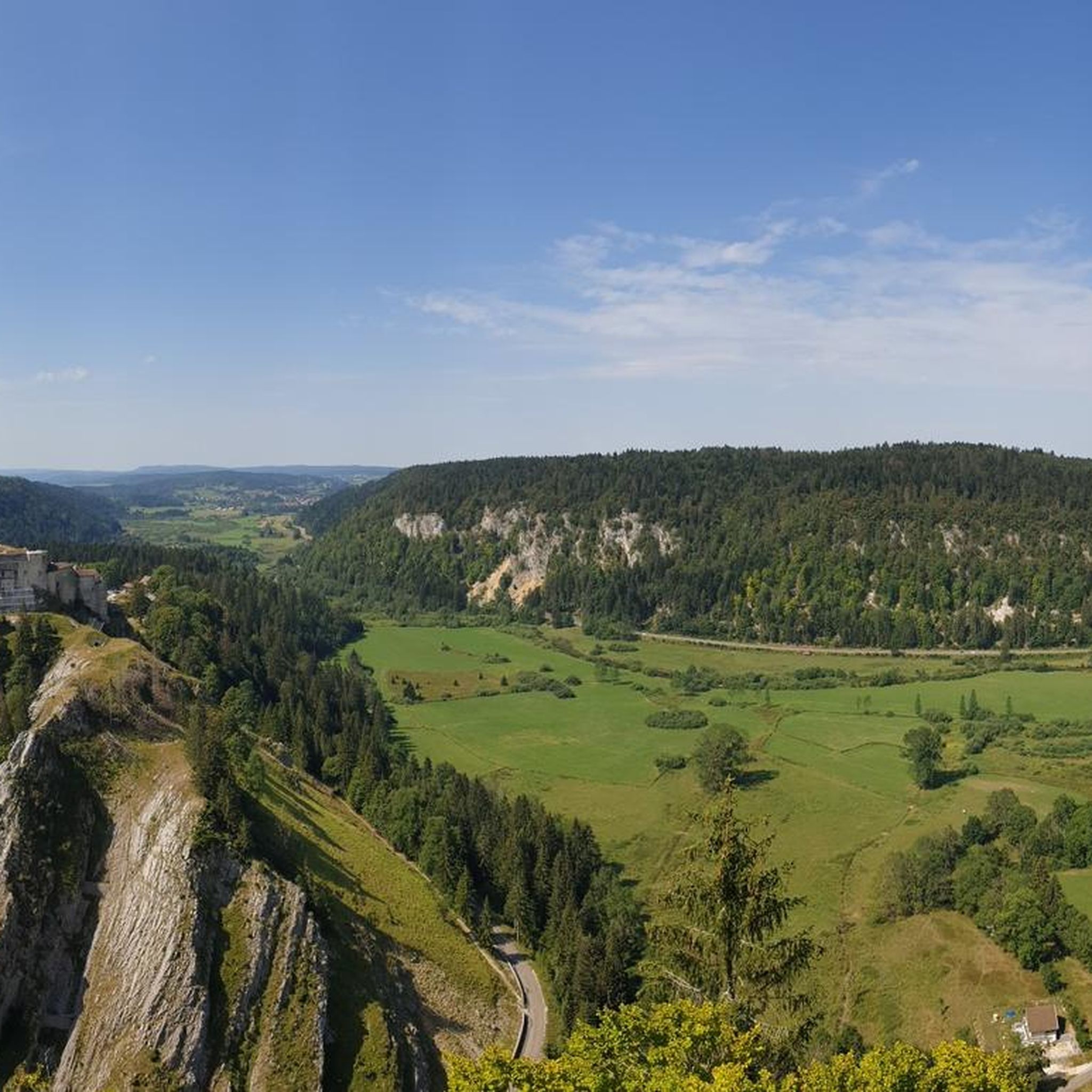
Hiking around La Cluse-Et-Mijoux
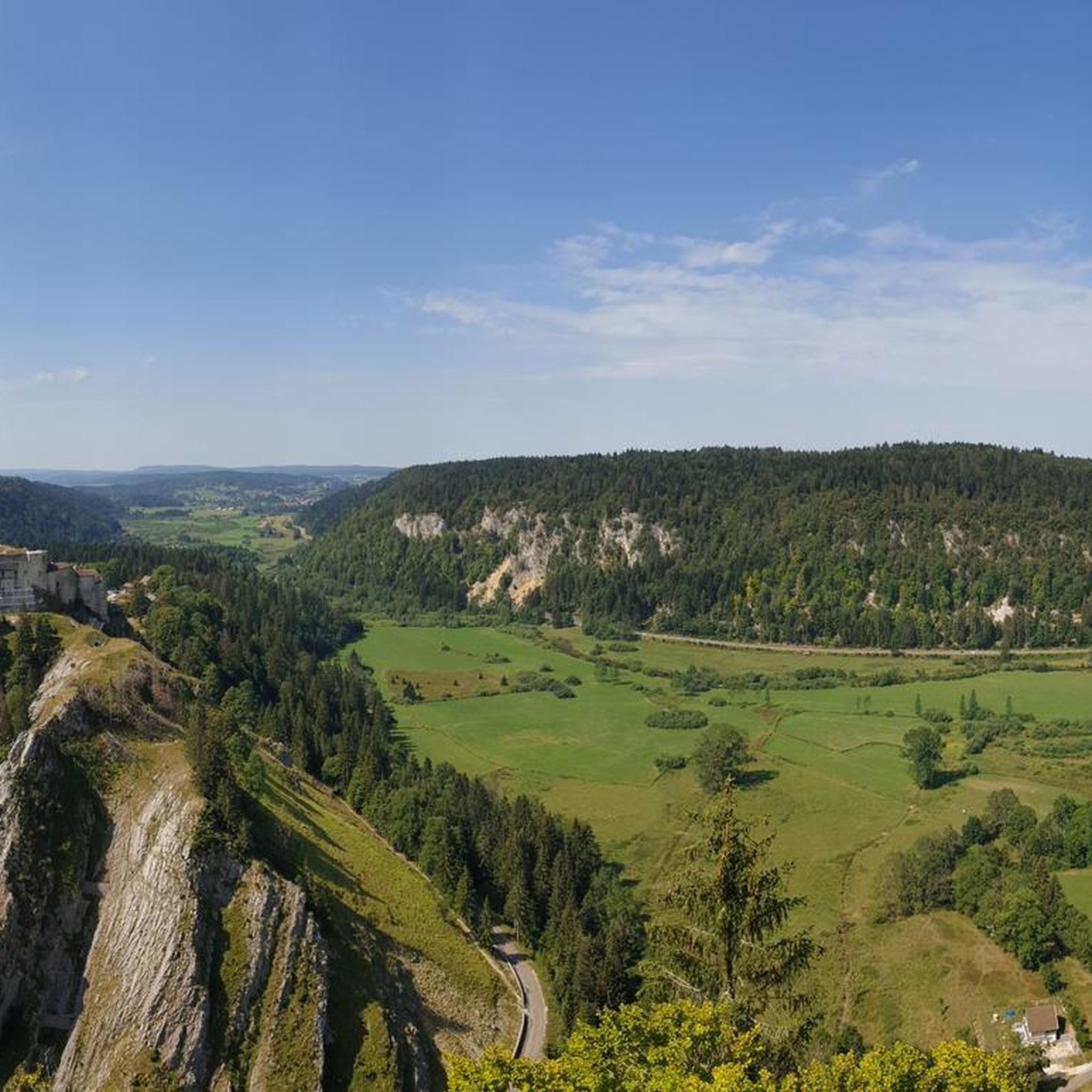
MTB Trails around La Cluse-Et-Mijoux

Gravel biking around La Cluse-Et-Mijoux
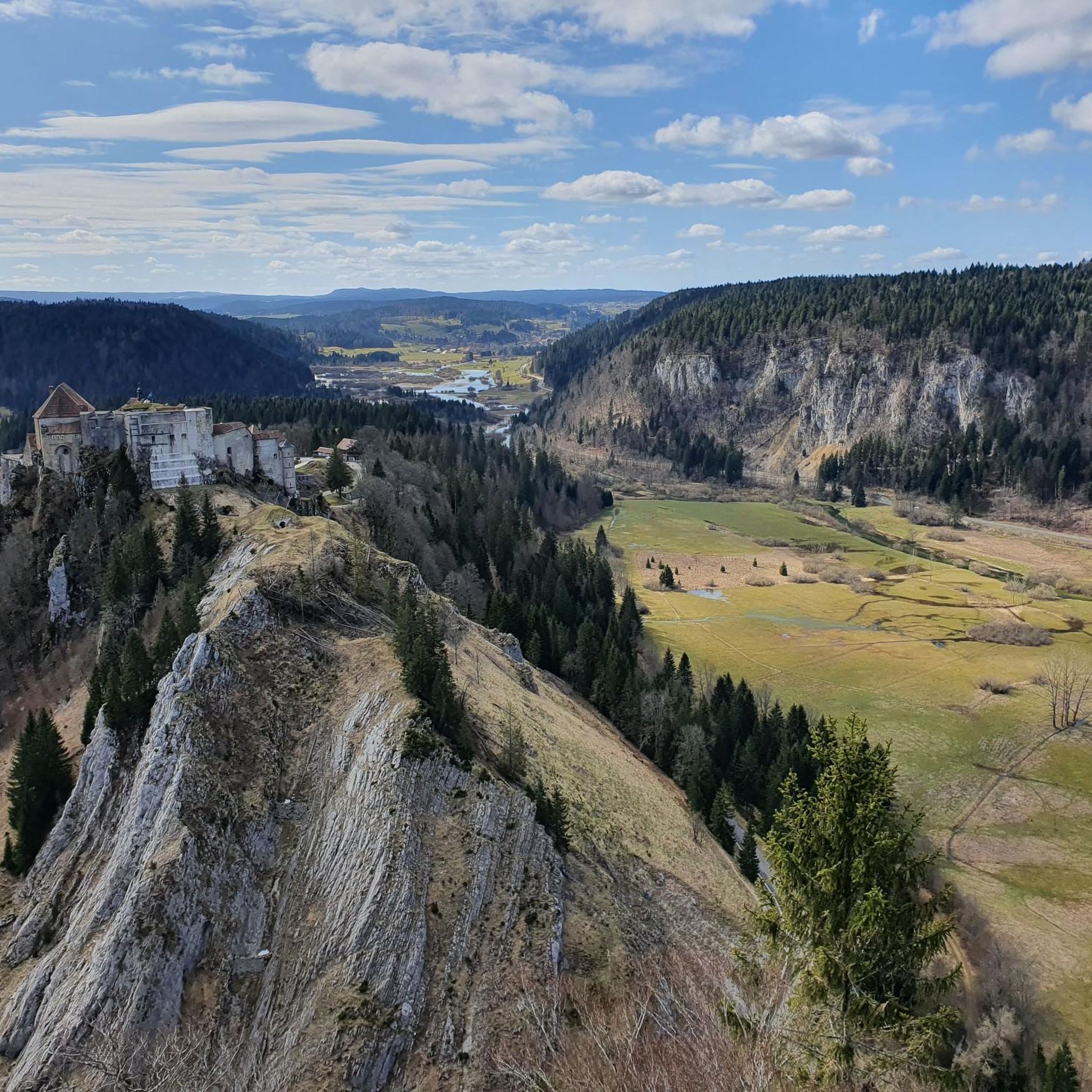
Running Trails around La Cluse-Et-Mijoux
Other adventures around La Cluse-Et-Mijoux


Tips from the Community

A little smaller than the Chasseron, but the view is also gigantic
2
0
Easy paths lead up, the view is gigantic, all the famous Alpine peaks can be seen and in front of them Lake Neuchâtel and Lake Geneva
3
0

Wonderful vantage point high above Lake Neuchâtel
8
1

It is a rough walk from the Chasseron to the Rochers, a small ridge walk that is worth it
3
0
Beautiful view, wild atmosphere and good restaurant, what more could you want?
5
0

This lake, known for its bright blue water, crosses the Doubs in a 'valley'. This lake once formed one large body of water together with Lake Remoray. The lake is 6.3 km long and 800m wide, making it the fourth largest natural lake in France. In winter it freezes. By constructing a dam on the north side, it helps regulate the water of the Doubs.
6
0
This lake, known for its brilliant blue water, crosses the Doubs River in a valley. It once formed a single, large body of water along with Lake Remoray. The lake is 6.3 km long and 800 m wide, making it the fourth-largest natural lake in France. It freezes over in winter. Thanks to the construction of a dam on its north side, it helps regulate the flow of the Doubs.
6
0
Frequently Asked Questions
What are the most significant natural monuments in the La Cluse-et-Mijoux area?
The most significant natural monument is the Cluse de Joux itself, a dramatic narrow valley cutting through the Jura Mountains, known for its geological folds and a major fault line. Other notable natural monuments include Chasseron Summit, offering panoramic views of the Alps, and Lac de Saint-Point, the fourth-largest natural lake in France.
What unique geological features can I explore in La Cluse-et-Mijoux?
The region is defined by the Cluse de Joux, a deep incision separating mountain ranges with dramatic geological folds and a major fault line. You can observe impressive 100-meter-high cliffs and the unique topography that has shaped the landscape. The Petites Roches Ridge also offers a great example of the area's rocky formations.
Are there any notable viewpoints to experience the natural beauty?
Yes, several viewpoints offer magnificent vistas. The Chasseron Summit provides wonderful views of the Savoyard, Valais, and Bernese Alps. The Petites Roches Ridge also offers expansive views along its hiking trail. Additionally, the 'Point de Vue du Fer à Cheval' (Horseshoe Viewpoint) offers a superb vista of the Cluse de Joux and the Doubs valley.
What outdoor activities are available near the natural monuments?
The unspoiled landscape of the Cluse de Joux and its surroundings is ideal for various outdoor activities. You can enjoy hiking, mountain biking, and cycling. For detailed routes, explore the guides for Hiking around La Cluse-Et-Mijoux, Cycling around La Cluse-Et-Mijoux, and Gravel biking around La Cluse-Et-Mijoux.
Are there specific hiking trails recommended for exploring the natural monuments?
Yes, there are numerous trails. A hiking trail runs over the Petites Roches Ridge, leading towards the Chasseron. You can also find routes like 'View of the Fort – Joux Castle loop' or 'La Cluse-et-Mijoux – Le Grand Taureau loop'. More options are available in the Hiking around La Cluse-Et-Mijoux guide.
Can I go cycling near the natural monuments?
Absolutely. The area offers excellent cycling opportunities, including routes around Route du Lac de Saint-Point. You can find routes like 'The Blue Spring – View of Lac de Saint-Point loop' or 'Lac de Saint-Point – Les Grangettes Beach loop'. Check the Cycling around La Cluse-Et-Mijoux guide for more details.
Are there family-friendly natural monuments to visit?
Yes, Lac de Saint-Point and the Route du Lac de Saint-Point are considered family-friendly. The lake is known for its bright blue water and offers a pleasant environment for families to enjoy.
What kind of wildlife and flora can I expect to see?
The natural environment around the Cluse de Joux is a Natura 2000 site and a Type 1 Natural Zone of Ecological Interest for its Flora and Fauna (ZNIEFF I). You can find diverse habitats, including coniferous forests with Norway spruce, beech, ash, and sycamore. The cliffs, scree slopes, and dry grasslands support a variety of wild flowers, including heritage species like French sorrel, Jura figwort, and various wild orchids.
Is there a historical connection to the natural monuments in the region?
Yes, the Cluse de Joux has significant historical importance. It served as a vital natural passage through the Jura Mountains, influencing trade and military strategy for centuries. The historic Château de Joux is perched on a rocky bluff directly overlooking the cluse, highlighting its strategic role in defending this crucial corridor.
What do visitors enjoy most about the natural monuments in La Cluse-et-Mijoux?
Visitors particularly appreciate the stunning panoramic views from high points like Chasseron Summit, where they can see the Alps. The serene beauty of Lac de Saint-Point and the opportunity to explore diverse hiking trails are also highly valued. The dramatic geological formations and the rich natural heritage of the Cluse de Joux itself are major draws.
What is the best time to visit the natural monuments in La Cluse-et-Mijoux?
The best time to visit largely depends on your preferred activities. Spring and summer are ideal for hiking, cycling, and enjoying the vibrant flora. Autumn offers beautiful fall foliage. In winter, Lac de Saint-Point freezes over, offering a unique winter landscape, though some trails might be challenging due to snow and ice.
Are there any hidden natural gems or less-known spots worth exploring?
While the Cluse de Joux itself is a prominent feature, exploring the various trails within the Natura 2000 protected areas can lead to discovering less-frequented spots with unique flora and fauna. The Peace Stone, a glacial erratic with inscribed symbols, is another unique natural monument that offers a different kind of experience.
Most popular routes around La Cluse-Et-Mijoux
Most popular attractions around La Cluse-Et-Mijoux

Get inspired with the komoot mobile app


Explore more
Extend your search for the best caves by checking out these guides of the top ones around La Cluse-Et-Mijoux:
