Top 7 Natural Monuments around Freneuse
Best natural monuments around Freneuse offer diverse landscapes for outdoor exploration. Located in the Yvelines department, the region features a mix of forests, riverbanks, and preserved natural environments. These notable natural landmarks provide opportunities for hiking, wildlife observation, and experiencing the tranquility of nature. The area is characterized by its varied terrain, including limestone cliffs and historical estates integrated into the natural setting.
Best natural monuments around Freneuse
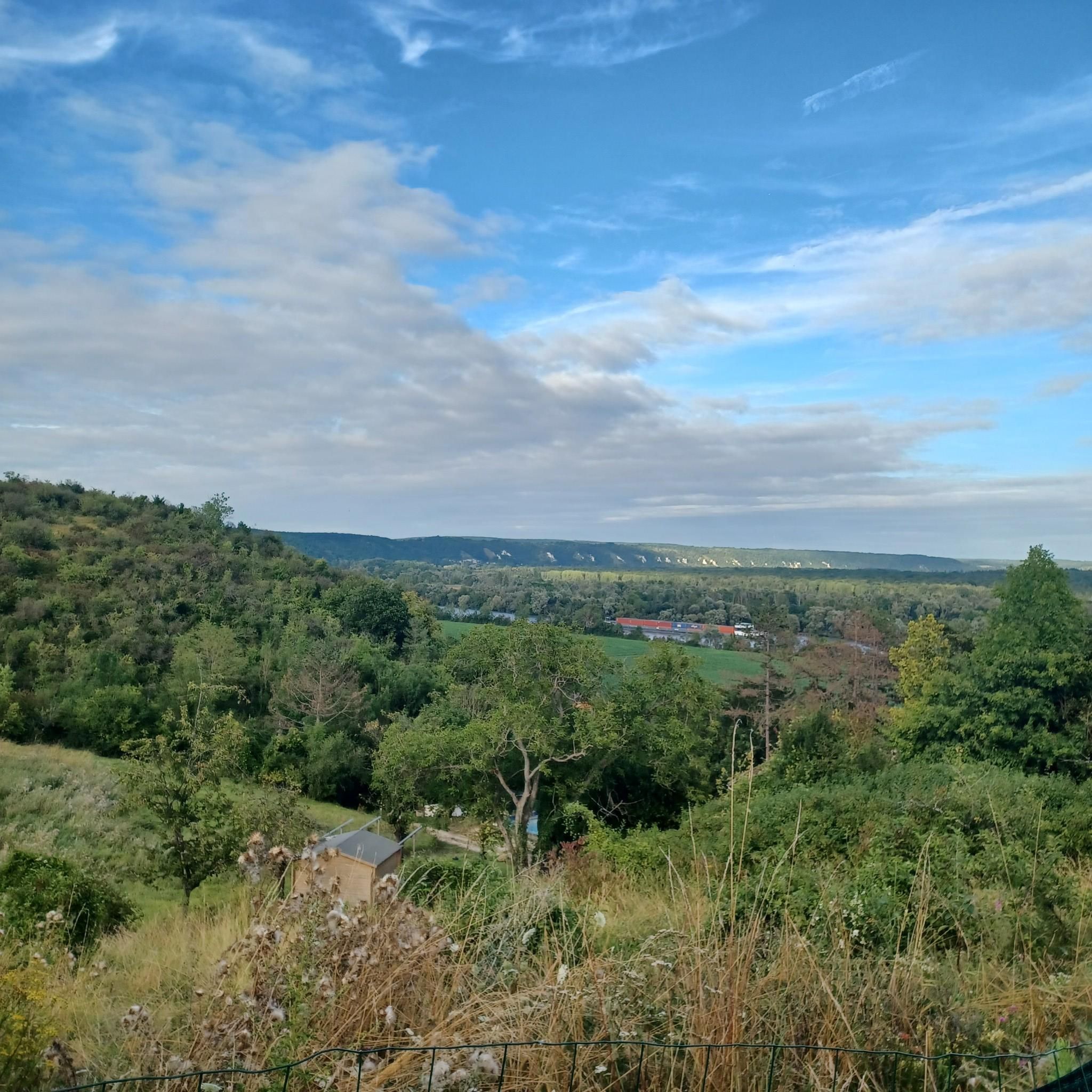
- The most popular natural monuments is Cliffs of La Roche-Guyon, a…
Last updated: July 2, 2026
Claude Monet Gardens and Foundation
Highlight • Natural Monument
Translated by Google •
Tip by

Cliffs of La Roche-Guyon
Highlight • Natural Monument
Translated by Google •
Tip by

Sign up now to discover places like this
Get recommendations on the best single tracks, peaks, & plenty of other exciting outdoor places.
Sign up for free
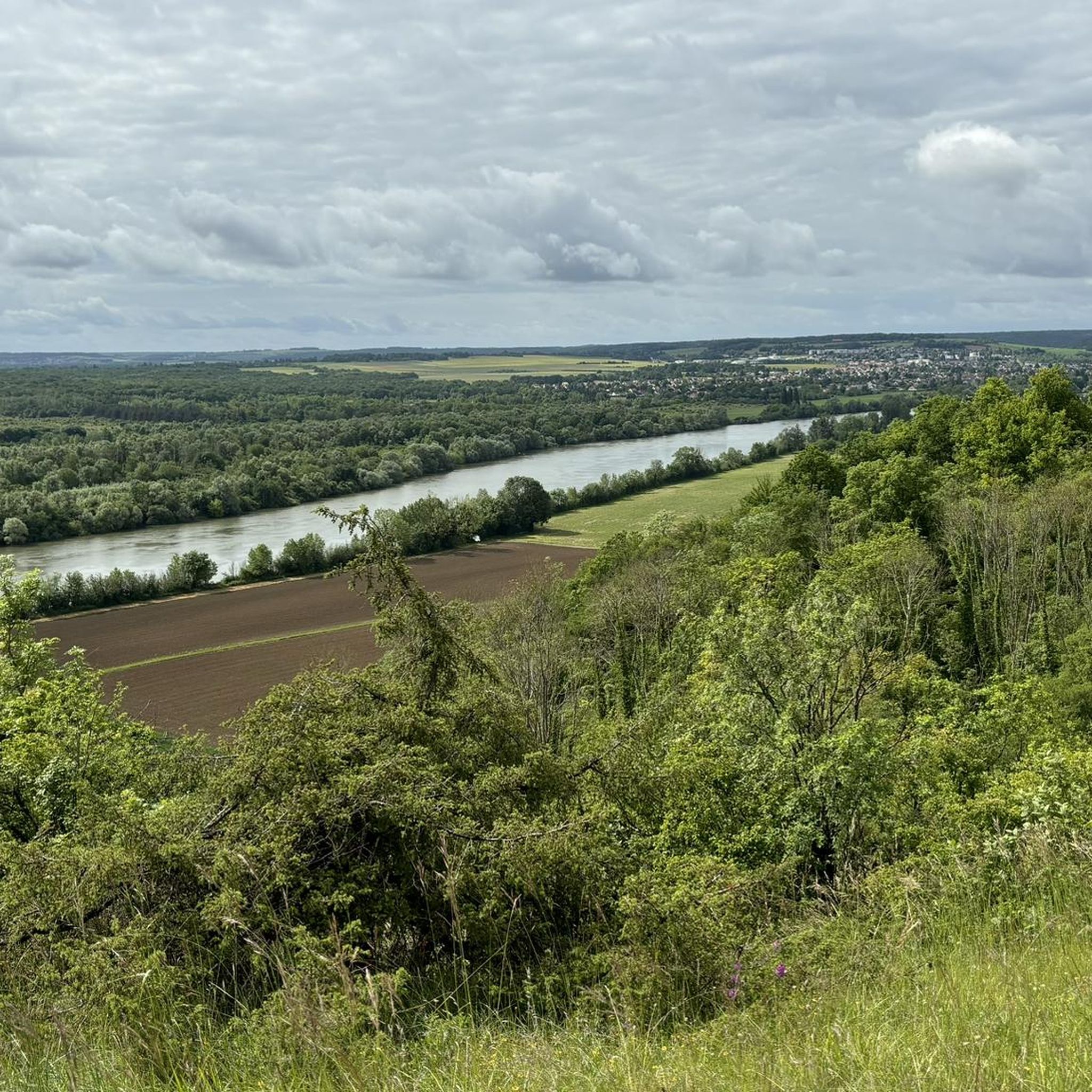
Coteaux de la Seine
Highlight • Natural Monument
Translated by Google •
Tip by
Monet's Water Garden
Highlight • Structure
Tip by

Villarceaux Estate
Highlight • Castle
Built in the 17th century, the chateau has housed prominent …
Tip by
Sign up for free to discover even more natural monuments around Freneuse.
Sign up for free
Already have an account?
Start today with a free account
Your next adventure awaits.
Login or Signup
Tips from the Community

Here we enter a work of art created for us by the great impressionist Claude Monet.
1
0

Very well-maintained facility, easy to reach with the hordes of tour buses
1
0

We can only recommend this
0
0

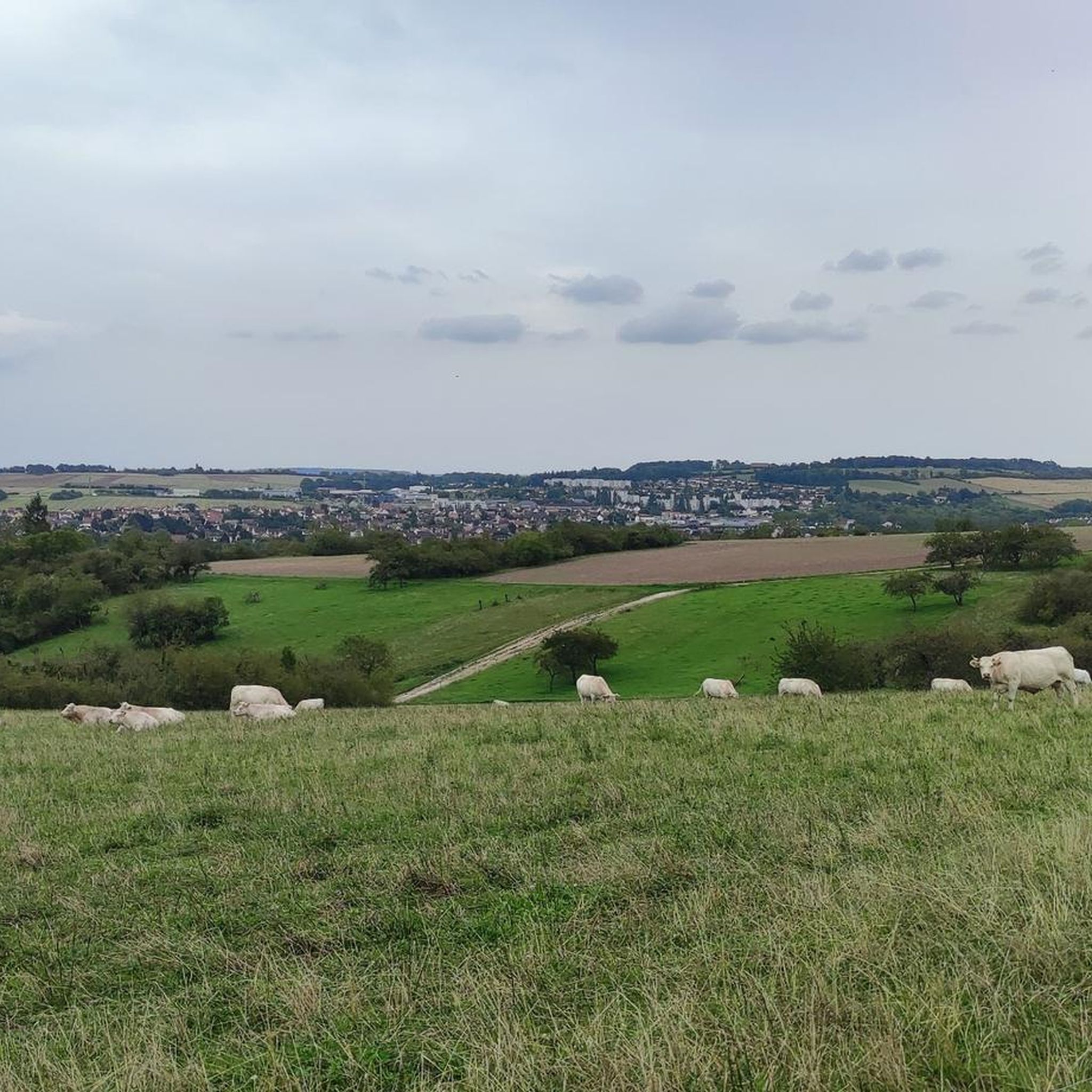
Lots of beautiful things to see in this part of Vexin
1
0

Avoid weekends during peak season if you want to visit...
1
0


This Harten, which is the size of a small park, is a total work of art. I am not judging it from a botanical perspective, but as someone who paints under the influence of impressionism. Incidentally, his Japanese bridge can be admired as a painting in the Metropolitan Museum of Art, (“Met”), in New York. I have already looked at several important museums in the world (the Museum of Modern Art in NYC was disappointing), and can therefore say that the Met is a museum of superlatives, without going into too much detail. Monet is represented here with around 15 works.
3
0

In 1893, ten years after his arrival in Giverny, Monet bought the plot of land adjacent to his property, on the other side of the railway and road. It was crossed by a small stream, the Ru, a branch of the Epte. With the support of the prefecture, Monet had the first small pond dug, despite opposition from his peasant neighbors, who feared that his strange plants would poison the water. Later, the pond was enlarged to its current size. The water garden is asymmetrical and curved. Monet was inspired by Japanese gardens, which he knew from prints. The painter was a passionate collector of Japanese woodcuts.
2
0
Frequently Asked Questions
What are some of the most notable natural landmarks around Freneuse?
The Freneuse area offers a variety of natural landmarks. You can explore the dramatic Cliffs of La Roche-Guyon, which provide breathtaking views of the Seine hillsides. Another unique site is the Troglodyte Church of Haute-Isle, a church carved into a cave. For a blend of nature and art, the Claude Monet Gardens and Foundation, particularly the Water Lily Garden, is a must-see.
What kind of natural features can I expect to see in the Freneuse region?
The region around Freneuse is rich in diverse natural features. You'll find limestone cliffs, riverbanks along the Seine, and preserved natural environments. Areas like the Îlon Basin and Bois de la Garenne offer varied landscapes, including a nature reserve and bird observatories. The broader Vexin Regional Nature Park, which encompasses the area, features woods, plains, and abundant plant and animal life.
Are there any historical sites integrated with the natural monuments?
Yes, several natural sites in the Freneuse area have a strong historical dimension. The Villarceaux Estate features a 70-hectare park with two castles and immaculately manicured gardens. Rosny Forest also contains the ruins of the Château des Beurons, adding a cultural layer to your natural exploration. The Troglodyte Church of Haute-Isle is another example, being a religious building carved into a cliff.
What outdoor activities can I do near these natural monuments?
The Freneuse area is excellent for outdoor activities. You can enjoy various routes for hiking, running, and mountain biking. For example, there are numerous hiking trails that explore the Coteaux de la Seine and the cliffs around La Roche-Guyon. You can find more details on specific routes in the Hiking around Freneuse, Running Trails around Freneuse, and MTB Trails around Freneuse guides.
Are there family-friendly natural monuments in the Freneuse area?
Absolutely. Many natural monuments around Freneuse are suitable for families. The Claude Monet Gardens and Foundation, including the beautiful Monet's Water Garden, are very popular with families. The Cliffs of La Roche-Guyon also offer scenic views that can be enjoyed by all ages, and the Villarceaux Estate with its vast park is another great option for a family outing.
What is the best time of year to visit the natural monuments around Freneuse?
Spring and early autumn are generally ideal. In spring, the gardens, like Monet's, are in full bloom, and the weather is pleasant for outdoor activities. However, be aware that some nature reserves, such as the Coteaux de la Seine, may have nesting closures from March 1st to June 30th. To avoid crowds, especially at popular spots like Monet's Gardens, it's best to arrive early in the morning.
Where can I find scenic viewpoints around Freneuse?
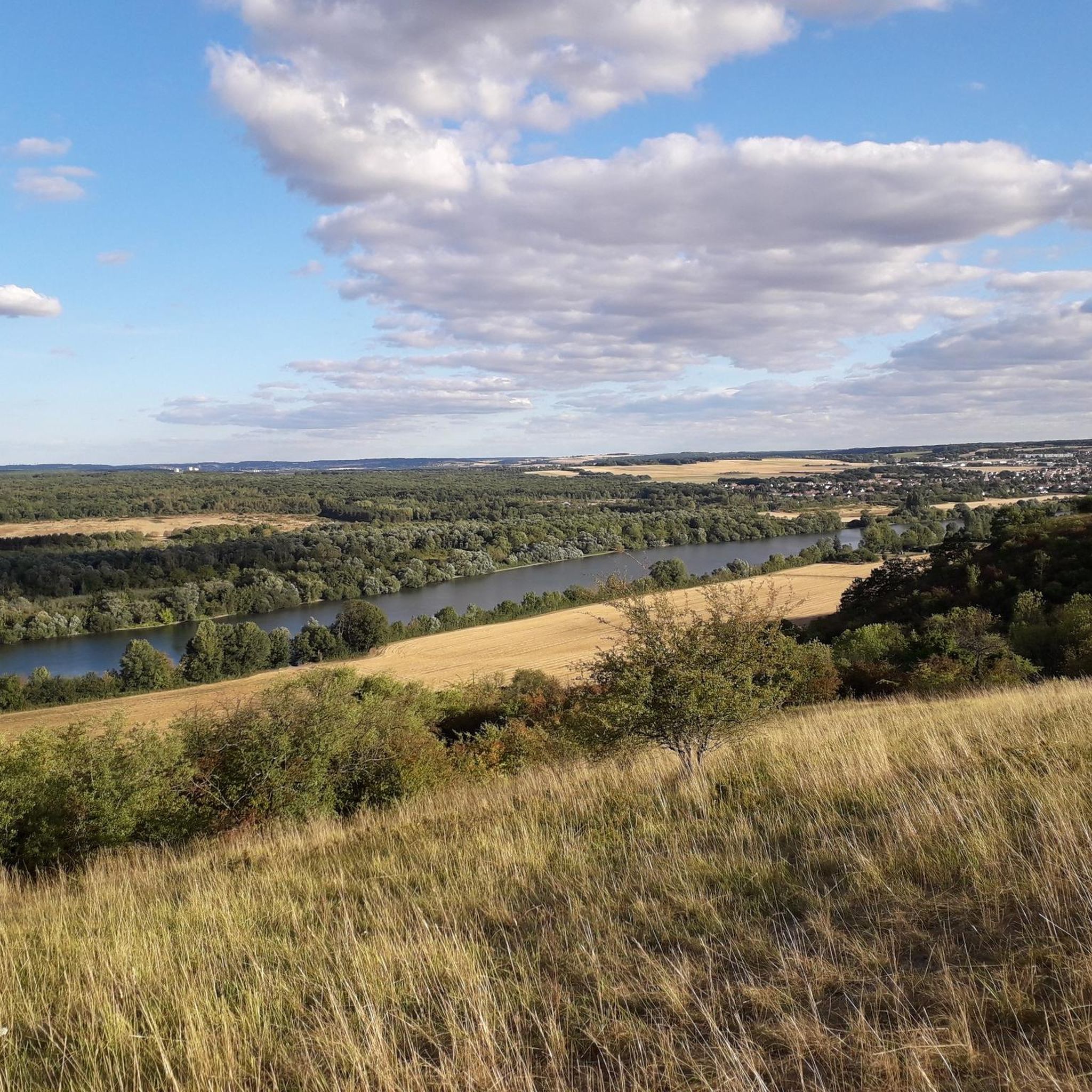
For breathtaking vistas, head to the Cliffs of La Roche-Guyon, which offer expansive views of the limestone cliffs and the Seine hillsides. The Regional Forest of La Roche-Guyon also provides scenic routes overlooking the Seine, combining forest landscapes with river views.
What do visitors enjoy most about the natural monuments in Freneuse?
Visitors frequently praise the diverse landscapes, from the dramatic cliffs to the serene riverbanks and meticulously designed gardens. The blend of natural beauty with historical elements, such as the castles at Villarceaux or the ruins in Rosny Forest, is also highly appreciated. Many enjoy the tranquility and the opportunities for hiking and wildlife observation, particularly the birdlife at Îlon Basin.
Are there opportunities for wildlife observation near Freneuse?
Yes, the region offers good opportunities for wildlife observation. The Îlon Basin and Bois de la Garenne, situated along the Seine, include a nature reserve with bird observatories, making it an excellent spot for birdwatching. The broader Vexin Regional Nature Park is also known for its abundant plant and animal life, providing a rich environment for nature enthusiasts.
Are there any natural areas that are particularly good for walking or hiking?
The Freneuse area is ideal for walking and hiking. Rosny Forest offers pleasant walks, and the Bois de la Garenne provides varied landscapes for exploration. The Coteaux de la Seine Nature Reserve is highlighted in walks between Bonnières-sur-Seine and Gommecourt. Additionally, the Vexin Regional Nature Park features numerous hiking trails through woods and plains. You can find specific routes in the Hiking around Freneuse guide.
Can I find cafes or accommodation near the natural monuments?
While specific cafes directly adjacent to every natural monument are not detailed, the charming villages and towns within the Freneuse region and the broader Vexin Regional Nature Park, such as Giverny, offer various amenities including cafes, pubs, and accommodation options. It's advisable to check local listings for specific locations near your chosen monument.
Are there any unique geological features to explore?
Yes, the region is known for its distinctive geological formations. The most prominent are the limestone cliffs, particularly the Cliffs of La Roche-Guyon, which are a significant natural and geological jewel in Île-de-France. The presence of troglodyte dwellings, such as the Troglodyte Church of Haute-Isle, also highlights the unique geological landscape of the area.
Most popular routes around Freneuse
Most popular attractions around Freneuse

Get inspired with the komoot mobile app


Explore more
Extend your search for the best caves by checking out these guides of the top ones around Freneuse:
