Top 5 Natural Monuments around Le Rove
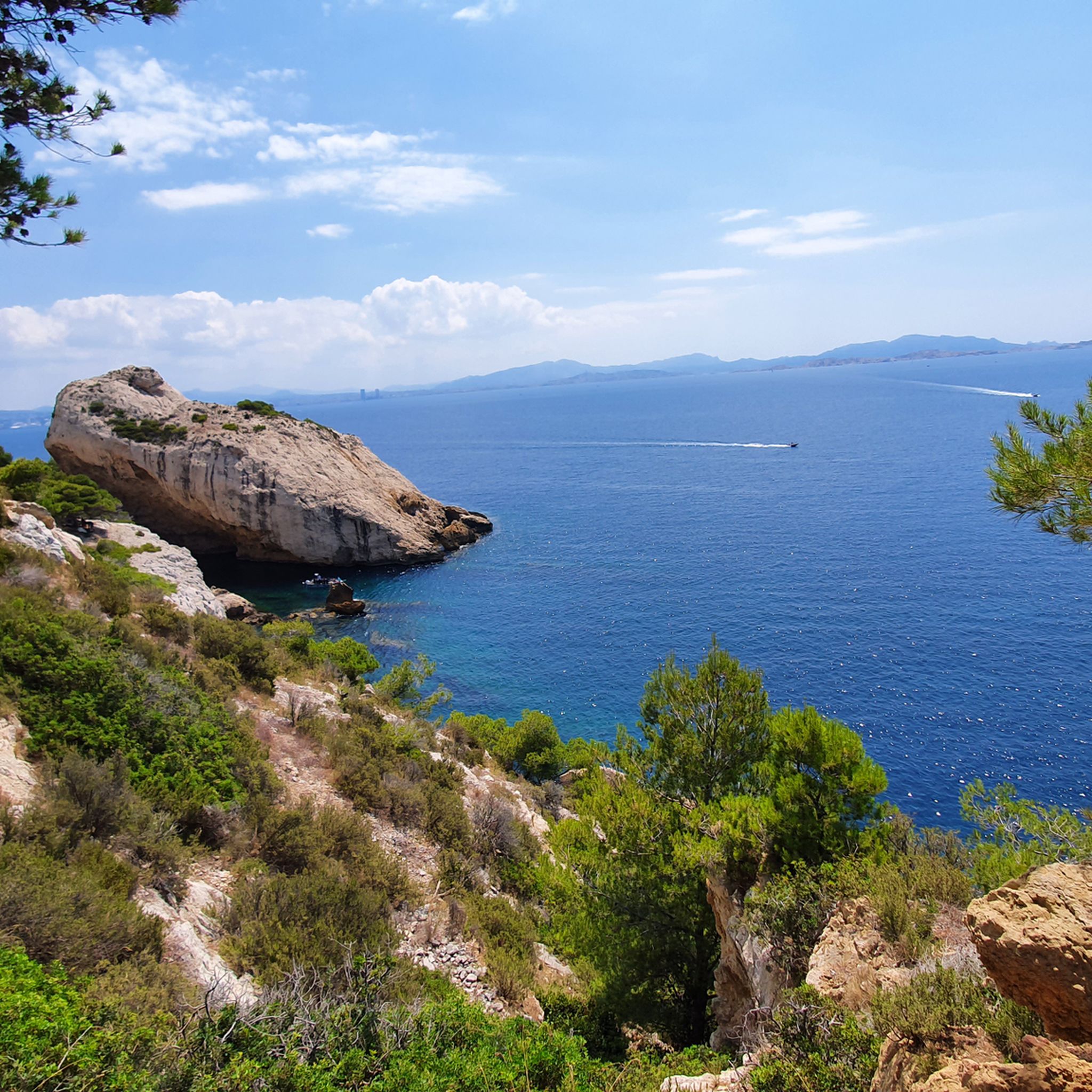
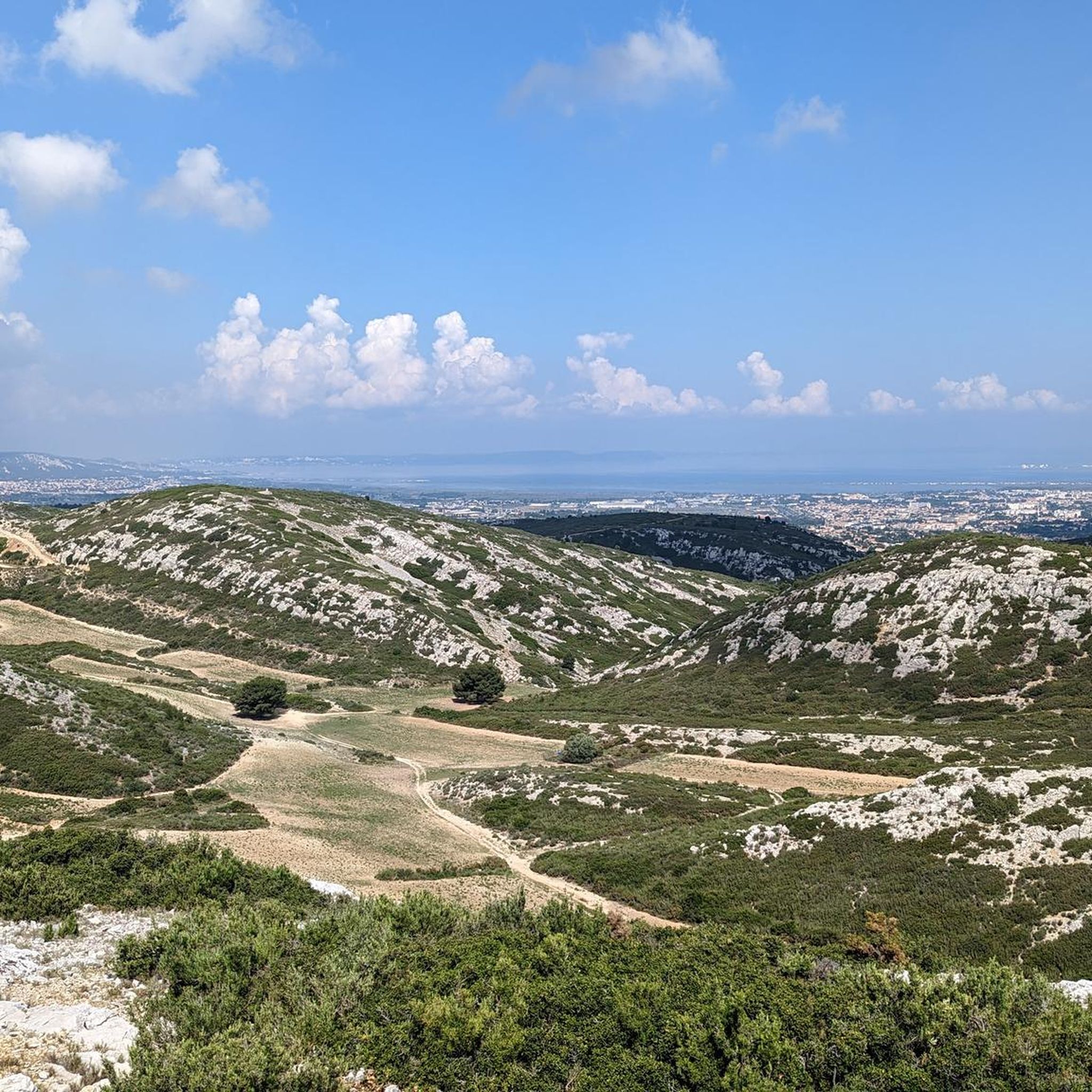
Best natural monuments around Le Rove include a diverse coastal landscape west of Marseille, characterized by picturesque calanques and a scenic coastal path. This region features dramatic white limestone cliffs plunging into clear turquoise waters, offering exceptional scenery. The area is also recognized for its preserved natural zones, encompassing scrubland and fragrant hills. High points along the coastal path provide panoramic views of the Mediterranean Sea and the Bay of Marseille.
Best natural monuments around Le Rove
- The most popular…
Last updated: August 11, 2026
Cavau Battery
Highlight • Historical Site
Translated by Google •
Tip by

The Infernet spring
Highlight • Natural Monument
Translated by Google •
Tip by

Sign up now to discover places like this
Get recommendations on the best single tracks, peaks, & plenty of other exciting outdoor places.
Sign up for free
Jonquier Viaduct
Highlight • Bridge
Translated by Google •
Tip by

Calanque of the Salt Waters
Highlight • Beach
But it's done well and it's very pleasant!
Translated by Google •
Tip by

Cave with Two Entrances
Highlight • Cave
Translated by Google •
Tip by

Start today with a free account
Your next adventure awaits.
Login or Signup

Tips from the Community

Description of the hike: follow the path from the parking lot to reach the source. The start is under a large metal portico bearing the inscription "Chemin de l'Infernet". The walk is part of the GR13. It is marked with red and yellow lines. A very simple little walk, no equipment necessary. Very few places for parking!
1
0

Superb loop with amazing panoramas!
1
0

Very very nice hike. Maybe just correct the difference in altitude (280 m cumulative) which in my opinion does not classify it as easy but as intermediate. But it's done well and it's very pleasant!
3
0

Very curious site! Go there, it’s worth the detour!
2
0

Access is from the tamarisks, respect the route and above all the environment. THANKS
3
0

L'île Pomègues is a paradise for nature lovers and adventurers. The island is known for its rugged coastline, pristine Mediterranean vegetation and breathtaking sea views. You can explore the island on the well-marked hiking trails, discover the beautiful bays and beaches or simply enjoy the tranquility and beauty of nature. The flair on site is characterized by the untouched nature, a relaxed atmosphere and the rich history of the island. The small port settlement of Port Frioul offers a cozy atmosphere with a marina, restaurants and a small beach. L'île Pomègues is also home to numerous historical sites, including fortresses and fortifications from different eras, testament to the island's strategic importance over the centuries. To get to L'île Pomègues, you can take a ferry from the Vieux-Port in Marseille. The crossing takes about 20 to 30 minutes and offers you an excellent opportunity to experience the impressive coastal landscape and the port city of Marseille from a new perspective.
2
0

The source of the Infernet seems to be a natural underground water source when it is in fact the result of an artificial watercourse, the Réaltor basin built in 1869. The source finally stops when it meets the pond of Bolmon.
4
0

Reasonably spacious cave. Did people live here in the past?
2
0
Frequently Asked Questions
What are some notable natural monuments to explore around Le Rove?
Le Rove offers a diverse range of natural monuments. You can visit the Jonquier Viaduct, known for its superb panoramas and a wild beach with translucent water. Another popular spot is the Calanque of the Salt Waters, which offers a very pleasant hiking experience with beautiful views. For a unique natural feature, explore the Infernet spring, an artificial watercourse that provides an easy, family-friendly walk.
Are there natural monuments around Le Rove with historical significance?
Yes, the region combines natural beauty with history. The Cavau Battery, located on L'île Pomègues, is a historical site and natural monument. It features a rugged coastline, pristine Mediterranean vegetation, and breathtaking sea views, alongside fortifications from different eras. The area around Figuerolles Calanque also features remnants of Napoleonic fortifications, offering panoramic views.
What kind of natural features can I expect to see around Le Rove?
The natural monuments around Le Rove showcase dramatic landscapes with white limestone cliffs plunging into crystal-clear turquoise waters, characteristic of the Côte Bleue. You'll find picturesque calanques like Niolon and La Vesse, scenic coastal paths, and preserved natural areas encompassing scrubland and fragrant hills. Features include beaches, viewpoints, caves like the Cave with Two Entrances, and even viaducts.
Are there family-friendly natural monuments or trails in Le Rove?
Yes, for families, the walk to The Infernet spring is a very simple and easy walk, requiring no special equipment. The Calanques of Niolon and La Vesse are also accessible via small paths, offering pleasant walks suitable for families, though some coastal paths can be steep.
What outdoor activities can I do near the natural monuments of Le Rove?
The area is ideal for various outdoor activities. Hiking is very popular, especially along the Coastal Path (Sentier des Douaniers) which offers magnificent views and opportunities for swimming in numerous creeks. Snorkeling and diving are also popular in the clear waters of the calanques. For cycling enthusiasts, there are numerous road cycling routes, gravel biking routes, and MTB trails around Le Rove.
What is the difficulty level of hiking trails near Le Rove's natural monuments?
Hiking difficulties vary. While some paths, like the one to The Infernet spring, are very simple and easy, others like the Coastal Path (Sentier des Douaniers) can be demanding. The section between Carry-le-Rouet and Niolon, for instance, can be steep and run along cliffs, requiring suitable footwear and a good fitness level. The hike to the Calanque of the Salt Waters is classified as intermediate due to its cumulative elevation.
What is the best time to visit the natural monuments around Le Rove?
The Côte Bleue region, including Le Rove, is beautiful year-round. However, for hiking and enjoying the beaches, spring (April-June) and early autumn (September-October) offer pleasant temperatures, avoiding the intense summer heat. The crystal-clear waters are inviting for swimming during warmer months.
Are there viewpoints offering panoramic views of the Mediterranean?
Absolutely. High points along the Coastal Path (Sentier des Douaniers) and near historical fortifications, such as around Figuerolles Calanque, offer spectacular panoramic views of the Mediterranean Sea, the Bay of Marseille, and its islands. The Jonquier Viaduct also provides superb panoramas.
How can I reach the Calanques of Niolon and La Vesse?
The Calanques of Niolon and La Vesse are among the most accessible in Le Rove. You can reach them via small paths that wind through the garrigue (scrubland), offering pleasant walks. Many people from Marseille also visit by boat to enjoy the serene waters.
What makes the natural monuments of Le Rove geologically interesting?
The calanques are a result of fascinating geological processes. The distinctive white limestone cliffs were formed from marine sediments over 80 million years ago. The dramatic coves were carved out during ice ages when sea levels dropped, leading to accelerated erosion, creating the unique landscape you see today.
What do visitors enjoy most about the natural monuments in Le Rove?
Visitors consistently praise the exceptional scenery, with dramatic white limestone cliffs and crystal-clear turquoise waters. The opportunities for outdoor activities like hiking, snorkeling, and diving are highly valued. Many also appreciate the preserved nature of the 2000 hectares classified as a natural area, ensuring rich biodiversity and a tranquil environment.
Are there any hidden natural gems to discover in the Le Rove area?
While the main calanques are well-known, exploring the Coastal Path (Sentier des Douaniers) can lead you to wilder, more secluded spots like Figuerolles Calanque. This area offers a rugged natural experience away from the more frequented sites, often rewarding those seeking tranquility and untouched beauty.
Most popular routes around Le Rove
Most popular attractions around Le Rove

Get inspired with the komoot mobile app


Explore more
Extend your search for the best caves by checking out these guides of the top ones around Le Rove:
