Top 7 Natural Monuments around Saint-Dizier-En-Diois
Best natural monuments around Saint-Dizier-En-Diois are found within the Drôme department, a region characterized by its mountainous landscape and geological formations. Situated at 1,100 meters, Saint-Dizier-En-Diois serves as a gateway to the natural beauty of the Diois region. The area offers diverse natural features, from dramatic rock chaos to panoramic summits, providing numerous opportunities for outdoor exploration. These landmarks and natural features contribute to the region's appeal for those seeking to experience its unique geology and scenic vistas.
Best natural…
Last updated: July 2, 2026
Saut de la Drôme and the Claps
Highlight • River
Translated by Google •
Tip by

Claps Rock Chaos
Highlight • Natural Monument
Translated by Google •
Tip by

Sign up now to discover places like this
Get recommendations on the best single tracks, peaks, & plenty of other exciting outdoor places.
Sign up for free
Montagne de Raton
Highlight • Summit
Translated by Google •
Tip by

Geological Site of La Charce
Highlight • Natural Monument
Translated by Google •
Tip by

Le Duffre (Montagne de l'Aup)
Highlight • Summit
Translated by Google •
Tip by
Sign up for free to discover even more natural monuments around Saint-Dizier-En-Diois.
Sign up for free
Already have an account?
Start today with a free account
Your next adventure awaits.
Login or Signup
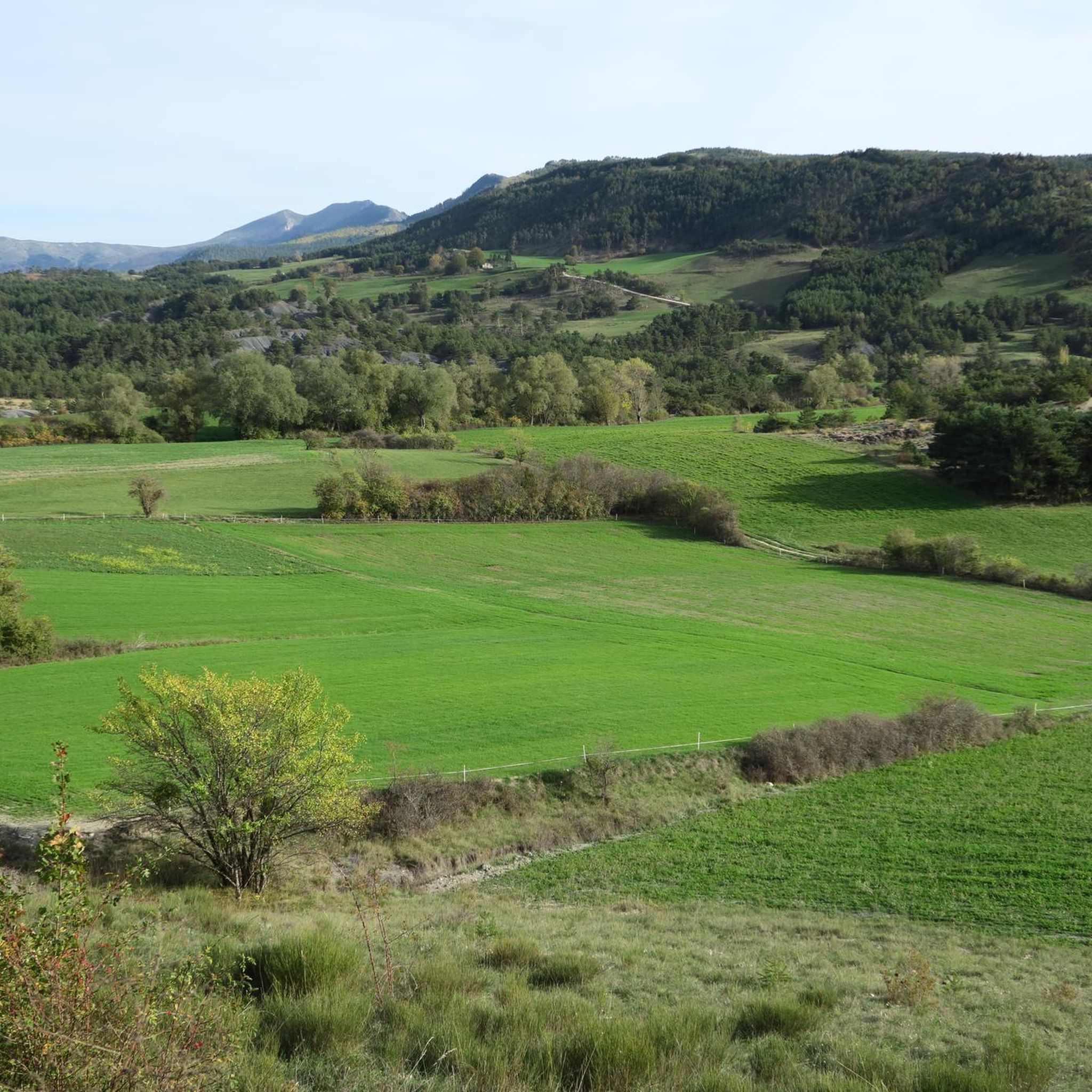
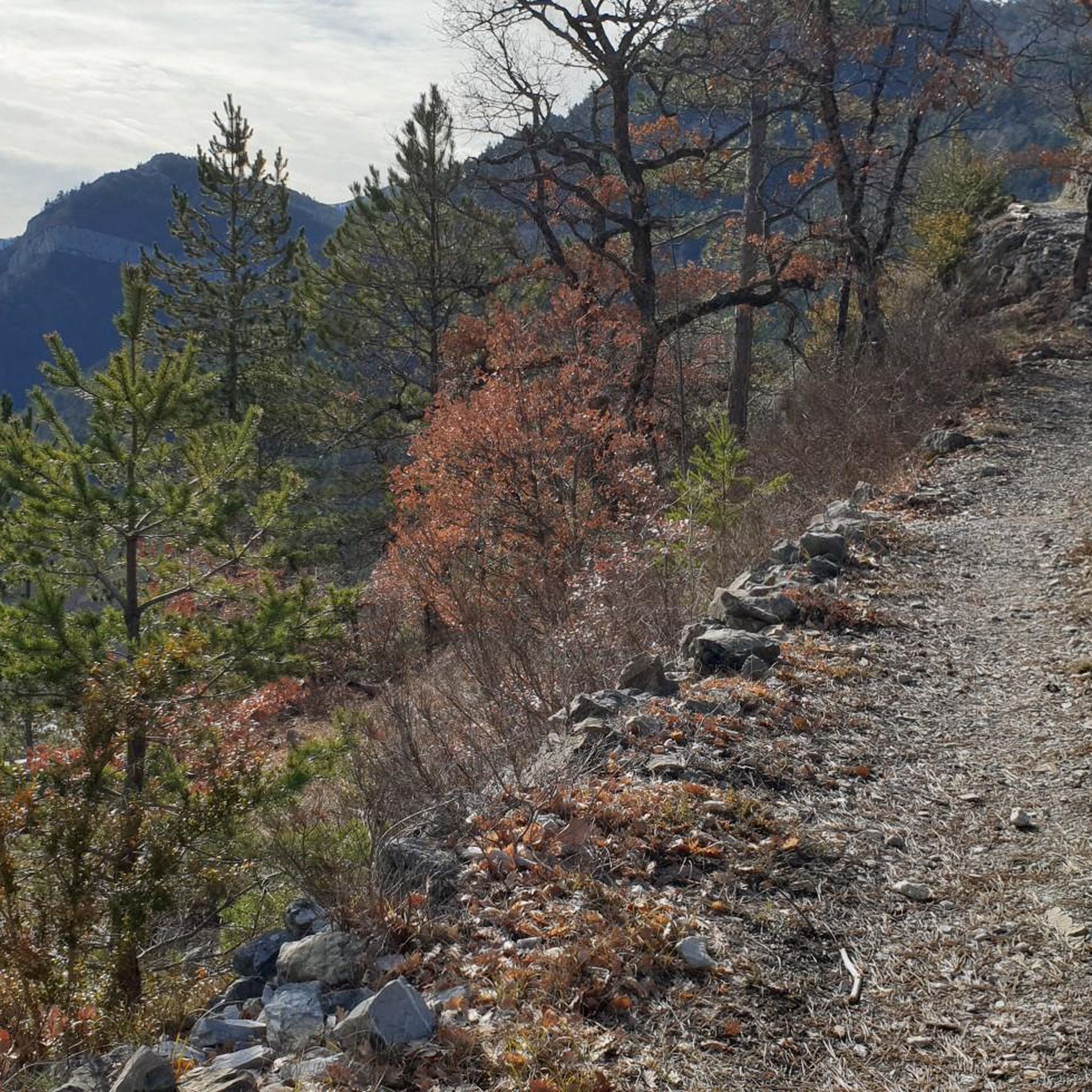
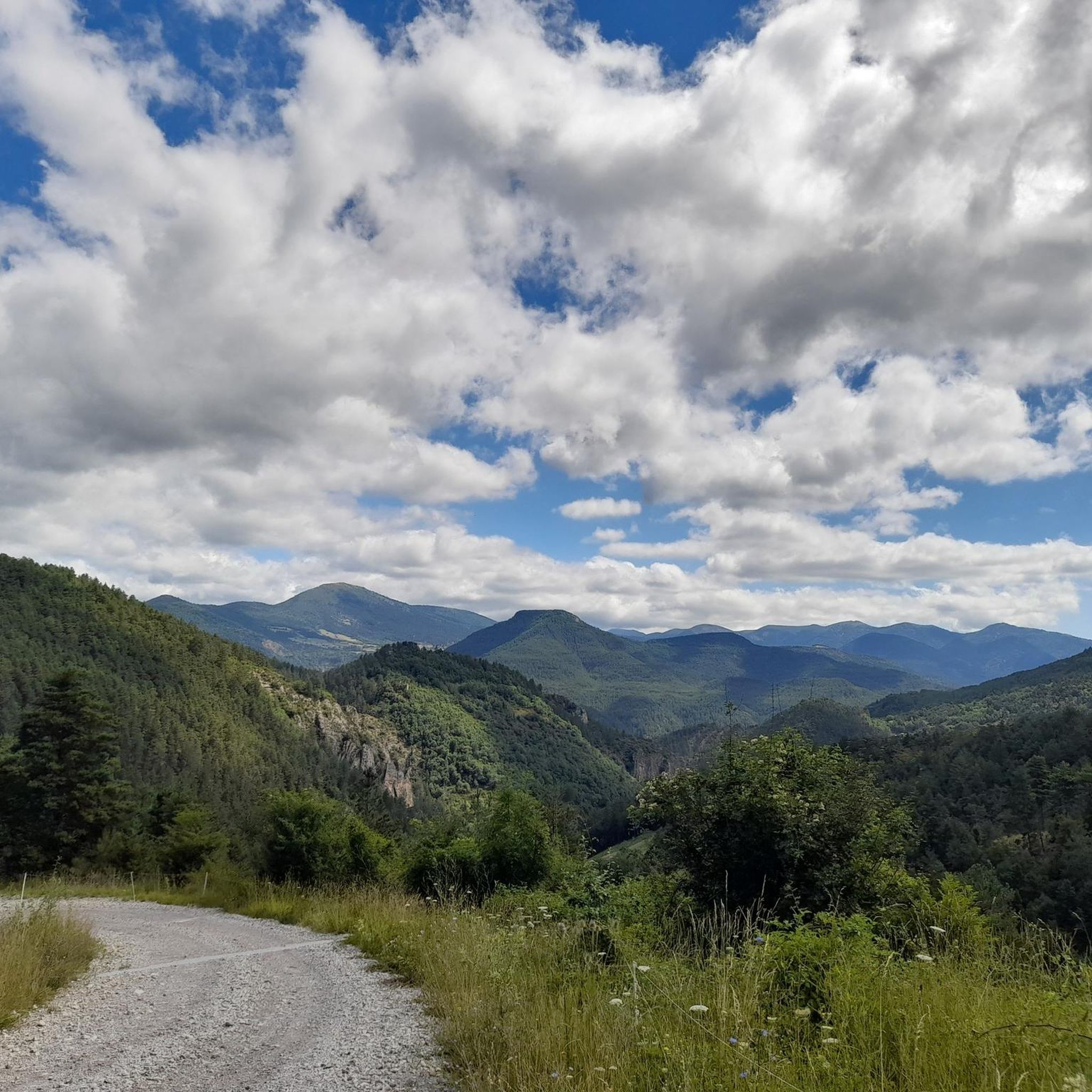
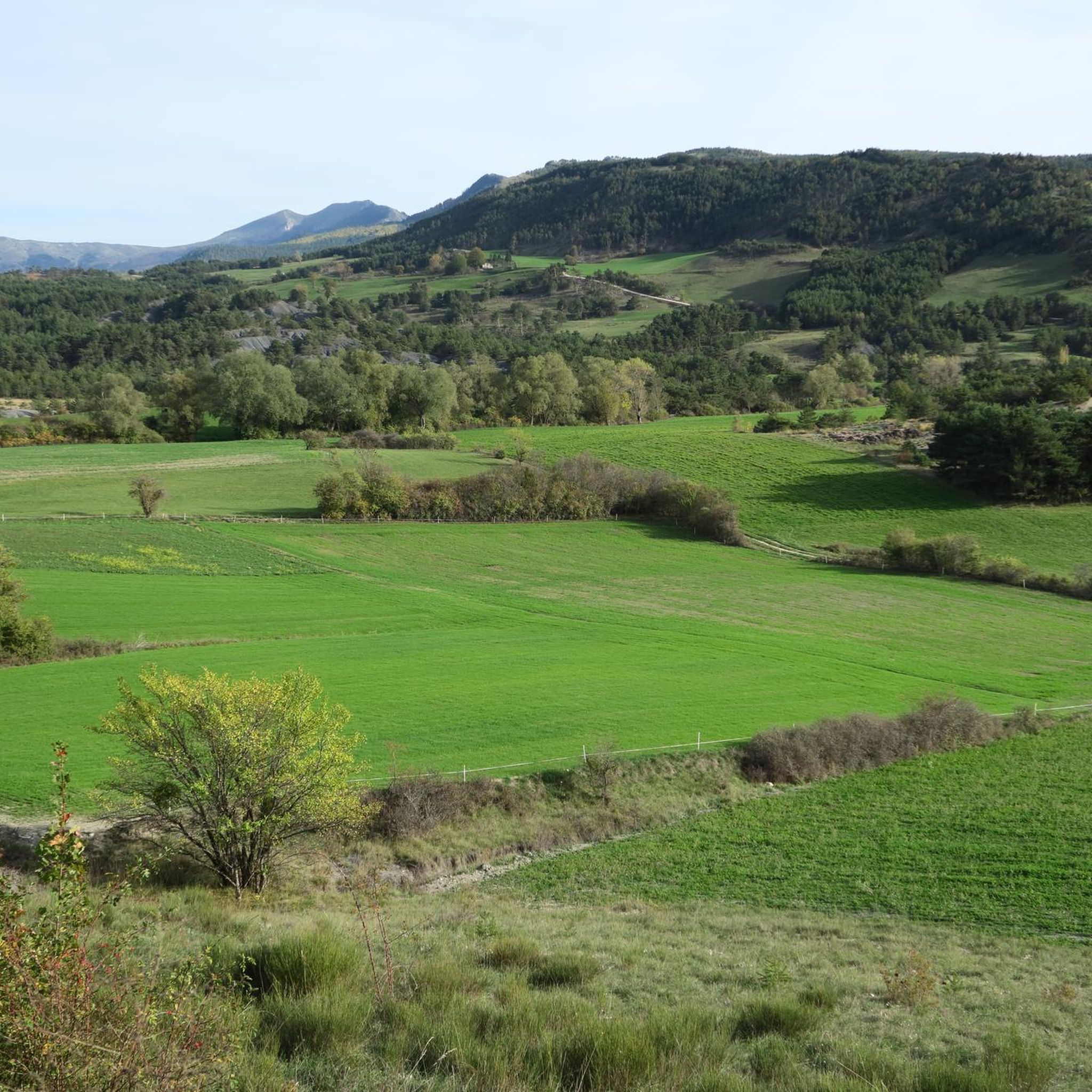
Tips from the Community

bring good shoes and a windbreaker at the top
0
0

Magnificent historic city, plan a day to visit Bouligons a few kilometers away towards Valdrôme.
0
0

Interesting rock formation.
0
0

Magnificent panorama. Once at the top, it's not very difficult and very pleasant.
0
0

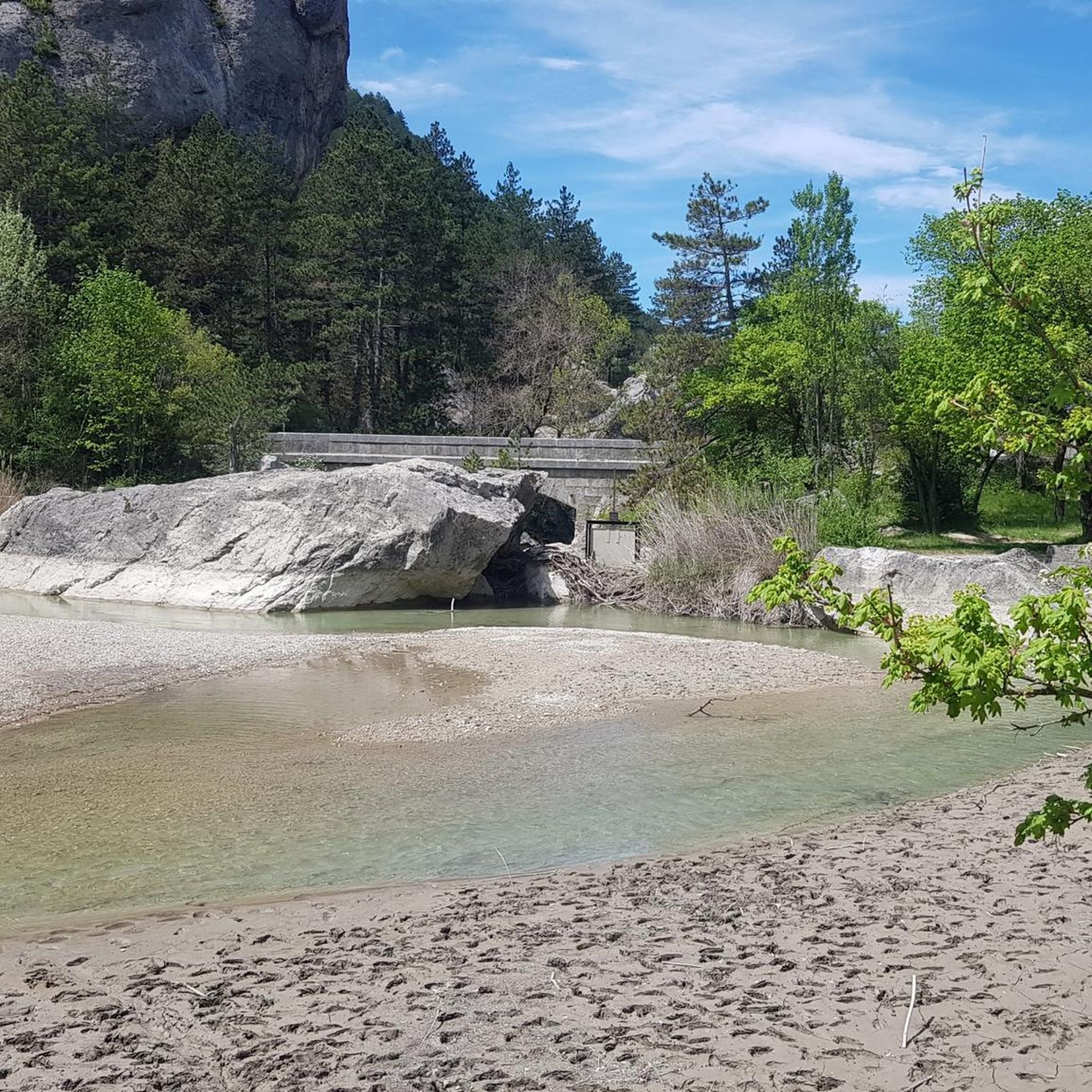
It all began in 1442 when a foundation broke away from the southern flank of Pic de Luc. As it slid, it hit a limestone spur, divided, broke into enormous blocks and blocked the Drôme at two points... thus two lakes were formed: the Petit downstream and the Grand upstream. The “Grand Lac” is 5 km long and arouses envy because it is full of fish. In 1561 it thus became the property of the Carthusians of Durban, monks to whom meat was forbidden. It was only in 1804 that a huge block, the “dad”, was pierced to let the water flow at the location of the current Saut de la Drôme. This vast dry body of water now gives way to an agricultural plain (ruined Bouligons farm and its formerly cultivated terraces) and the Bouligons marsh, the last vestige of the disappeared lake. The need to avoid the Claps during the construction of the “Briançonnais” railway line at the beginning of the 20th century also gave the site a magnificent viaduct, 244 m long and 44 m high.
1
0

Also called Montagne de l'Aup, Le Duffre is located at an altitude of 1,757 meters and offers a beautiful panoramic view of the mountains and valleys!
1
0
Located at 1473 meters, the summit straddles the departments of Hautes-Alpes and Drôme and offers beautiful views of the mountains and their forests!
1
0

Beautiful and impressive site.
0
0
Frequently Asked Questions
What are the most prominent natural monuments to visit near Saint-Dizier-En-Diois?
The region around Saint-Dizier-En-Diois is home to several remarkable natural monuments. One of the most spectacular is Saut de la Drôme and the Claps, a dramatic site formed by an ancient landslide where the Drôme river flows through gigantic rock blocks, creating an impressive waterfall. Another significant natural monument is Montagne de Raton, a summit at 1473 meters offering panoramic views of the surrounding mountains and forests.
Are there any family-friendly natural monuments in the area?
Yes, the Geological Site of La Charce is considered family-friendly. It's a simple and pleasant place to visit, ideal for a picnic, where you can learn about the interesting rock formations. The natural pools at Saut de la Drôme and the Claps also offer a refreshing spot for families during summer.
What kind of geological features can I expect to see?
The region is rich in geological wonders. At Saut de la Drôme and the Claps, you'll witness the dramatic aftermath of a massive ancient landslide, with gigantic rock blocks and the Drôme river carving its way through. The Claps Rock Chaos specifically showcases these enormous rock formations where the road winds through. Additionally, the Geological Site of La Charce provides an opportunity to understand the local rock formations in a pleasant setting.
What outdoor activities can I do near these natural monuments?
The natural monuments are excellent starting points for various outdoor activities. Saut de la Drôme and the Claps is an ideal climbing site with over 120 routes for all levels and a via ferrata. For hiking, you can explore trails around summits like Montagne de Raton and Le Duffre (Montagne de l'Aup), both offering rewarding panoramic views. The wider region also provides extensive opportunities for hiking, cycling, and mountain biking.
Are there specific hiking trails to reach these natural monuments?
Yes, there are numerous hiking opportunities. For instance, to reach Le Duffre (Montagne de l'Aup), you can find moderate trails like the "Pré Pourri Cabin – Le Duffre (Montagne de l'Aup) loop from Cabane de Pré Pourri." The general area around Saint-Dizier-En-Diois, including trails to summits like Montagne de Raton, offers diverse hiking experiences. You can find more detailed routes in the hiking guide for Saint-Dizier-En-Diois.
What do visitors enjoy most about the natural monuments in this region?
Visitors frequently highlight the dramatic geological formations and the stunning panoramic views. The sheer scale of the rock formations at Saut de la Drôme and the Claps, along with the impressive waterfall, is often mentioned. The rewarding vistas from summits like Montagne de Raton and Le Duffre (Montagne de l'Aup) are also highly appreciated by the komoot community.
Are there any unique natural features besides the main monuments?
Beyond the well-known sites, the region boasts other unique natural features. The **Marais des Bouligons** near Lesches-en-Diois is a marshland known for its biodiversity and unique ecosystem. Further afield in Glandage, you can discover the **Sucettes de Borne**, elegant thin blades of rock sculpted by erosion, which are fascinating geological curiosities. The entire mountainous landscape of the Diois, including ridges like Sarcéna and Tarsimoure, offers extensive natural beauty.
What is the best time of year to visit the natural monuments around Saint-Dizier-En-Diois?
The best time to visit largely depends on the activities you plan. Summer is ideal for enjoying the natural pools at Saut de la Drôme and the Claps and for climbing. Spring and autumn offer pleasant temperatures for hiking and cycling, with vibrant flora or colorful foliage. While Saint-Dizier-En-Diois is at 1,100 meters, making winters potentially snowy, some areas might still be accessible for winter activities, though conditions should be checked.
Are there any historical aspects associated with these natural sites?
Yes, some natural sites have historical significance. The formation of the two lakes at Saut de la Drôme and the Claps in 1442, and their subsequent use, including by the Carthusians of Durban, is a notable historical detail. The area also features a magnificent viaduct from the early 20th century, built to navigate the Claps during railway construction. The Geological Site of La Charce is also categorized as a historical site, inviting visitors to explore its past alongside its natural beauty.
How accessible are these natural monuments for visitors?
Accessibility varies by site. The road winds directly through the enormous rock formations at Claps Rock Chaos, making it easily viewable from a vehicle. For summits like Montagne de Raton, while offering magnificent panoramas, good shoes and a windbreaker are recommended, indicating a moderate hiking effort. The Geological Site of La Charce is described as simple and pleasant, suggesting easier access for a wider range of visitors.
Can I find information about the broader Diois region's natural attractions?
Yes, for a broader overview of the natural attractions in the Pays Diois, you can visit the local tourism website. It provides information on various sites, including the top natural sites in the area. You can find more details at diois-tourisme.com.
Most popular routes around Saint-Dizier-En-Diois
Most popular attractions around Saint-Dizier-En-Diois

Get inspired with the komoot mobile app


Explore more
Extend your search for the best caves by checking out these guides of the top ones around Saint-Dizier-En-Diois:
