Top 7 Natural Monuments around Les Pennes-Mirabeau
Natural monuments around Les Pennes-Mirabeau offer diverse landscapes for outdoor activities. The area features unique geological formations, including red clay cliffs and springs, providing a distinct natural experience. These natural features contribute to a serene environment for exploration. The region's terrain includes summits, beaches, and river courses, making it suitable for various walking routes near Les Pennes-Mirabeau.
Best natural monuments around Les Pennes-Mirabeau
- The most popular natural monuments is Jonquier Viaduct, a bridge that features a wild beach with…
Last updated: July 2, 2026
Palais Longchamp
Highlight • Monument
In 1835, a …
Translated by Google •
Tip by

Pilon du Roi
Highlight • Summit
Translated by Google •
Tip by

Sign up now to discover places like this
Get recommendations on the best single tracks, peaks, & plenty of other exciting outdoor places.
Sign up for free
The Infernet spring
Highlight • Natural Monument
Translated by Google •
Tip by
Jonquier Viaduct
Highlight • Bridge
Translated by Google •
Tip by

Calanque of the Salt Waters
Highlight • Beach
But it's done well and it's very pleasant!
Translated by Google •
Tip by

Sign up for free to discover even more natural monuments around Les Pennes-Mirabeau.
Sign up for free
Already have an account?
Start today with a free account
Your next adventure awaits.
Login or Signup

Tips from the Community

A beautifully designed palace; be sure to visit the garden behind it as well.
0
0

Description of the hike: follow the path from the parking lot to reach the source. The start is under a large metal portico bearing the inscription "Chemin de l'Infernet". The walk is part of the GR13. It is marked with red and yellow lines. A very simple little walk, no equipment necessary. Very few places for parking!
1
0

Superb loop with amazing panoramas!
1
0

Very very nice hike. Maybe just correct the difference in altitude (280 m cumulative) which in my opinion does not classify it as easy but as intermediate. But it's done well and it's very pleasant!
3
0

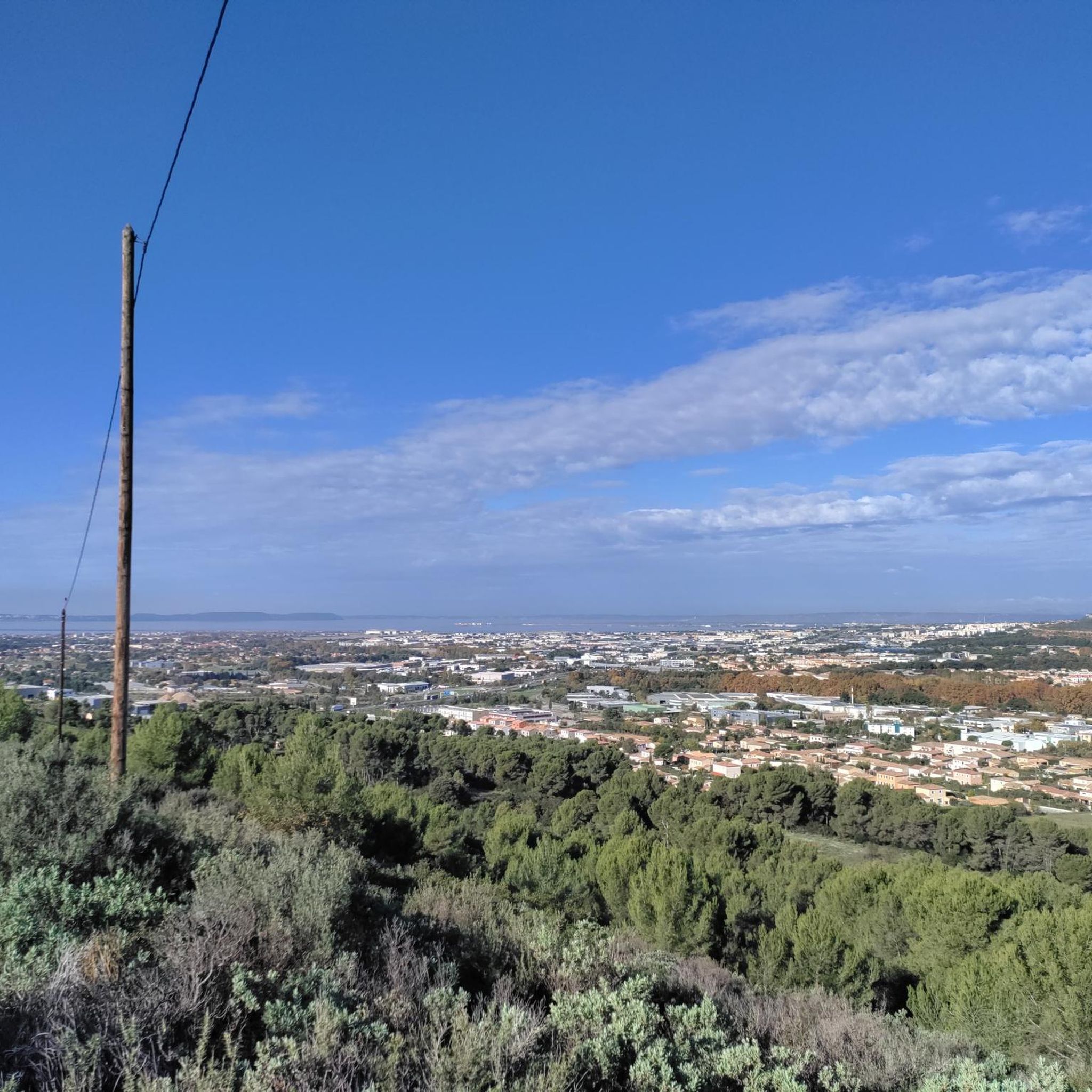
Incredible site with a 360° view of the entire region! From there, you can see EVERYTHING!
3
1

FR The Palais Longchamp is a must-see in Marseille: with its magnificent park, this historic monument built to bring water to the city is a true architectural feat. In 1835, a cholera epidemic struck the Phocaean city due to a lack of water. It was after this tragedy that the Bridges and Roads engineer Franz Mayor of Montricher carried out a project dating from the 16th century. This involved digging an 85 kilometer canal, intended to bring water from the Durance to Marseille. After 10 years of work, 18 aqueducts will be built to transport drinking water. The architect Henry Espérandieu, known for having designed the Notre-Dame de la Garde Basilica, depicts the arrival of water on the Lonchamp plateau, from 1682 to 1869. Two museums are located on both sides of the building, the Museum of Fine Arts and the Natural History Museum. The Palais Longchamp hides behind its majestic facade a garden very frequented by the people of Marseille, which formerly housed the Marseille Zoo, of which only the remains remain. IN The Palais Longchamp is a must-see in Marseille: with its magnificent park, this historic monument built to bring water to the city is a true architectural feat. In 1835, a cholera epidemic struck the Phocaean city due to a lack of water. It was after this tragedy that the Bridges and Roads engineer Franz Mayor of Montricher carried out a project dating from the 16th century. This involved digging an 85 kilometer canal, intended to bring water from the Durance to Marseille. After 10 years of work, 18 aqueducts will be built to transport drinking water. The architect Henry Espérandieu, known for having designed the Notre-Dame de la Garde Basilica, depicts the arrival of water on the Lonchamp plateau, from 1682 to 1869. Two museums are located on both sides of the building, the Museum of Fine Arts and the Natural History Museum. The Palais Longchamp hides behind its majestic facade a garden very frequented by the people of Marseille, which formerly housed the Marseille Zoo, of which only the remains remain. SOURCE AND PICTURES MARSEILLE TOURISM OFFICE
0
0

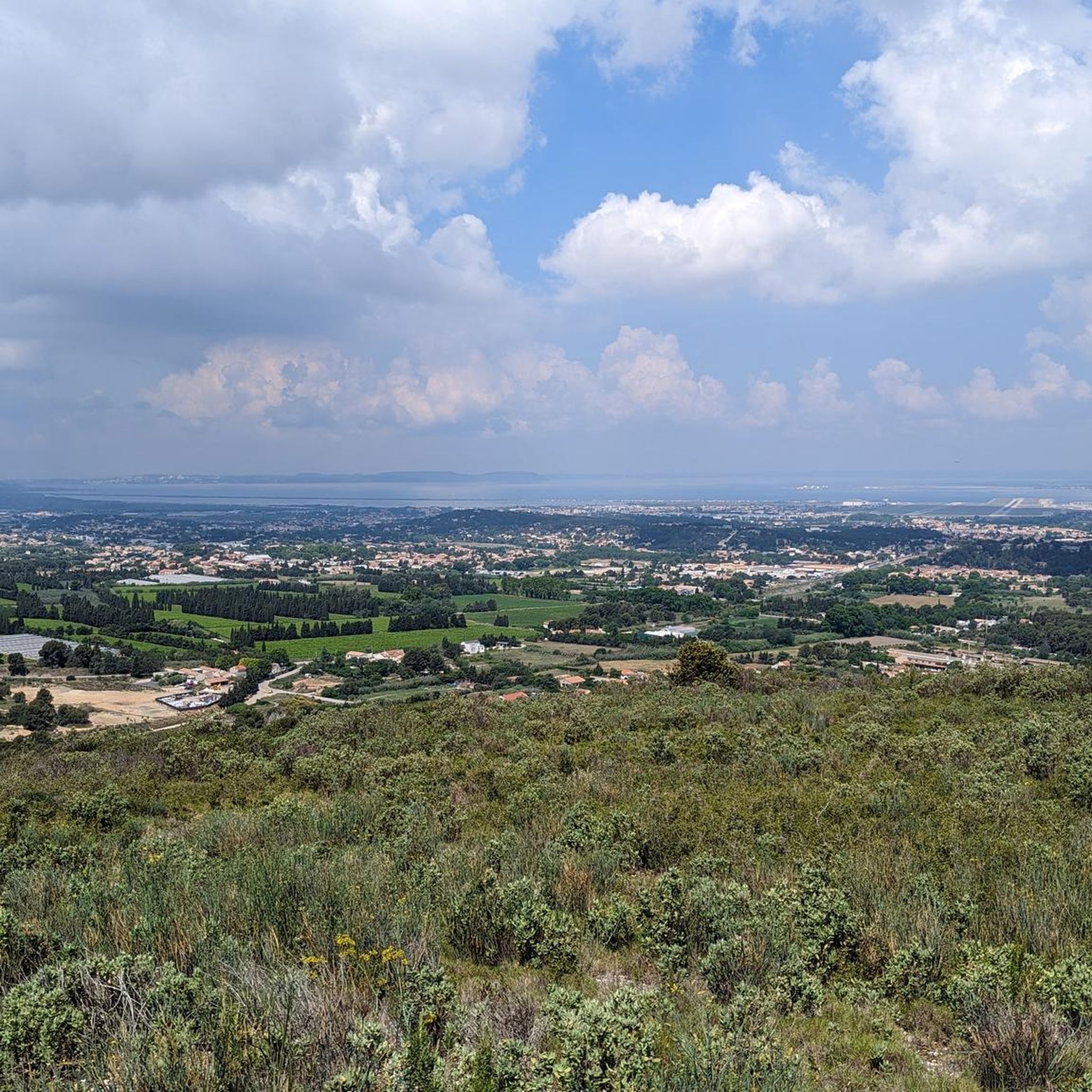
At just over 710 meters above sea level, the Pilon du Roi offers a breathtaking 360° view all around you and up to the sea. The game is really worth the effort!
6
2
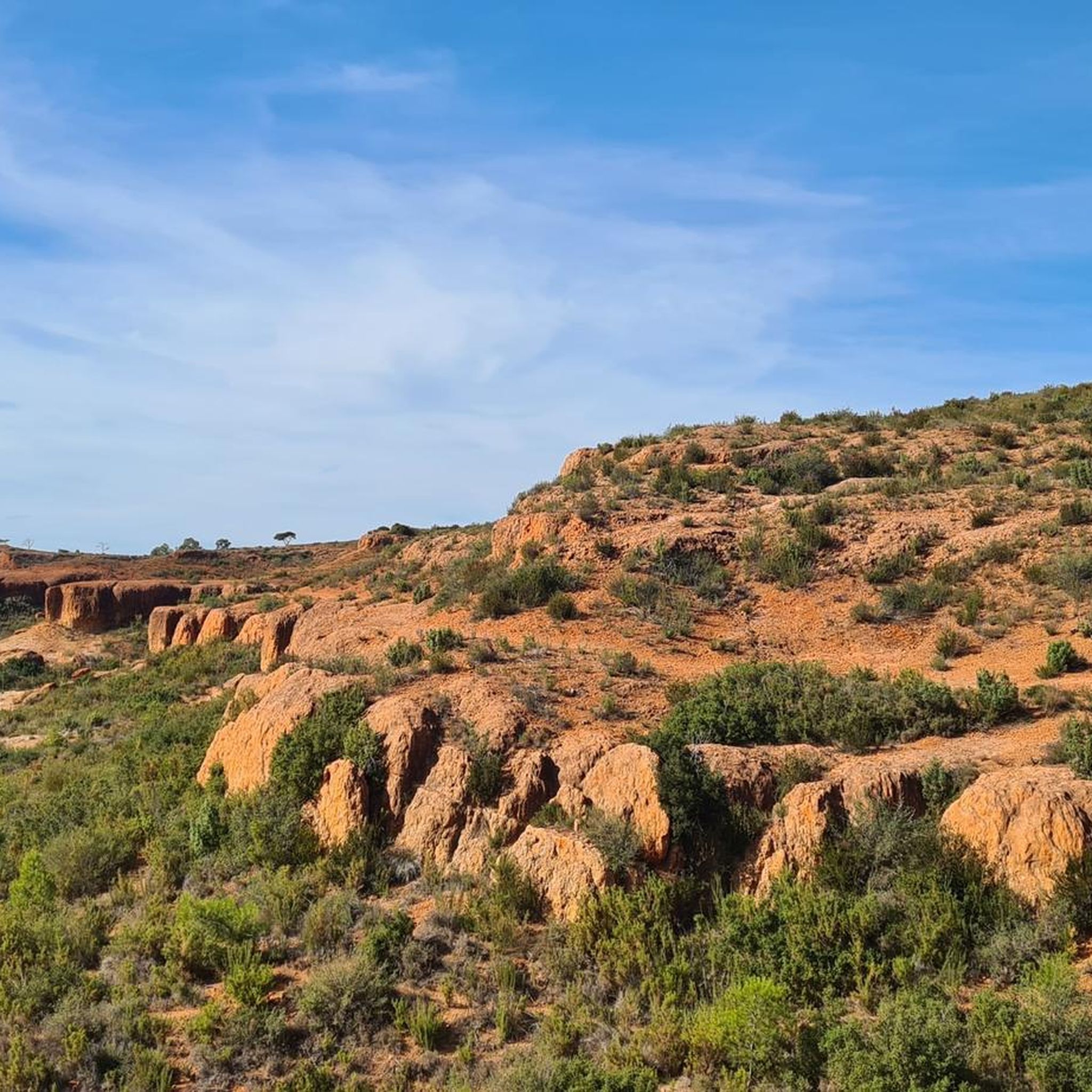
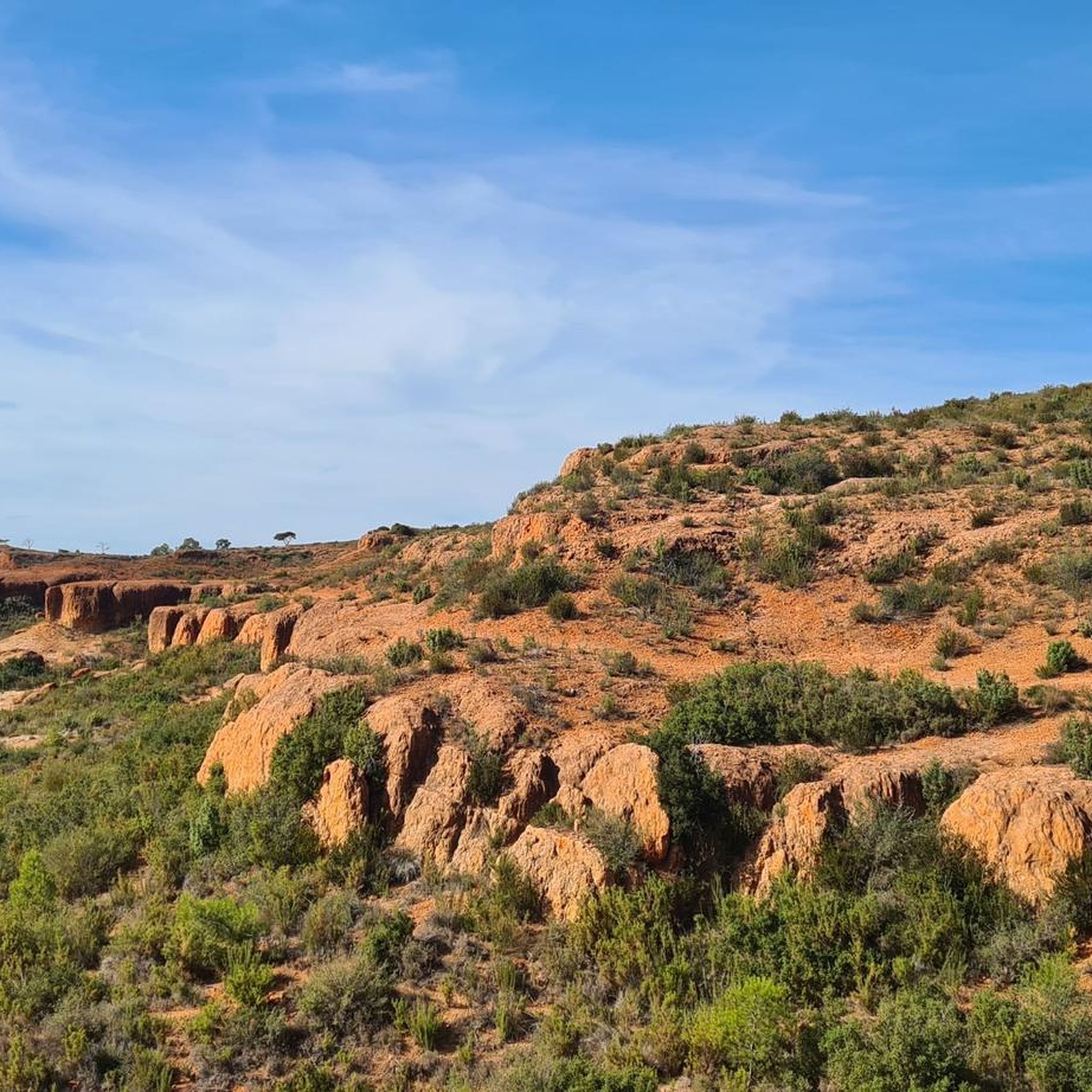
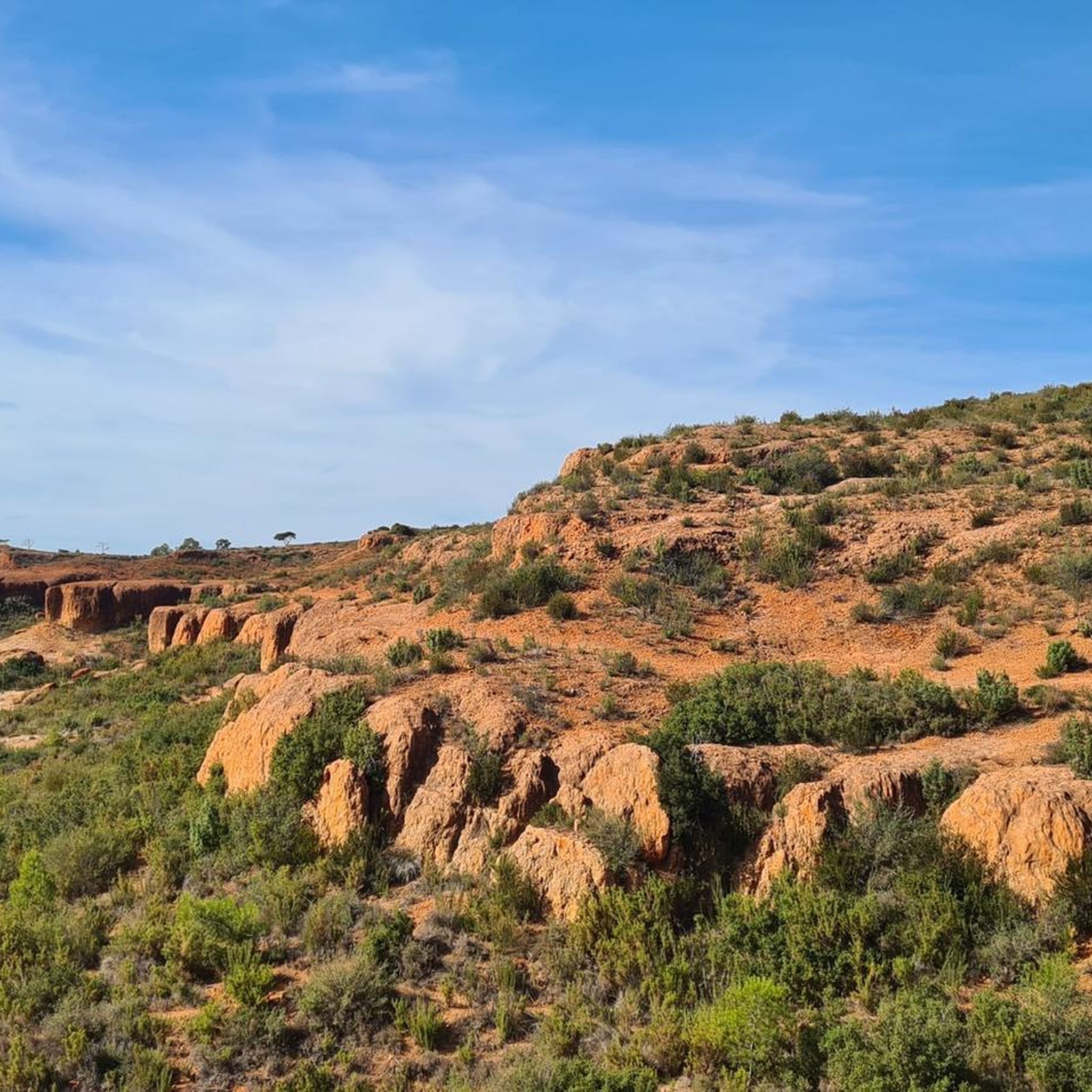
The source of the Infernet seems to be a natural underground water source when it is in fact the result of an artificial watercourse, the Réaltor basin built in 1869. The source finally stops when it meets the pond of Bolmon.
4
0
Frequently Asked Questions
What are the most unique natural features to explore around Les Pennes-Mirabeau?
The region is known for its diverse natural features, including summits, beaches, and springs. A particularly unique spot is The Infernet spring, which offers a distinctive red clay landscape and gushing water, creating a tranquil oasis. You can also find wild beaches with translucent water, such as those near the Jonquier Viaduct.
Are there any natural monuments with panoramic views in the area?
Yes, for breathtaking panoramic views, you should visit Pilon du Roi. This summit, at just over 710 meters above sea level, offers an extensive 360° view that stretches all the way to the sea, providing a comprehensive vista of the entire region.
What kind of outdoor activities can I do near these natural monuments?
The area around Les Pennes-Mirabeau is excellent for various outdoor activities. You can find numerous hiking trails, including routes like the 'GR 2013: Path of the Infernet Springs' and several loops around The Infernet spring. There are also running trails and road cycling routes available for different fitness levels.
Are there family-friendly natural sites around Les Pennes-Mirabeau?
Yes, several natural sites are suitable for families. The Infernet spring is considered family-friendly, offering a relatively simple walk through dense vegetation to a unique red clay landscape. While not a natural monument, the nearby Palais Longchamp also has a magnificent park that families often enjoy.
What is the best time of year to visit the natural monuments in Les Pennes-Mirabeau?
The region's natural monuments can be enjoyed throughout much of the year. Spring and autumn generally offer pleasant temperatures for hiking and exploration. During summer, it's advisable to visit early in the morning or late in the afternoon to avoid the midday heat, especially at exposed viewpoints like Pilon du Roi, which lacks shade.
Can I find easy walking routes among the natural monuments?
Yes, there are options for easy walks. The path to The Infernet spring is described as a very simple walk, requiring no special equipment. There are also easy-grade hiking routes, such as 'The Infernet spring loop from Ferme Croze', which is 5.3 km long.
What makes <a href="https://www.komoot.com/highlight/5376113" target="_blank" rel="noopener">The Infernet spring</a> a notable natural monument?
The Infernet spring is notable for its unique and exotic landscape, often compared to Colorado due to its fiery red clay cliffs and rocks. The walk follows the Cadière river through dense undergrowth, leading to gushing waterfalls and the spring itself, which forms an oasis. It offers a serene escape with distinct geological formations.
Are there any natural monuments that combine natural beauty with historical significance?
While the primary focus of the natural monuments is their geological and scenic beauty, the nearby Palais Longchamp in Marseille, though a man-made monument, is surrounded by a magnificent park and was built to bring water to the city, intertwining natural resources with historical engineering. The Grotte des Maquisards, mentioned in regional research, also offers a mix of natural formations and historical context.
What should I know about parking when visiting natural monuments in the area?
For popular spots like The Infernet spring, parking can be limited. It's often recommended to arrive early, especially during peak seasons, to secure a spot. Always check local signage for specific parking regulations and availability at each site.
What kind of terrain can I expect on hiking trails near Les Pennes-Mirabeau's natural monuments?
The terrain varies, ranging from easy, flat paths to more challenging ascents. For instance, the path to The Infernet spring is generally simple, following a river course. However, trails leading to summits like Pilon du Roi involve significant elevation gain and can be more strenuous, offering intermediate to difficult grades. Some trails, like the 'Calanque of the Salt Waters', are classified as intermediate due to cumulative altitude differences.
Are there any natural monuments featuring beaches or water activities?
Yes, the Jonquier Viaduct is associated with a very nice wild beach known for its translucent water and splendid setting. Additionally, the Calanque of the Salt Waters is another beautiful beach natural monument, offering picturesque views and hiking opportunities.
Most popular routes around Les Pennes-Mirabeau
Most popular attractions around Les Pennes-Mirabeau

Get inspired with the komoot mobile app


Explore more
Extend your search for the best caves by checking out these guides of the top ones around Les Pennes-Mirabeau:
