Top 6 Natural Monuments around Reichstett
Best natural monuments around Reichstett offer diverse opportunities to explore the region's natural beauty. Reichstett, a village in the Bas-Rhin department of France, features a landscape characterized by agricultural land and forests. The area is known for its natural spaces and features, providing settings for outdoor activities and appreciation of local flora and fauna. This guide highlights 6 natural monuments, showcasing the variety of natural features in and around Reichstett.
Best natural monuments around Reichstett
- The most popular natural monuments…
Last updated: July 2, 2026
Kalbsgiessen Waterfall
Highlight • Waterfall
Translated by Google •
Tip by

War Memorial, Place de la République
Highlight • Monument
The Palais du Rhin: Former imperial palace and manifesto of political power
A special feature of Strasbourg is the former German imperial …
Translated by Google •
Tip by

Sign up now to discover places like this
Get recommendations on the best single tracks, peaks, & plenty of other exciting outdoor places.
Sign up for free
Birdhouse Art Tree on the Rhine
Highlight • Monument
Translated by Google •
Tip by

Robertsau and La Wantzenau National Nature Reserve
Highlight • Forest
Translated by Google •
Tip by

London Plane Tree (Platanus x acerifolia), Grande Île, Strasbourg
Highlight • Natural Monument
Translated by Google •
Tip by

Start today with a free account
Your next adventure awaits.
Login or Signup
Tips from the Community

You have to experience it at least once!
0
0

Beautiful park 🤩 👌🏼
1
0

Great cycle path through the Robertsau and La Wantzenau National Nature Reserve.
0
0

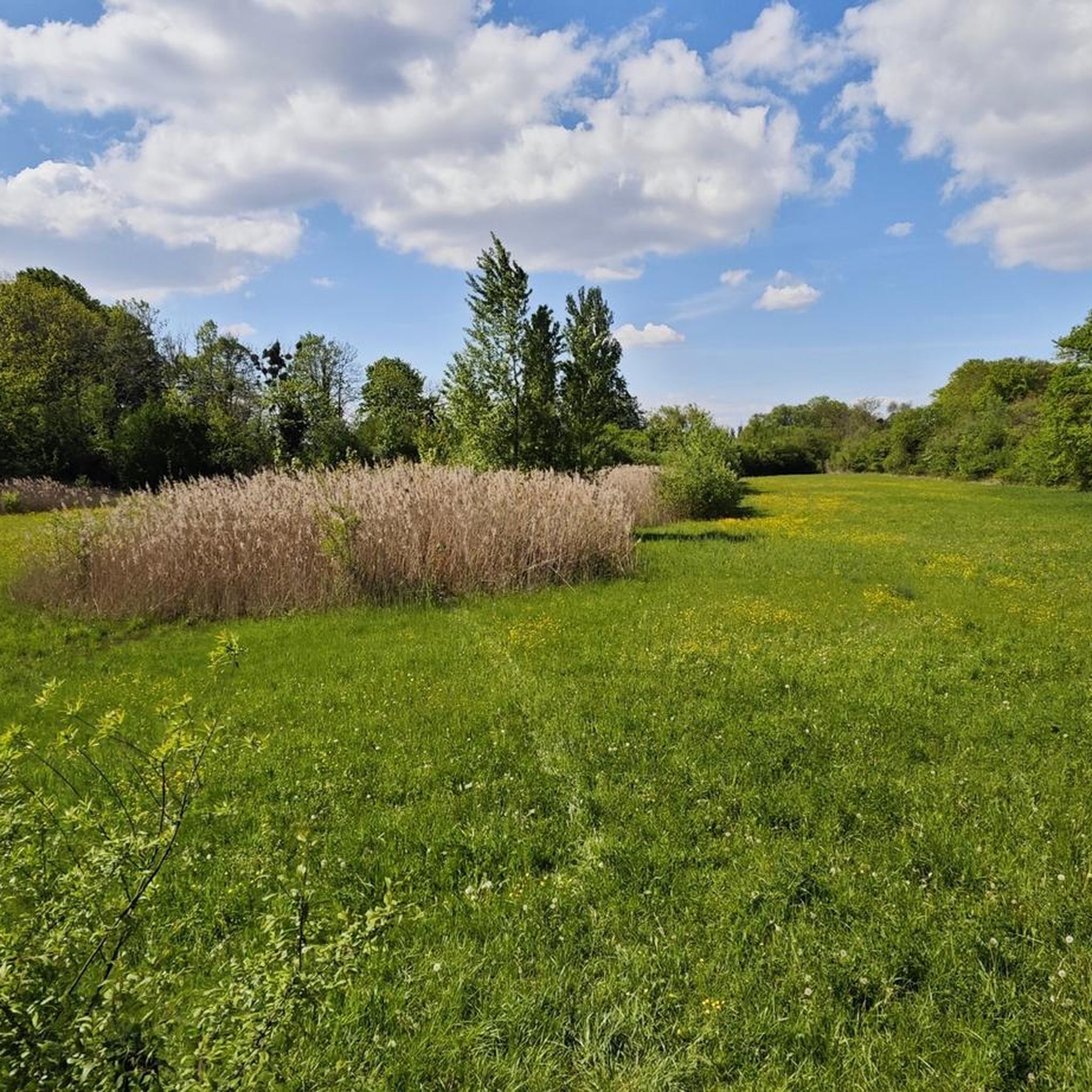
very idyllic, a mixture of city park and floodplain forest
1
0

great cycling and hiking trails (unfortunately very busy on weekends)
1
0

Really funny, it would be interesting to know how many of them are occupied
2
0
I wouldn't come specifically for the plane tree, but the area is still beautiful
0
0

The tree has had a good time.
1
0
Frequently Asked Questions
What are the main natural features to explore around Reichstett?
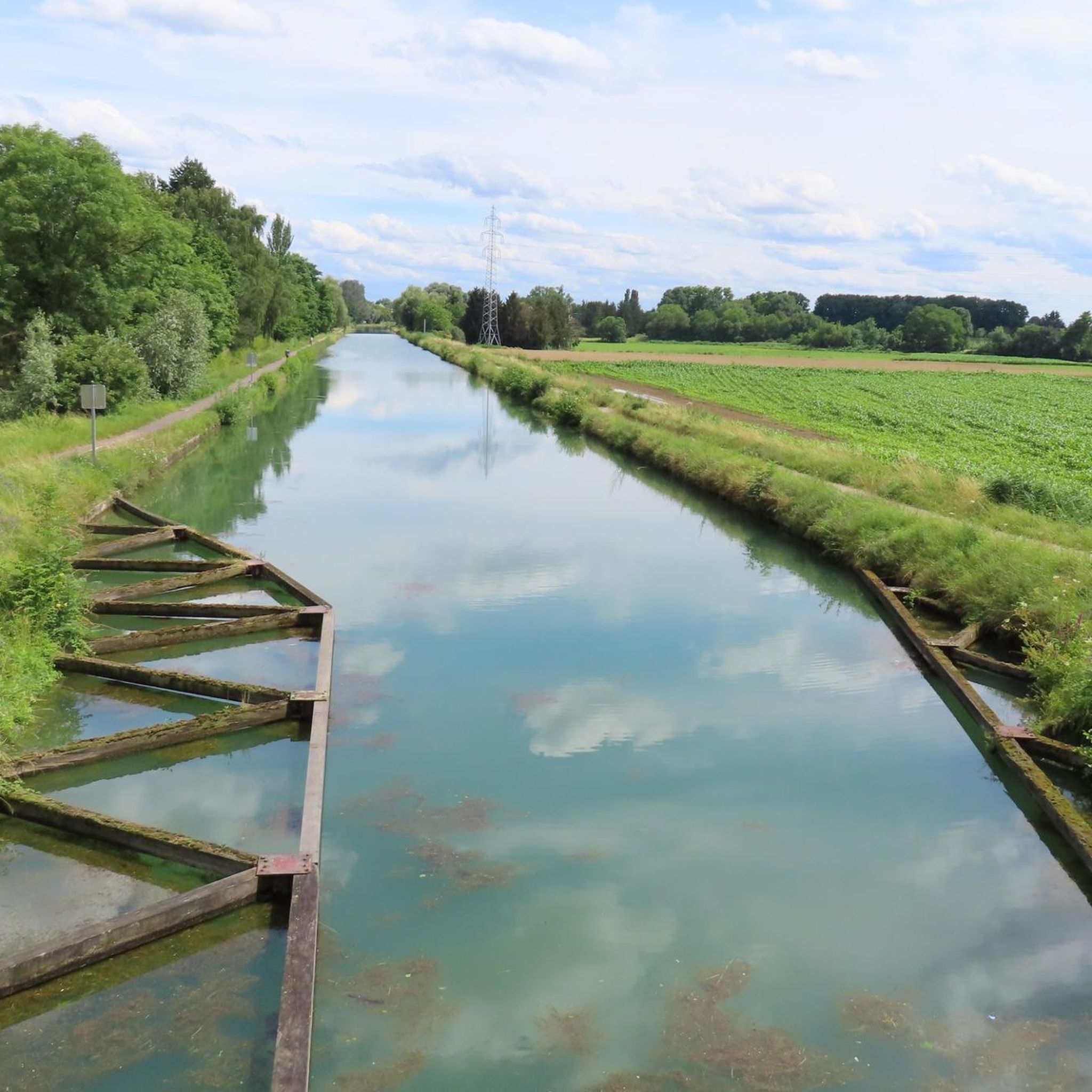
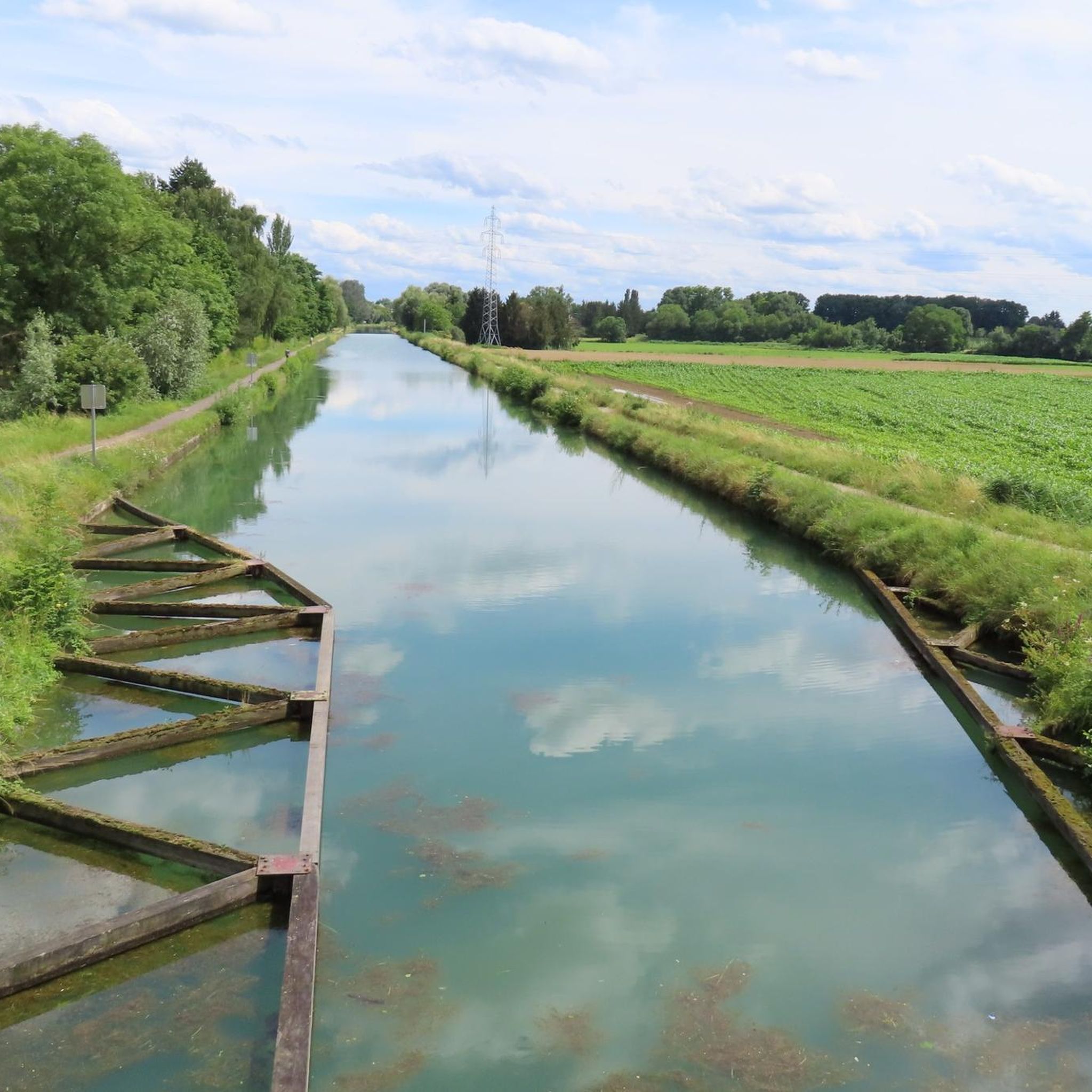
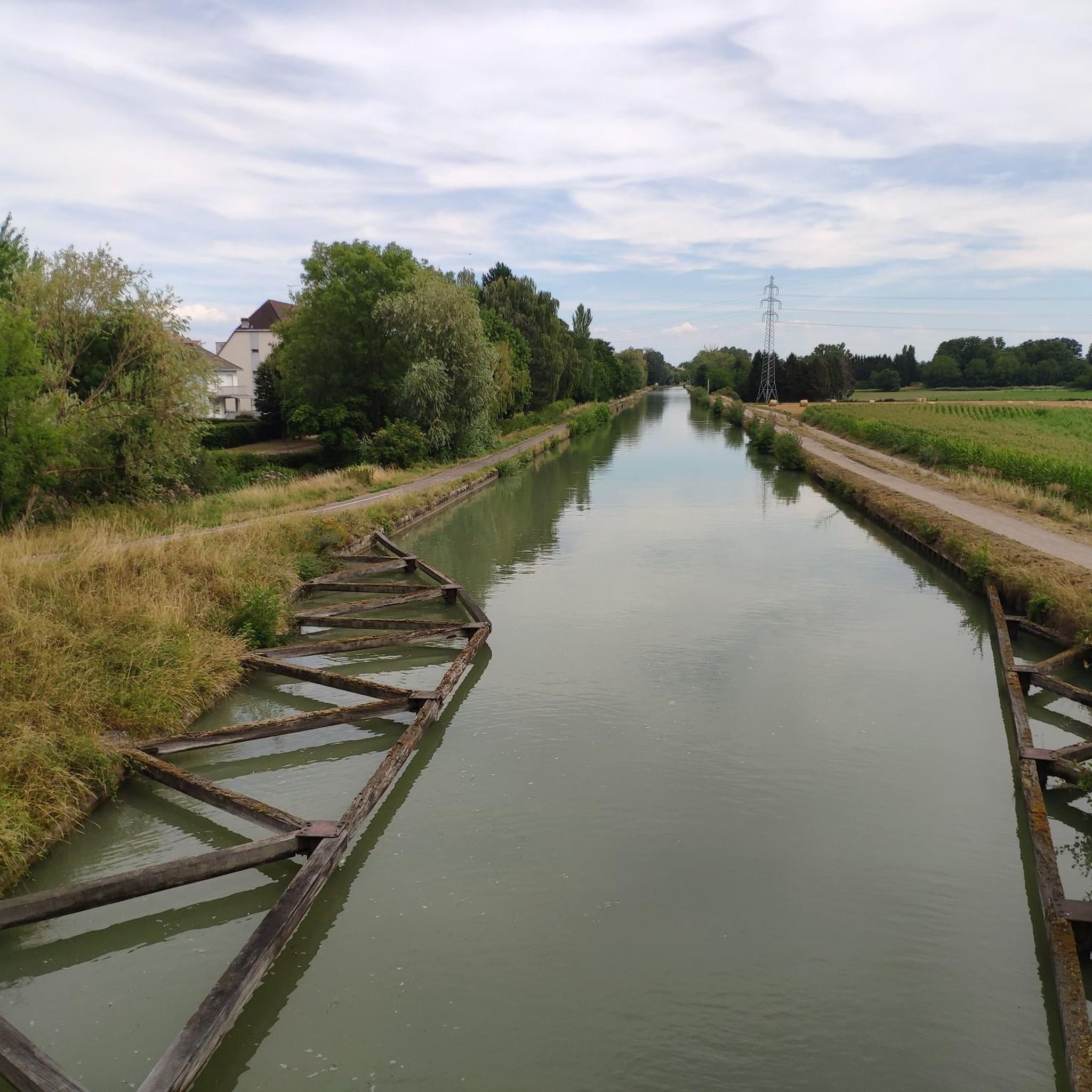
Reichstett offers a variety of natural features. You can visit the Kalbsgiessen Waterfall, a popular spot for a refreshing break. Another significant natural spectacle is the Confluence of the Kinzig and Rhine, where two major rivers merge. The area also features the Plan d'eau de Reichstett, a lake popular for swimming and sports, and the Canal de la Marne au Rhin, offering picturesque routes along its banks.
Are there family-friendly natural monuments in the Reichstett area?
Yes, several natural spots are suitable for families. The Kalbsgiessen Waterfall is a nice place for a break in nature. The Plan d'eau de Reichstett is ideal for families, offering swimming, an equipped beach, and various sports activities like football and volleyball. The Confluence of the Kinzig and Rhine is also considered family-friendly, providing an interesting natural spectacle.
What kind of outdoor activities can I do near Reichstett's natural monuments?
The natural monuments around Reichstett are excellent starting points for various outdoor activities. You can enjoy cycling along the Piste des Forts or the Marne-Rhine Canal cycling route, especially to reach the Plan d'eau de Reichstett. The banks of the Canal de la Marne au Rhin are also perfect for hiking and cycling. For more structured routes, you can find numerous hiking trails, cycling routes, and running trails in the wider Reichstett area.
Where can I find unique flora and fauna in Reichstett?
For unique flora and fauna, visit the Réserve Naturelle Volontaire de la Ballastière de Reichstett. This reserve, located north of the commune, protects a typical Ried landscape and is significant for two protected plant species: Hottonia palustris (marsh violet) and Dianthus superbus (superb pink), found in the Brome meadows. It's a testament to the region's commitment to preserving its natural heritage.
Are there any historical natural monuments in the area?
Yes, the London Plane Tree (Platanus x acerifolia) on Grande Île in Strasbourg is a significant historic natural monument. Planted around 1667, this ancient tree is a notable landmark within a beautiful area. Additionally, the War Memorial, Place de la République, while a man-made monument, is set amidst ancient ginkgo trees in the Republic Garden, offering a blend of history and nature.
What do visitors particularly enjoy about the natural monuments around Reichstett?
Visitors appreciate the opportunities for relaxation and connection with nature. For instance, the Kalbsgiessen Waterfall is praised as a 'nice resting place in the middle of nature' with clear water for cooling off. The Confluence of the Kinzig and Rhine is noted for being 'always worthwhile when two rivers merge,' offering a unique natural view.
Is the Plan d'eau de Reichstett suitable for swimming?
Yes, the Plan d'eau de Reichstett is considered an ideal place for swimming in a natural setting during the summer months. Swimming is typically supervised from July 1st to August 31st. The lake also features an equipped beach for relaxation and sunbathing.
What is the best time to visit the natural monuments in Reichstett?
The best time to visit depends on your preferred activities. Summer (July-August) is ideal for swimming and water sports at the Plan d'eau de Reichstett. Spring and autumn offer pleasant temperatures for hiking and cycling along the Canal de la Marne au Rhin and exploring the Réserve Naturelle Volontaire de la Ballastière, when flora is vibrant or autumn colors are present. The region's natural beauty can be appreciated year-round, though some activities are seasonal.
Are there any accessible natural monuments for visitors with mobility considerations?
While specific accessibility details for all natural monuments are not always available, the Birdhouse Art Tree on the Rhine is noted as wheelchair accessible. The Canal de la Marne au Rhin also offers relatively flat paths along its banks, which may be suitable for some visitors with mobility considerations, depending on the specific section.
Where can I find parking near Reichstett's natural attractions?
Parking is generally available near popular spots. For instance, the War Memorial, Place de la République, which features ancient ginkgo trees, has parking facilities. For the Plan d'eau de Reichstett, there are usually designated parking areas for visitors. When planning your visit, it's advisable to check local signage for specific parking information at your chosen destination.
Can I find cafes or refreshment options near the natural monuments?
While the natural monuments themselves are often in serene settings, Reichstett village and nearby areas offer cafes and restaurants. For example, after visiting the Plan d'eau de Reichstett, you can find refreshment options within the village. For specific locations, it's recommended to check local listings or maps for establishments near your chosen natural monument.
What is the significance of the Réserve Naturelle Volontaire de la Ballastière de Reichstett?
The Réserve Naturelle Volontaire de la Ballastière de Reichstett is a crucial protected area established in 1994. It spans 18.41 hectares and safeguards a typical Ried landscape, which is a type of wetland. Its primary importance lies in protecting rare plant species like Hottonia palustris and Dianthus superbus. It highlights Reichstett's dedication to conserving its unique biodiversity and natural heritage.
Most popular routes around Reichstett
Most popular attractions around Reichstett

Get inspired with the komoot mobile app


Explore more
Extend your search for the best caves by checking out these guides of the top ones around Reichstett:
