Top 11 Natural Monuments around Le Vésinet
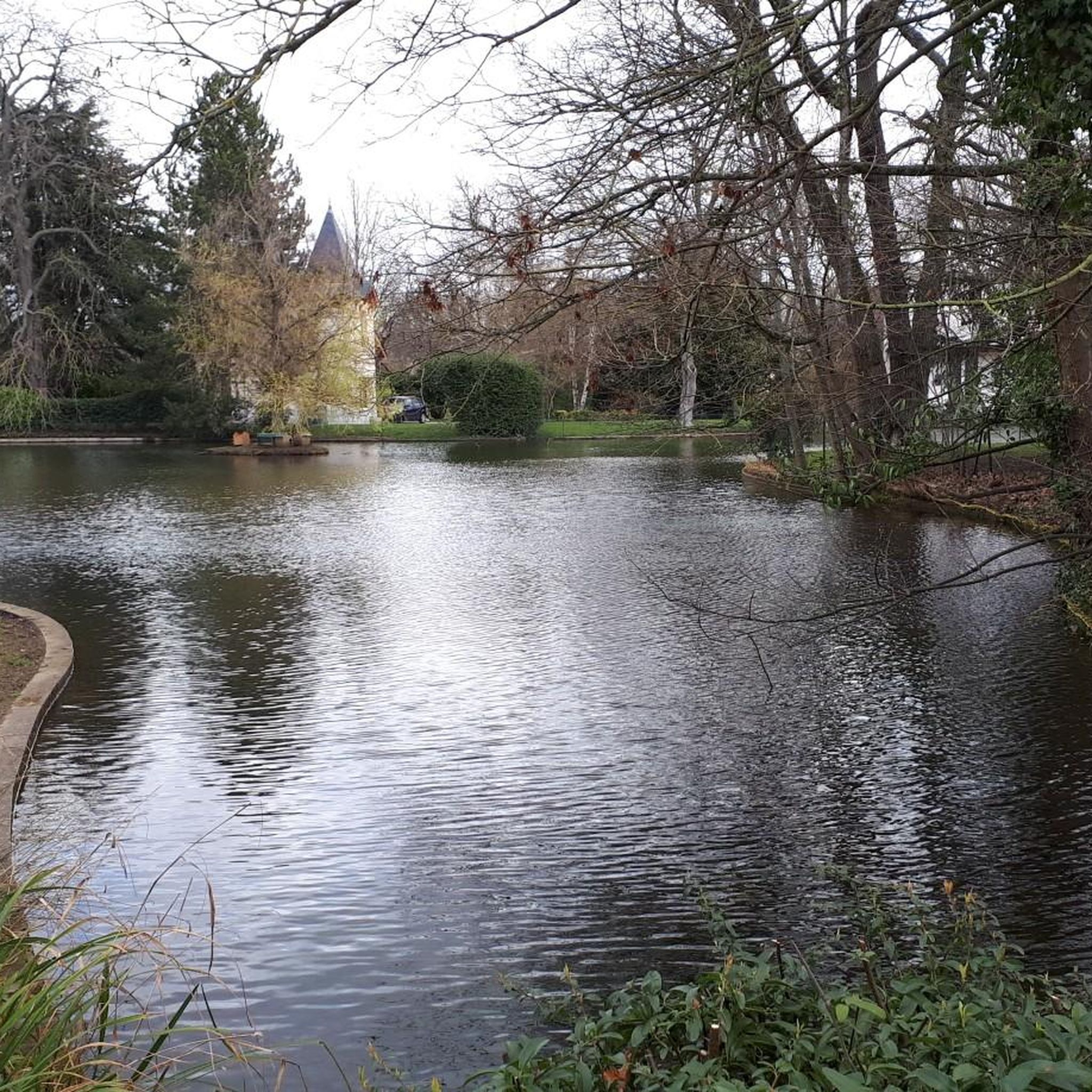
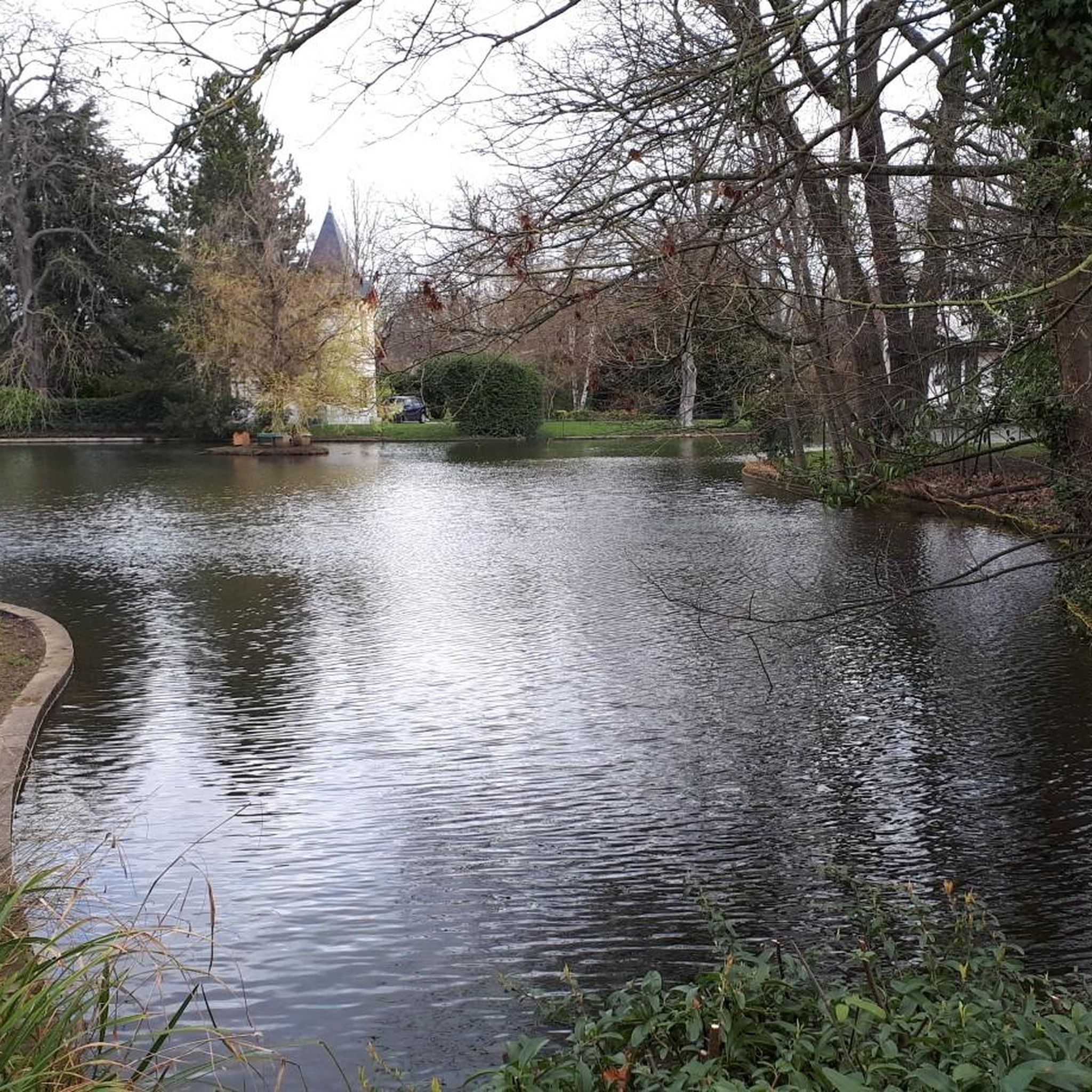
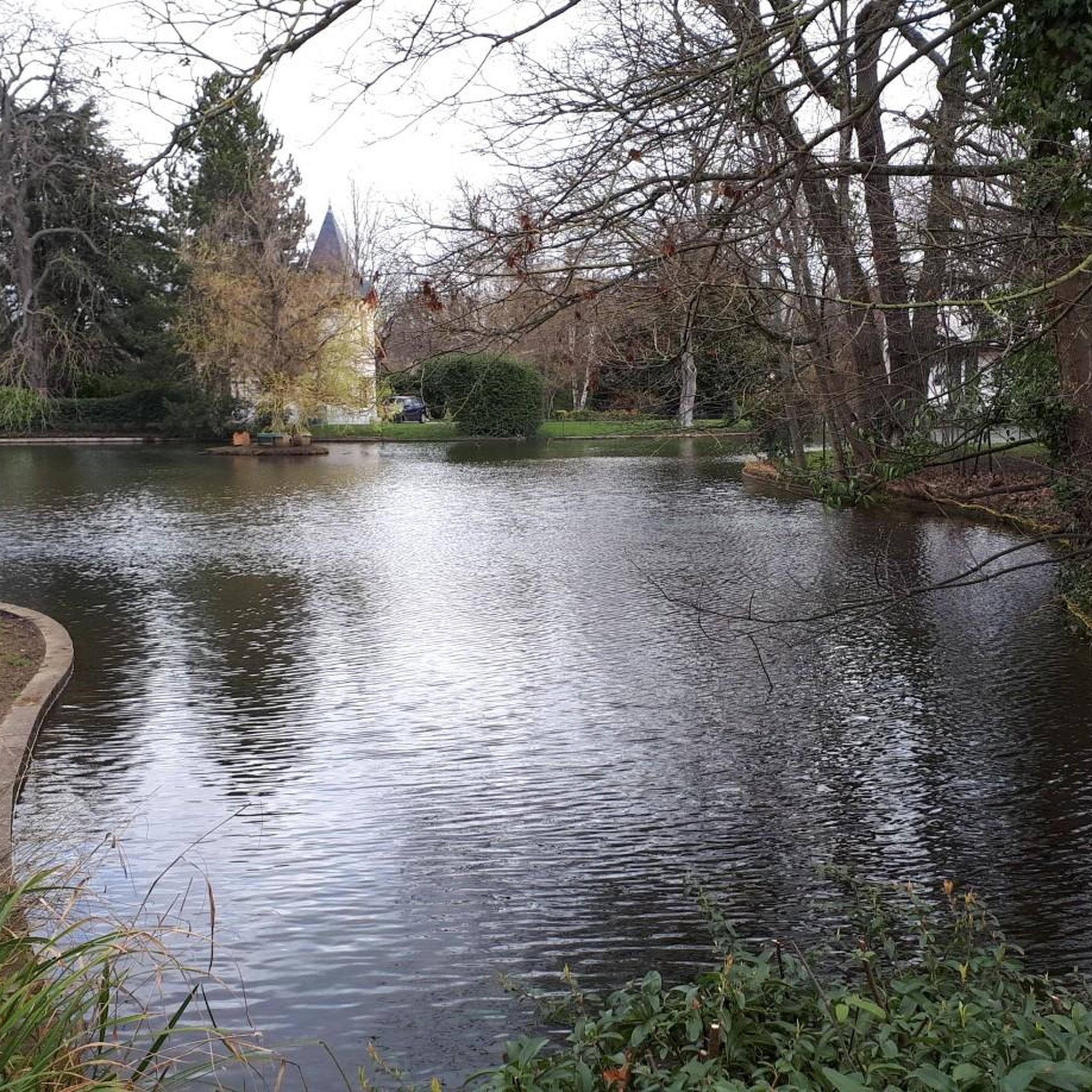
Best natural monuments around Le Vésinet are found within a unique "ville-parc" setting, meticulously designed in the 19th century. This area is known for its exceptional natural environment, featuring artificial lakes, interconnected rivers, and extensive green spaces. Le Vésinet's status as a classified site highlights its rich biodiversity and the deliberate harmony between urban development and nature. Its picturesque landscapes offer a blend of natural beauty and thoughtful urban design.
Best natural monuments around Le Vésinet
- The most popular natural…
Last updated: June 18, 2026
Grande Cascade of Saint-Cloud Park
Highlight • Waterfall
Ducks, swans and nutria everywhere!
Translated by Google •
Tip by

Latona Fountain
Highlight • Monument
Translated by Google •
Tip by

Sign up now to discover places like this
Get recommendations on the best single tracks, peaks, & plenty of other exciting outdoor places.
Sign up for free
Old Chestnut Tree at Place Audran
Highlight • Natural Monument
Translated by Google •
Tip by

Bosquet of the Baths of Apollo
Highlight • Monument
Translated by Google •
Tip by
Bassin de Flore
Highlight • Monument
Translated by Google •
Tip by
Sign up for free to discover even more natural monuments around Le Vésinet.
Sign up for free
Already have an account?
Start today with a free account
Your next adventure awaits.
Login or Signup
Tips from the Community

Added to the collection: komoot.com/de-de/collection/3600632/-naturdenkmaeler-besondere-baeume-und-weitere-schaetze-der-natur
0
0

The Grande Cascade (1856) is a 14-metre-high artificial waterfall made of Fontainebleau rocks. The waterfall is fed by the Etang de reservoir.
0
0

The children are delighted to go under the waterfall
0
0

Located at the crossroads of several groves, including that of the Queen, the basin of Flora, Roman goddess of flowers, gardens and spring, symbolizes the first season of the year. Sculpted by Jean-Baptiste Tuby, she is represented with a wreath of flowers, in the center of the basin. https://bienvenue.chateauversailles.fr/fr/jardins/a-voir/310_bassin-de-flore#!panel-242
5
0
The current grove dates from the reign of Louis XVI, laid out between 1778 and 1781. Its center is occupied by a lake dominated by a huge fake rock embellished with waterfalls and hollowed out with a cave. This hosts the sculptures of the Horses of the Sun placed on either side of the group of Apollo served by the nymphs, created by François Girardon and Thomas Regnaudin. https://bienvenue.chateauversailles.fr/fr/jardins/bienvenue/304_bosquet-des-bains-d-apollon#!panel-46
6
0
The Latona basin results from the desire of Louis XIV to create, in the center of his Garden, a fountain which recounts the childhood of Apollo, the sun god he chose as his emblem. To create this fountain, Louis XIV transformed a pool dug by Louis XIII by gradually installing water features and decorations sculpted by the Marsy brothers. The Latona basin went through several states before adopting its current form. In 1667, it was the Toad Fountain. From 1668 to 1670, a first Latona basin appeared; Latona is then at the same level as the other figures and turned towards the Castle. From 1687 to 1689, Jules Hardouin-Mansart created the current pool, by making Latona turn around and hoisting her to the top of a marble pyramid. http://latone.chateauversailles.fr/page/le-bassin-de-latone/histoire-du-bassin
11
0


An article if you are interested in the subject: https://france3-regions.francetvinfo.fr/paris-ile-de-france/paris/grand-paris/un-chataignier-des-yvelines-elu-plus-bel-arbre- of-the-year-2424739.html
1
0
Frequently Asked Questions
What makes Le Vésinet's natural monuments particularly unique?
Le Vésinet is a unique 'ville-parc' (park city) meticulously designed in the 19th century. Its natural monuments are exceptional because they represent a deliberate harmony between urban development and nature, featuring artificial lakes, interconnected rivers, and extensive green spaces. The entire area is a classified site, highlighting its rich biodiversity and picturesque landscapes.
Are there any remarkable trees to see in Le Vésinet?
Yes, Le Vésinet is home to over 40,000 trees, many of which are centuries old. A notable example is the Old Chestnut Tree at Place Audran, estimated to be 330 years old and a winner of the 'Tree of the Year' public prize. This tree, planted during Louis XIV's reign, stands as a testament to the town's rich arboreal heritage and its resistance to urban development.
What kind of natural features can I expect to find around Le Vésinet?
Le Vésinet is characterized by its extensive water features and green spaces. You'll find five artificial lakes interconnected by four kilometers of rivers, often with small cascades. These waterways are home to diverse wild fauna like geese, swans, and ducks. Beyond the water, there are 30 hectares of public green spaces and 25 hectares of 'coulées vertes' (green corridors) integrated throughout the urban fabric, offering a continuous natural experience.
Are there family-friendly natural monuments to visit in Le Vésinet?
Absolutely. Many natural monuments in Le Vésinet are ideal for families. The Grande Cascade of Saint-Cloud Park is particularly child-friendly, allowing visitors to climb and explore secret passages, with ducks, swans, and nutria often present. The lakes and rivers throughout Le Vésinet also offer serene settings perfect for family walks or bike rides.
What historical natural monuments can I explore in the area?
Le Vésinet and its surroundings offer several natural monuments with significant historical context. The Bosquet of the Baths of Apollo, for instance, is a man-made monument from Louis XVI's reign featuring a lake, a huge fake rock with waterfalls, and sculptures of Apollo served by nymphs. Another historical site is the Latona Fountain, a magnificent basin created under Louis XIV, offering a wide view over the gardens towards the horizon.
What outdoor activities can I do near Le Vésinet's natural monuments?
The extensive green spaces and waterways of Le Vésinet provide excellent opportunities for various outdoor activities. You can enjoy leisurely strolls, bike rides along the rivers, or explore dedicated routes. For more structured activities, you can find numerous running trails, MTB trails, and road cycling routes in and around the region.
Where can I find a peaceful lake experience with historical significance?
The Etang de Saint-Cucufa offers a tranquil lake experience within a 200-hectare forest. This area was once owned by Joséphine de Beauharnais, Napoleon I's first wife, who enjoyed carriage rides here. You can admire numerous birds and explore the surrounding forest, which is rich in chestnut, oak, and ash trees. There's also a fitness trail nearby.
What do visitors enjoy most about the natural monuments in Le Vésinet?
Visitors frequently appreciate the unique blend of natural beauty and thoughtful urban design. The community has given the natural monuments around Le Vésinet over 500 upvotes and shared 20 photos, highlighting the picturesque landscapes, the serene atmosphere of the lakes and rivers, and the impressive ancient trees. The family-friendly aspects and historical context of sites like the Grande Cascade and the Bosquet of the Baths of Apollo are also highly valued.
Are there any viewpoints to enjoy the natural scenery?
Yes, the Latona Fountain serves as an excellent viewpoint. From this basin, you have a wide, expansive view over the Bassin de Latone and the vast park, which appears to stretch to the horizon. It's located directly next to the castle, offering a grand perspective of the meticulously designed landscape.
Can I find places to eat or drink near the natural monuments?
While Le Vésinet is known for its natural spaces, you can find amenities nearby. For example, after visiting the Etang de Saint-Cucufa, you'll find a restaurant and bakery at the exit of the Bois de St. Cucufa. The old village of Garches, with its many shops, is also a short distance away.
What kind of wildlife can be observed in Le Vésinet's natural areas?
The lakes and rivers of Le Vésinet are home to diverse wild fauna, including various bird species. You can often spot geese, white and black swans, moorhens, ducks, and cormorants. Near the Etang de Saint-Cucufa, visitors have reported seeing woodpeckers, moorhens, and herons, making it a good spot for birdwatching.
Most popular routes around Le Vésinet
Most popular attractions around Le Vésinet

Get inspired with the komoot mobile app


Explore more
Extend your search for the best caves by checking out these guides of the top ones around Le Vésinet:
