Top 9 Natural Monuments around Vieux-Condé
Natural monuments around Vieux-Condé offer diverse natural landscapes shaped by historical activities. This commune in the Nord department of France features significant natural sites, including bodies of water formed by mining subsidence and cultivated botanical spaces. The region provides opportunities for outdoor activities and exploration of unique ecological areas. Its landscape reflects a blend of natural evolution and human impact.
Best natural monuments around Vieux-Condé
- The most popular natural monuments is Goriaux Pond, a lake that is a mining…
Last updated: July 2, 2026
Mer de Sable State Reserve
Highlight • Natural
Translated by Google •
Tip by

Marais d'Harchies-Hensies-Pommerœul Nature Reserve
Highlight • Natural Monument
Translated by Google •
Tip by

Sign up now to discover places like this
Get recommendations on the best single tracks, peaks, & plenty of other exciting outdoor places.
Sign up for free
The Nail Tree of Stambruges
Highlight • Natural Monument
There are now two of them carrying the wishes and hopes of recovery. The oldest, a black locust tree, fell to the ground in …
Translated by Google •
Tip by

Goriaux Pond
Highlight • Lake
Translated by Google •
Tip by

Les Catillons
Highlight • Natural Monument
Translated by Google •
Tip by

Sign up for free to discover even more natural monuments around Vieux-Condé.
Sign up for free
Already have an account?
Start today with a free account
Your next adventure awaits.
Login or Signup
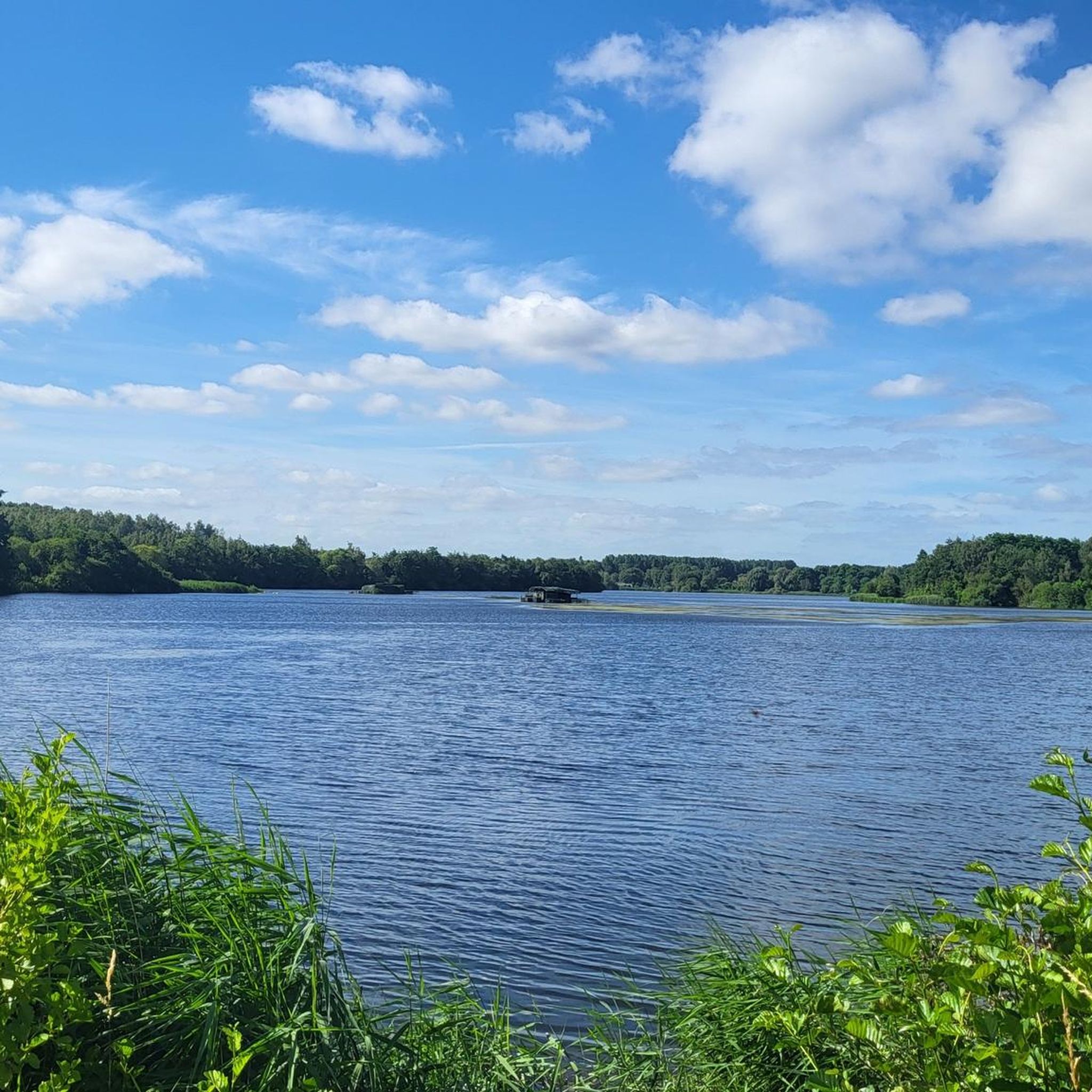
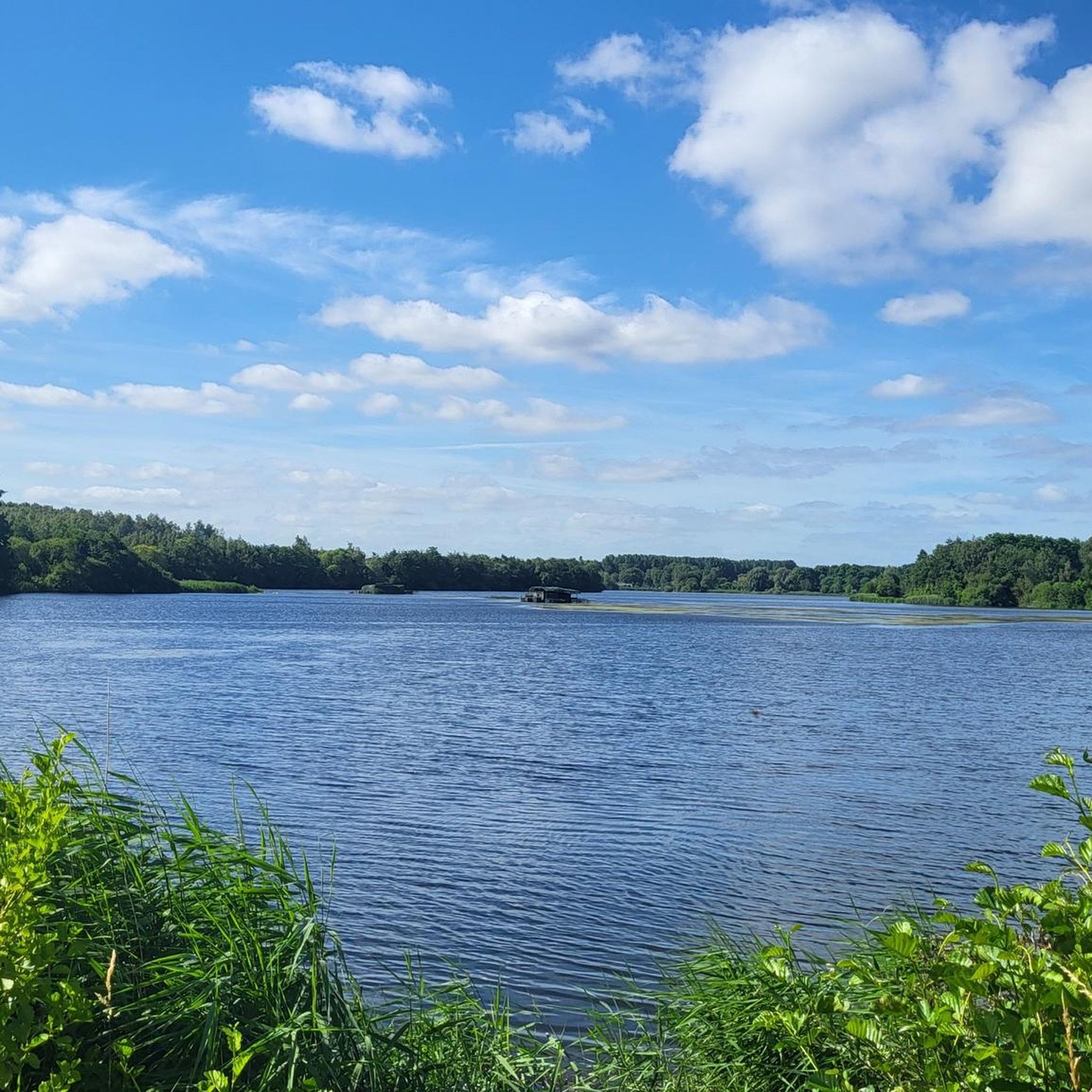
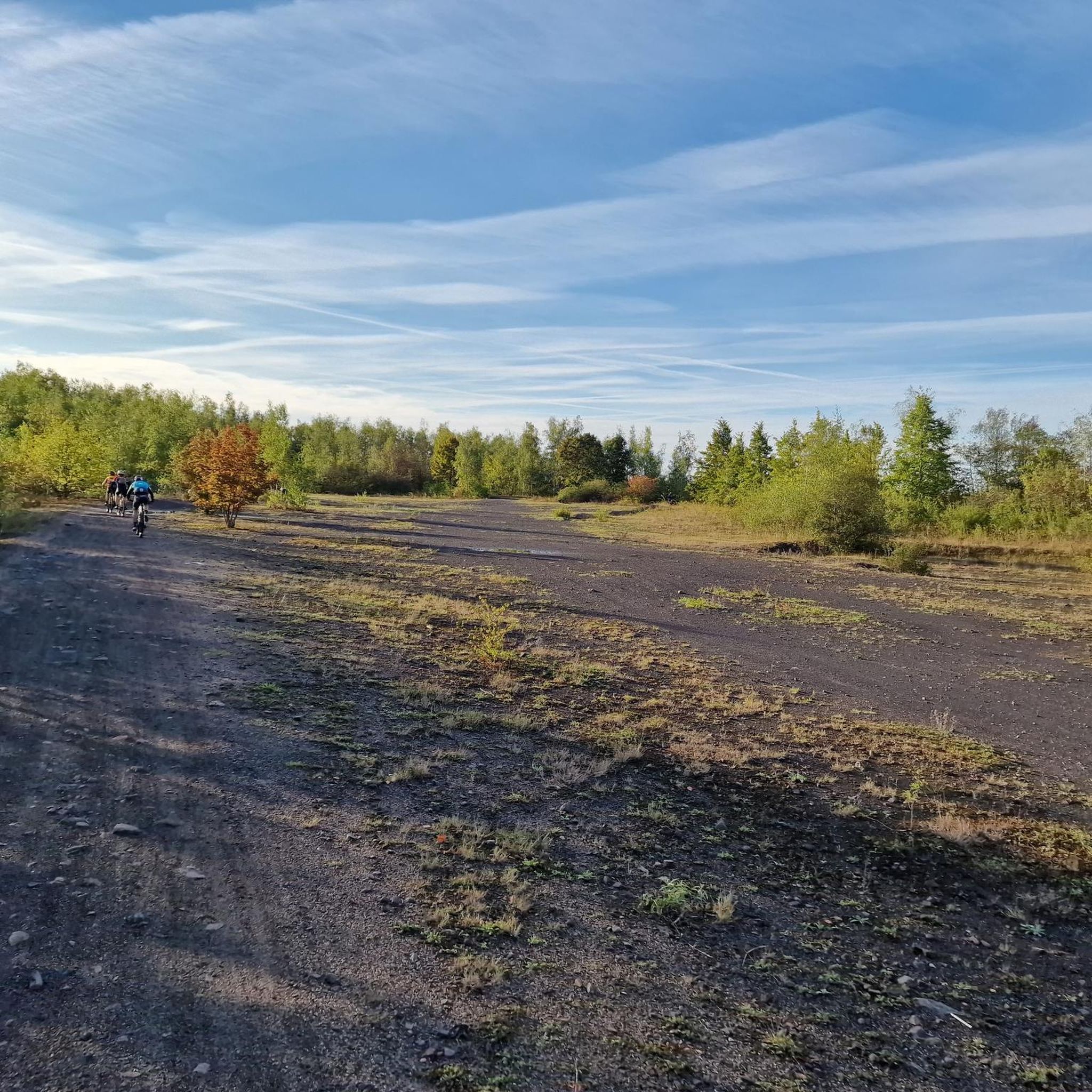
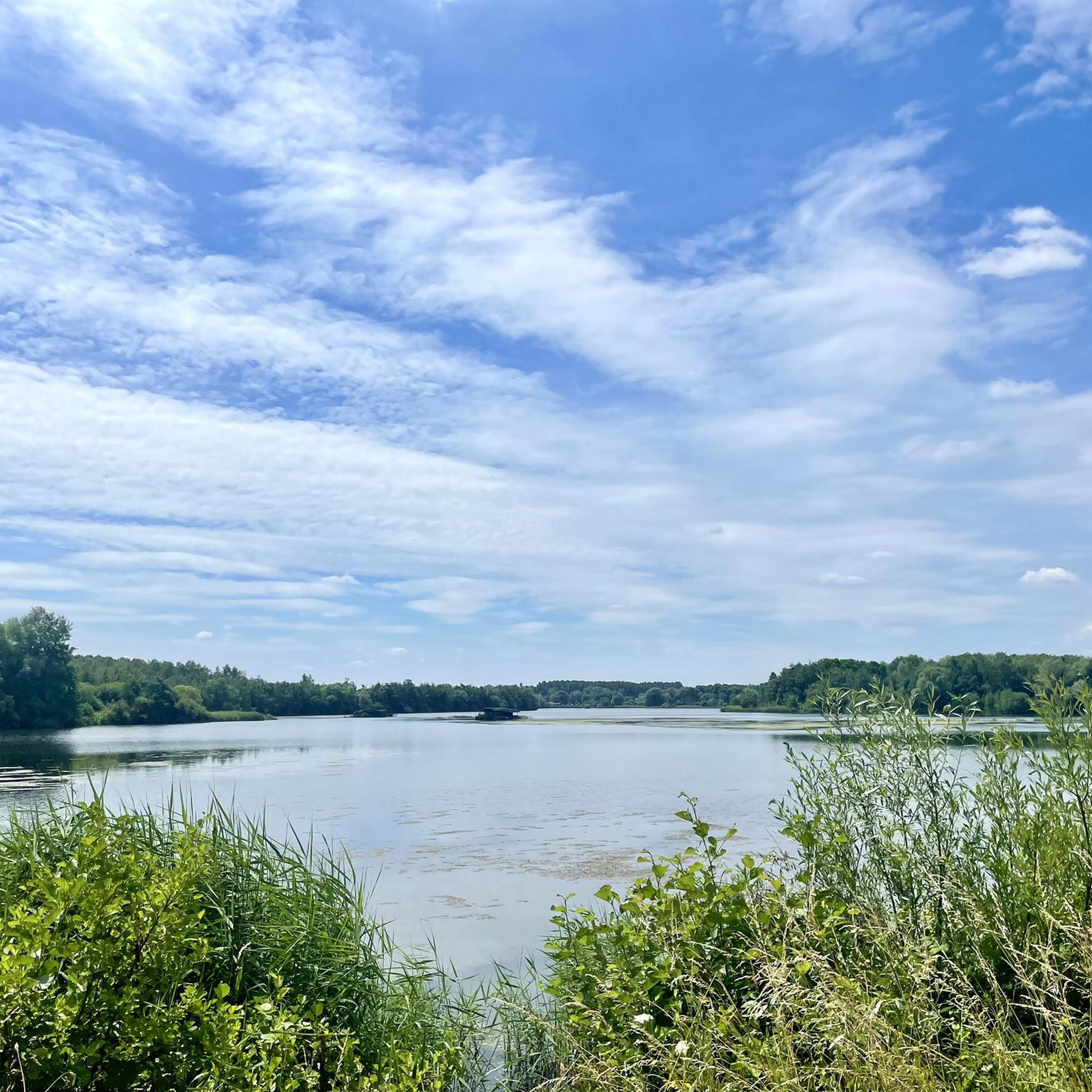

Tips from the Community

Attention change of regulation, a part of the reserve is forbidden to bicycles. I saw it this morning.
0
0

Michel Raulier: The Nail Tree of Stambruges Tree worship in our region is very ancient. Proof of this is the discovery in Blicquy, in the place called "Ville d'Anderlecht," of a set of 120 posts up to 90 cm in diameter. These may have served as supports for offerings, as evidenced by the numerous iron pins found in the filling holes. This could correspond to an artificial sacred grove housing deities, similar to Lucan's description of petrified forests in Pharsalia. In the past, trees, with their longevity and majestic shape, aroused a sense of sacredness in the minds of our ancestors. They were also believed to be capable of helping people solve their problems, particularly health problems. Many customs exist: walking around the tree, driving nails to fix the ailment, and tying cloths or fabrics to bind it. These trees were often Christianized by the installation of religious images or a chapel nearby. One example among others is that of Notre Dame de Foy. In Foy, near Dinant, a woodcutter discovered a 15th-century statuette in the heart of a very ancient oak tree in 1609. Long forgotten, the figurine bearing the image of the Virgin had been placed in a niche carved into the trunk. Over time, the wood completely covered it and erased its memory. In Stambruges, there is one of these remarkable trees, and beside it is a chapel, called "the chapel of Erconpuch" or, by another name, "the chapel of Arc-au-Puche," dedicated to the Virgin Our Lady of Arc-au-Puits, formerly called the Virgin of the Woods.
1
0

The Mer de Sable nature reserve is a 22-hectare protected area, renowned for its peat moors and young birch forests. Formerly a pond that dried up in the 19th century, the site is home to exceptional flora, including heather and carnivorous plants such as the sundew. The reserve, classified as a major heritage site in Wallonia, offers marked trails for hiking and observing local biodiversity.
2
0

Ornithological nature reserve, with magnificent species. Several observation points set up for bird watching. accessible to PMR.
3
0

Special, that sandy area and a nice place to eat (there is also a restaurant)
2
1

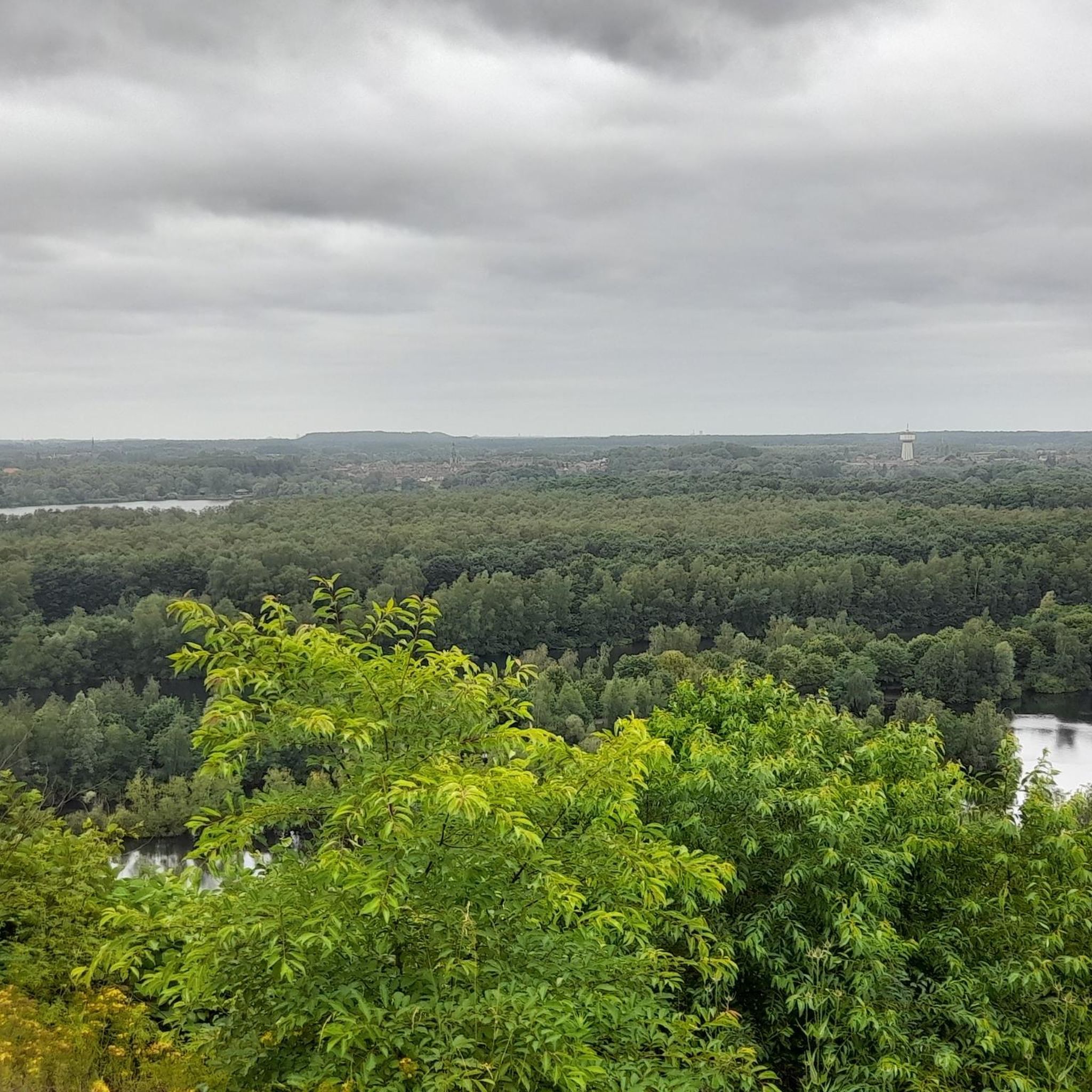
Very mobile with magnificent view of the gorial pond
1
0

There are two viewing huts on the route. But especially many ornithologists. This must clearly be a special place!
9
0
Located in the heart of the Haine valley, between Mons and Tournai, the marshy complex of Harchies-Hensies-Pommeroeul, better known as the Marais d'Harchies, is a major site for the fauna and flora of Wallonia. Covering an area of 550 hectares, this site of great biological interest is home to many species and constitutes an important transit site during bird migration and offers ideal conditions for the nesting and wintering of numerous species. Its registration as a “Ramsar” wetland confirms its importance on an international scale. https://oiseaumaraisdharchies.be/
9
0
Frequently Asked Questions
What unique natural features can I explore around Vieux-Condé?
The region offers a blend of natural landscapes shaped by historical mining. You can explore significant wetlands like the Marais d'Harchies-Hensies-Pommerœul Nature Reserve, known for its extensive reed beds and birdwatching opportunities. There are also unique geological formations such as the Mer de Sable State Reserve, which features peat moors and rare carnivorous plants.
Are there any natural monuments with historical significance in the area?
Yes, many natural sites around Vieux-Condé have historical ties, particularly to the region's coal mining past. The Étang d'Amaury, for instance, is a 60-hectare pond that formed due to mining subsidence. Similarly, Goriaux Pond is a mining subsidence pond and a national biological reserve, located at the foot of an old slag heap.
What are some family-friendly natural areas to visit near Vieux-Condé?
For families, the Jardin Botanique et pédagogique in Vieux-Condé is an excellent choice. It's a verdant oasis with over 400 species of plants and flowers, designed with thematic spaces and educational elements. The Goriaux Pond is also family-friendly, offering a nice spot to relax by the water.
Where can I go for birdwatching or to observe local wildlife?
The Marais d'Harchies-Hensies-Pommerœul Nature Reserve is a prime location for birdwatching in Wallonia, recognized for its extensive reed beds and diverse bird species. It even has viewing huts for better observation. The marshy complex of Les Catillons, part of the Harchies marshes, is also a significant site for fauna and flora, especially during bird migration.
Are there hiking or walking trails around the natural monuments?
Yes, many natural monuments offer opportunities for walking. The Étang d'Amaury has various hiking and walking routes around its perimeter. The Mer de Sable State Reserve features marked trails for exploring its unique peat moors and birch forests. For more options, you can find numerous running trails, including an Étang d'Amaury loop from Vieux-Condé, on komoot.
What kind of flora can I expect to see in the natural reserves?
The Mer de Sable State Reserve is home to exceptional flora, including heather and carnivorous plants like the sundew. The Jardin Botanique et pédagogique in Vieux-Condé showcases over 400 species of plants and flowers in various thematic spaces, providing a diverse botanical experience.
Are there any unique cultural or spiritual natural sites nearby?
Yes, you can visit The Nail Tree of Stambruges. This site features two 'rag trees' where visitors traditionally drive nails or leave objects as part of a belief for wishes or healing, often associated with a nearby chapel.
What outdoor activities are available besides hiking near these natural monuments?
Beyond hiking, the area around Vieux-Condé is great for cycling and gravel biking. You can explore various routes, such as the Étang Chabaud-Latour loop from Vieux-Condé for cycling, or the Stambruges MTB Playground loop from Blaton for gravel biking.
What do visitors particularly enjoy about the natural monuments around Vieux-Condé?
Visitors appreciate the diverse natural landscapes, from serene ponds to unique wetlands. Many enjoy the tranquility and opportunities for outdoor activities like walking and birdwatching. The blend of natural beauty with the region's mining history also adds a unique dimension to the experience, as seen with sites like Goriaux Pond.
Is there a good place to learn about sustainable development and ecology?
The Jardin Botanique et pédagogique in Vieux-Condé is specifically designed to raise awareness about sustainable development and differentiated management practices. It's an excellent place to learn about ecological principles within an urban setting, featuring diverse flora and educational displays.
Are there any natural monuments that are particularly good for photography?
The Marais d'Harchies-Hensies-Pommerœul Nature Reserve, with its extensive reed beds and diverse birdlife, offers picturesque scenes for nature photography. The tranquil basin with a waterfall and the striking green wall at the Jardin Botanique et pédagogique also provide beautiful photographic opportunities.
Most popular routes around Vieux-Condé
Most popular attractions around Vieux-Condé

Get inspired with the komoot mobile app


Explore more
Extend your search for the best caves by checking out these guides of the top ones around Vieux-Condé:
