Top 4 Natural Monuments around Calmeilles
Natural monuments around Calmeilles showcase a rich natural setting within the Aspres region of the French Pyrenees. This area provides access to a diverse landscape characterized by significant geographical features and natural beauty. The region is known for its rugged Pyrenean foothills, offering extensive views and varied terrain. Visitors can explore a range of natural attractions, from mountain peaks to waterfalls and historical sites.
Best natural monuments around Calmeilles
- The most popular natural monuments is Roc de Mallorca, a…
Last updated: May 20, 2026
Sant Martí de la Roca
Highlight • Religious Site
Translated by Google •
Tip by

Roc de Mallorca
Highlight • Summit
Translated by Google •
Tip by

Sign up now to discover places like this
Get recommendations on the best single tracks, peaks, & plenty of other exciting outdoor places.
Sign up for free
Salt de Baoussous Waterfall
Highlight • Waterfall
Translated by Google •
Tip by

Dolmen of Roland's Tomb
Highlight • Historical Site
A Catalan story relates that the knight Roland lived in the Vallespir region. After the battle of Roncesvalles, his horse would …
Translated by Google •
Tip by

Corsavy Waterfall and Fountain
Highlight • Waterfall
Translated by Google •
Tip by

Sign up for free to discover even more natural monuments around Calmeilles.
Sign up for free
Already have an account?
Start today with a free account
Your next adventure awaits.
Login or Signup
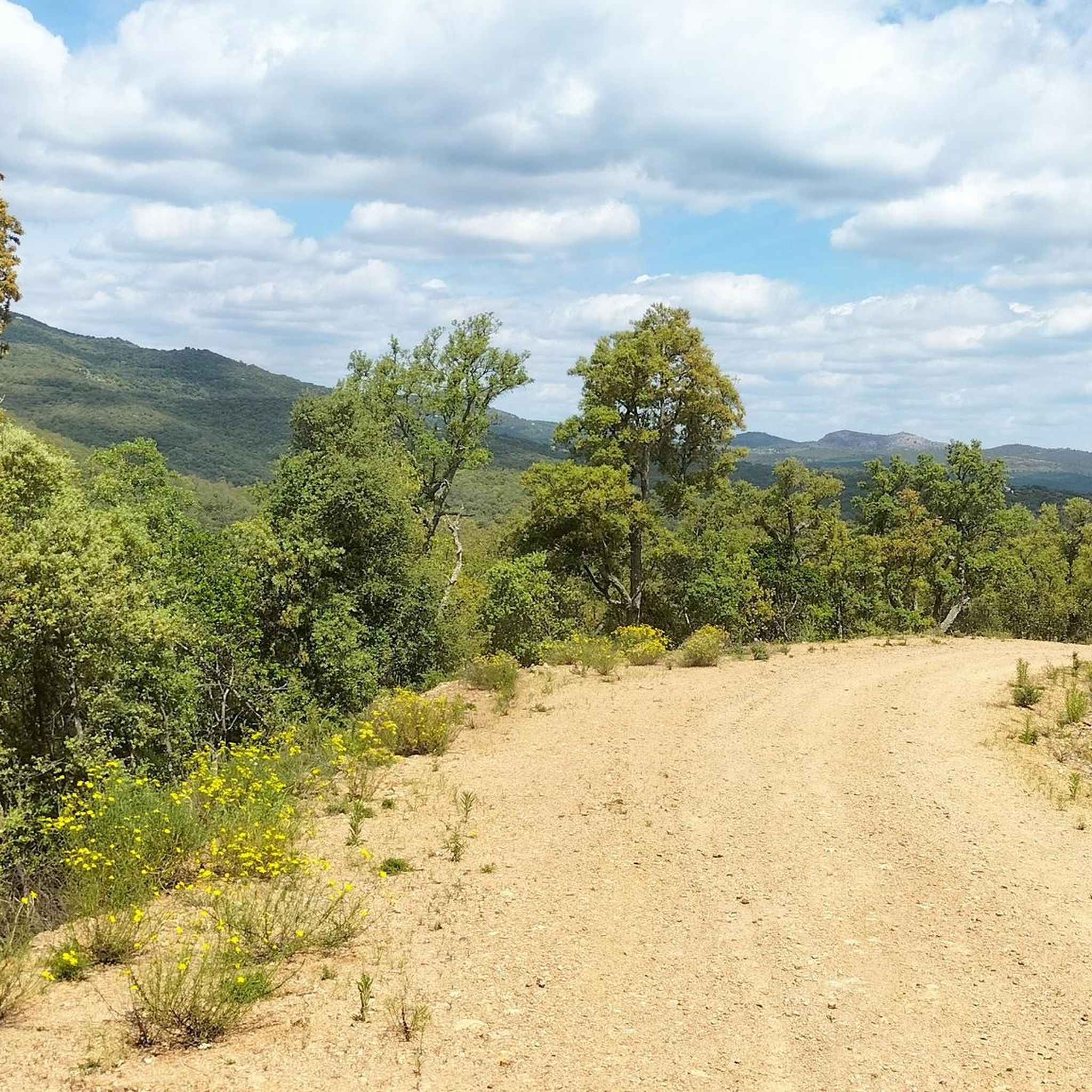
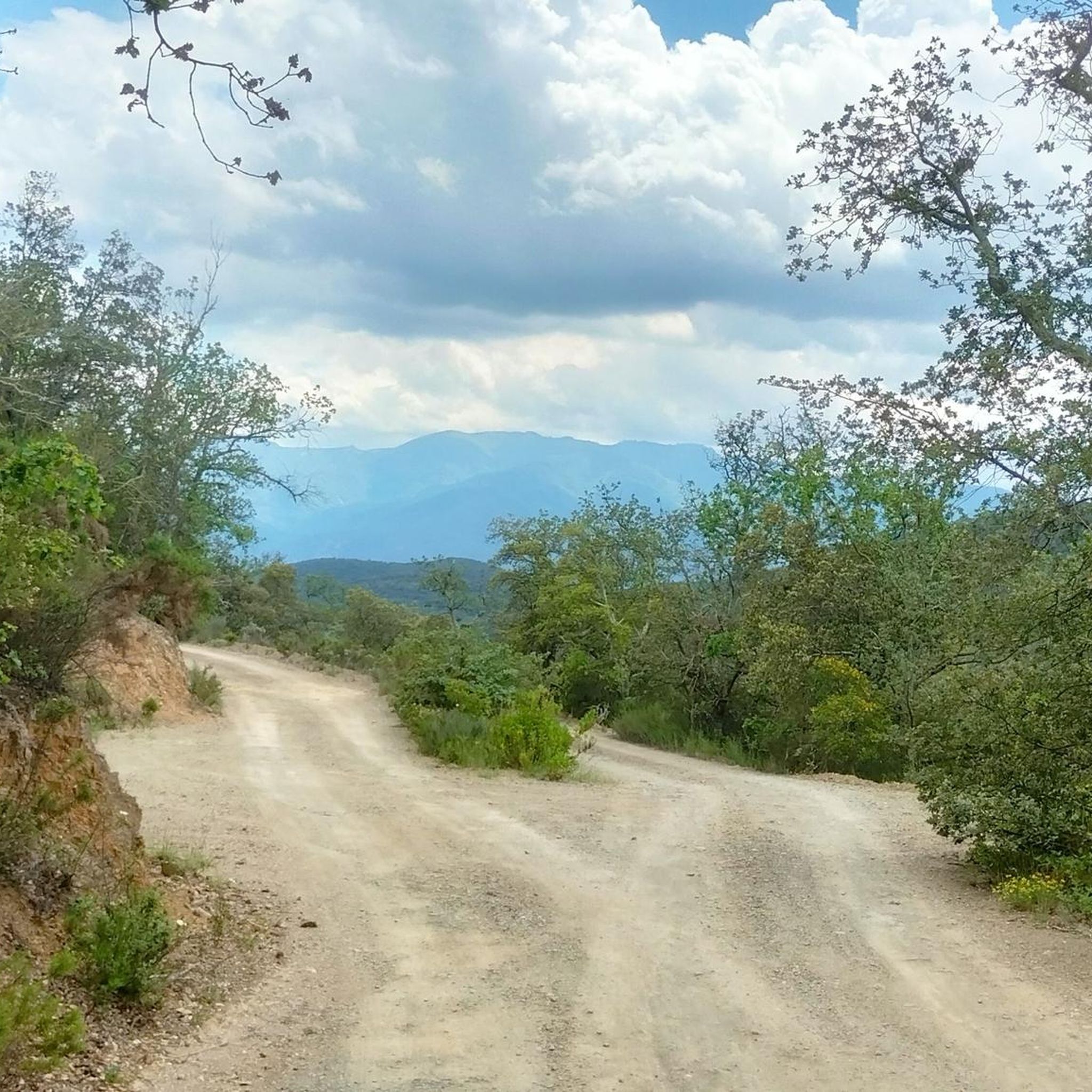
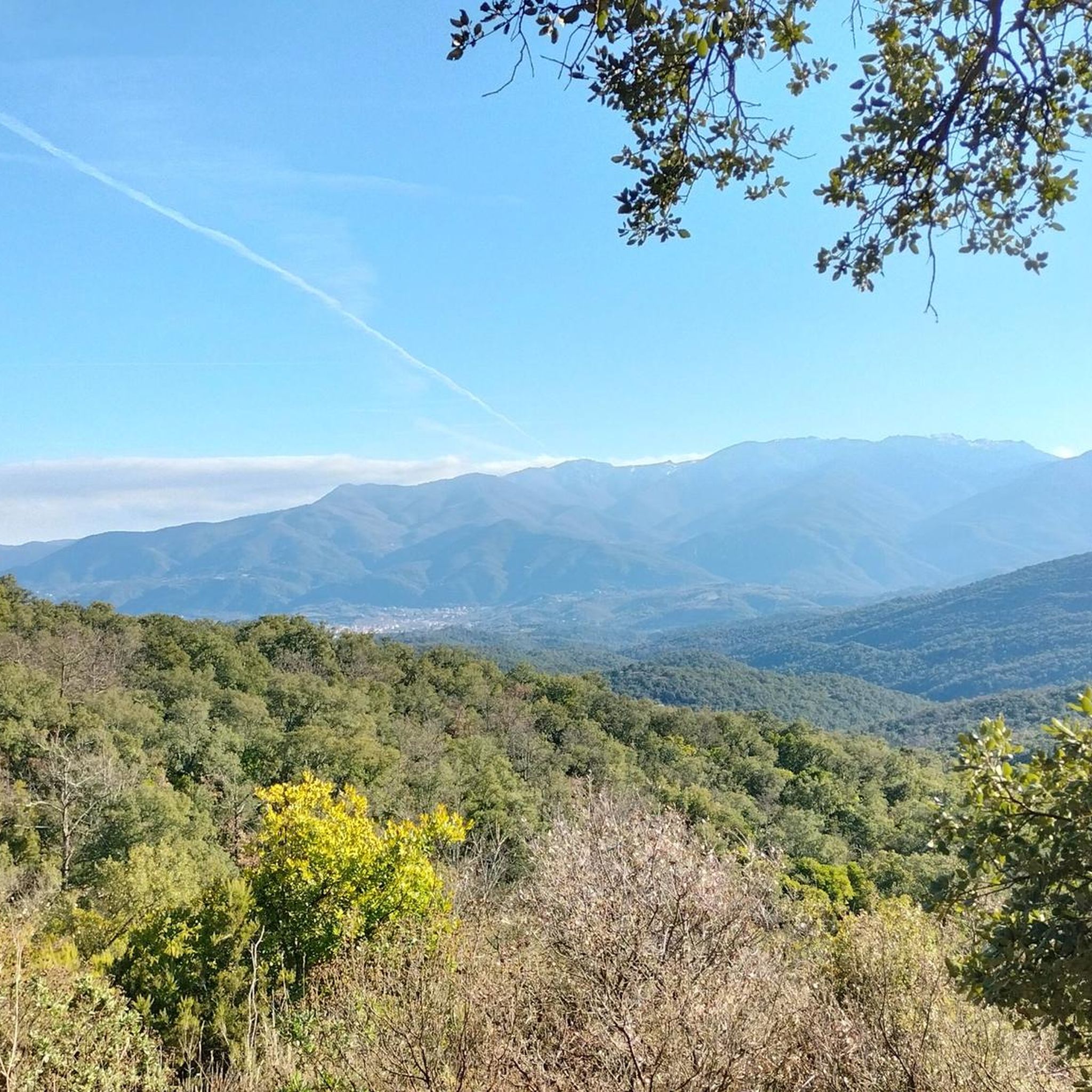

Tips from the Community


The Roc de Majorque (444 m high) preserves the remains of a large Roman square tower. A magnificent 360° panorama of the Corbières, the Roussillon plain, the Pyrenees, and their foothills is available. An orientation table is available there.
0
0

access rock Majorca difficult rocky..road better in reverse
1
0

The name of the place is called "Salt de Baoussous"
1
0

Roc de Mallorca is also interesting from a geological point of view, as it is a prominent rock formation in the landscape, and its elevated location makes it a reference point for hikers and explorers of the region.
1
0
One of the main attractions of Roc de Mallorca is the stunning views from the top. From there, you can see the landscapes of the Eastern Pyrenees, the surrounding valleys and, on clear days, you can even see Canigó, the iconic sacred mountain of the Catalans. You also have views of nearby villages such as Céret and Reynès.
2
0
It is a typical example of the Catalan Romanesque style, with its simple but robust stone structure, characterised by a bell tower and a semicircular apse. Although it is small, its construction on top of a rock gives it a special character. Inside, although austere, the calm and spiritual atmosphere typical of Romanesque churches stands out.
0
0
It is a charming Romanesque hermitage situated in the hills above the village of Camélas in the Pyrénées-Orientales. Built in the 11th century, this church is nestled in a rocky outcrop, hence its name "de la Roca", giving it a picturesque and unique appearance in the region. It is a popular destination for hikers and history lovers due to its natural surroundings and its historical and architectural value.
0
0
Frequently Asked Questions
What natural features can I expect to see around Calmeilles?
The region around Calmeilles is rich in diverse natural features. You can explore significant geographical landmarks like the prominent Roc de Mallorca, which offers stunning views of the Eastern Pyrenees. The area also features refreshing natural pools along the Ample River, and impressive waterfalls such as the Salt de Baoussous Waterfall and the Corsavy Waterfall and Fountain. The rugged Pyrenean foothills provide a varied landscape for exploration.
Which natural monuments offer the best panoramic views?
For breathtaking panoramic views, you should visit Roc de Mallorca, a summit providing extensive vistas of the Eastern Pyrenees and surrounding valleys, including distant views of Canigó on clear days. Another excellent spot is Sant Martí de la Roca, which offers 360-degree views across the Tech Valley and distant peaks, and even the Mediterranean Sea on clear days.
Are there hiking opportunities near the natural monuments around Calmeilles?
Yes, Calmeilles is an excellent base for hiking. The Pyrenean foothills offer numerous opportunities to immerse yourself in the natural environment. You can find various trails, from challenging ascents to more moderate paths. For specific routes, you can explore the running trails or MTB trails guides for the Calmeilles area.
What kind of terrain can I expect on hikes to these natural monuments?
The terrain around Calmeilles is diverse, ranging from rugged mountain paths to stony ascents and descents, particularly around viewpoints like Sant Martí de la Roca. The Pyrenean foothills are characterized by varied landscapes, so expect a mix of forest trails, rocky sections, and open areas offering expansive views. Some trails can be challenging, while others are more moderate.
When is the best time of year to visit the natural monuments near Calmeilles?
The best time to visit the natural monuments around Calmeilles is generally during the spring, summer, and early autumn months. During summer, the natural pools along the Ample River offer a refreshing escape. For hiking, spring and autumn provide pleasant temperatures and vibrant scenery. Winter access might be limited for some higher-altitude spots, though lower trails remain accessible.
Are the natural monuments around Calmeilles suitable for families with children?
Yes, some natural monuments are suitable for families. For instance, the Corsavy Waterfall and Fountain is noted as family-friendly, offering a shaded picnic area and a refreshing water point. When planning a visit with children, it's advisable to check the difficulty of specific trails leading to monuments, as some ascents can be sharp and stony.
Can I bring my dog to the natural monuments and trails?
While many outdoor areas in the Pyrenees are dog-friendly, specific regulations can vary for natural monuments and protected areas. It's generally recommended to keep dogs on a leash to protect local wildlife and ensure the safety of other visitors. Always check local signage or specific park regulations before visiting with your dog.
Are there any historical or cultural sites among the natural monuments?
Yes, the region beautifully blends natural beauty with historical significance. The Dolmen of Roland's Tomb is a notable example, designated as both a historical site and a natural monument. This archaeological site is steeped in local legend, connecting ancient history with the natural landscape.
What unique natural wonders can I explore beyond Calmeilles' immediate surroundings?
Beyond Calmeilles, the broader Pyrénées-Orientales department offers several unique natural sites. These include the narrow and impressive Gorges de la Fou, the remarkable 'fairy chimney' rock formations of Orgues d'Ille-sur-Tet, the diverse ecosystems of the Réserve naturelle régionale de Nyer, and the stunning Gorges de Galamus, which features a hermitage built into the cliff face.
How much time should I allocate to visit these natural monuments?
The time needed varies depending on the monument and your activity. For viewpoints like Sant Martí de la Roca, a short but sharp ascent might take an hour or two round trip, allowing time to enjoy the views. Visiting a waterfall like Corsavy Waterfall and Fountain might be a shorter stop, especially if combined with a picnic. For larger peaks like Roc de Mallorca, plan for a half-day or full-day hike.
Is parking available at the natural monuments?
Parking availability can vary. For popular hiking starting points leading to natural monuments, you can often find designated parking areas in nearby villages or trailheads. However, some more remote sites might require parking further away and walking. It's advisable to check specific access information for each monument when planning your visit.
Are there places to eat or stay near the natural monuments?
Calmeilles itself is a small medieval village that can serve as a base, offering some local amenities. For a wider range of cafes, pubs, and accommodation, you might need to look at slightly larger towns in the Aspres region or the Tech Valley. Some natural monuments, like the Corsavy Waterfall and Fountain, offer picnic areas, so bringing your own provisions is always a good option.
Can I spot wildlife near the natural monuments?
The natural environment around Calmeilles, particularly in the Pyrenean foothills and nature reserves, provides opportunities for wildlife spotting. Keep an eye out for various bird species, and if you're lucky, you might spot larger mammals. Early mornings or late evenings are often the best times for wildlife observation. Remember to observe from a distance and avoid disturbing animals in their natural habitat.
Are there any less crowded natural monuments to visit?
While popular spots like Roc de Mallorca and Sant Martí de la Roca are well-loved, the vastness of the Pyrenean foothills means you can often find quieter trails and less frequented spots. Exploring the natural pools along the Ample River or seeking out smaller waterfalls might offer a more secluded experience. Visiting during off-peak seasons can also help avoid crowds.
What outdoor activities can I do near these natural monuments?
Beyond visiting the monuments themselves, the area around Calmeilles is perfect for various outdoor activities. You can enjoy extensive hiking and running on trails that wind through the Pyrenean foothills. Mountain biking and gravel biking are also popular, with numerous routes available. For detailed routes and guides, check out the running, MTB, and gravel biking guides for the Calmeilles region.
Most popular routes around Calmeilles
Most popular attractions around Calmeilles

Get inspired with the komoot mobile app


Explore more
Extend your search for the best caves by checking out these guides of the top ones around Calmeilles:
