Top 4 Natural Monuments around Pornichet
Best natural monuments around Pornichet offer a blend of coastal features, expansive wetlands, and significant historical sites. The region's natural landscape is characterized by its Atlantic coastline, marshlands, and unique geological formations. Visitors can explore diverse environments, from sandy beaches to ancient burial mounds and scenic viewpoints. These natural features provide opportunities for exploration and appreciation of the area's distinct natural heritage.
Best natural monuments around Pornichet
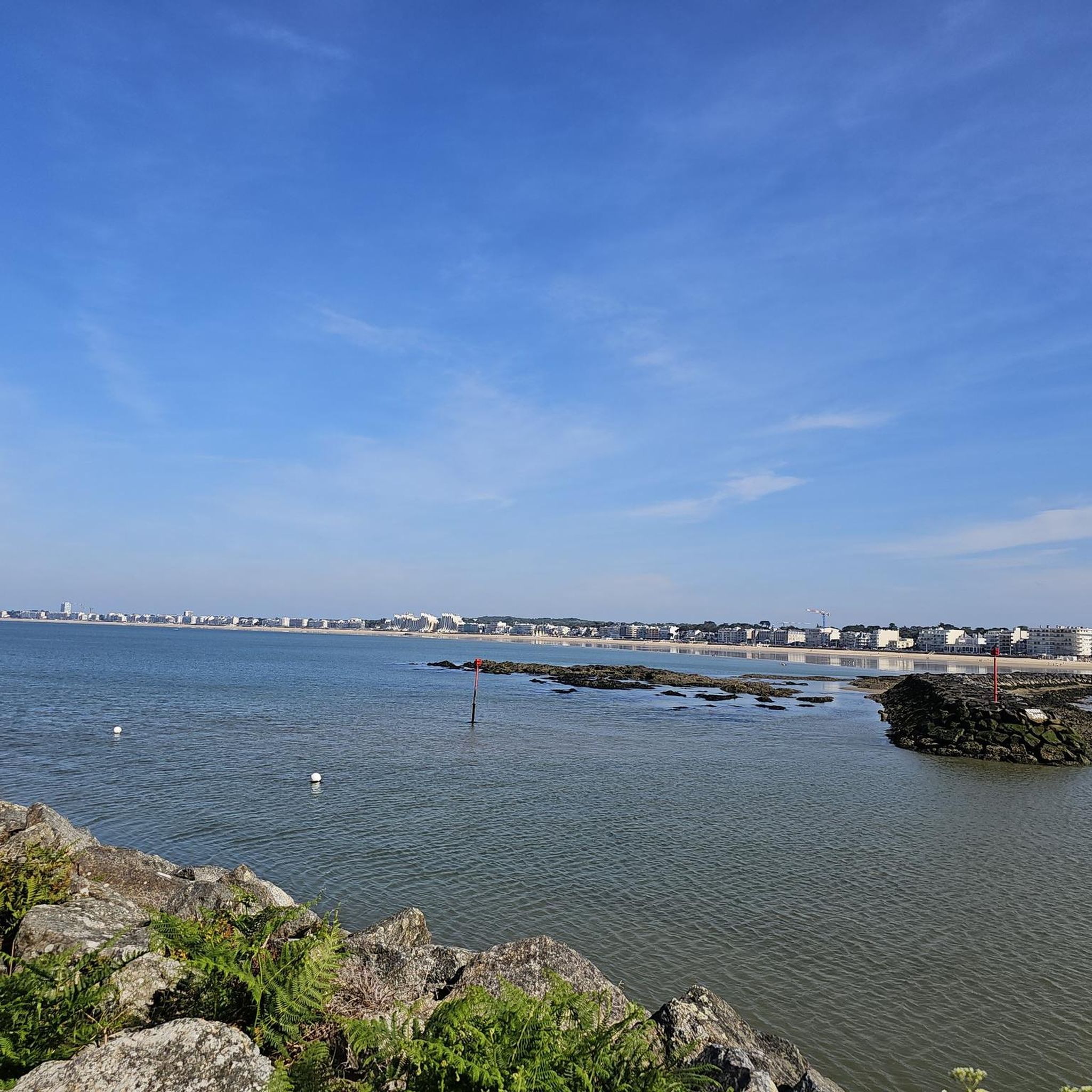
- The most popular natural monuments is Chemoulin Point, a viewpoint that offers…
Last updated: October 5, 2026
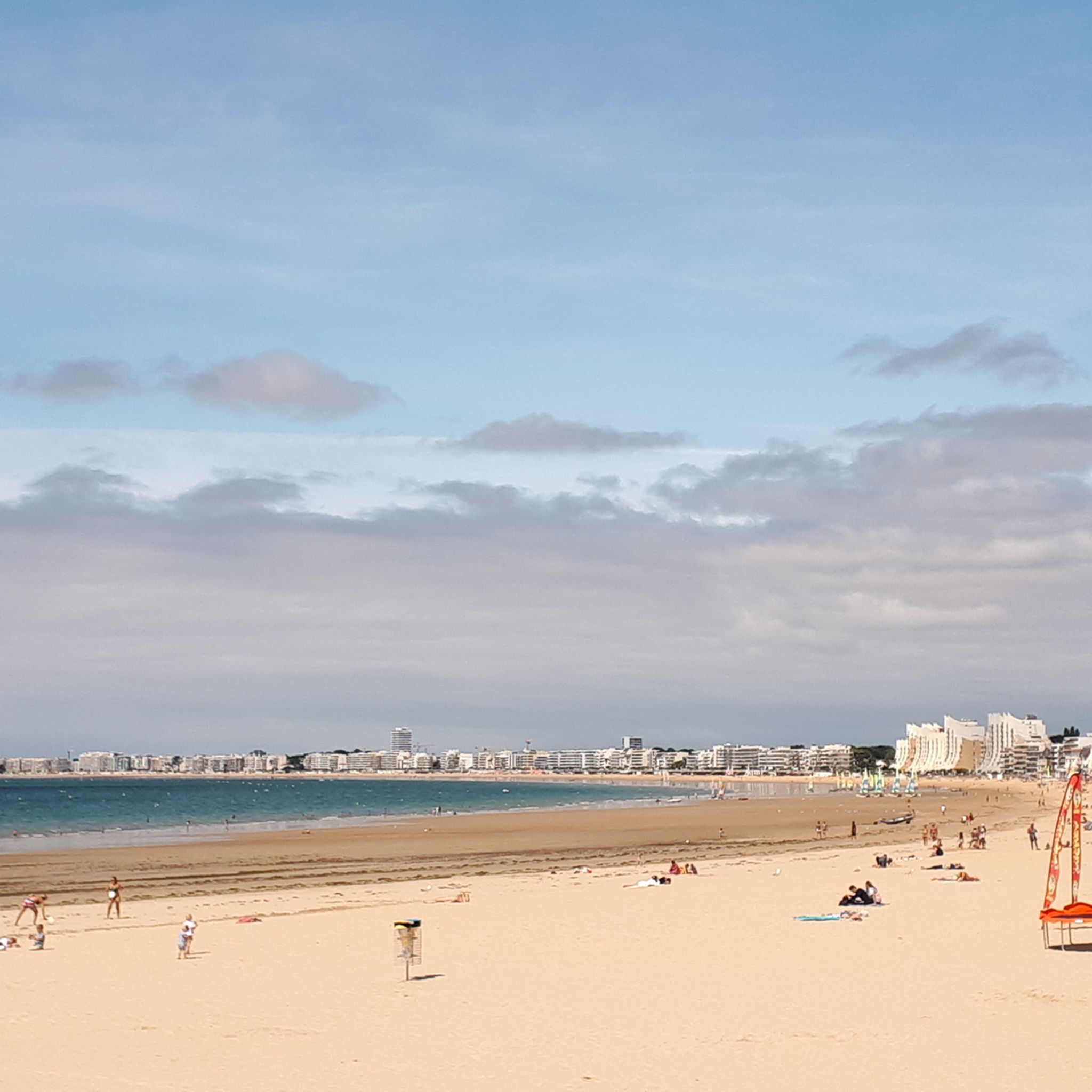
Tumulus of Dissignac
Highlight • Historical Site
Translated by Google •
Tip by

Dolmens of Kerbourg
Highlight • Historical Site
Translated by Google •
Tip by

Sign up now to discover places like this
Get recommendations on the best single tracks, peaks, & plenty of other exciting outdoor places.
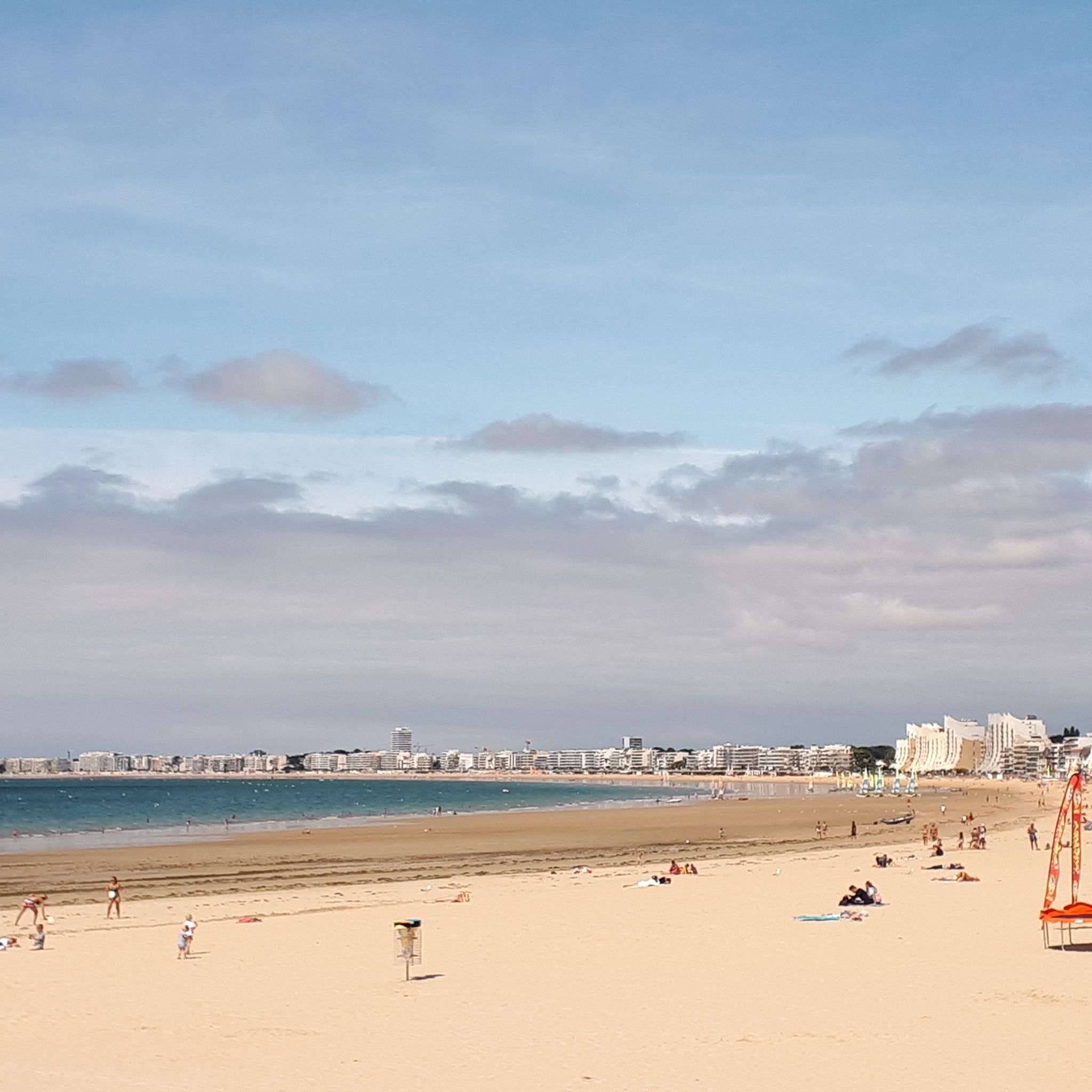
Saint Michael Menhir or Long Stone
Highlight • Beach
Translated by Google •
Tip by

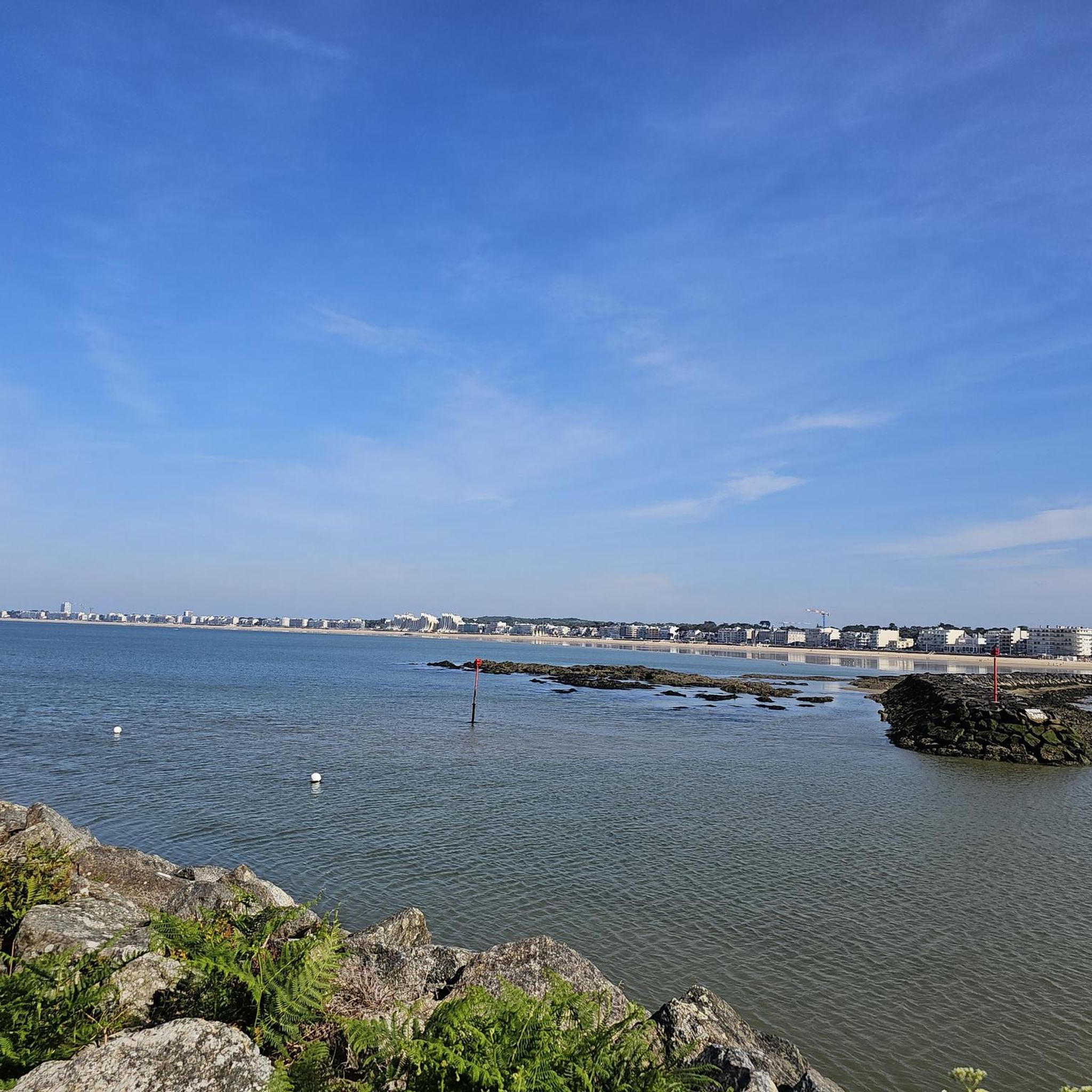
Port of Bréca
Highlight • Natural Monument
We tested them on May 20. It was just awful!
You had to push our bikes in several places where …
Translated by Google •
Tip by

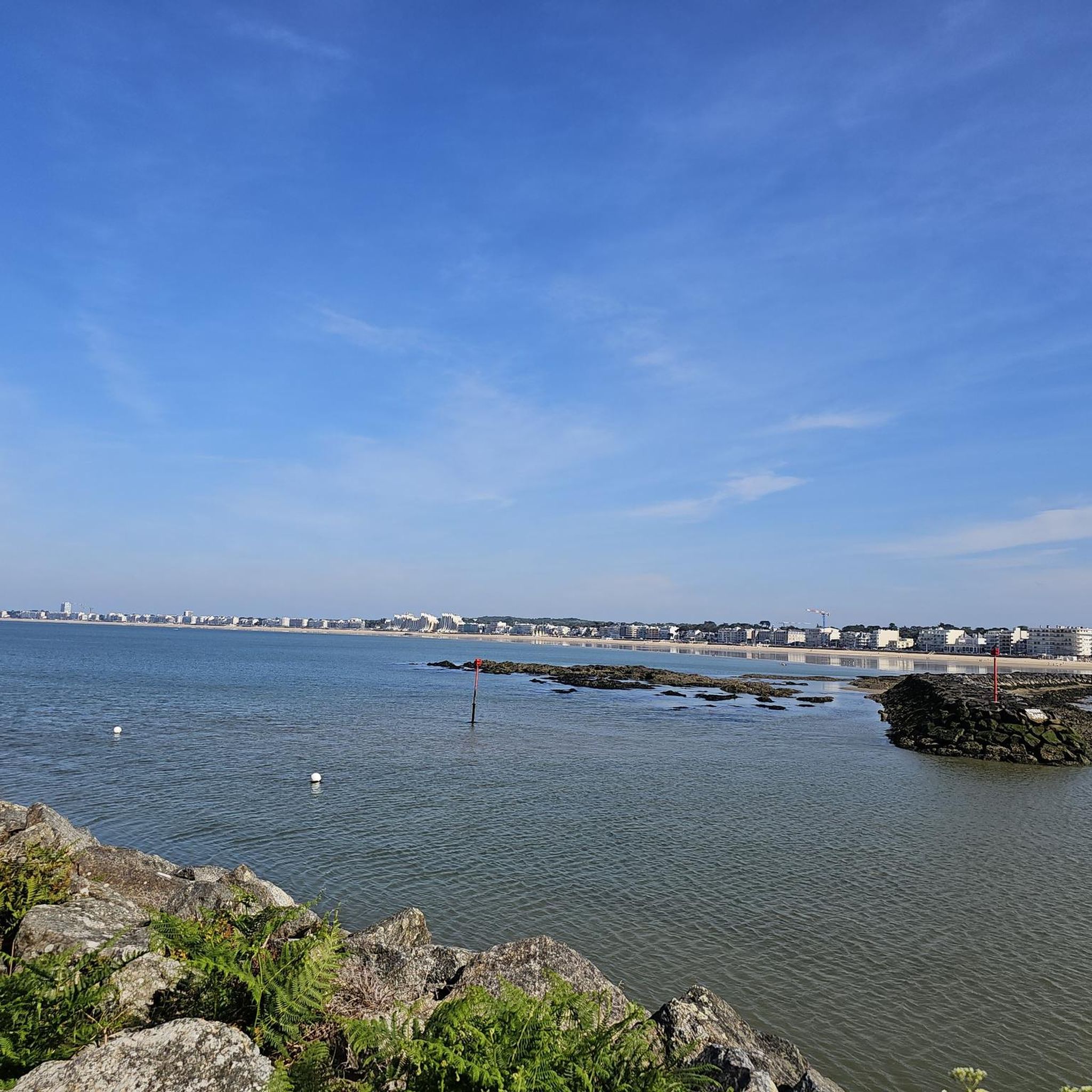
Chemoulin Point
Highlight • Viewpoint
Translated by Google •
Tip by

Sign up for free to discover even more natural monuments around Pornichet.
Already have an account?
Start today with a free account
Your next adventure awaits.

Tips from the Community

A proud 2.40-meter menhir, which seems to watch over the beach and bathers
0
0
Impressive dolmen. You will find a second dolmen a few dozen meters further, but this one has fallen to the ground.
0
0
Pretty port, with a beautiful view of the marshes
0
0
This megalithic tomb, built around 4300 BC, is the oldest monument in Loire Atlantique, dating back over 6,000 years.
0
0

Actually, it's more of an allée couverte—but I don't even want to know what Komoot translates into. Fifty meters further on, there's a second collapsed dolmen.
1
0

The menhir stands on a rock called the Tombeau du Diable, which itself covers the Trou du Diable. The rock is said to be the one where Saint-Michel confronted and defeated the Devil. According to legend, a treasure was buried at its foot by a child or a salt worker after having stolen it from the Korrigans cave, on the wild coast of Pouliguen. Until the 1870s-80s, tradition dictated that young girls from the village would come to consult this menhir around August 15. Through rounds and songs around the Long Stone, they asked for their projects to come true, including marriage. If by misfortune one of the dancers touched the stone, she would not get married within the year
1
1

Impressive dimensions. It is hidden away in a dead end street and absolutely worth seeing. In the immediate vicinity there is another dolmen, a pretty old mill and great little houses with thatched roofs.
0
0

Worth seeing dolmen. Just follow the path from the road 150m. After another 50m there is another "fallen" dolmen on the left side.
0
0
Frequently Asked Questions
What are the most popular natural monuments to visit around Pornichet?
Visitors frequently enjoy the diverse natural monuments in the area. Highly recommended spots include Chemoulin Point for its stunning 180-degree coastal views, the Port of Bréca which offers an immersive experience into a distinctive wetland ecosystem, and the ancient Tumulus of Dissignac, a 6000-year-old Neolithic burial mound.
Are there any historical or archaeological natural monuments near Pornichet?
Yes, the region is rich in historical natural monuments. The Tumulus of Dissignac is a significant archaeological site, a 6000-year-old Neolithic burial mound that offers guided tours during the summer months. Additionally, the Saint Michael Menhir or Long Stone, located on a beach, carries local legends and historical significance.
What kind of natural features can I expect to see around Pornichet?
Pornichet offers a wide array of natural features. You can explore sandy beaches like Plage des Libraires, rocky coves and tidal pools at Plage de Bonne Source, and secluded stretches at Plage Sainte-Marguerite. Inland, the Brière Regional Natural Park presents expansive marshlands and canals, while the Guérande Salt Marshes showcase unique salt production landscapes. Coastal paths like the Sentier des Douaniers reveal rugged cliffs, hidden coves, and panoramic viewpoints such as Chemoulin Point.
What outdoor activities can I do near these natural monuments?
The area around Pornichet is excellent for various outdoor activities. You can enjoy scenic walks along the coastal paths, explore the Brière Regional Natural Park by traditional flat-bottomed boat, or cycle through the Guérande Salt Marshes. For more structured routes, consider gravel biking, cycling, or road cycling on routes that pass by many natural attractions.
Are there family-friendly natural monuments or activities in Pornichet?
Absolutely! Many natural monuments are suitable for families. Pornichet's beaches, especially Plage des Libraires, are ideal for families with soft sand and easy access. The Parc Paysager de Pornichet offers a 15-hectare space with walking trails, play areas, and educational exhibits on renewable energy. The Tumulus of Dissignac provides an engaging historical experience with guided tours for older children, and the Brière Regional Natural Park offers boat tours that are fun for all ages.
What is the best time to visit the natural monuments around Pornichet?
The best time to visit largely depends on your preferred activities. Summer (July and August) is ideal for beach activities, water sports, and guided tours at sites like the Tumulus of Dissignac. Spring and autumn offer pleasant temperatures for walking, cycling, and birdwatching in the Brière Regional Natural Park, with fewer crowds. Winter can be serene for coastal walks, though some services might be limited.
Are there any natural monuments with good viewpoints for scenic photography?
Yes, the region offers several excellent viewpoints. Chemoulin Point provides a spectacular 180-degree panorama from Pouliguen to Saint-Brévin. The coastal path (Sentier des Douaniers) leading to Pointe du Bé also features numerous spots with breathtaking views of the Atlantic, rugged cliffs, and hidden coves. You can also find scenic views from the Saint Michael Menhir beach and the View of the Grotte de la Bonne Vierge.
Can I explore the natural monuments with my dog?
Many natural areas around Pornichet are dog-friendly, especially coastal paths and larger parks like the Parc Paysager de Pornichet. However, specific rules may apply to beaches during peak season or within protected areas like the Brière Regional Natural Park. It's always advisable to keep your dog on a leash and check local signage for any restrictions.
Are there any accessible natural monuments for people with disabilities?
Pornichet strives to make its natural beauty accessible. Plage des Libraires, the town's main beach, is known for being accessible for people with disabilities, offering a long stretch of sand and a lively promenade. While many coastal paths can be rugged, the Parc Paysager de Pornichet offers well-maintained walking trails that are generally accessible.
What do visitors enjoy most about the natural monuments in Pornichet?
Visitors particularly appreciate the diverse landscapes, from the vibrant beaches and dramatic coastal views at Chemoulin Point to the tranquil wetlands of the Brière Regional Natural Park. The blend of natural beauty with historical sites like the Tumulus of Dissignac also receives high praise, offering a rich and varied experience for all interests.
Are there opportunities for birdwatching near Pornichet's natural monuments?
Yes, the Brière Regional Natural Park, located a short drive from Pornichet, is one of France's largest wetlands and an exceptional spot for birdwatching. Its marshlands, reeds, and intricate canals provide a habitat for abundant birdlife, making it a prime destination for nature enthusiasts and birdwatchers.
Where can I find cafes or accommodation near the natural monuments?
Pornichet's main beaches, particularly Plage des Libraires, have a lively promenade with easy access to cafés and restaurants. Along the coastal path towards Pointe du Bé, you'll find the historic Château des Tourelles, now a hotel with ocean views. For other natural monuments, you'll typically find amenities in the nearby towns and villages, such as those surrounding the Brière Regional Natural Park or the Guérande Salt Marshes.
Most popular routes around Pornichet
Most popular attractions around Pornichet

Get inspired with the komoot mobile app


Explore more
Extend your search for the best caves by checking out these guides of the top ones around Pornichet:
