Top 4 Natural Monuments around Le Croisic
Best natural monuments around Le Croisic are characterized by a rugged coastline, unique geological formations, and significant historical sites. The area features dramatic granite cliffs, hidden beaches, and ancient standing stones. This region offers diverse natural landscapes, from coastal paths to unique wetland ecosystems. It provides opportunities to explore both natural beauty and cultural heritage.
Best natural monuments around Le Croisic
- The most popular natural monuments is Guérande Salt Marshes, a wetland area historically used for sea salt production.…
Last updated: May 20, 2026
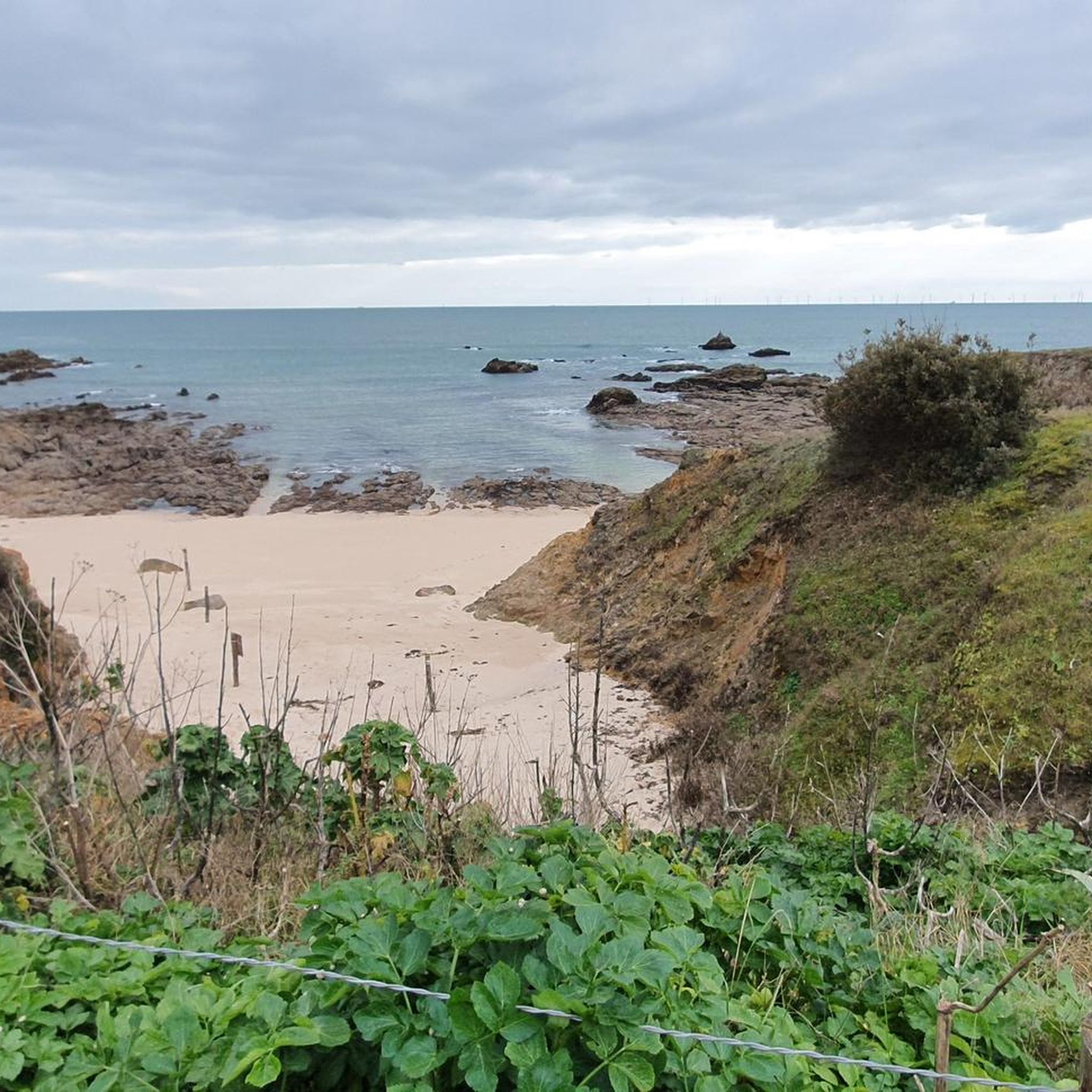
Long Stone
Highlight • Monument
Translated by Google •
Tip by

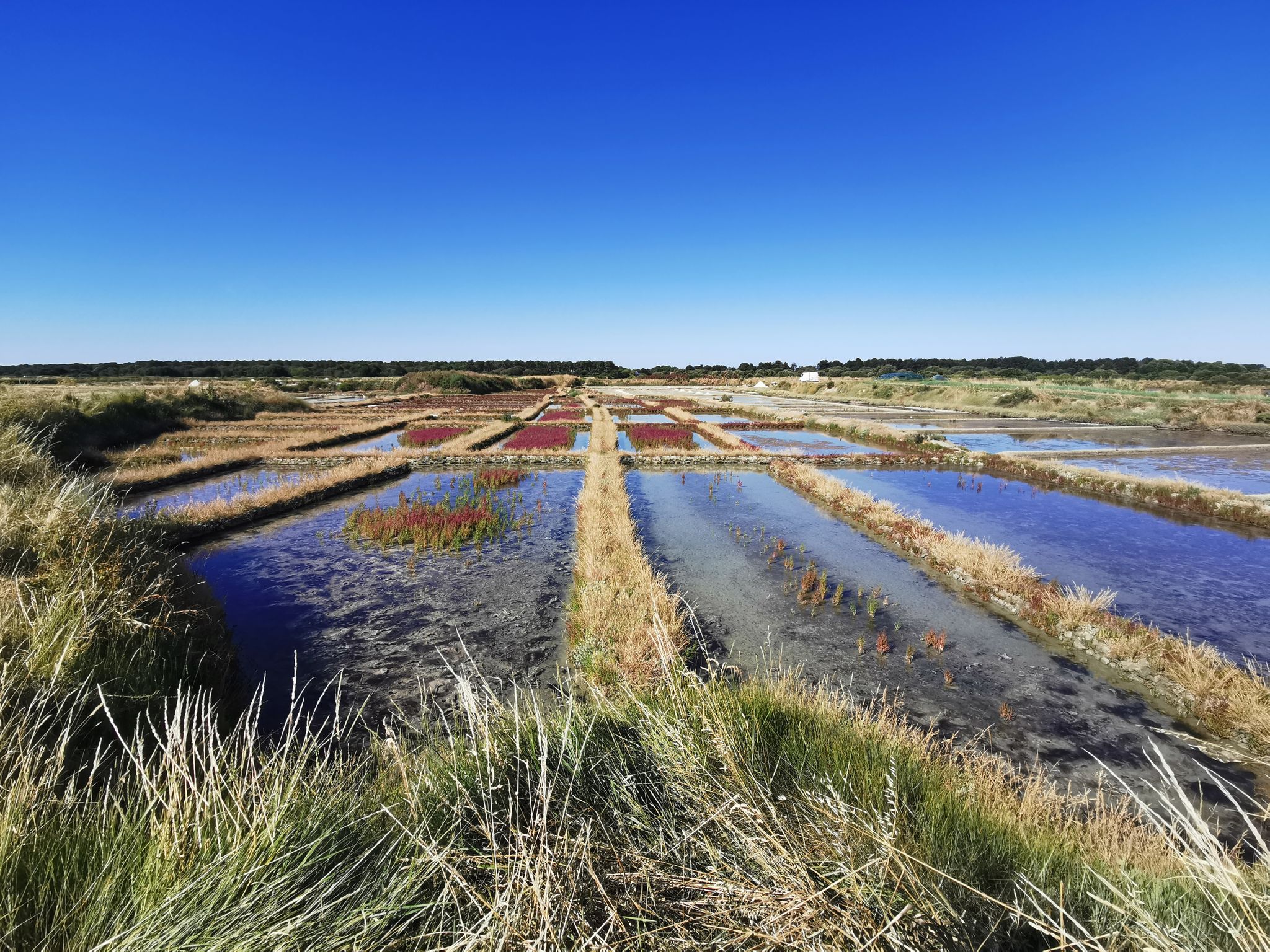
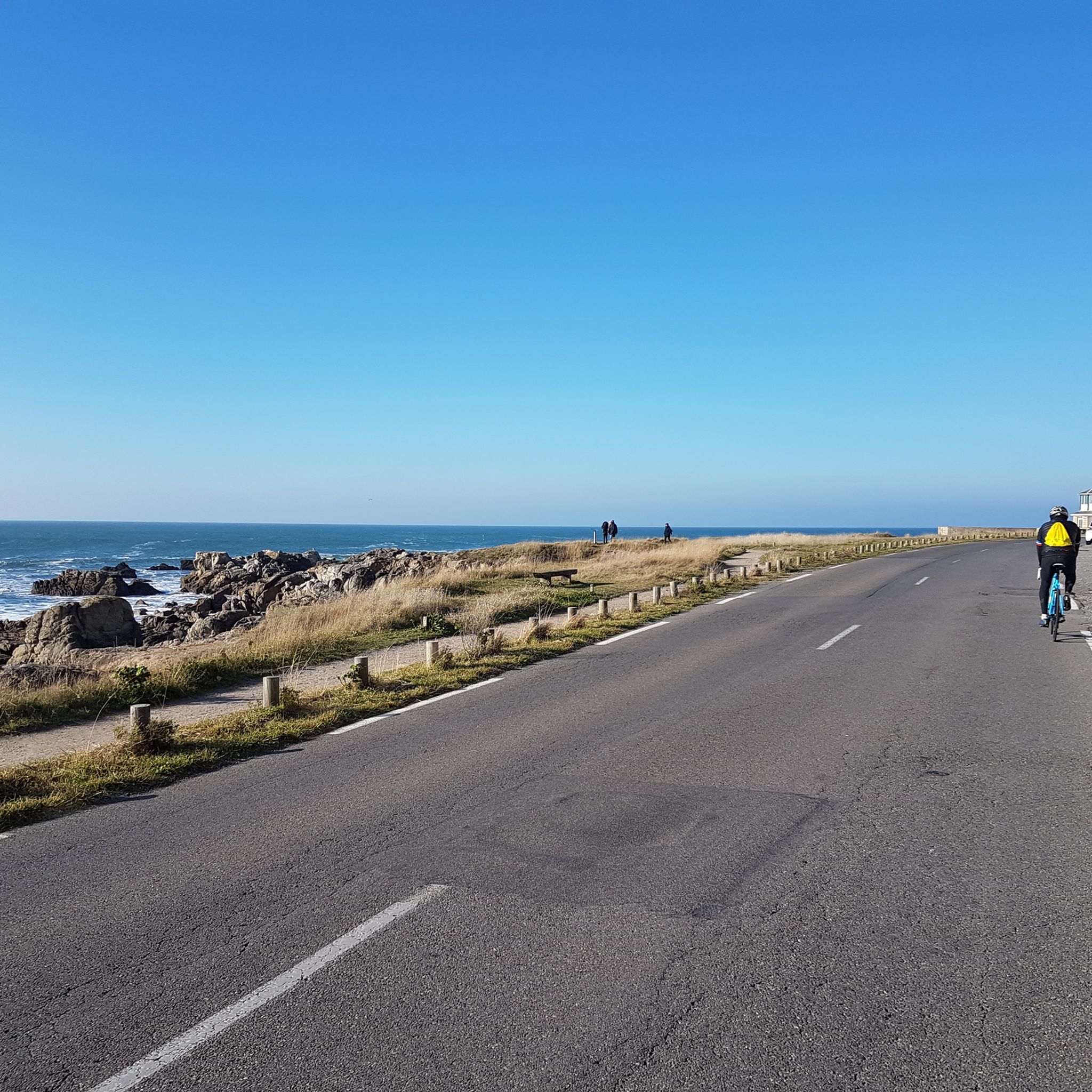
Guérande Salt Marshes
Highlight • Structure
Tip by

Sign up now to discover places like this
Get recommendations on the best single tracks, peaks, & plenty of other exciting outdoor places.
Sign up for free
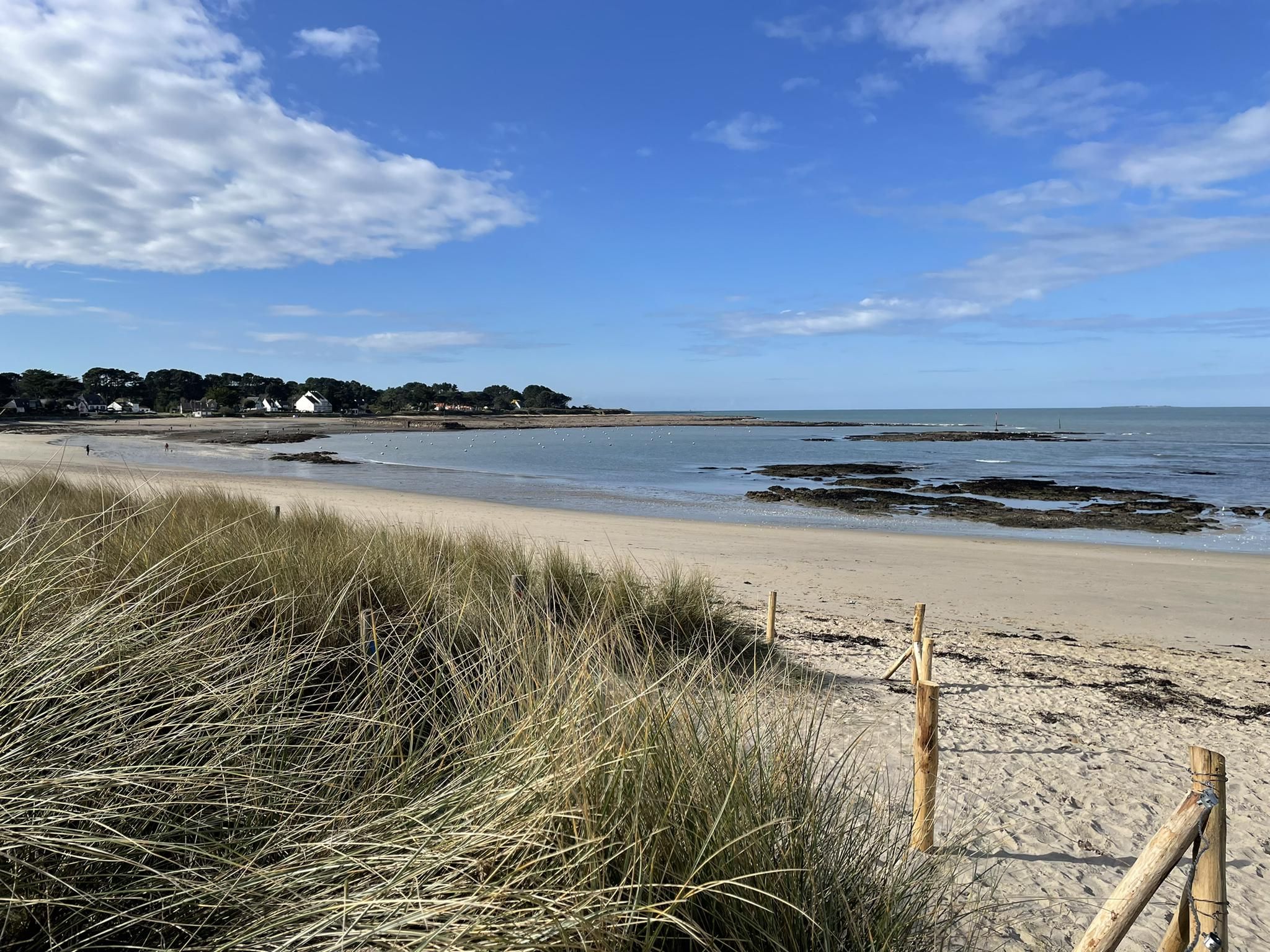
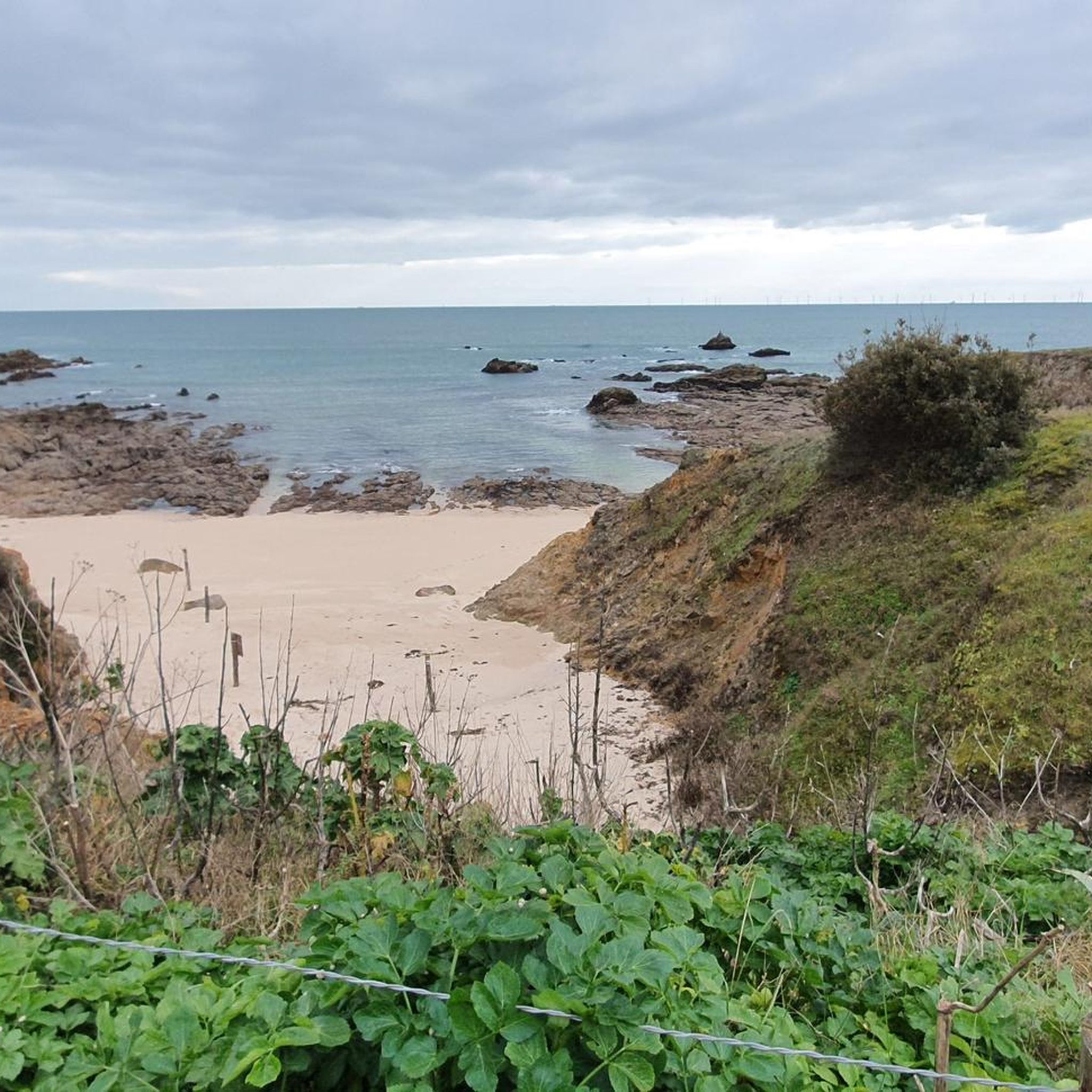
Saint Michael Menhir or Long Stone
Highlight • Beach
Translated by Google •
Tip by

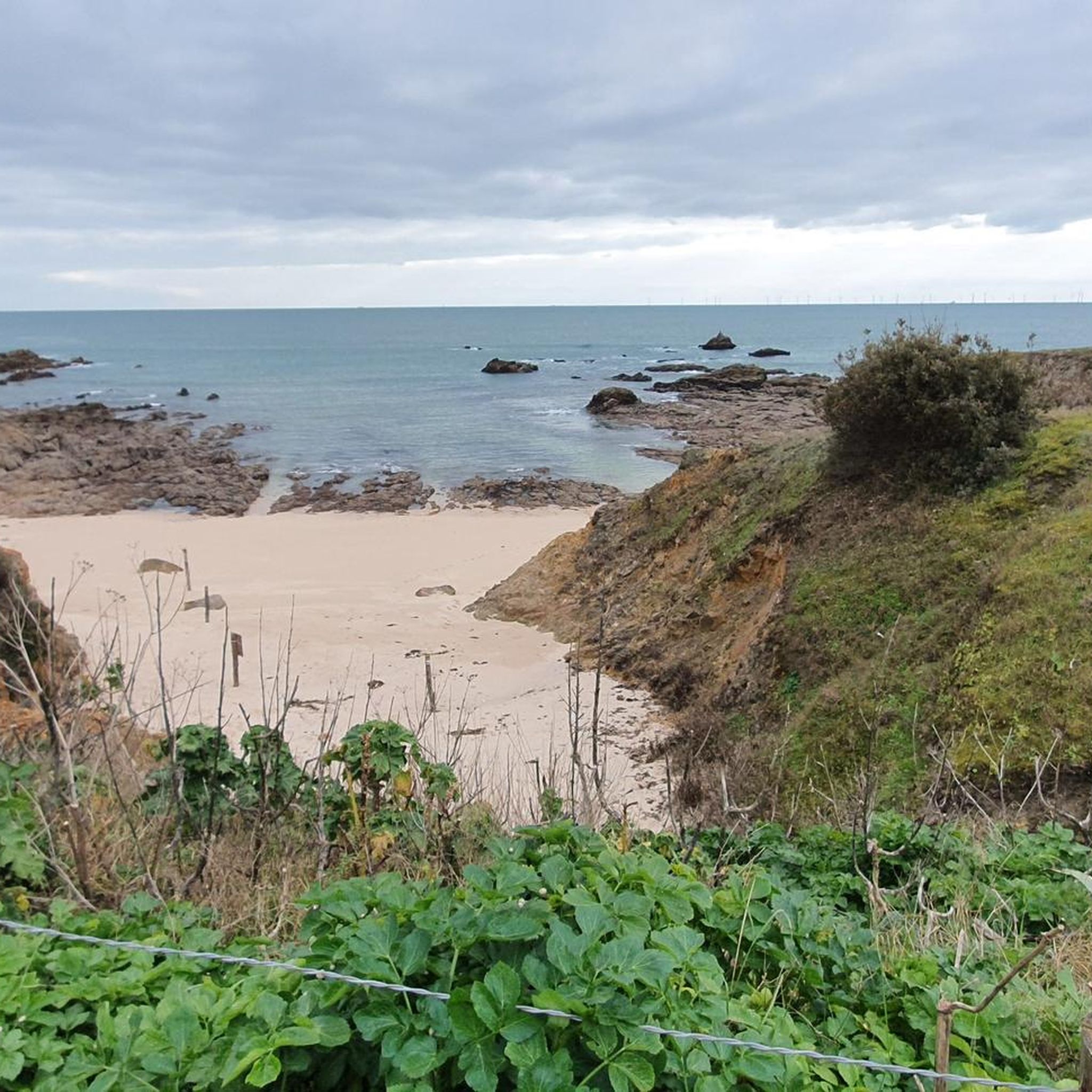
Pointe de Pen-Bron
Highlight • Natural Monument
Translated by Google •
Tip by

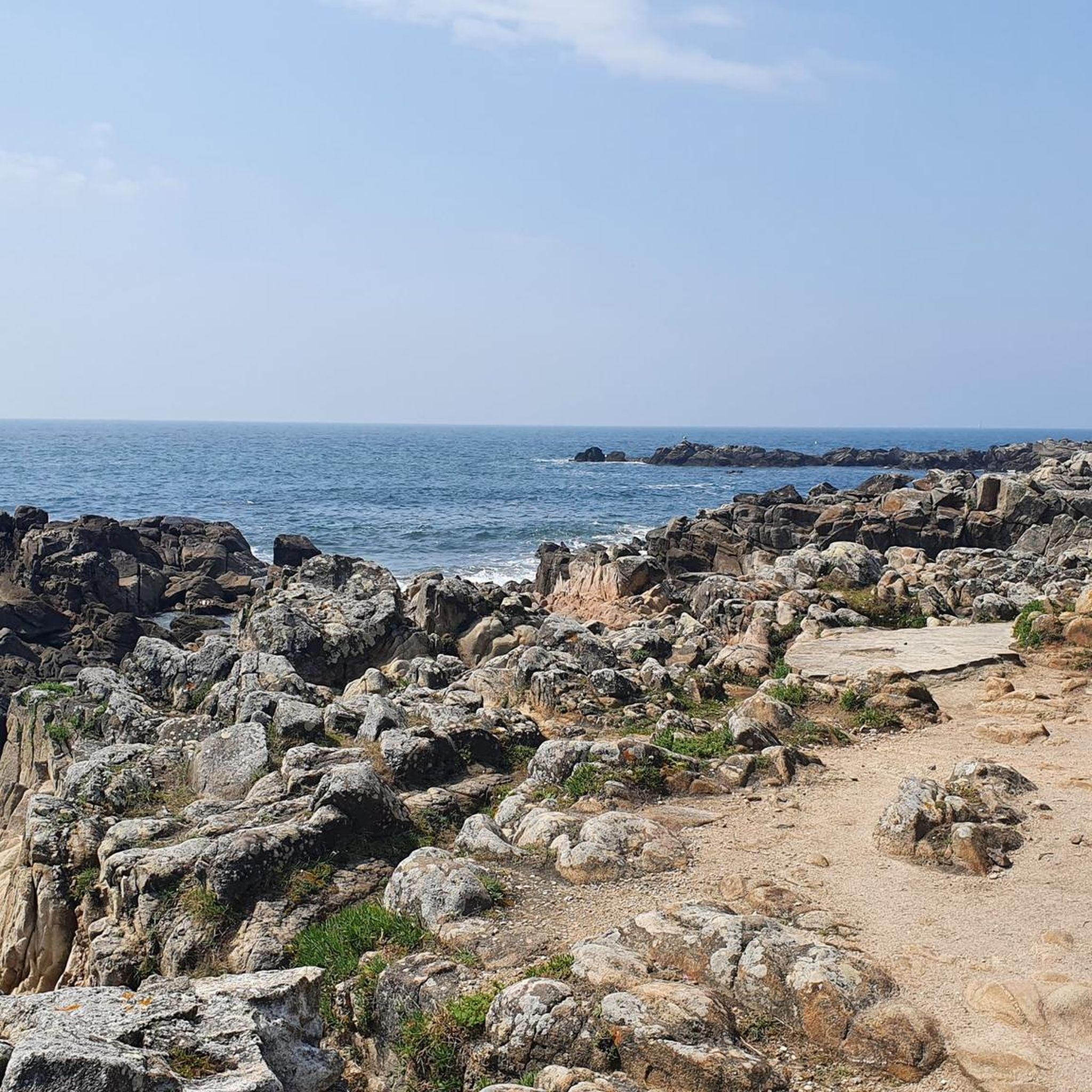
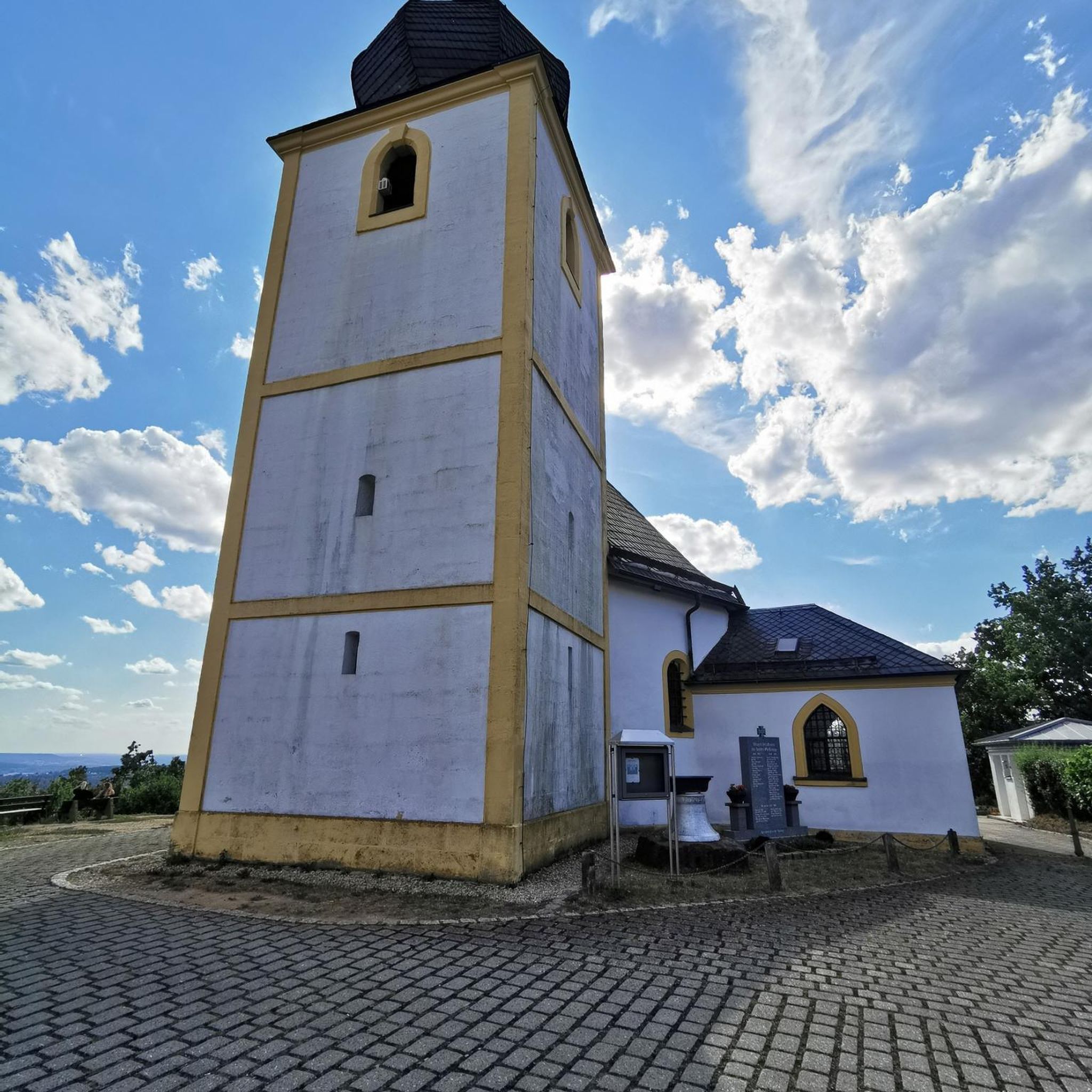
Rock Arch at Pointe du Castelli
Highlight • Natural Monument
Translated by Google •
Tip by
Sign up for free to discover even more natural monuments around Le Croisic.
Sign up for free
Already have an account?
Start today with a free account
Your next adventure awaits.
Login or Signup


Tips from the Community


A small additional highlight on the beautiful path along the Côte Sauvage.
0
0

The menhir stands on a rock called the Tombeau du Diable, which itself covers the Trou du Diable. The rock is said to be the one where Saint-Michel confronted and defeated the Devil. According to legend, a treasure was buried at its foot by a child or a salt worker after having stolen it from the Korrigans cave, on the wild coast of Pouliguen. Until the 1870s-80s, tradition dictated that young girls from the village would come to consult this menhir around August 15. Through rounds and songs around the Long Stone, they asked for their projects to come true, including marriage. If by misfortune one of the dancers touched the stone, she would not get married within the year
0
1

The Pierre Longue or Signal menhir is a menhir located in the commune of Le Croisic, in the French department of Loire-Atlantique. https://fr.m.wikipedia.org/wiki/Pierre_Longue_(Le_Croisic)
0
0

It no longer appears to be accessible as part of the access road is closed.
0
0

Bike barge only really runs on weekends in June. Don’t get caught out like I did and have to ride all the way round/through the salt marshes in the evening wind and rain.
0
0

Frequently Asked Questions
What are the most popular natural monuments to visit around Le Croisic?
Visitors frequently enjoy the Guérande Salt Marshes, known for their historical sea salt production and rich biodiversity. Another favorite is Pointe de Pen-Bron, a sandy peninsula offering expansive views towards Le Croisic. The ancient Long Stone, a menhir with a beautiful view of the wild coast, is also highly appreciated.
Are there any family-friendly natural monuments in the Le Croisic area?
Yes, several natural monuments are suitable for families. The Guérande Salt Marshes offer an engaging experience to learn about traditional salt production and observe wildlife. The Saint Michael Menhir or Long Stone is located on a beautiful beach, providing a scenic spot for all ages. Additionally, the Côte Sauvage offers many accessible points for walks and exploration.
What kind of geological features can I expect to see along the coast of Le Croisic?
The coastline around Le Croisic, particularly the Côte Sauvage, is characterized by dramatic granite cliffs and unique rock formations sculpted by the Atlantic Ocean. You can observe features with evocative names like "Le Dormeur" (The Sleeper) and "Les Aiguilles" (The Needles). The Rock Arch at Pointe du Castelli is another notable geological formation, offering flat, smooth rocks and boulder playgrounds, especially at low tide.
Are there historical sites among the natural monuments in Le Croisic?
Absolutely. The Long Stone (Menhir de la Pierre Longue) is a significant Neolithic monument, classified as a historical monument since 1887. It originally served as a navigational beacon for sailors. The Saint Michael Menhir or Long Stone also carries rich local legends and historical traditions.
What outdoor activities can I do near the natural monuments around Le Croisic?
The region offers a variety of outdoor activities. You can explore numerous running trails, such as the 'Route du Dervin – Côte sauvage du Croisic loop' or the 'Saint-Goustan Beach – Port Charly loop'. For cyclists, there are road cycling routes like the 'Salines – Guérande salt marshes loop' and touring bicycle options like the 'Ocean Fort – Jumel Bay loop'. You can find more details on these activities in the Running Trails around Le Croisic, Road Cycling Routes around Le Croisic, and Cycling around Le Croisic guides.
Can I go hiking along the Côte Sauvage in Le Croisic?
Yes, the Côte Sauvage is ideal for hiking. The "Sentier des Douaniers" (Customs Officers' Path) offers stunning panoramic views of the Atlantic along this rugged coastline. This path allows you to discover dramatic granite cliffs, hidden beaches, and unique rock formations.
What is the Traict du Croisic and why is it worth visiting?
The Traict du Croisic is a unique inland sea situated between the ocean and the nearby marshes. It's remarkable for its traditional shellfish farming, particularly oysters, cockles, and clams, which have thrived there for over a century. At low tide, it transforms into a vast sandy expanse. It's an excellent spot for birdwatching and observing the rich biodiversity of a maritime marshland.
What is the best time to visit the natural monuments in Le Croisic?
The natural monuments around Le Croisic are beautiful year-round. Spring and autumn offer pleasant temperatures for hiking and cycling along the coast, with fewer crowds. Summer is popular for enjoying the beaches and coastal activities. Even in winter, the rugged coastline provides dramatic scenery and a serene atmosphere, though some services might be limited.
Are there opportunities for birdwatching near Le Croisic's natural monuments?
Yes, the region is excellent for birdwatching. The Côte Sauvage, with its diverse habitats like dunes and salt-laden grasses, supports a rich variety of flora and fauna, including seabirds. The Traict du Croisic and the Guérande Salt Marshes are particularly significant for birdwatching, attracting numerous species to their tidal flats and wetland ecosystems.
What do visitors enjoy most about the natural monuments around Le Croisic?
Visitors particularly enjoy the dramatic coastal scenery, the historical significance of the ancient menhirs, and the unique cultural landscape of the salt marshes. Many appreciate the opportunities for scenic walks, photography, and immersing themselves in the unspoiled natural environment. The chance to try local sea salt from the Guérande Salt Marshes is also a highlight for many.
Is it possible to explore the Guérande Salt Marshes and learn about salt production?
Yes, the Guérande Salt Marshes offer a unique opportunity to learn about traditional and sustainable salt production techniques that have been used for centuries. Visitors can often take guided tours to understand the process and discover the famous "fleur de sel" in this distinctive natural and cultural landscape.
Most popular routes around Le Croisic
Most popular attractions around Le Croisic

Get inspired with the komoot mobile app


Explore more
Extend your search for the best caves by checking out these guides of the top ones around Le Croisic:
