Top 9 Natural Monuments around La Trinité
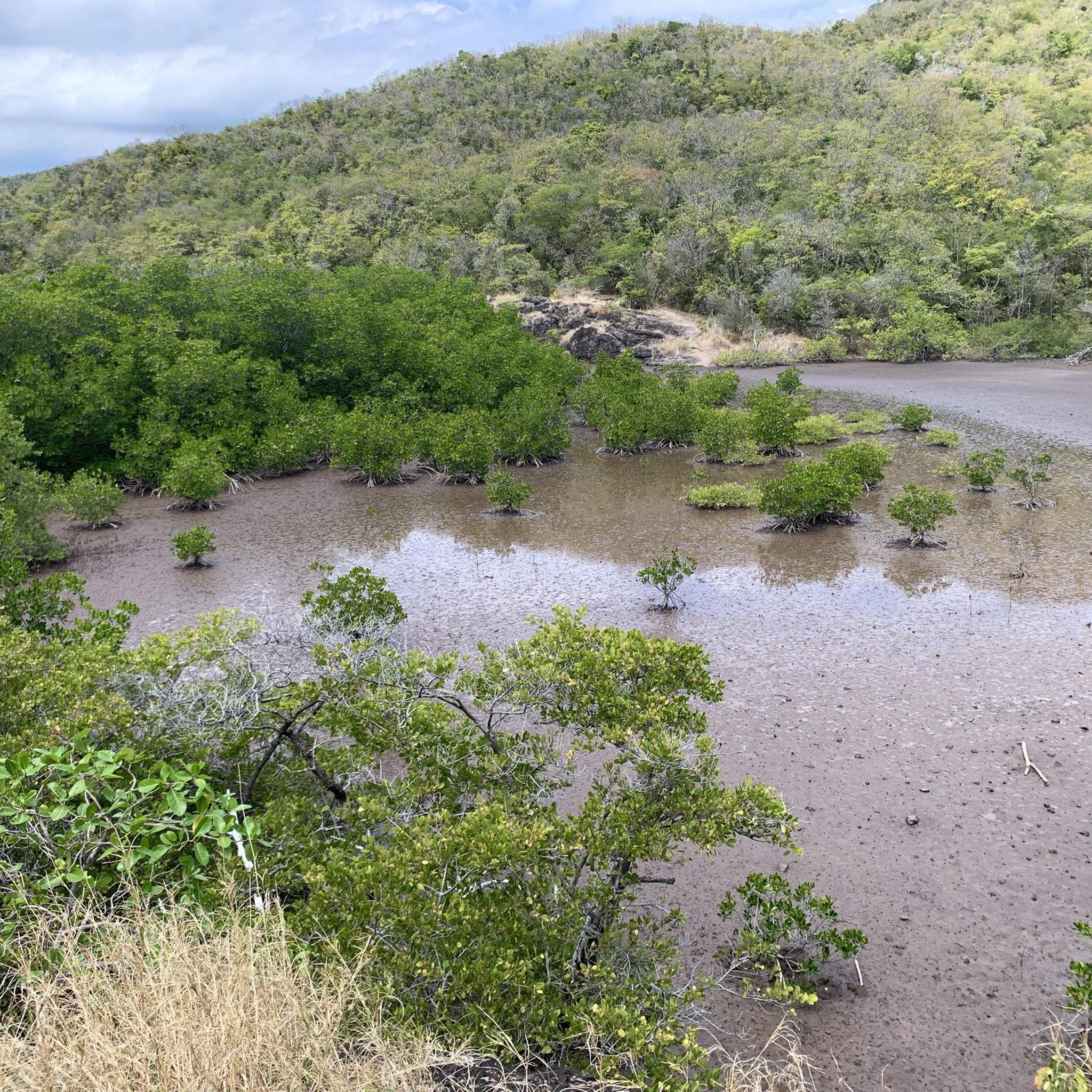
Best natural monuments around La Trinité showcase the unique biodiversity and geological features of Martinique's Atlantic coast. The region is characterized by its diverse landscapes, including tropical dry forests, mangroves, and rocky coastlines. These natural sites offer opportunities to observe endemic flora and fauna within protected areas. The geological history of the Caravelle peninsula, considered the oldest part of Martinique, adds to the significance of these natural formations.
Best natural monuments around La Trinité
- The most popular natural monuments is…
Last updated: July 2, 2026
Mount Pelée Trail
Highlight • Trail
Translated by Google •
Tip by

Caravelle Lighthouse
Highlight • Monument
Translated by Google •
Tip by

Sign up now to discover places like this
Get recommendations on the best single tracks, peaks, & plenty of other exciting outdoor places.
Sign up for free
Ascent to L'Aileron (Montagne Pelée)
Highlight • Climb
Translated by Google •
Tip by

Cliffs of La Trinité
Highlight • Natural Monument
Translated by Google •
Tip by
View of the Caravelle Peninsula coastline
Highlight • Viewpoint
Translated by Google •
Tip by
View of Baie du Trésor
Highlight • Viewpoint
Translated by Google •
Tip by

Morne Jacob
Highlight • Summit
Translated by Google •
Tip by

Gorges de la Falaise Waterfall
Highlight • Waterfall
Translated by Google •
Tip by

Anse Zaza Beach
Highlight (Segment) • Beach
to see the magic tree take the route on the map at the start of the hike. there are steep hills to climb. taking it slowly it’s good
Translated by Google •
Tip by

Start today with a free account
Your next adventure awaits.
Login or Signup
Tips from the Community

This is a protected reserve; avoid bringing your animals.
0
0

A very difficult hike; it's astonishing how many people are wearing inadequate footwear. Steep ascents and descents with high steps, often slippery due to the frequent cloud cover. The final section from the third refuge to the summit of "Le Chinois" is only recommended for experienced hikers, as it consists almost entirely of boulders. It's also advisable to wear long trousers, as you'll frequently be scraping along bushes. The detour of about 150 meters to the summit cross to the left of the arrival point on the crater rim is a good path, but unfortunately very overgrown. Nevertheless, it's an absolutely worthwhile detour because the cross offers a fantastic view south across the entire island, and you can also look down into the crater.
0
0
Difficult hike, unmaintained trails, broken steps, lots of climbing and crevasses on the way up. Very cloudy at the summit despite arriving around 7 a.m. But very beautiful view of the Caldera Pass.
0
0
Very nice hike. To be avoided if it has rained a lot, some passages can become tricky.
0
0

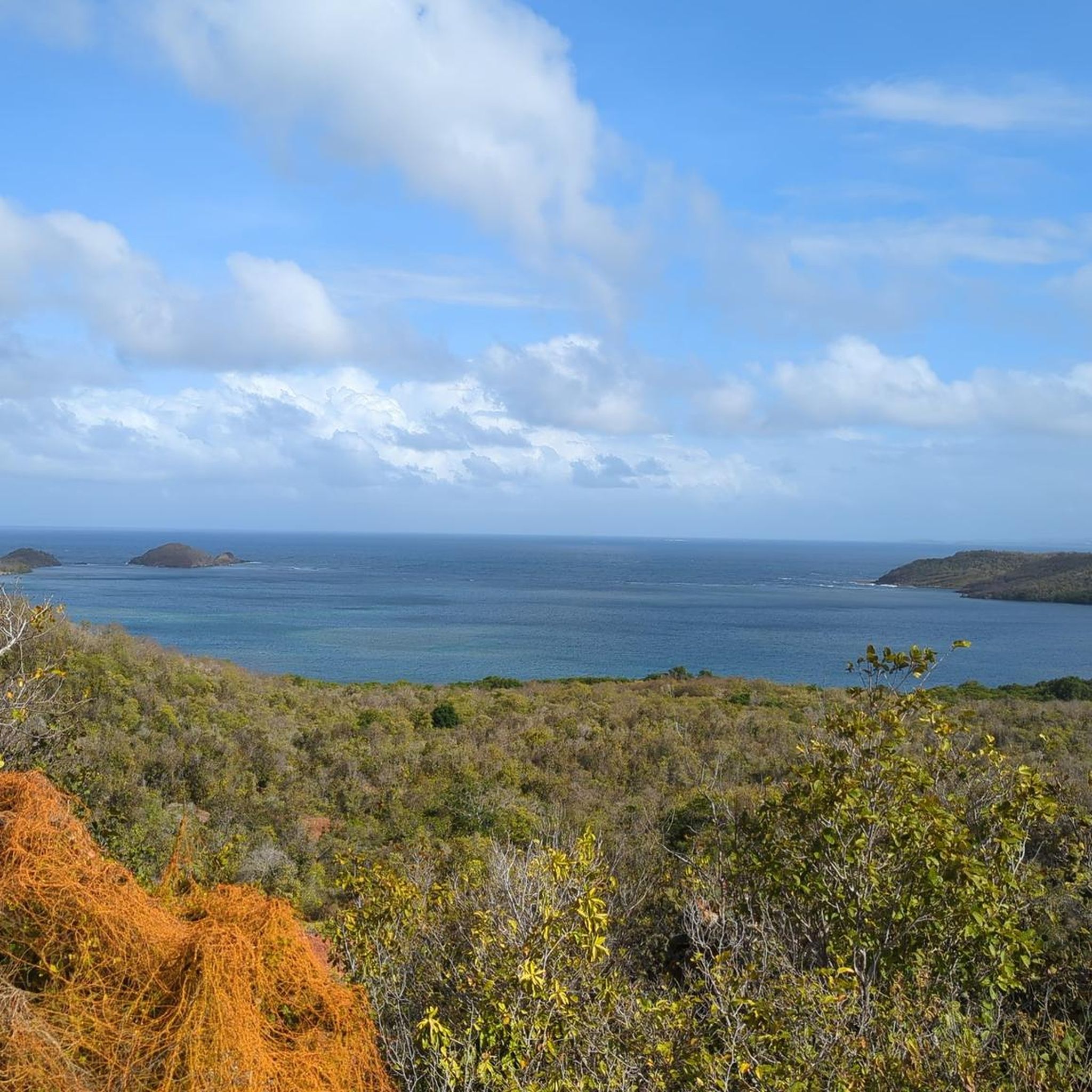
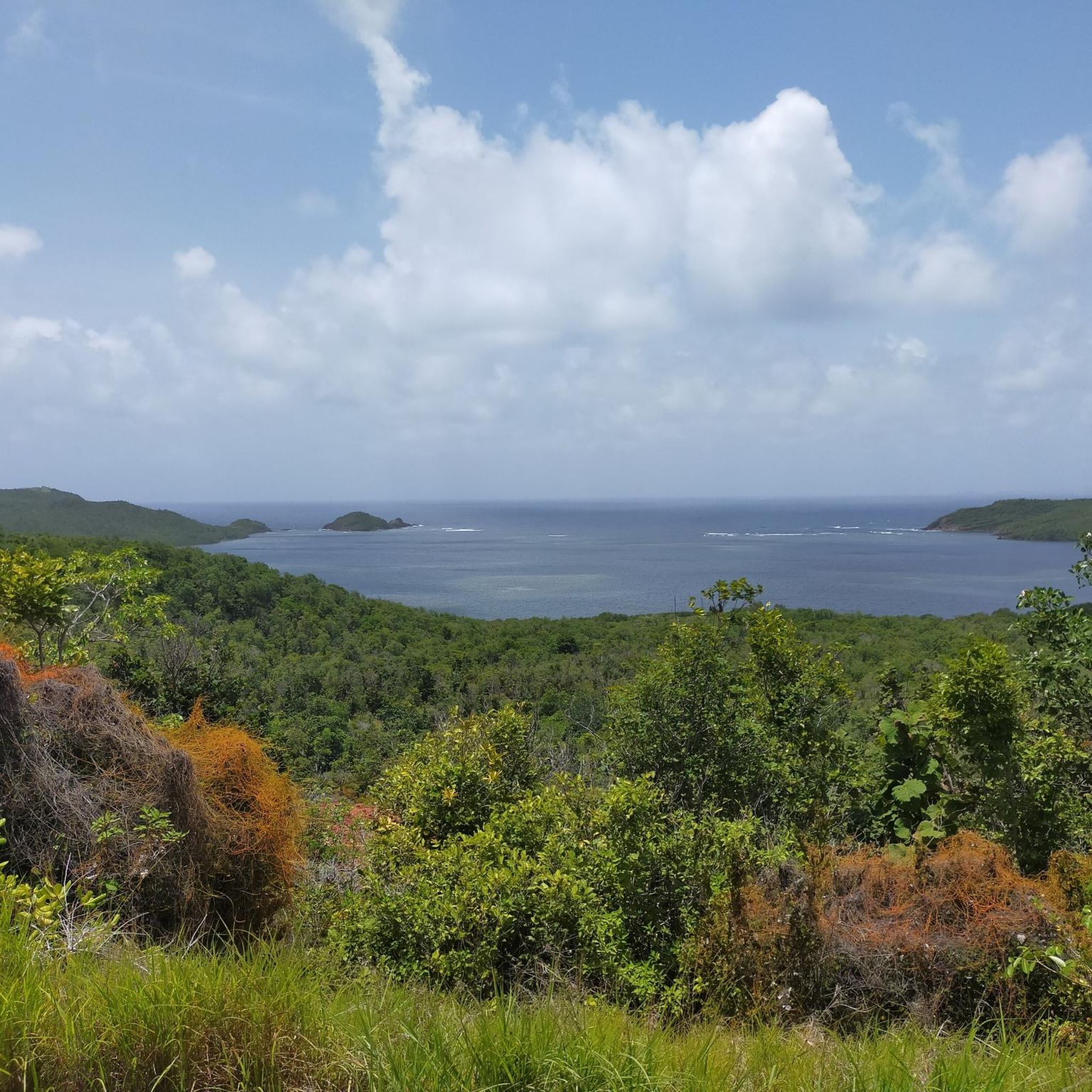
At the end of the Caravelle peninsula, there are magnificent views of the unspoiled coastline of this part of the island.
0
0

take enough water with you so you can enjoy the whole way
0
0

Perched above the Atlantic Ocean, these steep cliffs reveal breathtaking views of the rough sea and wild coastline. The trail along the cliffs winds through lush tropical vegetation, where mangroves, dry forests and secret coves mingle.
0
0
Frequently Asked Questions
What are the most unique natural phenomena to see around La Trinité?
One of the most unique natural phenomena is the Îlet Sainte-Marie and its Tombolo. This sand spit temporarily connects the islet to the mainland, typically visible from January to April. It's a rare geological formation where you can walk across the sandbar to the islet, an experience often described as walking on water.
Which natural monuments offer the best panoramic views in La Trinité?
For breathtaking panoramic views, visit the Caravelle Lighthouse, located at the tip of the Presqu'île de la Caravelle. From its 162.55-meter height, you can see the ocean and much of Martinique's coastline. Another excellent spot is the View of the Caravelle Peninsula coastline, offering magnificent vistas of the unspoiled Atlantic coast.
Are there family-friendly natural monuments or trails near La Trinité?
Yes, the Presqu'île de la Caravelle National Nature Reserve offers family-friendly options. A shorter 1.5-hour loop trail within the reserve allows exploration of the mangrove and dry forest, suitable for families. While the View of the Caravelle Peninsula coastline is a protected reserve, some sections of the trails within it are manageable for families, though it's advised to avoid visiting after heavy rain.
What kind of wildlife can I expect to see at the natural monuments?
The Presqu'île de la Caravelle National Nature Reserve is rich in biodiversity. You might spot endemic fauna such as crabs and tarantulas, along with various bird species like sucriers, Antillean crested hummingbirds, Martinique orioles, and white-breasted thrashers. The Îlet Sainte-Marie is also a classified protected natural reserve, particularly important for nesting birds like the rare Dougall's terns, which is why access is restricted from April to August.
What are the hiking difficulty levels for trails around La Trinité's natural monuments?
Hiking difficulties vary. Trails within the Presqu'île de la Caravelle National Nature Reserve range from a 1.5-hour loop (easier) to a 3.5-hour trail along the wild coastline (more challenging). The Cliffs of La Trinité trail is rated intermediate. For more challenging ascents, consider the Mount Pelée Trail or the Ascent to L'Aileron (Montagne Pelée), both rated intermediate, or the Morne Jacob summit, which is challenging.
What is the best time of year to visit the natural monuments around La Trinité?
The best time to visit depends on what you want to see. The Tombolo of Sainte-Marie is typically accessible only from January to April. Generally, the dry season (roughly December to May) offers more pleasant weather for hiking and exploring. During the wet season (June to November), some trails, especially those near the Caravelle Peninsula coastline, can become tricky due to rain.
Are there any historical sites integrated with the natural monuments?
Yes, within the Presqu'île de la Caravelle National Nature Reserve, you'll find the ruins of Château Dubuc. While primarily historical, these ruins serve as a starting point for hikes and offer beautiful views of Trésor Bay, blending natural beauty with historical intrigue.
Can I find beaches near the natural monuments for relaxation?
Yes, the region offers coastal natural monuments. The Anse Zaza Beach is a natural monument itself, providing a scenic spot for relaxation. Additionally, the Presqu'île de la Caravelle National Nature Reserve features rocky coasts and cliffs, with some hidden coves along its trails.
What outdoor activities, besides hiking, can I do near these natural monuments?
Beyond hiking, you can explore various outdoor activities. For cycling enthusiasts, there are numerous Road Cycling Routes around La Trinité and MTB Trails around La Trinité. If you enjoy running, you'll find several Running Trails around La Trinité that allow you to experience the diverse landscapes.
Is public transport available to reach the natural monuments?
While specific public transport routes directly to all natural monuments can be limited, the Presqu'île de la Caravelle National Nature Reserve is a well-known area. It's advisable to check local transport options or consider renting a car for more flexible access to the various sites, especially those further afield like the Îlet Sainte-Marie.
What should I wear or bring for a hike to these natural monuments?
Given the tropical climate and varied terrain, it's recommended to wear comfortable hiking shoes, bring plenty of water, especially for longer trails like the Caravelle Lighthouse hike, and wear sun protection (hat, sunscreen). Light, breathable clothing is ideal. If hiking during the wet season, waterproof gear might be useful.
Are dogs allowed on trails within the natural monuments?
Policies vary by specific location. For instance, the View of the Caravelle Peninsula coastline, which is part of a protected reserve, advises against bringing animals to protect the local wildlife and ecosystems. Always check specific regulations for each natural monument you plan to visit.
What makes the Caravelle Peninsula geologically significant?
The Caravelle peninsula is considered the oldest geological part of Martinique. Its diverse landscapes, including tropical dry forest, mangroves, rocky coasts, and steep cliffs, showcase a unique geological heritage that has been preserved within the Presqu'île de la Caravelle National Nature Reserve.
Most popular attractions around La Trinité

Get inspired with the komoot mobile app


Didn’t find what you were looking for?
Find even more amazing natural monuments around La Trinité by checking out the top Highlights region by region:
Explore more
Extend your search for the best caves by checking out these guides of the top ones around La Trinité:
