Top 5 Natural Monuments around Rochefort
Best natural monuments around Rochefort showcase the region's diverse natural landscape, characterized by its coastal features and varied ecosystems. The area offers a range of natural sites, including extensive beaches, estuaries, and unique geological formations. These locations provide opportunities for observing local flora and fauna. Rochefort's natural environment presents a variety of outdoor experiences.
Best natural monuments around Rochefort
- The most popular natural monuments is View of the estuary and white cliffs at Parc de l'Estuaire, a viewpoint that…
Last updated: May 20, 2026
Saint-Georges-de-Didonne Beach
Highlight • Beach
Translated by Google •
Tip by

Conche de Gilet
Highlight • Beach
Translated by Google •
Tip by

Sign up now to discover places like this
Get recommendations on the best single tracks, peaks, & plenty of other exciting outdoor places.
Sign up for free
View of the estuary and white cliffs at Parc de l'Estuaire
Highlight • Viewpoint
Translated by Google •
Tip by
Doctor Guillon's Bathtubs
Highlight • Structure
Translated by Google •
Tip by

Sea Arch and Carrelet Fishing Huts
Highlight • Natural Monument
Tip by

Start today with a free account
Your next adventure awaits.
Login or Signup
Popular around Rochefort
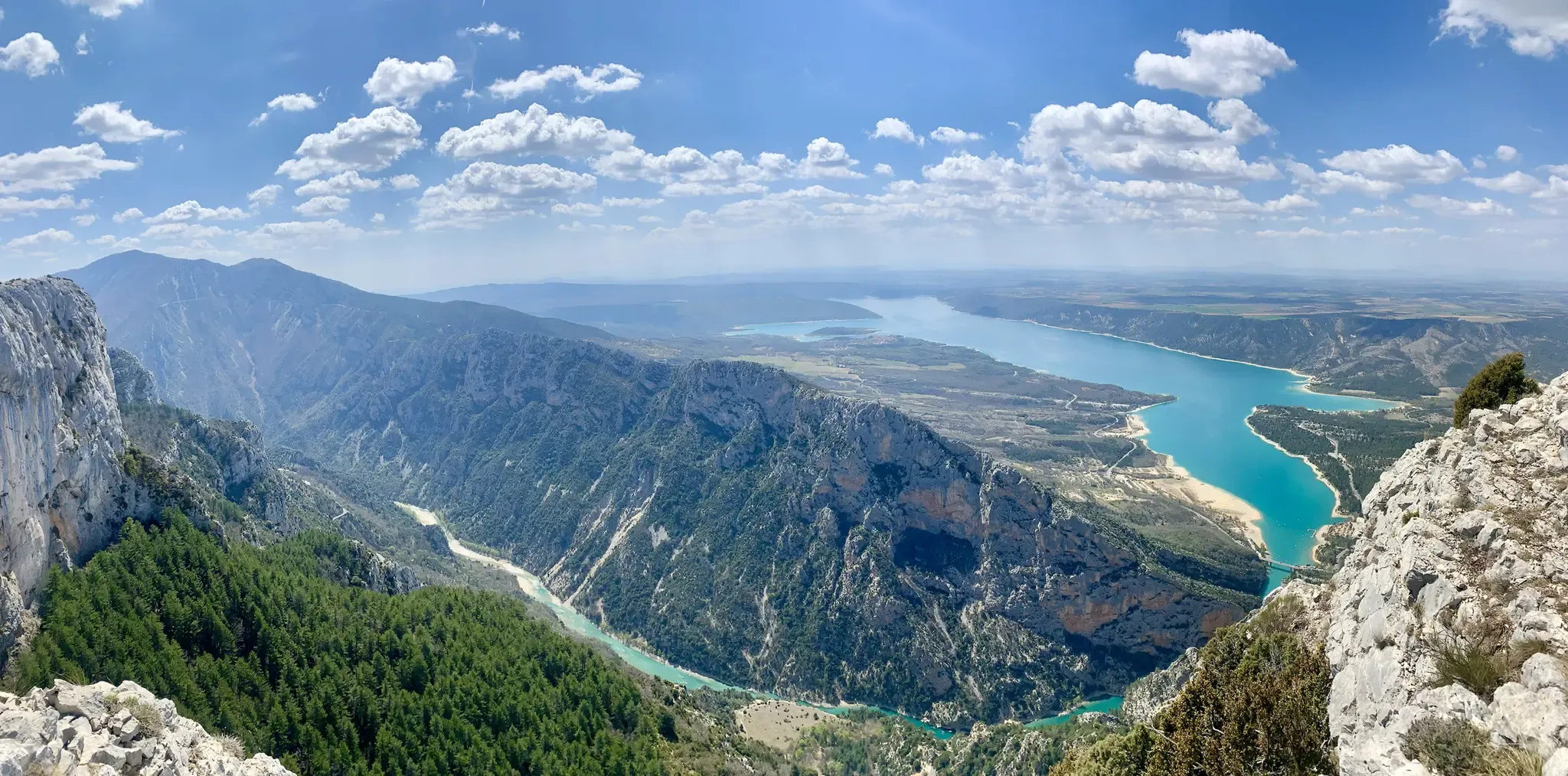
GR 4 – Crossing the south of France from Atlantic Coast to Provence
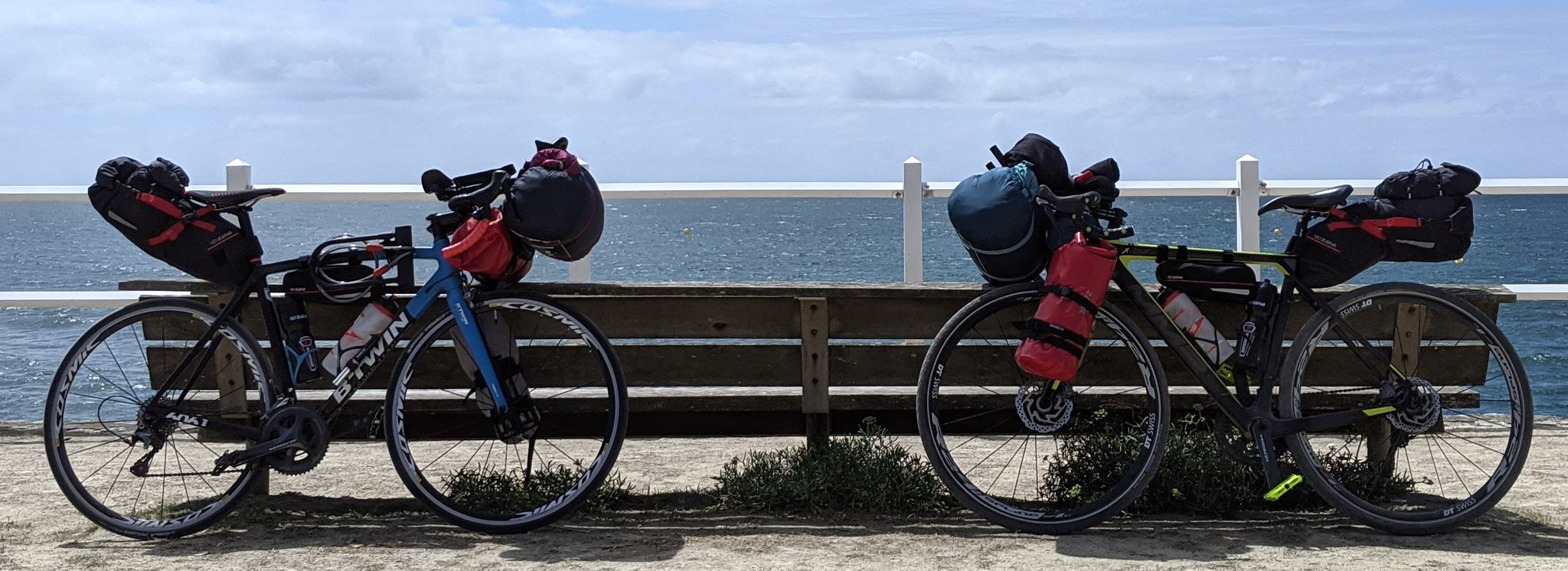
La Vélodyssée — From north to south via the ocean
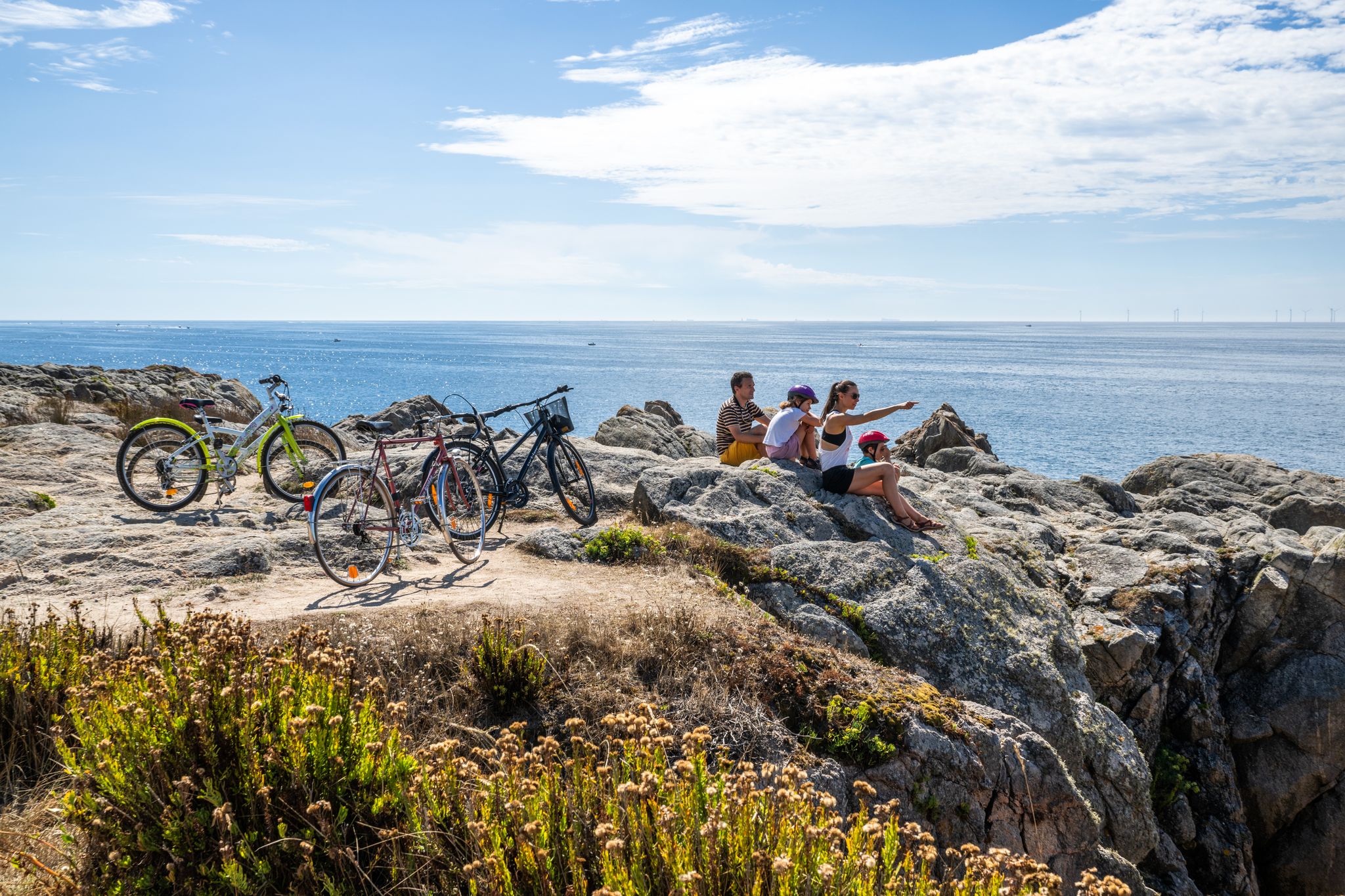
French Atlantic coast – 9 bike Tours from La Baule to Saint-Jean-de-Luz
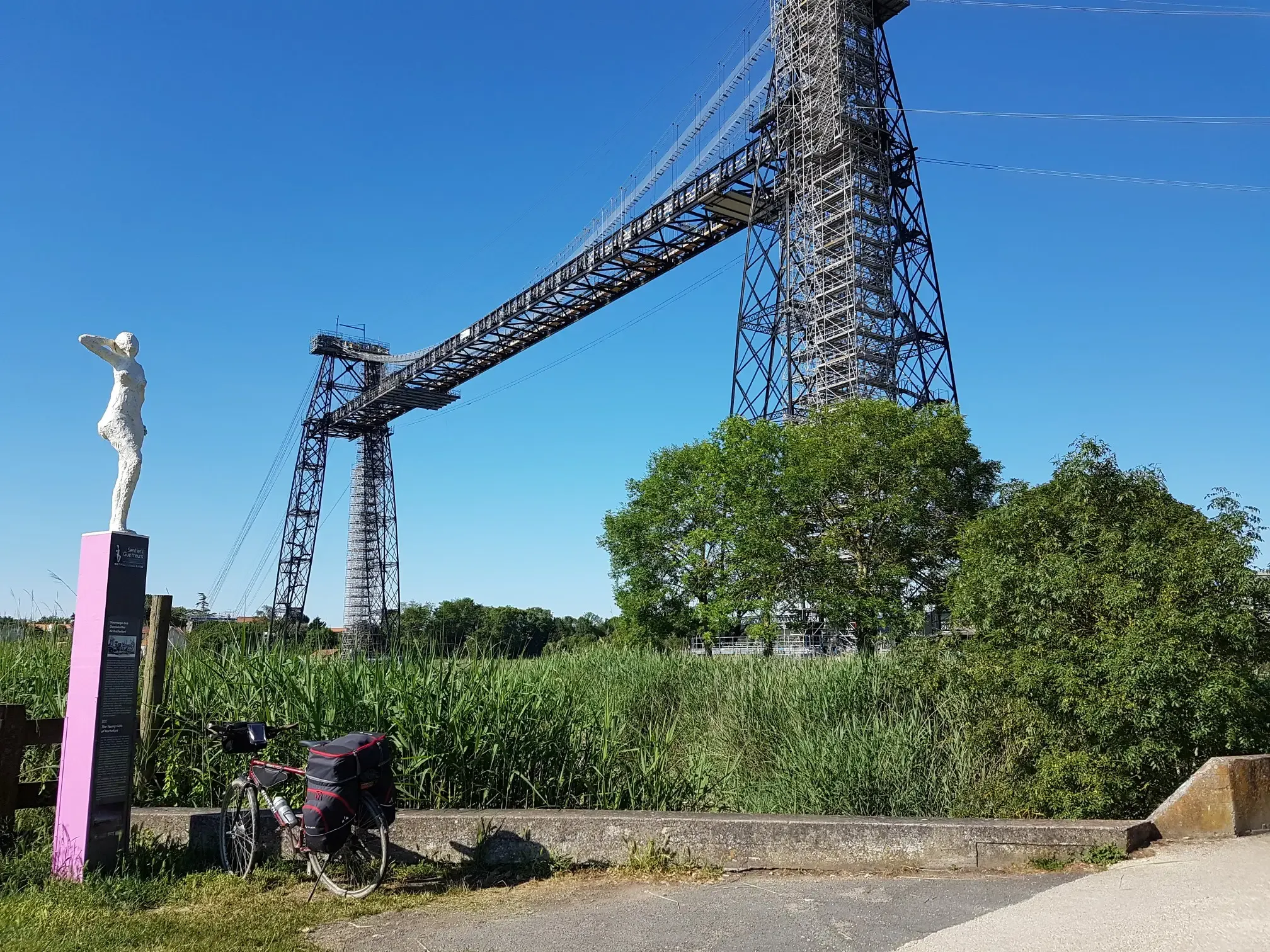
From the marshes to the Charente – a ride in the south of Aunis
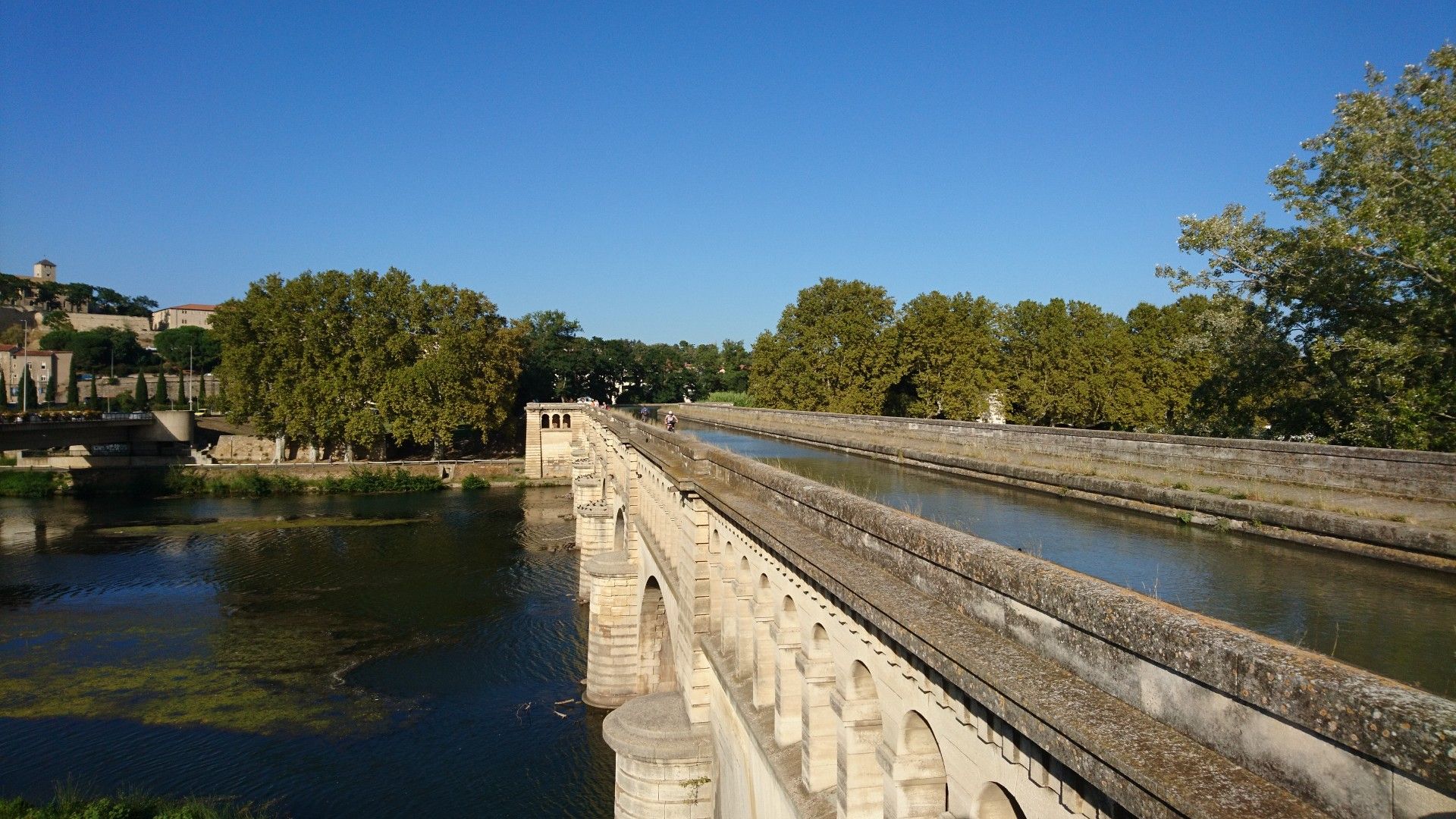
A river adventure – Canal des Deux Mers by bike
The Flow Vélo – a route that transports you
Cycling around Rochefort
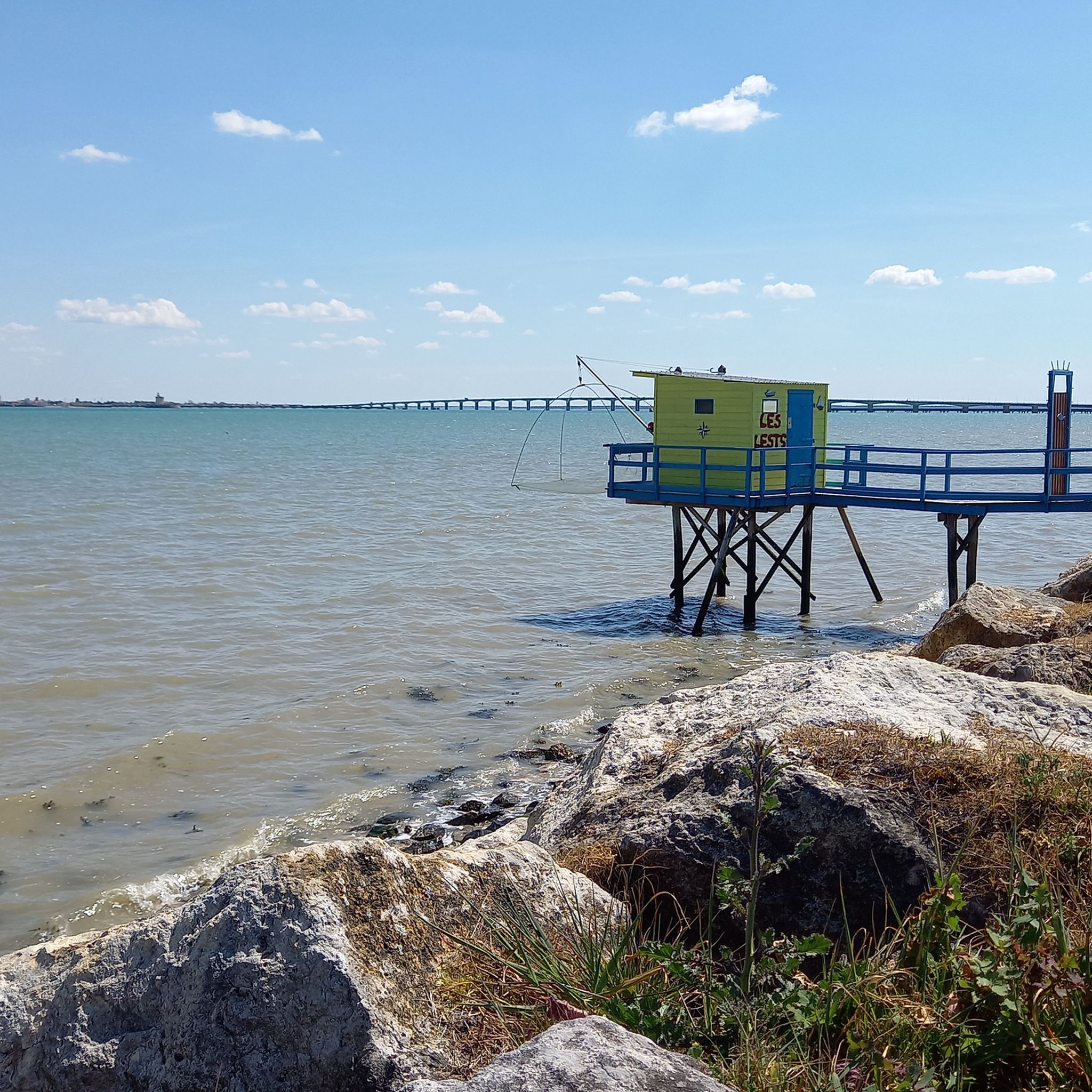
Hiking around Rochefort
Running Trails around Rochefort
Road Cycling Routes around Rochefort
Other adventures around Rochefort


Tips from the Community

📍 Location Dr. Guillon's bathtubs are located along the Boulevard de la Côte d’Argent / Corniche de Pontaillac (between Royan and Vaux-sur-Mer), carved into the rocks of the Pontaillac cove facing the sea. They are still visible today, especially at low tide. 👨⚕️ Origin and Historical Context 📜 Dr. Frédéric-Auguste Guillon Frédéric-Auguste Guillon (1808-1890) was a physician, former naval surgeon, then a local councilor and practicing doctor in Royan. He contributed to the development of seawater therapy and thalassotherapy (treatments using seawater) on the Atlantic coast in the 19th century, a time when sea bathing was prescribed for health reasons. 🏖️ Construction of the "Bathtubs" In 1872, Dr. Guillon had a series of pools and bathtubs carved directly into the rocks of Bec des Brandes in Pontaillac. These pools were filled with seawater heated by the sun between tides. The aim was to offer natural therapeutic baths, particularly for treating scrofula, a chronic lymphatic and skin condition common at the time. 🛁 Description of the Facilities The facilities included: A large natural pool carved into the rock, Two large pools, Three individual bathtubs carved into the cliff face, which were filled with seawater at each tide. These structures provided access to seawater baths without having to directly face the currents or the depths of the ocean – a hygienic and medical approach ahead of its time. 🩺 Therapeutic Purpose At the time: Sea bathing was considered beneficial to health, improving circulation, treating chronic infections, and promoting overall well-being. Dr. Guillon's baths constituted an early form of thalassotherapy, combining the effects of seawater, sea air, and sunlight. 🌊 Heritage and Current Visibility Although the facilities are no longer used as treatment centers, the baths remain visible today on the rocks of Pontaillac, particularly at low tide. A tourist information panel installed by the city of Royan explains their origin and historical significance.
0
0
📍 Introducing the Gilet Cove The Gilet Cove is a small, natural beach on the oceanfront, located on Boulevard de la Conche de Gilet / Boulevard de la Falaise, in the town of Vaux-sur-Mer, just before Royan. 🌿 It's a sheltered, rocky cove, appreciated for its tranquility and more intimate setting compared to the larger urban beaches nearby. 🏖️ At high tide, the sea can completely cover this small beach, making the space very limited; at low tide, you can enjoy a patch of sand and rocks for relaxing or swimming. 🧭 Features & Tips 📍 Type of place: small, unsupervised beach, nestled among the rocks with sand and cliffs. 🏖️ Tides: access is best at low tide — at high tide the beach can disappear underwater. 🐶 Animals: prohibited from April 1st to September 30th (subject to municipal regulations). 👣 Access: via stairs from the boulevard above, surrounded by villas with sea views. 🚫 Lifeguard services: no lifeguard station or marked services. 📍 Location La Conche de Gilet is often considered the last small beach in Vaux-sur-Mer before reaching Royan/Pontaillac when following the coastline from Saint-Palais-sur-Mer.
0
0

In 1872, Doctor Guillon had egg-shaped bathtubs dug into the rocks of Bec des Brandes in Pontaillac, where the sea entered through an orifice and which were used to treat scrofula (common chronic infections of the skin and mucous membranes). They are still visible on the rocks near the Villa Les Roches.
0
0

Great park with a very nice café and a magnificent view over the sea.
0
0

If you are looking for a quiet and shady place to relax, the Conche de Gilet is a natural gap in the rocks which offers a narrow and peaceful beach. Please note, however, that the beach is only accessible at low tide, as the sea completely covers it at high tide.
2
0
This nature center really offers you a fun and educational discovery of the region's fauna and flora. With a 55-meter high watchtower and an exhibition-discovery center, you will discover the history of the lighthouse of Cordouan, classified as a UNESCO World Heritage Site, as well as the biodiversity of the mouth of the estuary. from the Gironde. You can also sit and enjoy the cafe on site.
2
0

Superb point of view!
0
0
Several points of interest are unmissable in the Parc de l'estuaire de Saint-Georges-de-Didonne to make the most of this natural space in Charente-Maritime. The Villa du Parc de l’Estuaire houses permanent exhibition spaces that are particularly interesting for understanding the world of the Gironde. Discover the Cordouan Lighthouse, exhibitions dedicated to the surrounding nature... In the rooms focusing on the three essential elements (earth, water, air), you will discover the history and the natural environment of the Gironde estuary. In the "earth room", you will understand the formation of the estuary by going back in time. Regarding the "water room", you will immerse yourself in the waters of the Garonne and the Dordogne. The “air room” is dedicated to the many wild birds that pass through the estuary during migrations. Leaving the Villa, take your time and start by admiring the view that awaits you... A superb panorama over the entire Gironde estuary! The limestone cliffs and their beautiful white color, the waves of the ocean lapping the cliffs and over there, in the distance, the Pointe de Grave. Besides, why not take advantage of the terrace of the Villa to enjoy a tea and take the time to soak up the show. Just at the exit of the Villa de l'estuaire begins the discovery trail of the Saint-Georges-de-Didonne estuary park. The path then crosses a magnificent forest with Mediterranean species. To learn more about the flora present, do not hesitate to stop in front of the many explanatory panels present at the foot of the trees. The fauna is also very present since birds fly in large numbers above the peaks and a few rodents sometimes cut off the path of visitors. To be tested: the adventure game “The legend of Suzac” (from 6 years old) or the “Land Art” course (for the whole family) to accompany you and immerse yourself in an eco-responsible artistic universe. At the end of the path, you will reach the perfect place to discover the entire site of the Saint-Georges-de-Didonne estuary park. From the top of this nearly 60-metre watchtower, you will enjoy a 360° panoramic view of the entire Gironde estuary! Subjects to vertigo refrain... But the others will be amazed after climbing the hundred steps leading to the summit. In front of you: the estuary, the maritime pines of the Suzac forest, the blue of the ocean. Further still you will see the Lighthouse of Cordouan listed as a UNESCO World Heritage Site, the immense beaches of Charente-Maritime and the Médoc... Beyond the beauty of the panorama, the watchtower also has a utilitarian function since it serves as an observation point to monitor fire outbreaks and therefore potential fires in the Suzac forest.
0
0
Frequently Asked Questions
What types of natural monuments can I explore around Rochefort?
The Rochefort area offers a diverse range of natural monuments, including expansive sandy beaches, dramatic cliffside vistas, unique geological formations, and significant estuaries. You can find everything from tranquil coves to educational nature centers with panoramic views. Key examples include Saint-Georges-de-Didonne Beach, the View of the estuary and white cliffs at Parc de l'Estuaire, and the peaceful Conche de Gilet.
Are there family-friendly natural monuments in the Rochefort region?
Yes, several natural monuments around Rochefort are well-suited for families. The Parc de l'Estuaire offers an educational discovery center and a watchtower with 360° views, making it engaging for all ages. Saint-Georges-de-Didonne Beach is also very family-friendly, featuring supervised swimming, a kindergarten, and various beach activities during summer.
Where can I observe wildlife and birds near Rochefort?
Rochefort is an excellent destination for wildlife and bird observation. The Lagooning Station is a unique wastewater treatment facility that doubles as a habitat for thousands of waterbirds, including ducks, waders, and grebes, with guided tours available. The Marshes around Tonnay-Charente and Breuil-Magné, particularly the Cabane de Moins, are also rich in fauna and flora, offering opportunities to spot herons and egrets, especially at sunset. The Forêt de Rochefort provides a tranquil setting for birdwatching, with sightings of songbirds and raptors.
What historical or cultural natural sites can I visit?
Beyond purely natural formations, the region offers sites with historical significance. Doctor Guillon's Bathtubs, carved into the rocks at Pontaillac, are a fascinating historical monument from 1872, showcasing early thalassotherapy practices. Additionally, the Jardin des Retours, near the Corderie Royale, is a garden designed with maritime themes, paying tribute to historical maritime expeditions and the plants brought back from the New World.
Are there hiking opportunities near the natural monuments around Rochefort?
Yes, there are numerous hiking opportunities. The Forêt de Rochefort features well-marked hiking trails suitable for various activity levels. For more structured routes, you can explore the Hiking around Rochefort guide, which includes trails like the 'Tour of Ile d'Aix' and the 'Fort and Forest of Suzac Trail'.
What cycling routes are available near Rochefort's natural monuments?
The area around Rochefort is great for cycling. You can find various routes in the Cycling around Rochefort guide, such as the 'Grand Tour of Île d'Oléron' or the 'Coubre Forest Loop'. For road cycling enthusiasts, the Road Cycling Routes around Rochefort guide offers options like the 'Tour of the Arvert Peninsula'.
What are the best natural monuments for panoramic views?
For breathtaking panoramic views, the View of the estuary and white cliffs at Parc de l'Estuaire is highly recommended. From its 55-meter high watchtower, you can enjoy a 360° vista of the Gironde estuary, including the Cordouan Lighthouse and the surrounding natural landscape.
Can I find quiet or secluded natural spots in the area?
If you're looking for a peaceful and secluded spot, the Conche de Gilet is a narrow and tranquil beach, accessible at low tide. It's a natural gap in the rocks, offering a quiet place to relax away from larger crowds. The Forêt de Rochefort also provides a tranquil natural retreat with diverse plant and wildlife, ideal for reflection.
What is unique about the coastal natural monuments around Rochefort?
The coastal natural monuments around Rochefort are characterized by their unique blend of expansive sandy shores, dramatic limestone cliffs, and distinctive geological features. For instance, Saint-Georges-de-Didonne Beach is nestled between two prominent limestone cliffs, offering a picturesque setting. You can also find natural sea arches and traditional carrelet fishing huts, such as those near the Sea Arch and Carrelet Fishing Huts.
What do visitors appreciate most about the natural monuments in Rochefort?
Visitors particularly enjoy the diverse natural beauty, from the immense expanse of fine sand at Saint-Georges-de-Didonne Beach to the superb panoramic views from the watchtower at the Parc de l'Estuaire. The tranquility of places like Conche de Gilet and the educational aspects of the nature centers are also highly valued.
When is the best time to visit the natural monuments in Rochefort?
The appeal of Rochefort's natural monuments changes with the seasons. Spring brings wildflowers to the Forêt de Rochefort, while autumn offers golden hues. Coastal areas like the beaches and estuaries are enjoyable during warmer months for swimming and outdoor activities. Birdwatching at the Lagooning Station and marshes can be particularly rewarding during migratory seasons.
Most popular routes around Rochefort
Most popular attractions around Rochefort

Get inspired with the komoot mobile app


Didn’t find what you were looking for?
Find even more amazing natural monuments around Rochefort by checking out the top Highlights region by region:
Explore more
Extend your search for the best caves by checking out these guides of the top ones around Rochefort:
