Top 7 Natural Monuments around Béthune
Best natural monuments around Béthune encompass a diverse landscape shaped by both natural processes and industrial heritage. The region features a "green and blue network" of natural sites, including marshes, woodlands, and rivers, which support local biodiversity. Former industrial lands, such as slag heaps (terrils), have been reclaimed by nature, offering unique elevated natural spaces. These areas provide ecological value and opportunities for outdoor activities.
Best natural monuments around Béthune
- The most popular natural monuments is View of the Terrils…
Last updated: May 20, 2026
Passage dolmen: The Fairy Table
Highlight • Historical Site
– 4 dolmens, …
Translated by Google •
Tip by

Vallée Carreau Park
Highlight • Historical Site
Translated by Google •
Tip by

Sign up now to discover places like this
Get recommendations on the best single tracks, peaks, & plenty of other exciting outdoor places.
Sign up for free
Lac de Beugin
Highlight • Lake
Translated by Google •
Tip by

Terril 36 of Nœux-les-Mines
Highlight • Natural Monument
Translated by Google •
Tip by

Terril de Fouqureuil
Highlight • Natural Monument
Translated by Google •
Tip by

View of the Terrils du Pays à Part
Highlight • Viewpoint
Translated by Google •
Tip by

Spoil tip in Saint-Pierre Wood
Highlight • Natural Monument
Translated by Google •
Tip by

White Stone Salamander of Terril 23
Highlight • Monument
Translated by Google •
Tip by
Start today with a free account
Your next adventure awaits.
Login or Signup


Tips from the Community

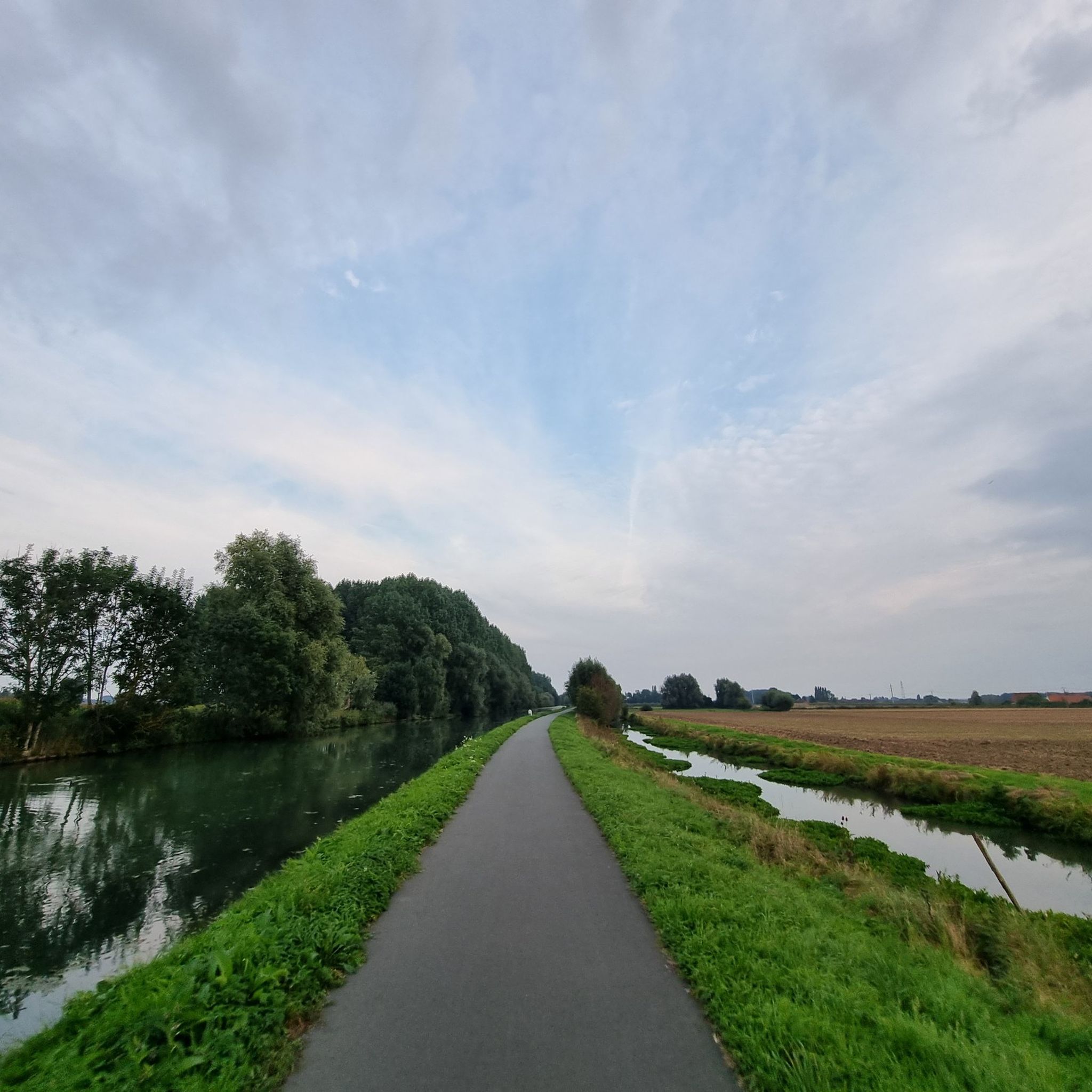
Former site of Fosse 14 - Stabilized path.
0
0

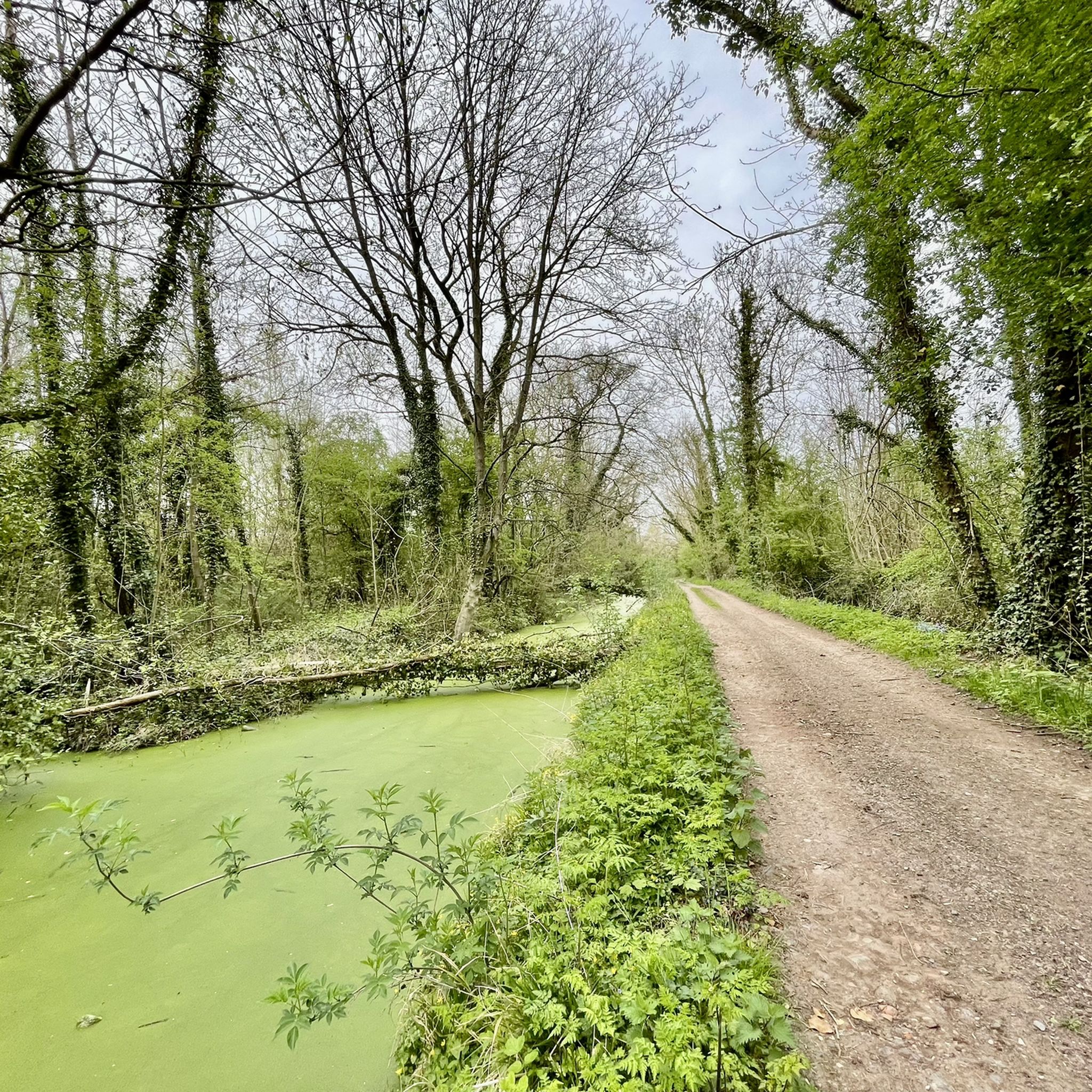
Also known as "terril de la cuisse maraine" (the slag heap of the thigh maraine), a slag heap where nature has reclaimed its rights, dotted with small paths.
0
0

Located on the edge of the Artois hills, this slag heap dates back to 1855. It is surrounded by the Saint-Pierre woods. Ancient steps provide access to its summit.
0
0

White stone salamander visible by climbing onto slag heap 23 via the wooden steps and following the edge to the left
0
0

it's written like that on the sign
0
0
legend of the fairies who dance around the dolmen
0
0
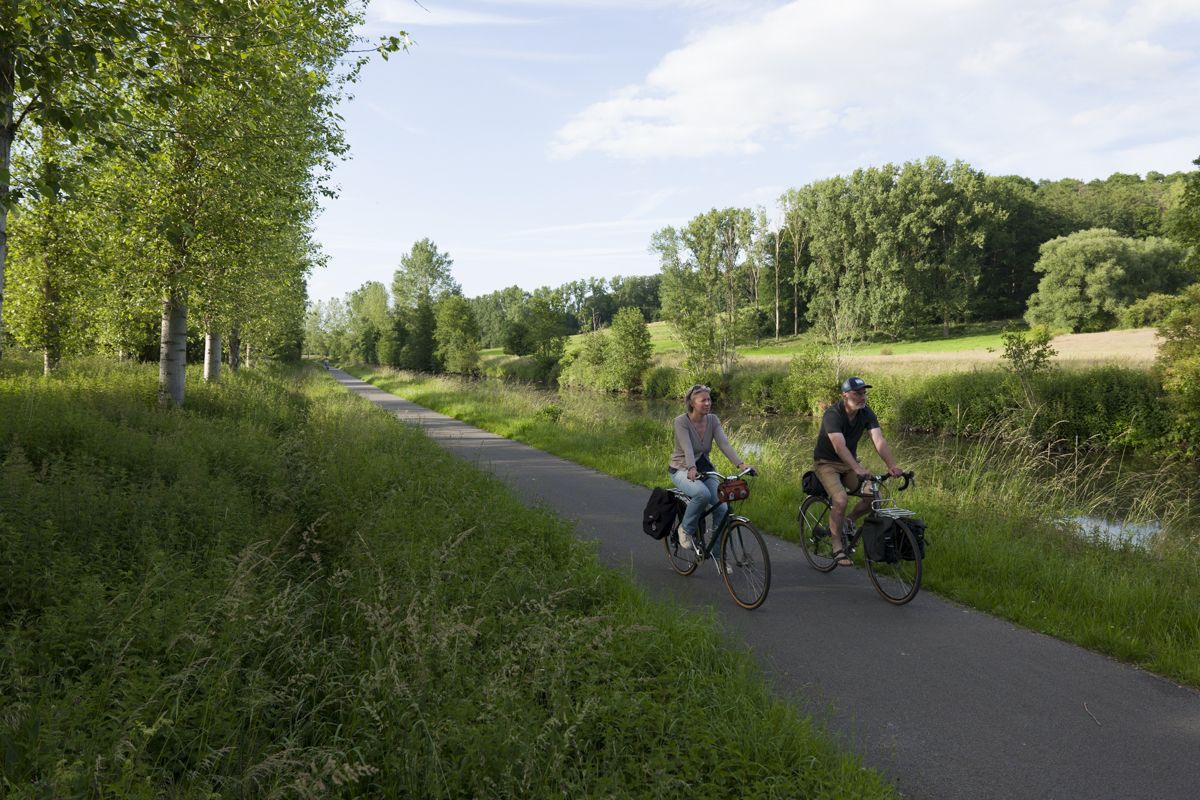
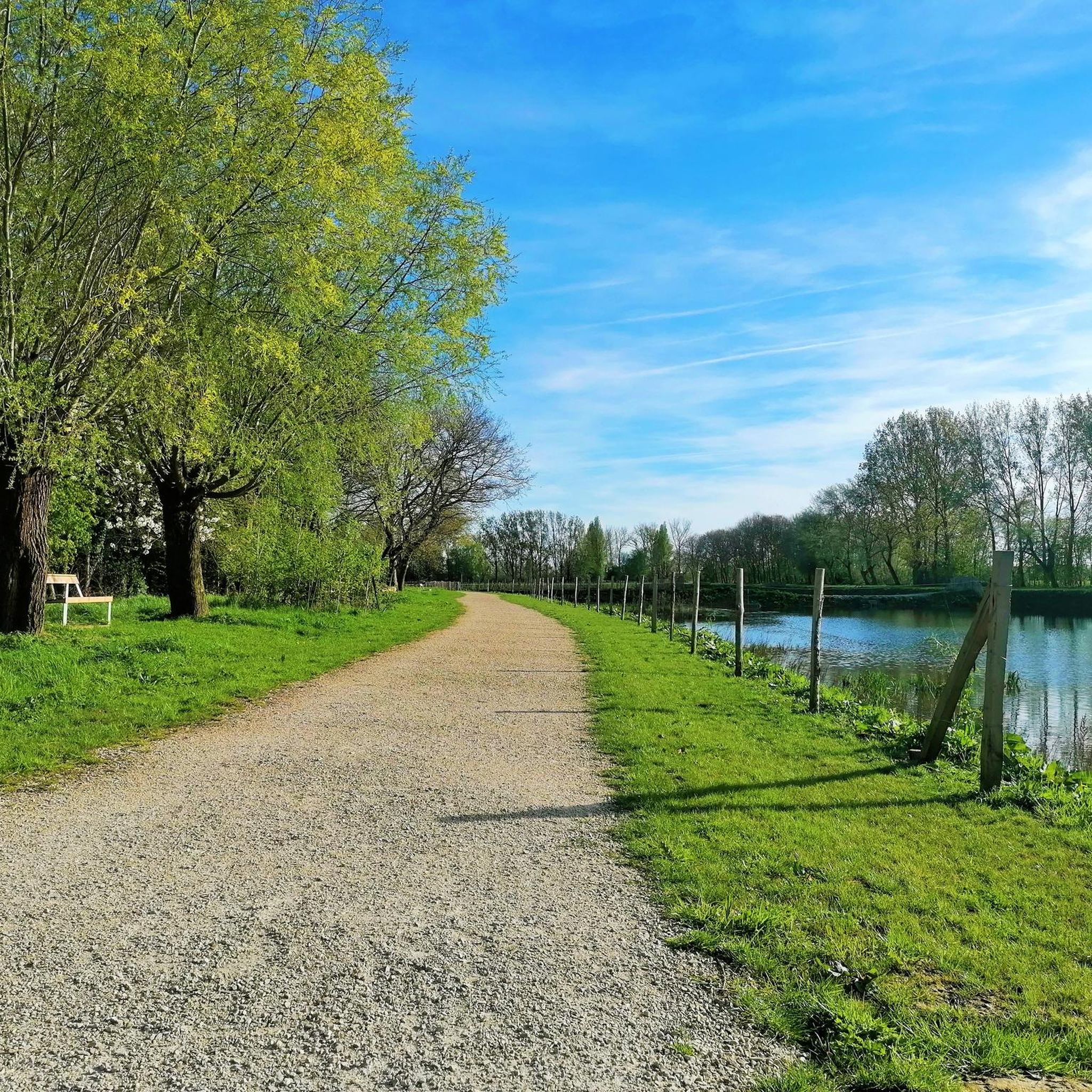
Carreau Valley redeveloped to highlight the mining heritage. The paths that were once dirt are now gravel, ideal for walking or cycling. Don't hesitate to go up to the terriloscope. By putting your eye at the level of the holes provided for this purpose you will see what the height of the slag heaps was in their heyday. This allows you to see the effects of time.
0
0
when the weather is nice
0
0
Frequently Asked Questions
What unique natural features can I explore around Béthune?
The Béthune region is known for its distinctive natural features, particularly the terrils (slag heaps) which are remnants of the mining era now reclaimed by nature. These offer unique elevated landscapes and panoramic views. You can also find traditional ecological areas like marshes, woodlands, and rivers, contributing to a rich biodiversity. A great example is the View of the Terrils du Pays à Part, offering a super panorama.
Are there any historical natural monuments in the area?
Yes, the region features fascinating historical natural monuments. A prime example is Passage dolmen: The Fairy Table, a megalithic complex over 4000 years old. This site offers a unique glimpse into the region's ancient history and legends.
What kind of outdoor activities can I do near Béthune's natural monuments?
The natural monuments around Béthune provide excellent opportunities for various outdoor activities. You can enjoy hiking, walking, and mountain biking, especially on the re-naturalized terrils. For specific hiking routes, explore options like those found in the Waterfall hikes around Béthune guide. Mountain biking enthusiasts can check out trails in the MTB Trails around Béthune guide.
Which natural monuments are suitable for families?
Several natural monuments around Béthune are family-friendly. Vallée Carreau Park is a redeveloped site highlighting mining heritage with gravel paths ideal for walking or cycling. Lac de Beugin is another great spot where families can relax by the shore or enjoy fishing.
Where can I find scenic viewpoints around Béthune?
For scenic viewpoints, the terrils are highly recommended. View of the Terrils du Pays à Part offers a superb panorama of the surrounding plains and forests. Other terrils like Terril 36 of Nœux-les-Mines and Terril de Fouqureuil also provide striking vistas after a climb.
What is special about the terrils (slag heaps) in this region?
The terrils around Béthune are unique because they are former industrial mining waste heaps that have been re-naturalized. They now host particular flora and fauna, offering distinct habitats and panoramic views. They represent nature's resilience and provide excellent recreational opportunities, transforming industrial landmarks into elevated natural spaces.
Are there any lakes or water bodies to visit?
Yes, Lac de Beugin is a notable lake in the area. This old quarry, with depths ranging from 3 to 11 meters, is a popular spot for fishing and offers a peaceful setting for relaxation by the water.
What do visitors enjoy most about the natural monuments around Béthune?
Visitors particularly appreciate the unique landscapes and the opportunities for outdoor exploration. The panoramic views from the top of the terrils, such as the 'super panorama' from View of the Terrils du Pays à Part, are a major draw. The historical significance of sites like Passage dolmen: The Fairy Table also captivates those interested in ancient mysteries.
Can I find forest areas among the natural monuments?
Yes, the region's 'green and blue network' includes woodlands. For example, the Spoil tip in Saint-Pierre Wood combines a natural monument with a forest setting, offering a blend of unique landscapes and traditional woodland environments.
What is the best time to visit the natural monuments around Béthune?
While specific seasonal tips for each monument are not available, the natural areas, especially the terrils and woodlands, are generally pleasant to visit during spring and autumn when the weather is mild and the natural colors are vibrant. Summer offers longer daylight hours for exploration, while winter can provide a different, often quieter, experience, though some paths might be muddy.
Are there opportunities for road cycling near these natural sites?
Absolutely. The wider Béthune area offers various road cycling routes that can take you past or near some natural monuments. You can find detailed routes and guides, such as those in the Road Cycling Routes around Béthune guide, which include options like the 'Béthume and the monuments of the world wars' loop.
What kind of biodiversity can I expect to see?
Many of the natural sites, particularly the re-naturalized industrial lands and terrils, host unique and sometimes exceptional flora and fauna. These areas are crucial biological corridors, making them interesting for nature enthusiasts and birdwatchers looking to observe local wildlife and plant species.
Most popular routes around Béthune
Most popular attractions around Béthune

Get inspired with the komoot mobile app


Didn’t find what you were looking for?
Find even more amazing natural monuments around Béthune by checking out the top Highlights region by region:
Explore more
Extend your search for the best caves by checking out these guides of the top ones around Béthune:
