Top 20 Natural Monuments around Calonge i Sant Antoni
Best natural monuments around Calonge i Sant Antoni showcase a diverse natural landscape, situated between the Gavarres massif and the bay of Palamós. This region features a variety of natural monuments and geological formations. Visitors can explore coastal geology, serene woodlands, and ancient structures. The area offers a range of natural features for outdoor exploration.
Best natural monuments around Calonge i Sant Antoni
- The most popular natural monuments is Cap Roig Cove, a beach that takes its name from…
Last updated: July 1, 2026
Castell Beach
Highlight • Beach
Translated by Google •
Tip by

The Dark Rock of La Fosca Beach
Highlight • Natural Monument
Translated by Google •
Tip by
Sign up now to discover places like this
Get recommendations on the best single tracks, peaks, & plenty of other exciting outdoor places.
Sign up for free
Dolmen of the Cova d'en Daina
Highlight • Historical Site
Translated by Google •
Tip by

El Morro del Vedell
Highlight • Natural Monument
A narrow passage between the rock and the cliff allows you to pass …
Translated by Google •
Tip by
Cap Roig Cove
Highlight • Beach
Translated by Google •
Tip by

Sign up for free to discover even more natural monuments around Calonge i Sant Antoni.
Sign up for free
Already have an account?
Start today with a free account
Your next adventure awaits.
Login or Signup
Popular around Calonge i Sant Antoni
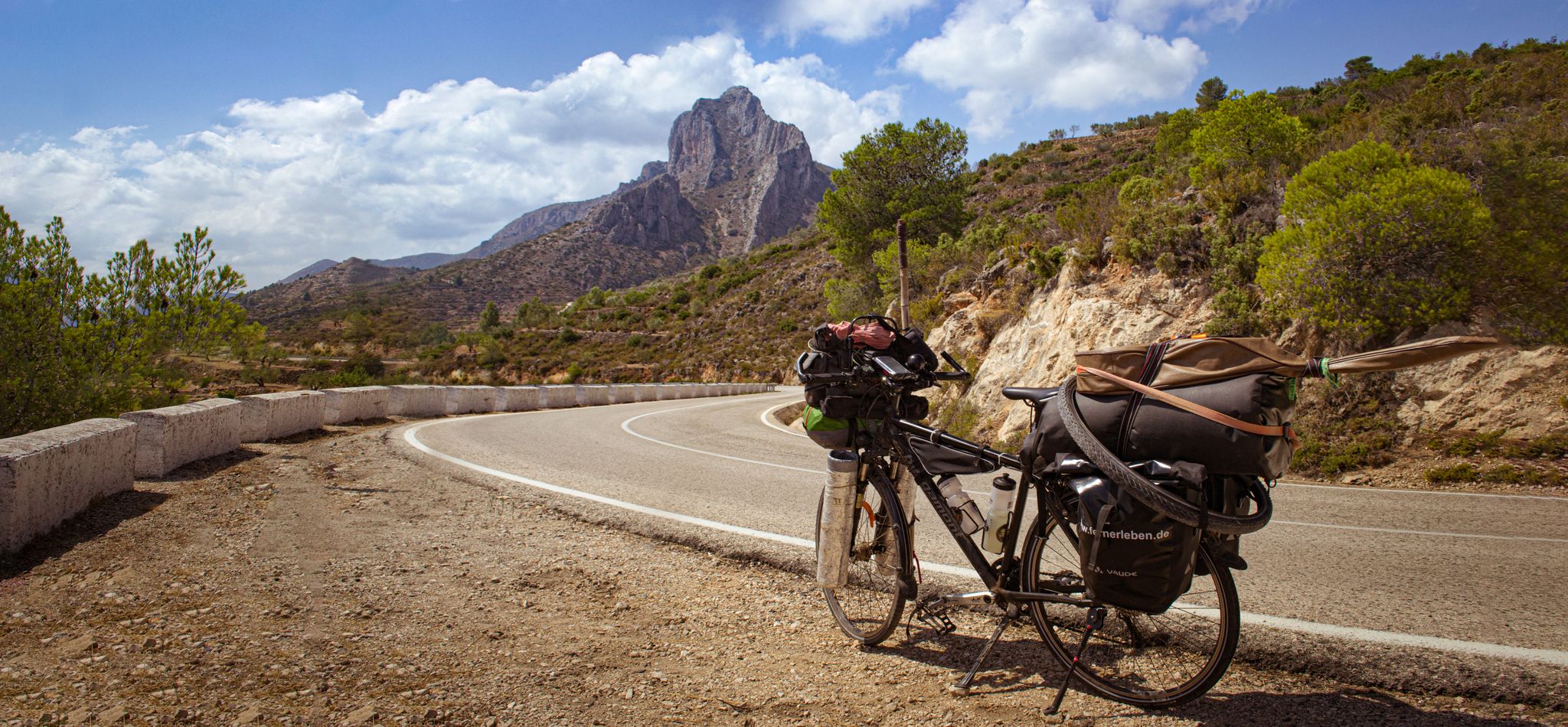
On the road to the sun — bikepacking to southeast Spain
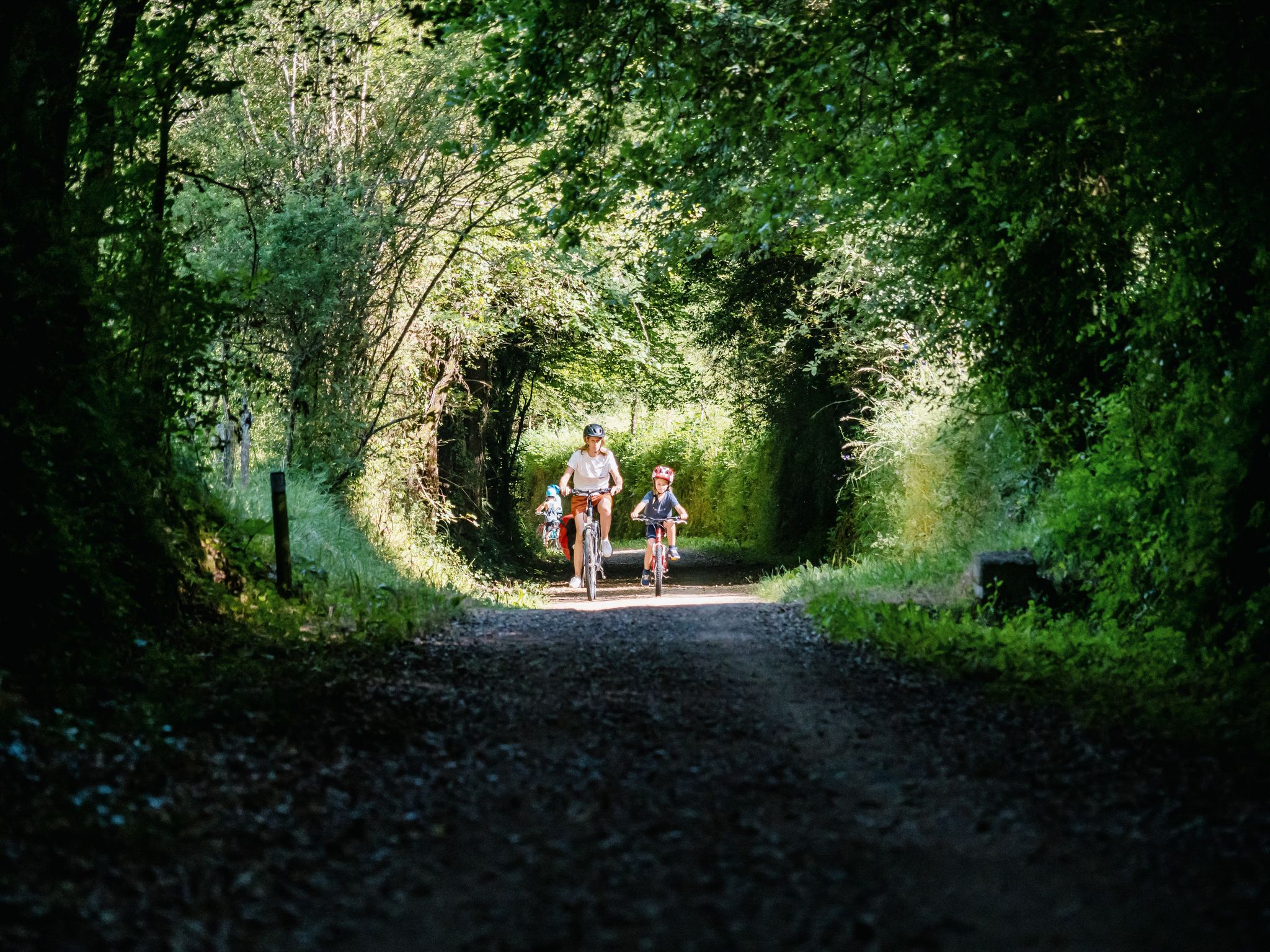
Vías verdes de Girona — an adventure for the whole family
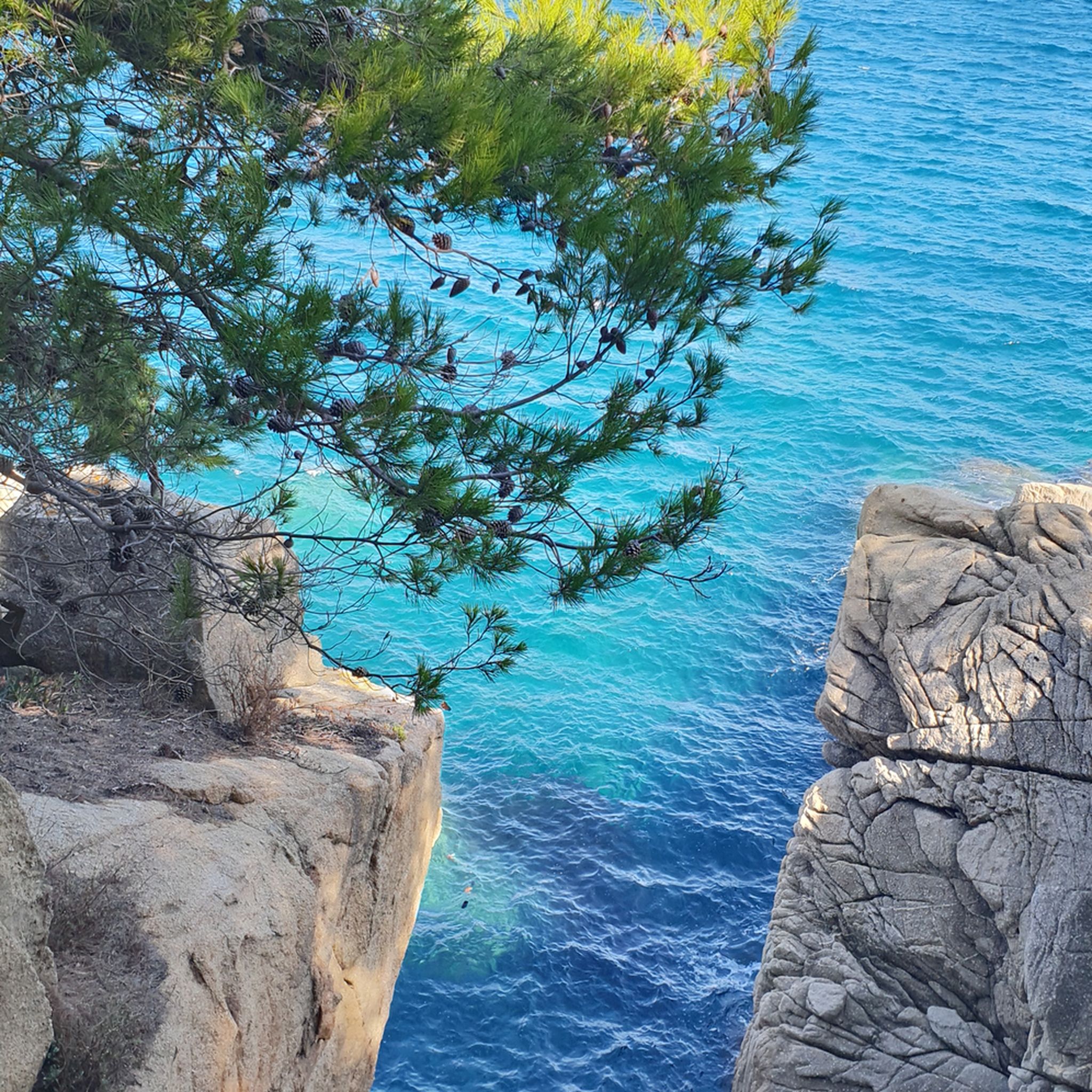
Cycling around Calonge i Sant Antoni
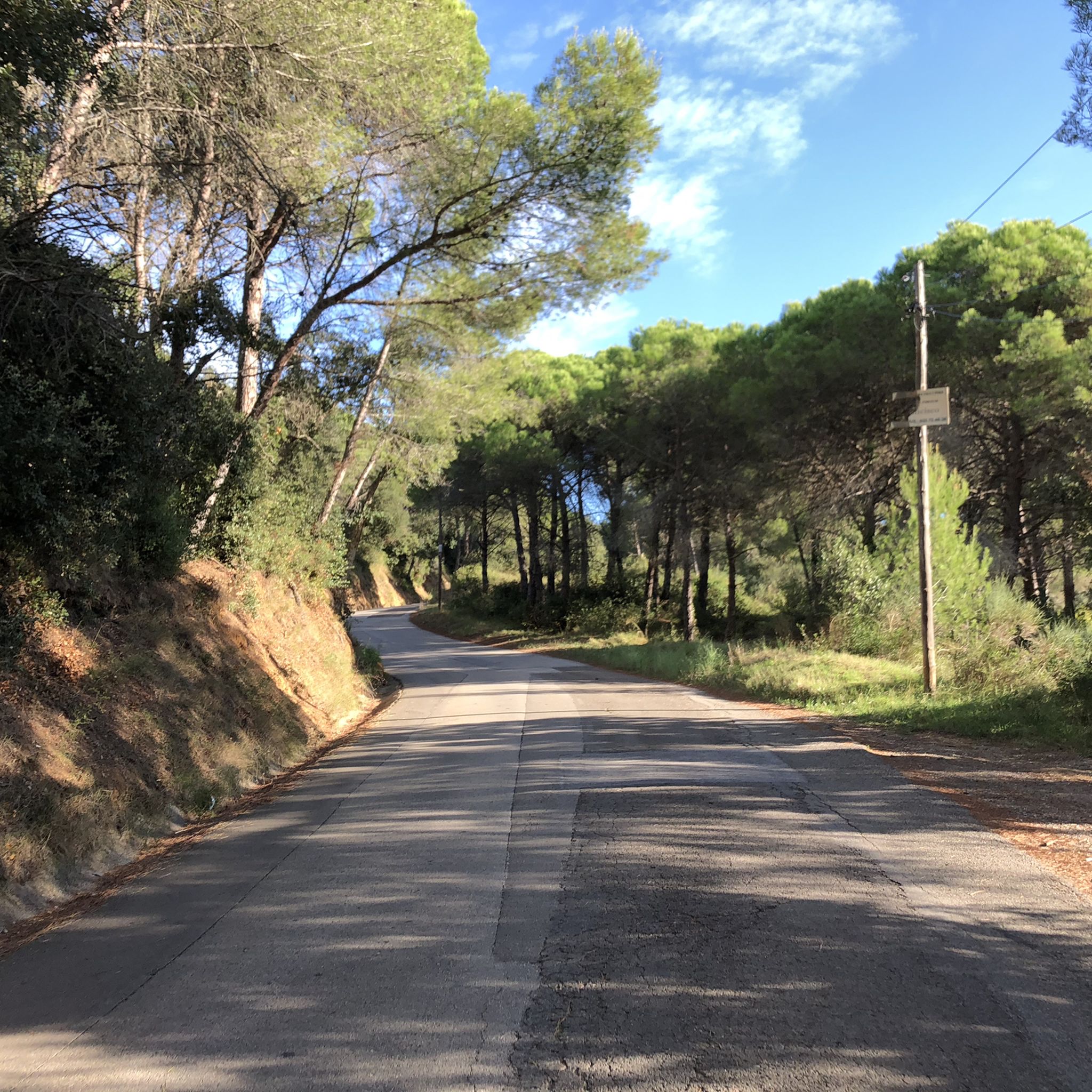
Road Cycling Routes around Calonge i Sant Antoni
Running Trails around Calonge i Sant Antoni
Hiking around Calonge i Sant Antoni
MTB Trails around Calonge i Sant Antoni
Gravel biking around Calonge i Sant Antoni
Other adventures around Calonge i Sant Antoni


Tips from the Community

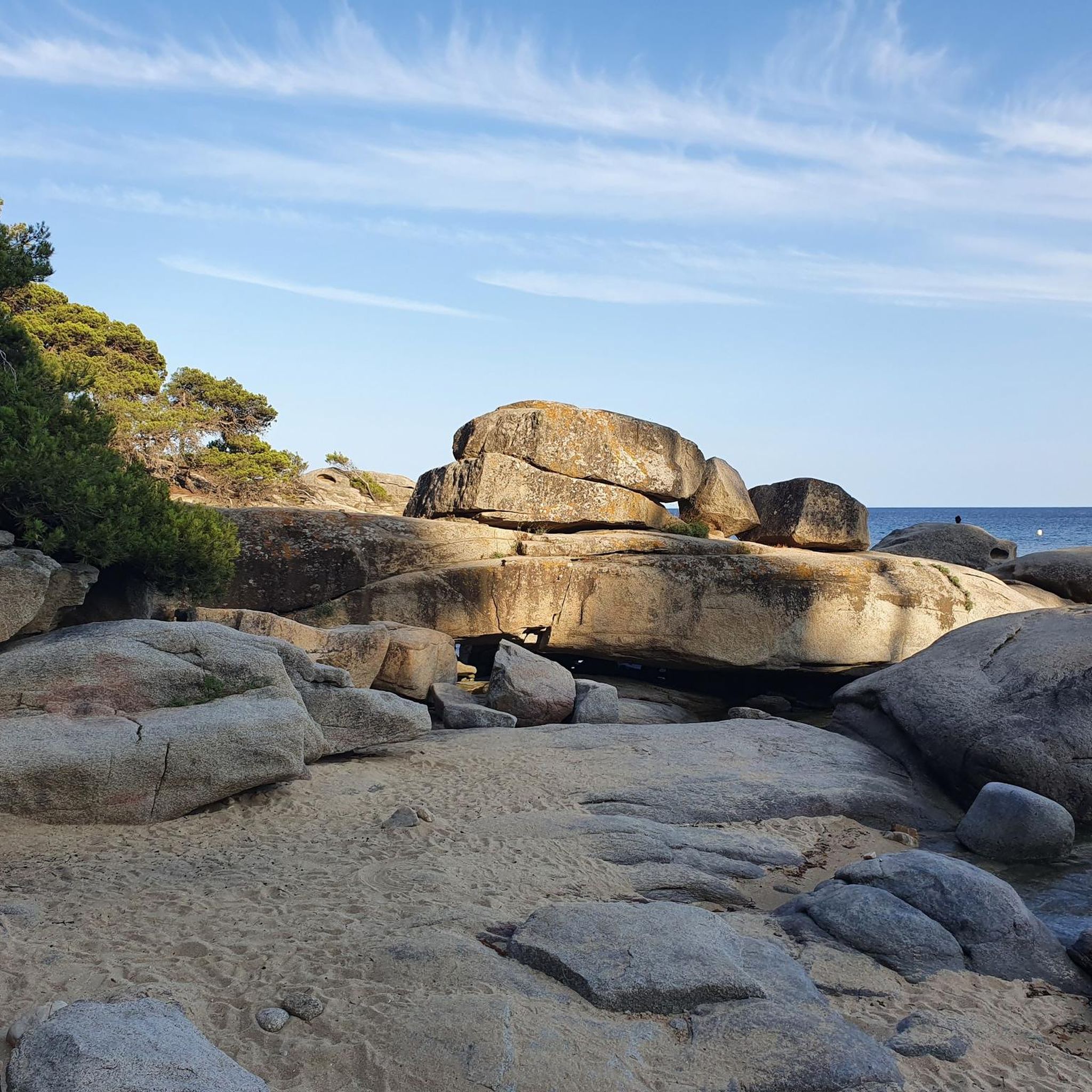
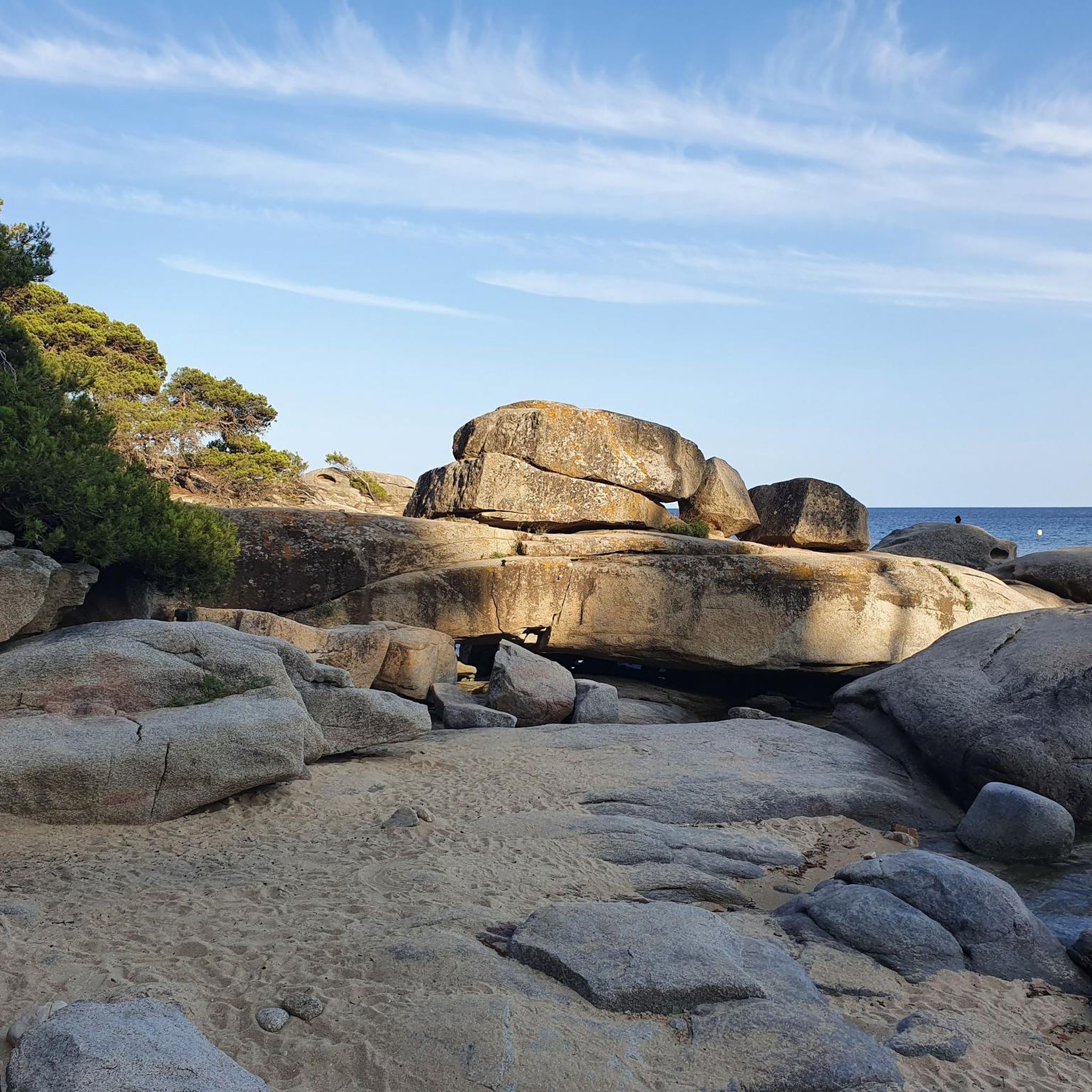
Cala Cap Roig is a beautiful natural area that takes its name from the reddish rock formation that divides the beach in two.
7
0

The dolmen has the shape of a rectangular burial chamber, composed of large vertical stone slabs (orthostats) that support a horizontal upper slab (cover). It is surrounded by a tumulus, an accumulation of earth and stones that originally covered the entire structure, giving it the appearance of a small hill. It is approximately 7.5 metres long, with an inner chamber of 2 metres. Its entrance faces southeast, probably for astronomical or ritual reasons. It was used as a collective tomb, where the ancient inhabitants deposited the remains of the deceased along with offerings, tools, pottery and other funerary objects.
3
0
It was first documented in the 19th century, when the first archaeological investigations in the area began. The objects found in the dolmen, such as pottery and flint tools, have helped to understand the funerary and social customs of its builders. Legends related to witches and magic rituals circulate around the dolmen, common in the popular stories of the area. Like many dolmens, its orientation could be related to the position of the sun during the solstices, which reinforces its symbolic and spiritual importance.
3
0
It is one of the best preserved megalithic monuments in the region. This dolmen, built during the late Neolithic or Chalcolithic period (around 2,700-2,200 BC), is an impressive testimony to the funerary and spiritual practices of the prehistoric communities that inhabited this area.
4
0

There are also dolmens in Spain!
0
0

This branch takes you to Castell beach, one of the few virgin beaches on the Costa Brava, surrounded by pine trees and dunes. A spectacular place, worth visiting.
0
0

Impressive dolmen that is located a few meters from the center of Romanyà de la Selva and that makes us imagine the first hominids living in this maritime area of the Gavarres.
1
0

Costa Brava beach whose name comes from the islet of Cap Roig that separates the beach into two coves. The rock formation has very characteristic reddish tones, basically due to the feldspar crystals that make up a large part of it. It is an ideal location for snorkeling.
3
1
Frequently Asked Questions
What are some of the most notable natural monuments to explore in Calonge i Sant Antoni?
Calonge i Sant Antoni offers a diverse range of natural monuments. You can explore coastal formations like El Morro del Vedell, a distinctive rock separating two coves, or the striking Dark Rock of La Fosca Beach, which gives the beach its name. Inland, the Puig d'Arques provides panoramic views, and the ancient Dolmen of the Cova d'en Daina offers a glimpse into prehistoric times within a natural setting.
Are there family-friendly natural monuments in Calonge i Sant Antoni?
Yes, several natural monuments are suitable for families. Castell Beach is a long sandy beach with pine trees, offering amenities and walkways for reduced mobility, making it very accessible. The Cap de Planes Nature Reserve is also ideal for family adventures, providing a safe environment to explore local flora and fauna with stunning ocean views.
What kind of coastal natural features can I discover in the area?
The coastline of Calonge i Sant Antoni is rich with natural features. Beyond the well-known beaches, you can find picturesque coves like Cala Pedrosa, a typical pebble cove with turquoise waters and green pine trees, or Roques Planes Cove, known for its unique rocky character. These spots showcase the rugged beauty of the Costa Brava.
What historical or ancient natural monuments can be found in Calonge i Sant Antoni?
The most significant ancient monument integrated into the natural landscape is the Dolmen of the Cova d'en Daina. This megalithic structure, built around 2,700-2,200 BC, is one of the best-preserved in the region and is surrounded by local legends of witches and magical rituals, highlighting its deep connection to the natural and spiritual history of the area.
What outdoor activities can I do near the natural monuments?
The region offers a variety of outdoor activities. You can find numerous routes for road cycling, gravel biking, and general cycling. For example, there are challenging road cycling loops like the 'La Ganga Pass from Calonge – Santa Pellaia Pass loop from Palamós' or easier cycling routes like the 'PirineXus: Palamós Loop'. You can explore more options on the Road Cycling Routes around Calonge i Sant Antoni, Gravel biking around Calonge i Sant Antoni, and Cycling around Calonge i Sant Antoni guide pages.
Where can I find panoramic views of the region's natural landscapes?
For breathtaking panoramic views, head to Puig d'Arques. As one of the highest points in the region, it offers extensive vistas of Les Gavarres, the Costa Brava, Gironès, and l'Empordà from a wooden viewpoint at its summit. It's a significant peak for hikers seeking stunning scenery.
What is the Espai Natural de les Gavarres (Gavarres Natural Park) and what does it offer?
The Espai Natural de les Gavarres is an extensive natural park that stretches into the interior of the region. It provides numerous trails perfect for hiking and mountain biking, allowing visitors to immerse themselves in the diverse landscapes of Calonge i Sant Antoni, from serene woodlands to varied terrain.
Are there any natural monuments that are particularly good for swimming or relaxing by the sea?
Yes, Cala Cap Roig is a picturesque cove easily recognized by its iconic reddish rock formation. It splits into two small sandy inlets, providing a sheltered and scenic spot ideal for swimming, relaxing, or even snorkeling due to its clear waters and interesting rock formations.
What do visitors enjoy most about the natural monuments in Calonge i Sant Antoni?
Visitors frequently praise the unique geological formations and the opportunities for relaxation and outdoor activities. For instance, the Castell Beach is loved for its quiet bath bay and great hiking trails leading to it, allowing for a refreshing swim after sports. The distinctive reddish tones of Cap Roig Cove also make it a popular spot for its natural beauty and snorkeling opportunities.
Are there any natural monuments that are accessible for people with reduced mobility?
Yes, Castell Beach is noted for its accessibility. It offers walkways for people with reduced mobility, ensuring that a wider range of visitors can enjoy its long sandy shores and natural surroundings.
What is the best time to visit the natural monuments in Calonge i Sant Antoni?
The region's natural monuments, ranging from coastal areas to inland parks, can be enjoyed throughout much of the year. Spring and autumn offer pleasant temperatures for hiking and exploring the Gavarres Natural Park, while the summer months are ideal for enjoying the beaches and coves like Cala Pedrosa or Cala Cap Roig for swimming and sunbathing.
Most popular routes around Calonge i Sant Antoni
Most popular attractions around Calonge i Sant Antoni

Get inspired with the komoot mobile app


Explore more
Extend your search for the best caves by checking out these guides of the top ones around Calonge i Sant Antoni:
