Top 15 Natural Monuments around Casbas De Huesca
Best natural monuments around Casbas De Huesca are found within a landscape that transitions between the Pre-Pyrenean mountains and the Ebro Valley. The region is characterized by its proximity to the Sierra y Cañones de Guara Natural Park, offering diverse natural features. These include significant geological formations, rivers, and water features shaped by natural processes. The area provides opportunities to observe unique rock structures and water-formed landscapes.
Best natural monuments around Casbas De Huesca
- The most popular natural monuments is…
Last updated: July 1, 2026
Salto Roldán Viewpoint
Highlight • Viewpoint
Translated by Google •
Tip by

Salto de Bierge
Highlight • Waterfall
Translated by Google •
Tip by
Sign up now to discover places like this
Get recommendations on the best single tracks, peaks, & plenty of other exciting outdoor places.
Sign up for free
Dolmen of Losa Mora
Highlight • Historical Site
Translated by Google •
Tip by

Tamara Spring
Highlight • River
Translated by Google •
Tip by

Garganta de Tamara
Highlight • Canyon
Translated by Google •
Tip by
Sign up for free to discover even more natural monuments around Casbas De Huesca.
Sign up for free
Already have an account?
Start today with a free account
Your next adventure awaits.
Login or Signup

Tips from the Community

Magnificent place! The water is clear but cold! Ideal for relaxing at the end of the canyon or for spending a quiet day by the river.
0
0

A beautiful waterfall. The experience is worth it: there are picnic tables and restaurants nearby. Access to the "area" costs €3 as of July 2025. With this ticket, you have access to the entire riverbank. It's recommended to wear a swimsuit, since to access the area, you have to cross the (very cold) river. There are restrooms that can be used as changing rooms before crossing the river. Once you've crossed, you can settle down wherever you like and take a dip. At the first corner of the river, you can jump from a safe rock. A place for teenagers. You can go upstream as far as you want.
2
1

Gorgeous, and the trails in the area are spectacular.
0
0


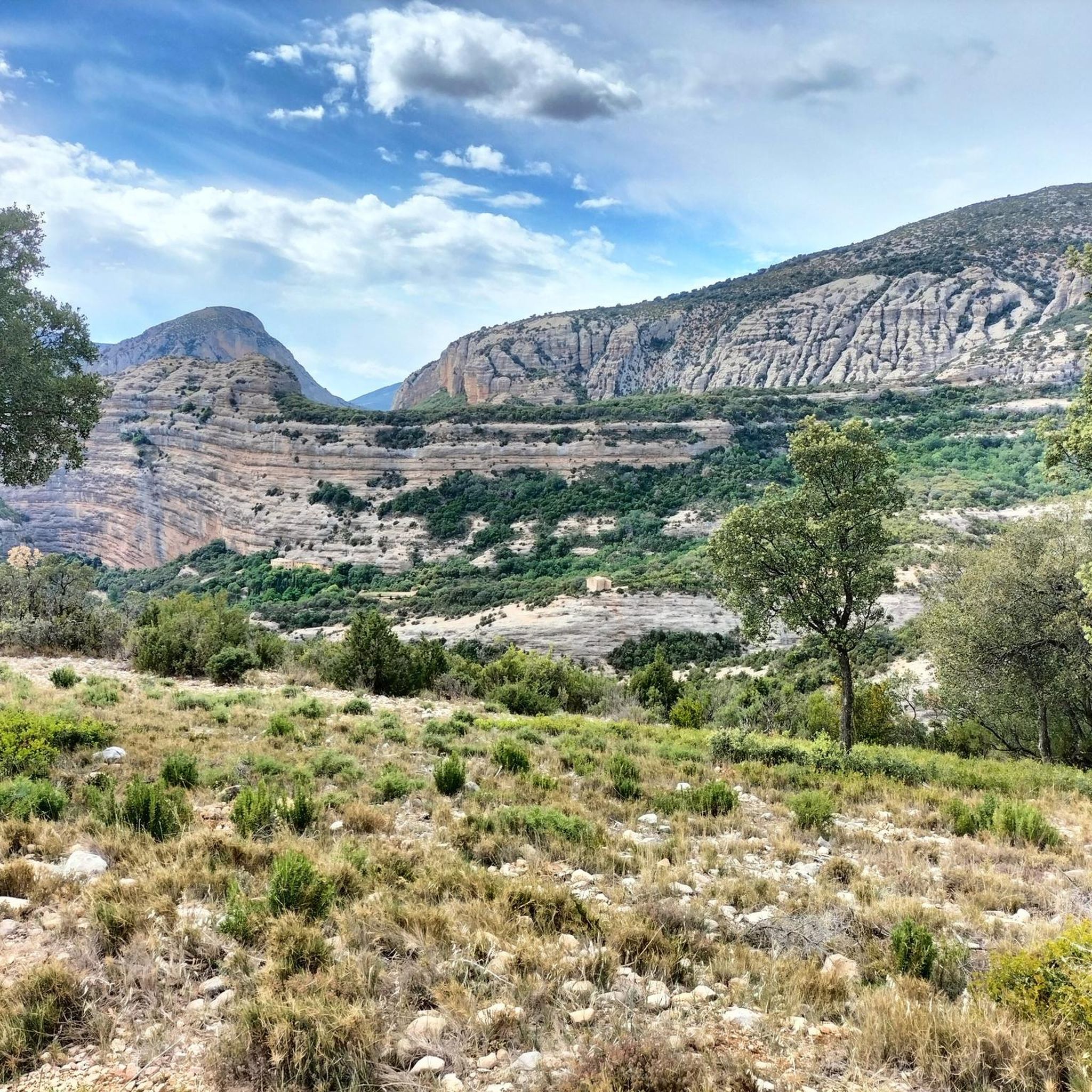
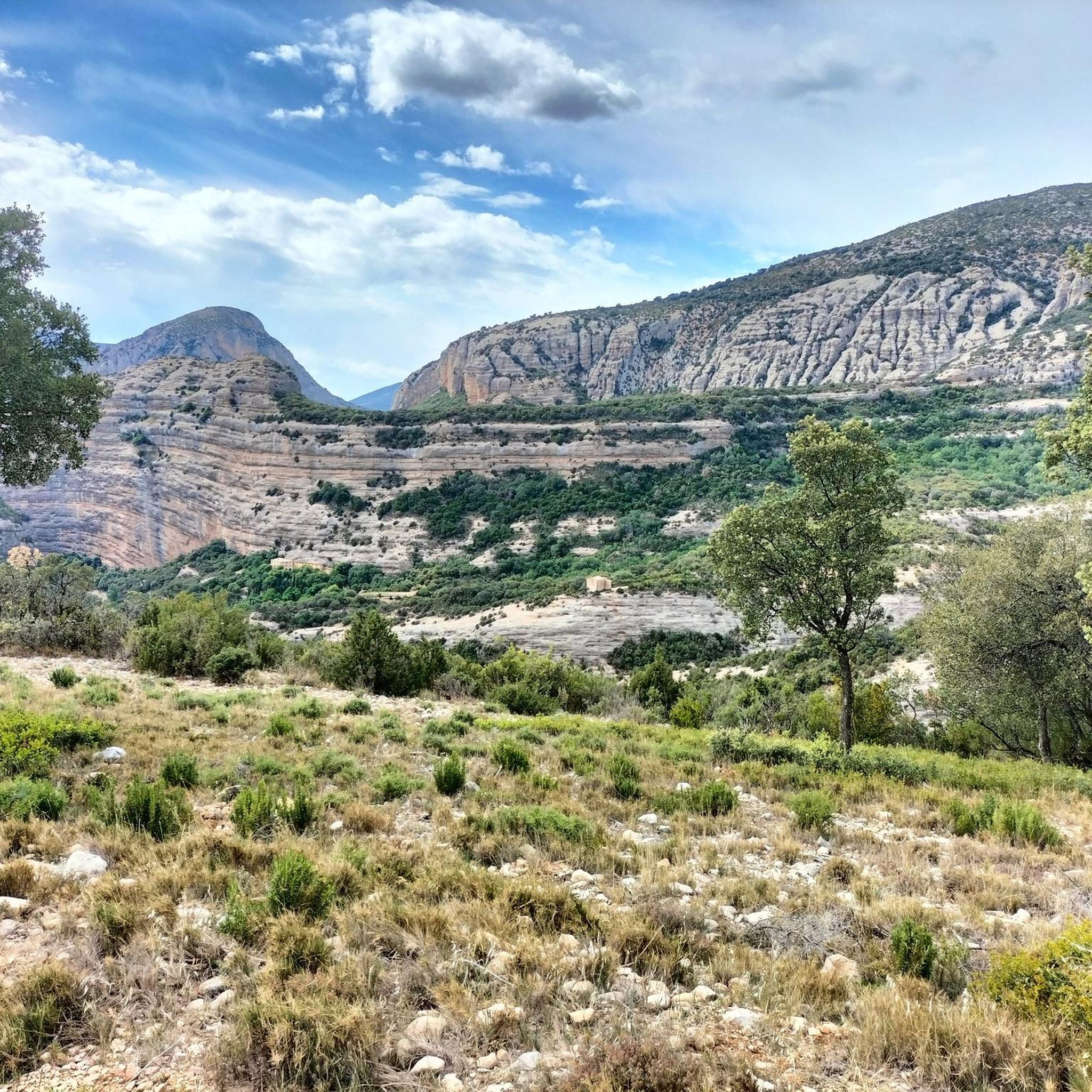
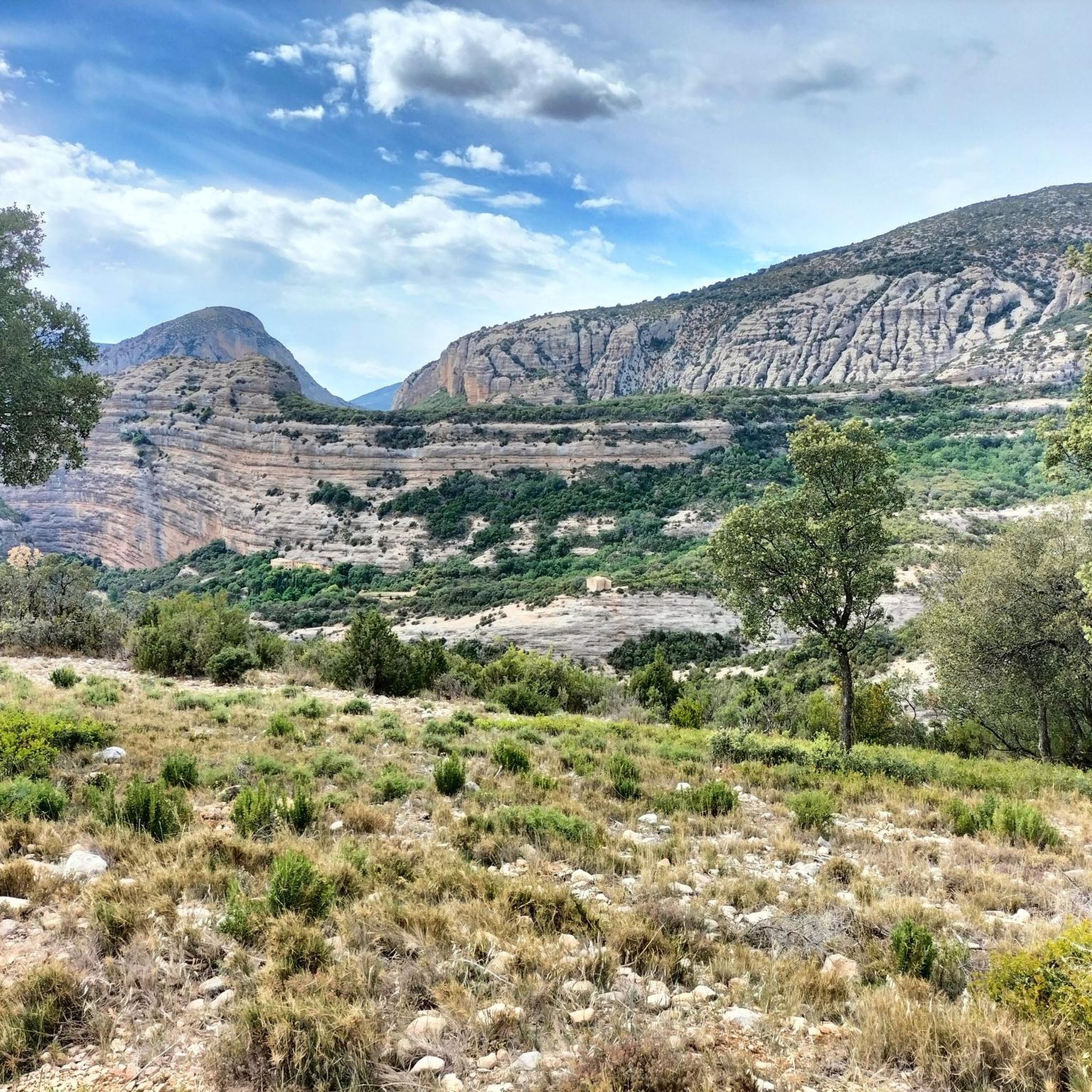
The Losa Mora dolmen is located within the Sierra y Cañones de Guara natural park, near Rodellar and the Mascún canyon. This burial chamber dates from the Neolithic and consists of large slabs in a good state of preservation. Being on top of a hill, the visit to the dolmen also allows you to enjoy beautiful views of the mountains.
1
0

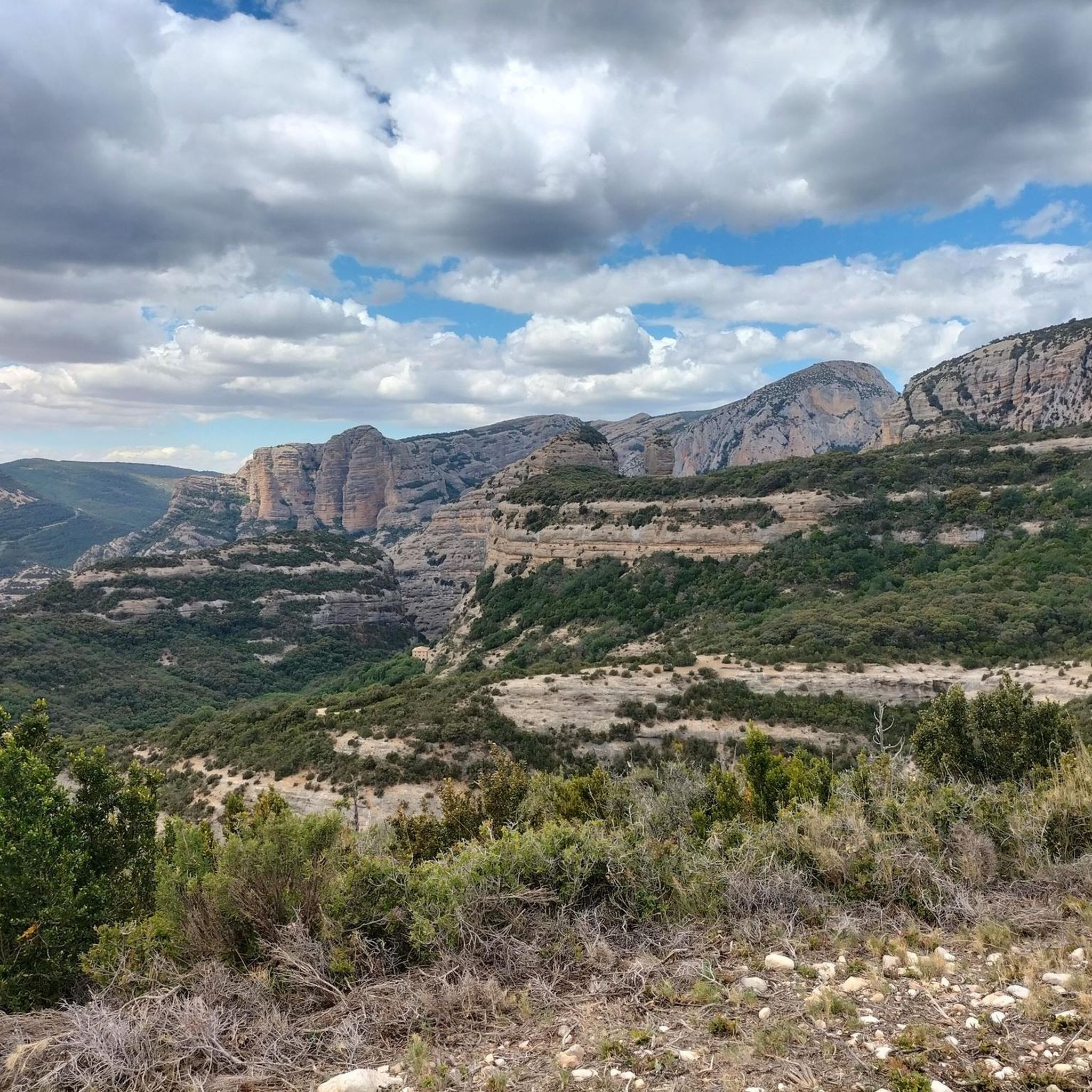
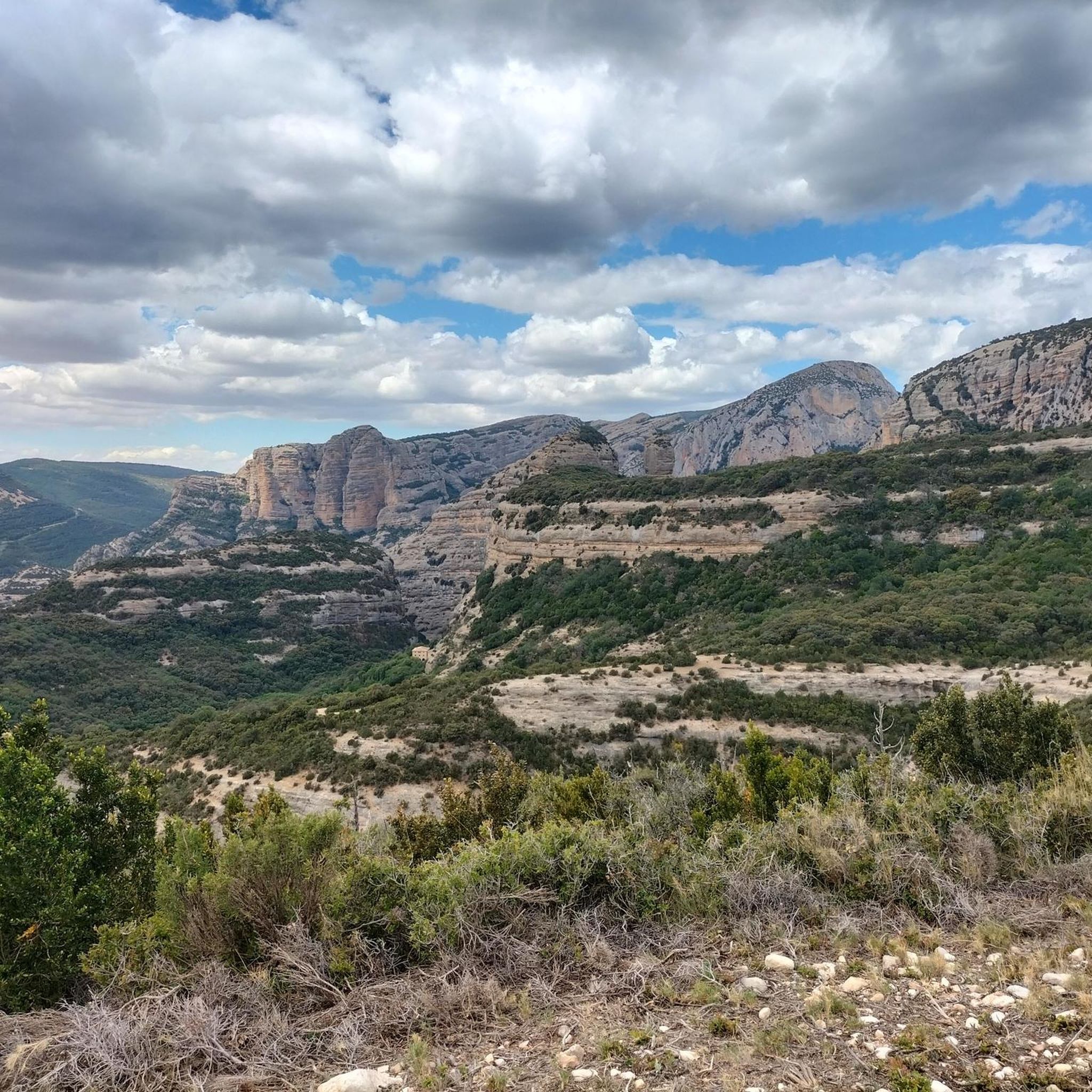
Spectacular viewpoint over the Peña San Miguel, Pico el Fraile and Peña Amán that form the so-called Salto de Roldán. The area is impressive with cliffs, precipices and continual flying over by birds of prey that nest on these walls. Access to the viewpoint is restricted for vehicles, but it is allowed for people with disabilities.
5
0
The one known as Salto de Bierge is currently one of the most popular and crowded places in the entire Sierra de Guara due to its use as a bathing place.
10
0

From here I got an idea of what the vultures see over the Palomeras Strait when they take off from the slopes of the San Miguel and Amán rocks. Leaning over the fence, you can see the bottom of the ravine with the Flumen River, all the surrounding peaks and the imposing 400-meter limestone slope of the Amán Rock. You can go at any time of the year.
0
0
Frequently Asked Questions
What unique natural features can I expect to see around Casbas de Huesca?
The landscape around Casbas de Huesca is a transition zone between the Pre-Pyrenean mountains and the Ebro Valley, offering diverse natural features. You'll find significant geological formations, rivers, and water features shaped by natural processes. This includes impressive rock structures, canyons like Garganta de Tamara, and serene river basins such as Tamara Spring.
Beyond the main highlights, are there other significant natural monuments in the broader Huesca province worth visiting?
Yes, a highly significant natural monument in the broader Huesca province, and often considered a major attraction in the Hoya de Huesca area, is the Monumento Natural de los Mallos de Riglos, Agüero y Peña Rueba. These are impressive reddish, vertical geological formations that can reach heights of up to 300 meters, offering spectacular scenery and a renowned destination for climbing and birdwatching.
Where can I find impressive water features or swimming spots near Casbas de Huesca?
The area boasts several beautiful water features. Tamara Spring is a large, calm river basin with clear, turquoise water perfect for cooling off. The Vadiello Reservoir offers impressive views of turquoise water set against imposing rock formations. Historically, Salto de Bierge, a waterfall forming a pool, was also popular for cooling off, though access may be restricted now.
Are there any historical natural monuments in the area?
Yes, the Dolmen of Losa Mora is a notable historical natural monument. Located within the Sierra y Cañones de Guara natural park, this Neolithic burial chamber consists of large, well-preserved slabs. Its hilltop location also provides beautiful views of the surrounding mountains, blending historical significance with natural beauty.
What kind of geological formations are prominent in the natural monuments around Casbas de Huesca?
The region is characterized by diverse geological formations. You'll encounter impressive rock structures, such as those surrounding the Vadiello Reservoir, and the dramatic canyons like Garganta de Tamara, carved by rivers over time. The broader Huesca province also features the iconic 'mallos' – reddish, vertical conglomerate rock formations like those at Riglos, which are a result of ancient geological processes and erosion.
What outdoor activities can I do near the natural monuments around Casbas de Huesca?
The area around Casbas de Huesca, particularly within the Sierra y Cañones de Guara Natural Park, offers a wide range of outdoor activities. You can explore numerous trails for running, mountain biking, and cycling. For specific routes and more details, check out the guides for Running Trails around Casbas De Huesca, MTB Trails around Casbas De Huesca, and Cycling around Casbas De Huesca. Additionally, canyoning is a popular activity in the canyons like Garganta de Tamara.
Are there specific hiking trails to explore these natural monuments?
While specific hiking trails directly to each natural monument are not detailed here, the region offers extensive hiking opportunities, especially within the Sierra y Cañones de Guara Natural Park. Many trails allow you to explore the impressive formations and water features. For a comprehensive overview of routes in the area, refer to the various activity guides available, such as those for running, mountain biking, and cycling, which often share paths with hiking trails.
Can I go canyoning in the area?
Yes, the canyons around Casbas de Huesca, particularly within the Sierra y Cañones de Guara Natural Park, are renowned for canyoning. The Garganta de Tamara is a popular spot where many canyoning enthusiasts can be seen enjoying the turquoise waters and impressive rock formations.
What is the best time of year to visit the natural monuments around Casbas de Huesca?
The best time to visit depends on your planned activities. Spring and autumn generally offer pleasant temperatures for hiking and exploring. Spring brings lush greenery and flowing water, while autumn provides comfortable weather and beautiful fall colors. Summers can be hot, making water-based activities like visiting Tamara Spring more appealing. For birdwatching, especially raptors, spring and early summer are ideal.
Are the natural monuments around Casbas de Huesca suitable for families?
Many natural monuments and trails in the region can be enjoyed by families, depending on the specific location and the age/ability of children. Areas with calm waters like Tamara Spring can be pleasant for a family outing. When planning, always check the difficulty and length of trails, and consider the terrain, as some areas involve challenging sections or require specific gear.
What do visitors enjoy the most about the natural monuments around Casbas de Huesca?
Visitors particularly appreciate the stunning natural beauty and the opportunity to connect with nature. The clear, turquoise waters of spots like Tamara Spring and the dramatic landscapes of the Vadiello Reservoir are frequently highlighted. The unique geological formations and the chance to observe diverse wildlife, especially raptors, also contribute to a memorable experience.
Are there any viewpoints offering panoramic views of the natural monuments?
Yes, several locations offer excellent panoramic views. The Dolmen of Losa Mora, situated on a hilltop, provides beautiful vistas of the surrounding mountains. Additionally, viewpoints overlooking canyons like Garganta de Tamara allow you to gaze down into the impressive river-carved landscapes.
Most popular routes around Casbas De Huesca
Most popular attractions around Casbas De Huesca

Get inspired with the komoot mobile app


Explore more
Extend your search for the best caves by checking out these guides of the top ones around Casbas De Huesca:
